
9 Ways Dogs Ask for Space That Owners Commonly Mistake for Bad Behavior
You know that sinking feeling when your dog suddenly growls, nips, or refuses to come near you and you think, what did I do wrong? Most people jump straight to the idea that their dog is being stubborn, dominant, or just plain naughty. In reality, a lot of those “bad” moments are your dog desperately whispering: please give me a little room.
Once I understood that my own dog’s sassiness was often just a quiet cry for space, the whole relationship shifted. What looked like attitude turned out to be communication. The wild part? Many of these signals are incredibly subtle, and most of us were never taught to see them. Let’s unpack nine common ways dogs ask for space that we routinely misread as misbehavior.
1. Turning Their Head Away or Showing the “Side Eye”
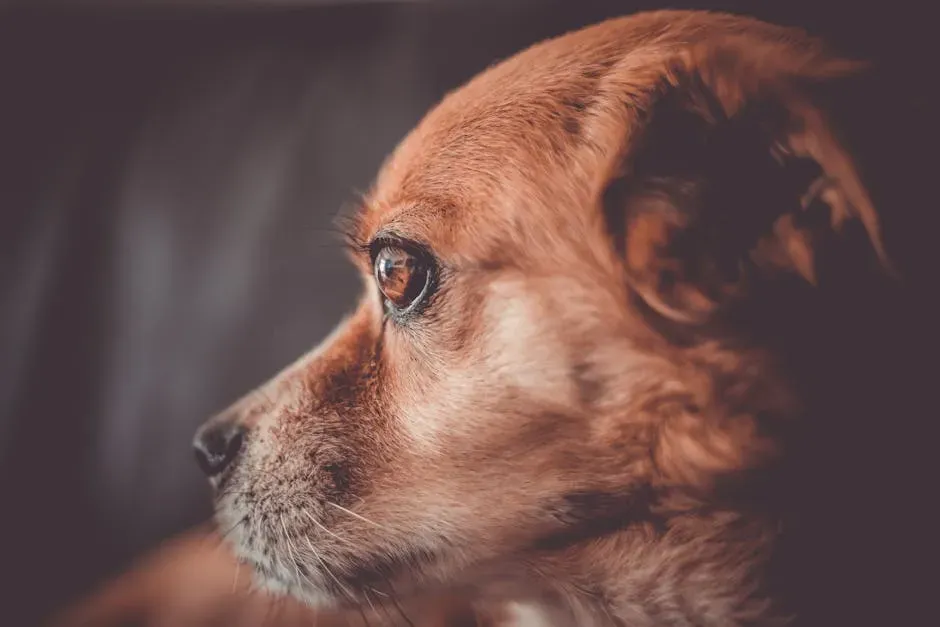
That dramatic head turn when you lean in for a kiss and your dog looks away? It’s not rudeness, it’s a canine version of saying: this is a little too much for me right now. Many dogs, even very loving ones, find face-to-face pressure or sudden closeness uncomfortable. Instead of snapping, they’ll calmly turn their head, avert their gaze, or offer you the classic side-eye with the whites of the eyes just visible.
People often react to this as disrespect or disinterest and lean in even closer, which only raises the dog’s stress. Over time, a dog who learns that subtle signals are ignored may jump straight to growling or nipping. If you notice that head turn, pause and soften your approach. Give them a few seconds, maybe angle your body sideways, and let them choose whether to come closer.
2. Slow, Stiff Movements and “Statue Mode”
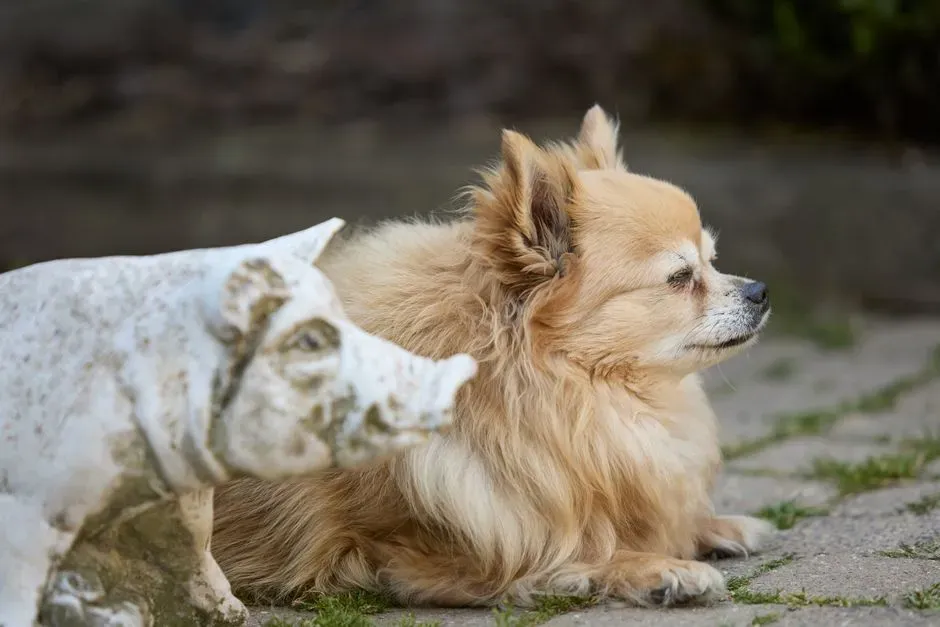
We tend to watch for obvious signs like barking or lunging, but one of the biggest red flags that a dog needs space is actually stillness. A dog that suddenly freezes, moves in slow motion, or stands with a stiff body is not being stubborn or defiant; they’re overwhelmed and trying to process what’s happening. This is often seen when a child hugs a dog, when someone tries to groom a sensitive area, or when a stranger reaches over their head.
Because humans interpret stillness as compliance, we often keep going: we keep petting, keep hugging, keep trimming nails. Inside, the dog is screaming. If their quiet request is ignored, the next step may be a growl, snap, or bite that feels like it came “out of nowhere.” When you see statue mode or slow, robotic movement, back off a bit, lower the intensity, and give your dog a chance to reset.
3. Lip Licking, Yawning, and Sudden Sniffing
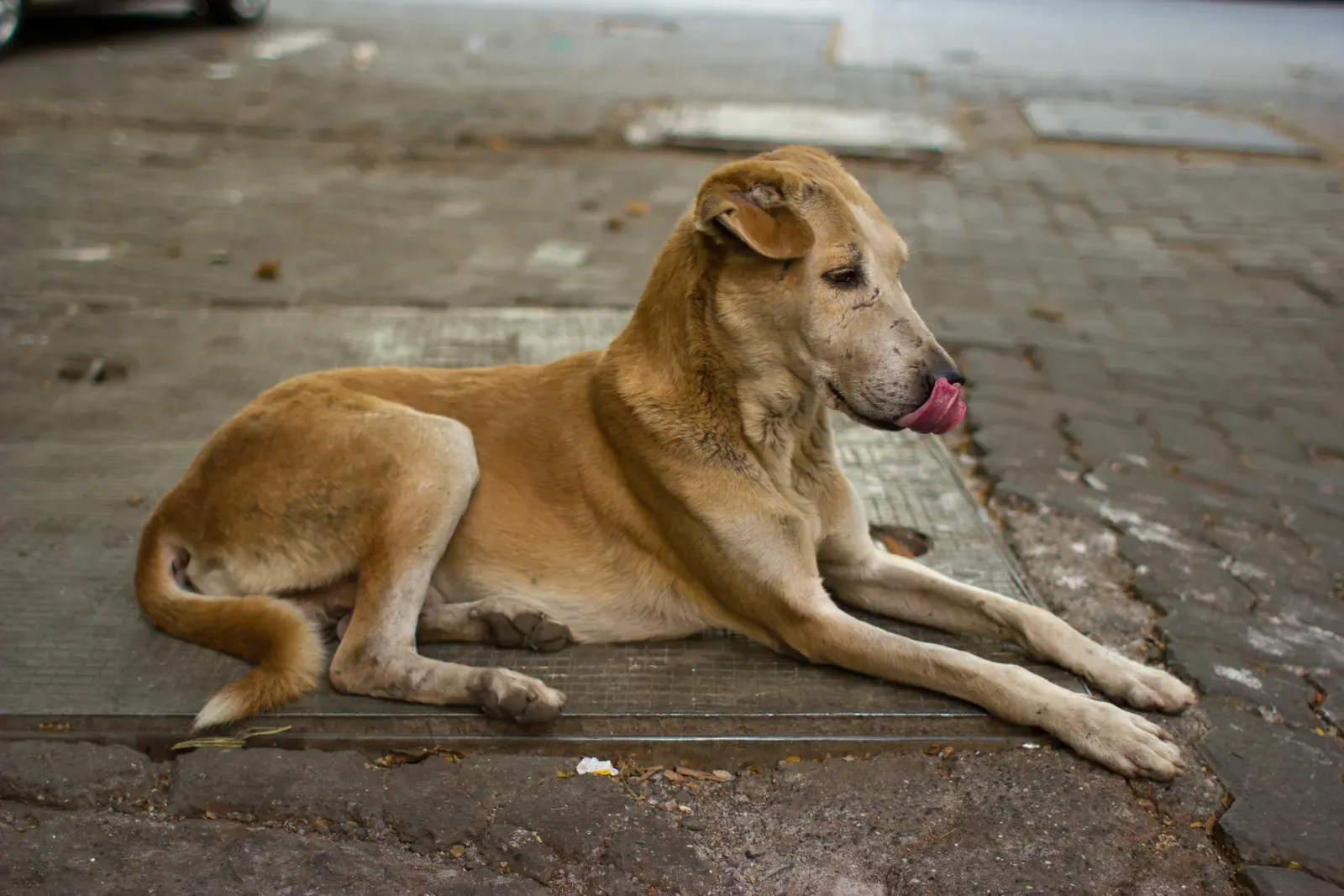
A lot of people think lip licking means a dog is hungry and yawning means they’re tired, but in stressful moments these tiny gestures are often classic calming signals. You might see a quick tongue flick over the nose, repeated yawns, or your dog suddenly deciding that a totally random spot on the ground smells fascinating. They’re not being dramatic; they’re trying to soothe themselves and show they’re uneasy.
These behaviors are easy to miss, so owners push the dog into situations they are not ready for, like forcing greetings with other dogs or people. Then, when the dog finally barks or snaps, it’s labeled as unpredictable. The truth is, the dog started whispering their discomfort long before they raised their voice. When you notice these subtle signs, take it as a polite request for space or a break from whatever is going on.
4. Walking Away, Hiding, or Leaving the Room
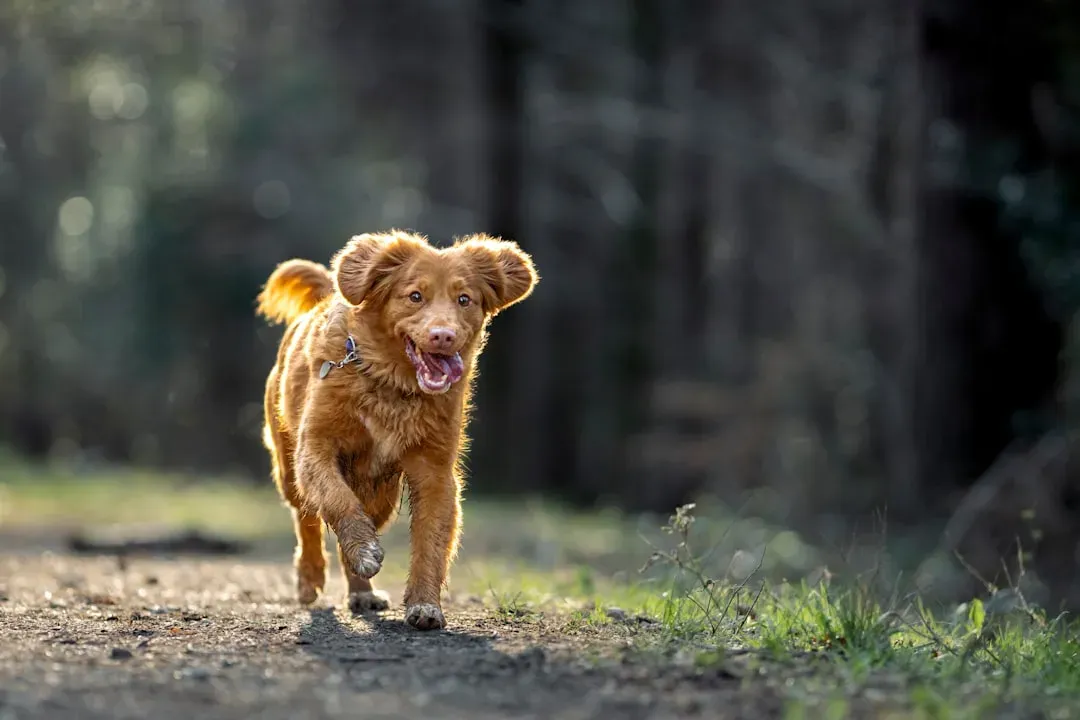
Many of us secretly take it personally when our dog gets up and leaves when we sit down next to them or when guests arrive. It can feel like rejection, and some owners call their dog rude, aloof, or antisocial. But walking away is often the most respectful, gentle way a dog can say: I need a bit of distance right now. It is not a character flaw; it’s emotional intelligence.
Instead of calling them back or physically blocking their escape, it’s kinder to allow that choice. Dogs who are permitted to move away when uncomfortable tend to relax faster and return on their own. If you repeatedly override their attempts to withdraw – trapping them in corners, under tables, or on leashes – they may eventually feel they have no option but to defend themselves. Space is safety, and safety builds trust.
5. Growling, Snapping at the Air, or “Talking Back”
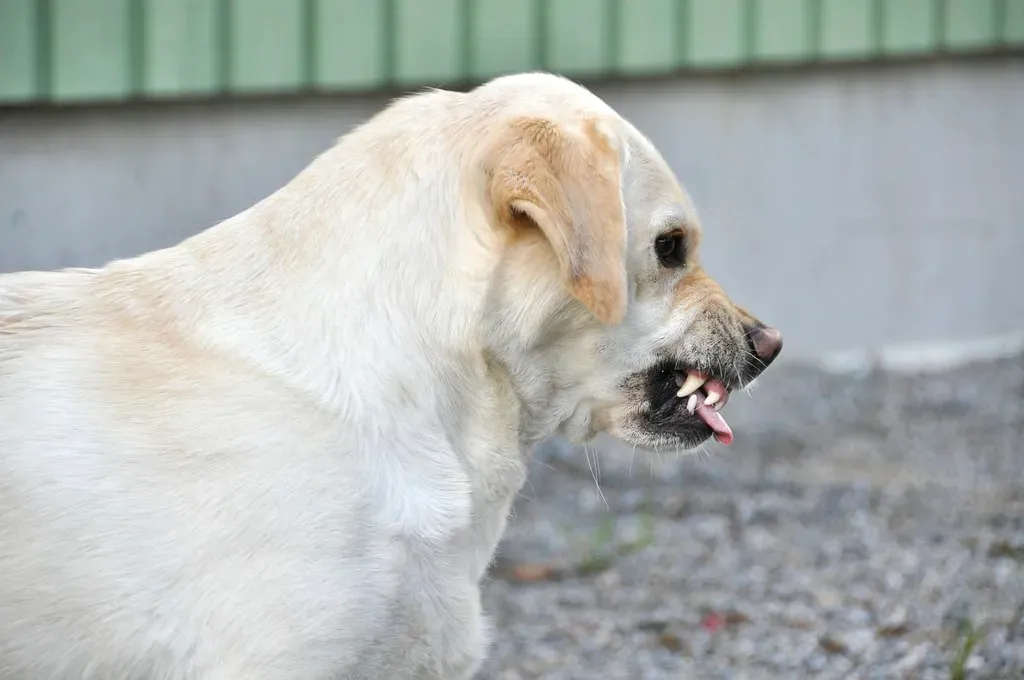
Growling is probably the most misunderstood communication tool dogs have. Many people punish it on the spot because it sounds threatening, assuming the dog is being aggressive or disrespectful. In reality, a growl is more like a warning label: I’m at my limit, something needs to change. When we punish growling, we do not fix the underlying discomfort; we just remove the early warning system.
Air snaps, grumbling, and “talking back” when you touch a sore spot, move them off the couch, or hug them too tightly are often last-ditch efforts to create space. It’s uncomfortable to hear, especially if you love your dog deeply, but it’s invaluable information. Instead of scolding, pause and ask: what about this situation is too intense? Then adjust the environment, handling, or expectations so your dog doesn’t feel pushed over their threshold.
6. Avoiding Touch or Leaning Away From Hands
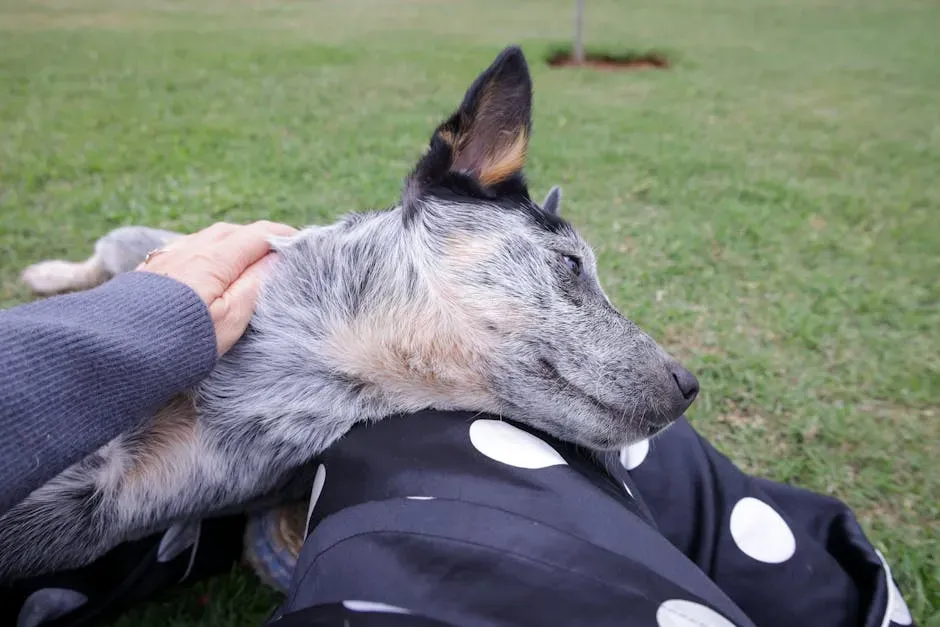
Sometimes a dog seems “ungrateful” because they pull back from petting or flinch away when you reach for them. Owners might label this as being antisocial, unbonded, or dramatic. More often, the dog is politely stating that the type, location, or intensity of touch is not right for them in that moment. Just like humans, some dogs love deep pressure, some prefer light strokes, and some don’t want to be touched when they’re tired or on edge.
Leaning away, dropping their head, twisting their body, or backing up a step are all quiet requests for more space. It’s tempting to coax them closer or hold them still, especially when you just want a cuddle. But noticing these small movements and respecting them builds enormous trust. Over time, a dog who learns their boundaries will be honored usually becomes more affectionate, not less.
7. Hyper Behavior That Looks “Naughty” or Overexcited
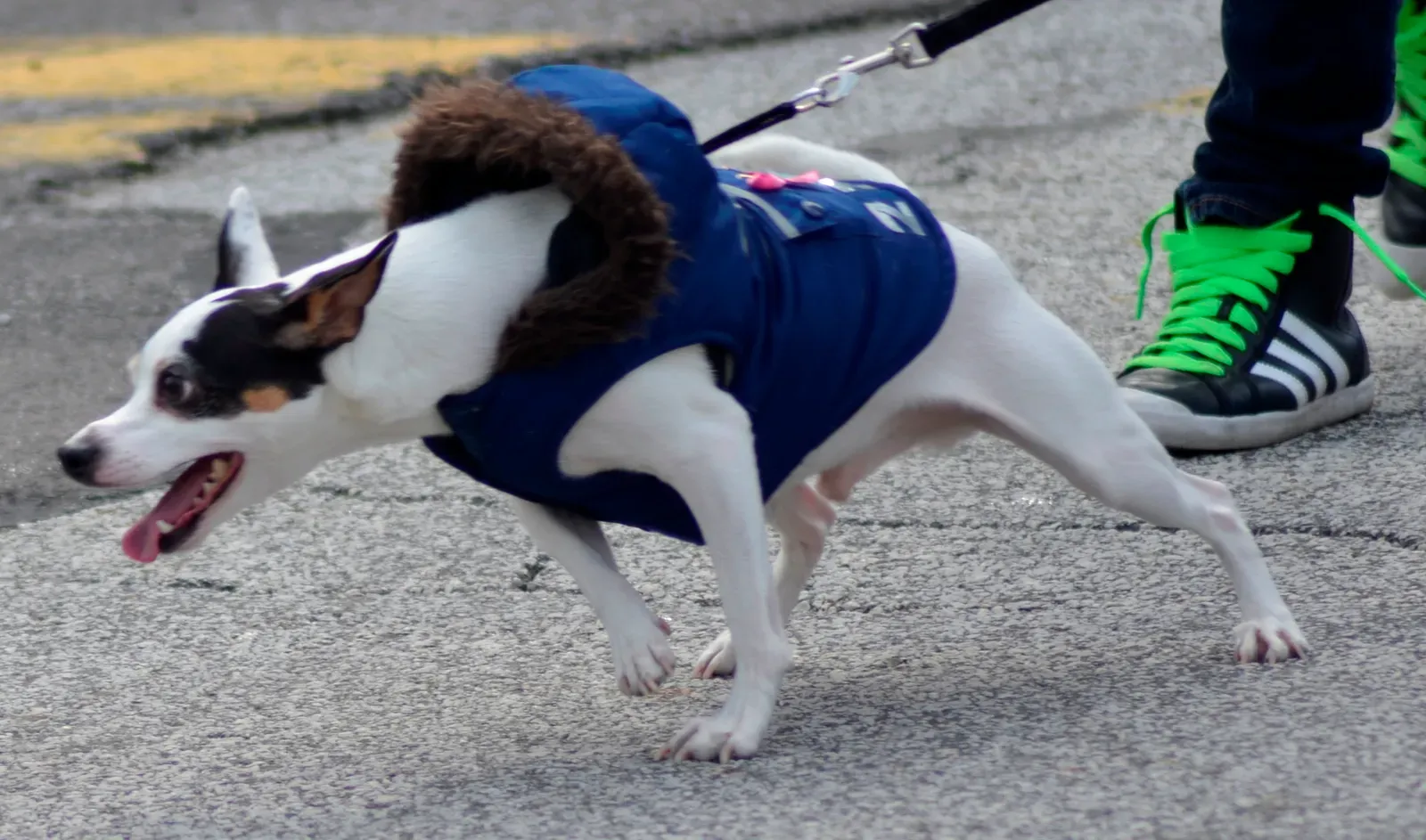
That dog who suddenly zooms around, jumps on people, steals items, or barks non-stop can look like a total troublemaker. But what often gets missed is that this so-called bad behavior is frequently a stress response. When a dog is overwhelmed and has no option to move away, they may explode into frantic activity. It is their way of trying to discharge tension in a situation where they really need more space or lower intensity.
Picture a child stuck in a too-loud birthday party; eventually they start running, yelling, or throwing things because it all feels like too much. Dogs do the same. Instead of doubling down on control – yanking the leash, scolding, or physically restraining them – ask whether they’re over-stimulated and need a quieter environment or a chance to decompress. Creating distance from the chaos is often the real solution, not more discipline.
8. Avoiding Other Dogs or People Instead of “Being Friendly”
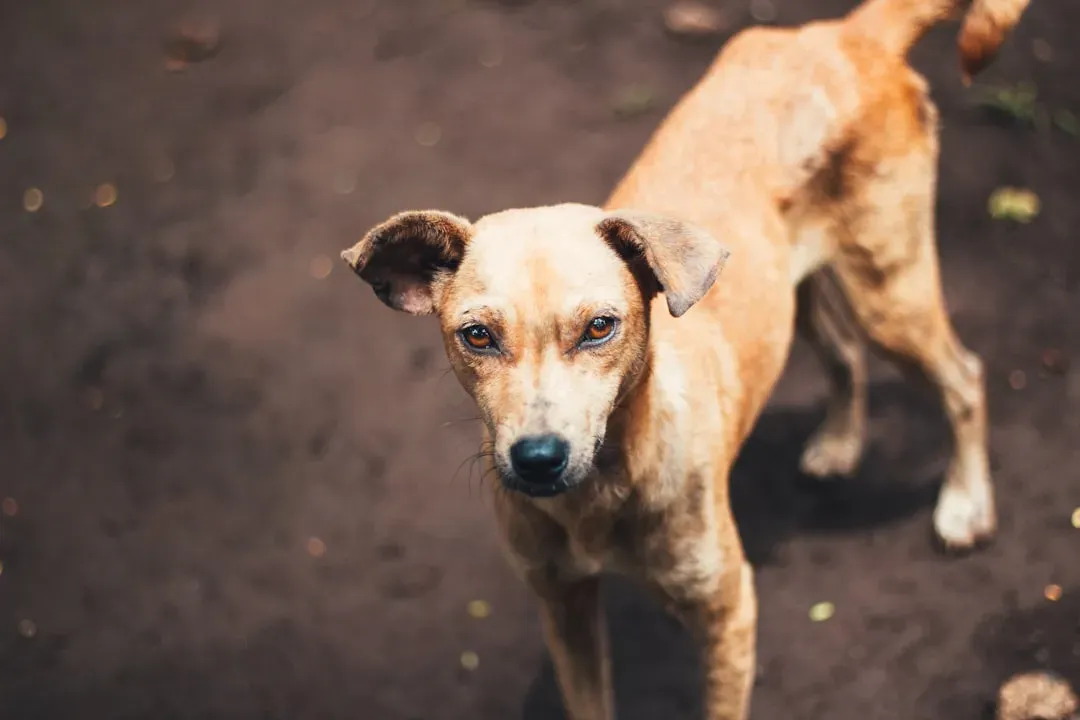
Many owners feel embarrassed when their dog does not want to greet every other dog or person. If your dog hangs behind you, ducks behind your legs, or circles wide around someone, it’s easy to assume they’re being rude or poorly socialized. We live in a culture that celebrates the ultra-friendly dog who loves everyone, which puts a lot of pressure on dogs that are naturally more reserved.
But avoiding direct contact is a completely valid way for a dog to manage their own comfort. Forcing them to greet when they’re clearly hesitant can actually make their social skills worse, not better. The dog learns that their subtle “no, thanks” is ignored, and their anxiety increases. Instead, protect their choice to keep distance. Let them watch from afar, move away if they ask, and choose their own pace for interaction.
9. Guarding Toys, Food, or Resting Spots
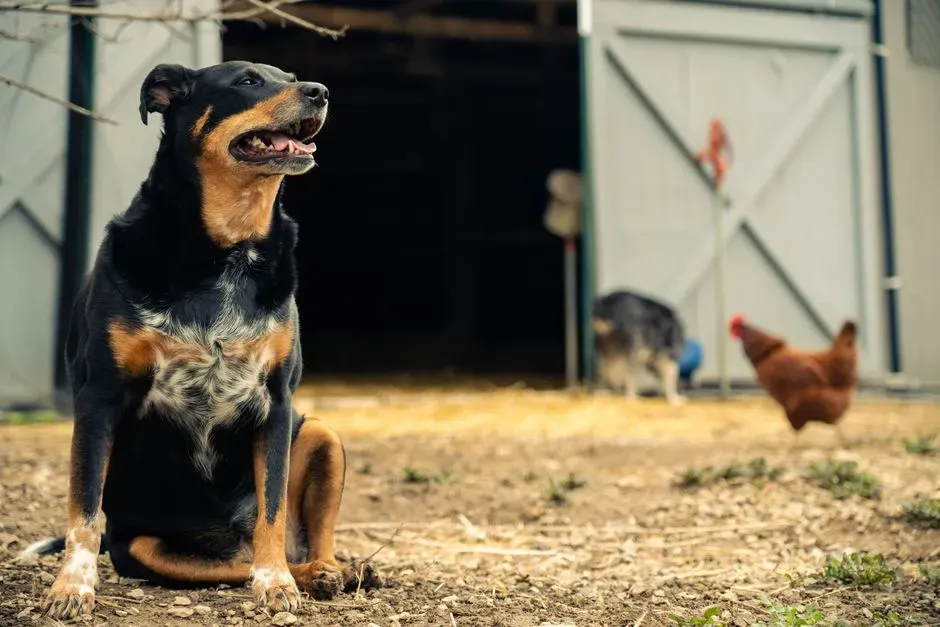
Resource guarding – when a dog stiffens, hovers over a toy, growls near their bowl, or snaps when someone approaches their bed – is often painted as dominance or greed. It is actually a very straightforward communication: this thing or space matters a lot to me, and I need you to back off right now. Dogs that guard are not villains; they are worried about losing something important and do not feel safe enough to relax.
When owners react with anger, snatching items away or punishing the dog, the underlying insecurity intensifies. The dog learns that people approaching their valued things really is bad news, so they guard even more fiercely. A more thoughtful response is to give them some physical distance, prevent risky situations (like hovering over them while they eat), and work gradually on trading and sharing with positive associations. Respecting their need for space around prized items is the first step toward changing how they feel about sharing at all.
Conclusion: Space Is Not Disrespect, It’s Communication
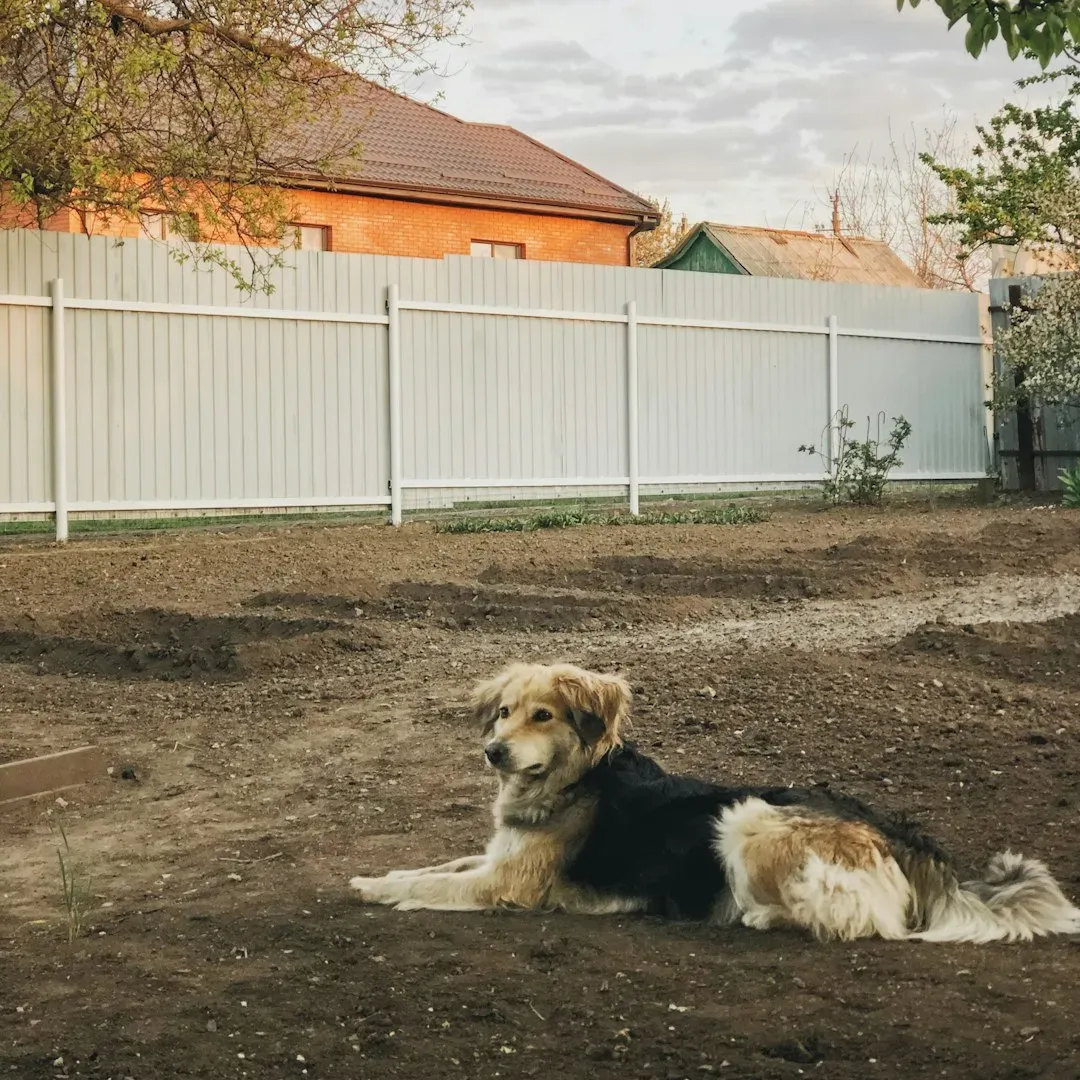
In my opinion, one of the biggest mistakes we make with dogs is taking their requests for space as a personal insult instead of what they really are: honest, incredibly polite communication. We expect dogs to tolerate things we would never tolerate ourselves – constant touching, tight hugs, strangers in their face – and then we’re shocked when they finally protest. When we reframe so-called bad behavior as a boundary, everything shifts. Instead of battling our dogs, we start listening to them.
The more we honor those subtle signals – head turns, walk-aways, growls, and all – the safer our dogs feel and the fewer explosions we see. It is not about letting dogs “get away” with things; it is about teaching them that they do not need to scream to be heard. A dog who knows their voice matters is a dog who can relax. When you look at your own dog now, how many of their “problems” might actually be simple, heartfelt requests for a little more space?