
7 Reasons Dogs Shake Their Bodies When They Are Not Wet
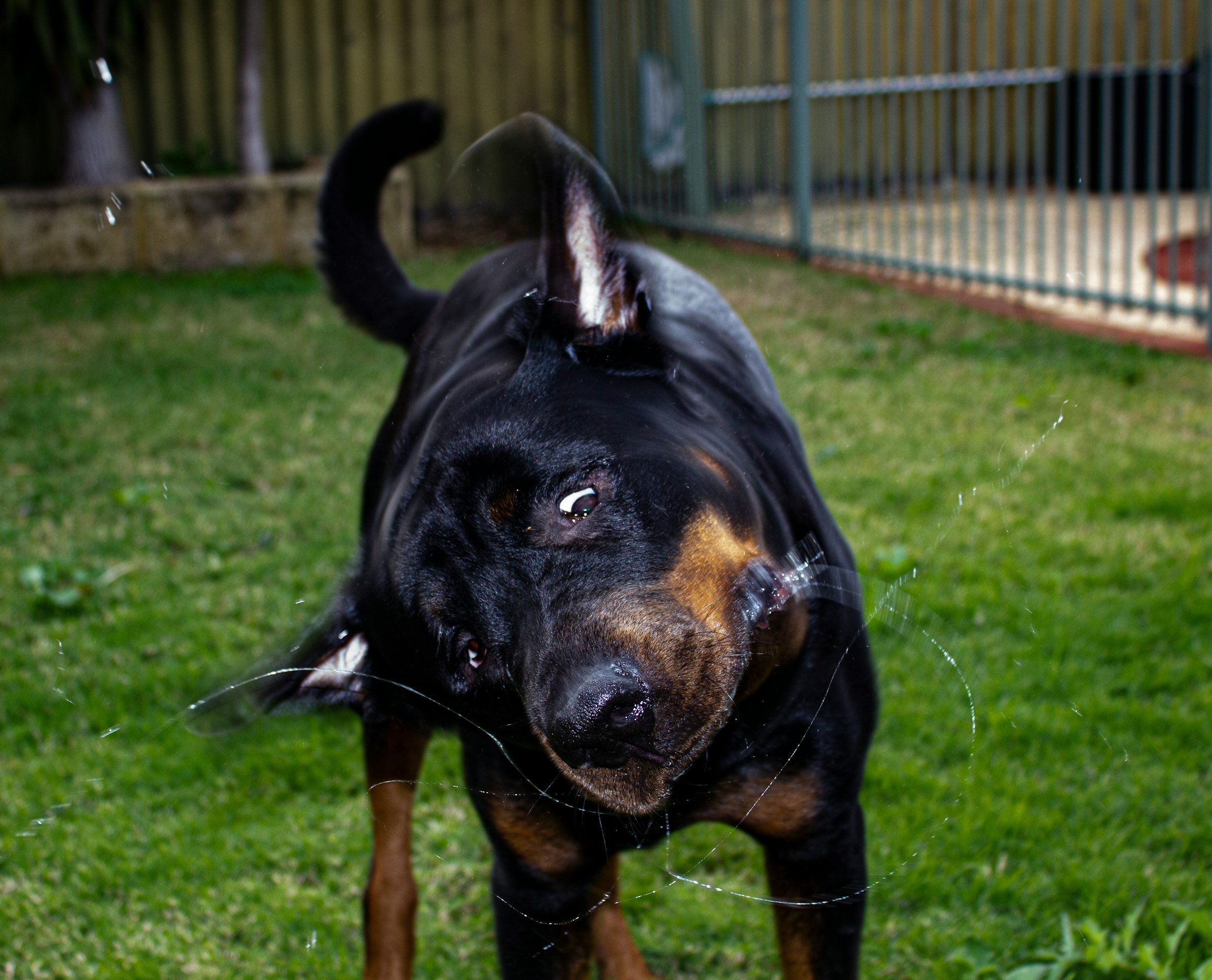
You know that full-body wiggle your dog does out of nowhere, like they’re trying to fling invisible water off their fur? One second they’re standing still, the next they’re shaking so hard their ears flap and their collar jingles. It can look random, a little dramatic, and honestly pretty hilarious. But to your dog, that shake is rarely meaningless.
I still remember the first time my dog did an intense shake in the middle of the living room, nowhere near a bathtub or rainstorm. For a second I thought something was wrong. Over time, though, I realized that shake was like a little window into how he was feeling in that moment. Once you know what to look for, that goofy shake starts to feel less like a quirk and more like a quiet message.
Reason 1: A Built-In Reset Button for the Nervous System
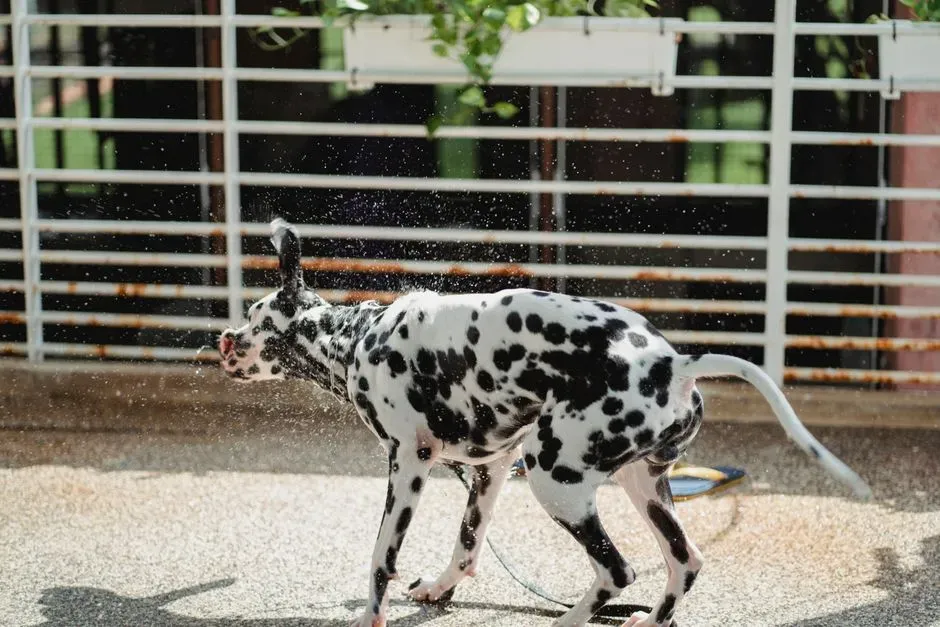
Here’s something surprisingly powerful: that full-body shake is often your dog’s way of “resetting” after a moment of stress, excitement, or uncertainty. Think of it like when you take a deep breath after a tense phone call, or when you stretch your shoulders after sitting too long. Dogs do not always have a way to talk it out, so their bodies step in and do the talking for them.
You’ll often see this reset shake right after something mildly stressful or overstimulating: a stranger approaching, a noisy truck going by, a quick visit at the vet, or even an intense play session at the park. They handle the situation, then shake it off – literally. It’s their way of saying, “Whew, that was a lot. Okay, moving on now.” Once you start spotting it, you’ll be amazed how many times your dog uses that little reset button during the day.
Reason 2: Releasing Tension and Excess Energy
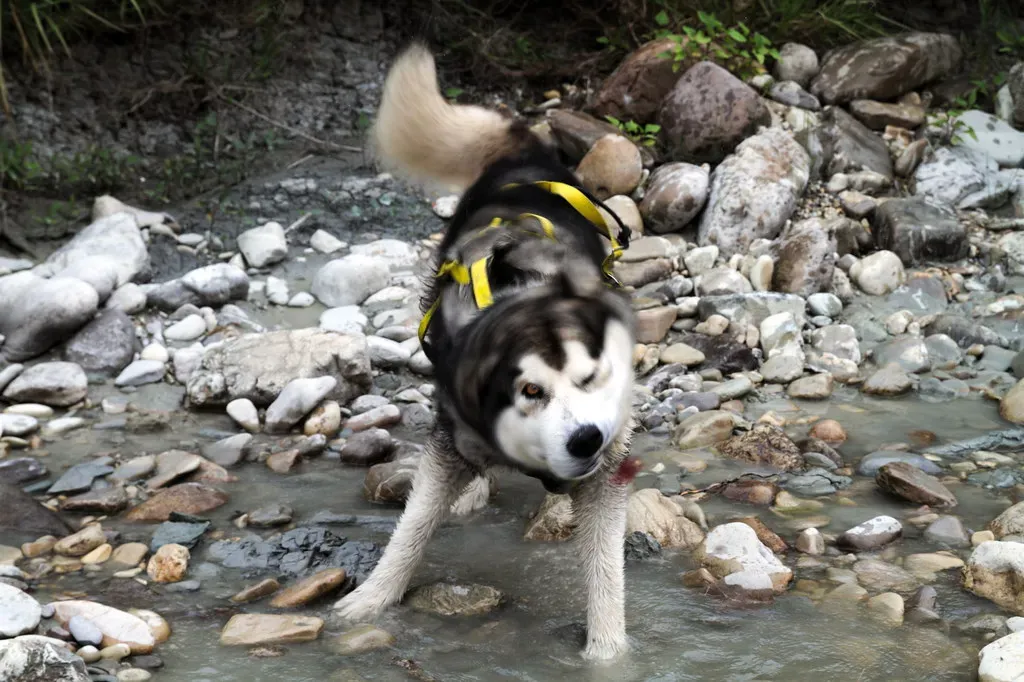
Dogs carry physical tension in their muscles just like we do, especially when they’re excited, frustrated, or cooped up. A big shake acts like a mini massage, helping release that built-up tightness from their neck, shoulders, and back. If you’ve ever gotten up from a stressful work call and felt the urge to roll your shoulders or shake out your arms, you already get the idea.
You’ll often notice this after something fun but stimulating – like zoomies around the yard or a wild game of tug. The play stops, your dog pauses, then boom: big body shake. It’s as if all the leftover adrenaline and excitement has to go somewhere, and the shake lets it drain out. When you see this, it’s usually a sign that your dog is regulating themselves pretty well, not that something is wrong.
Reason 3: Drying Is Only Part of the Story – It’s Also About Comfort
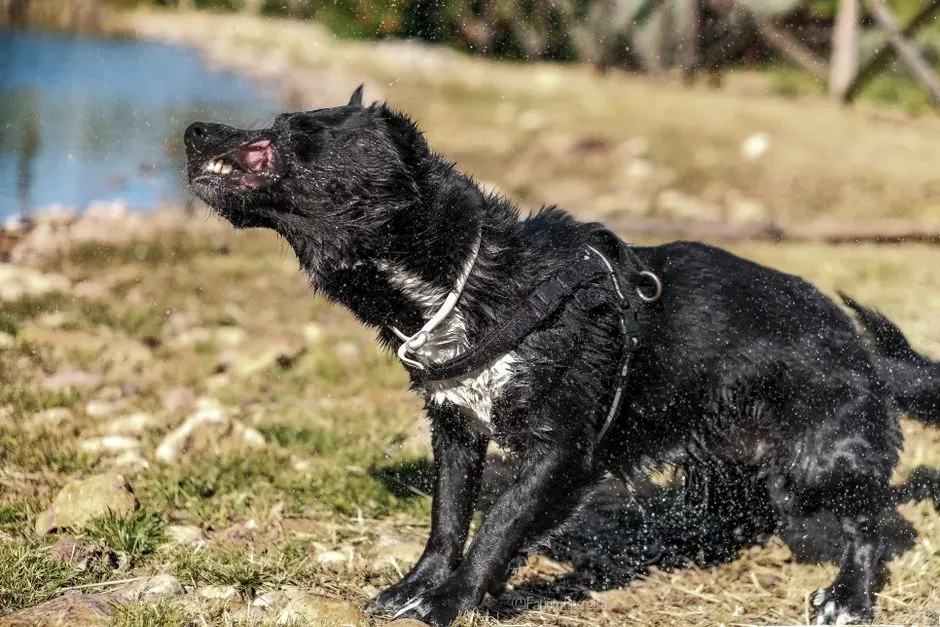
We tend to think shaking is only about drying off, but even when a dog isn’t visibly wet, they might still be a little uncomfortable physically. Maybe there’s a bit of dust in their fur, a loose hair stuck on their neck, or their collar shifted in a weird way. That full-body shake helps reposition the skin, loosen the coat, and make everything feel “just right” again.
This comfort shake can pop up after lying on one side for a while, after someone gives them a good petting session, or when they get up from a nap. It’s similar to how we stand up, stretch, and adjust our clothes. If your dog shakes after you hug them, groom them, or put on a harness, it is not necessarily an insult – it might simply mean they’re getting everything back into a comfy position.
Reason 4: Emotional Spillover From Stress, Fear, or Anxiety
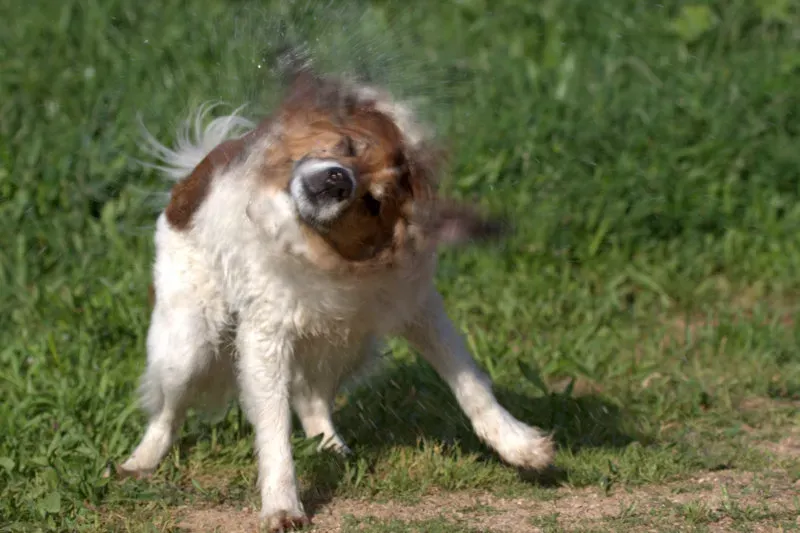
Sometimes that shake is not just about comfort; it is about emotional overload. When a dog goes through a moment of fear or anxiety – like hearing fireworks, visiting the vet, or being in a crowded, chaotic place – their body releases stress hormones. Once the scary part passes, a shake can help them discharge some of that lingering tension and return to a calmer baseline.
You might see this after a loud noise startles them, after a tense interaction with another dog, or after you raise your voice more than usual. They might lick their lips, turn their head away, and then shake from head to tail. It is not drama; it is biology. If you notice your dog shaking like this frequently in stressful contexts, it can be a valuable clue that their environment feels a little “too much” and that they could use more calm, predictable routines or slower introductions to new situations.
Reason 5: Social Signals and Conflict Diffusion
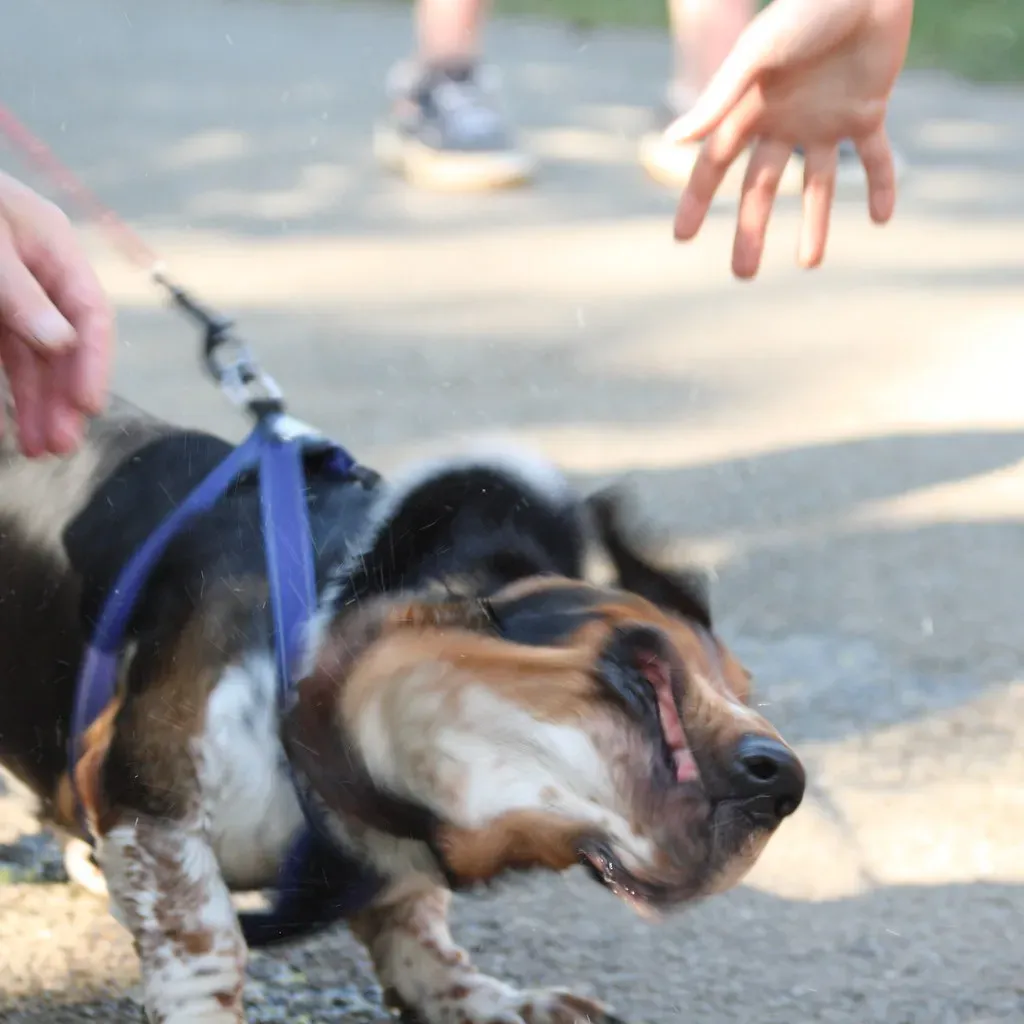
Dogs are constantly sending each other subtle signals, many of which we humans completely miss. A body shake can be one of those social cues, especially during or after interactions with other dogs or people. You might see a dog shake right after a slightly awkward greeting, a moment of tension, or when play shifts from intense to calm.
In those situations, the shake can act almost like a social reset, as if the dog is saying, “Okay, we’re good, let’s not escalate this.” If two dogs sniff each other, stiffen slightly, then separate and one of them shakes, that can be a sign they are choosing peace over conflict. It’s a small move with a big message, and once you learn to read it, you’ll understand your dog’s social world in a much deeper way.
Reason 6: Habit, Routine, and Learned Contexts
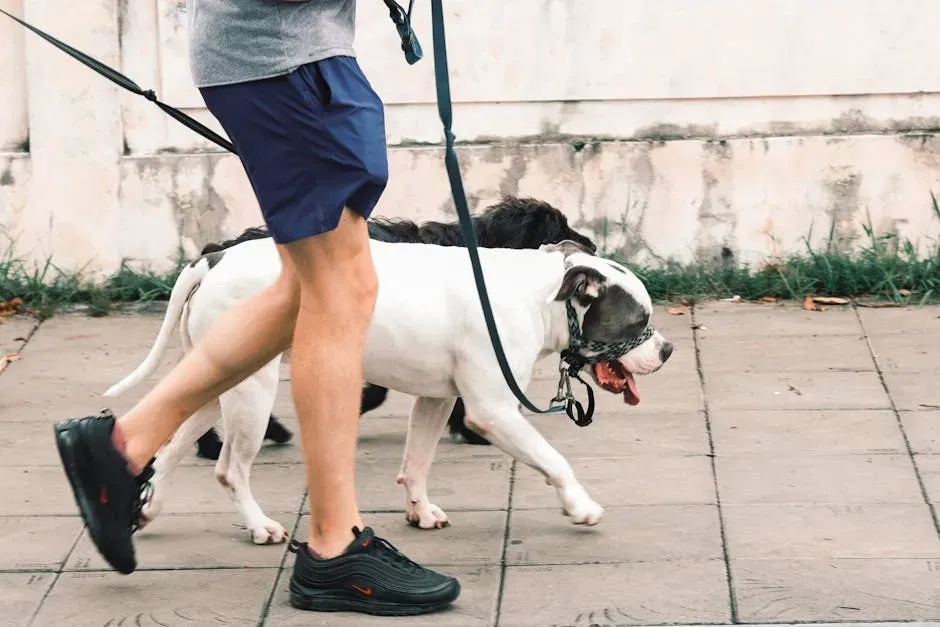
Not every behavior has a deep emotional meaning; sometimes, a shake is simply part of a routine that has been reinforced over time. For example, many dogs shake after coming out of their crate, after you unclip the leash at home, or right after mealtime. The sequence becomes so familiar that the shake slots in like a punctuation mark at the end of that little daily ritual.
Dogs are masters at building patterns. If they once shook after a bath and then you praised them or gave them a treat, they might carry that shake into similar – but dry – situations because it became part of the “script.” Over time, these learned shakes blend into their normal behavior, and while they may have started for a practical reason, they can continue just because that’s how your dog now moves through their day.
Reason 7: Possible Discomfort, Pain, or Underlying Health Issues
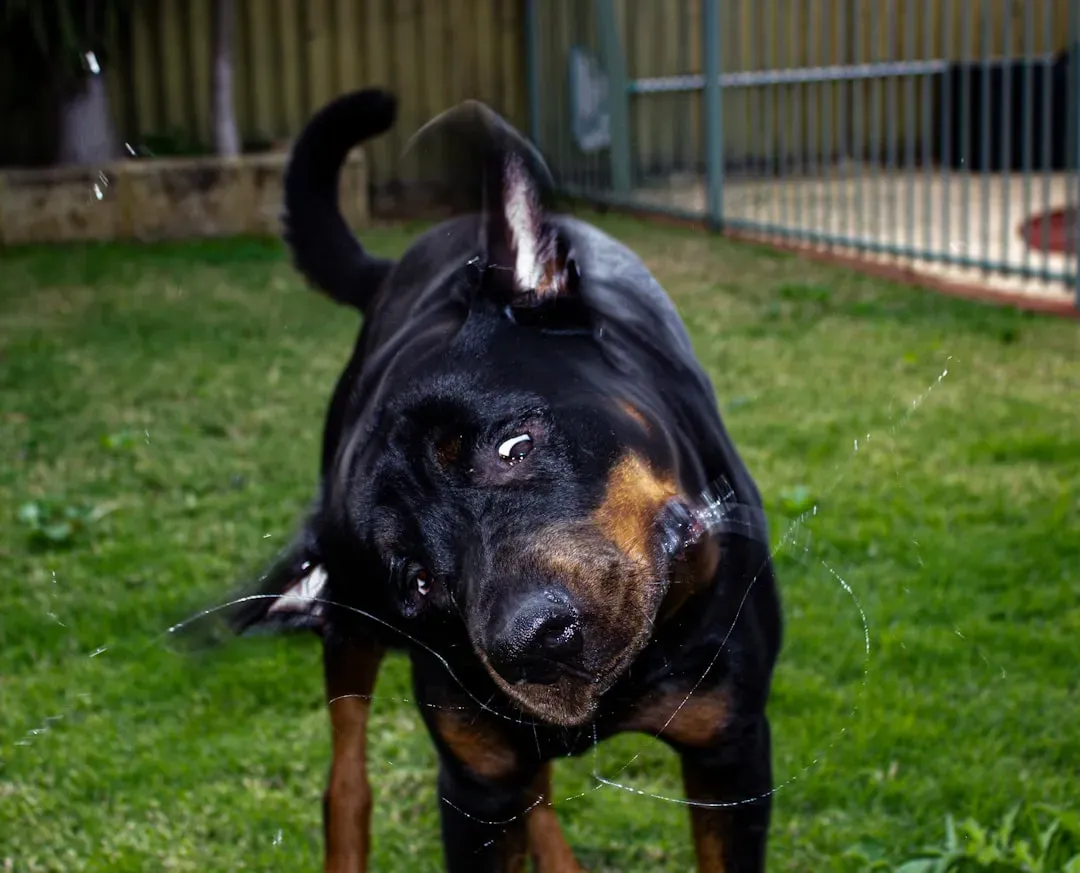
Here’s the serious side: sometimes frequent or intense shaking can point to an underlying physical issue that needs attention. If your dog is shaking their whole body and especially focusing around the head or ears, they could be trying to relieve irritation from an ear infection, skin allergy, or even something as simple as a burr stuck in their fur. Persistent shaking, especially paired with scratching, redness, odor, or head tilting, is not something to ignore.
There are also deeper medical conditions that can make a dog shake more often, such as chronic pain, neurological issues, or general malaise from illness. The key is to watch for patterns: is your dog shaking in specific situations, or is it happening constantly and out of context? If the shaking seems excessive, new, or combined with other symptoms like lethargy, appetite changes, or sensitivity to touch, it is absolutely worth talking to your vet rather than brushing it off as “just one of those dog things.”
Conclusion: Shaking Is a Window, Not Just a Weird Quirk
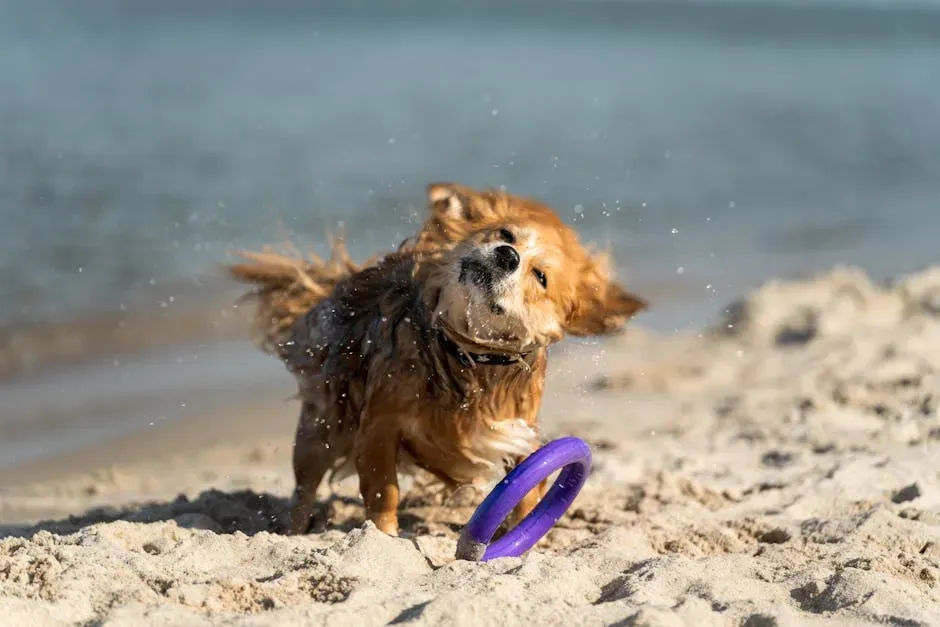
When you start paying attention, those random-looking shakes stop feeling so random. They become mini check-ins, tiny status updates your dog gives you throughout the day. Sometimes it’s a reset after a stressful moment, sometimes it’s a comfort adjustment, sometimes it’s pure habit, and occasionally it’s a red flag that something more serious might be going on. To me, that mix of physical instinct and emotional honesty is one of the most endearing things about living with dogs.
I’m a big believer that if we took their body language half as seriously as we take their cuteness, dogs would have calmer lives and fewer hidden struggles. So the next time your dog does that big dramatic shake in the middle of the living room, don’t just laugh and move on – take a second to wonder what they might be processing. Is your dog simply moving on from a moment, or are they trying to quietly tell you something you’ve been missing?