
8 Best Ways To Reduce Pet Hair At Home
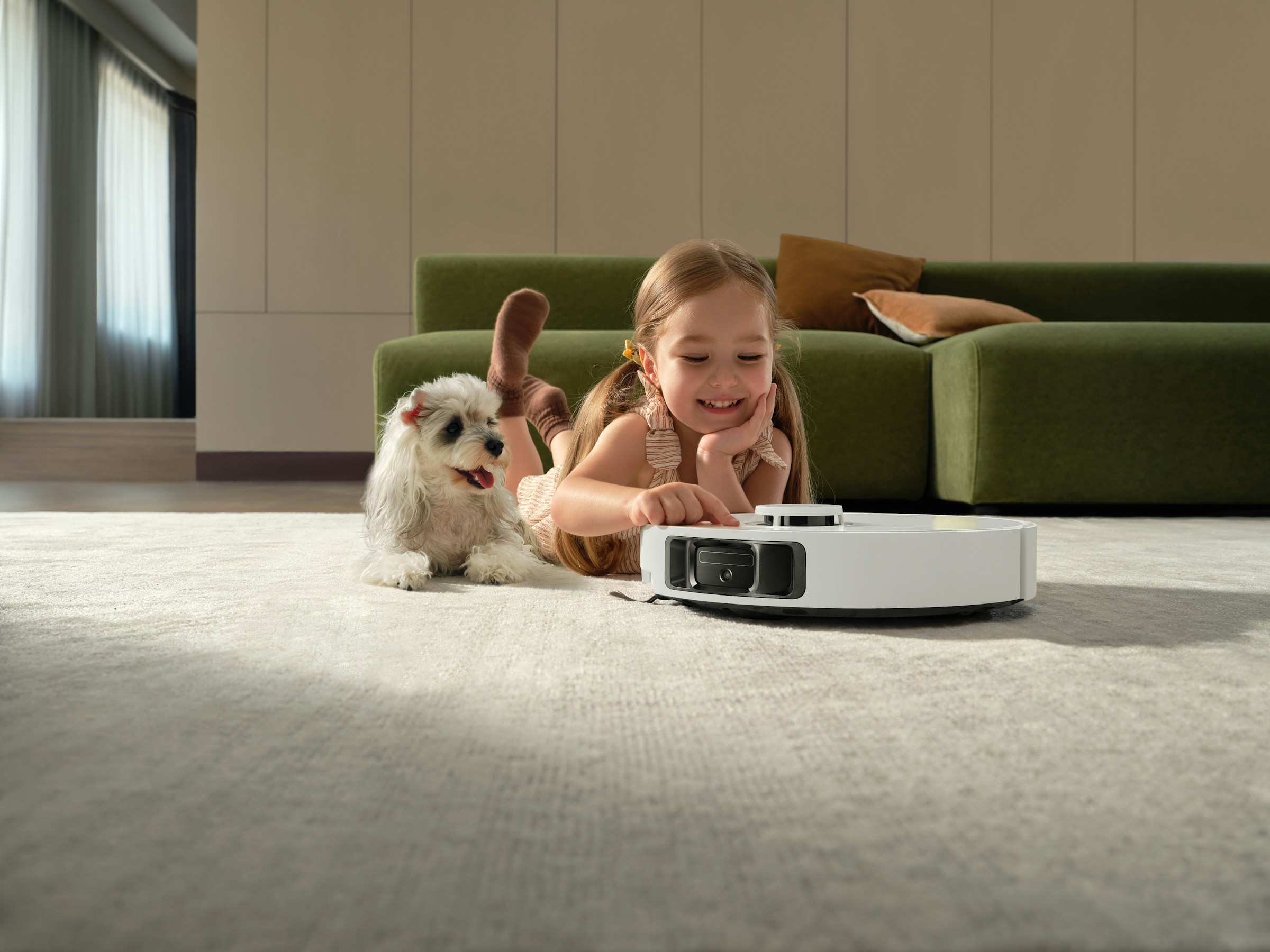
If you’ve ever sat down on your couch and stood up looking like a fuzzy lint roller, you’re in the right place. Living with pets means living with fur, but it doesn’t have to mean surrendering your home (and your clothes) to it. With a few smart habits and the right tools, you can seriously cut down on the tumbleweeds of hair rolling across your floors. I say this as someone who once thought constant shedding was just “part of the deal.” It’s not. Once I changed a few routines – especially around grooming and cleaning – the difference was honestly shocking. Let’s walk through the most effective, realistic ways to get pet hair under control without turning your life into a full‑time cleaning job.
1. Brush Your Pet More Often Than You Think You Need To
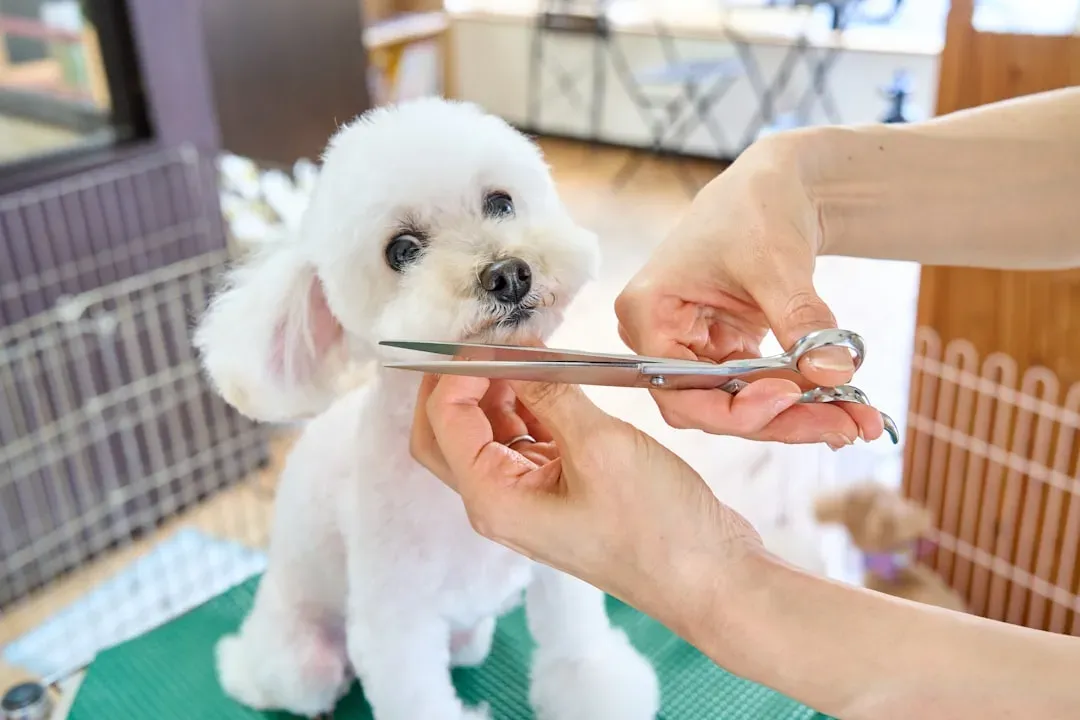
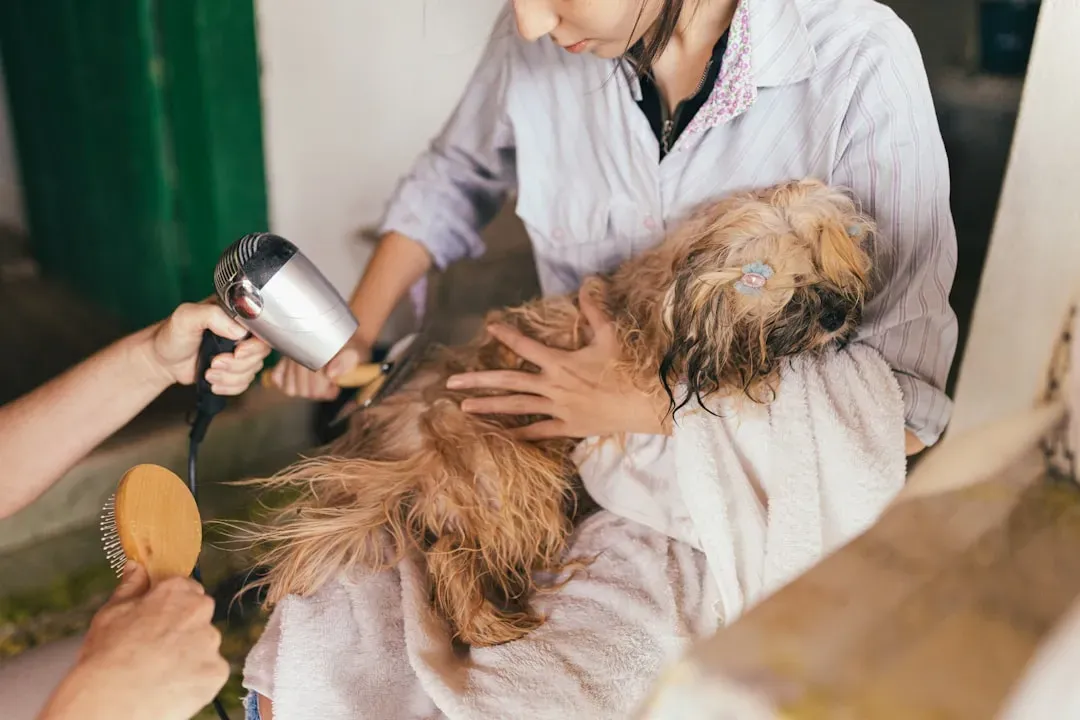
The single biggest game changer is regular brushing, and most of us simply do not do it enough. When you remove loose fur at the source, it never gets the chance to land on your couch, your rugs, your car seats, or that one black sweater you love. For many dogs and cats, a quick brushing session several times a week (and daily during shedding seasons) can dramatically cut the amount of loose hair floating around your home.
It helps to think of brushing like dental hygiene for your pet’s coat: short, consistent sessions are better than occasional heroic efforts. Use a brush that matches your pet’s coat type – slicker brushes for long or curly coats, rubber curry brushes or grooming gloves for short-haired pets, and deshedding tools for thick double coats. Keep the brush where you’ll see it, like near the leash or food station, so it becomes part of your routine instead of an occasional chore you feel guilty about skipping.
2. Choose The Right Vacuum And Make It Do The Heavy Lifting
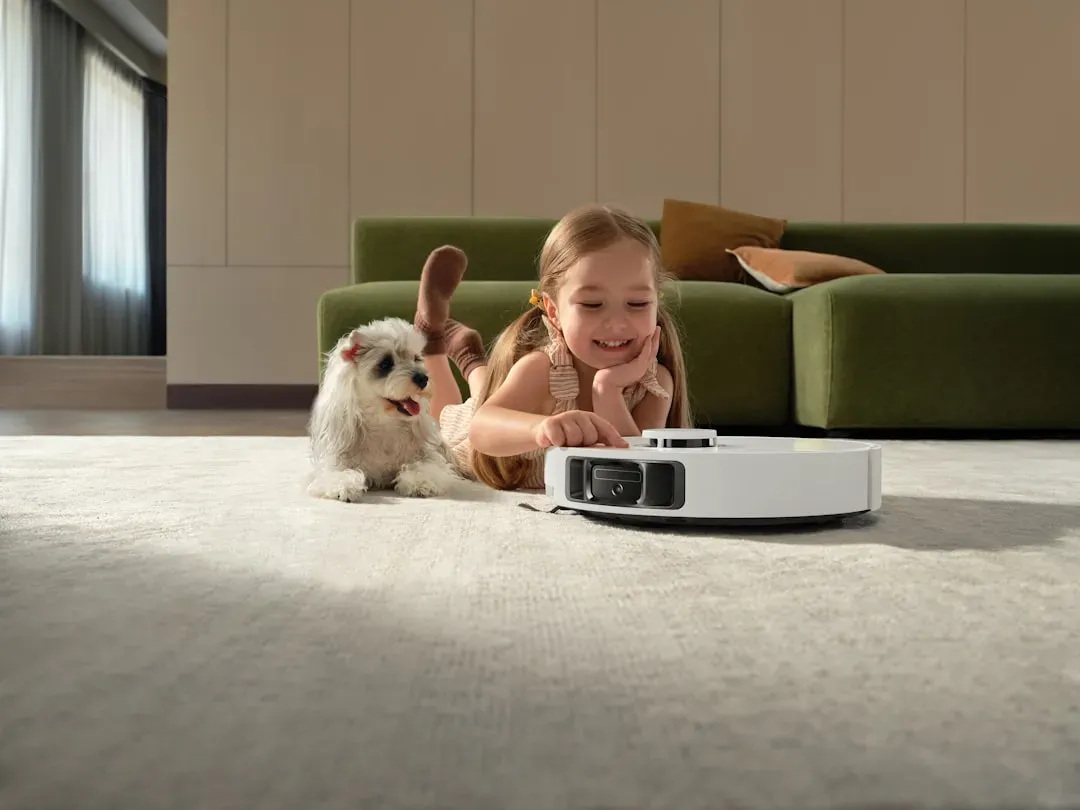
Not all vacuums are built to deal with pet hair, and if you’ve ever had one clog or lose suction constantly, you already know the frustration. A vacuum designed specifically for pets, with strong suction, a motorized brush head, and good filtration, can pull hair out of carpets and upholstery instead of just pushing it around. That means less time going over the same spot and fewer clouds of dust and dander getting blown back into the air.
Consistency is just as important as the machine itself. Instead of a weekend marathon, try quick, targeted vacuum runs a few times a week in high-traffic, high-fur zones: the couch, pet beds, hallway runners, and any spot your pet loves to nap. Cordless stick vacuums and robot vacuums can be surprisingly effective for staying on top of the daily fallout. Let the tools do the boring part so your energy goes into short, easy habits rather than exhausting deep cleans you end up avoiding.
3. Wash Pet Bedding (And Your Soft Surfaces) On A Schedule

Pet beds, blankets, and favorite pillows quietly hoard fur and dander like magnets. Every time your pet flops down, some loose hair sticks; every time they get up, a new batch floats off into the room. Washing these fabrics regularly is a simple way to reset the hair situation at its core. A weekly or biweekly wash cycle for anything your pet lies on often works wonders, especially when combined with a quick shake or lint-roll before tossing things in the machine.
To make washing actually effective, dry items with dryer balls or clean tennis balls to help knock loose fur off the fabric. Cleaning the lint trap midway through drying a very hairy load can make a big difference too. And do not forget other soft surfaces that quietly collect hair – throw blankets, cushion covers, even removable sofa covers if you have them. The goal is to give hair fewer long-term “homes” so it has less time to spread everywhere else.
4. Use Simple, Low-Tech Tools: Lint Rollers, Rubber Gloves, And Squeegees
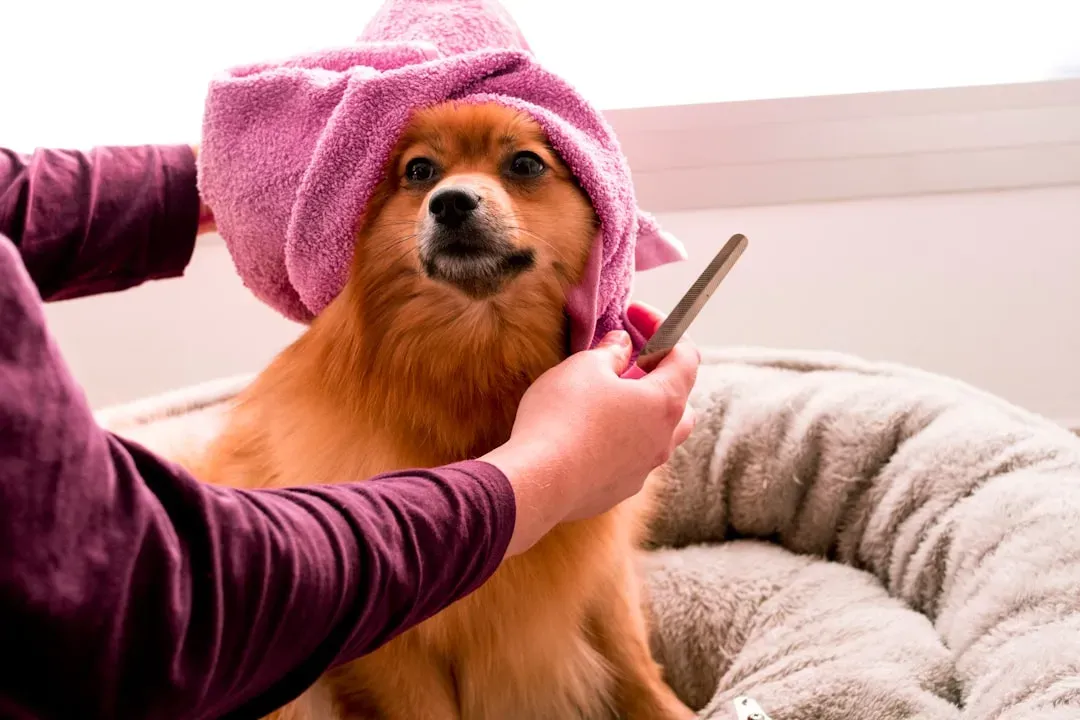
Some of the most satisfying pet-hair tricks are also the cheapest and simplest. Classic lint rollers are perfect for clothing and quick cleanups, but reusable options like rubber brushes or sticky reusable rollers can be more cost-effective if you’re constantly covered in fur. A slightly damp rubber glove rubbed over upholstery can gather hair into clumps that are oddly fun to peel off – like a strangely satisfying cleaning video, but in real life.
For carpets and rugs, a basic rubber squeegee dragged across the surface can pull up fur that even a good vacuum leaves behind. This is especially helpful in homes with multiple pets or thick rugs that trap hair deep down. Keep a couple of these low-tech tools in strategic spots – by the front door for last-minute outfit checks, near the couch for quick cushion cleanups – and you’ll deal with hair in seconds instead of letting it build into a bigger job.
5. Control Static And Fabric Choice To Your Advantage
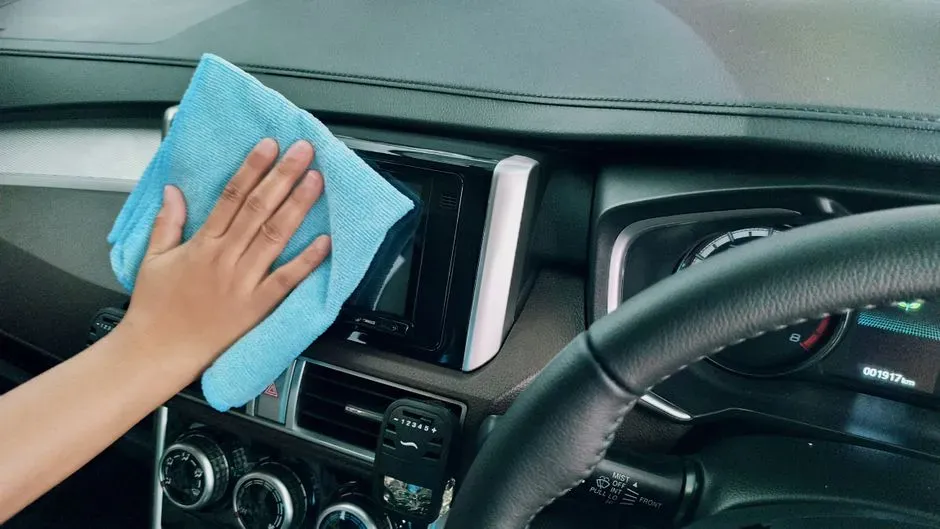
Some fabrics are basically pet-hair magnets, while others are surprisingly forgiving. Hair clings more stubbornly to materials like velvet, corduroy, and certain knits, while smoother fabrics like tightly woven cotton, microfiber, or leather are easier to wipe or vacuum clean. You may not be redecorating your whole house for your pet, but small choices – like a microfiber sofa cover or cotton blend throw blankets – can make a visible difference in how “hairy” your home looks day to day.
Static electricity also makes hair cling and float more. Using fabric softener or dryer sheets when you wash blankets and clothes can reduce static and make hair easier to shake or brush off. On hard floors, a slightly damp microfiber mop will grab hair better than a dry broom that just sends it swirling into the air. Think of it as stacking the deck in your favor: if fur is inevitable, at least make it easier to remove.
6. Support Your Pet’s Skin And Coat From The Inside Out

Shedding is natural, but excessive or dull, brittle coats can sometimes be reduced by improving your pet’s overall health. A high-quality, balanced diet supports skin and coat condition, so hair falls out in a healthier, more predictable cycle instead of constantly breaking and shedding. Some pets benefit from diets rich in omega fatty acids, either through their regular food or vet-approved supplements, which can support softer, shinier coats and healthier skin.
Of course, food alone is not a magic fur eraser, but it is part of the bigger picture. If you notice sudden heavy shedding, bald patches, itching, or changes in your pet’s coat, it is worth talking with your veterinarian to rule out allergies, parasites, or underlying health issues. In my own case, addressing a mild food sensitivity for my dog did not stop shedding completely, but the amount of loose, flaky hair noticeably dropped – and that meant less hair stuck to literally everything.
7. Set Up “Fur Zones” Instead Of Fighting Every Surface

Trying to keep every inch of your home fur-free is a recipe for burnout. Instead, it can be smarter to accept that some areas will be “pet zones” and design them to be easy to clean. This might mean washable throws on their favorite chair, a designated blanket at the end of the bed, or a specific rug where your cat loves to sunbathe. When you control where your pet spends most of their lounging time, you concentrate the hair into fewer, more manageable spots.
Think of it like giving the fur a limited stage instead of letting it tour the whole house. Rotate and wash those covers and blankets on a schedule, and give those zones a bit more frequent vacuuming or brushing. Over time, you will notice that other parts of the house stay much cleaner with the same or even less effort. It is not about being strict or harsh with your pet – it is about quietly nudging their habits in ways that make your life easier.
8. Stick To A Light, Realistic Cleaning Routine (Not A Perfect One)
The honest truth? The best system is the one you actually keep up with. A simple routine – five to ten minutes most days – beats an intense cleanup you dread and therefore avoid. For example, you might brush your pet after dinner, run the vacuum in the main living area every other day, and toss pet bedding into the wash every weekend. None of that sounds glamorous, but it adds up to a home that never tips into full fur-chaos mode.
It also helps to give yourself a break from unrealistic expectations. If you share your life with a furry creature, some hair will always exist. I used to feel annoyed every time I saw a stray clump on the floor; now I see it as a sign of the little life snoring on my couch. The goal is not a museum-level, hairless home – it is a space that feels clean, comfortable, and livable without you resenting your pet. Once you accept “less hair” instead of “no hair,” the whole thing becomes a lot more manageable.
Conclusion: Aim For Harmony, Not Perfection
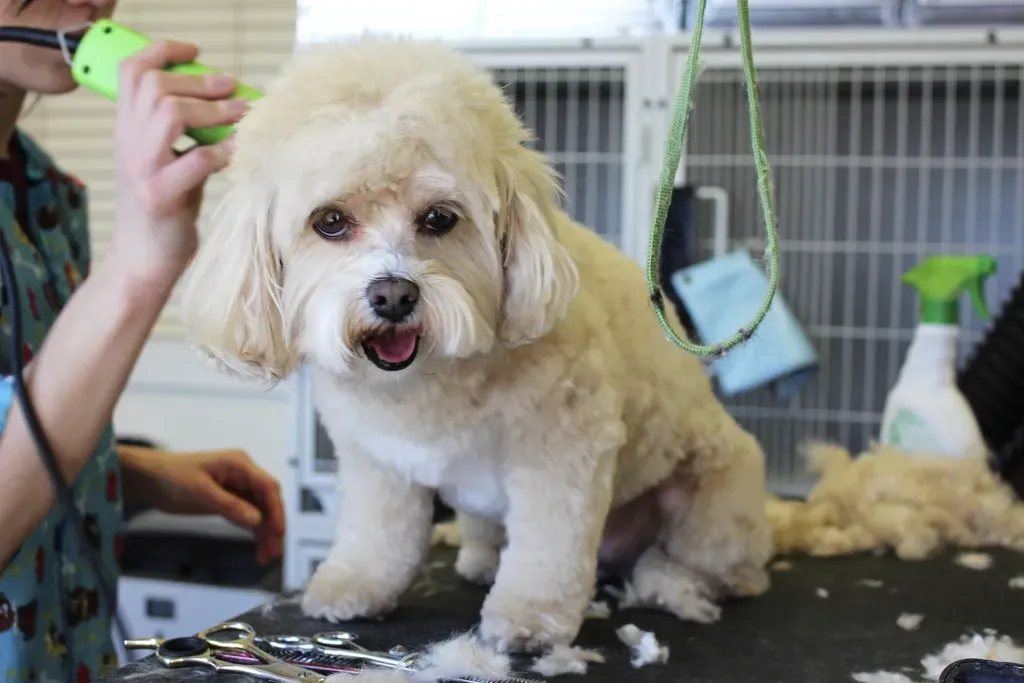
At the end of the day, reducing is about partnership – between you and your pet, and honestly, between you and your own expectations. With regular brushing, smart tools, thoughtful fabric choices, and a routine that fits your real life, you can shrink the mess dramatically without turning into a housekeeping robot. The fur will not vanish, but it stops feeling like it is winning.
My opinion, after years of trial and error, is that people underestimate how much a few small, steady habits can transform their space. The difference between “I’m drowning in fur” and “This is totally under control” is rarely a fancy gadget or a weekend deep clean; it is those tiny, repeatable moves that quietly stack up. So which one will you start with today: the brush, the vacuum, or simply admitting that ‘good enough’ is actually pretty great?