
9 Ways Dogs Use Scent to Read a Place You Think Is Completely Ordinary
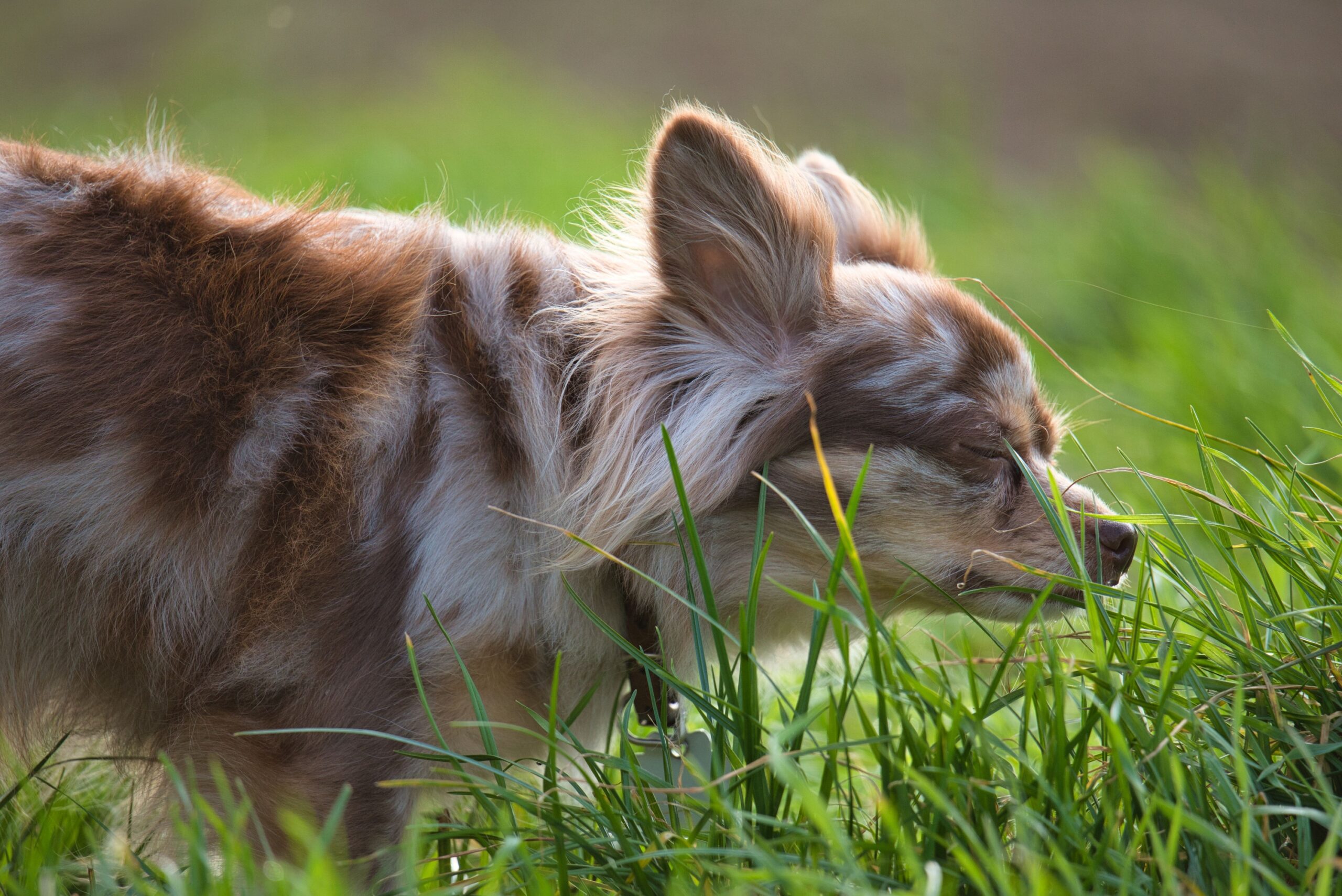
You walk into your living room and see…a couch, a rug, maybe a coffee table with a half-finished mug of coffee. Your dog walks into the same room and sees a crime scene, a social network, a weather report, and a history book all at once. To them, the air is thick with stories that you and I are completely blind to.
We tend to think our homes, sidewalks, and favorite parks are boringly familiar. But for a dog, those “ordinary” places are alive with invisible messages. Their nose is constantly reading, sorting, and filing scent clues while we scroll our phones and miss everything. Once you understand a few of the ways dogs use scent, you’ll never look at your hallway, your mailbox, or even your trash can the same way again.
1. Smelling Who Has Been There Before (Even Hours Ago)
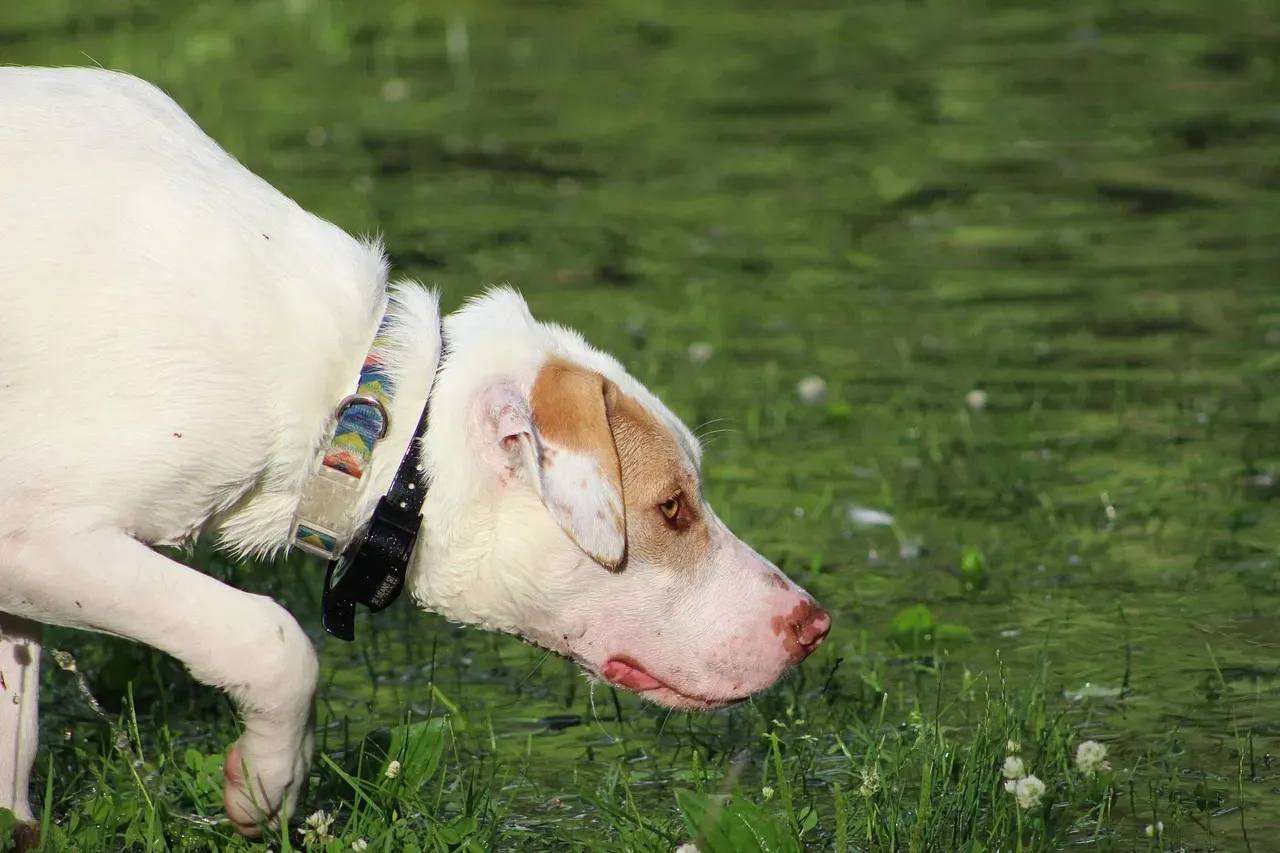
The most mind-blowing thing for me is that your dog can walk into a “quiet,” empty room and immediately know it was not empty an hour ago. Human scent lingers on doorknobs, chair backs, and the path we took across the floor, and a dog can trace it almost like glowing footprints. What looks like a still snapshot to you is a time-lapse movie of comings and goings to them.
That’s why your dog might rush to sniff the exact spot where your friend stood in the kitchen or obsess over the end of the couch where you cried last week. They’re not being weird; they’re reading the residue of people. Even if you change clothes or shower, your “personal smell” clings to the space long after, leaving behind a story that only a good nose can decode.
2. Reading Emotional States From Sweat and Skin
Dogs do not just know that you were there; they can often get a hint of how you felt at the time. When we’re stressed, afraid, or excited, our bodies release different chemical signals in sweat, breath, and skin oils. To another human, that room just smells like “room.” To your dog, it smells like “someone was worried here” or “this spot is calm and safe.”
Think about a vet’s waiting room. We see plastic chairs and a potted plant. Your dog smells a powerful cocktail of fear, pain, and anxiety left behind by other animals. The same thing happens at home in softer ways. The arm of the couch where you curl up when you’re sad may hold a subtle pattern of your emotional history, and your dog might choose to sleep there because it smells like you needing comfort.
3. Tracking Tiny Changes in a Familiar Place
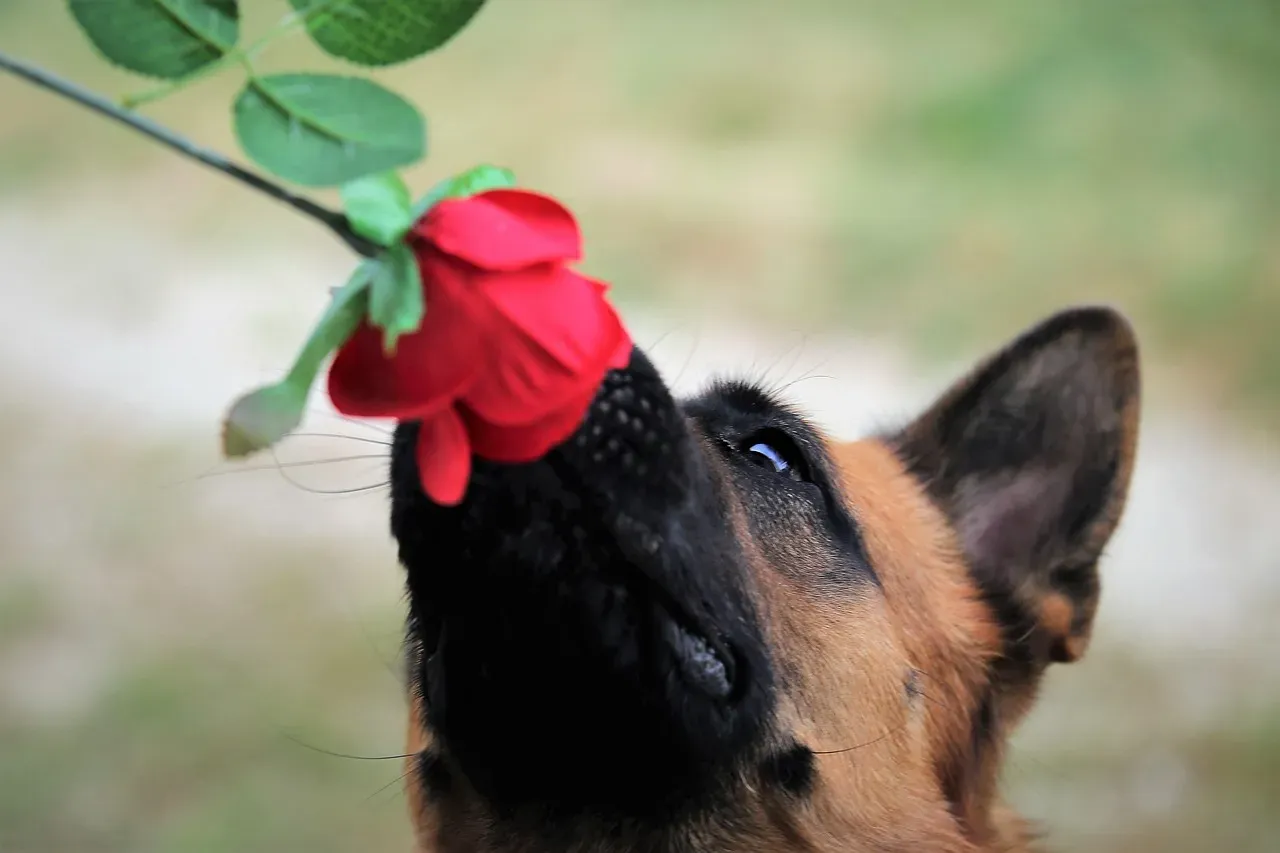
Dogs are experts at noticing when something is “off” by scent alone. Move a single shoe from the hallway to the bedroom, bring in one new grocery bag, or let a draft come in through a window, and your dog may quietly log that change. We see a familiar room; they smell new molecules and rearranged odor patterns that scream “something changed.”
This is why your dog might act suspicious the minute you set down a new piece of furniture or bring in a secondhand item from someone else’s house. To you, it is just a chair; to them, it is a loud, foreign smell planted right in the middle of their map. Even subtle changes – like the scent of rain blowing in before a storm – can make them restless because their olfactory picture of “home” has been slightly redrawn.
4. Mapping Invisible Scent Trails Like Roads
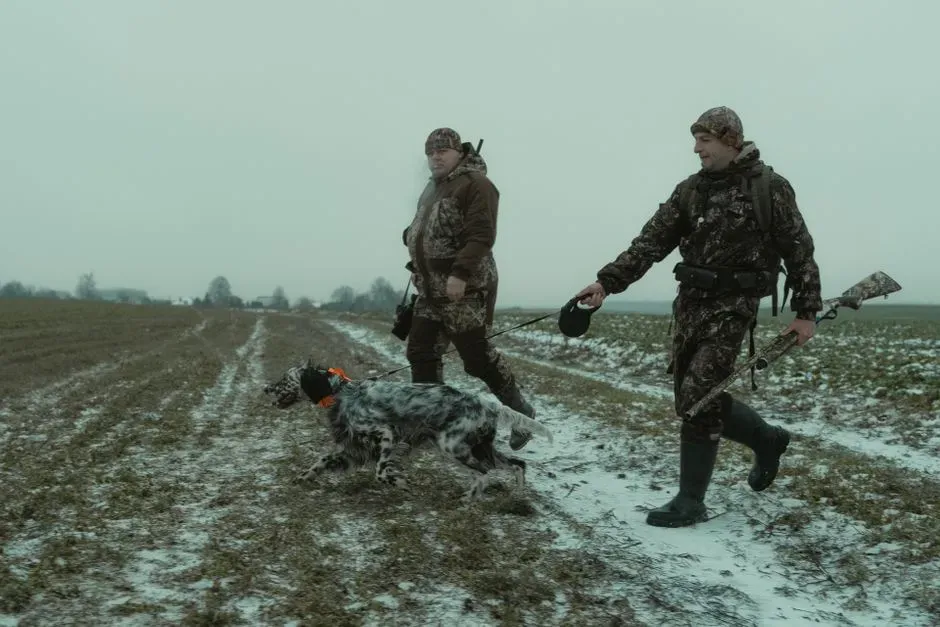
Out on a walk, that boring sidewalk is a highway of scent trails crossing and overlapping. Every dog, person, cat, raccoon, and pigeon that has passed leaves drifting strands of odor. Your dog can follow one of those trails the way you’d follow a painted line on the road, nose to the ground, weaving along the exact path another creature took.
What feels like random stop-and-go sniffing is actually targeted reading of these “roads.” When your dog freezes at a lamppost or mail box, they might be decoding who turned left, who lifted a leg, who stopped abruptly, and which direction everyone went afterward. It is less like sniffing a single spot and more like watching traffic patterns in slow motion, nose-first.
5. Reading Social Messages in Pee and Poop
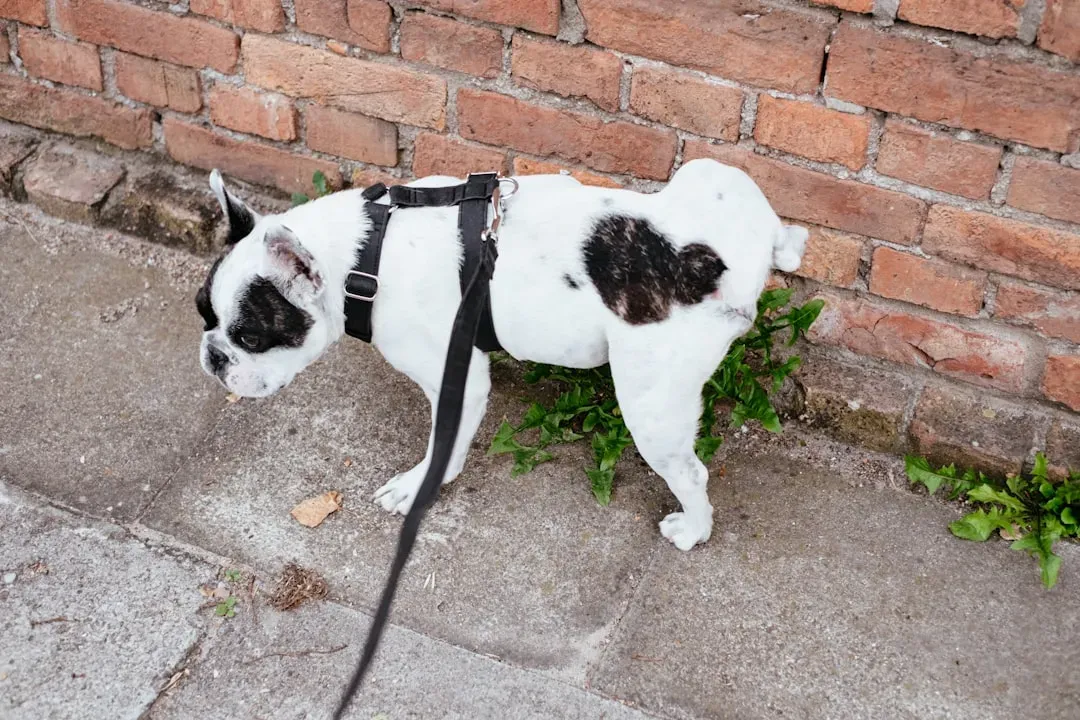
This is the part owners often find gross, but for dogs, it is basically social media. That pee spot on the corner? It is not just waste; it is a profile describing the dog who left it – rough age, sex, maybe reproductive status and general health. Your dog is not just being stubborn when they refuse to move on; they are scrolling through information the way we scroll through a feed.
When your dog urinates on top of someone else’s mark, they might be replying, not just relieving themselves. That one patch of grass they revisit every day could be the neighborhood bulletin board where multiple dogs leave layered messages. We see a patch of dirt that people step over. They see a crowded comment section full of overlapping “posts” and “replies” laid down over days.
6. Detecting Health and Hormonal Changes
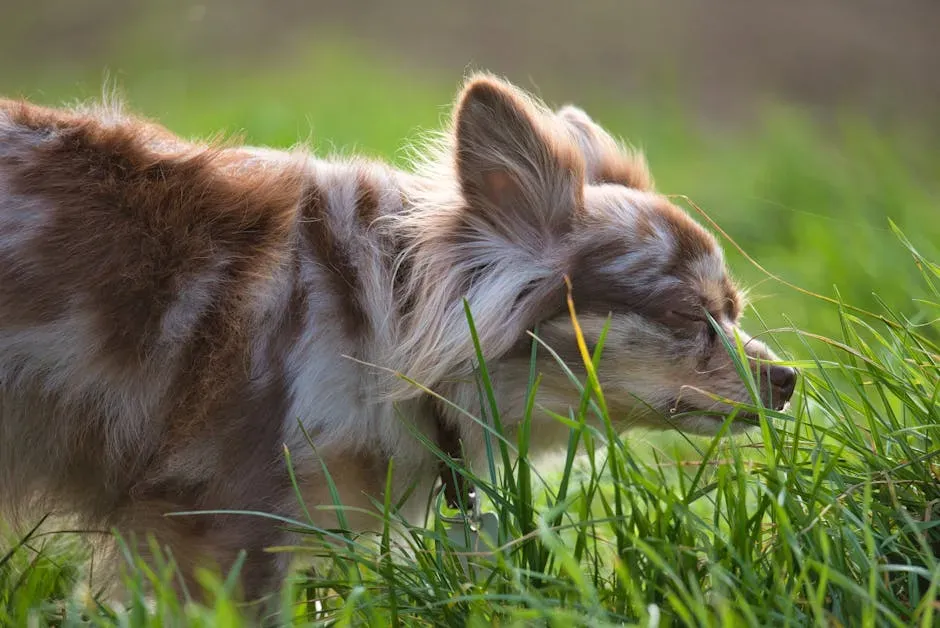
Dogs can smell shifts in hormones and body chemistry in a way that still feels a bit like magic, even when you know the science. Many people notice their dog acting differently just before an illness hits or clustering around someone who is pregnant long before it is obvious. The dog is not psychic; they are smelling changes in sweat, breath, and skin that are too subtle for us.
In the same “ordinary” living room, your dog might pick up that one person smells a little more inflamed, another smells like they have been eating something new, and someone else’s scent has changed because of stress or medication. It is like they have an internal health notification system running every time they greet you. We shrug off a dog suddenly sniffing a particular person more intensely, but often they are saying, “Hey, something is different about you today.”
7. Using Scent to Build a Mental Floor Plan
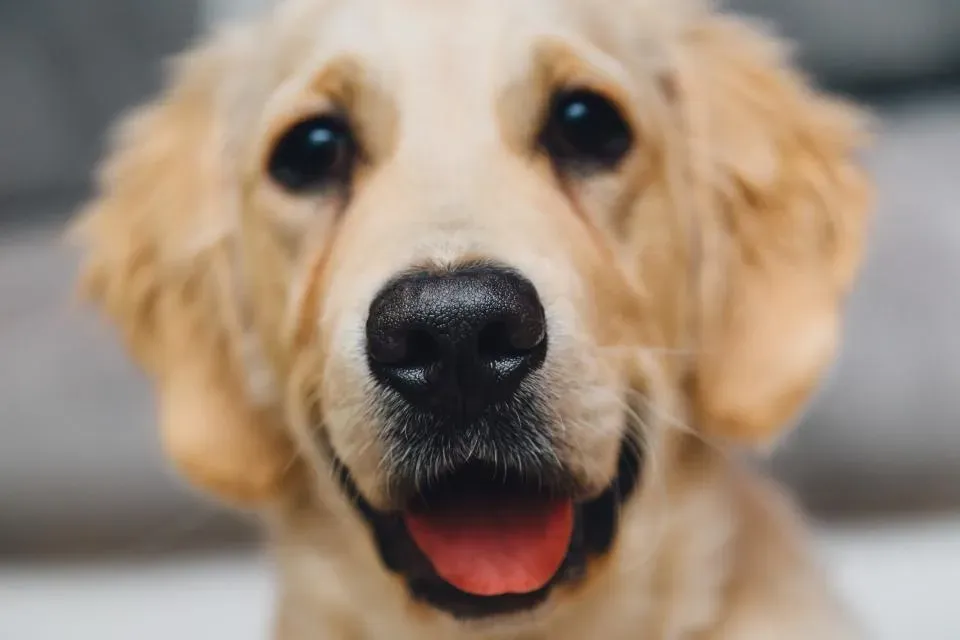
Dogs do not just map where the furniture sits; they map where smells live. The kitchen is a cloud of food odors and dish soap, the bedroom holds layers of human scent and laundry detergent, and the hallway is a river of smells flowing between them. Even with the lights off, a dog can navigate confidently because they know where each scent zone should be.
Move to a new house and you can watch them “rebuild” that mental floor plan. They walk every room, nose low, gathering data. That tiny storage closet you never think about may fascinate them because air currents trap and swirl scent there like a little tornado. To you, it is just a small, dull space; to them, it is a concentrated archive where smells from the whole house gather and overlap.
8. Sensing Time Through Fading Odors
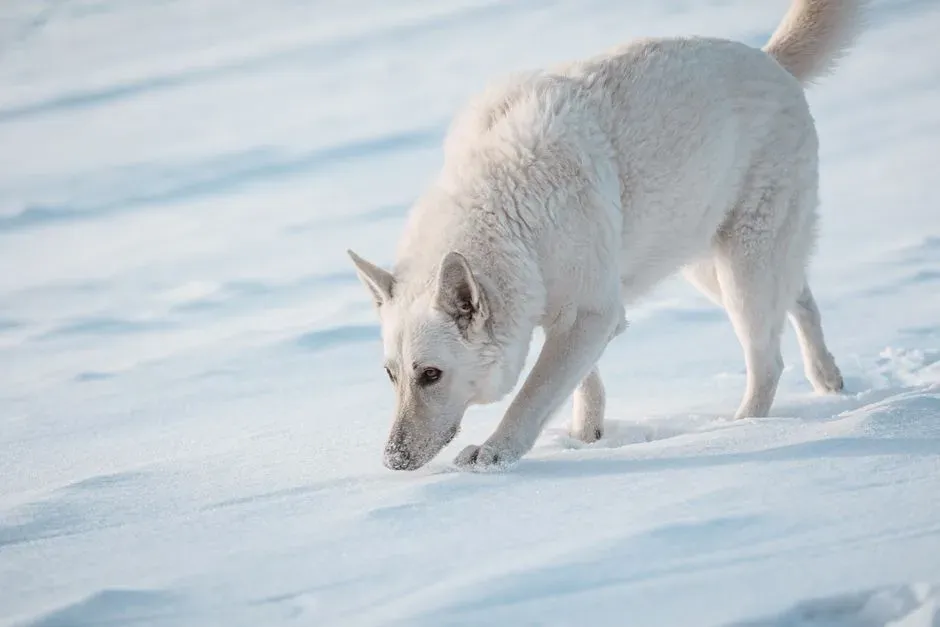
One of the wildest ideas in scent science is that dogs might have a kind of smell-based clock. Odors fade and change in predictably over time, so a dog walking into a room can, in theory, get a sense of “how long ago” something happened based on how strong and sharp the smell is. That ordinary front door mat becomes a time line of visitors coming and going.
This might help explain why some dogs seem to anticipate routines with eerie precision. Your scent on the couch might smell a certain way right after you leave for work and slightly different a few hours later, giving your dog a cue that you will be back soon. You see the same fabric; they read the subtle aging of odor like the shadows moving across a sundial.
9. Blending All Those Smells Into a Feeling of Safety or Threat
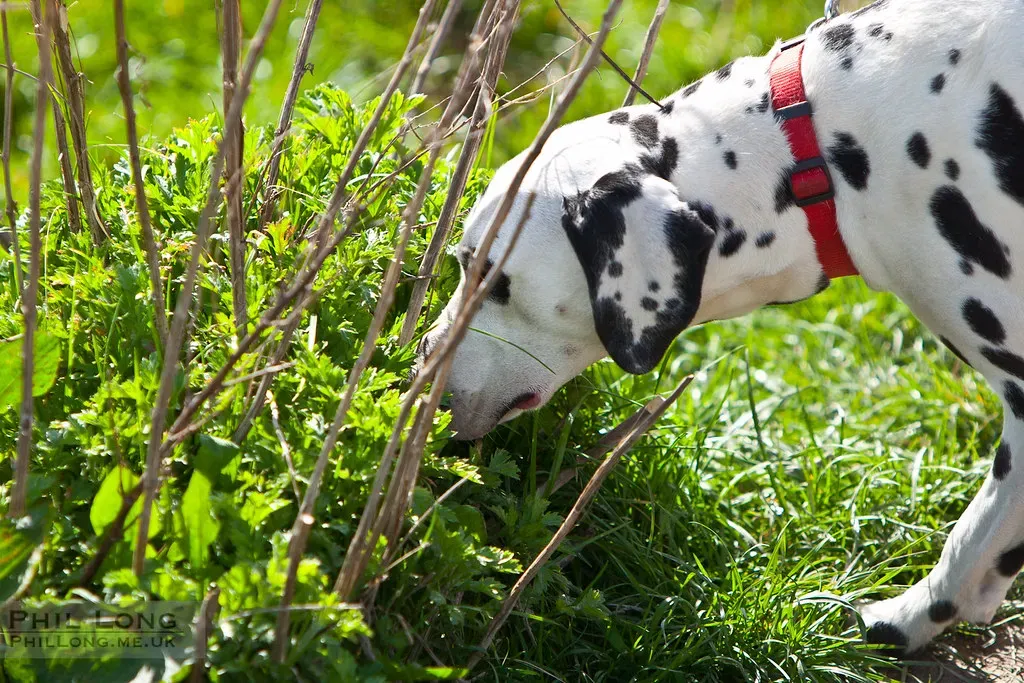
In the end, dogs are not just collecting random scent facts; they are using all of it to decide, “Am I safe here?” and “Is this good or bad?” A hallway that smells heavily of cleaning chemicals and strange shoes might feel unsettling, even if it looks spotless to you. A cluttered garage that smells like you, old wood, and familiar tools might feel totally safe, even if it is objectively a mess.
This is why your dog may bark at a visitor who looks friendly but smells unfamiliar, or relax deeply in a yard that looks boring but smells like a comforting mix of their own scent and your footprints. They are constantly blending an invisible cocktail of odors into a gut feeling. We rely on what we see; they trust what they smell, and honestly, I am not convinced they are wrong.
Conclusion: The World Is Not Ordinary to a Nose Like That
Once you start thinking about how hard your dog is working every time they take a sniff, it becomes really tough to call any place “ordinary” again. Your living room is layered with old arguments, lazy Sundays, surprise visits, hormonal shifts, and grocery runs, all pressed into the air and fabrics. Your dog is walking through that every day, decoding it on the fly while you worry about crumbs on the coffee table.
My opinion? We massively underestimate dogs when we talk about them as if they just love walks and snacks. They are running a non-stop forensic lab in their head, powered by a nose you and I simply do not have. The next time your dog pauses to sniff what looks like nothing, maybe let them linger and imagine what secret file they are reading. If you had a superpower like that, would you rush past it – or would you stop and smell the invisible world too?