
14 Things a Dog Picks Up on Hours Before Anybody in the Household Has Been Told

You think you’re the one who notices things first in this house. The truer, weirder story is that your dog usually clocked it hours earlier – the fight brewing, the diagnosis coming, the person who’s about to walk out the door for good. While you’re still catching up to your own life, your dog has already rearranged the furniture in their head.
Dogs aren’t psychic. They’re reading micro-smells, posture shifts, and broken routines faster than your conscious brain can process any of it. Behaviorists and owners keep circling back to the same 14 moments where dogs seem to know before anybody’s said a word out loud – and once you see the pattern, you won’t be able to unsee it in your own living room.
#1 – Someone’s Coming Home With Big News

Your dog often knows about the big-news visitor long before the doorbell rings. Long before you consciously notice anything, they’ve picked up the faint sound of a familiar car, the specific rhythm of someone’s walk on the sidewalk, or the scent molecules still clinging to your clothes from earlier that day. Dogs can hear and smell subtle cues from astonishing distances, so they’re already on alert before your brain has caught up.
You’ll see it in small, specific shifts – pacing toward the door with purpose, camping out in the hallway, or repeatedly checking a window they usually ignore. Some dogs grab a favorite toy like they’re pre-gaming the reunion, while others go clingy and restless, bracing for whatever emotional wave is about to walk through the door. To you it looks random. To them, the pattern’s already locked in.
Fast Facts
- Dogs carry roughly 300 million scent receptors, compared to about six million in people.
- Their hearing range stretches up to around 45,000 Hz, far past the human limit of 20,000 Hz.
- A dog’s nose can pick up scent trails that are hours – sometimes days – old.
- Many dogs can identify a familiar engine or footstep from several blocks away.
#2 – The Mood Shift Before an Argument

Arguments rarely come out of nowhere for a dog. Long before voices get loud, they’ve already clocked the tension in your tone, your walking speed, and even how hard you’re setting dishes down on the counter. Dogs read micro-expressions and stress postures we don’t even realize we’re broadcasting.
They notice tightened jaws, raised shoulders, and shallow breathing hours before the actual blow-up. That shows up as a normally social dog suddenly leaving the room, or wedging themselves between two people on the couch, licking hands the second the conversation turns sharp. Owners call this ‘being weird.’ It’s closer to an early-warning system with fur.
#3 – A Family Member’s Rising Anxiety or Panic Attack

Most people insist their panic attacks come out of nowhere. Your dog would disagree, loudly, if they could talk. Dogs are remarkably sensitive to the stress hormones rising in your body long before you’d ever label what’s happening as ‘an episode.’
You might notice your dog staring at you more, following you room to room, or refusing to settle even in a quiet house. Some paw gently, lean their full weight into your legs, or climb into your lap uninvited – not for attention, but to ground you before you spiral.
Dogs do speak, but only to those who know how to listen.
Orhan Pamuk
#4 – A Seizure or Medical Event Brewing
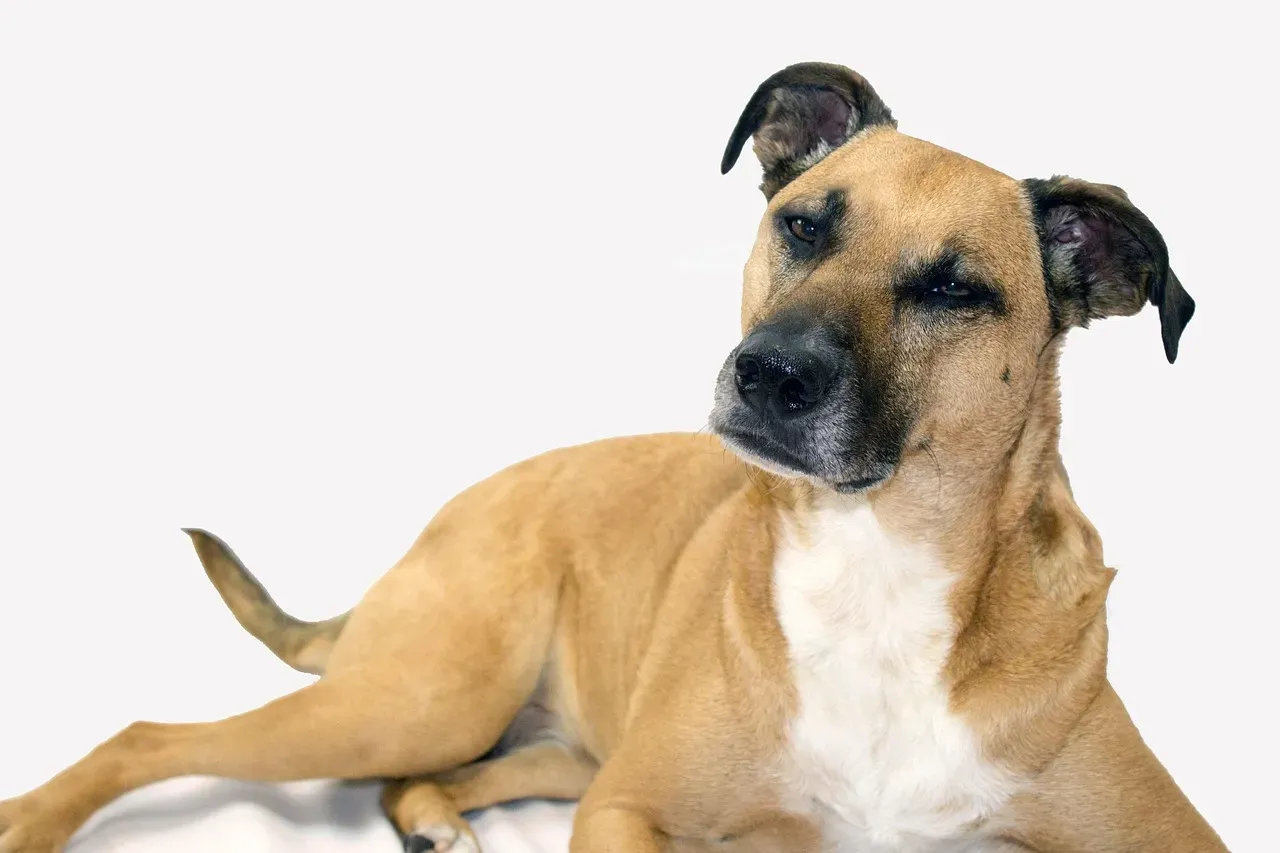
This one sounds like a movie plot, but it’s real. Even without training, many dogs seem to sense when a seizure, fainting spell, or migraine is building. There are documented cases of dogs pawing, whining, or herding their owner to safety 10 to 60 minutes before a seizure hits.
In everyday life, that might look like a dog going frantic around one person, refusing to leave their side, or blocking the stairs like their life depends on it. People usually only recognize the pattern in hindsight: “Every time he acts like that, I end up having an episode.” By then, the dog’s already been right for years.
#5 – Pregnancy Before the Test Turns Positive
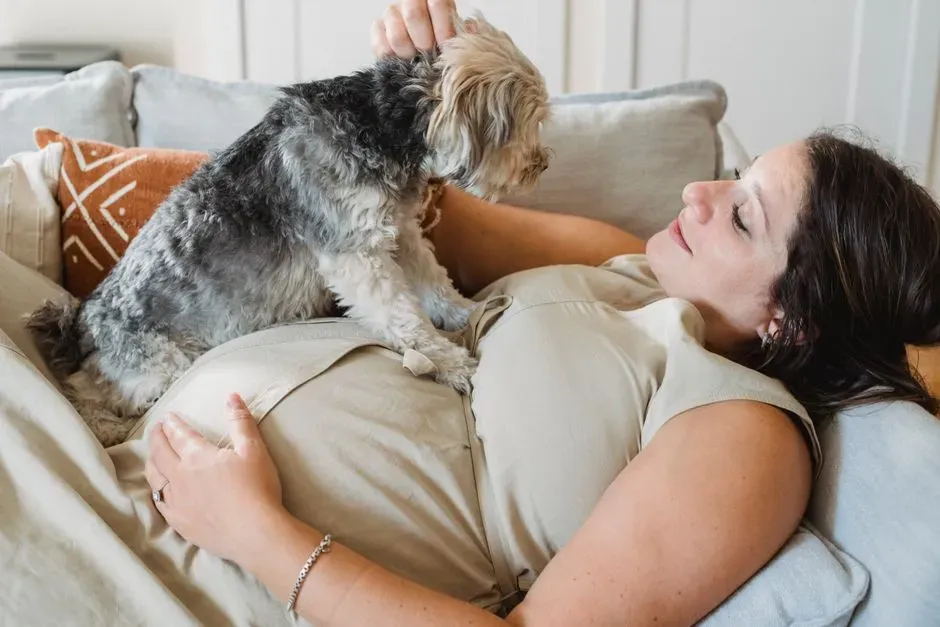
Ask around and you’ll hear the same story on repeat: “The dog knew before I did.” Long before two lines show up on a test, your hormones are already rewriting your scent in ways only a dog’s nose could catch.
Vets and behaviorists routinely hear about dogs becoming suddenly, intensely focused on one family member in the earliest weeks of pregnancy. That can mean guarding the bathroom door, resting a head on a stomach more often, or a normally independent dog turning clingy overnight. They don’t understand pregnancy – they just know your biology just changed channels.
#6 – An Impending Storm or Weather Change

Weather apps like to act like the only authority in the house, but your dog’s been running live data all along. Barometric pressure, humidity, static electricity, and low-frequency rumbles are all detectable to a dog long before you feel so much as a breeze.
Dogs can hear thunder before it ever reaches human range and may feel pressure changes hours ahead of a storm. That’s the dog pacing, panting, or hiding in the bathtub while your sky’s still completely blue – reacting to a forecast you can’t perceive yet.
Worth Knowing
- Some dogs react to thunder from 10 to 15 miles away, long before it’s audible to people.
- Static buildup before a storm can make a dog’s fur feel “off,” fueling restlessness.
- Common pre-storm behaviors include pacing, panting, hiding, or squeezing into small spaces.
- Reactions often start hours before any visible change shows up on a weather radar.
#7 – A Job Change, Layoff, or Major Work Stress

You might think you’re hiding your work stress well. Your dog respectfully disagrees. They’ve memorized your exact morning sequence, how you move when you’re excited versus defeated, and how you smell after a normal day versus a brutal meeting.
Stress hormones and micro-routines start shifting days or weeks before official news ever arrives. A relaxed dog might start waiting at the door earlier, or stop greeting you with the same explosive joy – because they’ve already sensed the emotional crash coming through the front door before you do.
#8 – A Breakup or Relationship Shift Long Before the Talk
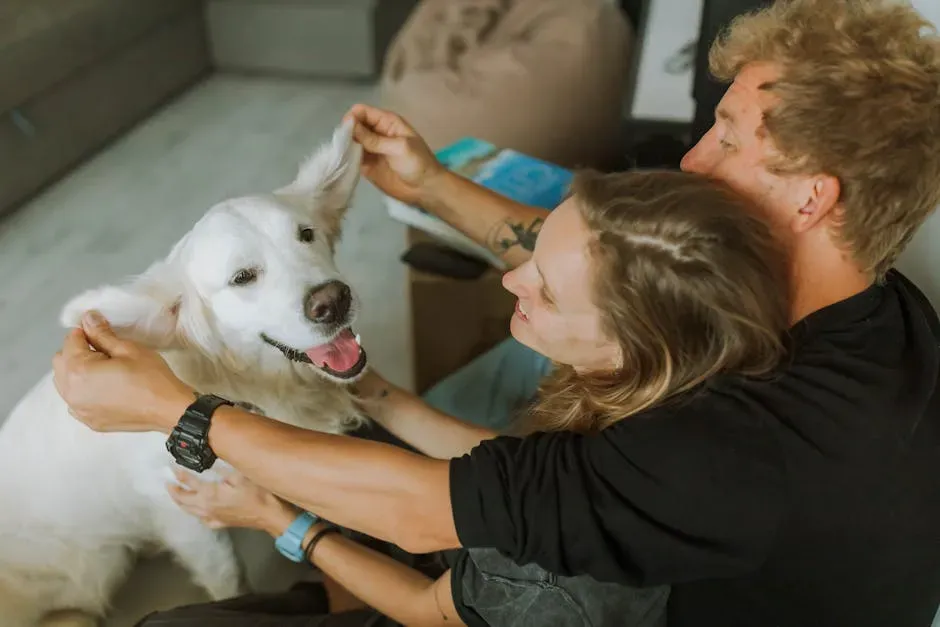
Dogs read relationships like open books. Before anyone says “we need to talk,” they’ve already seen the footnotes – less eye contact, less synchronized movement, fewer shared laughs, and completely different scents thanks to stress.
Dogs are acutely tuned to social bonds, and they notice the moment two people stop behaving like a pair. Some start sleeping only on one person’s side of the bed, or pace and stare between two people like they’re waiting for the other shoe to drop. It looks unfair, but their loyalty is just recalculating in real time.
#9 – A Household Move or Travel Plan You Haven’t Announced

You think the suitcase hiding in the closet keeps the secret safe. Your dog’s already doing the math – new tape smell, cardboard dust, phone calls happening in different rooms, late-night scrolling through listings or flights.
Even the smallest environmental shifts become a loud signal that the territory is about to change. That’s why separation anxiety often starts before you’ve even left – a dog whining when you walk to another room, or lying on top of the suitcase like a small, furry protest.
At a Glance
- Fresh cardboard, tape, and packing supplies carry strong scent signatures dogs notice immediately.
- Shifts in routine, like late-night calls or altered walk times, register almost instantly.
- Early separation anxiety often shows up as clinginess or refusing to leave a person’s side.
- Guarding luggage or lying on top of a suitcase is a common early-warning sign.
#10 – A New Baby or Pet Joining the Home

Even before you’ve said the words out loud, your dog usually knows someone new is coming. New furniture, different cleaning products, altered schedules, and tense late-night conversations quietly transform the whole feel of the house.
Dogs track all of it, plus the new scents, from baby detergent to another animal’s smell brought home on your clothes. Some patrol the nursery long before there’s a baby to guard. Others act out, stealing toys or barking more, simply because they’re processing a change they can’t name yet.
#11 – Illness in Another Pet or Family Member
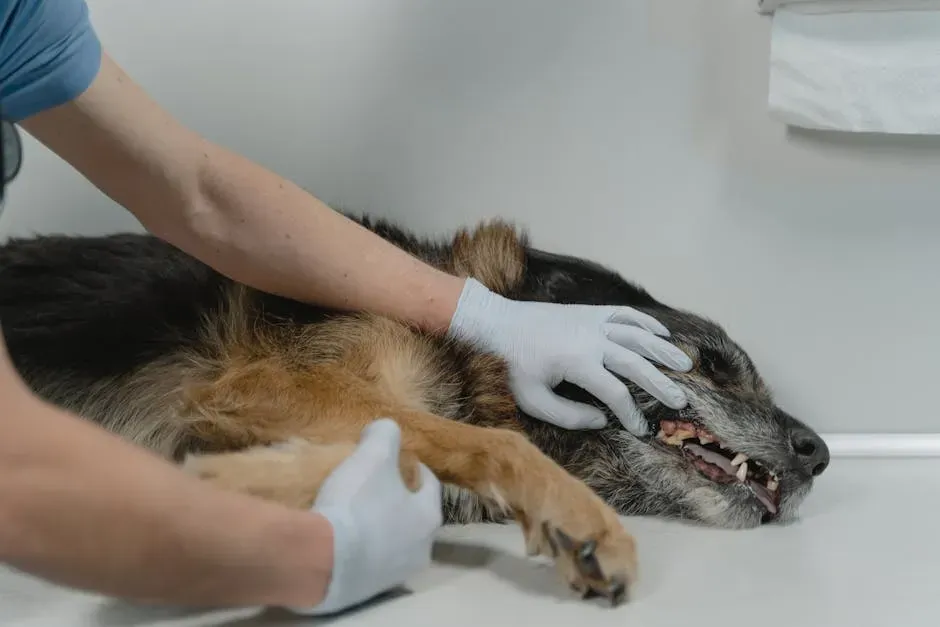
Dogs don’t just read people – they’re disturbingly good at noticing when another animal, or another person in the house, is starting to fail. Long before a vet visit or doctor’s appointment, they catch subtle shifts in body odor, breath, and movement.
It’s rarely random when a dog becomes suddenly, persistently fixated on one person’s body or one pet’s routine. There are countless stories of dogs sniffing or pawing at a mole that turned out to be cancerous, or sleeping pressed against a sick pet for no obvious reason, until a diagnosis explains it weeks later.
#12 – A Financial or Lifestyle Crash You Haven’t Admitted

This one makes people uncomfortable, which is exactly why it shows up in dogs first. Money trouble translates into behavior – different groceries, late-night worrying, sharper conversations, and a heavy, stagnant tension hanging in every room.
Dogs don’t understand bank accounts, but they absolutely understand scarcity and unpredictable routines. Some eat less or guard their food more tightly. Others turn clownish, forcing zoomies and toy deliveries to cut through the pressure, doing their best to drag the mood back to normal.
#13 – The Death of a Loved One Before the Phone Rings

It sounds mystical, but anyone who’s lived it will tell you the same thing: sometimes the dog seems to know before the call comes. A faraway relative, an aging grandparent, a pet at the vet – when something final is approaching, the emotional field in the house shifts.
Your body broadcasts dread and anticipatory grief hours before your conscious mind accepts what’s coming, and dogs are glued to that channel. You might find your dog shadowing you all day for “no reason,” or growing strangely solemn moments before the phone actually rings with the news.
#14 – A Life Pivot You Haven’t Even Admitted to Yourself
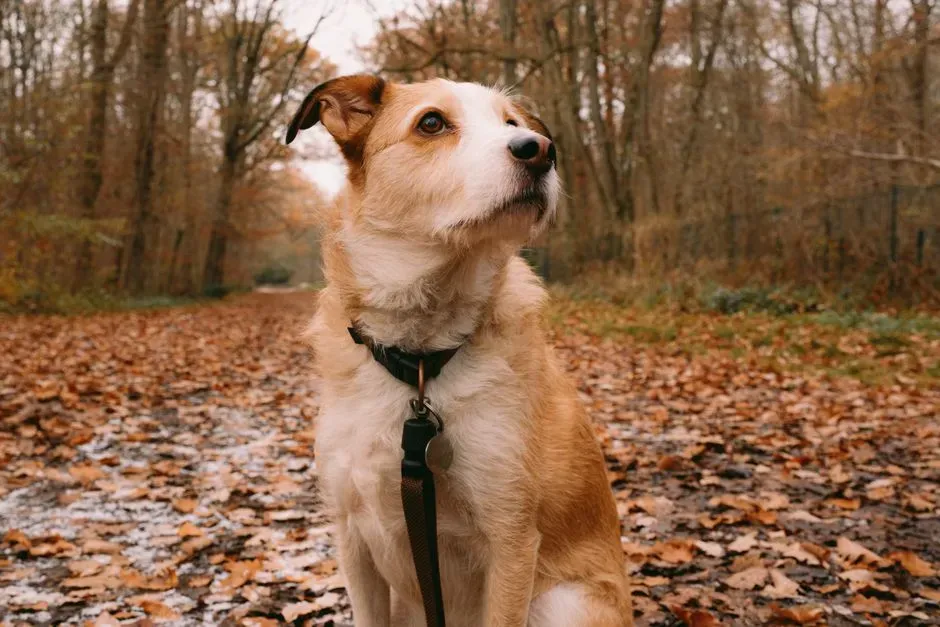
Here’s the most unsettling one: your dog often knows you’re about to change your life before you do. Long before you say “I’m done” with a job, a city, or a relationship, your daily micro-choices start shifting – different routes, different music, different posture, different people you text.
Dogs notice those tiny deviations with eerie accuracy and behave as if the future’s already decided. Maybe they hover when you open your laptop for apartment listings instead of work, or get inexplicably excited when you mention a place that later becomes your new home. It’s not magic. It’s pattern recognition, tuned to a frequency you’re still trying to ignore.
Quick Compare
- Before a small decision: mild curiosity, a quick head-tilt, nothing dramatic.
- Before a real life pivot: hovering near laptops, restless shadowing, odd excitement at new names or places.
- Right before the news breaks: the same behaviors intensify and turn constant instead of occasional.
The Bottom Line

We like to pretend we’re the rational ones in the house, but the truth is simple and a little humbling: your dog is picking up signals you’re too distracted, defended, or numbed-out to notice. From sickness and storms to breakups, layoffs, and secret life pivots, dogs are constantly reading scent, sound, posture, and routine like a living spreadsheet nobody asked them to keep.
Here’s the uncomfortable opinion: if you keep dismissing your dog’s “weird” behavior as random, you’re often ignoring your own life speaking up through them. They’re not just pets. They’re brutally honest mirrors with fur and a tail, and they rarely get it wrong.
So which of these have you already seen in your own dog – and what were they trying to tell you that you didn’t want to hear at the time?