
13 Things Shelter Workers Notice in a Dog That Tell Them Exactly What Its Previous Home Was Like
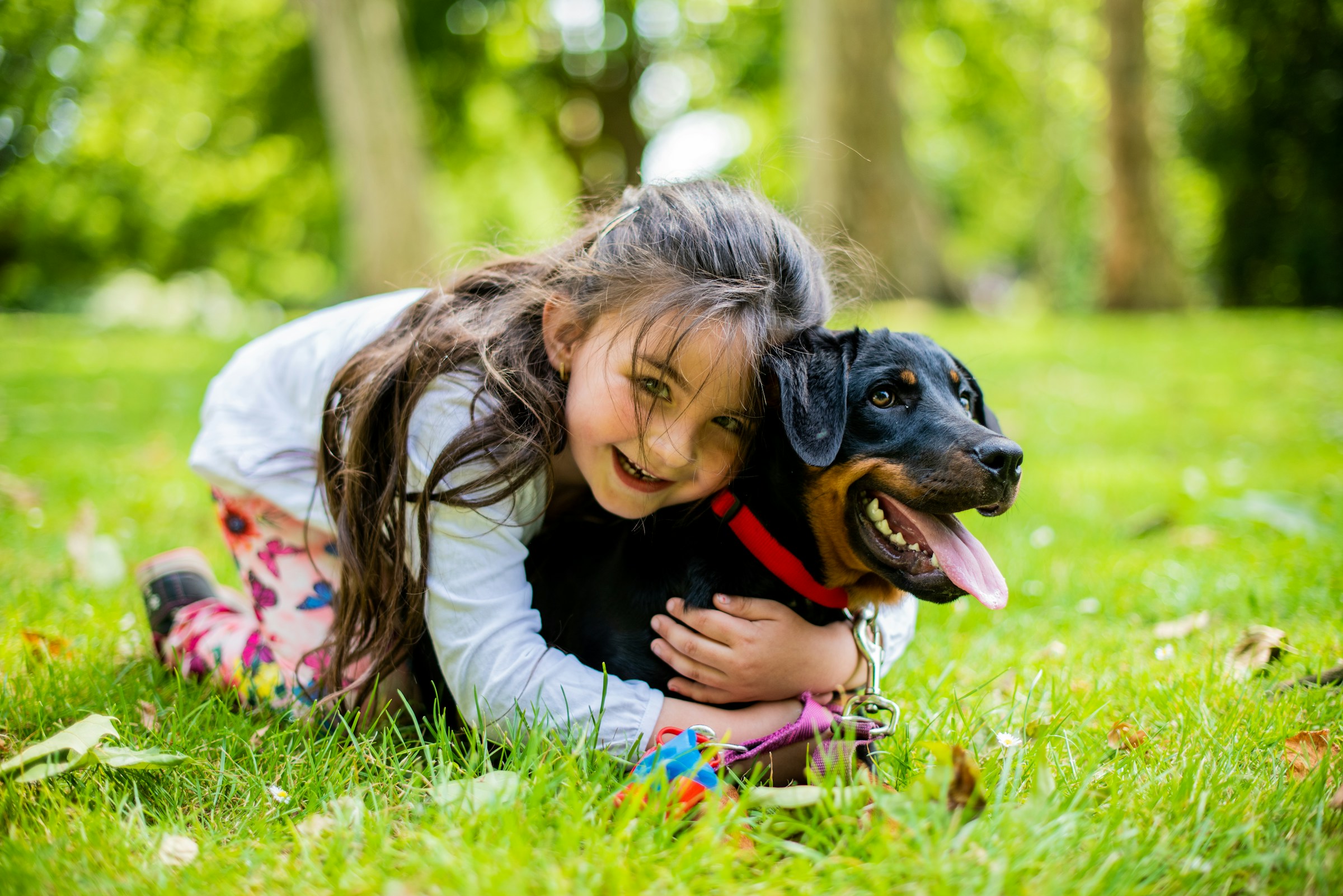
People assume shelter dogs arrive as blank slates, little mysteries with no paperwork worth trusting. Surrender forms say “moving,” “allergies,” or “no time,” and everyone just nods along. But ask anyone who has actually worked a shelter floor for years, and they’ll tell you the dog itself is the real paperwork.
A flinch at a raised hand. A frantic scramble for food that isn’t going anywhere. A dog that refuses to walk through a doorway like something bad happened on the other side of it. None of that is random. It’s memory, translated into muscle and instinct. Stick around, because by the time you finish reading, you’ll never look at a shelter dog’s body language the same way again.
#1 – The Food Bowl Test: Panic, Guarding, or Polite Waiting

One of the first secrets a dog reveals shows up at mealtime. Watch what happens when the bowl comes out: does the dog inhale food like it might vanish forever, freeze and stare, or sit calmly without being asked? Feeding time is often a direct window into a dog’s previous living conditions, and shelter workers know it.
If a dog devours food in seconds, then frantically searches for more, it often screams “resource scarcity.” Staff see this constantly with dogs from homes where food was inconsistent, or from situations with too many animals competing for one bag of kibble. Sometimes a second small meal or a slow-feed bowl over a few weeks reveals whether it’s habit or true past deprivation. When the desperation never fully fades, staff quietly suspect that dog went hungry far more than anyone admitted.
On the flip side, a dog that plants itself, tail relaxed, and waits for the bowl – sometimes even offering a sit – usually didn’t come from chaos. That kind of response suggests regular, predictable feeding schedules and some level of basic training and boundaries.
But the real red flag is intense guarding: a stiff body, a growl, a snap near the bowl. That often points to a past where the dog felt it had to fight for every bite, even if the last owner insists “we never had a problem with food.”
#2 – Flinching at Hands vs. Leaning In: Touch Tells the Truth
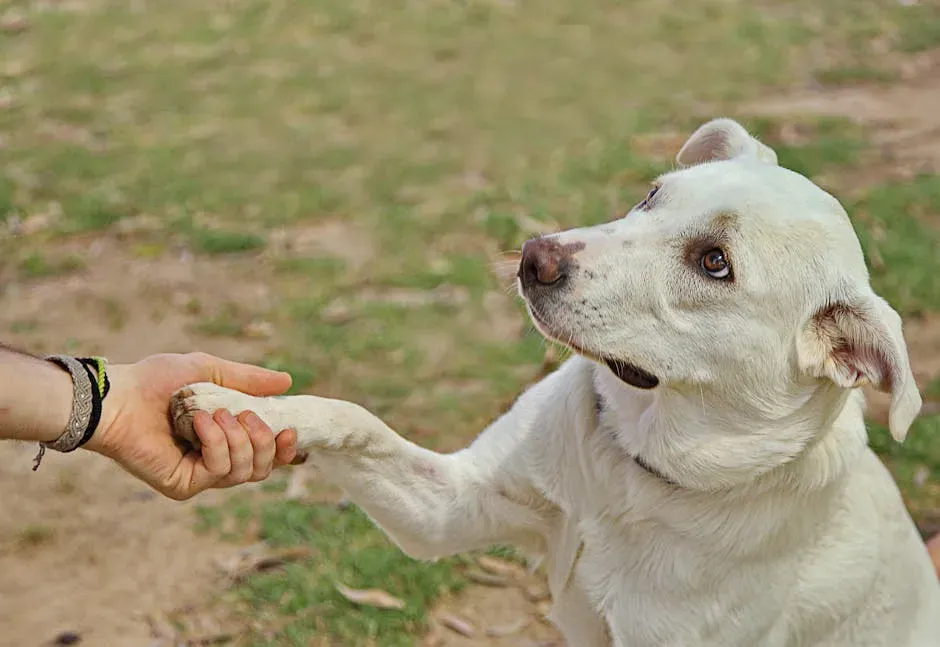
If you want to know what a human’s hands meant in a dog’s past life – comfort or danger – watch the split-second reaction when a hand moves toward them. Shelter workers rely on this more than any sad backstory scribbled on a surrender form.
Some dogs melt like butter the second a hand reaches out, pressing their whole body into you and asking for more without hesitation. That’s usually the stamp of a home where touch was a daily language – petting on the couch, kids hugging them, someone scratching ears during a movie. It doesn’t guarantee everything was perfect, but consistent, confident affection rarely comes out of a neglectful home.
Then there are the flinchers – the ones who shrink, duck, or close their eyes every time a hand comes near, especially if it’s raised even slightly. Shelter workers notice dogs who brace at fast movements, dogs who only accept touch from below or behind, and dogs whose whole body goes still, almost trying to disappear.
Fast Facts
- A quick recoil from a raised hand often points to past punishment or yelling.
- Leaning into touch immediately usually signals a home with daily, gentle affection.
- Freezing in place is a fear response – very different from calm stillness.
- Accepting touch only from below or behind often means overhead contact once felt threatening.
Does this automatically mean abuse? Not always – rough handling, poor socialization, yelling, or chaotic households can all create this. But when a dog cowers at the slightest overhead motion, workers assume, at best, that dog lived with unpredictable or heavy-handed people.
#3 – The Leash, the Car, and the Doorframe: Was This Dog Ever Taken Anywhere?
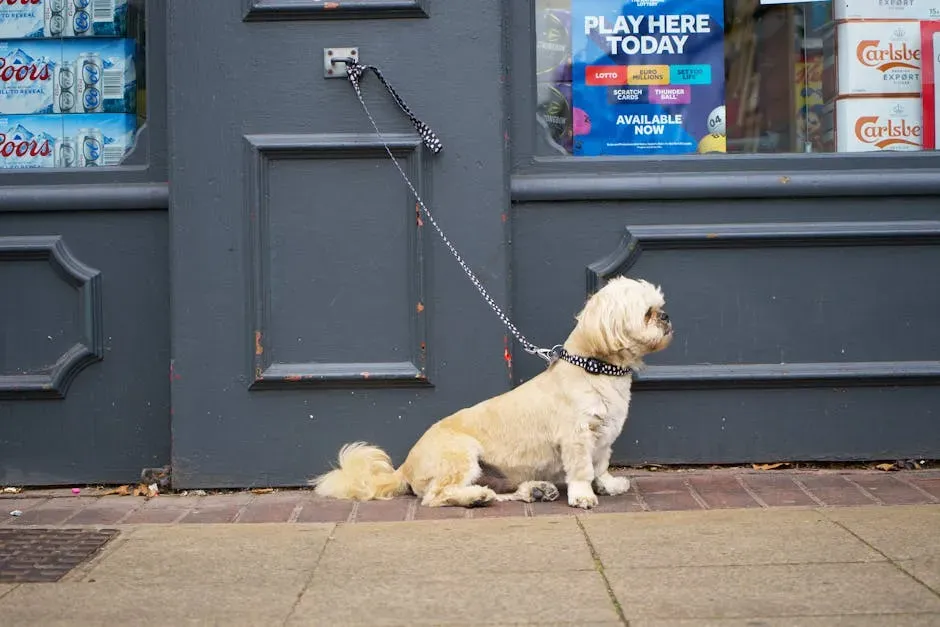
Shelter staff joke that you don’t need a calendar to know how often a dog left its old house – you just need a leash and a car door. Many dogs tell their entire “outing history” the second you clip them in and head toward the parking lot.
A dog that steps into a harness calmly, trots toward the door, and hops into a car without drama had experiences – vet visits, park trips, daycare, errands. It doesn’t mean everything was perfect, but it screams, “I’ve seen the world beyond one backyard.” These dogs often adapt faster because novelty doesn’t terrify them; it just registers as a new version of something familiar.
Contrast that with dogs who pancake to the floor when the leash appears, dig their nails in at doorways, or tremble and vomit in the car on even short rides. Shelter workers see these signs and immediately suspect confinement or isolation – yards, chains, or homes where the dog existed but never really participated in life.
A dog that refuses to cross a doorway may have been shoved or dragged through it once, or simply never invited beyond “its” room. Fear of thresholds and vehicles is rarely random – it’s almost always learned.
#4 – Noise Sensitivity: TV Dog or Backyard Ghost?
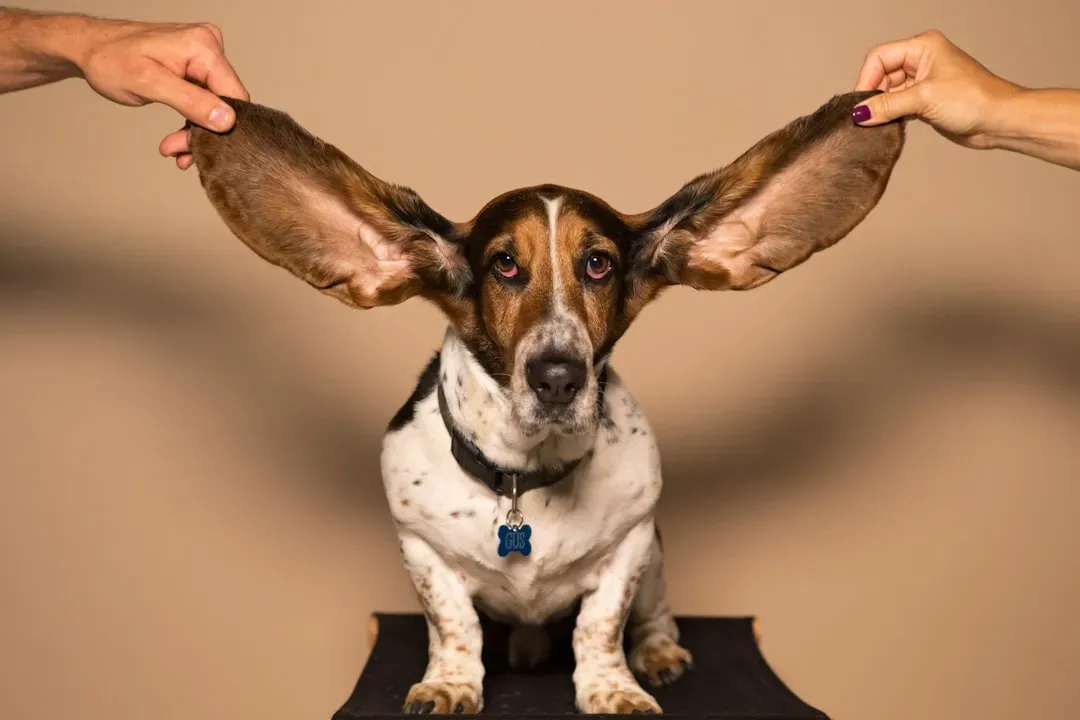
Walk through a noisy kennel and some dogs barely notice the chaos while others fall apart completely. Shelter workers read noise reactions like a map of where the dog used to live: quiet, overstimulating, or downright unpredictable.
Dogs who barely flinch at loudspeaker announcements, barking eruptions, or doors slamming often come from busy environments – kids, a TV that’s always on, city apartments, or multi-pet homes. Their nervous systems are already calibrated to background noise, which usually means they cope better in loud shelters and adapt quickly once adopted into busy households.
Then you have the sound-startlers – the ones who jump out of their skin at a door click, a sneeze, or a metal bowl hitting the floor. This can signal very quiet, isolated homes, or the opposite: spaces where loud noise always meant trouble, like yelling or conflict, or backyard-only lives with almost no indoor sound exposure.
A dog who panics at every sudden sound didn’t just “wake up anxious.” It learned that noise equals danger, or at least equals something rare and overwhelming. When a simple cough sends a dog scrambling for cover, staff assume the past was either too quiet or far too volatile.
#5 – Crate Behavior: Safe Den or Tiny Prison?
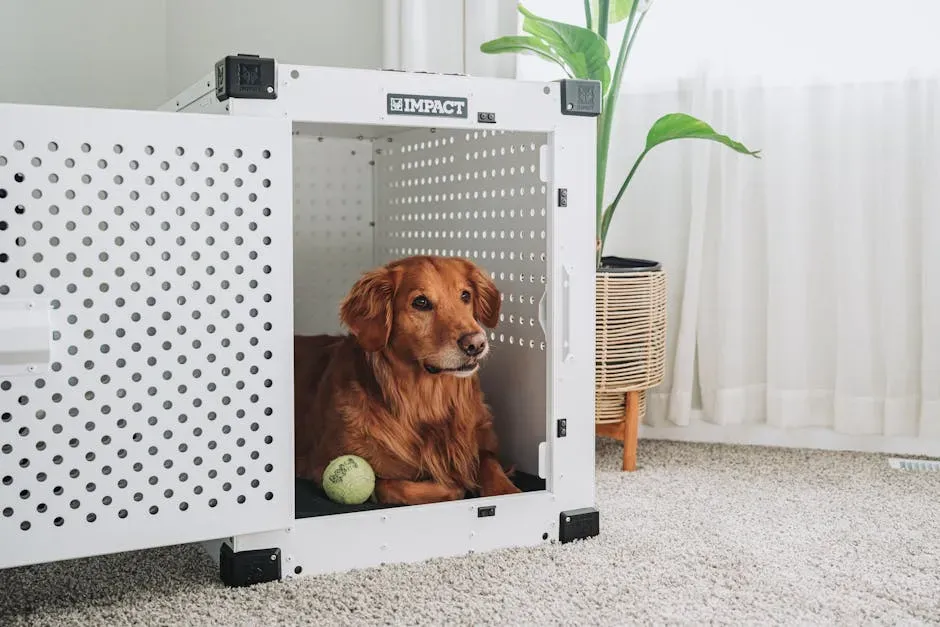
Ask any shelter worker: the way a dog handles a crate is one of the most brutally honest clues about their last home. You can fake a surrender story. You can’t fake a dog that sighs with relief inside a crate versus one that claws at the bars like it’s a jail cell.
Some dogs walk in, circle once, and lie down – sometimes sleeping more soundly inside than out. That typically points to thoughtful crate training, a household that used the crate as a safe sleeping spot rather than a punishment, and a consistent routine of crate at night, freedom during the day. These dogs treat crates like bedrooms, not cages.
Then there are the panic cases – dogs who slam their bodies into the door, bite the bars until their gums bleed, or whine and drool the moment it shuts. That kind of extreme distress usually doesn’t come from nowhere. It often means overuse of confinement – crated for far too many hours, or shut away whenever someone wanted the dog “out of the way.”
In the most heartbreaking cases, staff suspect the crate was used as straight-up punishment. When a dog has to be sedated just to tolerate a kennel, their past likely involved isolation, not comfort.
#6 – Kids: Instant Adoration or Quiet Avoidance?
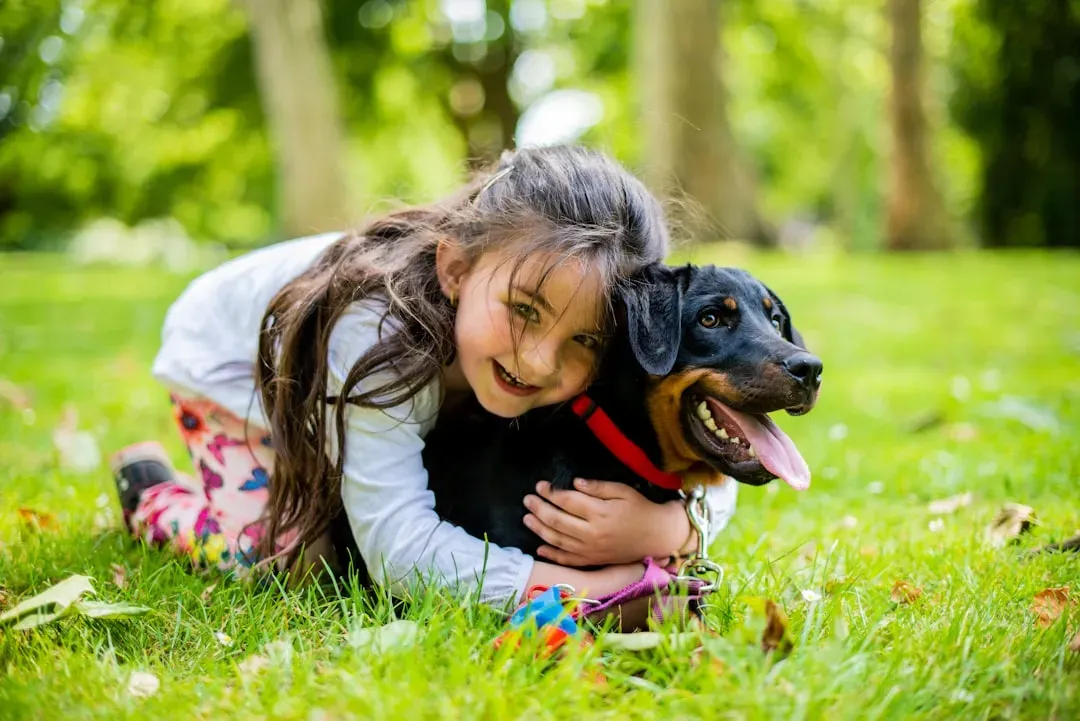
Shelter workers don’t just ask, “Is this dog good with kids?” They watch what happens the moment a child actually appears. Kids are incredibly revealing triggers because they’re unpredictable, loud, and small – exactly the kind of stimulus that exposes a dog’s true history.
If a dog lights up around children – wagging, offering toys, gently adjusting their own play style to match – it usually points to a home where kids were part of daily life. These dogs already understand that fast movements and high-pitched voices aren’t danger signals, and that gentle patience around small humans gets rewarded. That’s not something you fully teach in a couple of meet-and-greets; it comes from actually living with children.
In contrast, a dog that freezes, hides, growls softly, or gives intense side-eye the moment a toddler walks in is waving a bright flag. That doesn’t automatically mean abuse by children – more often it means the dog was never socialized with kids at all, or the kids in the home were too rough or unsupervised, or noise and chaos always meant stress instead of play.
When a dog shakes at the sight of a stroller or a small backpack, workers know the “great family dog” label on the intake form might be wishful thinking.
#7 – Toys, Tug, and Fetch: Was This Dog Ever Allowed to Be a Dog?

Play style is one of the biggest lie detectors about a dog’s past life. People love to claim, “We just didn’t have enough time,” but toys – or the total lack of interest in them – often say otherwise.
Shelter workers pay attention when a dog walks into a yard, sees a ball, and instantly lights up like it’s Christmas morning. Fetch, tug-of-war, squeaky toys – they know the rules and they’re thrilled to play. These dogs usually came from active homes with regular interaction, where people engaged with them beyond just feeding, and mental stimulation actually mattered.
Why It Stands Out
- Instant excitement over a toy usually means an enrichment-rich, engaged household.
- Zero interest in toys often points to a life spent mostly outdoors or on a chain.
- Frantic guarding or shredding of toys can hint at past scarcity of playtime.
- Calm, thoughtful play – interested but not desperate – is often the mark of a secure upbringing.
On the other side, some dogs stare at toys like they’re alien technology – no chasing, no chewing, no interest at all. That often suggests long-term neglect of enrichment, a life spent in yards, garages, or on chains, or owners who saw the dog as an alarm system rather than a companion.
More concerning are dogs who play too hard – guarding toys, shredding them obsessively, or crashing into people in frantic overexcitement. That can hint at past deprivation, where any moment of play was rare and wildly overstimulating. A balanced play response – interested but thoughtful – is often the quiet signature of a dog that was allowed to just be a dog.
#8 – Boundaries and Manners: Free-for-All or Over-Controlled?
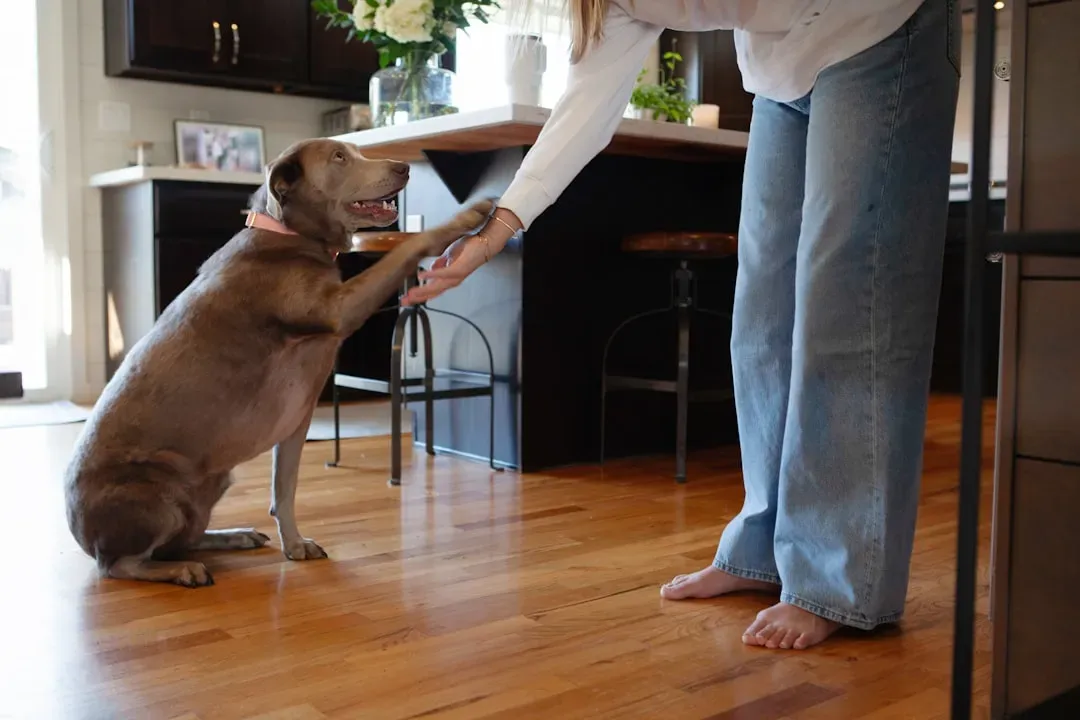
You can tell a lot about a previous home by how a dog handles the basics: doorways, counters, beds, furniture. Shelter workers treat these little “house manners tests” like forensic exams.
Dogs from structured, non-cruel homes often wait even briefly at doors, take treats gently, respond loosely to “sit” or “down,” and show some awareness that jumping on people isn’t always okay. None of this requires perfect training – it just requires someone who consistently said “no,” “off,” or “wait” and actually followed through.
Then there are the extremes. Some dogs blast through doors, surf counters, and yank on leashes like freight trains – a sign of homes with zero boundaries, where the dog basically raised itself. At the other end, you see dogs so shut down they barely move without permission, flinching at a raised voice or a stern “ah-ah.”
There are no bad dogs, there are only bad owners.
Barbara Woodhouse
Overly submissive dogs sometimes come from homes where punishment, not guidance, was the main training tool. When a dog either has zero manners or reacts to every correction like it’s life-or-death, shelter workers start piecing together a picture of chaos on one end or hyper-control on the other.
#9 – Sleeping Spots and Bathroom Habits: Indoor Pet or Backyard Fixture?

Nothing exposes the truth about where a dog used to live like bedtime and bathroom routines. Shelter workers watch where a dog chooses to rest and how it treats indoor spaces, almost like reading a map of its history.
A dog that confidently climbs onto a dog bed, settles on a blanket, or nests on the couch like it’s done this a thousand times lived indoors, period. These dogs already understand that doors aren’t bathrooms, prefer soft elevated spots over cold floors, and follow humans into bedrooms or living rooms by default.
In contrast, dogs who pace, lie on cold concrete by choice, or sleep pressed against the farthest wall raise eyebrows fast. Dogs that avoid soft bedding entirely, panic when brought indoors, or eliminate the moment they cross the threshold frequently come from backyard-only, garage, or porch lives. They don’t recognize a house as somewhere they belong.
Potty habits are a dead giveaway too. Dogs that hold it for hours, then rush outside, were almost certainly house-trained. Dogs that eliminate wherever they stand, without hesitation, typically had no consistent access to the outdoors – or were never allowed inside to begin with.
#10 – Separation Behavior: Clingy, Calm, or Completely Detached?

Watch what a dog does when you leave the room – that’s where you see their old schedule. Shelter workers use separation behavior to guess whether a dog lived with a stay-at-home owner, long workdays, or almost zero human attachment at all.
Some dogs barely notice when staff step out. They chew a bone, nap, maybe glance up when you return. This doesn’t mean they weren’t loved – it often means predictable routines, gradual independence, and owners who came and went without drama.
At a Glance
- Calm departures and returns usually mean a predictable routine and secure attachment.
- Frantic scratching, howling, or destruction often signals sudden change or chronic isolation.
- Flat, unbothered indifference can be the residue of long-term emotional neglect.
- How fast a dog settles after you leave is often more telling than how it acts when you’re there.
Other dogs explode the second a human disappears: scratching frantically at doors, howling non-stop, chewing anything within reach. When a dog melts down over even short absences, workers suspect one of two extremes – either the dog was almost never left alone and this is a sudden shock, or they were left alone so often, for so long, that every goodbye now feels like abandonment.
Then there’s the third type: dogs who don’t seem to care at all, with flat affect and zero interest when people leave or return. That emotional shutdown can be the residue of chronic neglect. A dog that has learned “no one comes for me” simply stops wasting energy on hope.
#11 – Dog-Dog Reactions: Pack Dog, Only Child, or Survivor?
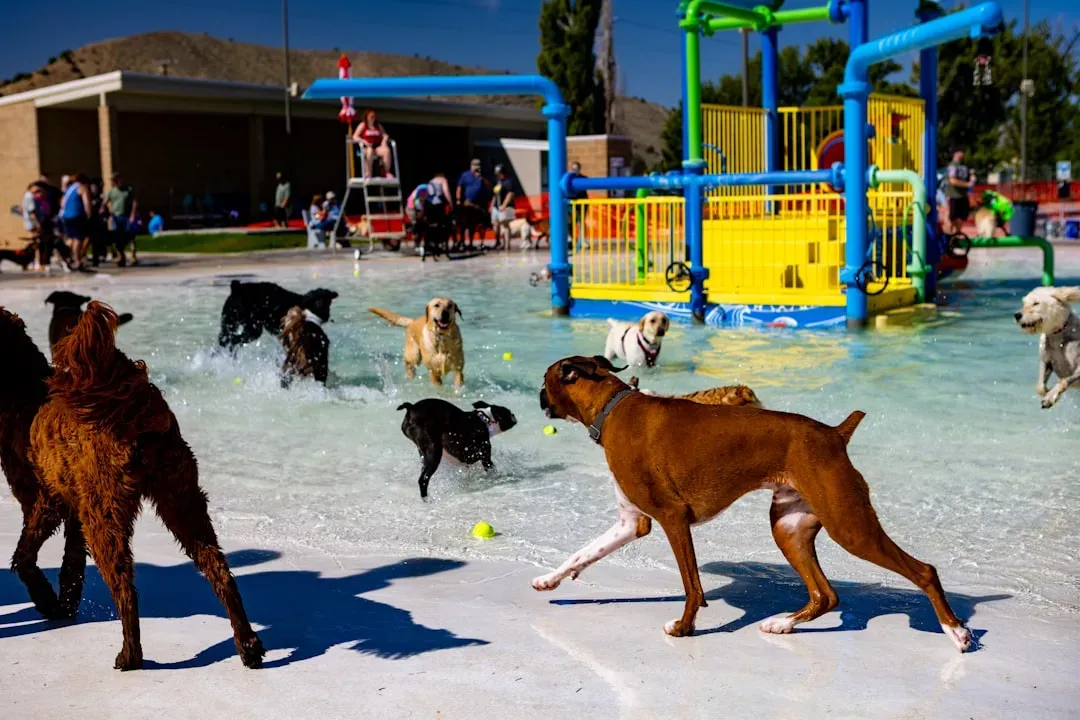
Put a dog near another dog and you’ll often get a highlight reel of its past social life. Shelter workers study these interactions closely because they reveal whether the dog grew up social, solitary, or in something closer to a survival scenario.
Dogs who approach others with loose bodies, curved paths, and gentle sniffing almost always had healthy dog exposure – puppy classes, dog parks, a resident dog, neighbor playtime. They may not be perfect, but they understand basic canine etiquette, like avoiding stare-downs and taking turns.
Then there are the only-child types: dogs who ignore others or seem mildly annoyed, tolerating them without real interest. That often points to homes where they were the sole pet with limited dog interaction – not necessarily aggressive, just out of practice reading dog body language.
The troubling cases are dogs who either explode into instant hostility or cringe at any attempt at interaction. These reactions can hint at past fights, dogs used as “yard security” rather than family, or poorly managed multi-dog homes where conflict, not play, was the norm.
#12 – Physical Tells: Collars, Fur, Nails, and the “Lived-In” Look

Before a shelter worker even reads the intake notes, they’re quietly scanning the dog’s body. Not just for medical issues, but for subtle evidence of how much daily care this dog actually received.
Obvious signs like ingrown nails, filthy coats, matted fur, or old collar grooves in the neck often speak louder than any “we loved him so much” confession. You don’t get painful, twisted nails from missing one grooming appointment – that’s long-term disregard. Positive signs, on the other hand, include clean brushed fur even if the dog is stressed, a collar with recent wear marks, healthy weight and muscle tone, and teeth that aren’t catastrophically ignored.
That kind of maintenance usually means someone at least tried – regular walks, periodic vet care, baths. It doesn’t guarantee emotional care was ideal, but it shows physical responsibility.
Then there are the specialized signs: sun-bleached fur on the back but pale, protected fur on the belly, callouses on elbows from hard surfaces, thickened skin around the neck. These often suggest outdoor lives, hard flooring, or constant tethering. A body that looks “used up” without a medical explanation rarely comes from a soft bed and family movie nights.
#13 – The Eyes, the Freeze, and the Bounce-Back: How Much Did This Dog Trust?
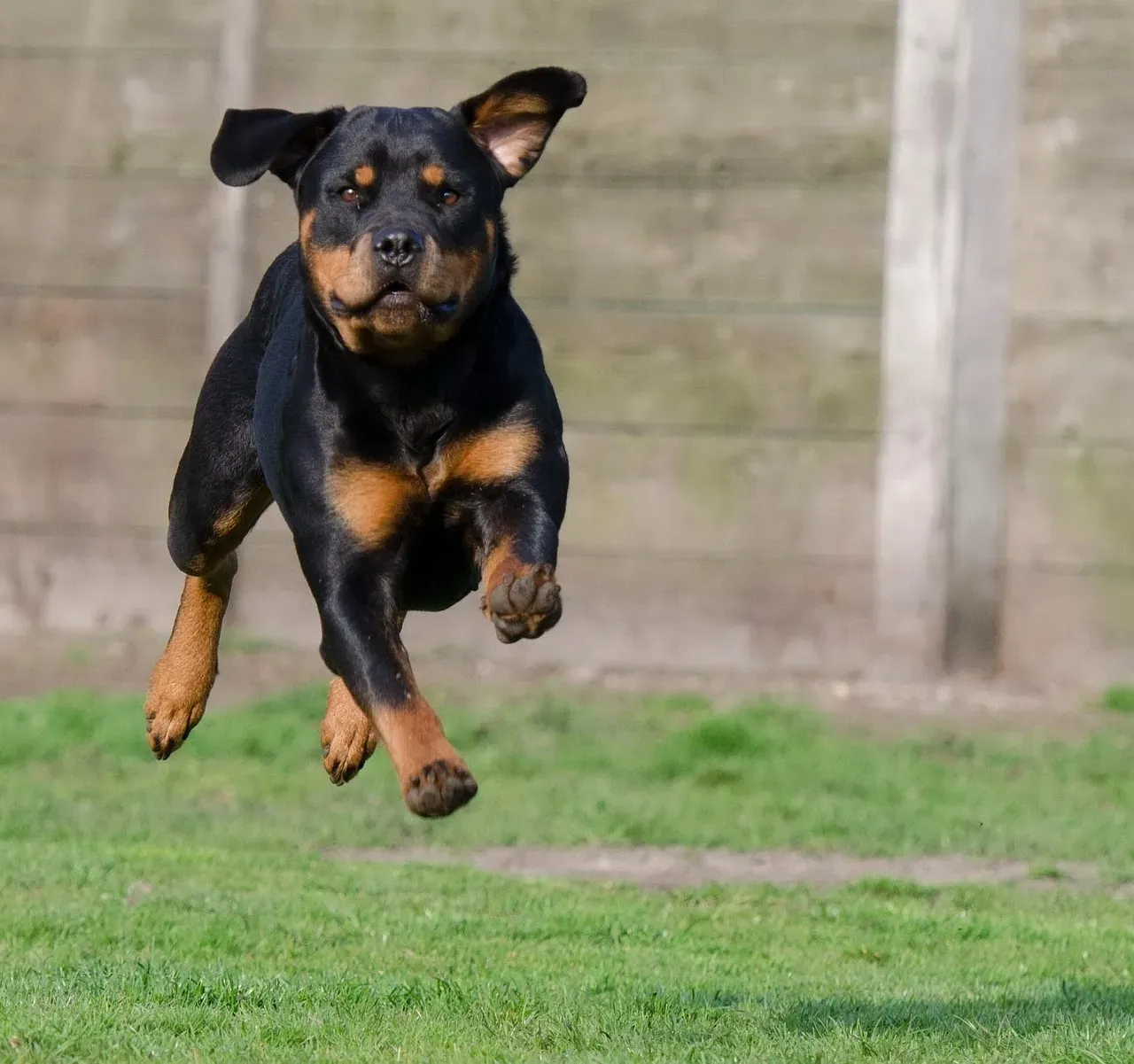
Ask experienced shelter workers what really gives away a dog’s old life, and they’ll often talk about something that never shows up on paper: emotional resilience. How quickly a dog recovers from stress may be the single most powerful indicator of what its previous home actually felt like.
Some dogs arrive terrified but start to bloom within days – going from cowering to cautiously wagging, eating consistently, accepting treats, then petting, then play. That kind of comeback suggests at least some history of kindness. You can’t bounce back that fast if you never once knew what safety felt like.
Others stay locked in a freeze state: blank stares, stiff bodies, no interest in food or toys, even after weeks pass. Shelter workers quietly understand what that usually means – long-term neglect, chronic stress, or a home where the dog’s emotional needs were simply never considered. Hope doesn’t blossom when it’s never been watered.
Then there are the heartbreaking in-betweens: dogs who desperately seek affection but flinch at every movement, who climb into your lap yet brace for impact. They learned that love comes with a price. And sadly, that’s often the most honest summary of their previous home you’ll ever get.
The Bottom Line
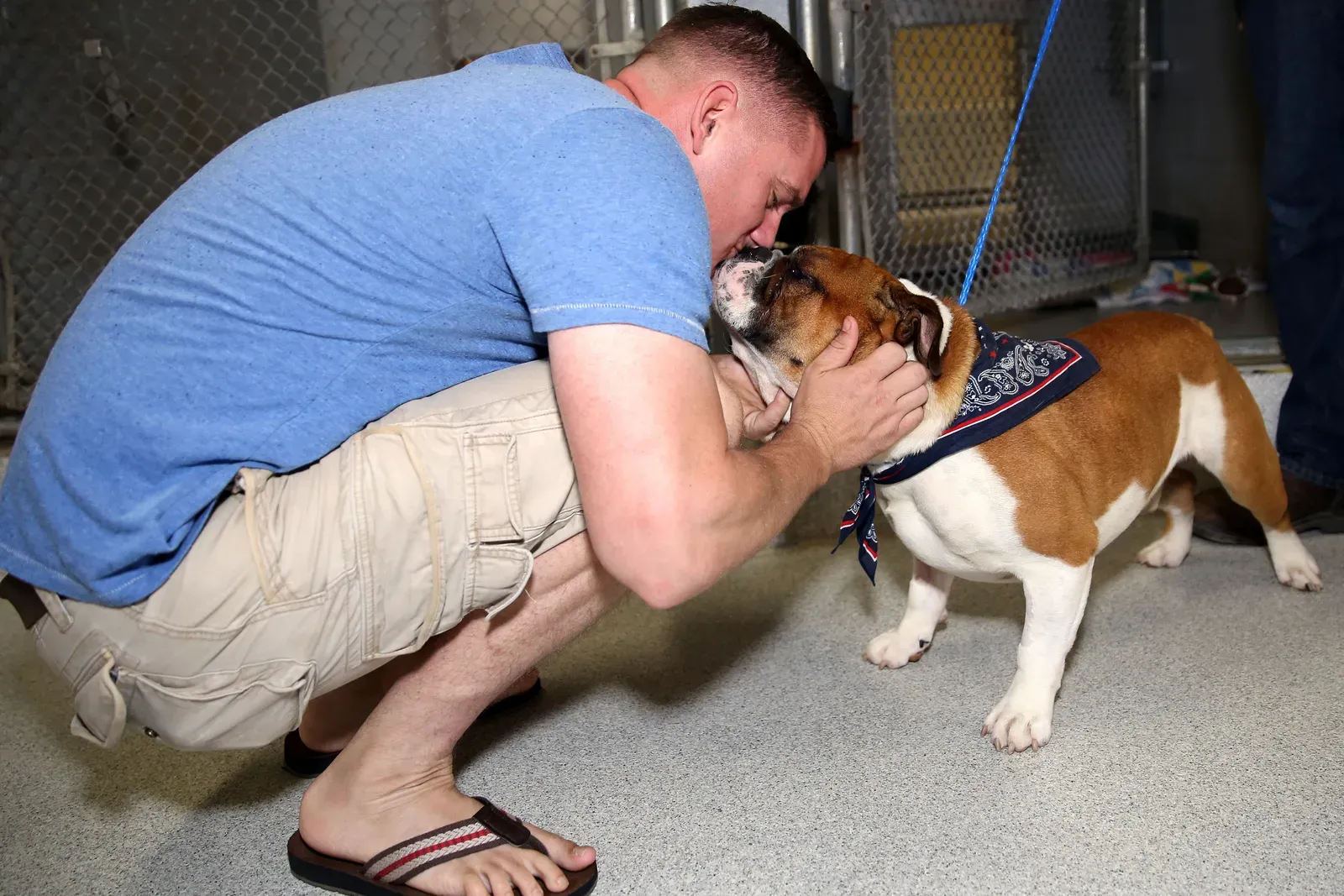
Shelter workers aren’t psychics. They’re pattern readers who’ve watched hundreds of dogs walk through the same doors, and over time, food panic, leash terror, toy confusion, or a total lack of interest in people stop looking like quirks. They start looking like receipts.
Worth Knowing
- Feeding behavior often exposes scarcity versus a stable, predictable routine.
- Touch response reveals whether affection or punishment shaped a dog’s past.
- Crate reactions separate safe-space training from confinement misuse.
- Recovery speed after stress is one of the clearest signs of a history of kindness.
The uncomfortable truth is that plenty of dogs come from homes that claimed to love them, yet their bodies and behavior tell a completely different story. At the same time, some dogs surrendered for heartbreaking, unavoidable reasons clearly carry the imprint of gentle, responsible care – and that matters too.
Here’s the part people don’t love hearing: a dog’s “issues” are rarely about the shelter itself. They’re the long shadow of whatever came before. The good news is that shadow isn’t permanent. Give a dog time, structure, and actual patience, and you’ll watch that shadow shrink, sometimes faster than anyone expected. Which of these signs have you noticed in a rescue dog that told you exactly what its past was really like?