
19 Breed Origin Stories That Collapse the Moment Anybody Bothers Checking the Earliest Record
Every dog owner has a favorite origin story for their breed – the ancient Egyptian tomb art, the Viking longships, the loyal monks in the Alps. These stories feel true because they’ve been repeated a thousand times: printed on breed club websites, whispered by breeders as they hand over a puppy, stitched into the mythology of an entire species. But drag those legends back to the earliest written records, the DNA studies, and the old stud books, and something strange happens. Most of them fall apart within a paragraph.
That’s not a knock on the dogs. It’s a reveal about the humans who built the mythology around them. Nineteen of the most repeated breed origin stories, when you actually check the paper trail, turn out to be part invention, part reconstruction, and part marketing. Here’s exactly where each legend breaks down – and what the real record says instead.
#1 – The “Ancient Egyptian” Greyhound Myth
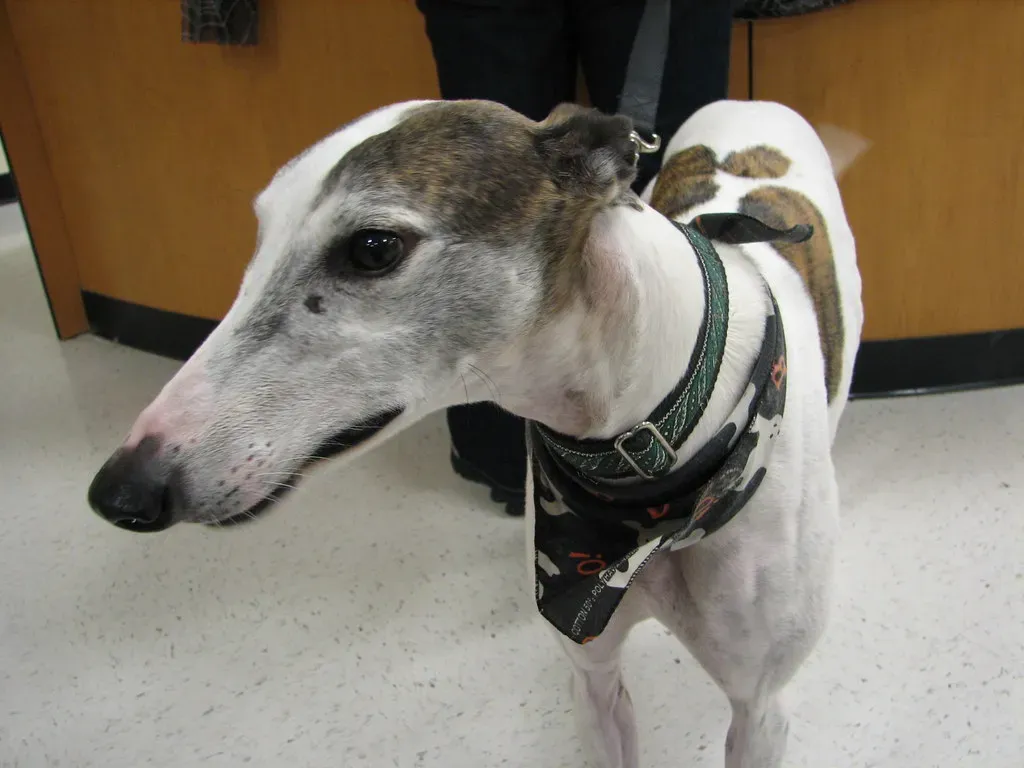
Everyone loves saying Greyhounds are the exact dogs painted on Egyptian tomb walls thousands of years ago. It’s classy, exotic, wildly shareable – and it falls apart the second you check the timeline. Ancient Egypt definitely had lean, fast sighthound-type dogs. That part’s real. But “a sighthound-type dog existed” and “the modern AKC Greyhound standard” are two very different claims separated by thousands of years and an ocean.
The hard records put the recognizable Greyhound – the one chasing a lure at your local track – emerging in Britain, refined over centuries for coursing hares and later racing. Medieval English laws about who was even allowed to own a “Greyhound,” plus 18th- and 19th-century stud books, tell a story of careful island breeding, not sacred continuity from the pharaohs. Even the word “greyhound” likely has European linguistic roots, not Egyptian ones. Great tourist copy. Weak history.
#2 – The Siberian Husky and the Over-Romanticized Sled-Dog Line
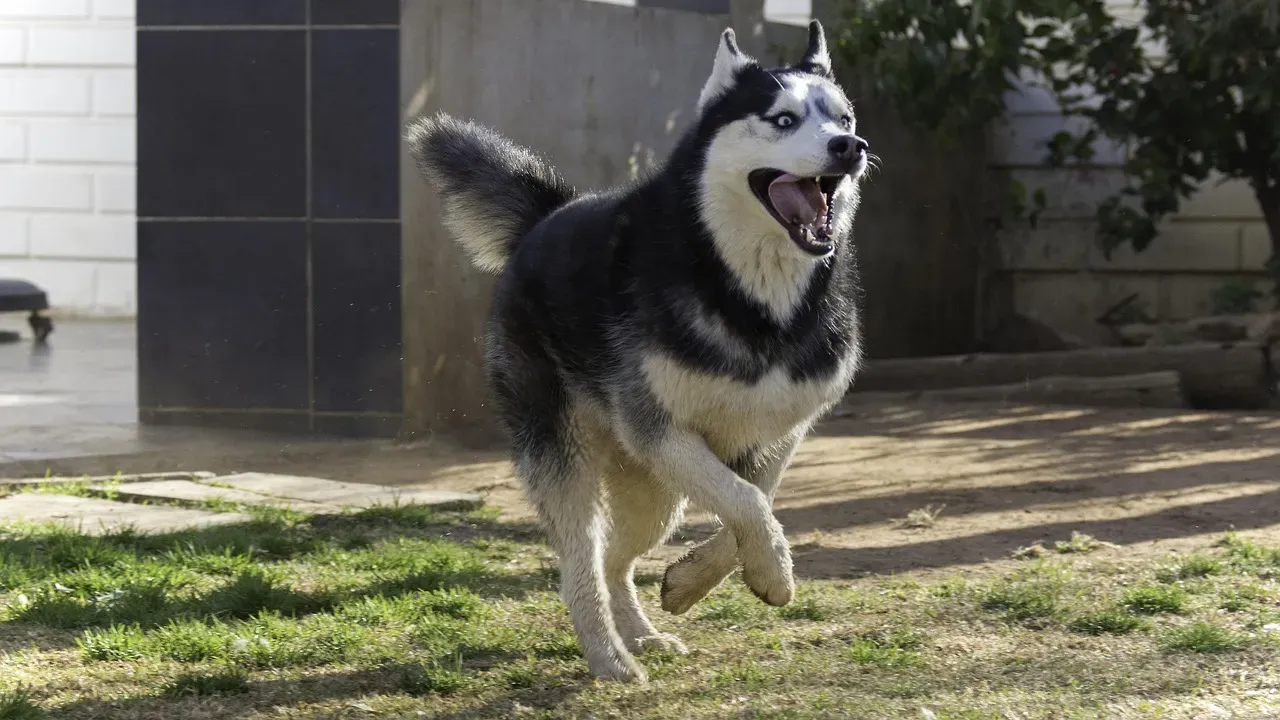
Husky owners love saying their dog is a living relic – pure, unchanged, dropped straight from prehistoric Siberia into American backyards. There’s a real kernel here: early Huskies did descend from working sled dogs of northeastern Asia. But the tidy “frozen in time” version is far more romantic than the record supports.
The dogs brought to Alaska for racing in the early 1900s weren’t preserved specimens; they were working athletes pulled from a messy, fluid sled-dog culture that mixed local landrace dogs with whatever fast or tough import worked, including other northern breeds and even hounds. DNA backs this up, showing multiple northern and spitz-type inputs rather than one pure Chukchi line. Once Huskies caught on in North America, show-ring aesthetics and closed stud books finished the job – Siberian in spirit, but not a genetic time capsule.
#3 – The German Shepherd’s Supposed “Ancient Herding Lineage”
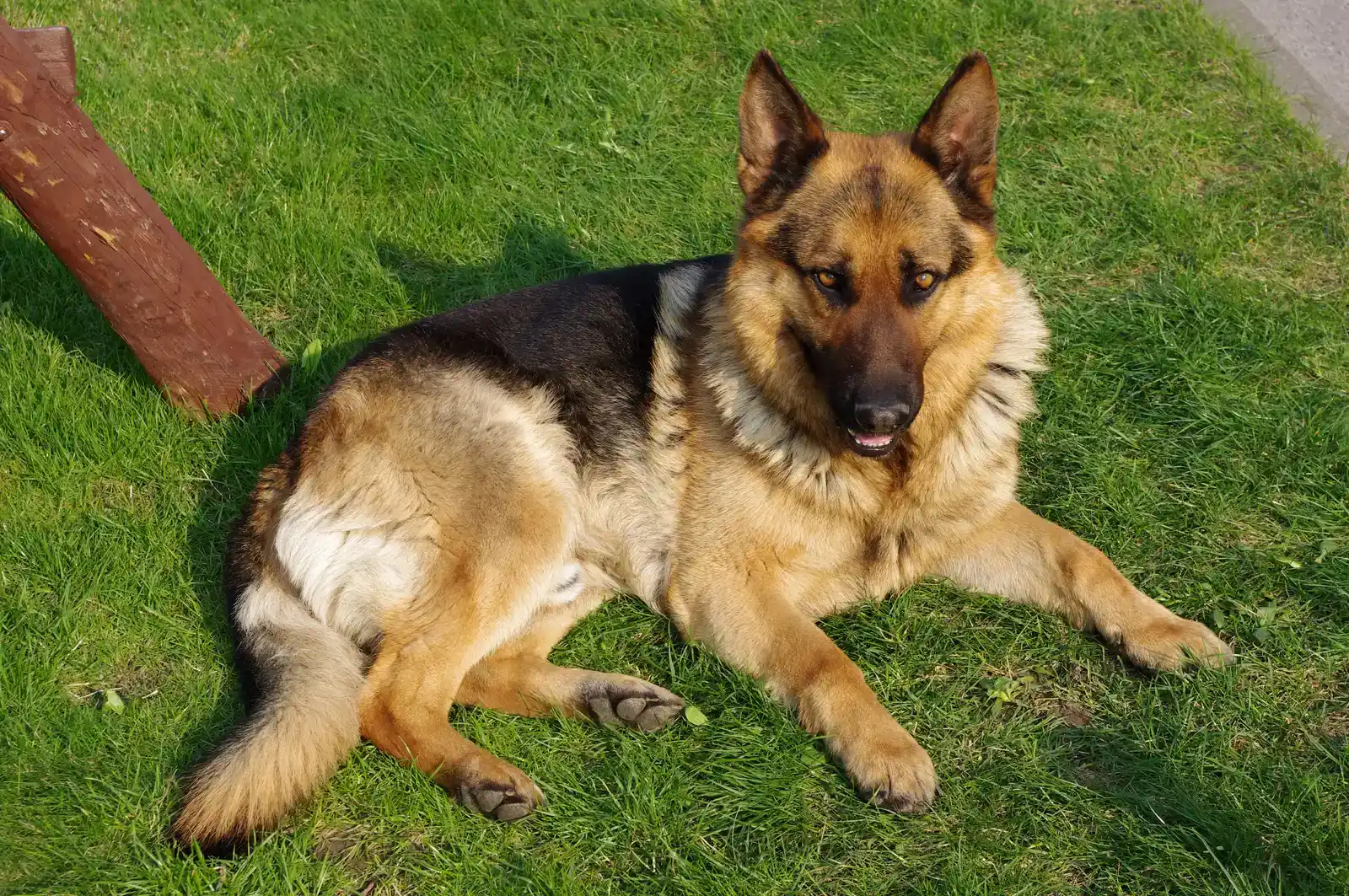
Ask around and someone will insist German Shepherds descend from age-old German farm dogs stretching back centuries. That line conveniently skips the uncomfortable part: the breed itself is largely the deliberate invention of one man, cavalry captain Max von Stephanitz, working in the late 1800s and early 1900s. The standardized German Shepherd Dog is barely 120 years old – a toddler by “ancient breed” standards.
Von Stephanitz did scour Germany for good working herding dogs, then built the entire breed around a single foundation dog, Horand von Grafrath, through intense line-breeding for versatility and trainability. Police work, military service, and later protection sports pushed the type even further. Old herding dogs contributed real genes – but “goes back thousands of years” is branding, not biology.
Fast Facts
- On the sidelines of a dog show in Karlsruhe in April 1899, Max von Stephanitz, Arthur Meyer, and a number of others decided to form a club, formally established on 22 April 1899.
- Horand was born on 1 January 1895 in Frankfurt, Germany, and was the first dog officially registered as a German Shepherd Dog (registration number SZ1).
- Von Stephanitz gladly handed over 200 German gold marks to purchase the dog on the spot.
- That timeline puts the “standardized” breed at roughly 125 years old – not a lineage stretching back centuries.
#4 – The Akita and the Overblown Samurai Bodyguard Legend
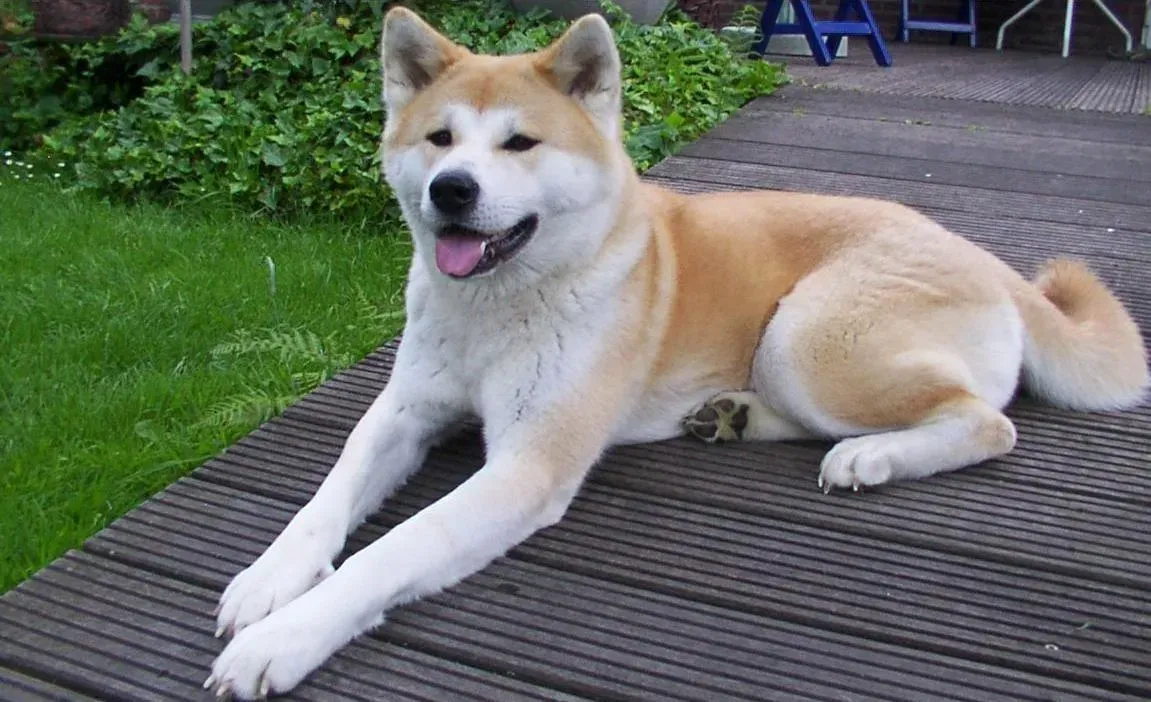
The Akita’s popular myth is pure cinema: noble samurai keeping Akitas as personal bodyguards, hunting bears and standing watch outside feudal castles. Regional hunting dogs from Akita Prefecture really did exist for big-game hunting in Japan. But the modern Akita Inu, as fixed in today’s breed standard, is a 20th-century reconstruction – and the samurai storyline quietly treats postwar breed politics as ancient truth.
Japan went through intense dog-breed reform in the early 1900s and again after World War II, including crosses with foreign breeds like Mastiffs and German Shepherds that were later “purified” or split off – the split that eventually produced both the Japanese Akita Inu and the separate American Akita. The samurai angle got leaned on hard to frame these dogs as untouched cultural treasures. Zoologically, though, the castle-guardian legend is closer to nationalist storytelling than precise history.
#5 – The Bulldog and the Clean “From Bull-Baiting to Sofa Dog” Tale
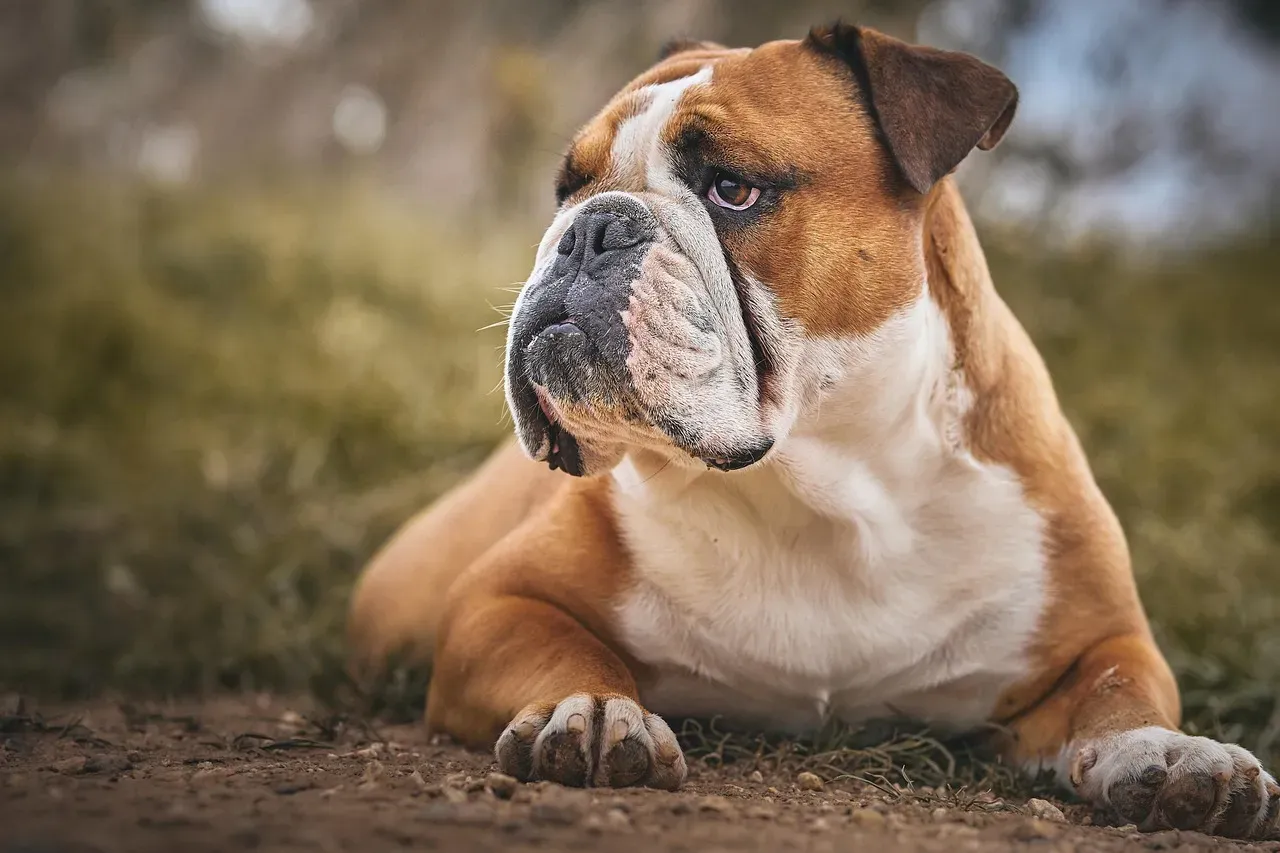
The story everyone repeats is tidy: Bulldogs were vicious bull-baiting dogs, the blood sport got banned, and gentle breeding turned them into today’s lazy, couch-loving clowns. Reality is messier and considerably less flattering. Bull-baiting dogs existed, sure, but they looked nothing like the flat-faced, heavy-fronted dog snoring on your sofa.
When bull-baiting ended in the 1800s, bulldog-type dogs splintered in different directions – some toward the modern Bulldog, others feeding into Bull Terriers and other bull-and-terrier types. Victorian and early 20th-century fanciers then spent decades dialing up exaggeration: shorter muzzles, broader heads, heavier shoulders, all chosen purely for looks. The soft “we just removed the aggression” version skips how aggressively humans engineered extreme traits that now cause the breed’s well-documented health problems.
#6 – The Dalmatian’s “Born to Guard Carriages” Marketing Line
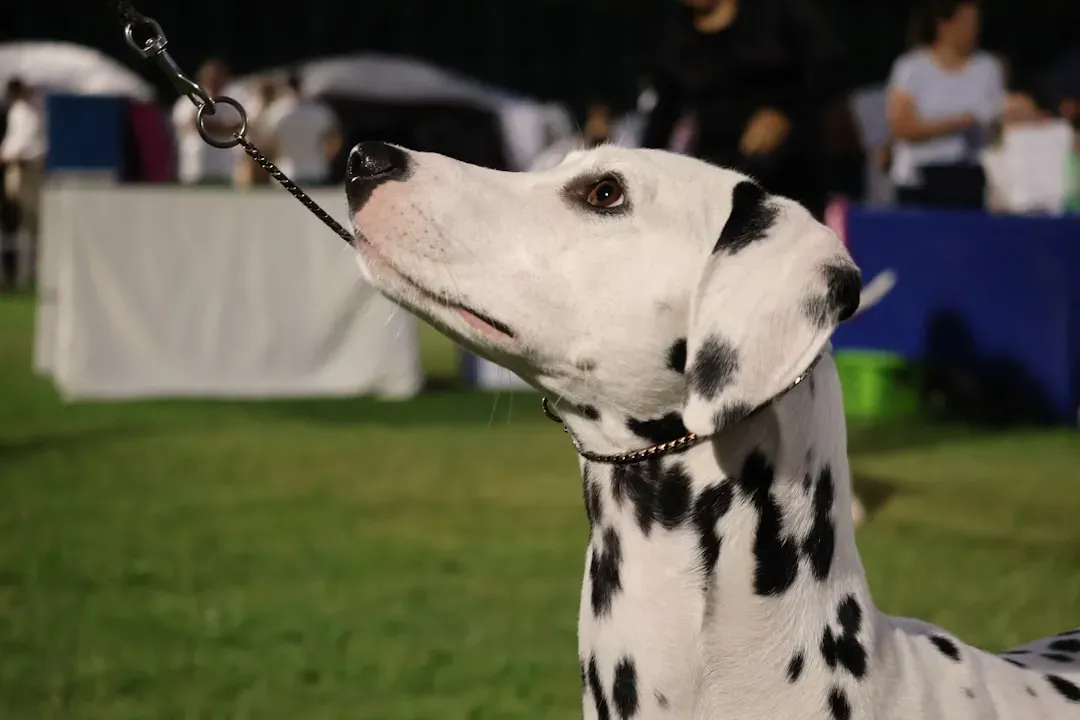
The carriage-dog myth sounds specific enough to be true: Dalmatians were purpose-built to trot beside horse-drawn carriages, guarding them from highwaymen and stray dogs. They genuinely were used with horses in 18th- and 19th-century Europe, and later with fire brigades. But chase the earliest references and the “unique specialist” story gets fuzzy fast.
Spotted, athletic dogs turned up along various trade routes long before any fixed breed, likely rooted in Central or Eastern Europe and the Mediterranean, doing everything from watchdog to hunting dog to companion. The famous “firehouse dog” identity is a much later add-on, especially in the United States. Nineteenth-century writers and early kennel clubs polished the coach-dog angle hard to justify a niche – and that neat origin story crumples the moment older records show a versatile generalist, not a hyper-specialist.
#7 – The Chihuahua and the “Direct From Ancient Aztec Lap Dogs” Story
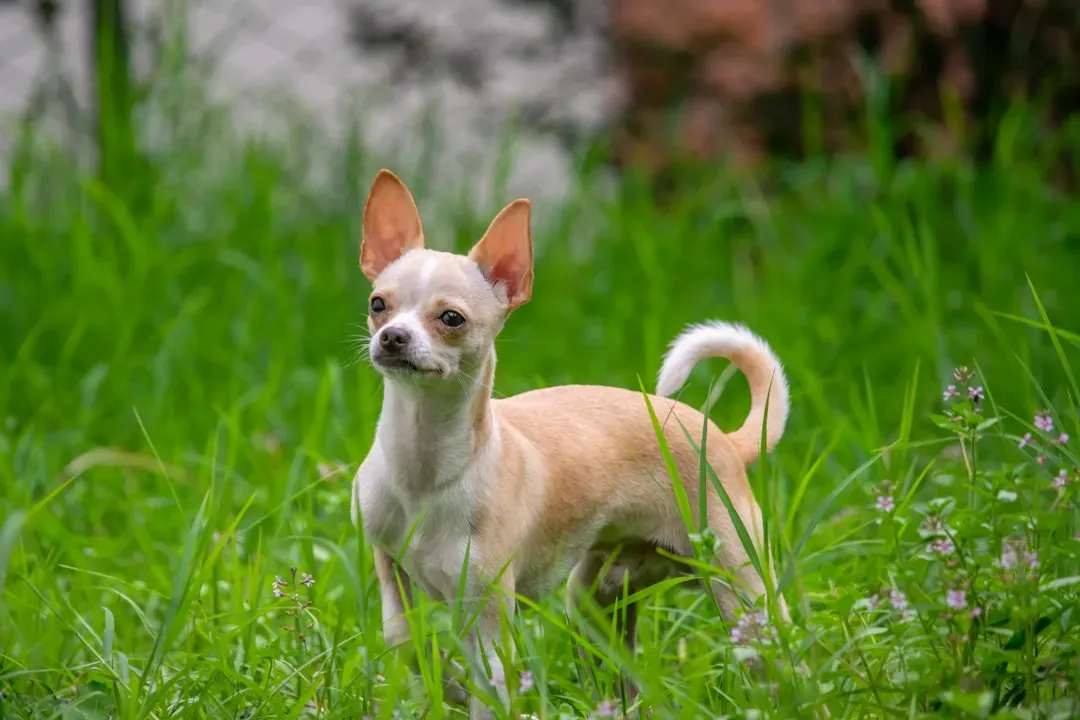
Chihuahuas get sold constantly as living descendants of sacred Aztec or Toltec temple dogs, the Techichi – souvenir shops and Instagram captions treat it as settled fact. Small, likely quiet companion dogs did exist in pre-Columbian Mesoamerica. But the claim that today’s apple-headed, bug-eyed toy breed is basically an unchanged Techichi is way ahead of the evidence.
Archaeological remains and colonial-era descriptions point to small native dogs, not a clean match to the modern breed, and genetic studies show New World dogs were heavily diluted – in many cases outright replaced – by European dogs after colonization. The Chihuahua’s real popularity boom came in the late 19th and 20th centuries, once Americans and Europeans began selectively breeding the tiniest, flashiest dogs they could find along the U.S.-Mexico border. There may be a faint Mesoamerican echo somewhere in there, but the dog sold as “ancient Aztec” is substantially a modern, global toy-dog project.
#8 – The “Viking” Swedish Vallhund Story That’s Mostly Vibes
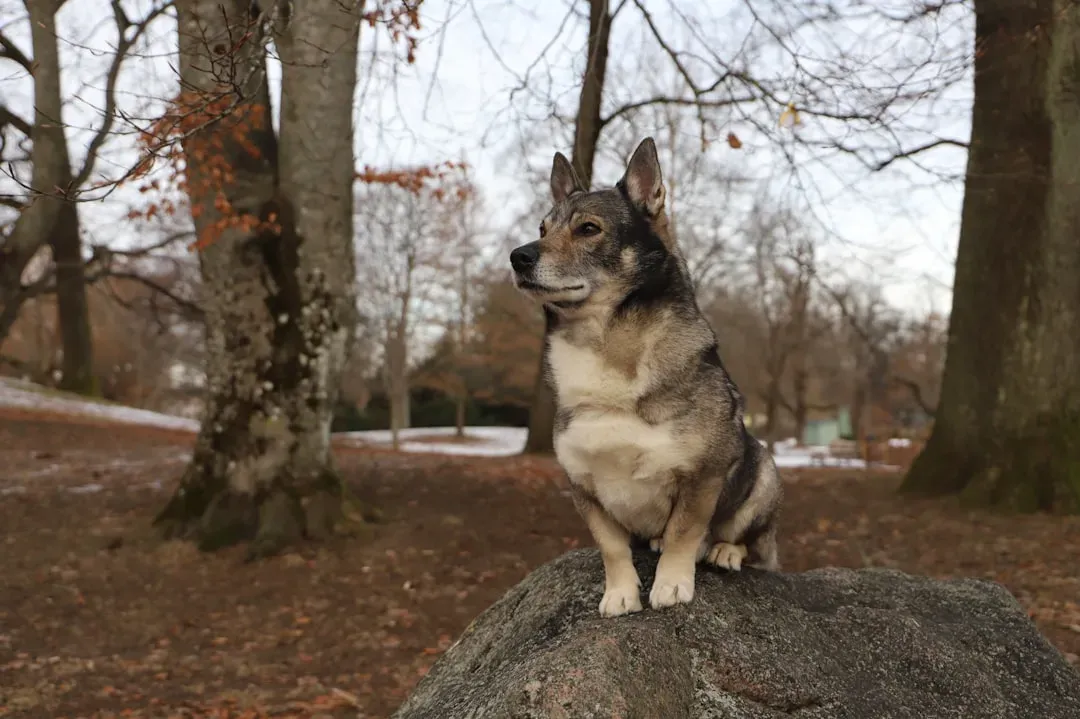
Swedish Vallhunds get marketed hard as “Viking dogs,” complete with cute graphics of short-legged herders riding along on longships. It’s a great hook. Dig into the actual records, though, and you find a regional Scandinavian farm dog that nearly went extinct in the early 1900s and had to be pieced back together.
The Viking angle leans on speculation that similar spitz-type cattle dogs might have existed during the Viking Age – plausible, but not documented as a direct, continuous line to the dog wagging in your yard today. The breed as currently registered traces back to a small handful of foundation dogs identified in Sweden in the 1940s and standardized through selective breeding. That’s a completely normal way for a breed to form. Insisting “this exact breed rode with actual Vikings” is where documented history quietly turns into marketing.
#9 – The Irish Wolfhound and the Ultra-Ancient Giant Hunter Fantasy
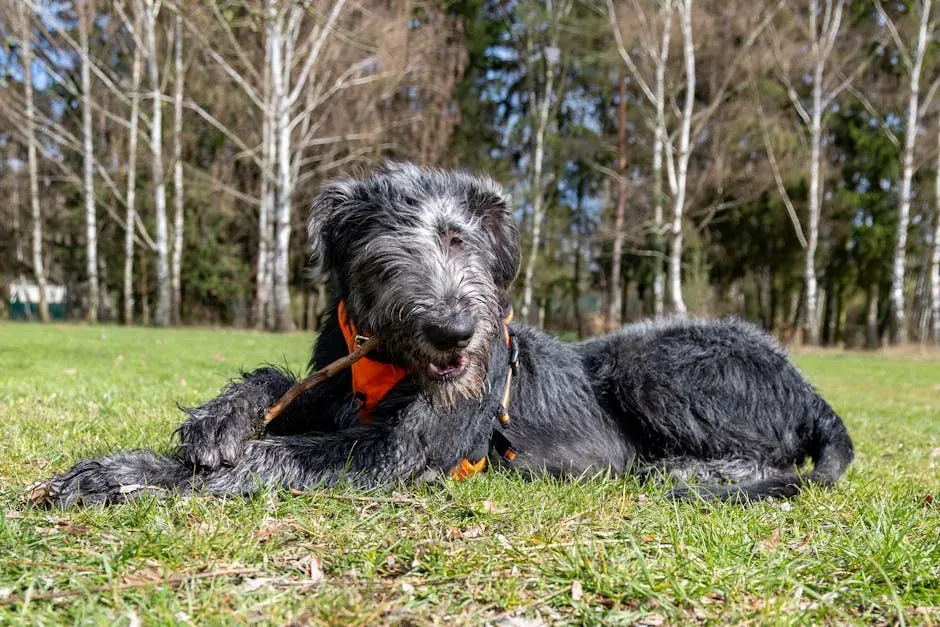
Casual fans will tell you Irish Wolfhounds are direct, unbroken descendants of massive war and wolf-hunting dogs from ancient Ireland. Here’s the reality check: the original Irish wolf dogs did exist, but they collapsed as a distinct population once wolves vanished from Ireland and the surrounding social world shifted. By the 19th century, the original type was effectively gone, surviving more in poetry than in kennels.
The modern Irish Wolfhound was essentially rebuilt from scratch in the late 1800s by Captain George Augustus Graham, who crossed Scottish Deerhounds, Great Danes, and possibly Mastiffs to recreate a dog matching old descriptions and romantic expectations. That doesn’t make them fake – it makes them a deliberate revival, not a pure genetic thread stretching back to Celtic chieftains. The story most people repeat jumps straight from mythic warriors to Victorian show rings, conveniently skipping the extinction in between.
Quick Compare
- The Legend: An unbroken line of war dogs guarding Celtic chieftains for thousands of years.
- The Record: The Irish Wolfhound had become rare by the 19th century, with efforts to revive the breed only beginning in earnest in the latter half of the century.
- The Record: By 1885, the breed was stable enough that Graham and others founded the Irish Wolfhound Club, writing an official standard the following year.
- The Record: Captain Graham collected as many remaining specimens of the true Irish hounds as he could find and began a breeding program that lasted 23 years, augmenting his stock with Scottish Deerhounds and Great Dane crosses for size and heavy bone.
#10 – The Poodle and the “French Fashion Dog from Day One” Myth
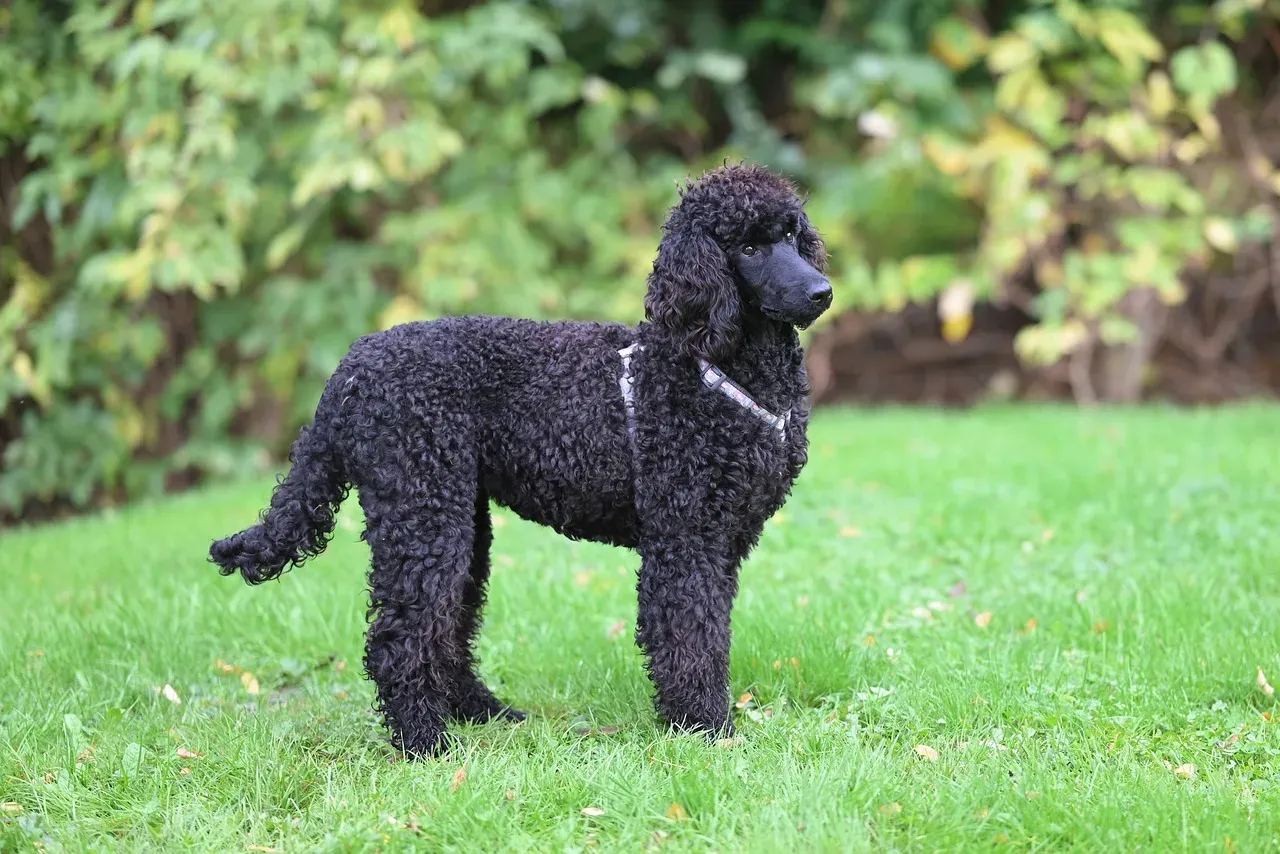
Poodles are basically the visual shorthand for French glamour – add a beret and an Eiffel Tower backdrop and the photo sells itself. Naturally, people assume they were bred in France, purely for looks, from day one. That’s half wrong. The breed’s roots almost certainly trace to old European water dogs used for retrieving game, with strong evidence pointing to German regions – even the word “Pudel” is German.
Early Poodles were working water retrievers, not runway accessories, full stop. France later played a huge role in shaping the modern varieties and turning them into a national symbol through grooming styles and court culture, but Toy and Miniature Poodles didn’t just “appear” as dainty lapdogs – they were purpose-bred, downsized versions of a much older, muddier hunting dog. The “always a French fashion dog” line is catchy. The earliest records tell a wetter, far less glamorous story.
#11 – The Shih Tzu and the “Pure Imperial Palace Line” Story
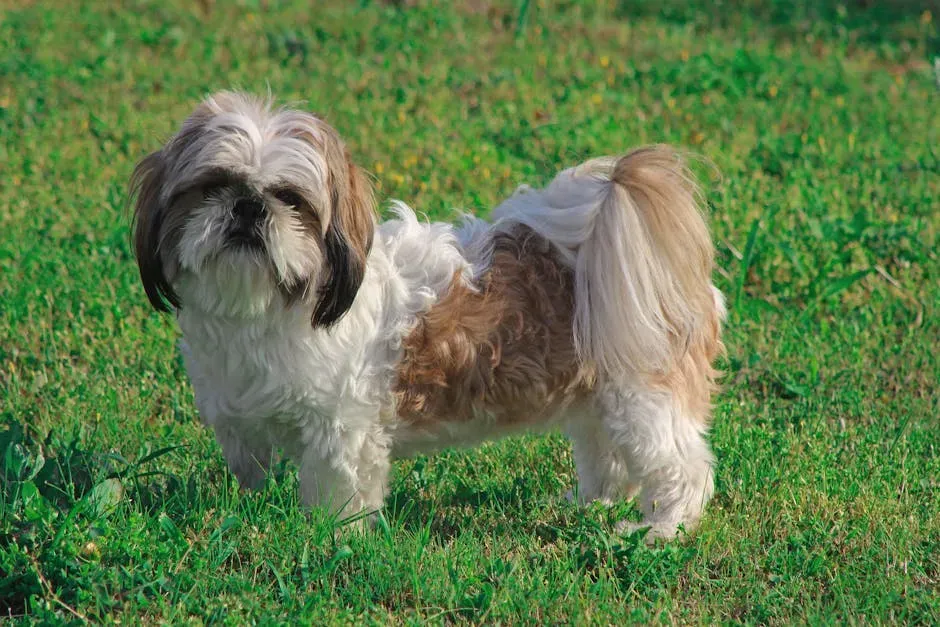
Shih Tzus get marketed as untouched descendants of sacred dogs from the Chinese imperial court, supposedly living for centuries in secret behind palace walls. Cherished toy dogs really did exist in Chinese and Tibetan palaces – that part’s true. Mapping the exact modern Shih Tzu standard straight back to one unbroken palace line, though, is wishful thinking.
Historical accounts describe multiple small, lion-type and sleeve dogs moving between Tibet and China, often exchanged as gifts between monasteries and courts, with tangled, overlapping histories that also fed into the Pekingese and Lhasa Apso. When Westerners started importing these dogs in the late 19th and early 20th centuries, they weren’t handed neat certified pedigrees from an imperial stud book – they worked with a small, somewhat mysterious foundation stock and bred toward a look. The “genetically pristine emperor’s dog” story quietly erases that chaotic export-era mixing.
#12 – The Doberman Pinscher and the “One-Man, One-Purpose” Legend
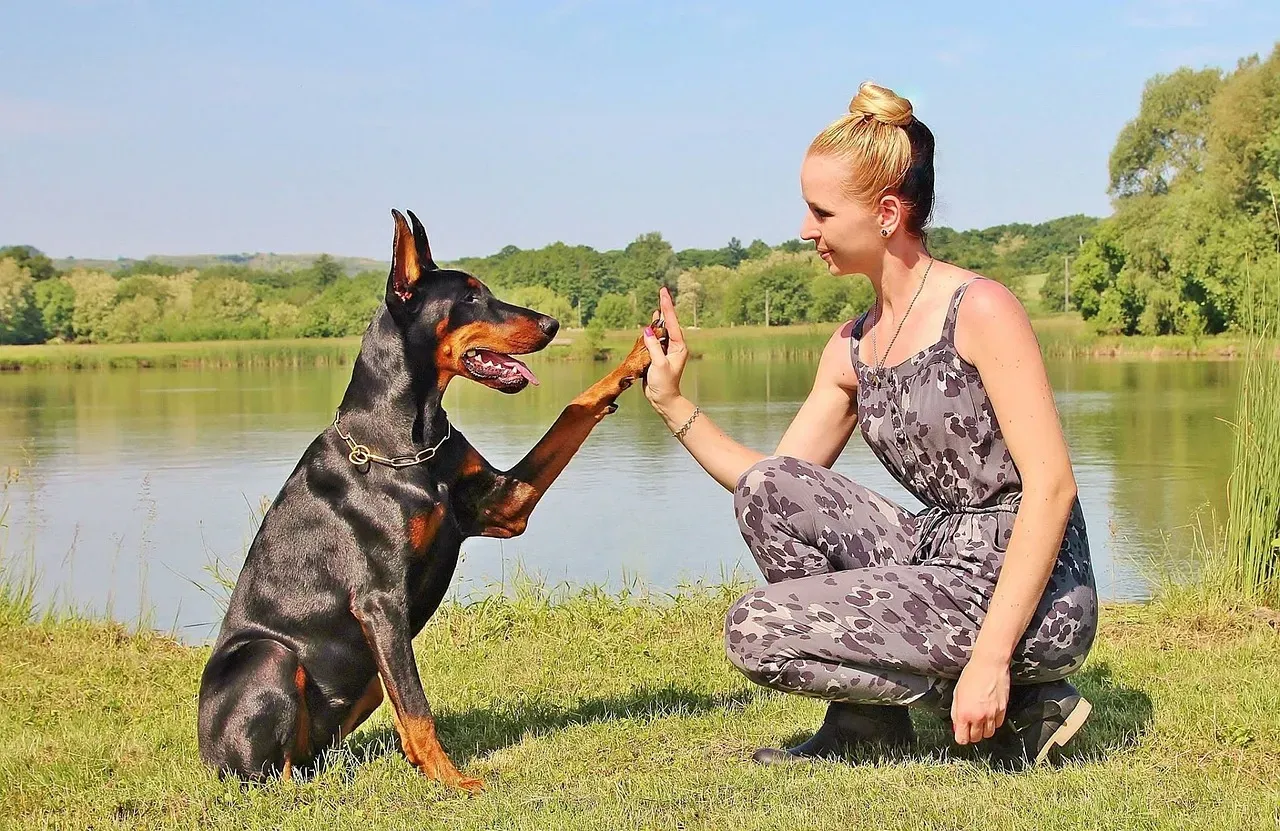
The Doberman origin story plays like a superhero movie: a German tax collector named Louis Dobermann needed protection on his rounds, so he invented the perfect guard dog out of thin air. There really was a Louis Dobermann, and he really did kick off the project. But “one man, one formula, instant breed” is a massive oversimplification of a much more communal, gradual process.
German butcher’s dogs (ancestors of the Rottweiler), local terriers, Pinschers, and possibly herding dogs all contributed genes, and after Dobermann’s death other breeders took over and refined the type substantially. Much of the sleek, high-drive Doberman recognizable today is a product of 20th-century selection, especially around the World Wars and in American show and working lines. The single-inventor story is a great elevator pitch; the early stud books show far more evolutionary noise than the myth admits.
Worth Knowing
- The first Dobermann Pinschers were bred around 1890 in the town of Apolda in central Thuringia, Germany, by Louis Dobermann.
- Five years after Dobermann died in 1894, fellow Apolda resident Otto Göller founded the first Doberman Pinscher club and helped write the first standard.
- Around the turn of the 20th century, crosses were made to two English breeds – the black-and-tan Manchester Terrier and the Greyhound – giving the breed some of its streamlined fluidity.
- Believed contributors also include Rottweiler-type dogs and German Pinschers, refined long after Dobermann himself was gone.
#13 – The “Roman” Rottweiler That’s Mostly a Retro-Fitted Narrative
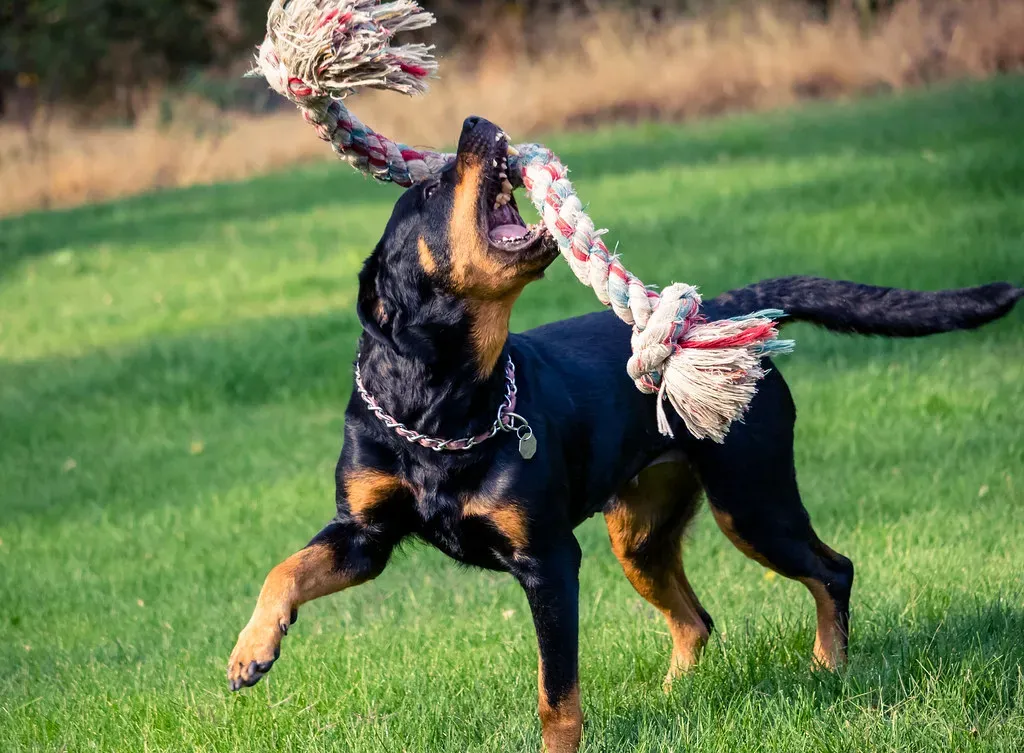
Rottweilers get described as direct descendants of Roman drover dogs that marched across Europe with the legions and settled in what’s now Germany. It’s not impossible that Roman livestock dogs influenced regional working dogs – Rome moved a lot of animals through a lot of territory. But connecting today’s standardized Rottweiler to Roman times in one unbroken line isn’t backed by clean records.
What is well documented is a butcher’s dog working in and around the town of Rottweil in the 18th and 19th centuries, driving cattle and guarding money and meat. Industrialization and rail transport nearly wiped the type out, until 20th-century police and working-dog enthusiasts revived and standardized the breed. The Roman story is mostly romantic backfill – strong black dog, German history, therefore Roman – a plausible influence inflated into a full origin myth.
#14 – The Saint Bernard and the Over-Simplified Alpine Rescue Myth
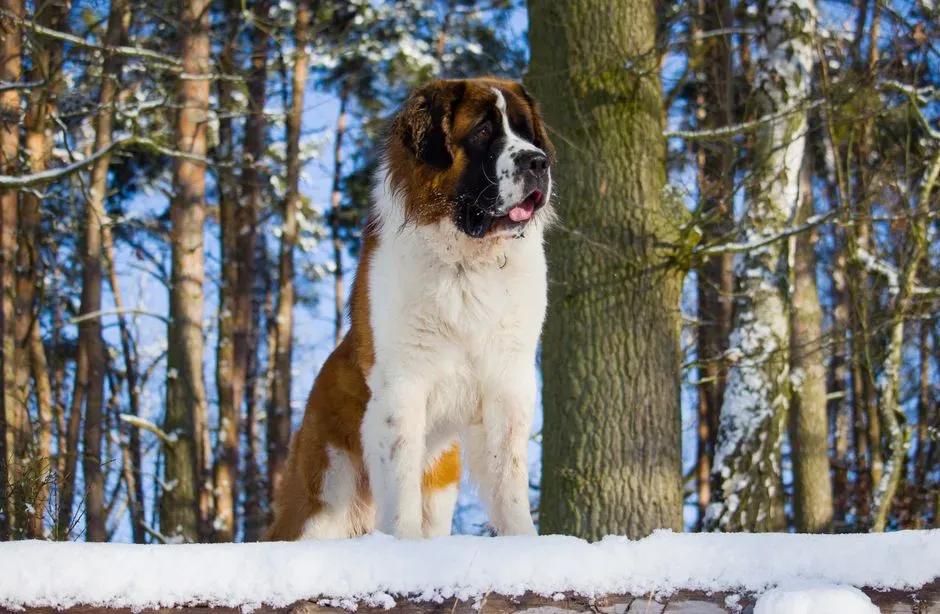
Everyone’s seen the paintings: a giant Saint Bernard trudging through snow with a tiny brandy barrel around its neck, nobly rescuing lost travelers. Hospice dogs really did work at the Great St. Bernard Pass monastery between Switzerland and Italy. But the modern Saint Bernard – massive, jowly, slow-moving – is not a carbon copy of those earlier rescue dogs, and that famous little barrel was mostly a later artistic flourish.
Historical depictions of the actual hospice dogs show a more moderate, agile animal, closer to a big farm dog than a show-ring giant. As the rescue dogs became famous, outside breeders added Newfoundlands and other large breeds to “improve” size and coat, and show standards later rewarded an even heavier, more dramatic look. The rescue legend is rooted in something real; the current breed appearance is mostly 19th- and 20th-century exaggeration layered on top.
#15 – The Beagle and the “Unchanged Since Medieval England” Assumption
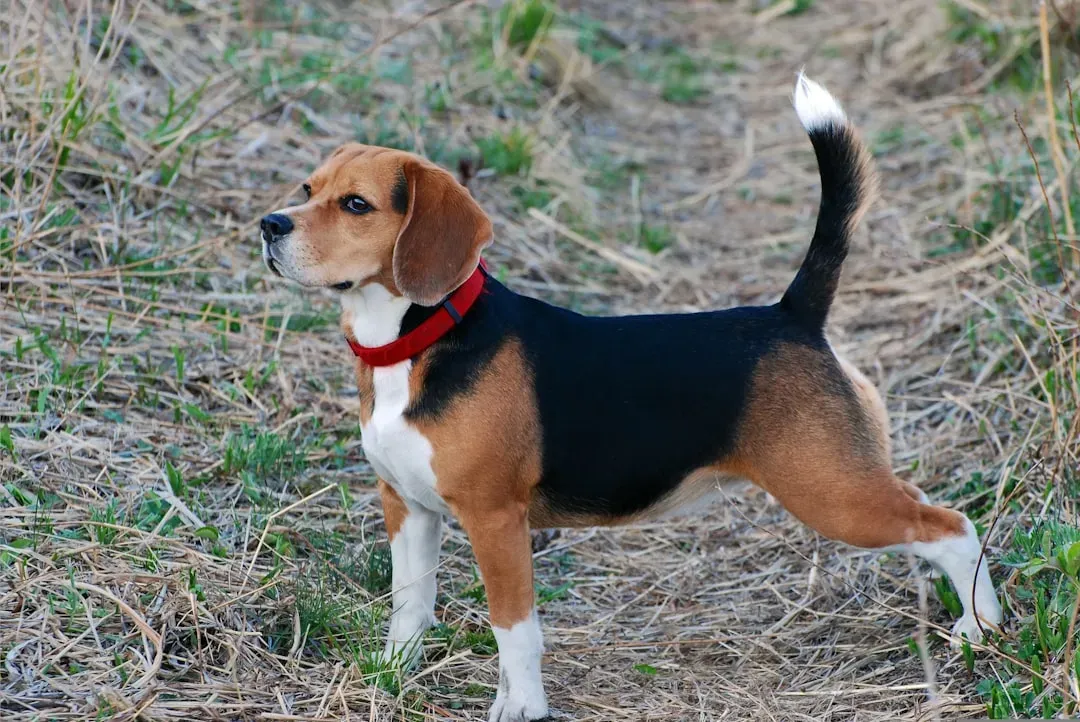
Beagles get lumped into the “old English scent hound” bucket with a lazy implication attached: what you see today is basically what nobles hunted with centuries ago. In reality, whatever small hounds medieval hunters used were a loosely defined group, not a single standardized breed – different sizes and types, some small enough to be carried in pockets or saddlebags, valued for function over consistent looks.
Modern Beagles coalesced in the 19th century, once organized packs and the emerging kennel club system pushed for clear standards, and breeders selected for size, voice, and pack behavior in ways that inevitably reshaped structure. American lines then took their own path, refining traits for field trials and later for family life. Calling today’s ring Beagle “basically the same” as a medieval hunting hound flattens hundreds of years of deliberate change – it’s continuity of function at best, not a frozen genetic artifact.
#16 – The Australian Shepherd That Isn’t Actually Australian
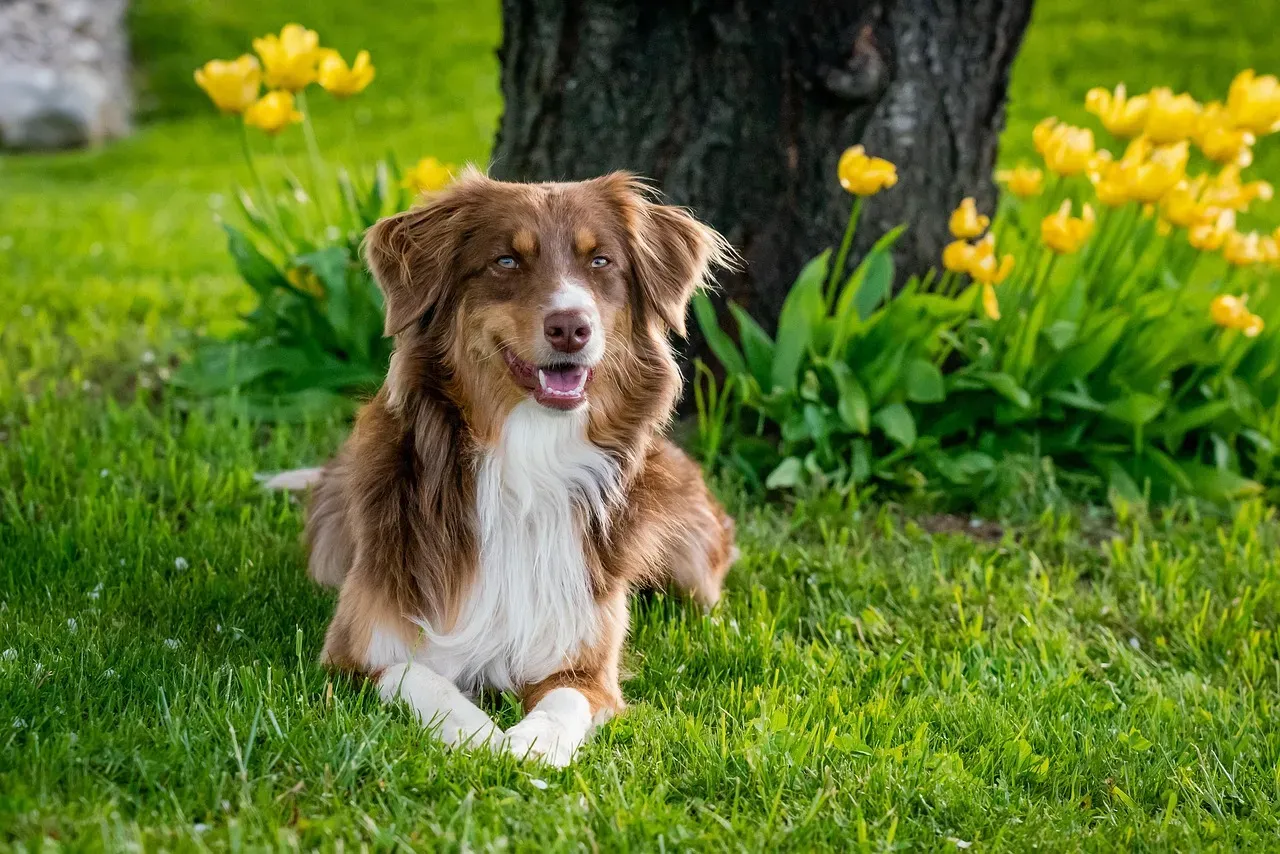
Here’s one that still trips people up: Australian Shepherds are practically the mascot of western U.S. ranch culture, yet the name insists they came from Australia first. In reality, the breed as we know it is fundamentally an American creation, shaped in the 19th and 20th centuries from various herding dogs – some of which likely arrived via Australia with Basque shepherds and other immigrants.
The “Australian” label seems to trace back to sheep-import connections and marketing rather than the breed’s core development actually happening in Australia. Early ranchers weren’t filing genetic purity paperwork; they were breeding whatever worked – Collie-type dogs, Spanish and Basque herders, generic sheepdogs – until a distinct type emerged in the American West. Only later did registry groups formalize the name and the story. A tidy straight-line export from Australia makes for a nice explanation; the paper trail just doesn’t support it.
#17 – The Boxer and the Cherry-Picked “Noble Hunting Dog” Narrative
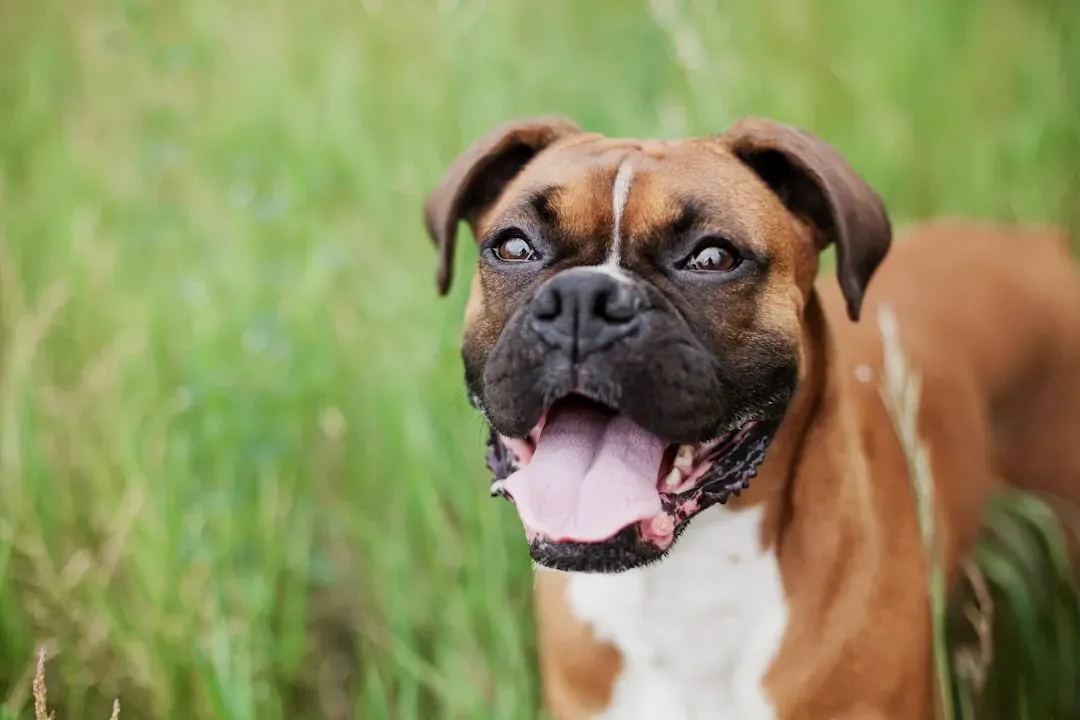
Boxers often get introduced as direct descendants of noble German boar-hunting dogs, the Bullenbeisser, with a smooth, unbroken line from medieval hunt to modern family clown. The Bullenbeisser did exist, used for big game and bull-baiting, but by the time the Boxer emerged in the late 19th century, those original types were already fragmenting and being crossed with English Bulldogs and other breeds.
Early Boxer breeders weren’t preserving an old dog so much as remixing several, producing something sleeker, more agile, and ultimately far more companion-oriented than the older baiting and catching types. Show standards and urban life kept pulling the breed further from its rougher working past. The “noble hunting dog” tagline sanitizes a history that includes blood sports and heavy crossbreeding, encouraging people to see a polished 19th- and 20th-century project as some kind of ancient, unchanged artifact.
#18 – The Cocker Spaniel and the Over-Neat “From Woodcock to Westminster” Tale
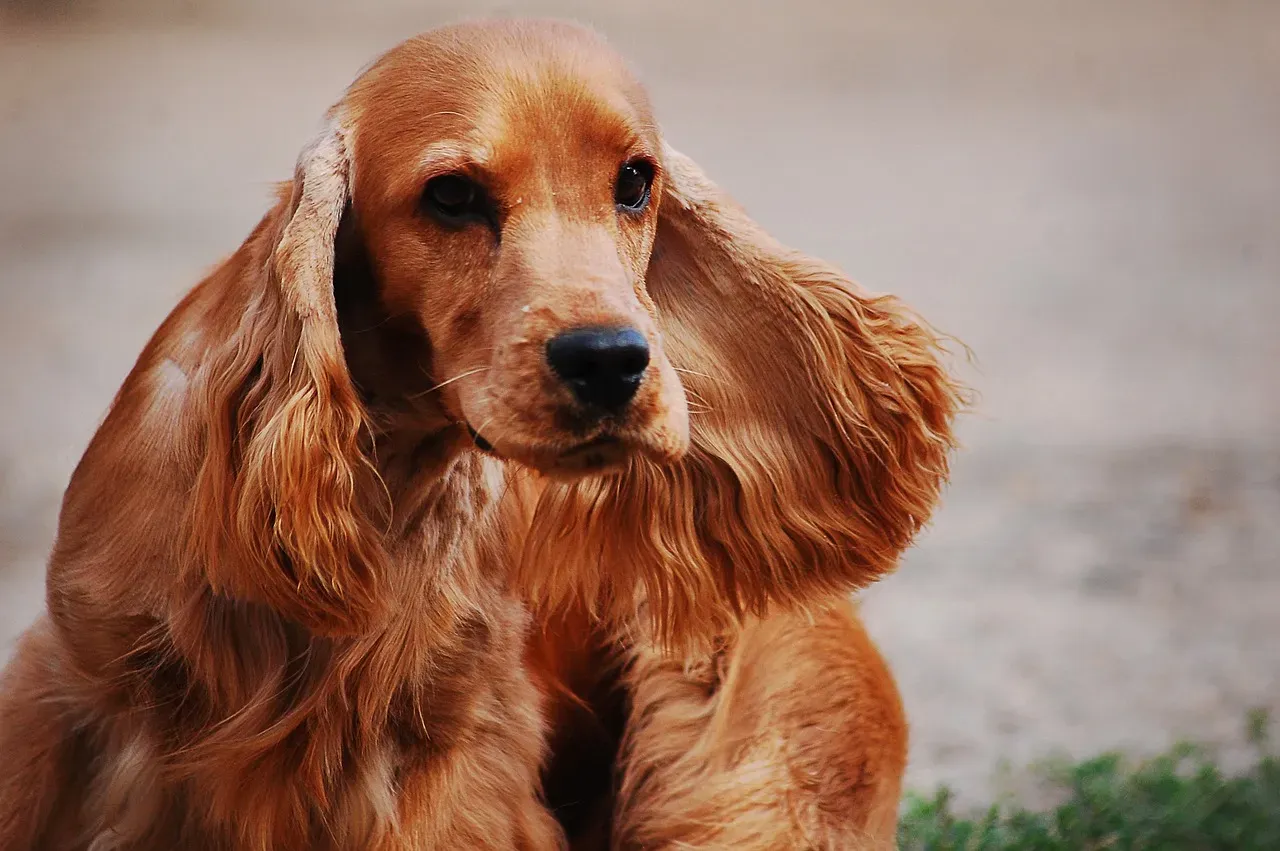
The standard story says Cocker Spaniels were purpose-bred to hunt woodcock in England, and what we see today is just that same little bird dog wearing fancier grooming. The truth is far more tangled. “Spaniel” once described a broad category of flushing dogs, and the eventual split into land and water spaniels – then into Cockers, Springers, and others – happened gradually and somewhat arbitrarily.
For a long stretch, size alone, not a distinct genetic population, was the main dividing line between “Cocker” and “Springer.” As field trial culture and dog shows grew, breeders intensified selection for either working style or appearance, and American Cocker Spaniels veered dramatically toward a rounder head, heavier coat, and more companion-oriented personality than their English cousins. The cute “woodcock specialist” origin line quietly erases years of tinkering, fads, and breed splits that produced two genuinely different modern Cockers.
#19 – The “Ancient Swiss” Bernese Mountain Dog That’s Mostly a 20th-Century Rescue
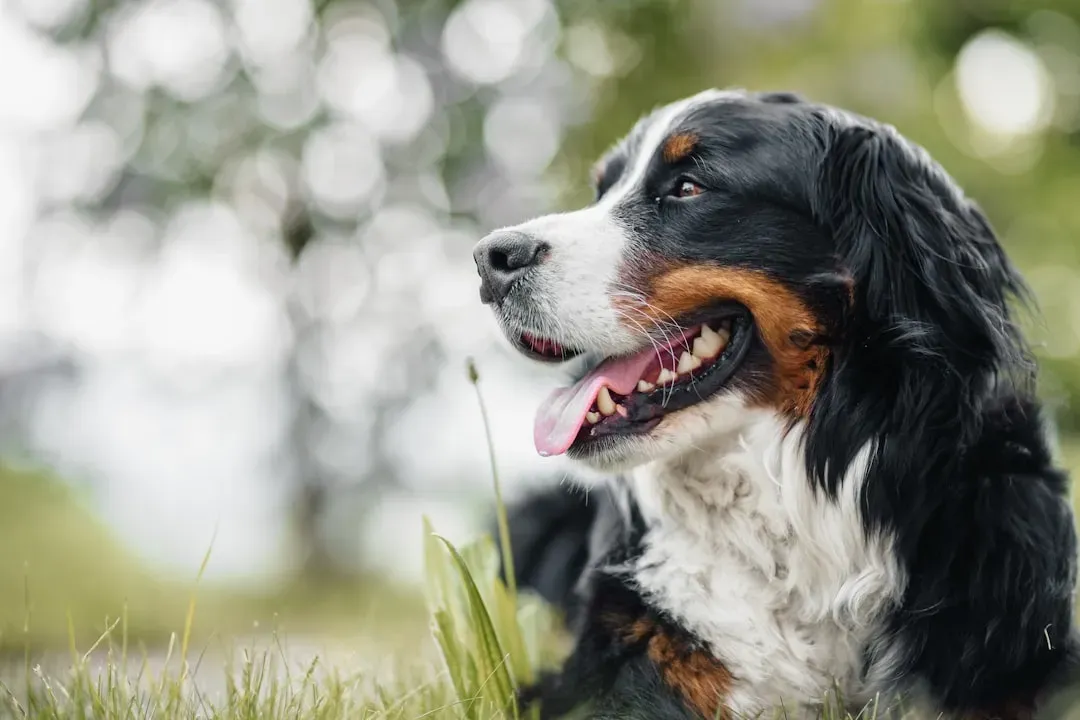
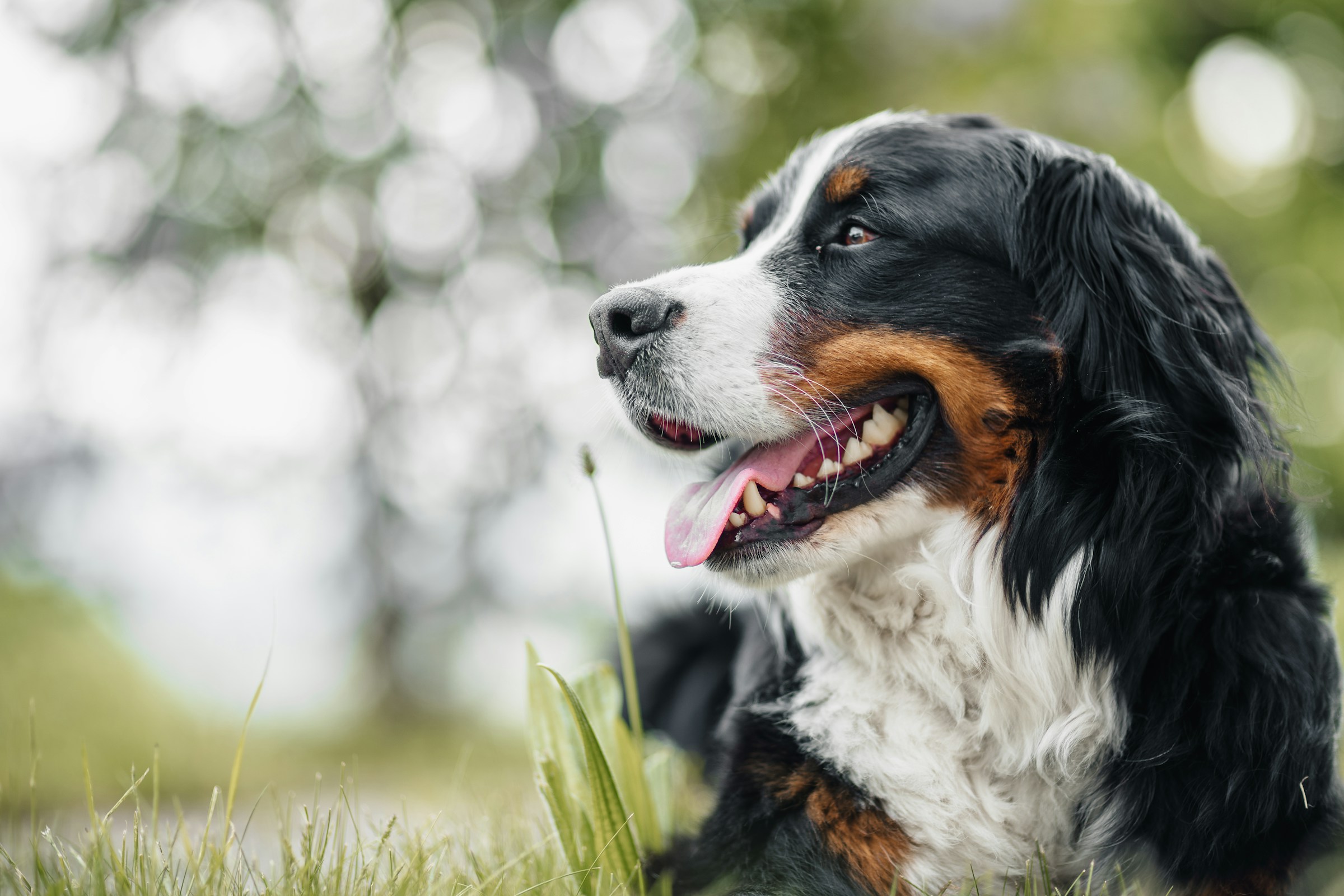
Bernese Mountain Dogs get sold as timeless Swiss farm dogs, unchanged in remote alpine valleys for centuries. Big tricolor farm dogs really did work the Bern region for draft, guarding, and cattle work. But the actual registered Bernese Mountain Dog is very much a 20th-century salvage project, not a perfectly preserved medieval line.
By the late 1800s these farm dogs were inconsistent in type and threatened by industrial change and imported breeds, so Swiss enthusiasts went looking for the best remaining examples in rural areas, fixed a standard, and rebuilt the population – sometimes crossing in other large breeds to boost numbers and improve looks. Export to other countries piled on further selection for temperament and appearance over old-fashioned farm utility. The Instagram-ready “pure ancient Swiss mountain breed” story politely ignores that just over a century ago, the breed’s survival was a genuinely open question.
At a Glance
- Early Berners were called “Dürrbächler,” after a village where survivors of the type were found.
- In 1907 a few breeders from the Burgdorf region founded the first breed club, the Schweizerischer Dürrbach-Klub, and wrote the first Standard which defined the dogs as a separate breed.
- In 1910, at Professor Heim’s urging, the name was changed to Berner Sennenhund to establish a clear geographic identity matching Switzerland’s other mountain-dog breeds.
- In 1937, the American Kennel Club recognised the breed – decades after the “ancient” farm dog nearly disappeared entirely.
The Bottom Line
Once you stop taking kennel-club brochures and romantic dog books at face value, a pattern jumps out: most popular breeds are not ageless relics. They’re recent human projects wrapped in older costumes. Real dogs on farms, in monasteries, and in hunting fields were messy, mixed, and ruthlessly practical – nobody was protecting a bloodline for the history books.
Modern breed origin stories cherry-pick the flattering bits, skip the dead ends and crossbreeds, and pretend a few decades of standard-writing equals thousands of years of purity. I don’t think that makes these dogs any less lovable – if anything, the real story of reconstruction, crossbreeding, and human stubbornness is more interesting than the sanitized version. But it should make us more honest about what we’re actually looking at when we call a breed “ancient.” If we can’t tell the truth about where these dogs came from, we’re not really honoring their history – we’re just decorating it.