
17 Small Routines an Adopted Dog Builds in Its Opening Month That Last the Rest of Its Life
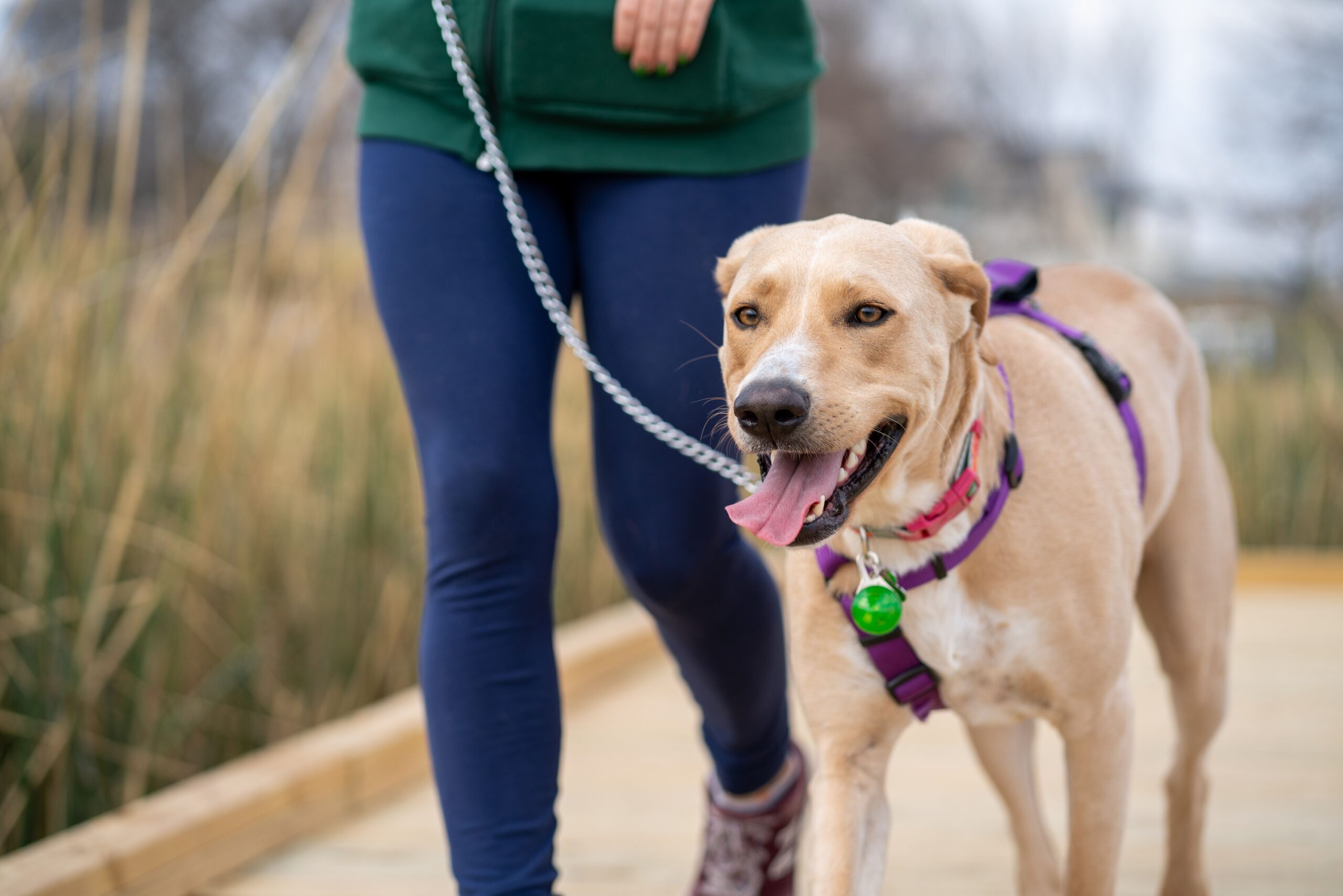
Everyone assumes the first month with a new dog is about sit, stay, and keeping the couch cushions intact. It isn’t. While you’re busy teaching commands, your dog is quietly writing something far more permanent: a private rulebook for how the world works, who can be trusted, and what to do when everything feels like too much.
By the time you notice a “quirk” – the clingy mornings, the frantic door greeting, the way they inhale food like it might vanish – it’s not a personality flaw. It’s a routine they built in the first 30 days, usually without you realizing you were the one teaching it. Here are the 17 habits that quietly lock in first, and last a lifetime.
#1 – The “Safe Spot” They Bolt To When Life Feels Too Loud
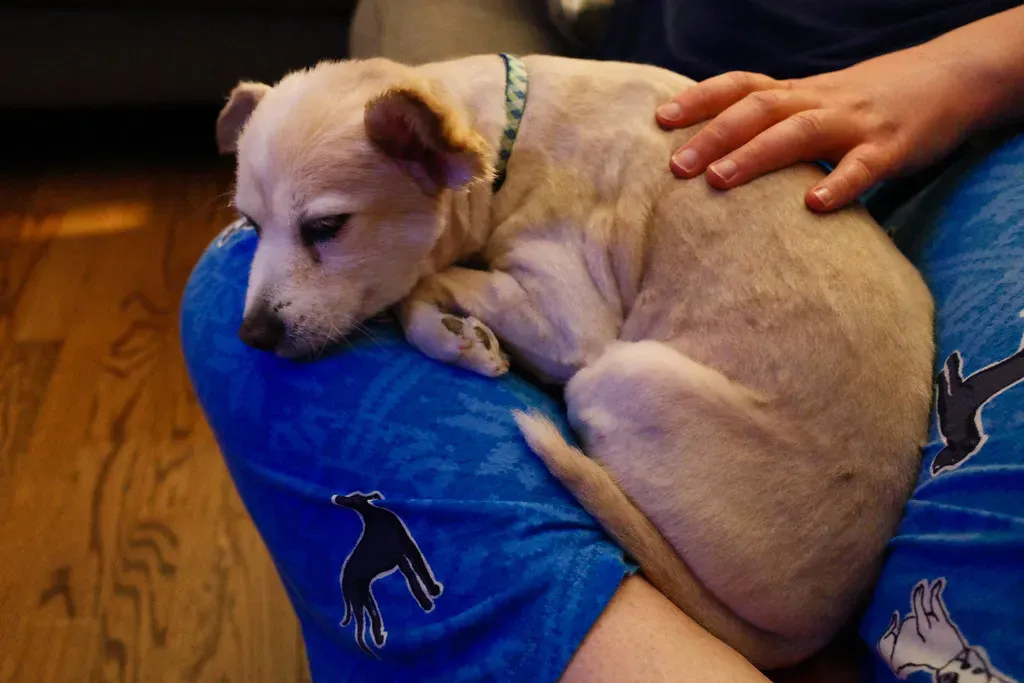
Somewhere in that first month, your dog picks a spot – a crate, a corner, a gap under the table – and decides, silently, “this is where I survive.” It’s not random. It’s the place where their nervous system first learned how to downshift after arriving in a strange house full of strange smells.
Keep that spot calm and undisturbed, and it becomes a lifelong anchor – the exact place they’ll retreat to during thunderstorms or chaotic holiday parties a decade from now. Drag them out of it constantly, or let kids pile in uninvited, and that dog may never fully relax anywhere in your home again.
Fast Facts
- Dogs typically settle into a self-chosen “safe spot” within the first few days at home
- Crates left open, and never used for punishment, tend to be trusted fastest
- The exact spot chosen in week one often becomes their go-to during storms and fireworks for life
- Constant interruption in month one is one of the most common causes of adult “space guarding”
#2 – The Morning Check-In That Sets Their Emotional Tone for the Day
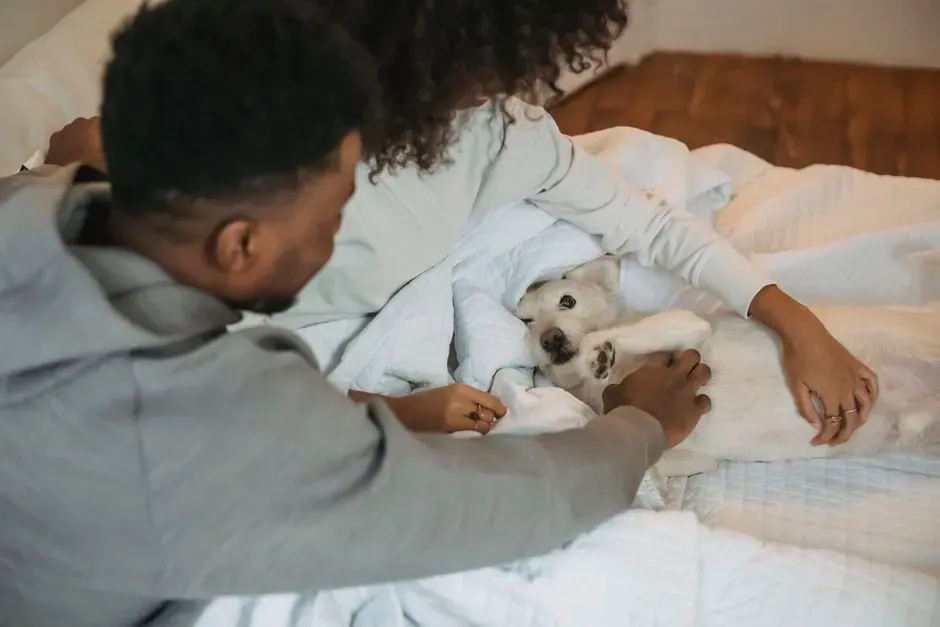
Every sunrise in month one is data collection. Does your dog wake up to a soft word and a quick cuddle, or a rushed scramble out the door before coffee? Dogs build a morning “check-in” loop fast: wake up, find the human, get reassurance, then start the day.
Get gentle contact early, and you’re planting a lifelong “mornings are safe” mindset. Meet accidents with yelling or ignore them until caffeine kicks in, and you may be raising a dog who paces and whines at dawn for years – not out of drama, but because that’s the script mornings taught them.
#3 – Their Gut Reaction the Moment the Leash Comes Out
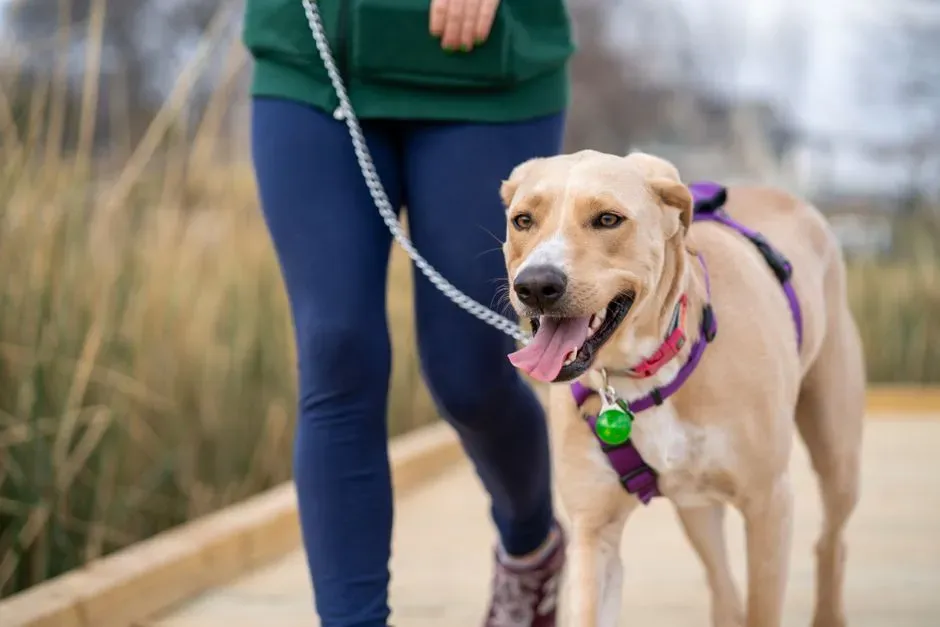
The first month hard-wires one of two leash stories into your dog’s body: “this means connection” or “this means confusion and pain.” Dogs yanked and dragged past scary trucks in week one often start panting and pacing at the sight of a harness for the rest of their lives.
Treat those early walks as slow, safe exploration instead – let them sniff, move at their pace, keep distance from triggers – and the leash becomes a bridge, not a trap. That habit of glancing back at you mid-walk, the loose-leash check-in dog owners dream about, is quietly built in the first dozen outings, not the hundredth.
Quick Compare
- Leash as Connection: sniffing encouraged, distance from triggers, frequent glances back at you
- Leash as Confusion: yanking past scary triggers, constant tight tension, no recovery time
- Connection path later: loose-leash walking, calm greetings, natural check-ins on walks
- Confusion path later: panting or freezing at the sight of a harness, leash reactivity
#4 – How They Learn to Survive Being Left Alone

Separation anxiety almost never appears out of nowhere on day 100 – it’s usually written in the first 30. Every short absence in that window, even a trip to the mailbox, teaches your dog what “you leaving” actually means.
Leave them alone for hours with zero preparation, and some dogs engrave a panic script: scream, claw, destroy until someone appears. Build the habit gradually instead – a chew toy, soft music, short absences that slowly stretch longer – and you’re not getting lucky. You’re teaching their nervous system that silence isn’t abandonment.
#5 – Whether They Become a Scarcity Gobbler or a Calm Eater

Plenty of adopted dogs arrive with food baggage from shelter competition or an unpredictable past. Feed them at random times, in chaos, with hands hovering over the bowl, and you cement a scarcity routine: inhale it, guard it, panic over it.
Predictable, low-pressure meals – same spot, same rough time, no one testing “dominance” near the bowl – teach abundance instead. Most lifelong resource guarders and frantic vacuum-eaters aren’t born that way. Their first month in a home simply told them food was something to fight for.
#6 – Where They Sleep, and Whether the Dark Feels Safe

Night is when a newly adopted dog is most exposed – the house is quiet, shadows shift, and every creak is unfamiliar. Sleep near you where they can hear you breathing, and most dogs settle into deep, genuinely restorative sleep faster, learning that night is for rest, not for guarding the house alone.
Banish them behind a closed door with no transition, and some dogs wire nighttime as “patrol duty” – which is exactly where midnight pacing and barking habits often start. Wherever they land those first few nights tends to become their favorite sleeping spot for years, simply because their brain tagged it “where I made it through the scary part.”
#7 – How They Learn to React to Slammed Doors and Sudden Noise
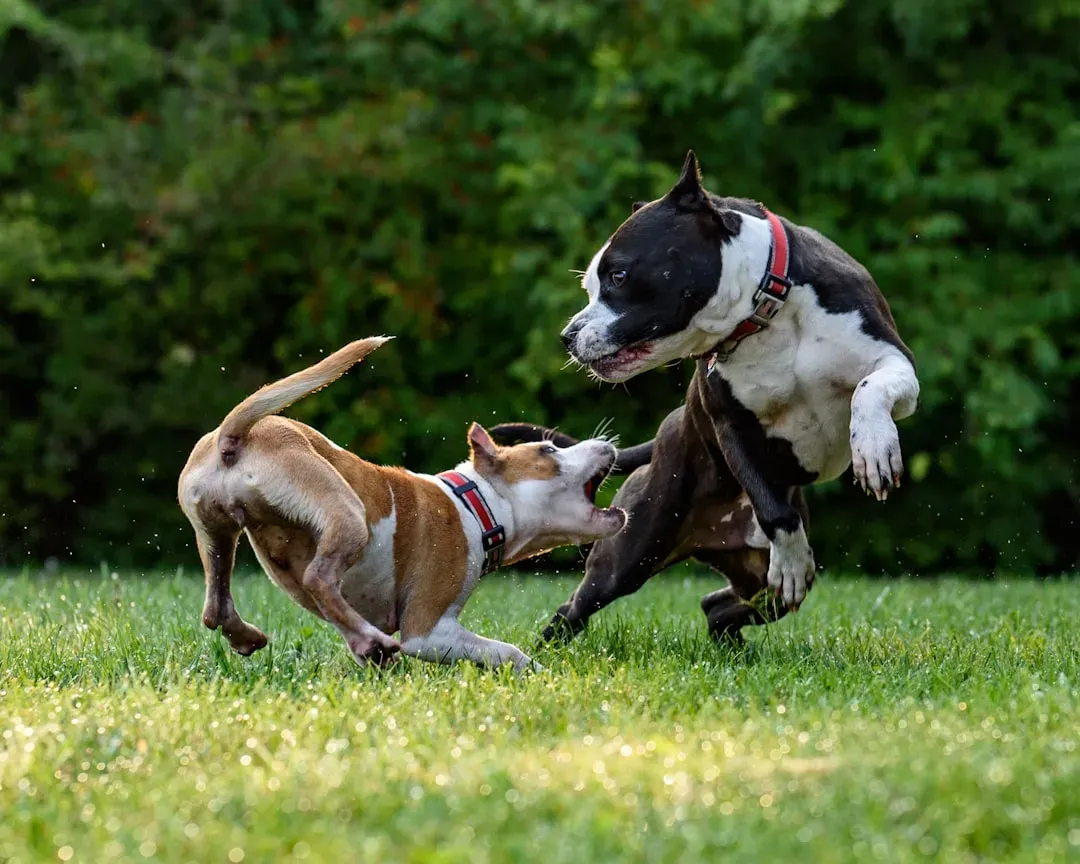
Blenders, slammed doors, kids shrieking down the hallway – your dog is taking notes on every one. If loud noises are consistently followed by you yelling or grabbing their collar, they can learn hypervigilance as a default setting: bark, bolt, or hide at anything sudden.
Pair new sounds with something calm instead – a steady “you’re okay,” a dropped treat when the vacuum starts – and dogs start filing those noises under background static instead of danger. Over a few weeks, the routine becomes: something bangs, they glance at you, see you’re relaxed, and move on with their day.
Dogs are not our whole life, but they make our lives whole.
Roger Caras
#8 – The Door-Greeting Chaos You Accidentally Rehearsed 20 Times
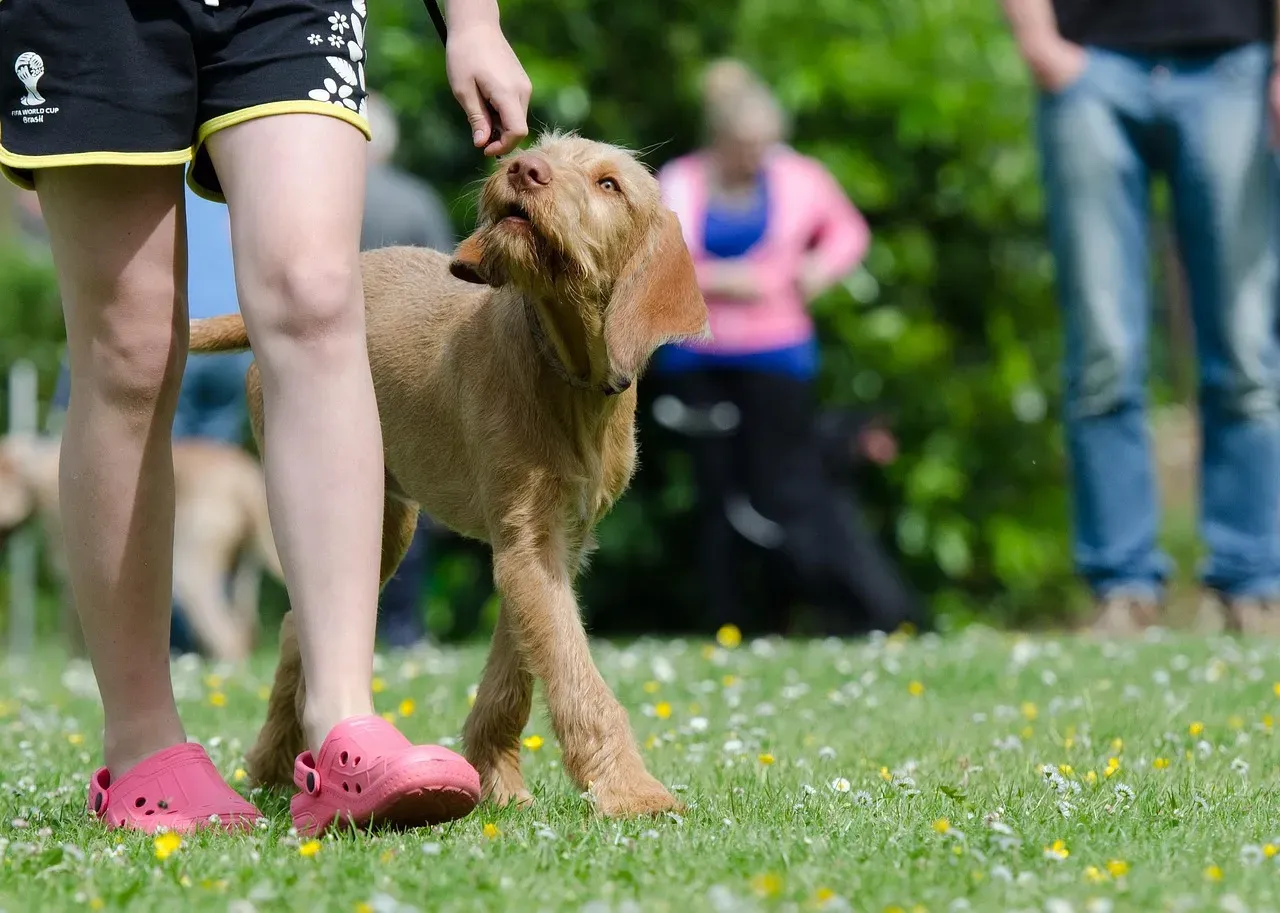
The front door is where most new owners unknowingly install a habit they’ll spend years trying to undo. If every knock triggers a human stampede and a dog allowed to rocket at strangers, you’ve rehearsed lifelong door chaos – jumping, barking, door-dashing – by letting it play out over and over in month one.
Flip the script early instead: knock happens, you calmly cue “bed” or “sit,” reward the wait, then release them to greet. Do it consistently for a few weeks and you’ve installed a new default – door sound, look at human, wait for the cue – that sticks shockingly hard for the rest of their life.
#9 – The Self-Soothing Habit They’ll Reach for Under Stress Forever
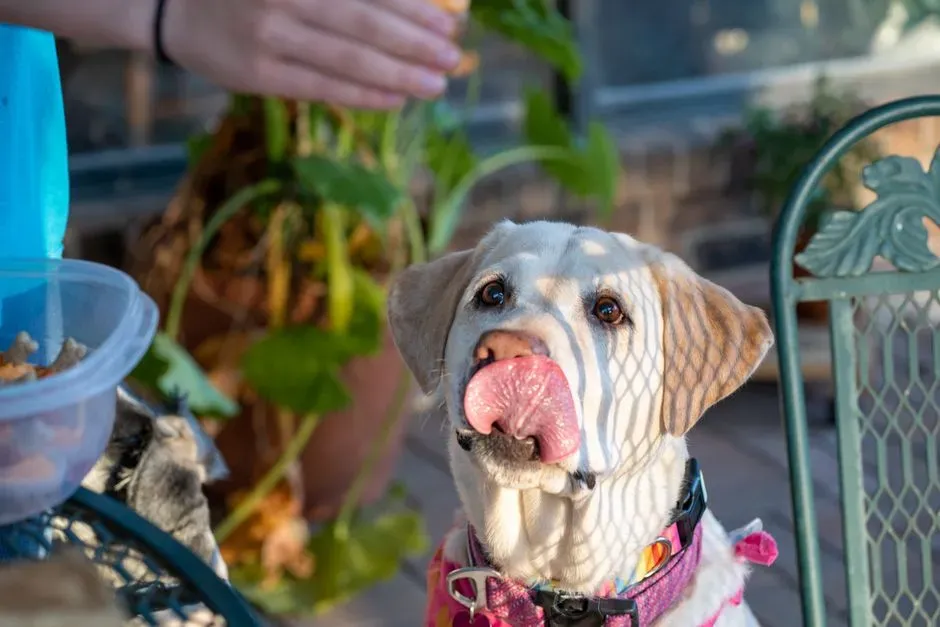
Every dog eventually learns “when I’m stressed, I do this.” In the opening month, your dog is experimenting – licking paws, chewing furniture, whining, pacing, curling around a toy – and whichever behavior accidentally works becomes their go-to for years.
Hand them appropriate outlets early – a lick mat, a snuffle mat, a sturdy chew – and stress is more likely to send them toward a Kong than your favorite shoe. Ignore the need to decompress completely, and they’ll improvise something you won’t love living with.
Worth Knowing
- Common self-soothing behaviors dogs pick on their own include paw licking, chewing, spinning, and whining
- Frozen lick mats and snuffle mats can redirect that need within a minute for most dogs
- A soothing outlet that works well in week one usually stays their default stress response for life
- Redirecting the habit early is far easier than retraining an established one later
#10 – How Much Physical Touch They’ll Ever Feel Comfortable Accepting
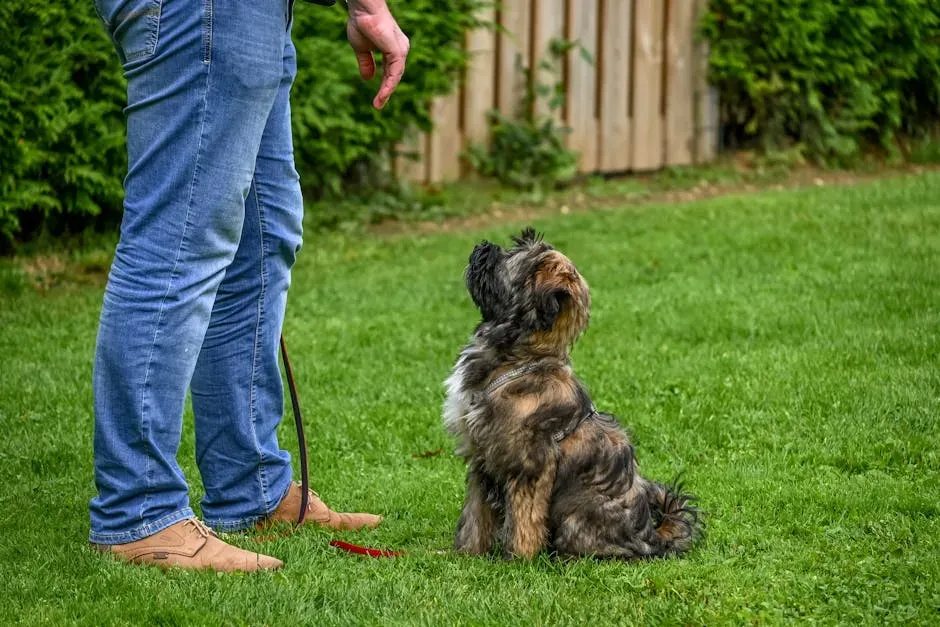
Not every dog wants constant cuddling, and the first month is where owners accidentally teach a dog to either crave touch or flinch from it. Grab, hug, or crowd a dog who’s unsure, and they may learn to freeze and tolerate contact silently – a pattern that can eventually explode into a bite once they can’t cope anymore.
Let the dog choose the contact instead – invite them onto the couch, reward a small lean against your leg, respect when they step away – and you install something far healthier. Those dogs often become touch-seeking cuddle bugs later, not because they were forced into it, but because they learned no one was going to trap them.
#11 – Whether They Learn to Ask for the Bathroom or Just Hide It
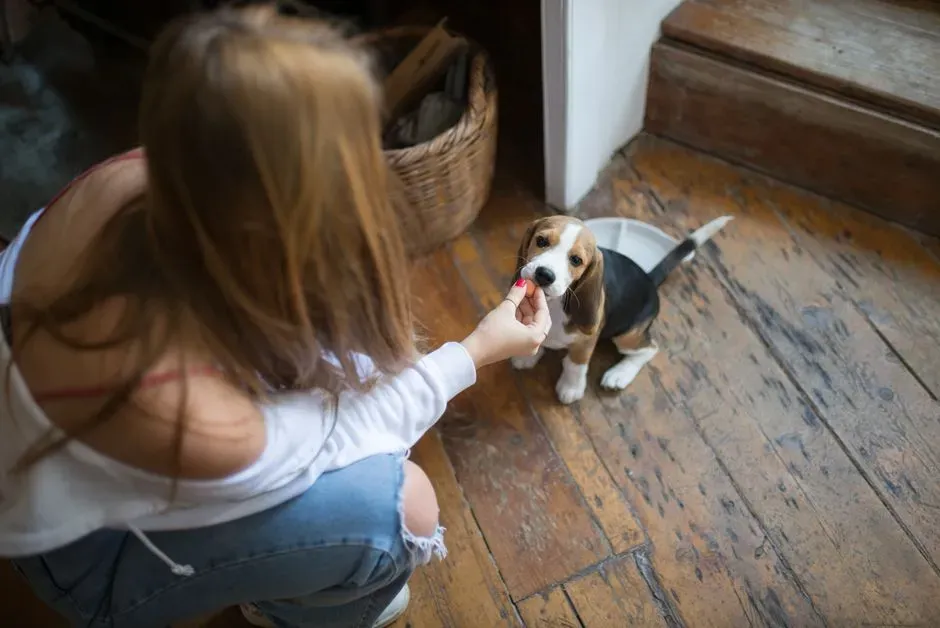
House-training isn’t only about accidents – it’s about whether your dog learns to communicate the need to go. In month one they test signals: pacing, sniffing, wandering to the door. Miss or punish those attempts often enough, and some dogs learn to hold it until they physically can’t, then sneak off and hide the evidence behind furniture.
Respond fast to the early signs instead, and the habit becomes automatic and reliable – some owners even train a bell cue at the door that never fails. Dogs who feel safe signaling almost never “misbehave” with potty. They’re simply following the script you helped them write.
#12 – What They Learn to Do the Second You Sit Down to Work
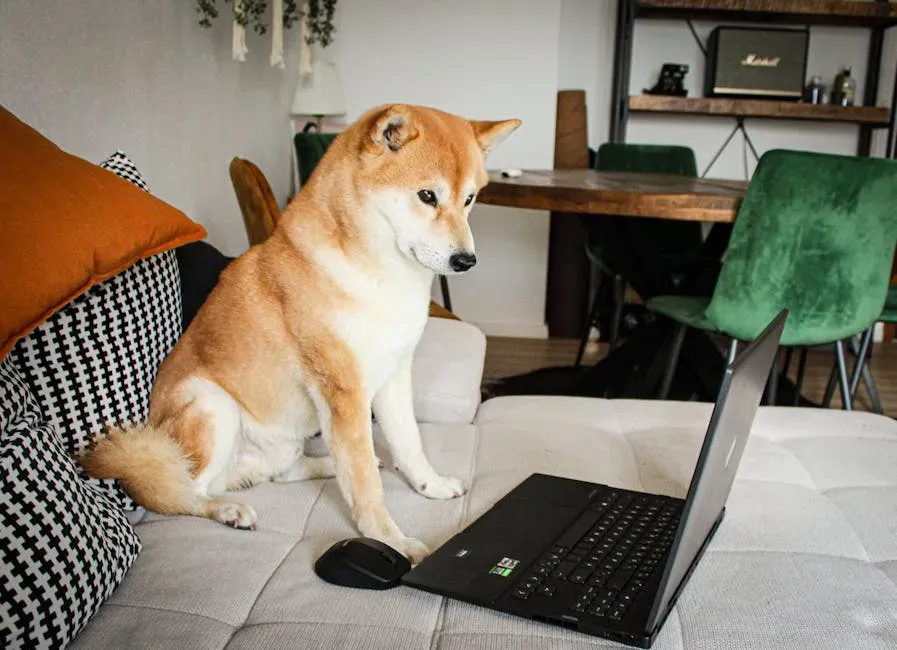
Even working from home teaches your dog something specific: what happens when you’re locked onto a laptop. Push them away every time or snap “go lie down,” and that becomes their read on your entire workday.
Build a golden habit instead in that first month – short work sessions where lying calmly nearby with a chew gets rewarded, gradually stretched longer. Engage with every nudge instead, and you’ve trained them to interrupt you forever. Dogs don’t randomly become needy during Zoom calls; they learn the routine you were too distracted to notice you were teaching.
#13 – What “Fun” Ends Up Meaning in Your House
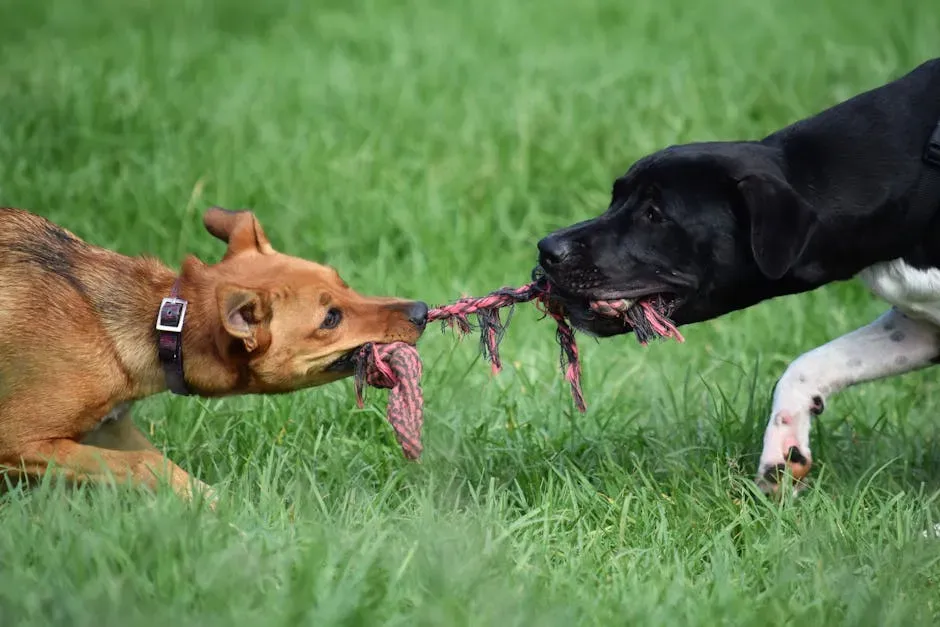
Play isn’t just burning off energy – it’s writing your dog’s lifelong definition of joy. If the only time you truly engage is when you’re annoyed, chasing them off the counter or dragging them from your shoes, some dogs internalize that chaos is the only reliable way to get your attention.
Build two or three real games instead, with clear start and stop cues, and you’re teaching impulse control alongside the fun. A dog who learns tug stops the second teeth touch skin will often self-moderate for the rest of its life, simply because that lesson landed early.
#14 – Who Becomes Their “Safe Person” and Who Fades Into Background Noise
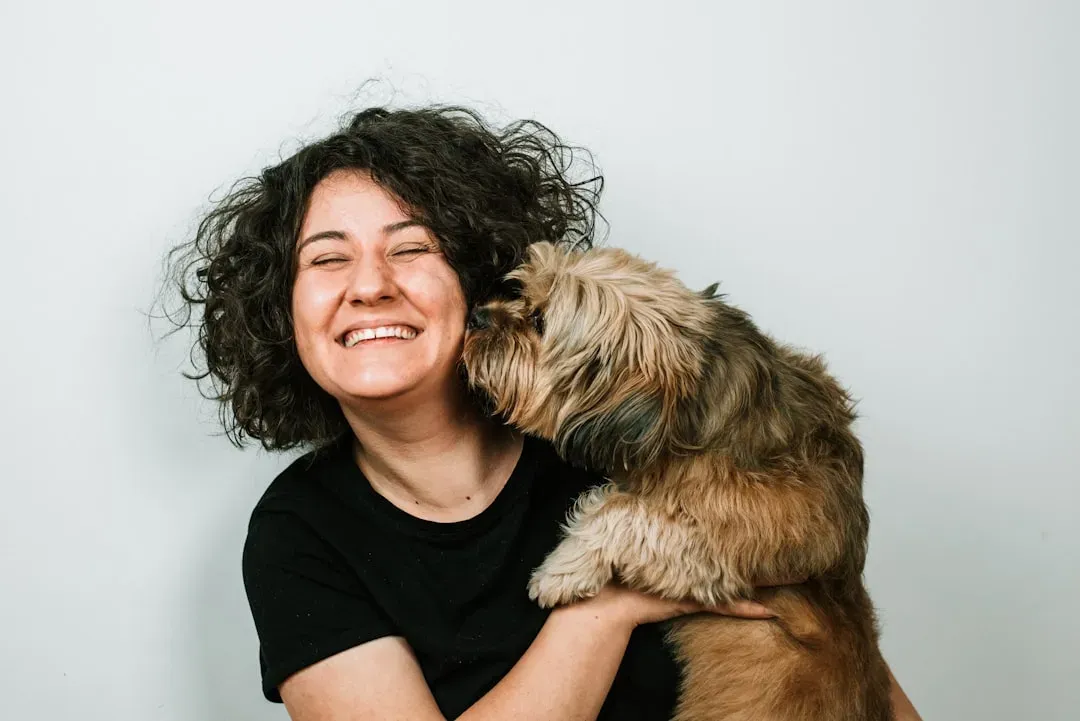
In multi-person homes, dogs rank everyone constantly during those first weeks: who feeds me, who plays, who yells, who ignores me. Out of that ranking comes a loyalty routine – the one person they default to when scared or unsure – and it can outlast years of changed circumstances.
Let one person handle all the “bad stuff” like baths and vet trips while another only snuggles, and you risk creating a split that shows up later as a dog who won’t walk with one spouse or growls at a specific family member. Spread the responsibilities evenly in month one, and you head that off before it hardens.
Why It Stands Out
- Dogs track who feeds them, who plays fair, and who stays calm under stress
- The “safe person” role often locks in within the first two to three weeks
- Splitting chores like baths and vet visits evenly helps avoid lopsided bonding
- A one-sided ranking from month one can resurface years later as selective anxiety or avoidance
#15 – Whether Grooming Feels Like Trust or a Battle for Life
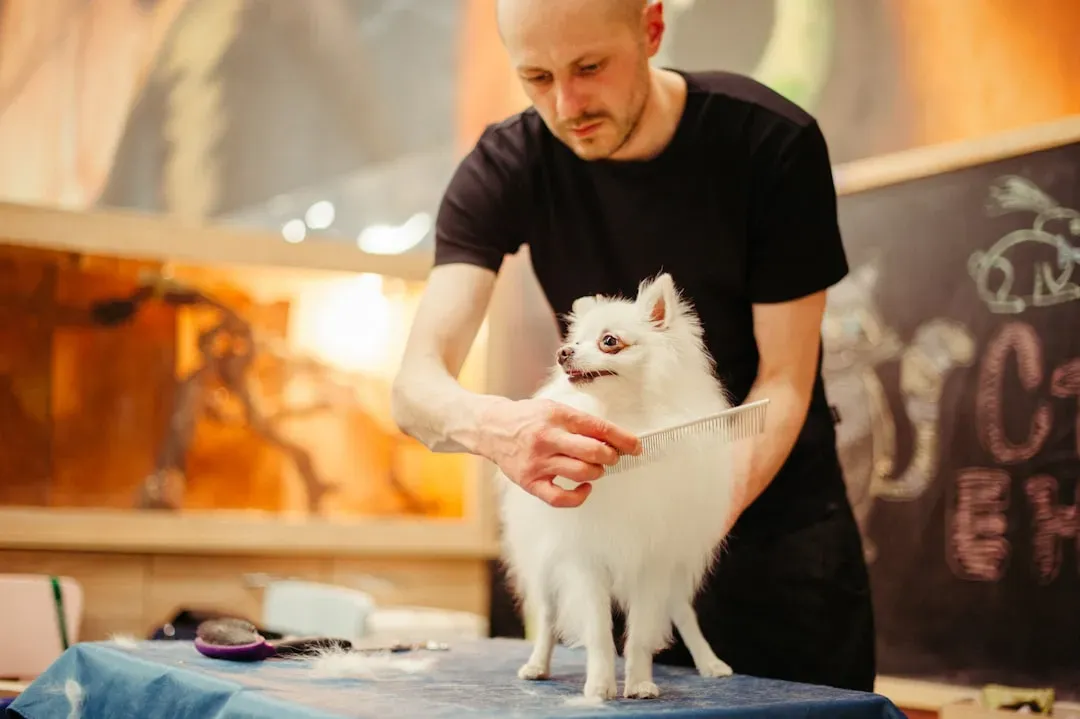
Nail trims, ear checks, brushing – these aren’t just chores, they’re the experiences your dog uses to decide if being touched somewhere vulnerable is safe. Rush it, force it, or make it painful the first few times, and you can install a permanent avoidance routine: pulling away, snapping, shutting down at the sight of the clippers.
Go slow instead – touch a paw, treat; lift an ear, treat; show the brush and stop before panic sets in – and grooming becomes predictable, sometimes even pleasant. Vets and groomers can usually tell within seconds which dogs had their consent respected early on.
#16 – Whether They Grow Into a Curious Dog or a Cautious One

Some dogs arrive bold, others terrified, but the first month with you tips the scale either way. When they tentatively sniff a skateboard or a trash bag, your reaction teaches them what exploration leads to. Yank them away or scold them for being overwhelmed, and you may reinforce a lifelong rule: new equals dangerous, stay small.
Let them investigate at their own pace, pairing new things with calm encouragement instead, and they build the opposite belief – unsure doesn’t mean unsafe. Dogs raised this way tend to handle life’s random surprises, a dropped pan, a stranger in a hat, by pausing and assessing instead of panicking.
#17 – How They Learn to Read Your Face Before You Say a Word
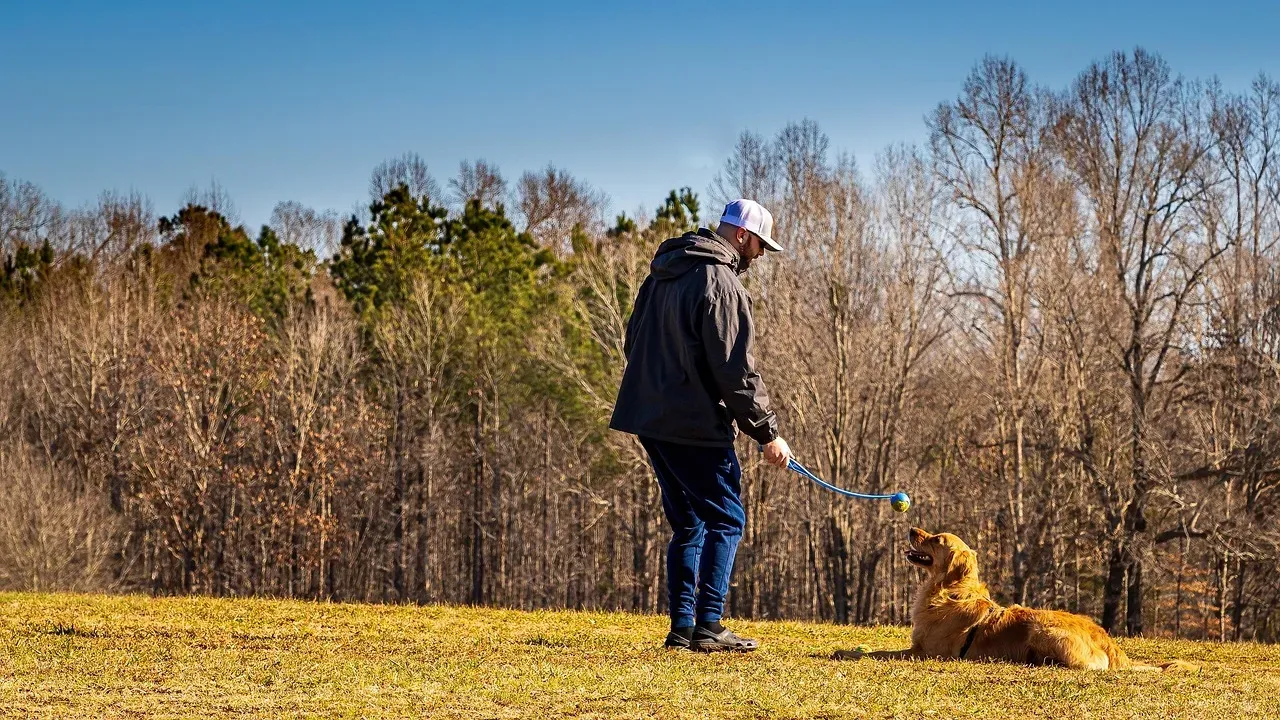
The deepest routine your adopted dog builds isn’t about furniture or feeding schedules – it’s about decoding you. Dogs are astonishingly tuned to human micro-signals, and in those first weeks they’re running constant experiments: what does a sharp tone predict, what do dropped shoulders usually mean.
Stay unpredictable – laughing one moment, snapping the next – and they may conclude that humans are simply confusing, and start scanning you for danger signs for life. Stay consistent instead, and they build a stable dictionary for your moods that looks, from the outside, like intuition. It isn’t magic. It’s a month of quiet observation on their end, and consistency on yours.
The Bottom Line

By the time most people notice which “problems” their adopted dog has, that dog has already spent 30 days quietly rehearsing them. Door chaos, frantic eating, clinginess at dawn – none of it is random. It’s the logical outcome of how those first weeks actually felt from four feet off the ground.
Here’s the part worth sitting with: that same narrow window is just as easy to spend building safety, trust, and calm instead. You don’t need to be a perfect trainer. You need to notice that the dog is always learning, especially on the days you feel like you’re not teaching anything at all.
So be honest with yourself – what routine did your dog build in that first month that you’re still living with today? Chances are, you already know the answer, and chances are, you were the one who taught it.