
13 Things Rescue Centres Keep Back Regarding Returned Dogs Until an Adopter Has Genuinely Committed

You walk into a rescue center expecting full transparency. A dog’s history, right there on a clipboard, no secrets. That’s the fantasy, anyway.
The reality is messier. Good rescues aren’t lying to you, but they are absolutely managing what you hear and when you hear it. Some of it sounds harmless. Some of it, once you learn it, will make you see every “he’s a bit shy” and “she needs some patience” in a completely different light. Here’s what actually gets held back, and why staff wait until they know you’re not just browsing.
#1 – How Many Times That Dog Has Already Been Returned

Rescues rarely open with, “He’s been back three times already.” They know most people will instantly picture a broken or dangerous dog and walk away. In reality, many returned dogs were failed by circumstance, not character: messy breakups, new landlords, surprise babies, owners who realized too late they weren’t ready.
But “returned three times” reads like three red flags to most adopters, even when the context is completely different each time. Once you’ve visited a few times, filled in forms, and started bonding, staff will walk you through each failed placement, what was learned, and how the dog coped. Until they sense that genuine intent, they keep the raw number to themselves, because if “three returns” scares you off, wait until you hear why some of those homes failed in the first week.
#2 – The Full Extent of Separation Anxiety

Most centers say something vague like, “He doesn’t like being left alone for long.” The truth might be closer to: he screams, drools, chews through doors, and the neighbors have already complained twice. Lead with that on day one, and half of potential adopters never even meet the dog.
So they soften it until you’ve shown you’re prepared to work through issues, not shop for perfection. Once you’ve mentioned working from home or hiring a trainer, they’ll expand the picture with specifics:
- How long he’s actually managed alone before panicking.
- What destruction or self-harm has happened, like chewing paws raw.
They’re not trying to trick you. They’re trying to avoid scaring off the 90% who were never going to put in the work anyway, while still landing the 10% who say, “Okay, now tell me exactly what we’re dealing with.” And if intense separation anxiety makes you nervous, that’s nothing compared to what they know about #3.
#3 – The Real Bite History Behind “He’s a Bit Nippy”

When a rescue says a dog “can be a bit mouthy,” that phrase can mean anything from gentle puppy nibbles to a full-force bite that broke skin and needed stitches. Reputable rescues legally have to disclose a bite history, but there’s a world of difference between softened language and the full file.
Compare “he snapped once when cornered by a child” to “he lunged and bit a delivery driver in the thigh.” Until they sense you’re listening like a future guardian and not an impulse-adopter drawn in by a sad face in a kennel, they’ll keep the language gentle. Once you’ve asked thoughtful questions about management and training, staff open the file properly: context, triggers, severity, aftermath.
Quick Compare
- “A bit mouthy” often really means occasional nipping, or in worse cases, a bite that required stitches.
- “Cautious around kids” can be shorthand for a documented snap at a child.
- “Doesn’t love strangers” sometimes means a lunge-and-bite incident, not just shyness.
If you think that’s confronting, wait until rescues admit what they hold back about their own handling mistakes in #4.
#4 – How Much the Kennel Environment Has Actually Messed With the Dog

Most adopters underestimate how brutal kennel life is on a dog’s brain. Rescues know this, but they rarely open with “he’s kennel-crazy right now” at a first meet-and-greet. It isn’t a great sales pitch, even though constant barking, tiny spaces, and rotating strangers can genuinely rewire a dog’s coping mechanisms.
When you’re clearly serious, staff start admitting things like, “He didn’t bark like this in his original home, this is mostly kennel fallout,” or “We’re seeing behaviors we’re pretty sure will soften once he decompresses.” A dog who spins, paces, or guards food after months in rescue might be far calmer in a stable home, but spelling that out too soon just scares people away. They drip-feed the reality, and the hope, only once you’ve come back and shown you’re not just picking whichever dog seems chillest behind bars.
#5 – How Dramatically the Dog Changes Once They Leave the Shelter

Here’s the twist almost nobody talks about: rescues often under-describe the chaos that’s coming. They’ll say, “He might need a bit of time to settle,” instead of, “For the first week, he may pace, whine all night, and forget every bit of training you thought he had.”
Only once you’re deep in the process do they explain the “3-3-3 rule,” a rough timeline for how a rescue dog adjusts to a new home. That’s when they’ll share the real stories, like the calm kennel dog who turned clingy at home, or the bouncy one who shut down and wouldn’t eat for two days.
At a Glance: The 3-3-3 Rule
- Days 1-3: Decompression, the dog may hide, refuse food, or seem shut down.
- Weeks 1-3: Routine, the dog starts testing boundaries and learning the household rhythm.
- Months 1-3: Trust, the dog’s true personality finally emerges as bonding deepens.
They know many adopters misread fear as “chill” and excitement as “happy,” so they hold this back until you’re committed enough to hear it. But the gap between who the dog seems to be and who they were before the shelter? That truth gets saved for #6.
#6 – The Whole Story From the Previous Home, When It’s Ugly

Most people want to hear something simple and emotionally comfortable, like “his owner passed away” or “they moved and couldn’t take him.” The real file might instead say “owner surrender due to repeated aggression toward visiting kids,” or “returned for destroying furniture after six months of no exercise.”
Former owners also give wildly biased reports. “He’s untrainable” often translates to “they never trained him.” “He’s fine with kids” can mean kids climbed all over him and he simply froze in terror. Rescues know this, so they start with headlines and only bring out the full, uncomfortable notes once you’re at the contract stage. Is that hiding the truth, or pacing it so you’ll stay open-minded enough to actually meet the dog? Honestly, it’s both. And if that sounds murky, wait until you see how murky things get around medical realities in #7.
#7 – The Real Long-Term Medical Costs They’re Quietly Worried About
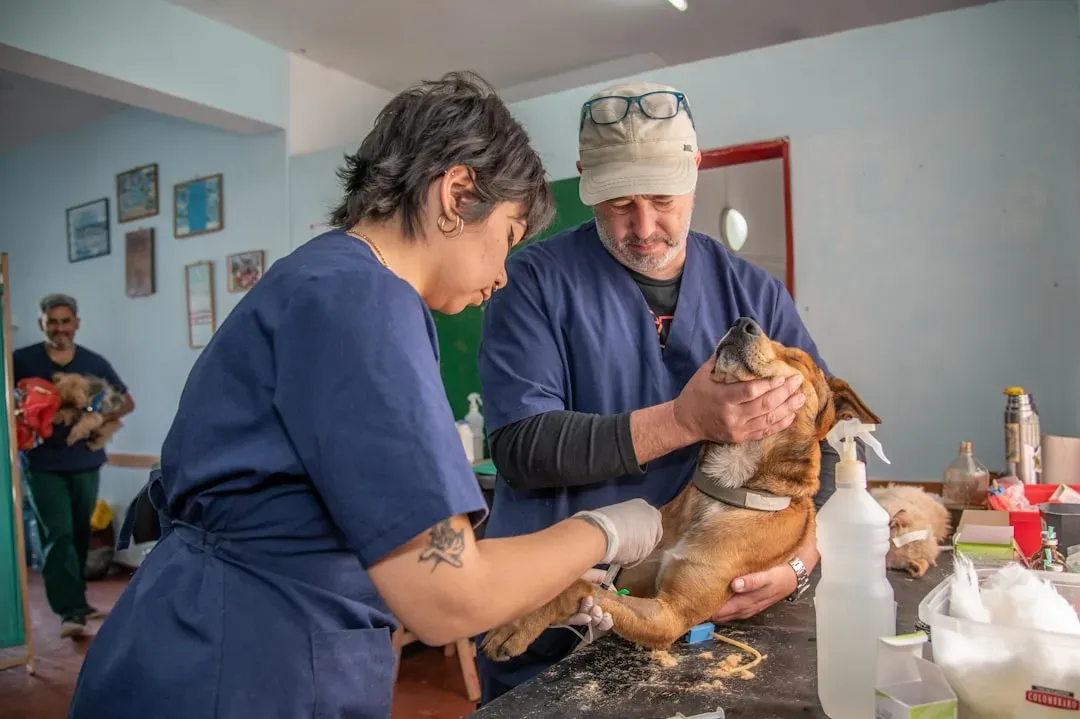
When a rescue says a dog “has a few minor health issues,” that phrase can hide a lot. Staff often suspect early joint problems, chronic skin allergies, or anxiety that will need medication for life, not just “a bit of itching.” They may already sense this dog won’t be cheap over the next decade.
But open with “expect ongoing vet bills,” and many adopters immediately redirect to a younger, healthier-looking dog. So they lead with the basics, vaccines, neuter status, major surgeries, and save the gradual, uncertain issues for once you’re clearly attached.
Fast Facts
- Ongoing costs can include joint supplements, prescription food, or lifelong anxiety medication.
- Many health issues in returned dogs aren’t fully diagnosed until months after adoption.
- Rescues often disclose vaccines and neuter status first, saving murkier issues for later conversations.
If you’re still there when they say, “he may need medication for life,” they know you’re not shopping for a low-maintenance accessory. Physical health, though, is straightforward compared to the mental health file most people never ask about until #8.
#8 – The Dog’s Trauma Triggers That Never Show Up on a Ten-Minute Visit

Rescue workers quickly learn each dog’s personal “oh no” buttons: men in hats, fast hand movements, brooms, drunk voices, motorbikes, toddlers running. They rarely unload the full list at your first meeting, because a long trigger list can make even a gentle dog sound like a walking liability.
Once they feel you’re committed, maybe you’ve brought your kids for a second visit, they start mapping the details:
- “He panics when anyone raises their voice.”
- “He shuts down if a man looms over him.”
- “He once reacted badly to a child grabbing his collar.”
Some of these triggers never appeared in the previous home but exploded under the stress of the shelter itself. Rescues walk a tightrope here: overshare and you bolt, under-share and you feel blindsided later. And if that balancing act sounds hard, it’s nothing compared to the emotional gamble they take with #9.
#9 – How Close This Dog Might Be to Becoming “Unadoptable”

Rescues almost never say to your face, “You might be this dog’s last realistic shot.” It feels like emotional blackmail. But behind the scenes, staff talk this way constantly about dogs who’ve been returned multiple times, have a bite history, or are older with health issues.
They bite their tongues about how few applications a dog has actually had, and how many people met him and quietly never came back, because pressuring you into “saving” a dog often backfires into another return later. Only once you’re heavily invested might a staff member quietly confide, “He doesn’t get much interest, we’re so glad you see him.” That’s the tip of a much more painful iceberg. But even when staff think you’re “the one,” they’re still not telling you everything about how often adoptions actually fail, which is hiding in #10.
#10 – How Often Adoptions Actually Fail, Even With “Good” Dogs

Most rescues talk publicly about their success stories. They don’t talk as loudly about the revolving door. Internally, staff know a depressing share of dogs bounce back within days or weeks, often for reasons that could have been predicted with a more honest, longer conversation.
The first few weeks can be really hard. That’s when most people panic and return the dog. Please call us before it gets that far.
Common advice shared by rescue staff to committed adopters
Open a meet-and-greet with “just so you know, lots of these don’t work out,” and adopters feel set up to fail before they’ve even begun. So staff talk about support and decompression instead, and only once you’re nearly signing do they gently level with you about how normal doubt, frustration, and overwhelm really are. It’s not manipulative, it’s protective. But it means you rarely see the hard truth about failed adoptions until you’re already emotionally over the line, and there’s still one more quiet judgment happening in #11.
#11 – The Quiet Judgments About Your Lifestyle, and Whether You’re Really a Match

Rescue workers are trained to be polite, but they are absolutely forming opinions the entire time you talk. They’re reading between the lines of everything you say about work hours, kids, visitors, travel, and training, even while smiling and nodding.
They rarely say, “you’re not home enough,” upfront. Instead, they flag your application quietly as “lovely but unrealistic about the dog’s energy level,” or “great home if they commit to training, big risk if they don’t.”
Worth Knowing
- Work hours, travel schedules, and household visitors are all quietly factored into your match.
- Vague answers about training plans are treated as a yellow flag, not an automatic dealbreaker.
- Rescues would rather lose an adopter early than approve a mismatch that ends in another return.
Once you’ve fallen for a specific dog, that’s when they might finally say, “we don’t think he’d cope well with ten-hour workdays.” It can feel like a sudden roadblock, but in reality they’ve been weighing that mismatch since your first conversation. And while they’re silently assessing you, they’re hiding something else entirely, the emotional bonds they’ve already formed with “your” dog, in #12.
#12 – How Hard It Is for Staff to Let This Dog Go

By the time you meet a dog who’s been returned, there’s a decent chance a staff member or volunteer is already quietly in love with them. They’ve walked them on the bad days, seen the freak-outs, and watched the tiny breakthroughs nobody else noticed.
They can’t open with “please don’t mess this up, we care about him too much,” so they stay calm and professional instead. Only once you’re really in it, asking about training, vet care, long-term plans, do you see flashes of how attached they are: the choked-up goodbye, the long hug, the “send us updates, okay? Please.” What they don’t say out loud is that if this placement fails, the dog comes back more damaged each time, and that fear lives in the background of every single conversation about a returned dog. Even with all that care, there’s one last limit they rarely admit until you prove you’re different, in #13.
#13 – How Much They Genuinely Can’t Do For You Once the Dog Goes Home
Rescues often promise “lifetime support,” but the unsaid reality is blunt: they’re underfunded, overworked, and drowning in new intakes. They can’t be your 24/7 behaviorist, therapist, and dog-sitter, no matter how badly they want to help.
Once you’re truly committed, good rescues will level with you about what they can’t do:
- Fix severe behavior issues for you.
- Magically fund every medical problem.
- Guarantee the dog will “settle” if you don’t put in the work.
They downplay these limits early on, hoping you’ll build your own network of trainers, vets, and dog-savvy friends. Eventually the honest conversation happens: “we’re here, but we’re not enough on our own.” That’s not a betrayal, it’s the reality of a system held together by overstretched people doing triage every single day, and once you understand that, the whole decision looks a lot more serious.
The Bottom Line
Rescue centers aren’t hiding things because they’re villains. They’re rationing the truth because the brutal, unfiltered version of every returned dog’s story would scare off almost everyone, and keep those dogs stuck in limbo even longer.
Is that always fair? No. Sometimes it backfires, leaving adopters feeling blindsided and dogs ricocheting between “forever homes” that last barely a week. If you’re serious about adopting a returned dog, stop acting like a customer and start acting like a partner in damage control. Ask the awkward questions early. Push for specifics on bites, triggers, medical worries, and past homes.
The real red flag was never a dog with baggage, it’s an adopter who doesn’t want to hear the truth. So be blunt: “What are you afraid to tell me about this dog?” Then actually listen. That’s how you stop being just another return on their file, and start being the person who finally ends it.