
17 Small Details a Dog Holds Onto From a Morning Routine That Owners Repeat Without Ever Thinking
You probably think your dog forgets breakfast the second the bowl is empty. That the whole morning dissolves into a blur of naps and window-watching by 9 a.m. Most owners believe this, which is exactly why what actually happens inside a dog’s head is so surprising.
Dogs don’t just live in the moment – they file it. The creak of your mattress, the mug you grab, the three seconds before you shut the front door: your dog is quietly cataloguing all of it, turning your sleepiest, most automatic habits into an emotional roadmap of what to expect from you. Here are the 17 tiny things your dog never actually lets go of.
#1 – The Exact Sound You Make Getting Out of Bed
Your dog doesn’t just register that you’re awake – they register how you woke up. The creak of the mattress, the shuffle of feet hitting the floor, the little sigh before you stand: these are your dog’s first morning notifications, and they come with predictions attached.
A dog can tell the difference between you rolling over at 3 a.m. and the sequence that actually means “showtime.” Switch from a slow, sleepy swing of your legs to an alarmed jump out of bed, and watch their ears prick instantly. Something in the script just changed, and they clocked it before you were even fully conscious.
#2 – The Way You Say “Good Morning” (Or Don’t)
You barely notice yourself saying it. Your dog dissects it like code – tone, pitch, whether you actually meet their eyes. That silly morning voice you’d never use in public? They don’t just hear it, they anchor their whole emotional state to it, every single day.
Skip it once, and they notice. A flatter “morning,” a missed “hey buddy,” and suddenly they’re following you more closely, watching for what changed. Some trainers believe the first 30 seconds of your interaction can tilt a dog toward feeling secure or feeling clingy for the rest of the day – while you’re busy checking your phone, they’re quietly deciding whether today is a safe one.
#3 – The Order You Do Things In
People assume dogs watch what you do. Really, they’re obsessed with the sequence – bathroom, then kettle, then bowl, or phone, then bed-scroll, then finally them. Rearrange it, even slightly, and you’ll see the confusion land in real time.
Grab your keys before feeding them instead of after, and suddenly they’re pacing or whining. That’s not impatience – that’s a prediction machine short-circuiting. Once a sequence repeats enough, it becomes a mental map your dog leans on to feel safe, which is also why they seem to “know” you’re leaving before you’ve said a word. It’s not intuition. It’s step three, memorized better than you’ll ever manage.
Quick Compare
- Same order every day: calmer waiting, fewer interruptions, dog settles between steps
- Order swapped occasionally: brief confusion, more sniffing or checking behavior
- Order constantly shuffled: pacing, whining, or shadowing you from room to room
#4 – The Exact Spot You Put Their Bowl Down
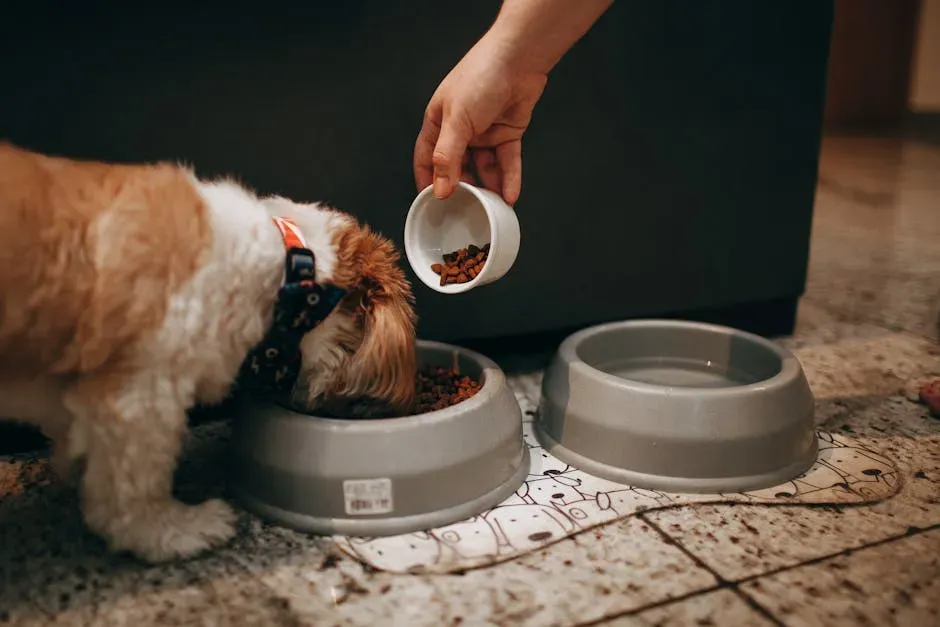
To you, it’s just a corner of the kitchen floor. To your dog, it’s sacred ground. Move the bowl six inches to the left and watch some dogs freeze, then look up at you like you’ve quietly rearranged their entire universe.
That spot carries history – every good breakfast, every satisfied stretch afterward. For rescue dogs especially, a stable feeding spot can be one of the first real “safe zones” they’ve ever had. Shift it around for the sake of a tidier kitchen, and you might notice subtle stress signals creep in: faster gulping, more scanning the room mid-bite. You’re chasing an open-concept aesthetic; they’re just hoping the shrine stays put.
#5 – The Temperature and Smell When You First Open the Door
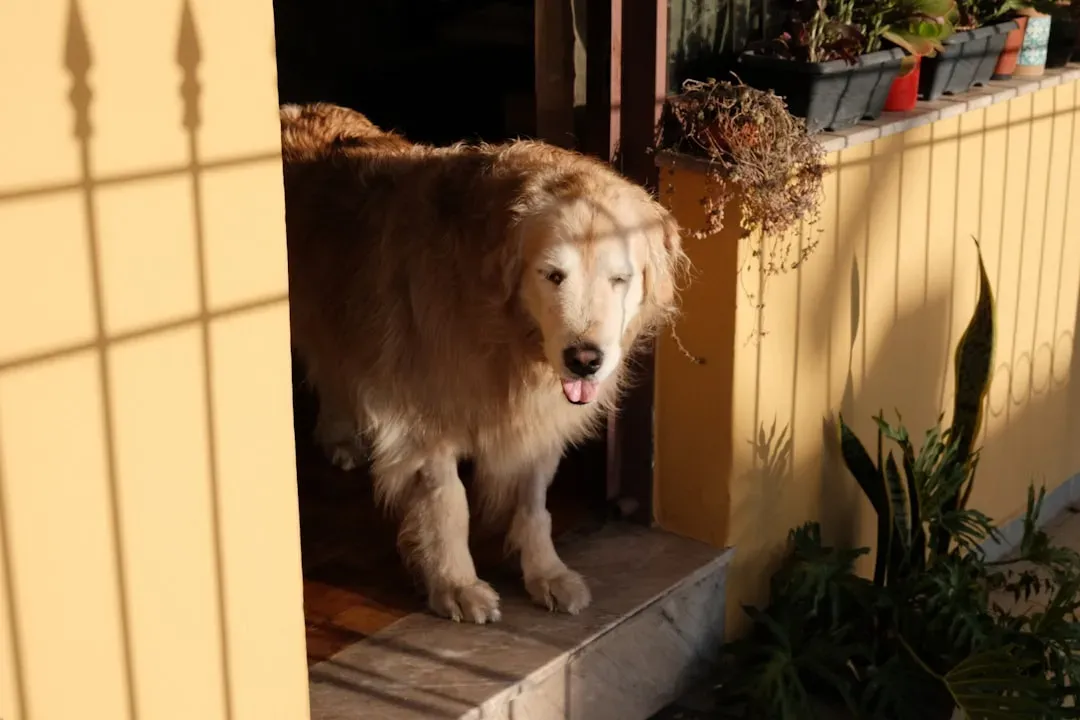
That first crack of the door isn’t just “outside” to your dog – it’s a full sensory scan. Temperature, wind, humidity, the smell of fresh rain or dry dirt, someone’s barbecue three yards over. Every morning has a flavor, and dogs remember it with startling precision.
Cold air plus wet grass plus trash day might mean “this is the morning all the dogs were barking.” That combination gets tagged emotionally, and a string of chaotic mornings can make a dog hesitate at the door even on a perfectly calm one. If your dog ever pauses and sniffs a little too long before stepping out, they might just be checking: is this that kind of morning again?
#6 – Whether You’re Scrolling or Actually Looking at Them

Here’s the part nobody wants to hear: your dog knows if your first love in the morning is them or your phone. And they remember it, day after day, as part of who you are.
Dogs are wired to read faces. Eyes glued to a screen reads as “not available, maybe even mildly rejecting.” They don’t understand Instagram, but they absolutely understand being ignored – and over time, some dogs quietly stop offering greetings they know will lose to a rectangle. The reverse is just as true: owners who kneel down and make eye contact before touching anything else tend to have dogs with looser, more confident body language. Ask any experienced trainer – this detail isn’t trivial at all.
#7 – Your “Leaving” Micro-Cues (Shoes, Keys, Coffee Mug)
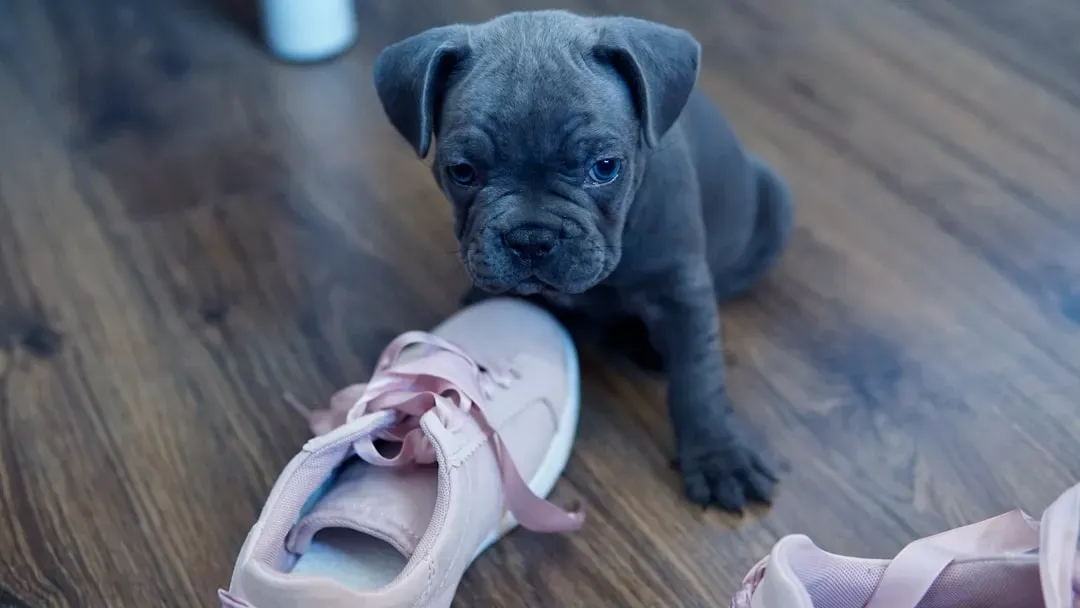
You think leaving starts when you grab your keys. Your dog solved that puzzle three steps earlier. The shoes you choose, the bag on your shoulder, even which mug holds your coffee – all of it is data they’ve already processed.
Put on the sneakers reserved for walks, and they’re vibrating with anticipation. Lace up work boots, and they go still or retreat to their crate. The soft jingle of keys shifted to another counter means nothing; the sharp, purposeful clack means departure. You might think your dog somehow knows it’s Tuesday – really, he knows it’s the black backpack, not the gym duffel. In dog terms, that is Tuesday.
#8 – The Route You Take on the Morning Walk
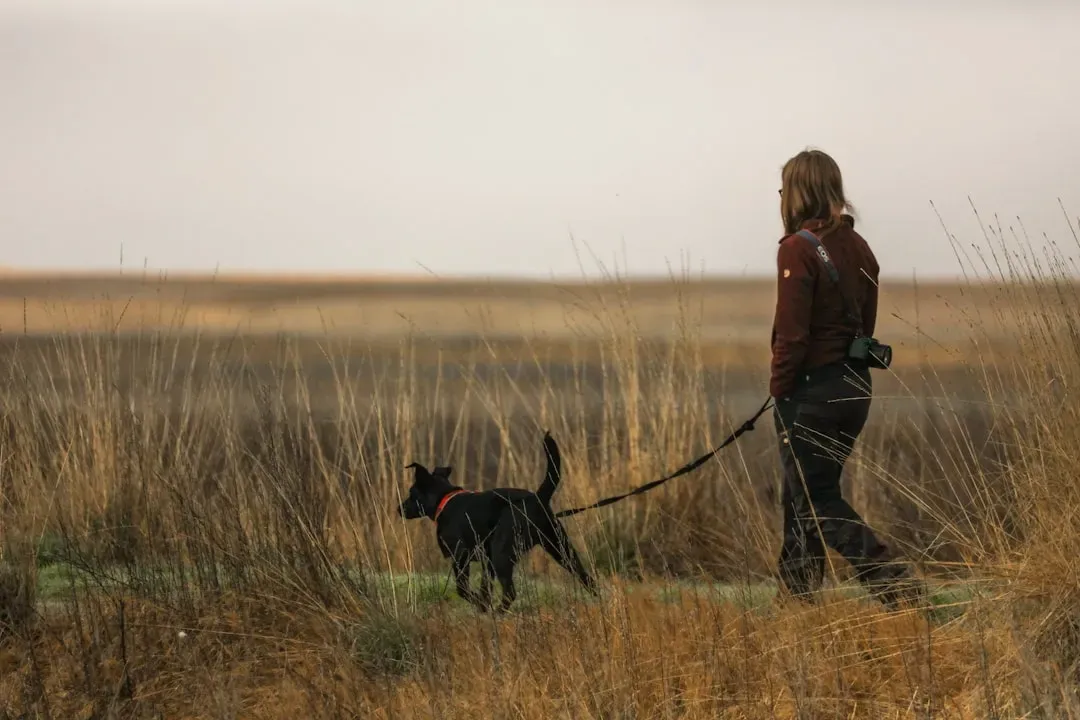
Dogs don’t just like walks – they care deeply about where you go and in what order. The corner where the neighbor’s dog barks, the house that drops good crumbs, the patch of grass with the best smells: repeated enough, this becomes a story with chapters they anticipate.
Skip a block and your dog may glance back, slow down, or tug toward the missing turn – not out of stubbornness, but confusion over a skipped highlight. Breaking from the usual path can feel, to them, like skipping the middle of a favorite episode. While you think you’re just getting steps in, they’re quietly maintaining a detailed emotional map of the neighborhood, down to which driveway smells like last night’s chicken.
#9 – The First Thing You Let Them Sniff (Or Don’t)
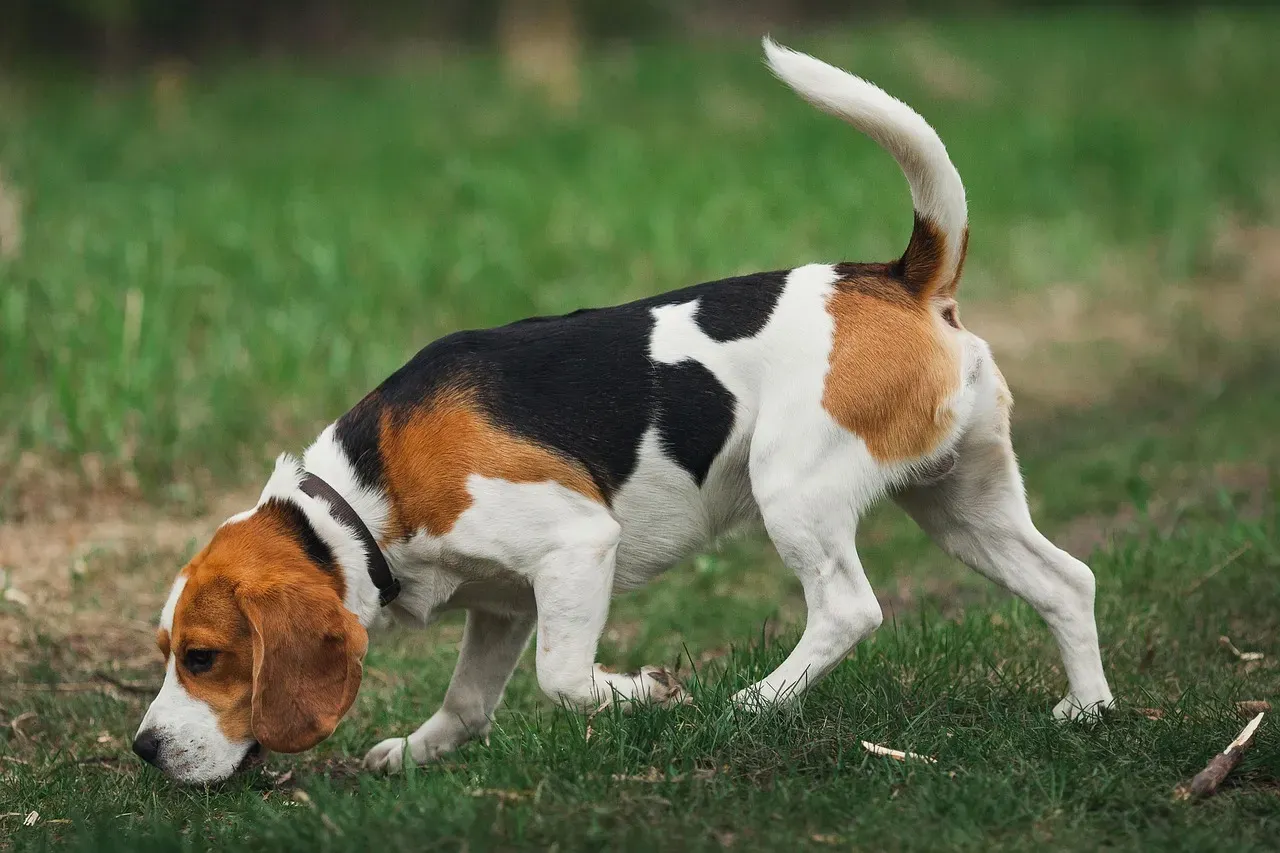
What you let your dog inhale first thing in the morning matters more than most owners realize. Sniffing isn’t a hobby – it’s how dogs read the news. Drag them past their usual spot in a rush enough mornings in a row, and the lesson lands: your curiosity doesn’t matter here.
A generous first sniff can decompress a dog and set the tone for the entire walk. Deny it repeatedly, and some dogs compensate with more pulling and overexcitement later, ironically because they never got their information fix at the start. On the mornings you do let them linger, you’ll often see softer eyes, a looser tail, slower breathing. Over time, a “good morning” for a dog correlates more with getting to sniff their usual spot than with walking a perfect heel.
Worth Knowing
- Sniffing engages a dog’s brain the way checking the news or scrolling a feed engages ours
- A longer sniff break at the start of a walk is generally linked to a calmer overall mood
- Dogs denied sniff time often “make up for it” later with more pulling or excitability
- Letting your dog set the pace for the first minute or two can lower stress for the whole walk
#10 – Whether You Talk To Them or Just Around Them
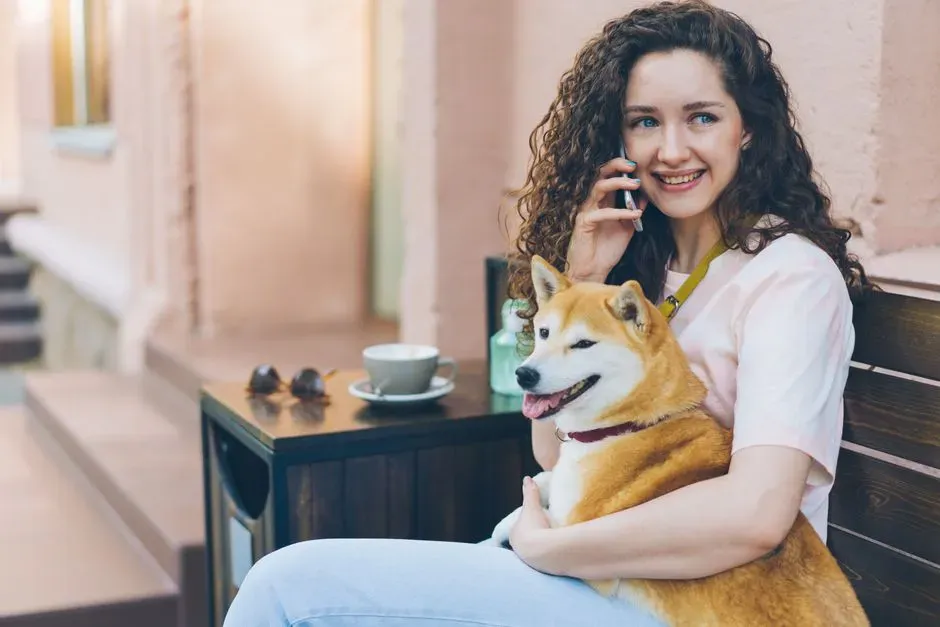
Podcasts, TV news, phone calls – mornings are full of noise, and almost none of it is aimed at the dog. Your dog knows the difference between sound in the room and sound directed at them, and only one of those counts as real interaction.
Dogs who get small verbal check-ins – “you ready?” or “we’re running late today, pal” – learn they still exist inside your social bubble even when things are hectic. Dogs left out of it tend to float around you, nudging or whining, trying to force their way back in. People who scoff at talking to their dog like it understands full sentences are often the same ones baffled by clinginess they can’t explain. Your dog doesn’t decode grammar. They decode attention.
#11 – The Tiny Physical Contact Moments
Brushing past your dog in the hallway feels like nothing to you. It isn’t nothing to them. Whether that contact is gentle, rushed, or completely absent gets logged as a data point on one question: how safe and connected are we today?
Compare a casual chest rub as you pass, a distracted tap that just moves them out of the way, and no touch at all – just constant dodging. To you, that’s logistics. To your dog, it’s relational. Research has repeatedly shown that brief, positive touch lowers stress markers in dogs, and it doesn’t need to be long, just intentional. Miss the two-second ear scratch a few mornings running, and don’t be surprised when your dog starts camping in that hallway spot like they’re waiting for you to remember something.
#12 – Your Morning Mood Shifts (Even the Subtle Ones)
You can lie to yourself about being fine. You cannot lie to your dog. Micro-changes in your posture, breathing, and facial tension on a stressful morning land on them like a siren, and because it repeats, they remember exactly which kind of morning tends to feel bad.
Slow movements and soft shoulders usually read as safety. Slammed drawers and clipped footsteps read as trouble. Dogs have spent thousands of years evolving to read human emotional states, and they hold onto the pattern because your mood predicts their day too. If every rushed workday morning is frazzled, don’t be shocked when your dog develops anxiety timed to exactly those hours.
Dogs are not our whole life, but they make our lives whole.
Roger Caras
#13 – Whether You Invite Them Into or Out of Spaces
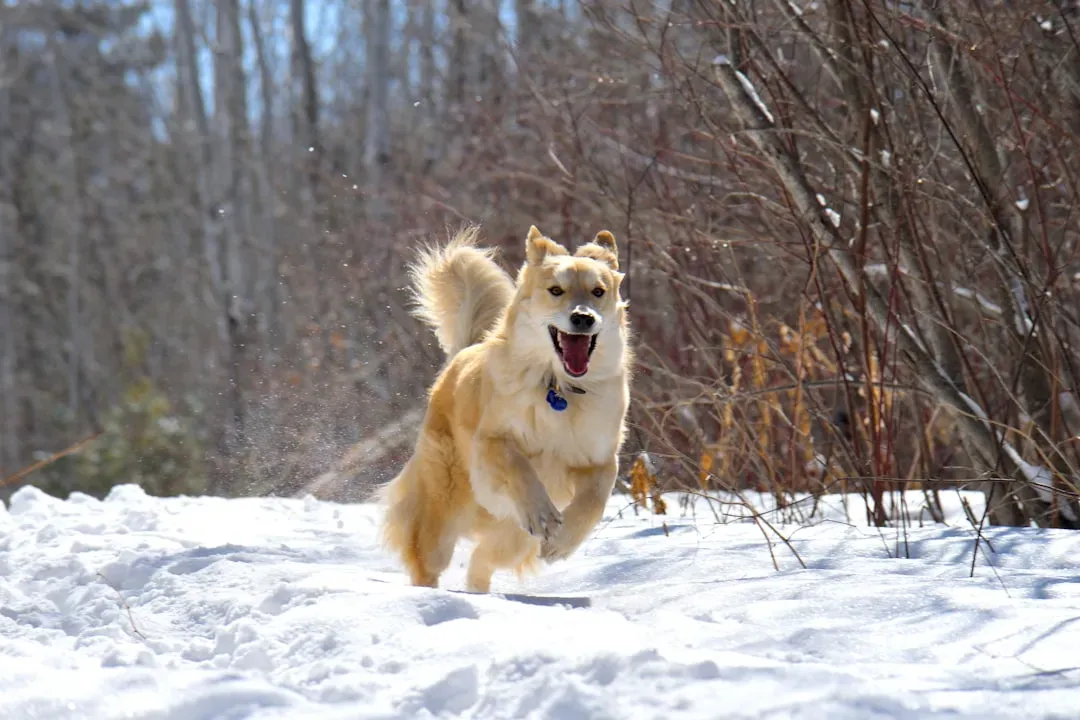
No dogs in the bathroom. Off the bed the second the alarm rings. Out of the kitchen while you cook. Most owners enforce these invisible rules without noticing – but your dog notices both the rule and how consistently you apply it.
Gentle, consistent guidance teaches a fair structure. Random enforcement – allowed one day, sharply shooed the next – leaves them uncertain, and unpredictable access quietly raises a dog’s baseline anxiety, especially inside the tight window of a morning routine. A dog never welcomed near the breakfast table may eventually default to lying alone in another room during that time, not out of aloofness, but because the pattern already told them this isn’t their moment.
#14 – The Last Thing You Do Before You Walk Out
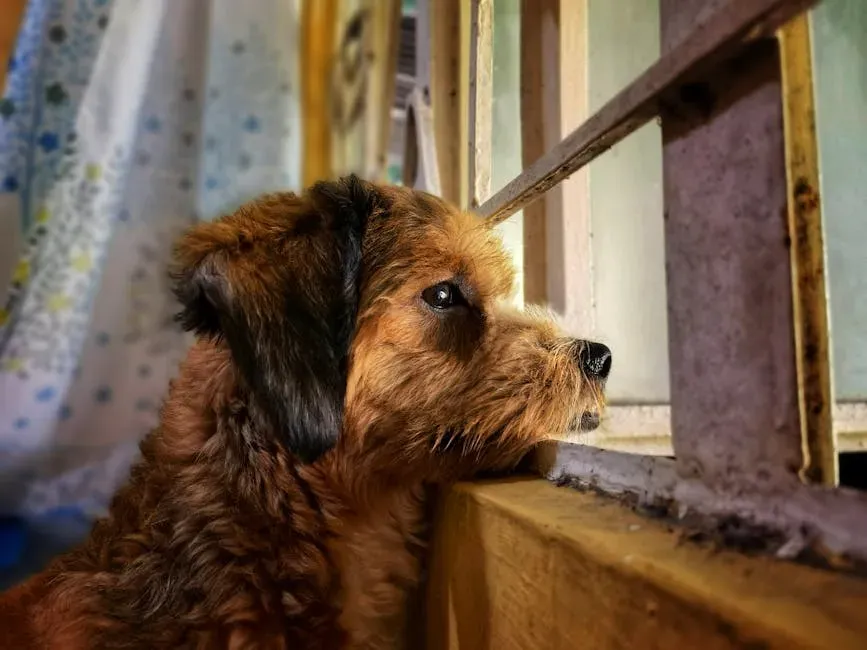
Every dog carries a freeze-frame of the exact second you close the door. What happens in the three seconds before that isn’t a throwaway – it’s a powerful emotional imprint that gets replayed all day.
A quick pat and a calm “be good” leaves a different residue than frantic yelling and “I’m late, I’m late.” Trainers see this constantly in separation anxiety cases – owners insist they only make a big deal of leaving when they’re stressed, but for the dog, that’s nearly every weekday. Contrast that with owners who cue a mat, hand over a chew toy, and leave without drama: those dogs show noticeably smoother transitions into alone time. That last five seconds isn’t background noise. It’s the emotional punctuation mark on the entire morning.
Fast Facts
- The final seconds before you leave often predict how a dog handles being alone
- Calm, low-key goodbyes are generally linked to smoother alone-time transitions
- Dramatic or rushed exits tend to intensify separation-related stress
- Consistent leaving cues, like a mat or chew toy, can help dogs anticipate calmly instead of anxiously
#15 – How Often You Change the Rules “Because You’re Tired”
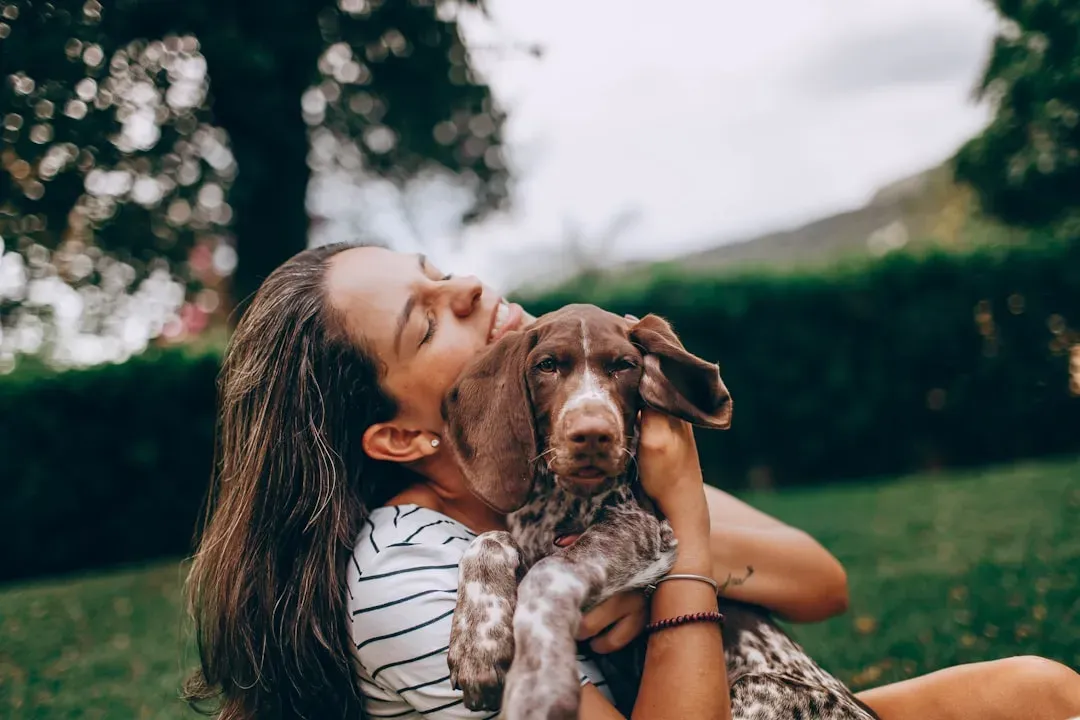
Here’s the uncomfortable part: your dog tracks your inconsistency better than you do. Bed privileges on the mornings you sleep through your alarm, none on regular days. Toast crusts when you’re in a good mood, scolding when you’re cranky. Every exception gets logged, and it creates far more confusion than most owners want to admit.
From a dog’s point of view, there’s no such thing as “I was tired” or “it was the weekend.” There’s only sometimes allowed, sometimes punished. Inconsistency is one of the fastest ways to raise a dog’s baseline stress, because it makes the world harder to predict – and it hits hardest in mornings, when humans are at their most emotionally volatile. A lot of behavior blamed on a “stubborn” dog is really just the logical fallout of a script that’s been rewritten fifty times before breakfast.
#16 – The Small Ritual That’s “Just Yours”
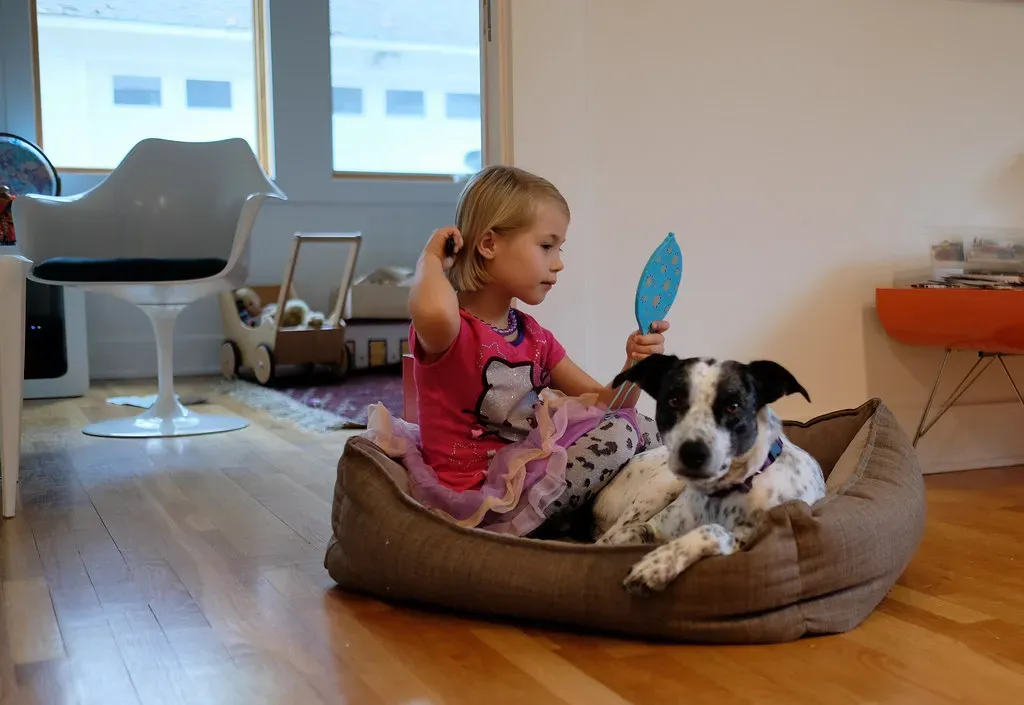
Almost every bonded dog-and-human pair has one tiny, weird morning thing no outsider would ever understand – the forehead bump, the goofy stretch, the spin before breakfast, the half-sung song while clipping on the harness. It looks trivial. It’s actually emotional glue.
Miss it once, and they notice. Miss it for a week, and some dogs will actively try to restart it themselves, offering the spin or dragging the harness over to you. This is also where real grief shows up – after a move, a breakup, or a schedule shift, a vanished ritual can hit a dog harder than any furniture rearrangement. They’ll return to the old spot at the old time, waiting for something that doesn’t happen anymore. We like to think we’re the only ones sentimental about tradition. That’s a very human mistake.
Why It Stands Out
- Shared rituals give dogs a predictable emotional anchor point each morning
- Small, repeated gestures often mean more to a dog than expensive toys or treats
- Dogs may try to “restart” a missed ritual themselves by nudging you or fetching an object tied to it
- These tiny traditions are often the first thing dogs seem to grieve when a routine changes
#17 – The Feeling They Have When the Morning Finally “Clicks”
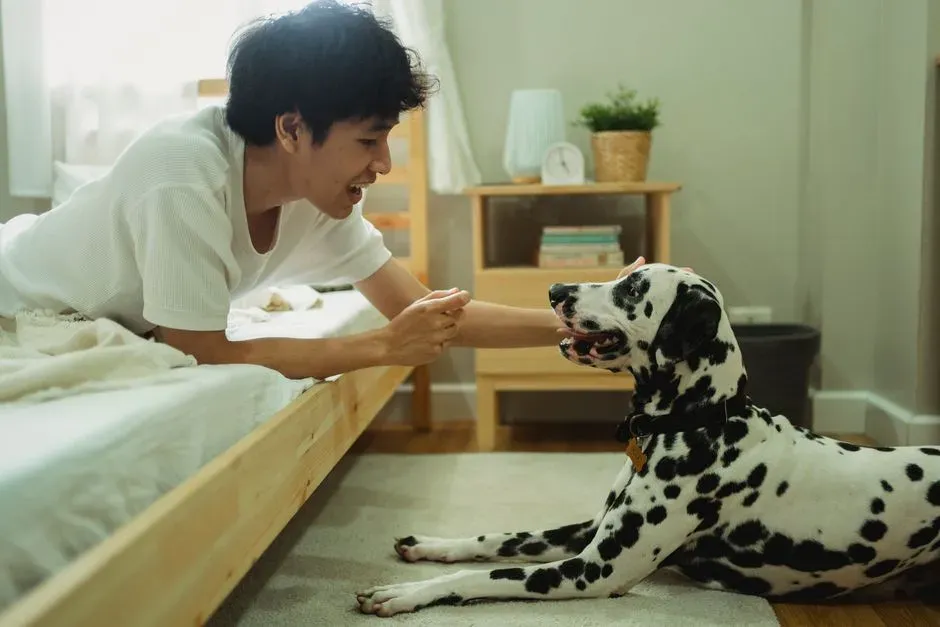
Underneath every tiny detail on this list, your dog is quietly storing one enormous pattern: how does morning actually feel in this house? Secure, chaotic, rushed, gentle, overlooked, playful – that emotional flavor is built entirely from the repeatable moments you barely register, and it becomes the baseline they wake up expecting.
Mornings that consistently end with them fed, acknowledged, and clear on what happens next build a sturdy internal script: the world is mostly safe, my human is mostly reliable. Mornings that end in confusion – half-fed, snapped at, no real goodbye – build a different one: the day might blow up at any moment. That’s not melodrama. That’s pattern recognition, running quietly under every tail wag you take for granted.
The Bottom Line
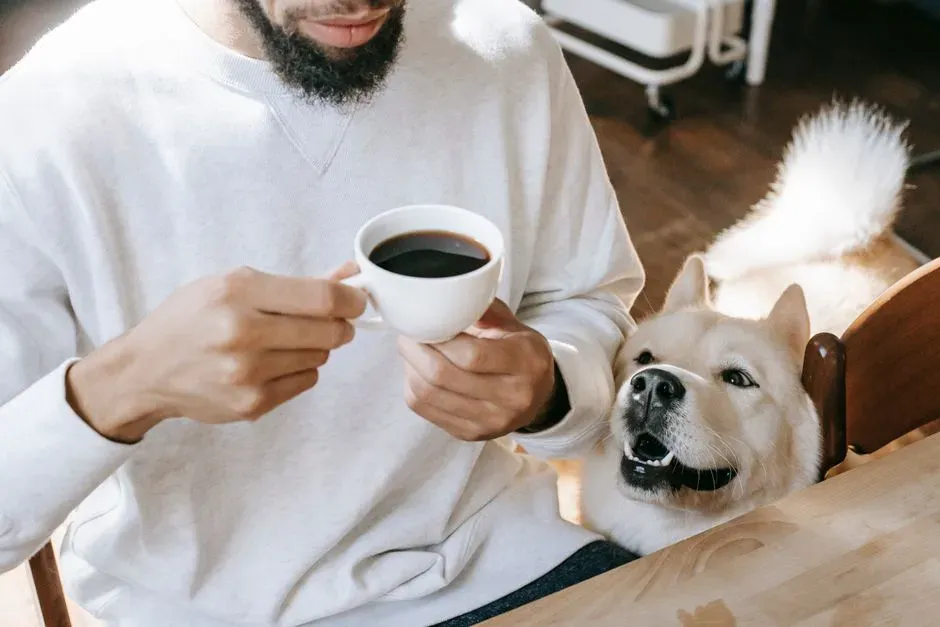
Here’s the uncomfortable truth: your dog is paying far more attention to your morning than you are, and they’re the ones who have to live inside the emotional weather it creates. The shoes you grab, the path you walk, the way you touch or don’t touch them, the tone of your rushed goodbye – none of that is background noise. It’s daily evidence your dog uses to decide whether their world is fair and predictable, or random and slightly unsafe.
Most owners obsess over training sessions while completely ignoring the training they’re running by accident every single morning. You don’t need a Pinterest-perfect ritual. You need a consistent greeting, a few real seconds of eye contact, a clear goodbye, and rules you actually stick to. Those things cost you almost nothing, and they quietly become your dog’s entire emotional map. So be honest – if your dog could rate your mornings, what would they actually say?