
12 Ordinary Sounds a Dog Files Away and Reacts to for the Rest of Its Life
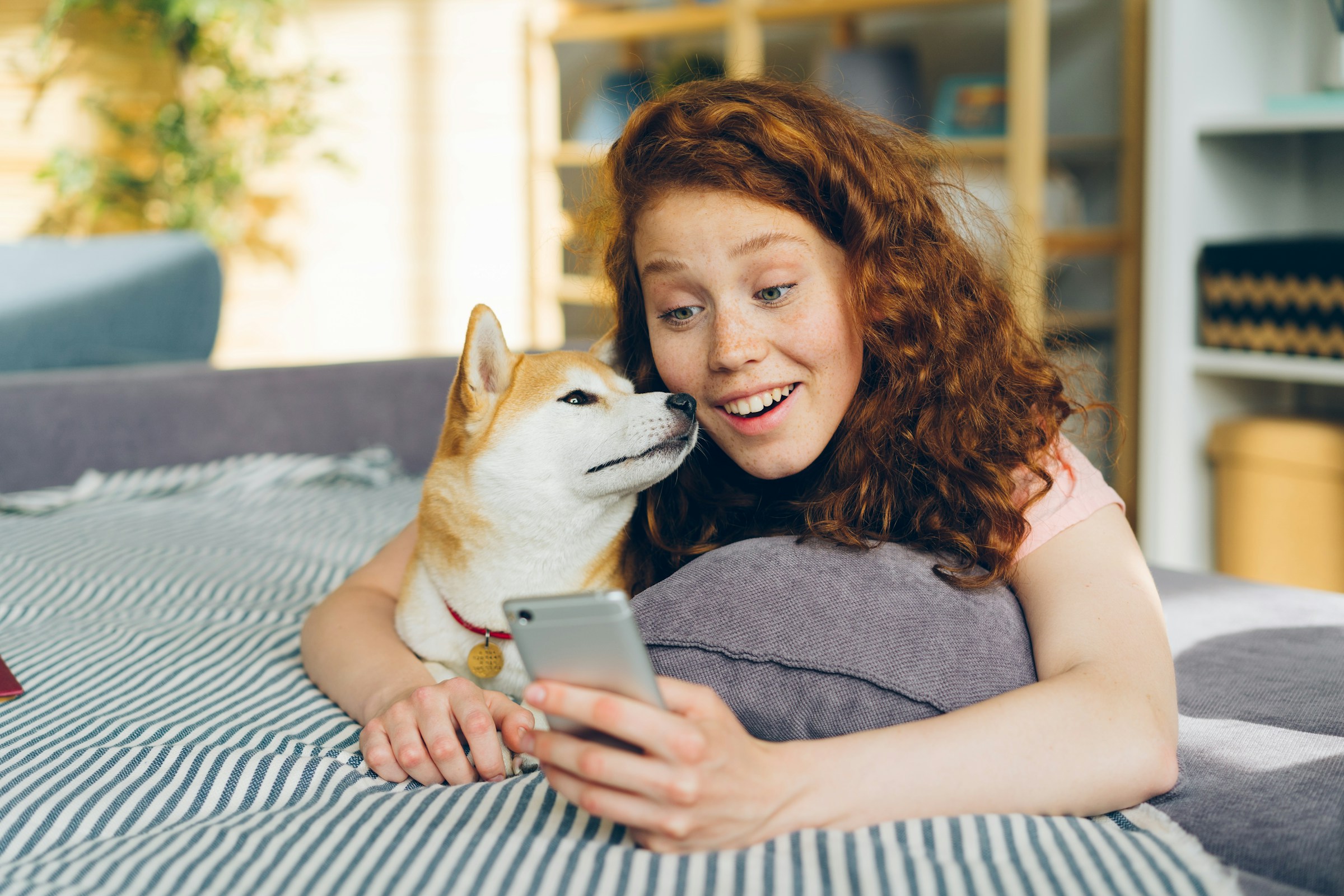
You think your dog just knows their name, the word “walk,” and the rattle of the treat jar. That’s the surface-level stuff. Underneath it, behaviorists say your dog’s brain is running a much bigger, much stranger filing system – quietly logging dozens of ordinary sounds and deciding, often within a single moment, whether that sound means safety or danger for years to come.
Some of those sounds become little bursts of joy. Others turn into anxiety triggers you’ll never trace back to their origin. And here’s the part that stings a little: most owners accidentally build these associations without ever meaning to. Below are 12 completely ordinary noises your dog has already filed away for life – and what’s really happening in their head when they hear them.
#1 – The Jingle of Your Car Keys

For a lot of dogs, that soft metallic jingle is basically a siren that screams “you’re leaving.” You never sat down and taught this on purpose – your routine did it for you. Keys jingle, shoes go on, the door clicks shut, and you disappear for hours. Repeat that pattern enough times and your dog’s brain welds that tiny sound to separation and uncertainty.
That’s why some dogs start pacing, whining, or trailing you like a shadow the second you pick your keys up off the counter – long before you’ve even touched the doorknob. To them, the goodbye already happened. Other dogs hear the same jingle and think adventure: park, car ride, daycare, a new smell to investigate. If the car mostly leads somewhere good, that jingle triggers tail wags instead of dread – which is exactly why two dogs raised in the same house can react in completely opposite ways.
#2 – The Crinkle of Treat Bags and Food Wrappers
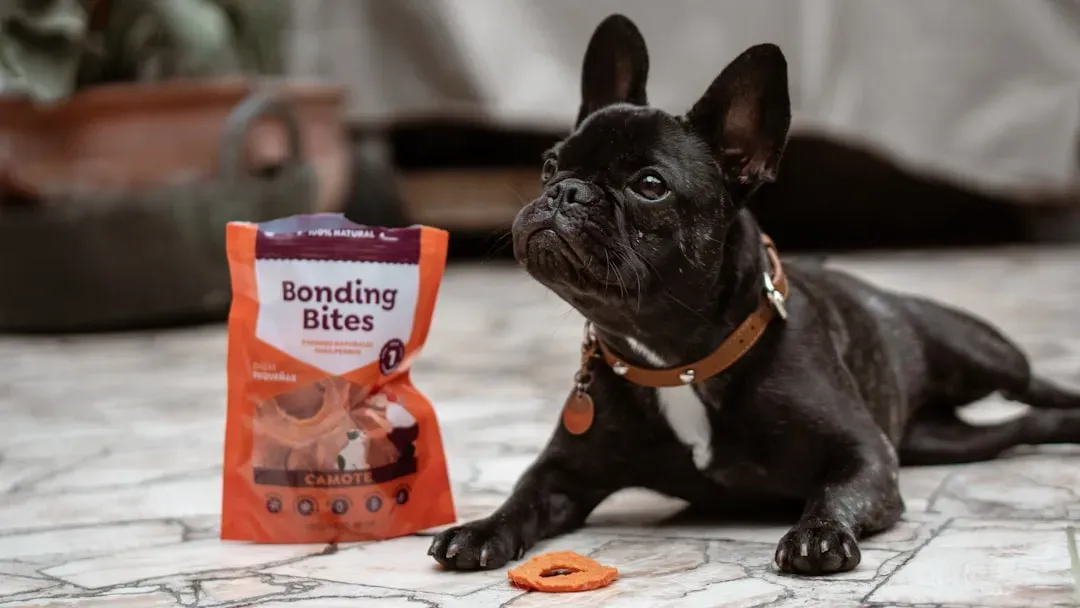
This one seems obvious, but it’s more powerful than most people give it credit for. That cheap plastic crinkle from a treat bag or snack wrapper becomes one of the most emotionally loaded sounds in your dog’s entire life. Before you’ve even opened the bag, their ears flick, their pupils widen, and they materialize in the kitchen like they just broke the laws of physics.
It isn’t just hunger – it’s conditioned anticipation running on full throttle. Here’s the twist most owners never catch: if you constantly snack on crinkly human food and never let your dog in on it, you’re quietly building frustration into that sound. Some dogs respond by barking or pawing harder, because their brain is shouting “crinkle equals possibility.” Others give up entirely and stop reacting, because the sound became fake news. Want a calmer house? Pick a lane – either ignore the sound completely, or occasionally back it up with a dog-safe treat so the signal stays honest.
At a Glance
- Crinkle sounds spark anticipation almost instantly, often before the bag is even fully open.
- Some trainers intentionally use noisy treat pouches to make rewards more attention-grabbing during training.
- Dogs can often tell their own treat bag apart from a random plastic wrapper.
- Following through with a treat after the sound keeps the association honest long-term.
#3 – The Doorbell and Knock on the Door

Few sounds flip a dog’s internal switch faster than a doorbell or a sharp knock. One second you have a calm family pet, the next you’ve got a security alarm, a hype squad, or a full-blown anxious mess. You hear “visitor.” Your dog hears “territorial event.”
If barking and rushing the door has ever been allowed – or worse, laughed at – that pattern gets locked in as the default response. Door sound equals adrenaline, noise, and chaos, every single time. What most owners don’t realize is that this script rarely fades on its own; dogs don’t grow out of door reactivity, they get more efficient at it. Even moving houses and swapping the doorbell chime won’t erase it, because the underlying “someone is here” pattern is enough to set them off. That’s exactly why trainers now treat doorbell desensitization as a genuine life skill instead of a cute party trick.
#4 – The Leash Clip and Harness Buckle Click
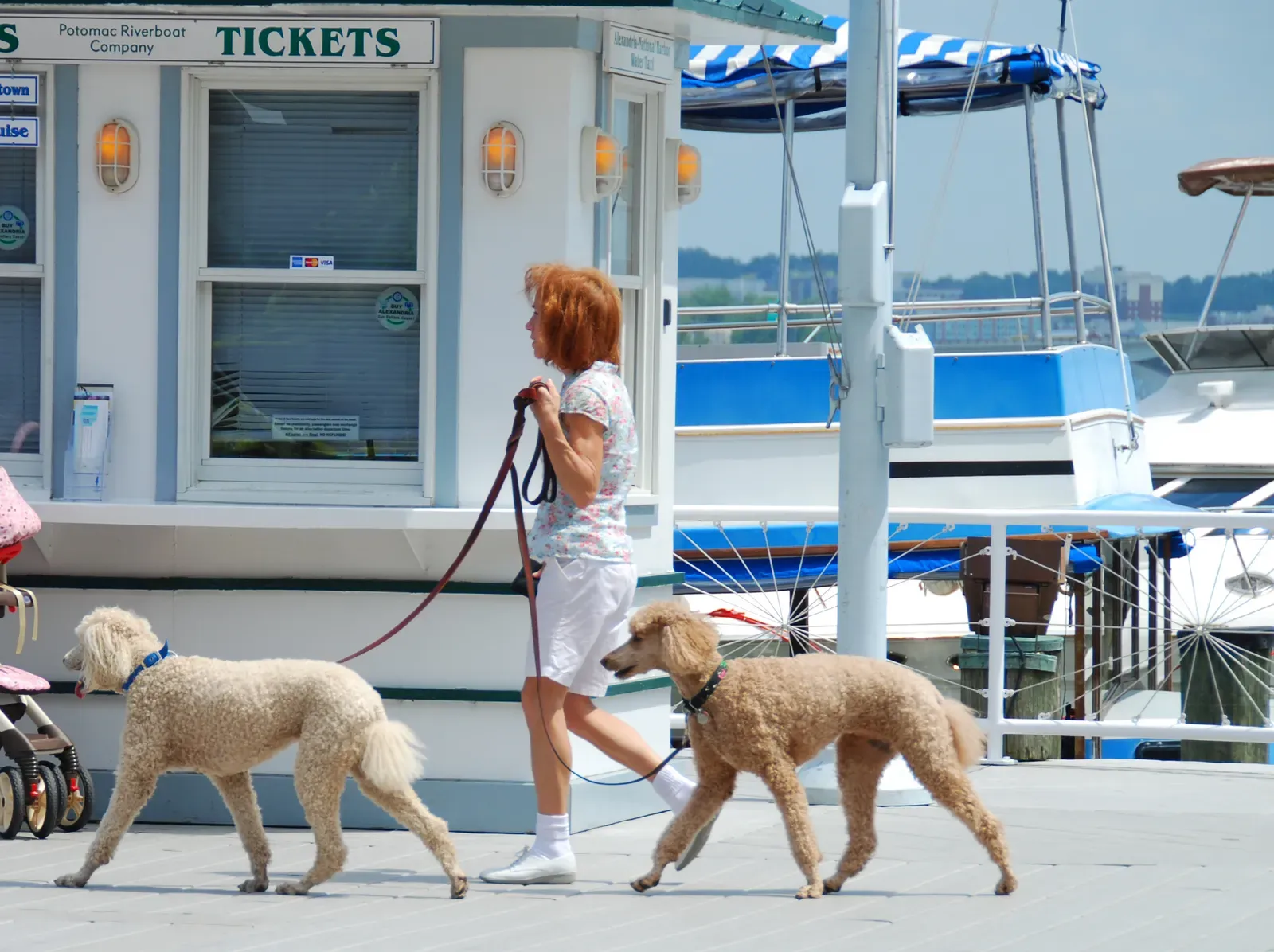
You can whisper, spell out “W-A-L-K,” hide the leash in a drawer across the house – none of it matters. That single metallic click of a clasp snapping onto a collar is one of the clearest, most unmistakable signals your dog will ever learn. For most dogs, it’s pure joy: they’ve heard that click thousands of times right before sniffing the world, meeting other dogs, or finally escaping a boring afternoon.
That click might be the single happiest quarter-second of their whole day. But it can just as easily predict stress. If your dog dreads the vet, struggles with leash reactivity, or only hears that buckle before something scary happens, the same tiny sound spikes anxiety instead of joy. Watch closely next time – does your dog lean in loose and wiggly, or freeze and lick their lips? That reaction tells you more about their real mental state than any smiling photo ever could.
#5 – The Vacuum Cleaner and Other Loud Appliances
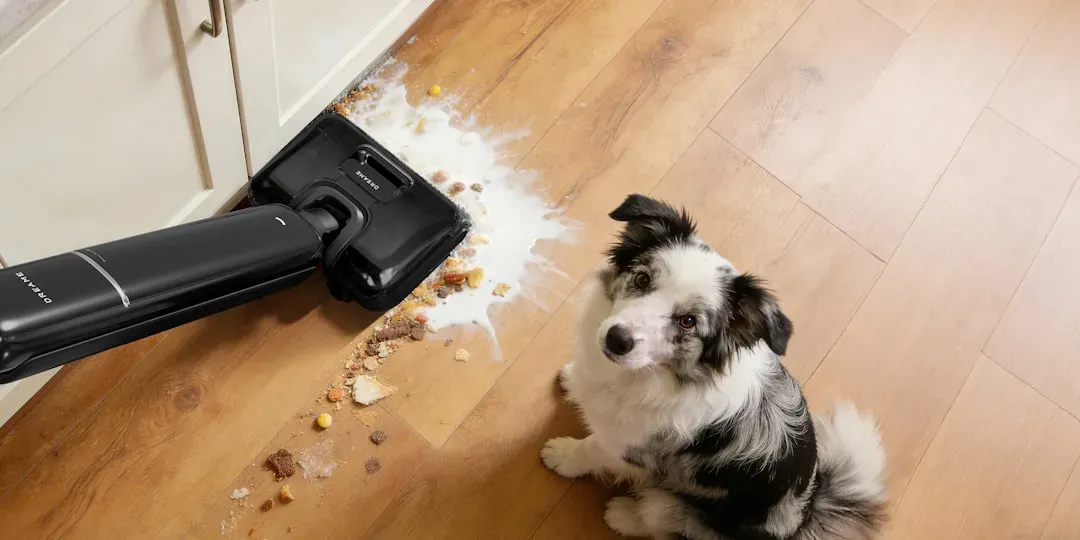
Owners love to joke about “vacuum fear,” but your dog isn’t being dramatic. From their point of view, the sudden roar of a vacuum or blender is a massive, unpredictable predator that appears out of nowhere and invades their safe space. Add in the high-pitched whine many machines produce – sitting right inside a dog’s ultra-sensitive hearing range – and it’s no mystery why so many dogs file this sound under “never fully safe.”
Some dogs never stop side-eyeing the closet where the vacuum lives. Here’s the part people don’t love hearing: chasing your dog with the vacuum “as a joke,” or forcing them to stay in the room, does real long-term damage. You’re not just scaring them for a moment – you’re teaching their nervous system that home isn’t fully predictable. Smart owners manage it quietly instead: a stuffed Kong in another room, some white noise, or slow desensitization using low-volume recordings over time.
#6 – Thunder, Fireworks, and Distant Booms
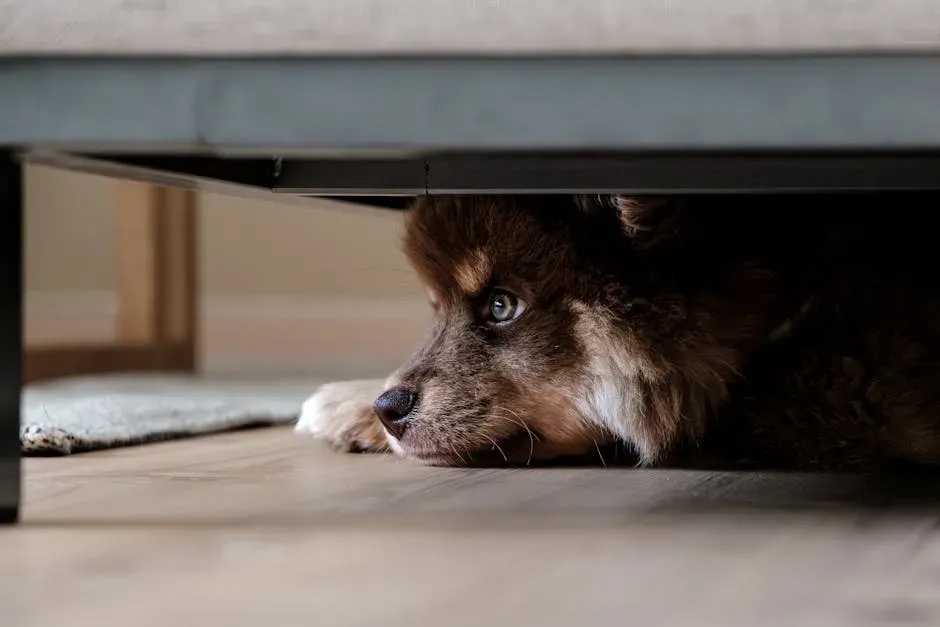
This is the obvious sound-sensitivity category, but the way dogs actually process it is more layered than “loud noise equals bad.” Most dogs don’t panic during their very first thunderstorm. It’s the combination – the booming, the pressure change, the static crackling through their fur, and your own tension – that sticks. After one genuinely terrifying event, like fireworks exploding overhead with nowhere to hide, their brain files every future rumble as a direct threat.
What makes this so brutal is how unpredictable it feels from their side. You can’t show them a firework, explain a weather app, or promise it’ll be over in ten minutes. All they have is pattern recognition – the distant boom, the crackling pop, the sizzling whistle before the bang. Some dogs start panicking hours before the main event because they’ve already learned the early-warning rumble. The saddest part? Many owners don’t notice this trauma forming until years of unaddressed fear have already piled up.
Fast Facts
- A dog’s hearing range extends roughly twice as high as a human’s, making the crackle of fireworks and the low rumble of thunder far more intense up close.
- Storm and firework anxiety are among the most commonly reported noise phobias in dogs.
- Falling barometric pressure before a storm can trigger anxious behavior even before the first boom is heard.
- Safe spaces, white noise, and slow desensitization recordings are frequently recommended tools for easing noise phobia.
#7 – The Sound of Your Phone: Notifications, Ringtones, and Alarms
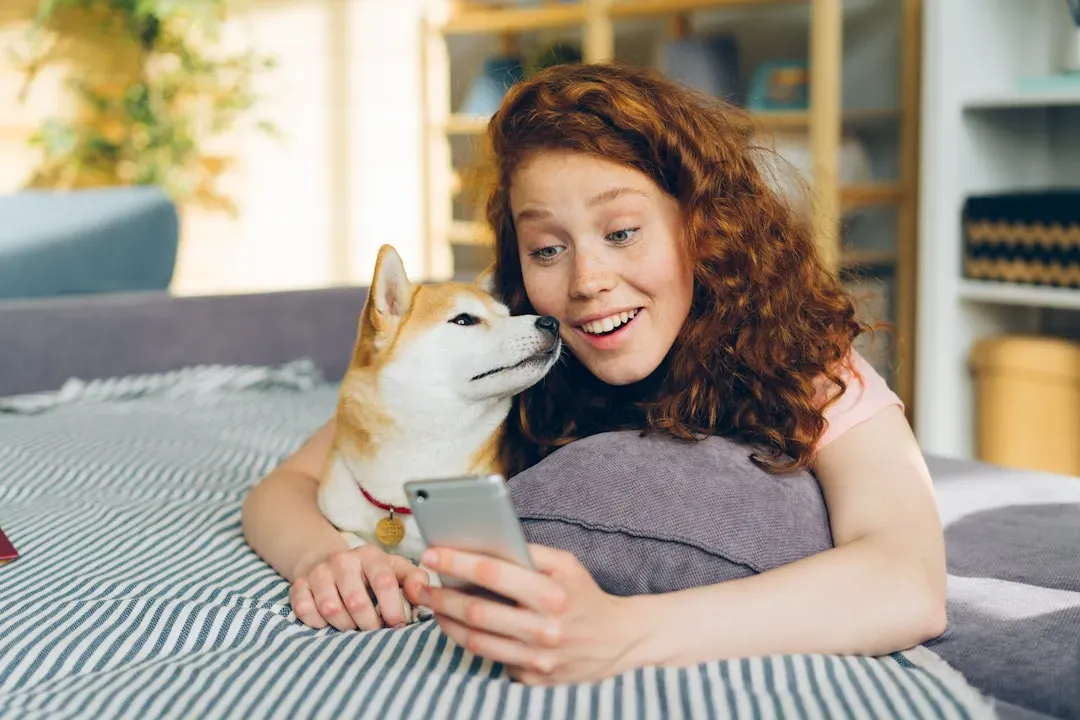
Dogs have no idea what technology is, but they understand perfectly well that your attention vanishes into it. That little ding, buzz, or custom ringtone often means the petting stops, the fetch game stops, the eye contact stops. Over months, they quietly learn the pattern: “That sound steals my human.” For sensitive dogs, phone noises become tiny heartbreaks – micro-rejections stacking up year after year.
On the flip side, plenty of owners accidentally pair phone alarms with good routines – feeding time, morning walks, bedtime cuddles. Those dogs perk up at certain tones because history has taught them something good always follows. It’s also why switching your alarm or notification sound can genuinely throw off your dog’s whole day; they weren’t just hearing noise, they’d memorized the soundtrack of their schedule.
#8 – Kitchen Noises: Knives, Cutting Boards, and Fridge Doors
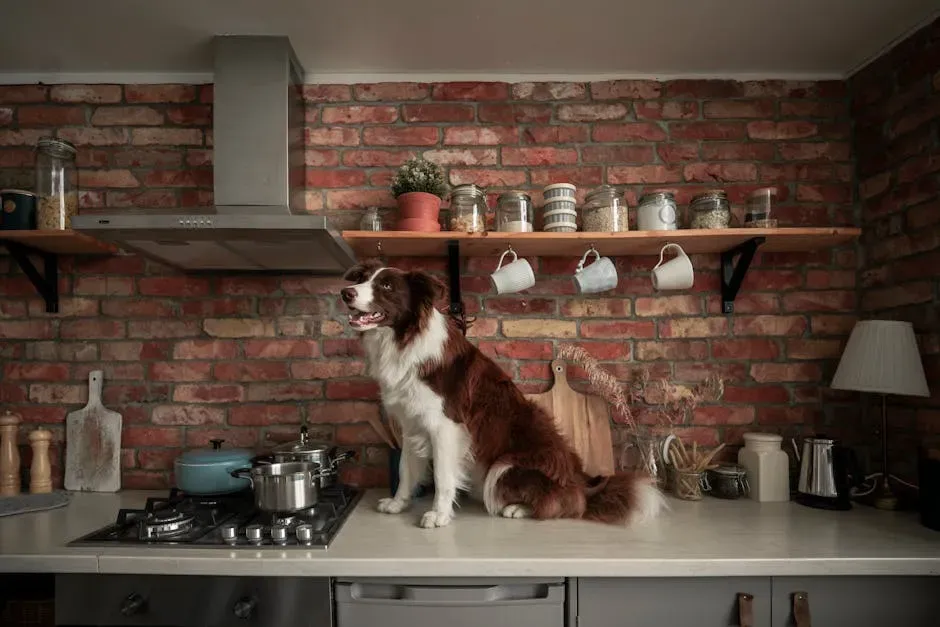
To a dog, the kitchen runs like Vegas – sometimes you win big, sometimes you walk away with nothing. The chopping, the sizzling, the satisfying pop of the fridge seal breaking – all of it becomes part of a high-stakes prediction game. The clack of a cutting board or the scrape of a spoon can turn even the laziest dog into an instant shadow. They’re not just following the smell; they’ve mapped the entire audio pattern of “food might be coming.”
But the details matter more than people think. If you regularly drop or share food while cooking, you’ve trained a professional beggar who will sprint across the house at the sound of a fridge hinge creaking. If you never feed from the counter, your dog might still wander in to “just check” when a pan hits the stove – because dogs are gamblers, and the mere possibility of a payoff is enough to keep them invested. Most owners complain about counter-surfing while completely overlooking the sound cues they trained into the ritual themselves.
#9 – Footsteps, Stairs, and Floorboard Creaks
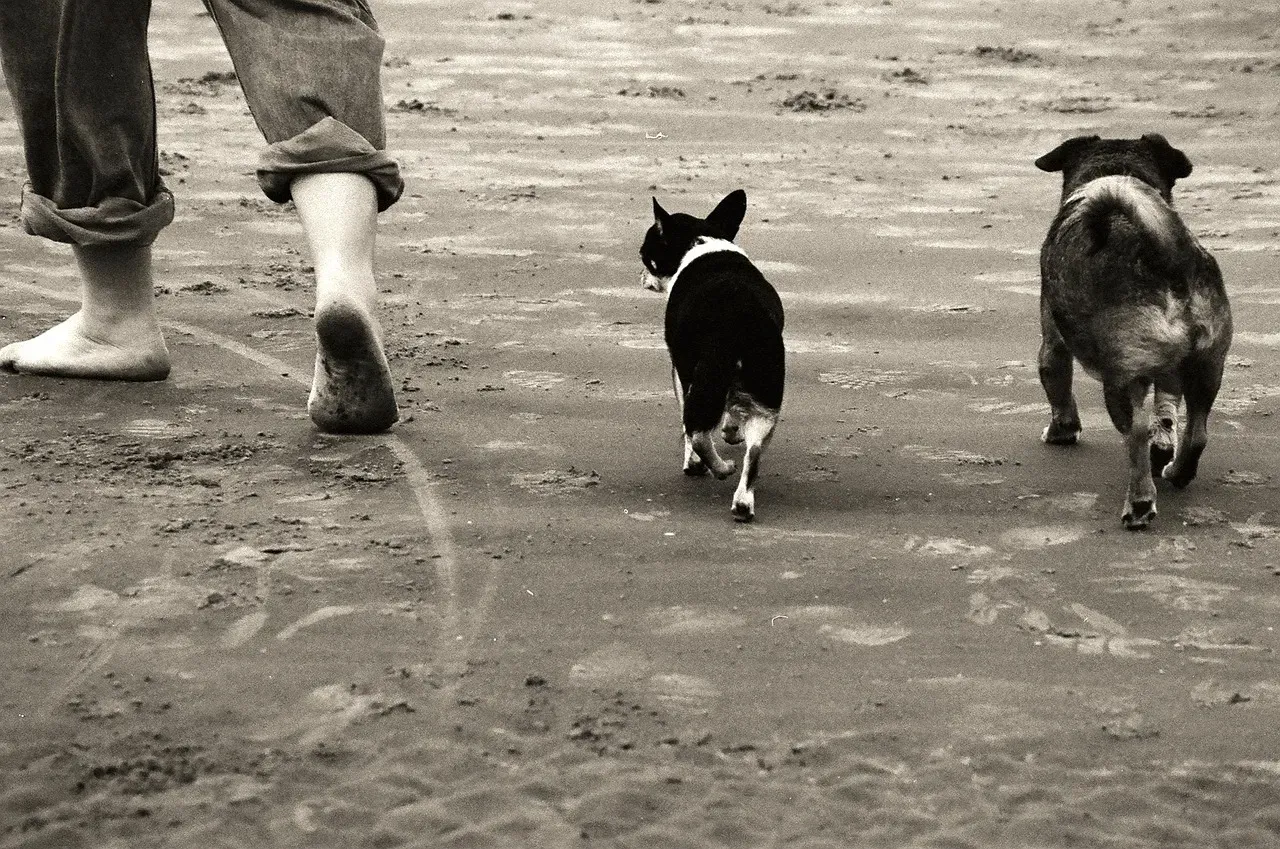
You’d assume your dog recognizes you by smell or sight first, but in most homes, sound wins the race. The rhythm of your footsteps, the weight you put on each stair, even the specific creak of one particular floorboard – your dog has already filed all of it away. That’s why they’re sometimes waiting at the door before you’ve even touched the handle. They heard you coming, specifically, not just “a person.”
This goes deeper than simple affection. Dogs build entire emotional files around each person’s footsteps – the heavy stomp of the kid who plays too rough, the rushed stride of the person who’s always stressed, the slow shuffle of the older relative they adore. Some dogs will hide from one set of footsteps and race toward another, purely based on sound. And moving to a new house doesn’t erase any of it – they simply start mapping fresh echoes onto old emotional memories.
Why It Stands Out
- Dogs can often identify a specific person by footstep sound alone, before ever seeing or smelling them.
- Weight distribution, pace, and rhythm all factor into how a dog “reads” someone approaching.
- Puppies typically start recognizing individual footstep patterns within their first few months in a home.
- This sound-based recognition often persists even as a dog’s hearing starts to fade with age.
#10 – Other Dogs Barking Through Walls or Fences
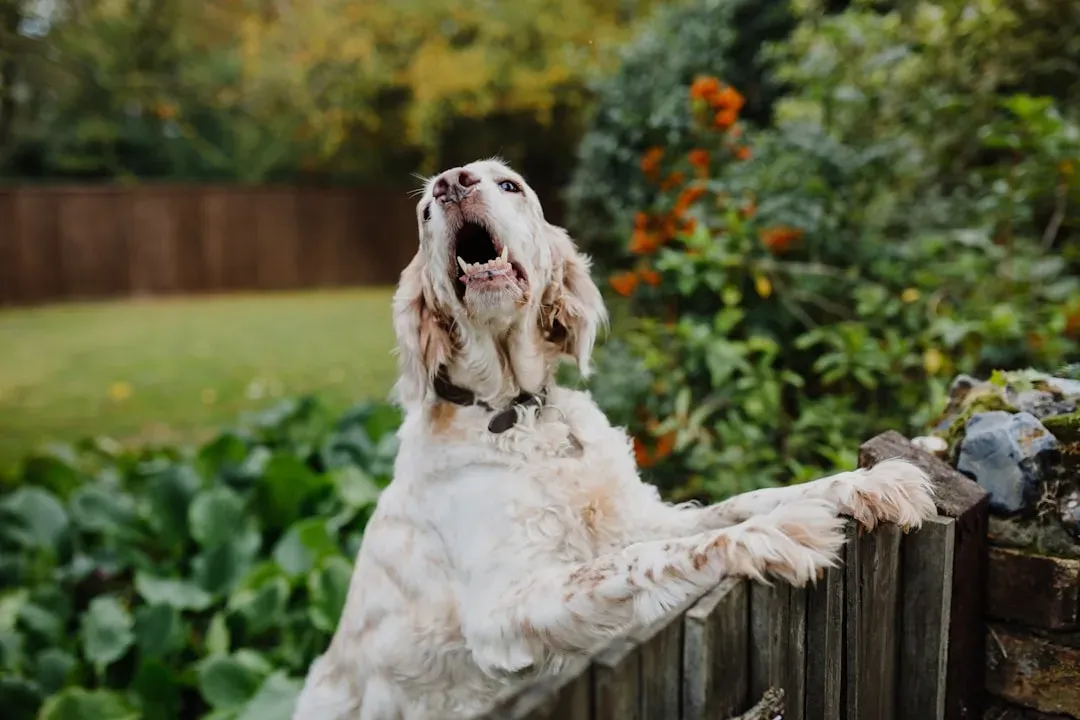
We tend to write off neighborhood barking as background noise, but your dog is hearing a full conversation. Pitch, intensity, repetition – every element carries information. One sharp bark might just mean “heads up.” A rolling chorus at 2 a.m. can read like a full-blown panic chain. Over time, your dog builds a mental map of which dogs are irrelevant static and which ones signal real concern.
Fence-fighting and window-barking are usually born entirely from this sound file. Your dog hears the same neighboring bark followed, every single time, by tension from you – yelling, a leash yanked, being dragged back inside. That bark becomes charged. Even if you block the window completely, the sound alone is enough to flip their system into red alert. Interestingly, the calmest, most stable dogs often come from homes where humans treat outside barking as information instead of drama – a calm check, a quiet acknowledgment, a redirect, instead of matching the panic.
#11 – The Sound of Your Voice in Different “Modes”
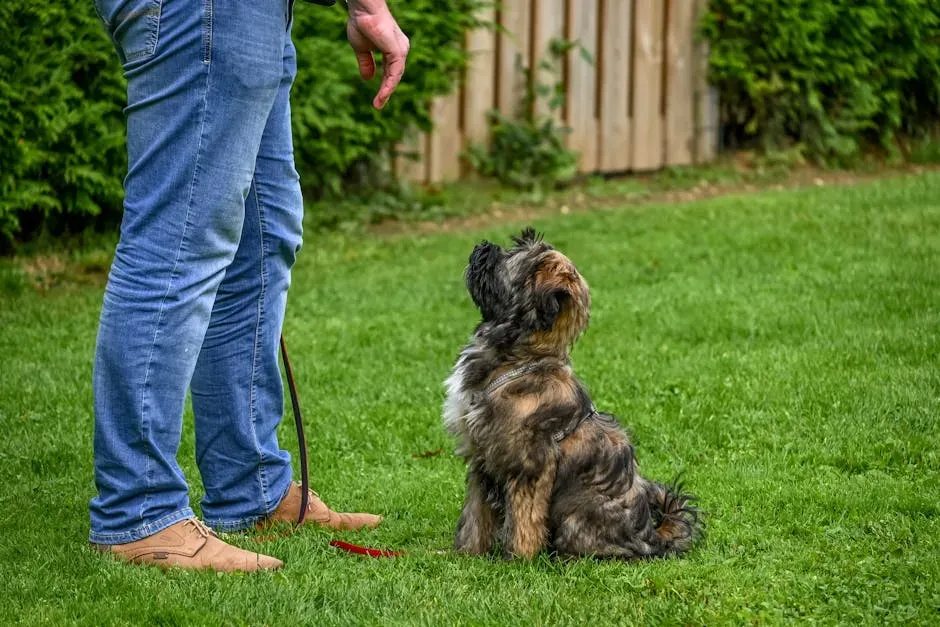
Here’s where it gets a little uncomfortable: your dog pays obsessive attention not just to what you say, but how you say it. They store entire emotional profiles of your voice – cheerful, annoyed, distracted, angry, sing-song, baby talk. Tone, speed, and volume become a personal weather report for their entire day. You’ll forget an argument five minutes after it ends. Your dog remembers how your voice sounded for years.
That’s why some dogs cower at a sharp “No!” even if they’ve never once been physically punished – the sound profile of anger got built, reinforced, and filed under “danger” long ago. Meanwhile, your goofy, high-pitched “good dog!” becomes such a powerful reward that plenty of dogs will work harder for it than for actual treats. The uncomfortable truth? Constant squealing and baby talk can actually over-arouse anxious dogs, while a calm, low, steady tone is usually what makes them feel genuinely safe.
Quick Compare
- Sharp, loud tone: often triggers stress or submissive body language, even without a punishment history.
- High-pitched, playful tone: usually sparks excitement, tail wagging, and eager engagement.
- Calm, low, steady tone: signals safety and reassurance, especially for anxious dogs.
- Flat, distracted tone: can get filed away as “ignored,” slowly lowering engagement over time.
#12 – The Quiet Sounds of Routine: Alarms, Closet Doors, Coffee Makers

The most underrated sounds in your dog’s life are the boring, repetitive ones that mark time – your morning alarm, the whir of the coffee maker, the bathroom fan, the closet door where your jacket hangs. These become the soundtrack of predictability, and dogs crave that more than any fancy toy you’ll ever buy them. When these sounds show up in the same order every day, your dog relaxes because the world finally makes sense.
Watch a sensitive dog on the day your routine falls apart – no alarm, no coffee, suitcase zippers going off at 4 a.m. They’re unsettled before you’ve even stepped outside, because their brain is screaming that the pattern is broken and something big is about to happen. Older dogs cling to these cues hardest of all. Even as their hearing fades, they’ll still react to the faint hum of a familiar coffee grinder or the soft squeak of the back door, because those sounds are tied to years of simply feeling normal. If you want a dog that feels secure for life, protecting these tiny, boring, predictable noises matters more than any new enrichment gadget on the market.
Live with a dog long enough and you realize you’ve been quietly writing a sound-based autobiography into their nervous system the entire time. Keys, vacuums, doorbells, phone dings, distant thunder, the creak of a hallway floor – all of it compresses into emotional shortcuts that fire in a fraction of a second: safety, fear, excitement, or loss.
Your dog isn’t overreacting. They’re reacting exactly the way their history taught them to. And the uncomfortable truth is that we built most of that history ourselves. We laugh off vacuum panic, shrug at door madness, roll our eyes at the “clingy” dog pacing when the keys jingle – but from where they’re standing, we’re the ones ignoring a lifetime of carefully collected evidence. If we’re going to call them family, they deserve better than that.
So here’s the question worth sitting with: which sound has your dog quietly filed away the deepest – and are you actually proud of the one they picked?