
Research Has Confirmed That Dogs Are Uniquely Skilled at Inferring Human Communicative Intent – Understanding That When a Human Points They Are Signaling Relevant Information
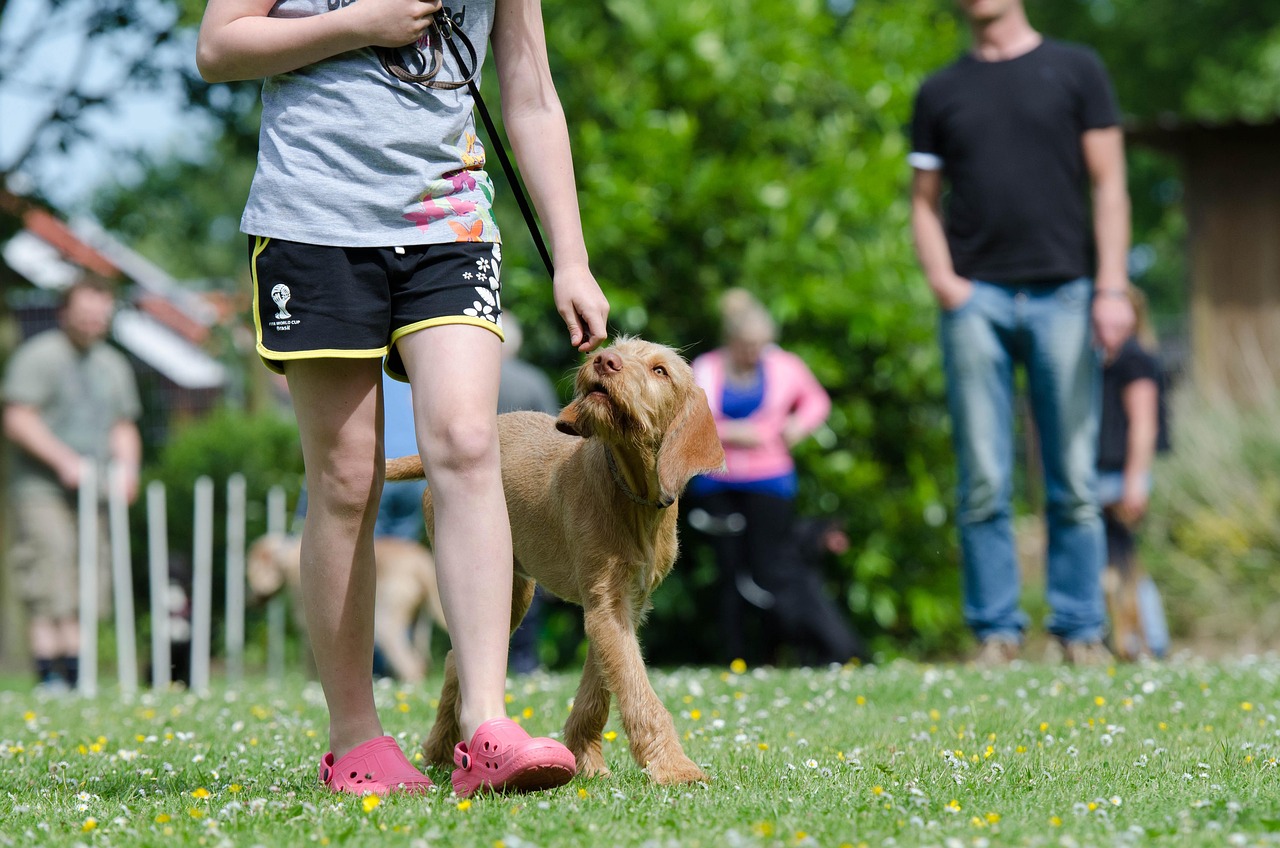
You point at a dropped french fry, and your dog doesn’t sniff around blindly – she goes straight to it, like she read your mind. Most people chalk that up to a good nose or a lucky guess. Scientists who’ve spent twenty years running controlled experiments say you’re wrong, and the real explanation is stranger than “good training.”
Dogs, it turns out, are built to understand that your pointing finger isn’t just a moving object – it’s a message. They read it the way you’d read a text from a friend: as information someone chose to share with you, on purpose. Chimpanzees can’t do this reliably. Wolves raised by loving human families can’t either. So what exactly is going on inside your dog’s head when you lift your arm and point? The answer changes how you’ll look at your dog the next time she checks your face before checking your hand.
#7 – Dogs Beat Chimps and Wolves at Reading the Point
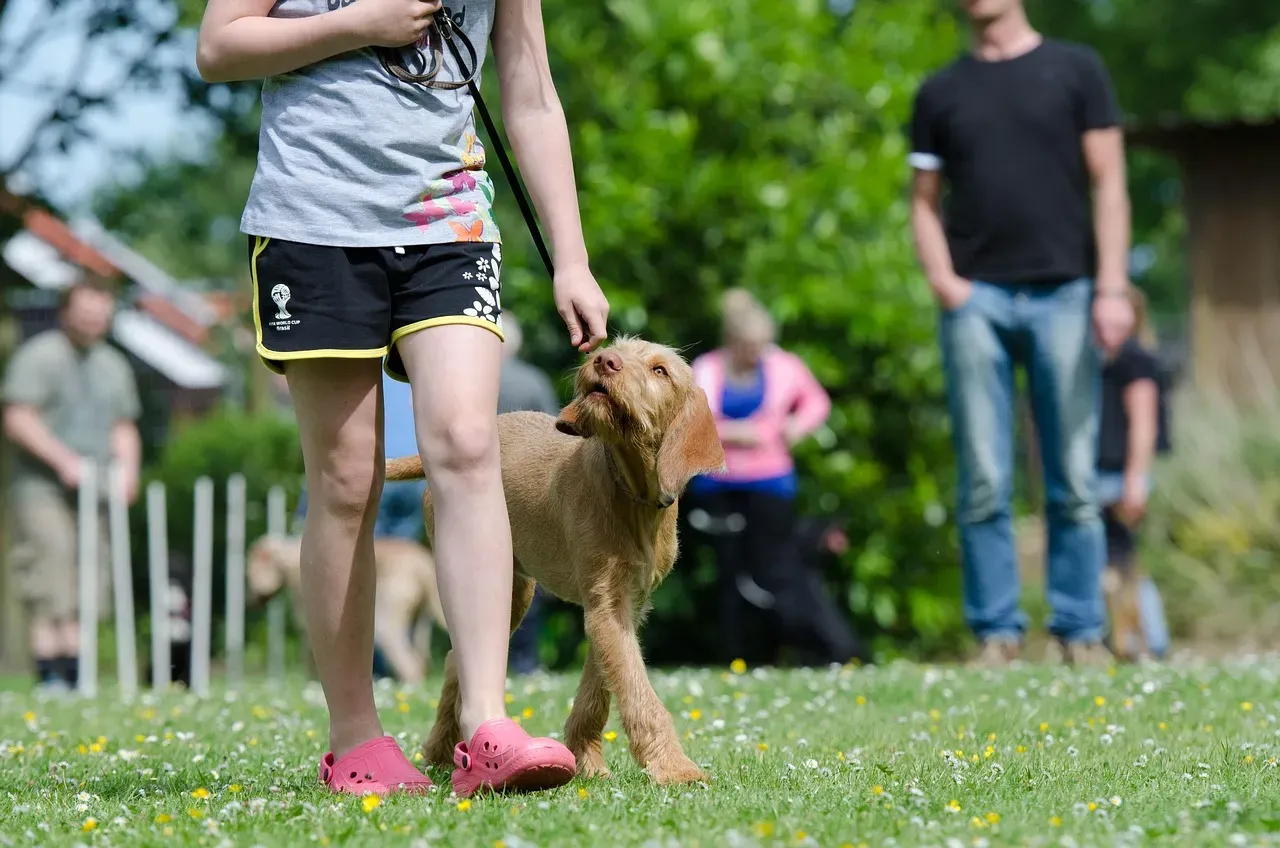
For decades, scientists assumed chimpanzees – our closest genetic relatives – would crush any gesture-reading test we threw at them. They were wrong, and not by a little. In the classic “two-cup” experiment, researchers hide food under one of two containers and point to the correct one. Dogs reliably follow the point straight to the reward, while chimps and even hand-raised wolves usually ignore the gesture or fail outright.
What’s happening isn’t a brainpower contest – it’s social specialization. Dogs act like human gestures were custom-built for them. Many won’t just glance at your hand and lunge; they’ll check your face, then the spot you indicated, almost like they’re double-checking what you mean. Chimps, by contrast, tend to treat a pointing human as competition, not a teammate offering help. Your Lab fetching the right ball off a casual point isn’t cute luck – it’s a deeply wired sensitivity that our closest primate cousins simply don’t have.
Quick Compare
- Dogs: Follow points reliably, often checking the human’s face first before honing in on the spot.
- Chimpanzees: Frequently ignore the gesture or treat the pointing human as a rival rather than a helper.
- Wolves: Struggle with the same task even when raised closely with attentive human caregivers.
#6 – Puppies Understand Pointing Before They Understand Words
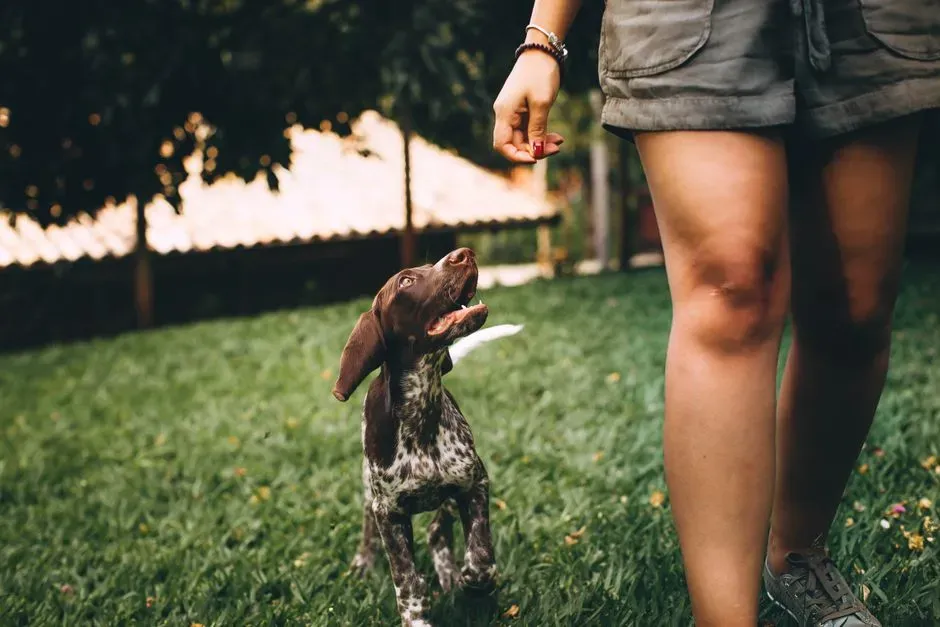
If you assume your dog needed months of obedience class to “get” pointing, the research disagrees. In controlled tests, puppies as young as eight weeks old – with zero training – follow a simple point straight to hidden food. Many nail it on their very first try, as if they showed up pre-wired to read human hands and eyes.
No clickers. No cues. No treats to shape the behavior first. This is a serious problem for anyone insisting “it’s all just conditioning,” because at an age when a human toddler is still babbling, a puppy already grasps that a pointing finger refers to something else entirely – not to itself. That’s the whole core of communicative intent: the human isn’t just moving, the human is telling. Watch a brand-new puppy instantly follow your point toward a dropped toy, and you’re watching millions of years of evolution cash out in your living room.
Fast Facts
- Puppies as young as eight weeks old can follow a human point straight to hidden food.
- Many succeed with no prior shaping, clicker work, or treat-based training.
- The skill shows up long before puppies master other complex problem-solving tasks.
#5 – It’s Not the Finger, It’s the Intention Behind It
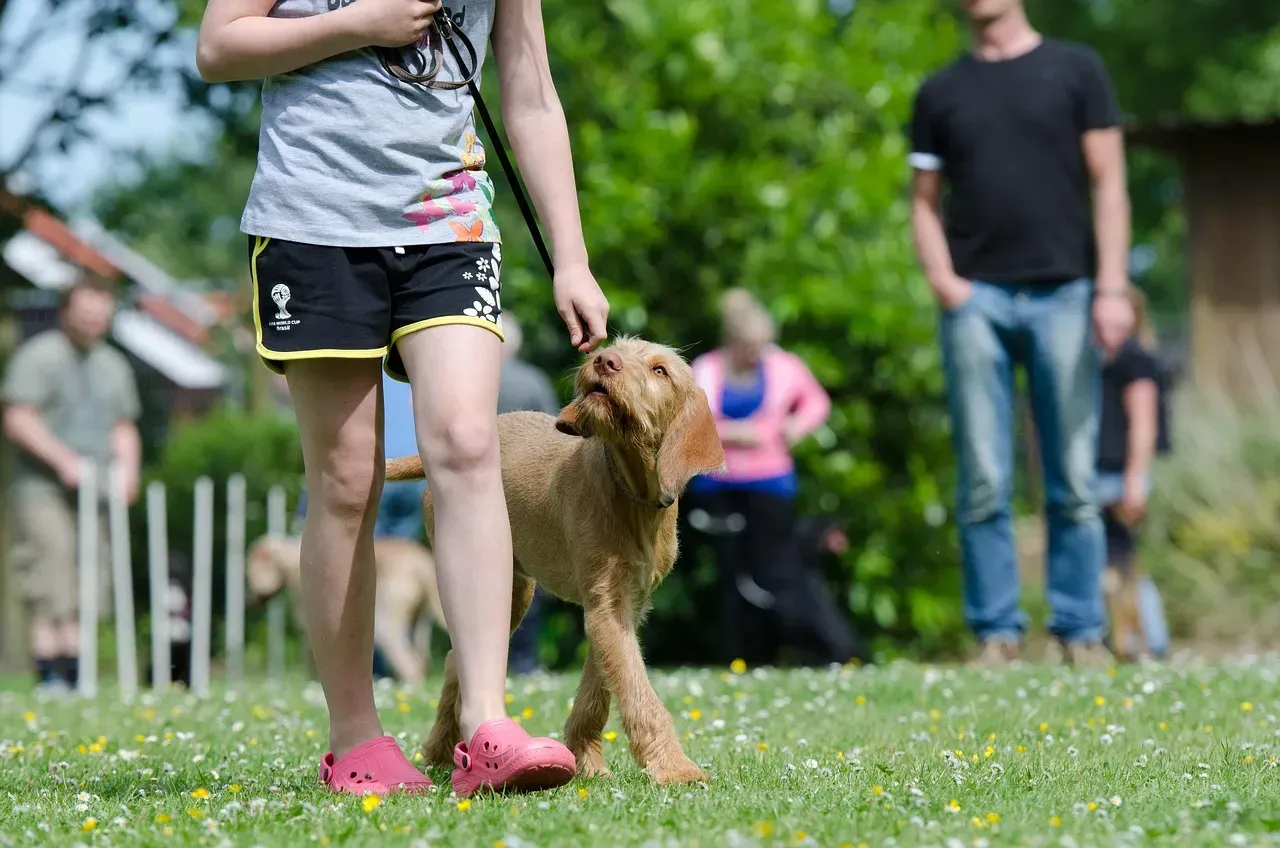
Skeptics love to argue dogs are just conditioned to move toward the nearest human motion. Experiments have quietly dismantled that idea. Researchers point long-distance, cross-body, same-side, even with a leg or just a glance. Dogs treat all of these wildly different gestures as the same kind of informative signal – they don’t need a cartoon-perfect index finger to know what’s going on.
Even more telling: dogs seem to track why you’re pointing, not just where. If a person points misleadingly, many dogs hesitate or glance back at the human, almost confused, as if a promise just got broken. In some studies, when a person clearly watches food get hidden and then points, dogs follow with total confidence. When that same person appears ignorant of where the food went, dogs trust the point far less. That distinction – is this person actually informing me, or just moving their arm? – is precisely what scientists mean by inferring communicative intent. Your dog isn’t chasing fingers. She’s judging whether you’re genuinely trying to help her.
#4 – Domestication Rewired Dogs to Care What We Mean
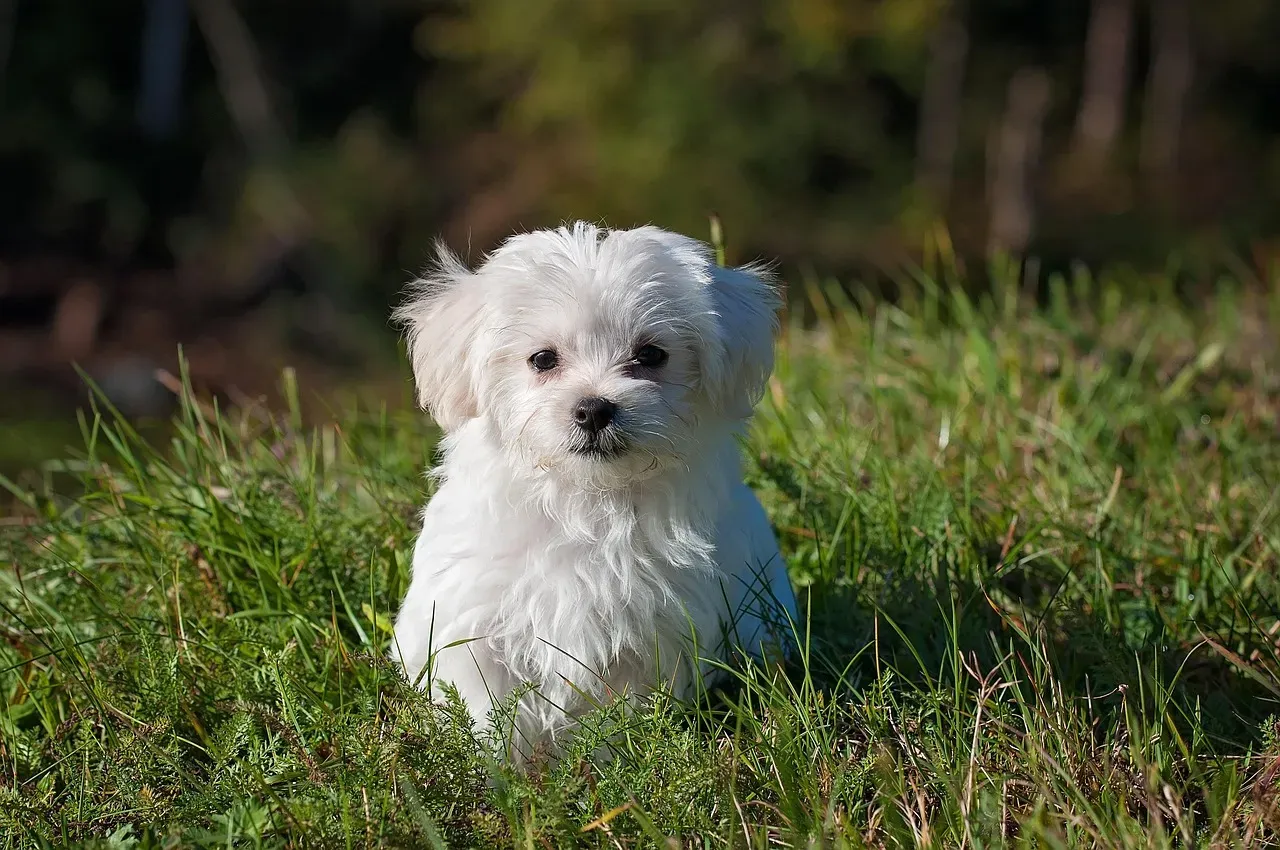
Here’s the part that stirs up real debate: many researchers now argue dogs’ social genius isn’t an accident of living in our homes – it’s a direct product of domestication itself. When early humans favored calmer, more cooperative wolves, they weren’t just selecting for tameness. They were unintentionally selecting for brains wired to interpret human signals, generation after generation.
The proof is uncomfortable for wolf-lovers: even wolves raised from birth by attentive, affectionate humans are far worse at using a point to find hidden food than dogs are. They can be tame. They can be deeply bonded to their handler. They still don’t automatically treat a gesture as “information meant for me.” Dogs walk into these tests like they’ve been waiting their entire evolutionary history for the chance. They aren’t dumbed-down wolves – they’re specialists. It’s the biological equivalent of building a wireless connection between two species.
Worth Knowing
- Domestication began thousands of years ago as humans favored calmer, more people-oriented wolves.
- Selecting for tameness appears to have also selected for heightened sensitivity to human gestures.
- Hand-raised wolves living closely with humans still lag noticeably behind dogs on point-following tasks.
#3 – Dogs Understand That a Point Means “This Matters to You”
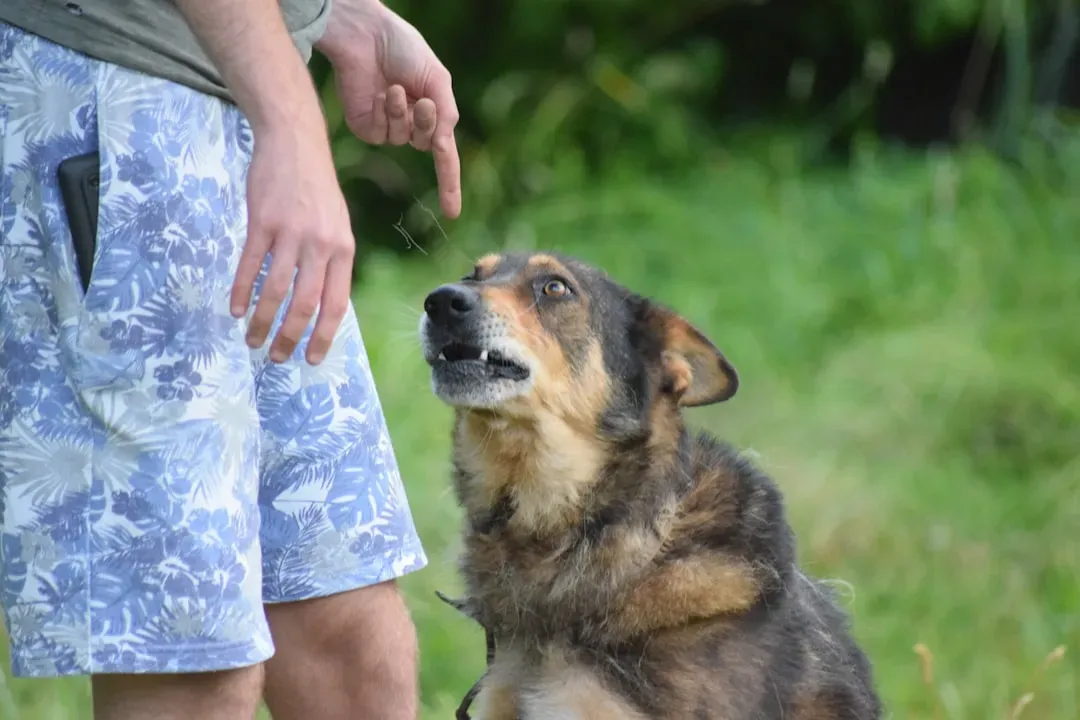
Here’s the wild part: dogs don’t follow points mechanically like a GPS instruction. They treat them as a promise of relevance. When you point, your dog behaves as though the spot you’re indicating must contain something that matters – not just anything, but something for her specifically. In experiments, dogs follow points far more eagerly when the payoff is food or a valued object, and lose motivation fast when the outcome is meaningless.
Picture it in your own kitchen. You point at a dropped piece of chicken, and your dog zeroes in instantly. You point at an empty corner of the counter, and she still searches, convinced something has to be there – because you pointed. She’s not reading your hand as random motion. She’s reading it as a hint about the world: “there is something here for you.” That built-in assumption that your gestures carry purpose is exactly what makes this different from a trick. Dogs are biased, from the start, to believe you point with meaning.
#2 – Context Matters: Dogs Track Your Eyes, Voice, and Body Language
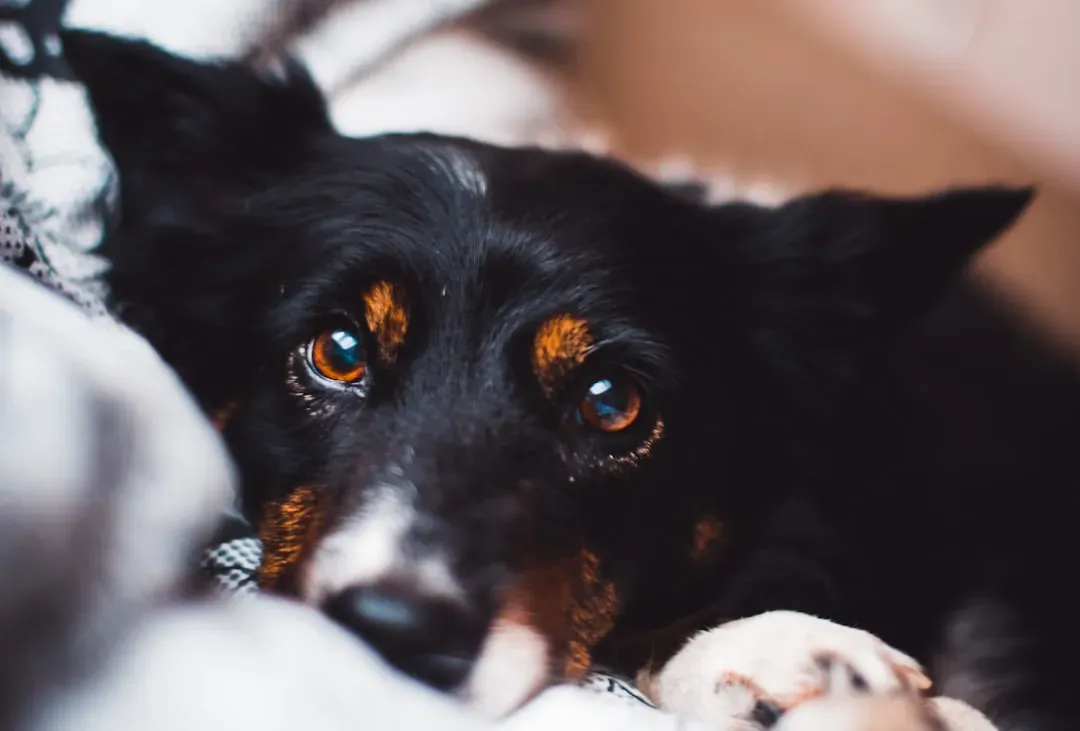
Most people assume the finger is doing all the heavy lifting. The research says the finger is just one piece of a much bigger puzzle. Dogs are watching everything – your eyes, your posture, the tone in your voice. In some setups, when a person points one way but looks another, dogs get visibly conflicted, and many default to trusting the eyes over the hand, especially if gaze has proven reliable before.
This is where dogs quietly out-perform even apes at something scientists call “triadic communication” – you, your dog, and an object out in the world, all connected. Dogs will glance back and forth between you and something they can’t reach, essentially saying, “Do you see that? Help me.” The moment you point to help, they connect the dots almost insultingly fast. Pointing is just one tool in a much larger dog-human language, which also includes:
- Eye contact and where your gaze lingers
- Vocal tone – excited, warning, casual, urgent
- Body posture and the direction you’re leaning or moving
Your dog is constantly cross-referencing all of it to figure out what you actually intend. That’s why even a lazy, half-hearted point still works on her.
#1 – Dogs Treat Us as Cooperative Partners, Not Just Food Dispensers
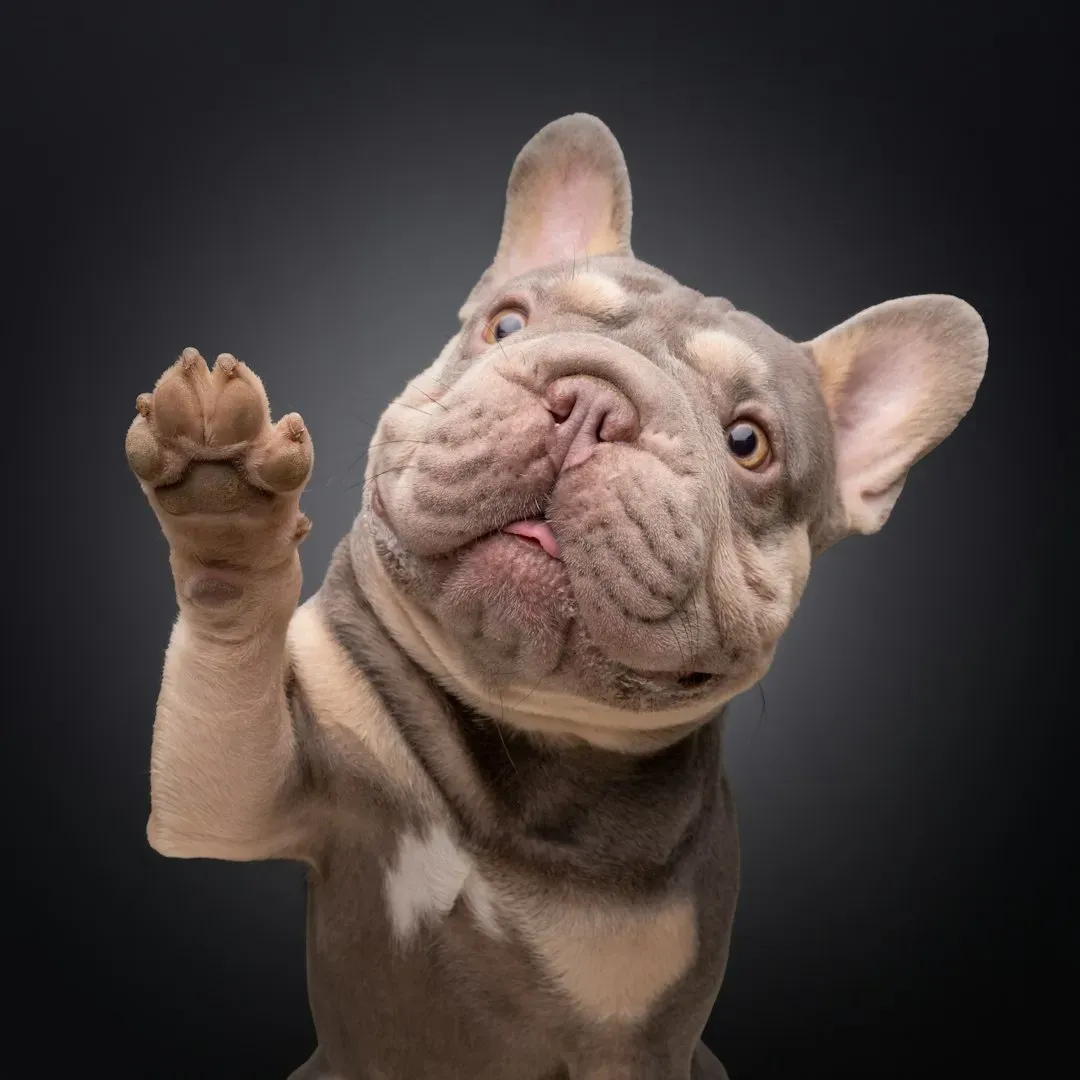
Here’s the most underrated finding in the entire body of research: dogs behave as though humans are inherently cooperative informants, not rivals. In point-following studies, even when dogs could theoretically solve the puzzle using smell alone, many still lean on the human’s point – sometimes choosing the container their owner indicated over the one that actually smells stronger of food. It’s as if dogs simply trust that when we point, we’re trying to help them.
That trust is not a small thing biologically. Wolves generally treat others as competitors around food. Chimpanzees often do the same. Dogs, uniquely, act like we’re on the same team, sharing information toward a common goal. It explains behavior owners usually write off as “clingy”: your dog checking where you’re walking, freezing when you look alarmed, scanning the exact direction your arm is pointing instead of searching at random. She isn’t just attached to you. She’s expecting you to communicate something useful, and she’s actively trying to interpret it. In cognitive science terms, she isn’t reading a signal – she’s reading you. That’s the real superpower nobody puts on a dog food commercial.
Why It Stands Out
- Dogs sometimes choose a human-indicated container over one that smells more strongly of food.
- Wolves and chimpanzees generally treat other individuals as competitors around food, not informants.
- Dogs appear to expect cooperative, useful information from humans rather than rivalry.
Strip away the cute Instagram captions, and the science lands hard: your dog is not simply a pet with decent hearing. She’s a species that evolution quietly sculpted, over thousands of years, to lock onto human intent – outsmarting chimpanzees at pointing tasks, showing sensitivity to gestures before she can even walk steadily, and treating your casual arm movements as promises worth trusting.
That doesn’t mean she understands every word you say, or never misreads a confusing signal. But it does mean the pointing, the eye contact, the tone shift in your voice – none of that is a party trick. It’s a real, working cross-species communication system, built by evolution and running quietly in your living room every single day. Anyone still insisting “it’s all just conditioning” isn’t just wrong – they’re underestimating the animal sitting at their feet. The harder question now is whether we’re actually holding up our end of the conversation, or just assuming our dogs will keep figuring us out no matter how sloppy our signals get.