
10 Things Your Dog Notices About You on the Days You’re Not Quite Yourself
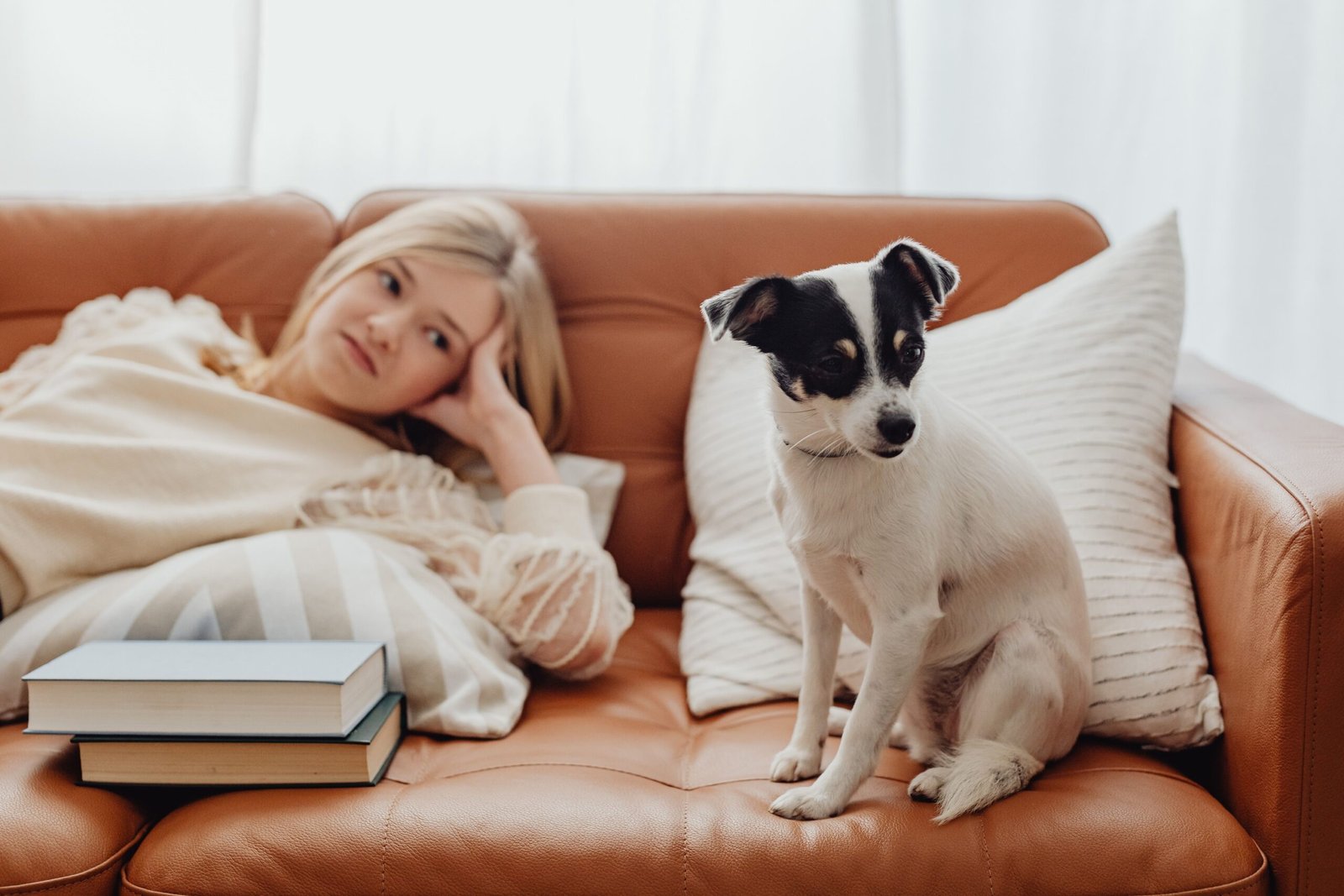
Some days, you’re just… off. Maybe nothing is dramatically wrong, but you feel slower, heavier, distracted, or quietly upset. What’s wild is that while you’re busy pretending everything is fine, the one creature in your house who’s absolutely not buying it is your dog. Your dog reads you like a book you’ve left open on the table.
Dogs live in a world of patterns, scents, micro-movements, and tones. When any of those shift, even slightly, they clock it. They may not know you had a bad meeting or a rough night’s sleep, but they know your energy is different. And on those not-quite-yourself days, they start responding in ways that are surprisingly specific once you know what to look for.
Your Dog Notices When Your Routine Is Even Slightly Off
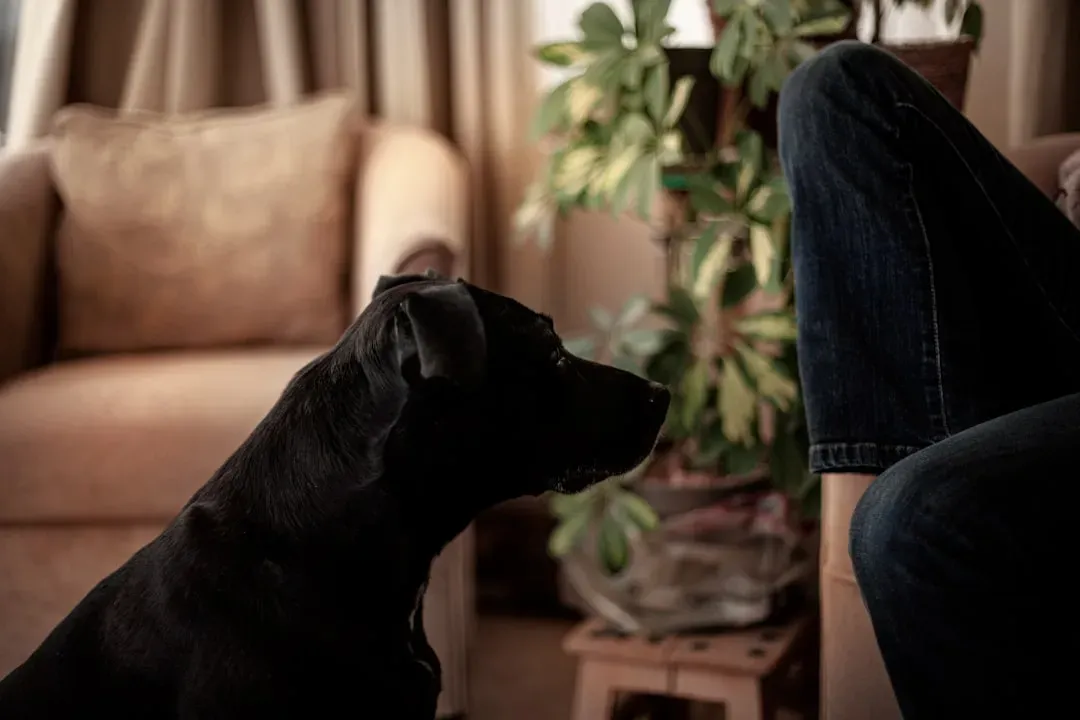
On the days you’re not quite yourself, one of the first things your dog picks up on is your broken routine. Maybe you wake up later, skip the usual morning walk, move slower making coffee, or forget that silly little song you always sing when you put their food down. This might not feel huge to you, but to a dog who orients their whole world around predictability, it’s a flashing neon sign that something is different.
Many dogs will respond to this disruption with either clinginess or restlessness. You might find them pacing more, watching you from doorways, or hovering right under your feet in the kitchen like a furry shadow. They’re not being annoying; they’re trying to understand why their safe, predictable script suddenly changed and what it means for you – and for them.
Your Dog Hears the Change in Your Voice
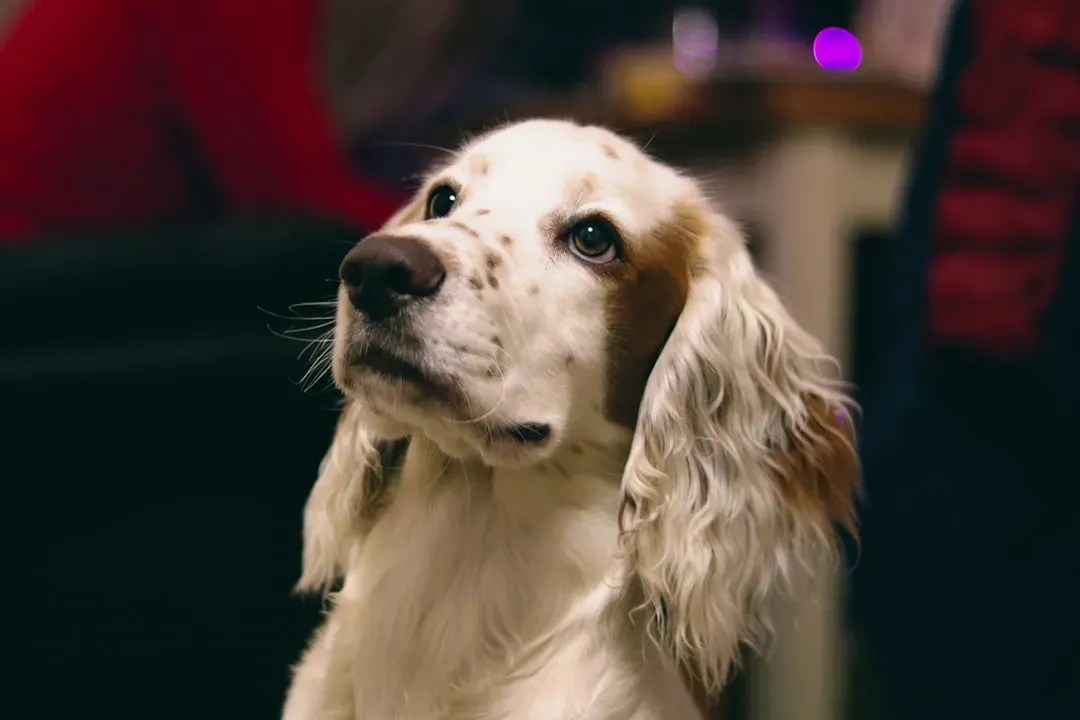
You can paste a smile on your face, but your voice almost always gives you away. On off days, your tone is often flatter, softer, sharper, or strangely quiet. Dogs are specialists in vocal tone; they’ve evolved alongside humans to respond more to how something is said than to the words themselves. So when “Hey buddy!” comes out slower, weaker, or not at all, they feel that difference in an instant.
Some dogs respond by tilting their heads, staring closely at your mouth, or nudging your hand as if to say, “Say something the usual way again.” Others may retreat a little if your voice has a more tense, frustrated edge, even if you’re not mad at them. That shift in sound maps directly to their sense of emotional safety, so they’re constantly listening for those subtle cracks in your tone that even you might ignore.
Your Dog Feels Your Energy in Your Movements
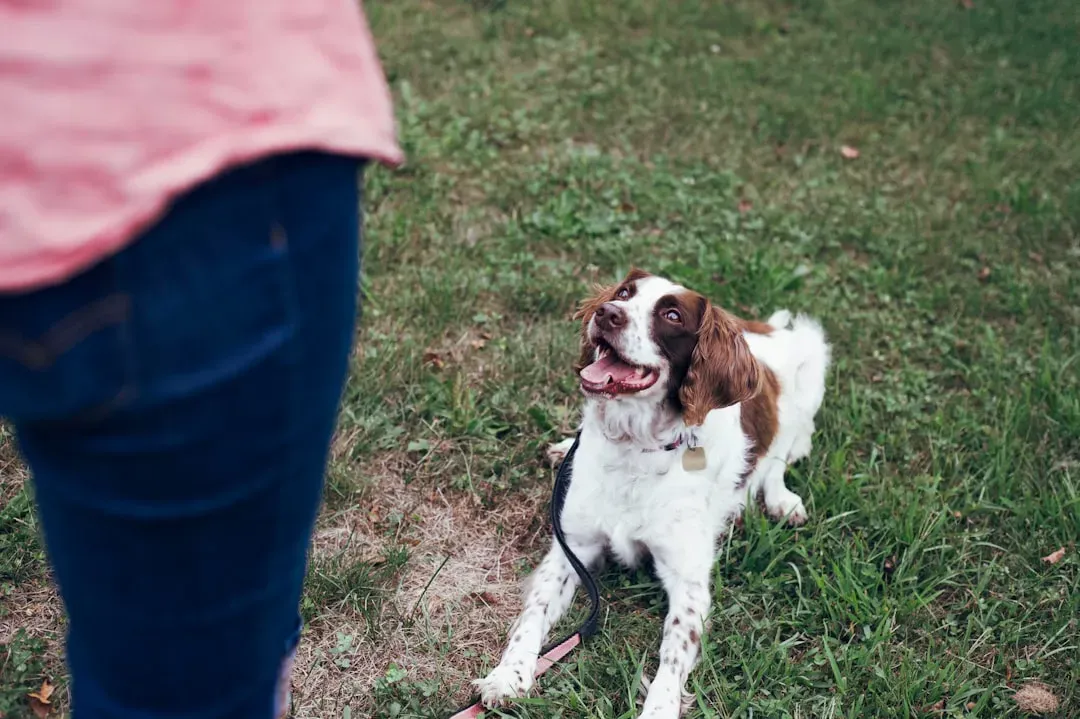
Dogs are incredible observers of body language; they notice when your shoulders are more slumped, when your steps are heavier, or when you move with an unusual kind of rushed stiffness. On a normal day, you might walk with a little bounce, bend down easily to pet them, or gesture more freely. On a not-quite-yourself day, you might shuffle, avoid eye contact, or move in a slower, more fragmented way.
Your dog registers these changes as emotional data, not just physical. They may respond by slowing their own pace, lying closer to you, or carefully watching every time you get up, almost like they’re keeping guard. If you’re especially tense, some dogs will give you space, while others lean even closer, putting weight against your legs or lying across your feet like a living, breathing paperweight to steady you.
Your Dog Smells the Chemicals of Your Stress
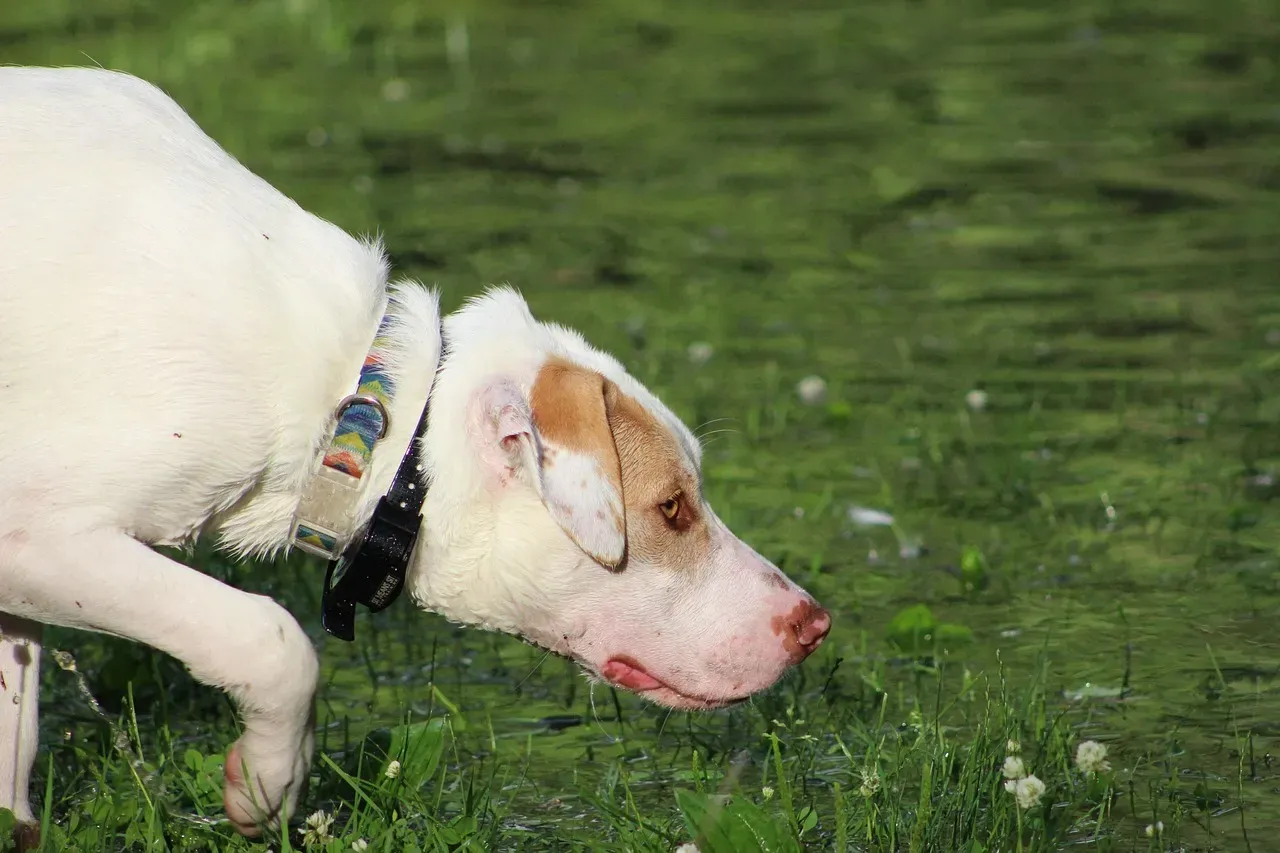
This is the part that feels almost supernatural: your dog can literally smell that you’re not okay. When you’re stressed, anxious, or sad, your body chemistry shifts – hormones like cortisol and adrenaline rise, sweat composition changes, and even your breath can take on a different scent. Dogs have a sense of smell that is vastly stronger than ours, and they’re able to pick up those subtle changes even when you’re trying to keep it together on the outside.
Some dogs will come closer and sniff your face, hair, or clothes more than usual, like they’re checking your “status.” Others may react with agitation or alert behavior because your scent is telling them something is wrong, even if the room is quiet. You might think you’re perfectly contained, but to your dog, your stress has a smell, and on those off days, you carry it around like an invisible cloud.
Your Dog Sees You Ignoring Their Usual Signals
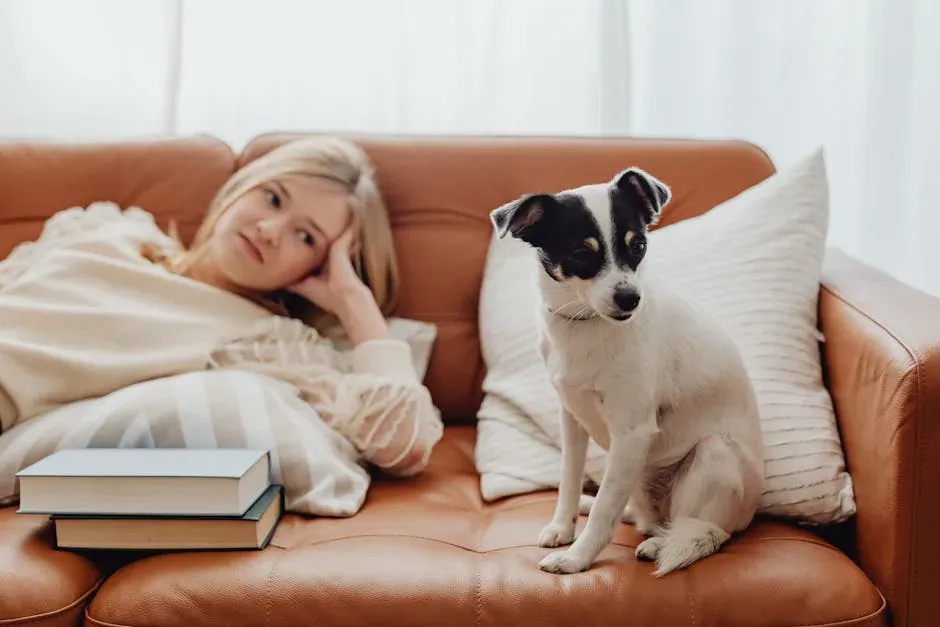
On regular days, you probably respond automatically to your dog’s little cues: the way they drop a toy at your feet, stretch and smile at you, or tap your leg with a paw when they want attention. When you’re not yourself, you might miss or ignore these tiny invitations to connect. You scroll past their hopeful stare, you give a half-hearted pat instead of real affection, or you say “not now” without looking up.
Dogs absolutely notice when their normal signals suddenly stop working. Some will try harder – bringing more toys, jumping up more, nudging you again and again. Others will quietly back off and just watch you from a distance, their eyes following you around the room. They are reading your unresponsiveness as a piece of the emotional puzzle: something in you is preoccupied, and their usual way of reaching you is hitting a wall.
Your Dog Registers the Silence Between You
We tend to underestimate how much we “talk” to our dogs without thinking. Little comments, random observations, silly nicknames, those throwaway remarks while you move around the house – all of that creates a familiar soundtrack of connection. On days when you withdraw into yourself, that soundtrack goes quiet. The silence becomes heavy, and your dog feels it.
Some dogs will break the silence by barking unexpectedly, whining softly, or bringing you something as if to restart the conversation. Others simply come lie nearby, matching your stillness but not leaving you alone in it. That quiet gap between your usual chatter and today’s silence is meaningful to them, and they fill it the only way they know how – with presence.
Your Dog Notices When You Touch Them Differently
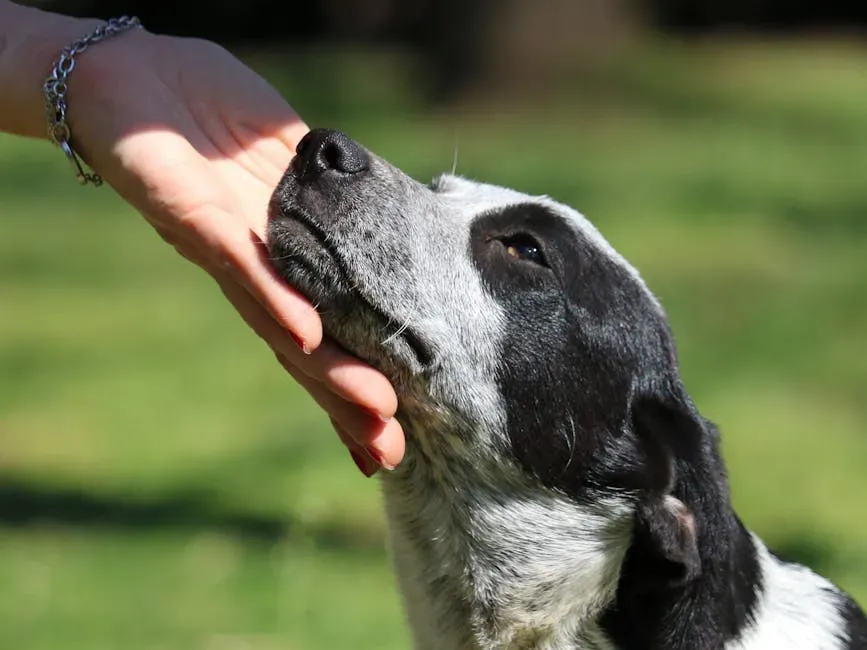
Touch is a language, and dogs are fluent in it. On good days, your touch might be playful, consistent, and warm: scratching that favorite spot behind the ears, rubbing their chest, or burying your hands in their fur. On your off days, even when you do reach out, your touch can be lighter, distracted, shorter, or a bit mechanical, like your mind is somewhere else entirely.
Dogs feel this difference with startling clarity. Some will gently press into your hand, asking for that deeper, more grounded contact you usually give. Others may pull back if your touch feels tense or abrupt, sensing that your body is on edge. It isn’t that you’re failing them; it’s that the quality of your connection has shifted – and for a dog who lives through physical closeness, that’s a big emotional indicator.
Your Dog Tracks the Way You Use Space at Home
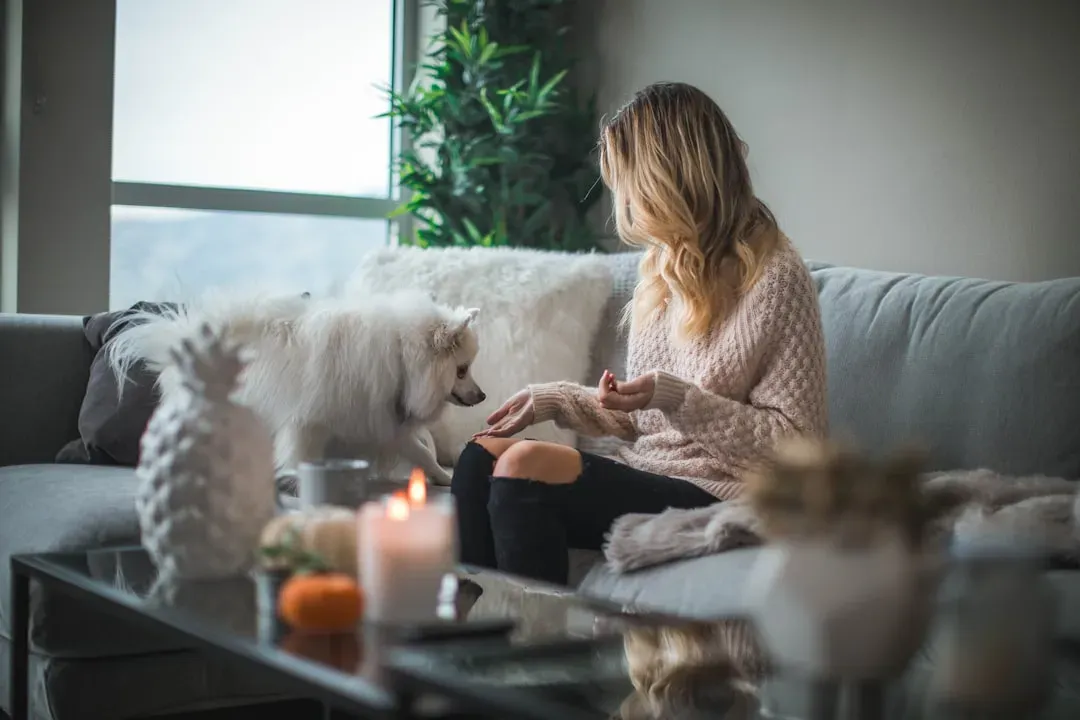
Think about how you normally move through your home on a typical day: maybe you drift from couch to kitchen, spend time at a desk, get up frequently, putter around. On the days you’re not quite yourself, you might stay in bed longer, collapse on the couch for hours, or hide out in a separate room with the door half-closed. To your dog, this is a huge change in the map of their world.
Many dogs respond by anchoring themselves to whichever space you’ve chosen, even if it’s not their favorite spot. If you rarely hang out in your bedroom during the day but suddenly spend the afternoon there, don’t be surprised if your dog curls up on the floor beside your bed or keeps walking in to check on you. They know you’re not in your normal places, and their instinct is to follow the shift and quietly guard it.
Your Dog Reacts to Your Screen-Time and Distraction
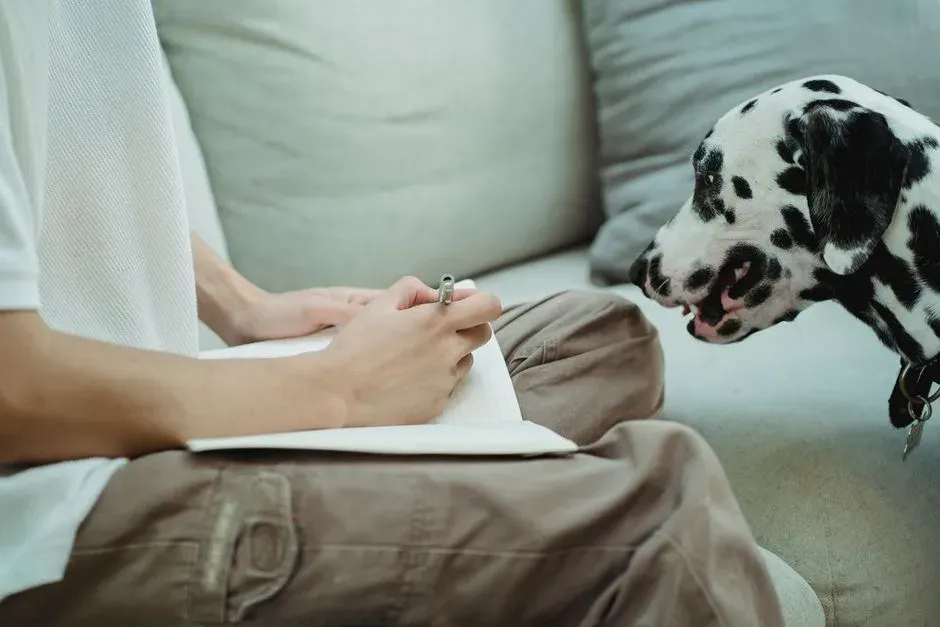
On off days, it’s common to disappear into your phone, laptop, or TV as a way to escape. Your dog may not understand what a screen is, but they absolutely understand when your attention disappears into that glowing rectangle. If you’re scrolling more, zoning out, or barely looking up, they notice the emotional distance long before you admit you’re spiraling.
Some dogs respond to this disconnection by putting themselves between you and the screen, nudging your hand, pawing your leg, or even dropping a toy right on your keyboard. Others may just sigh, settle nearby, and wait you out, their eyes flicking between your face and the device. They are quietly measuring how present you are, and on the days when your attention feels miles away, they register that as another sign something inside you is off.
Your Dog Senses When You Need Comfort More Than Structure
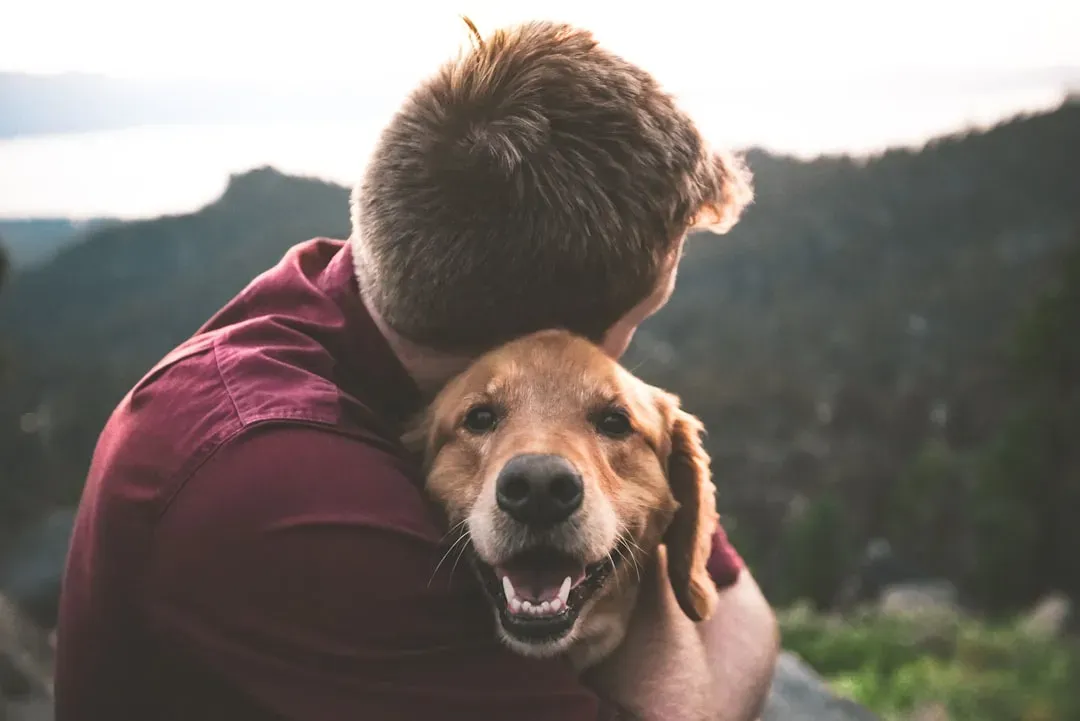
There are days when your dog seems to magically know whether to demand the usual routine or simply curl up next to you and let everything slide. On the days you’re not quite yourself, many dogs will soften their demands: the walk might be shorter, the playtime less pushy, the energy a little gentler. It is as if they recognize that what you need in that moment is comfort over activity, presence over structure.
You might notice them choosing to lie pressed against your side, resting their head on your lap, or quietly following you from room to room without asking for much. They are responding to the total mix of your signals – your tone, scent, movement, and silence – and adjusting their own behavior to match. In a way, they are doing what we wish more humans did: reading the room, noticing you’re not okay, and simply staying, without needing you to explain why.
Conclusion: Your Dog Is Reading the Story You Don’t Say Out Loud
The more you pay attention, the harder it is to pretend that your dog is just reacting randomly. They are tracking the story of your inner life through every shift in your routine, your tone, your scent, your touch, and your presence. On the days you are not quite yourself, they are often the first to notice and the least confused about what to do: stay close, stay watchful, and keep loving you in the most ordinary, steadfast ways.
In my opinion, one of the most underrated forms of emotional support is simply recognizing how tuned-in our dogs already are. They are not a replacement for therapy or real help, but they are a mirror for when we’re drifting too far from ourselves. Maybe the kindest thing we can do – for them and for us – is to listen back when they start acting a little different around us and ask, “What is my dog seeing in me today that I’ve been trying to ignore?”