
Your Dog Knows the Sound of Your Car Before You Reach the Driveway – And Their Reaction Says Plenty About What You Mean to Them
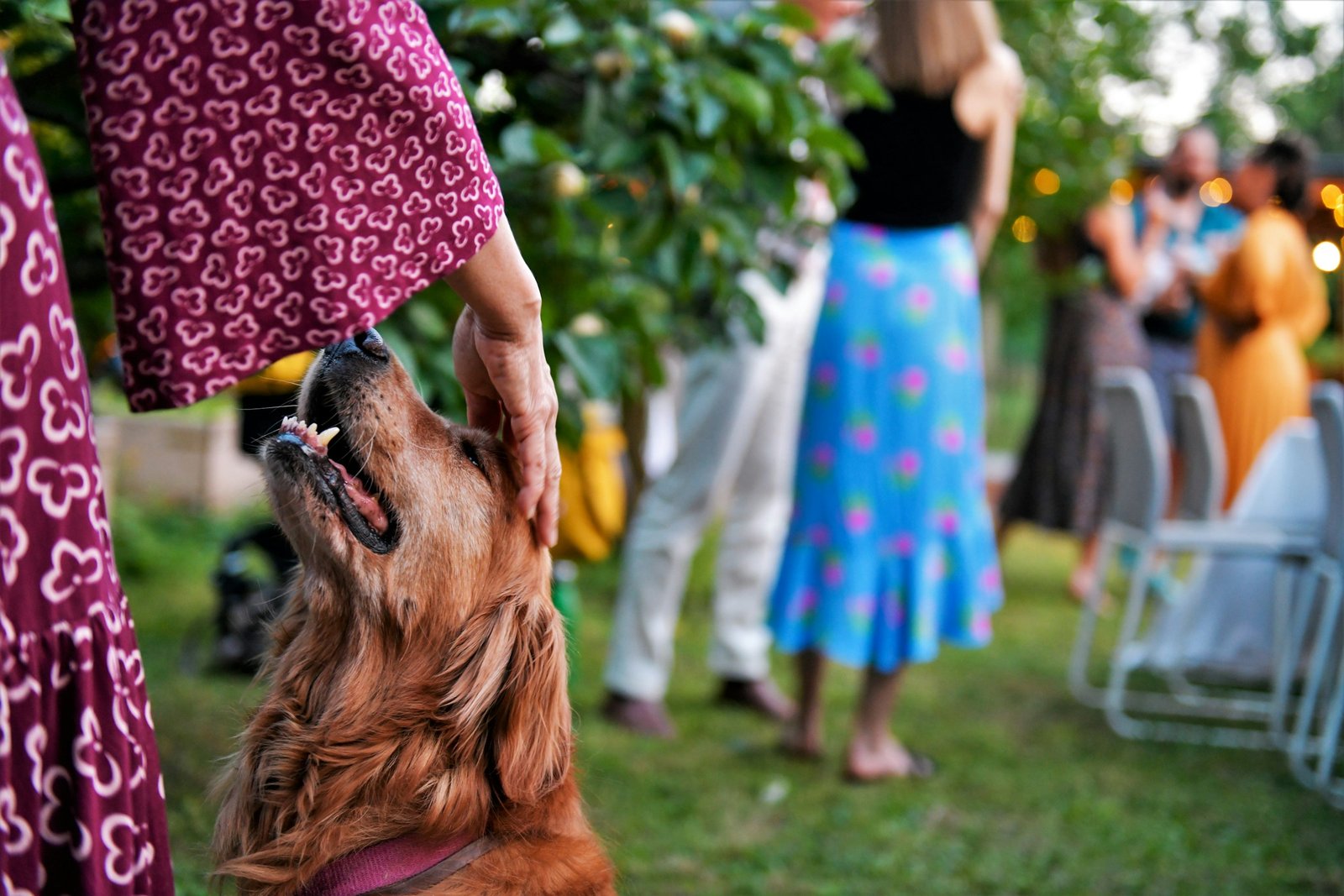
There’s a moment many dog owners secretly live for: you turn onto your street, you are still a house or two away, and inside your home your dog is already losing their mind with joy. You have not opened the door, they cannot see you, and yet somehow they know. That electric, tail-thumping, whole-body wiggle when you finally step inside is not just cute; it is a window into how your dog experiences you, your routines, and your relationship.
We tend to shrug it off as one of those charming dog things, but when you slow down and actually think about it, it is kind of wild. How can they tell your car apart from a dozen others? Why do some dogs greet one person like a rock star and barely lift their head for someone else walking in the same door? Underneath the zoomies and the happy snorts is a story about memory, emotion, safety, and trust – and it is much deeper than most people realize.
The Sound Of Your Car Is More Personal Than You Think
Dogs live in a world where sound matters as much as sight, sometimes more. While we might vaguely notice the low hum of our engine, your dog is busy picking up tiny differences: the rhythm of how you slow down, the specific way your tires roll over the bumps, even how your keys jangle right after the engine cuts off. Over time, these details blend into a single, familiar “song” that means only one thing to them: you are home.
From your dog’s perspective, that sound is not just background noise – it’s like a personalized ringtone you never knew you had. Just as you can recognize a friend’s voice from across a busy room, your dog learns to recognize the whole sound pattern of your return in the middle of everyday street noise. They do not need to see you to know it is you; they have already learned that this very specific sound predicts their favorite person walking through the door.
Dogs Are Pattern Detectives, Not Mind Readers
It is tempting to think your dog has some sixth sense, but what is really going on is much more grounded – and honestly, more impressive. Dogs are remarkably good at picking up patterns in their environment. If almost every time that exact car sound appears, it is followed by you walking in, maybe a walk, maybe dinner, maybe just a solid cuddle on the couch, your dog’s brain quietly files that away as a reliable pattern.
Over days, weeks, and years, their brain becomes a prediction machine: sound of your car plus the time of day plus the general vibe of the house equals “they’re back.” They do not understand calendars or clocks, but they absolutely understand reliable routines. That is why a dog who seemed dead asleep can launch off the couch and race to the door the second your engine cuts off – they have already connected the dots, long before your key hits the lock.
Why Some Dogs Explode With Joy And Others Just Glance Up
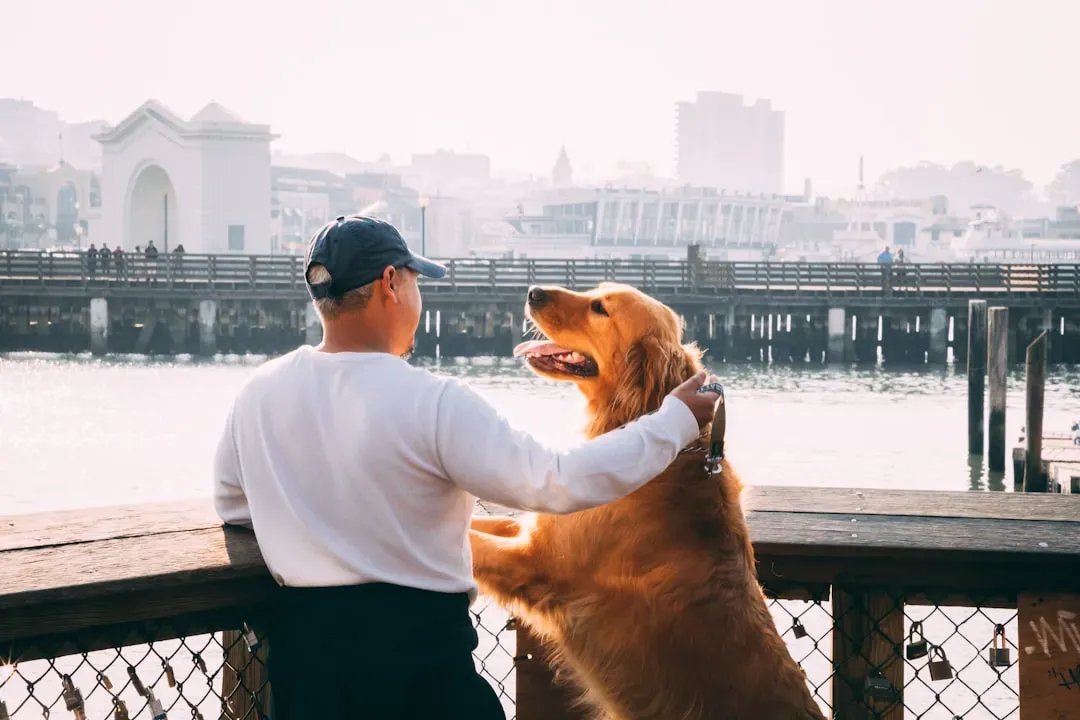
If you have ever watched videos of dogs crying, yodeling, or full-on sprinting into their people’s arms, it is easy to assume that is how all dogs “should” react. But reactions can vary wildly, and that contrast actually tells you a lot. Some dogs are naturally more excitable, some are calmer by temperament, and others may have learned – through past experiences – that big displays of emotion are not always safe or rewarded.
What really matters is not how dramatic the greeting looks, but how consistent and relaxed your dog seems when you appear. A dog who quietly gets up, stretches, and wanders over with soft eyes and a loose tail may be just as attached to you as the dog doing flying leaps at the door. The style of their reaction is filtered through personality, past training, and even age, but the underlying meaning is the same: your presence has become something important enough for them to respond to almost automatically.
Your Return Triggers A Whole Cocktail Of Feel-Good Chemistry
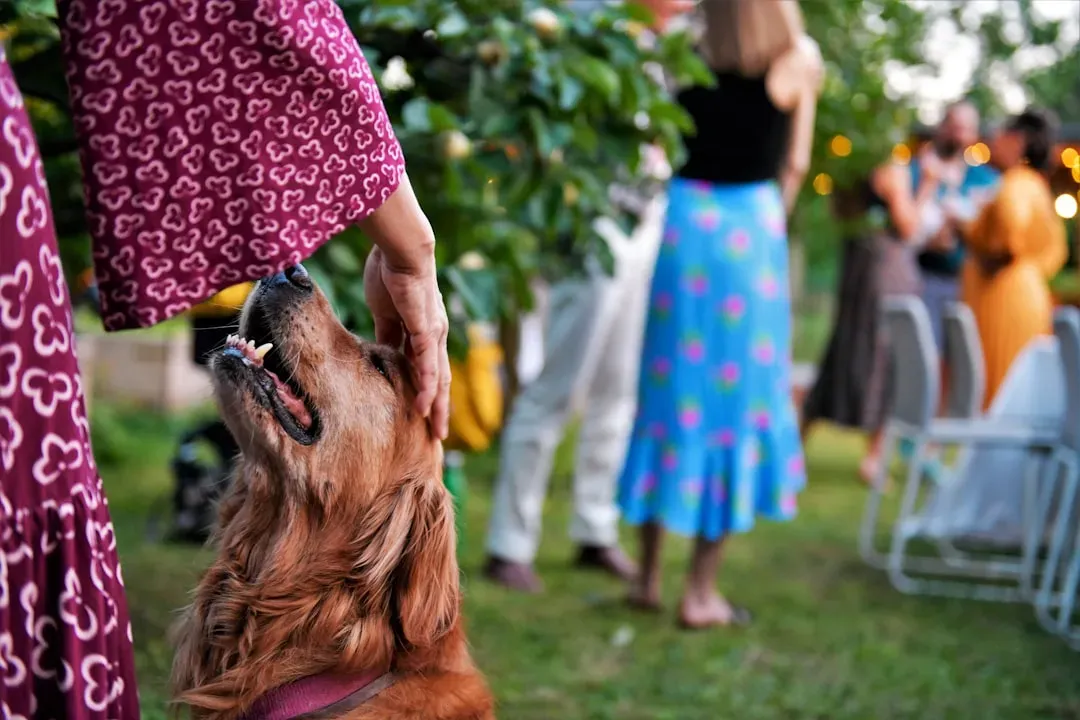
When your car pulls in and your dog’s ears twitch in recognition, it is not just a mental “oh, cool” moment; their body is getting involved. Anticipation of you walking through the door can start boosting feel-good chemicals tied to bonding and reward. Your dog is not consciously thinking about brain chemistry, of course, but they are feeling something very real – like an emotional rush they have learned to associate with you coming home.
That is part of why your dog’s greeting can look almost unhinged: spinning in circles, jumping, panting, grabbing a toy, racing around the coffee table. To us, it is chaos; to them, it is a surge of pent-up social energy finally getting released. The sound of your car is not just a noise – it is the starting gun for a full-body emotional response that has been quietly building all day.
What Their Greeting Really Says About Your Relationship
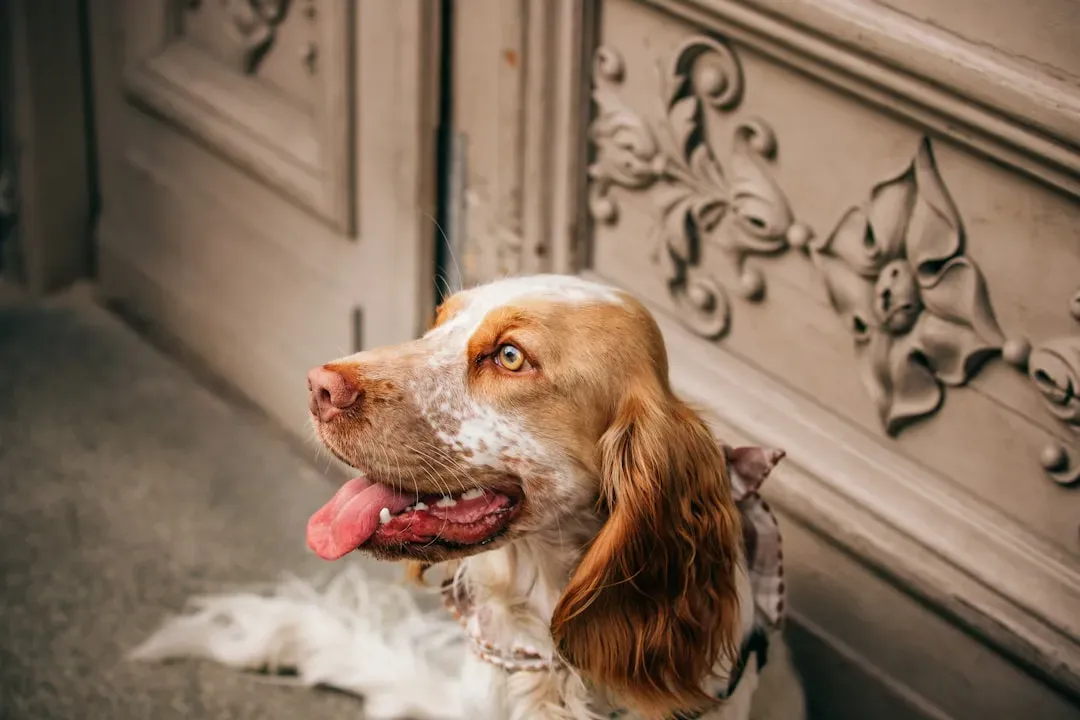
A dog’s reaction to your car and your arrival is basically your relationship, expressed in motion. If your dog races to the door, ears forward, body loose, tail sweeping happily, that is a pretty strong sign that you have become a source of security, comfort, and good things in their life. They have learned, over and over again, that when you appear, life gets better: meals, walks, playtime, affection, or simply the calm of the house feeling “right” again.
On the other hand, if your dog hangs back, looks tense, or only approaches cautiously, that is worth paying attention to. It does not automatically mean you have done something wrong – it could be past trauma, anxiety, or a general sensitivity to people coming and going. But it is a cue to ask some honest questions: do I greet them calmly or bark orders? Do I rush straight to my phone or laptop instead of acknowledging them? Over time, those small patterns shape how safe your dog feels when they sense you are home.
How To Turn That Moment Into A Daily Bonding Ritual
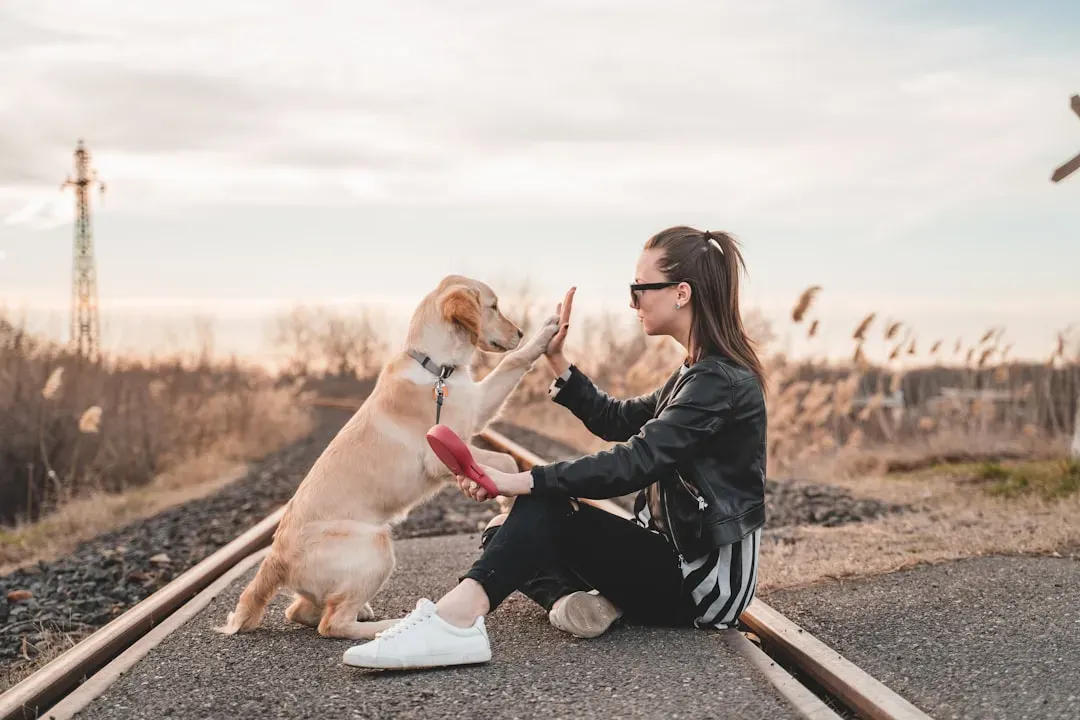
The good news is, you can absolutely upgrade that “you’re home” moment from a quick hello into a tiny ritual that deepens your bond every single day. Once you walk in, instead of brushing past your dog or shooing them away, try giving them a consistent, calm welcome. Kneel down, let them sniff, talk to them in that ridiculous voice you probably already use, and give them thirty to sixty seconds where they are your whole focus.
Over time, this takes that car-sound anticipation and glues it to a reliable emotional payoff: when they hear you, they are not just thinking “someone familiar is here,” they are thinking “my safe person, my routine, my moment is about to happen.” That does not mean feeding into frantic jumping or letting them bulldoze guests, but it does mean honoring the fact that to them, your arrival is a highlight of the day. Treating it like a meaningful ritual instead of a background chore changes the relationship, for both of you.
Why It Hurts (And Matters) When They Do It For Someone Else
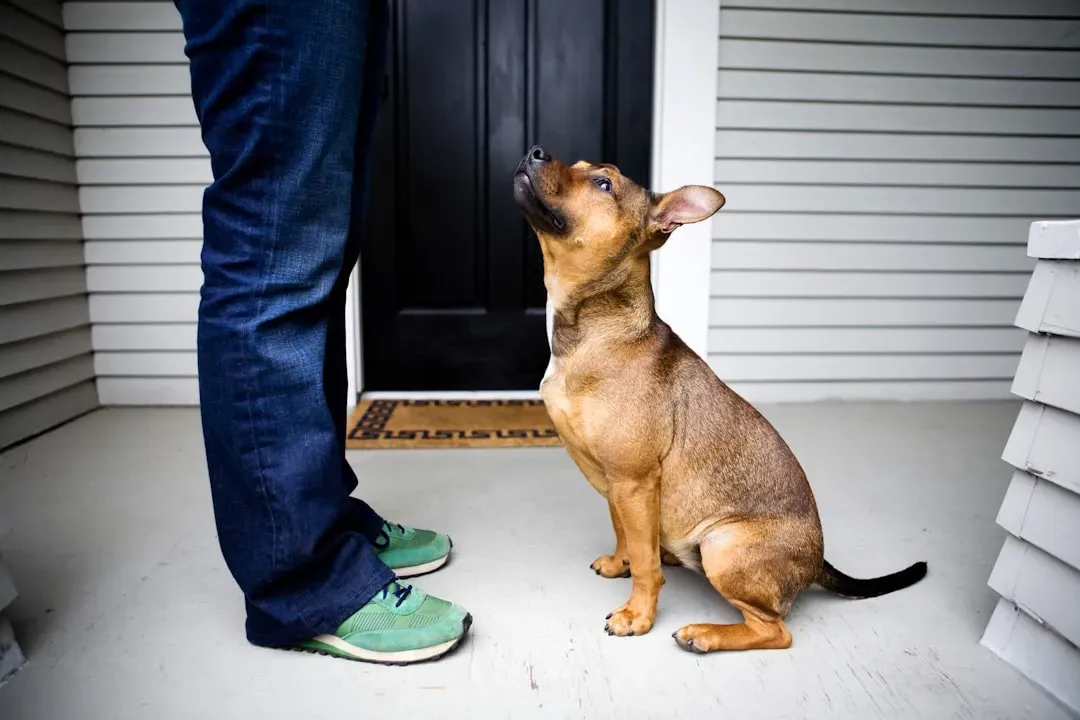
There is a slightly painful but honest part of all this: sometimes your dog gets just as excited – maybe more – for someone who is not you. Maybe it is your partner’s old truck, your kid coming home from college, or a dog-sitter’s car that sends them sprinting to the door. It can sting a little to realize you are not the only one whose “sound” has a special place in their brain.
But if you zoom out, that is actually a compliment to what you have built. A dog that can form multiple strong, positive bonds and can light up for more than one person is a dog who feels generally safe in their world. If it really bothers you, you can use it as motivation to invest a little more in your shared routines – more walks together, more training games, more intentional greetings. Relationships with dogs are not static; they are living things that deepen with the time and energy you put into them.
Conclusion: Your Car Sound Is A Love Story In Disguise
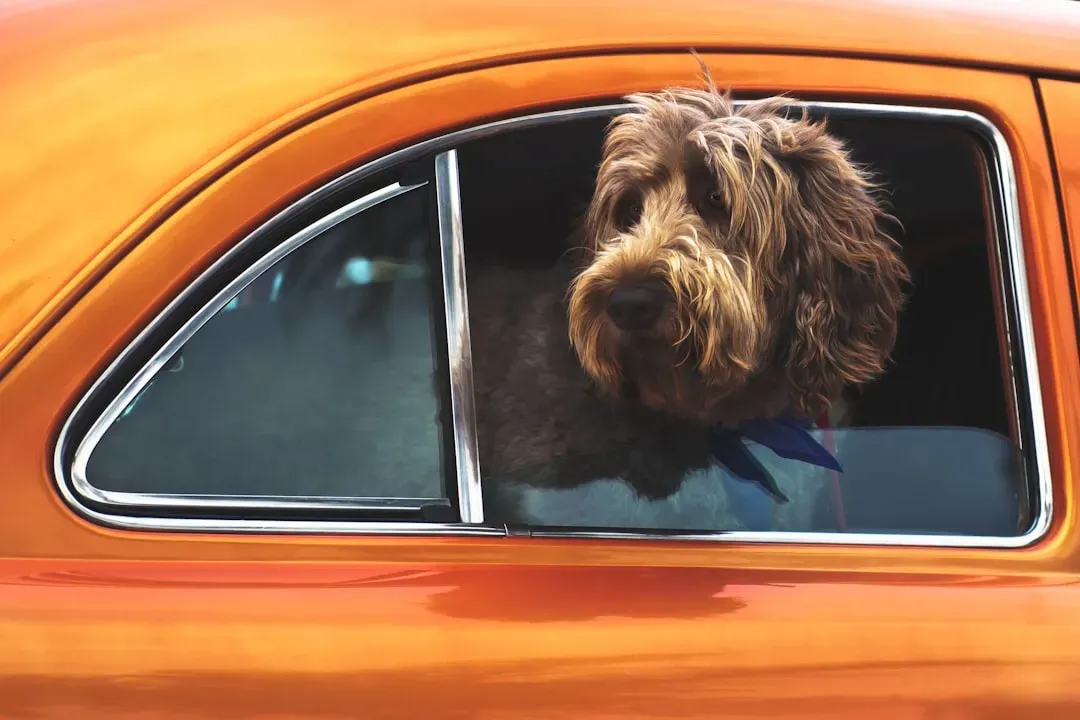
The fact that your dog knows the sound of your car before you even hit the driveway is not some spooky magic trick – it is a love story written in repetition, routine, and quiet moments that felt too small to matter at the time. Every walk you took, every gentle word you used, every time you came home instead of leaving again, stacked up into one powerful association: this sound means my person, my safety, my little piece of the world is back where it belongs. In my view, the way a dog reacts to that sound is one of the clearest everyday measures of what you truly mean to them, far more honest than any selfie or social media post.
I think we underestimate how huge it is that another species can learn our patterns so intimately that a distant engine noise makes their heart race with happiness. That is not just cute; it is humbling. So the next time you pull onto your street and picture your dog already waiting at the door, treat that moment with the weight it deserves. It is proof that someone in your house has been quietly counting on you all day – and that alone is worth asking yourself: am I showing up in a way that lives up to what my dog hears when they hear me coming?