
7 Dog Breeds That Stay Surprisingly Energetic Through Most of Adulthood
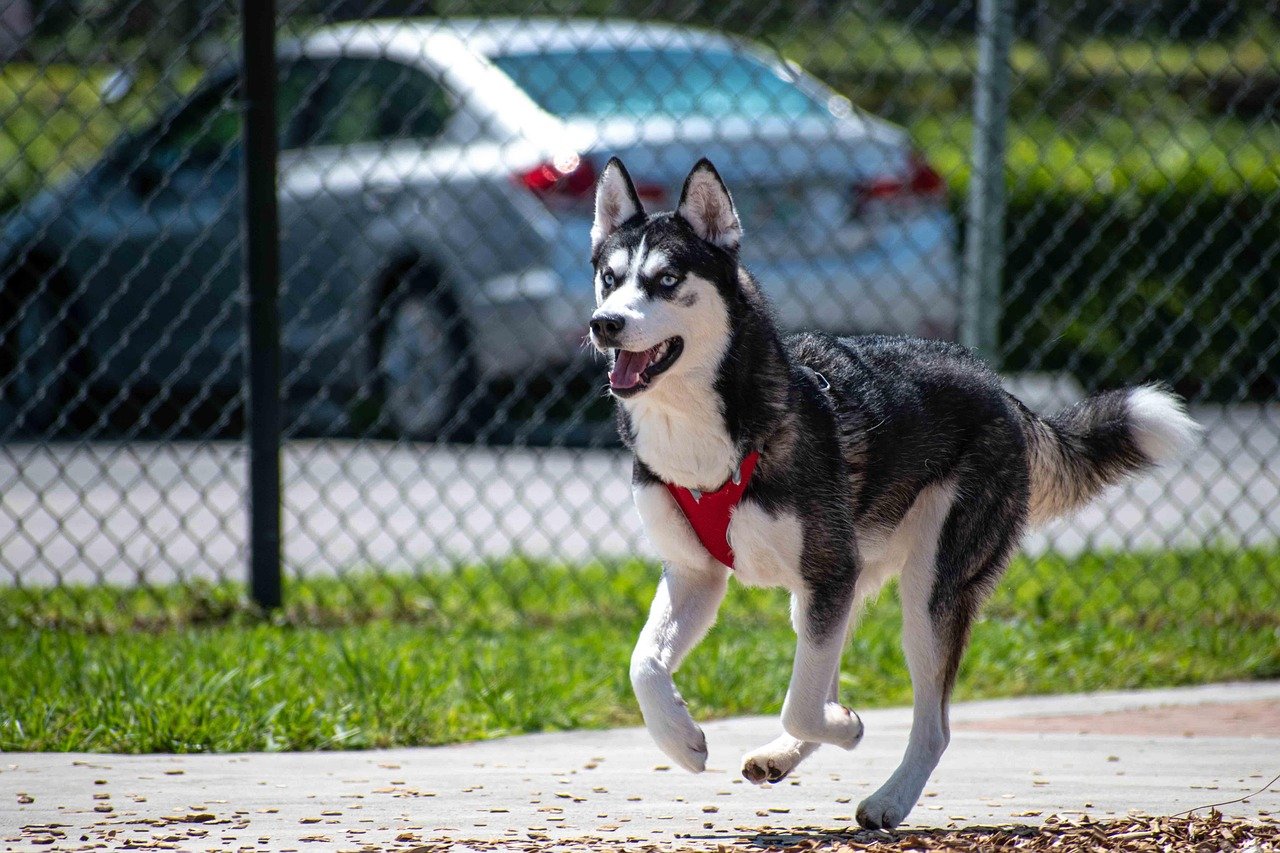
Some dogs seem to hit three years old and suddenly decide the couch is their true calling. Others, though, keep that puppy-level spark burning well into middle age, racing for the ball, bouncing at the door, and looking at you like, “What’s next?” If you’ve ever met a dog that’s eight going on eighteen months, you know exactly what I mean.
This article is all about those dogs. The ones that still want a hike after you’re done with your workout, that make you rethink the phrase “tired dog.” We’ll walk through seven breeds that tend to stay energetic through most of their adulthood – what that energy looks like, what it takes to keep them happy, and whether they might be a dream match or a total mismatch for your lifestyle.
Border Collie: The Workaholic Who Never Clocks Out
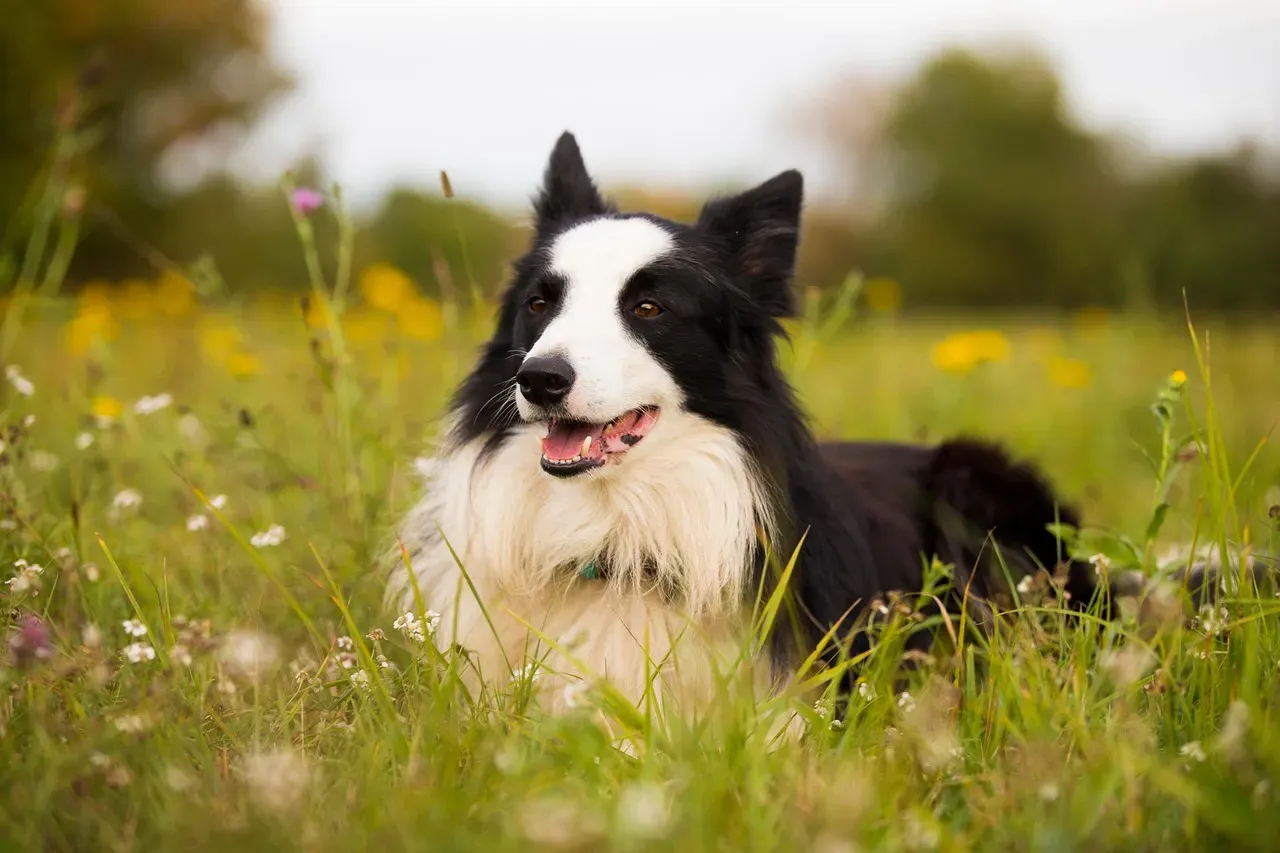
Border Collies are the dogs that make other energetic dogs look lazy. Originally bred to herd sheep across rough terrain all day long, they carry that working drive right into modern homes, often staying intensely active and mentally sharp well into their senior years. Many owners will tell you that their ten-year-old Border Collie still expects a job to do every single day.
What makes their energy so intense is not just physical stamina but mental restlessness. A half-hour walk is basically a warm-up for them; they thrive on problem-solving games, agility courses, herding trials, and anything that challenges their brains. With this breed, energy is a gift and a responsibility: if you do not channel it, it can turn into obsessive behaviors, herding kids, or re-decorating your house with chewed-up chair legs.
Australian Shepherd: The Cheerful Athlete With Endless Drive
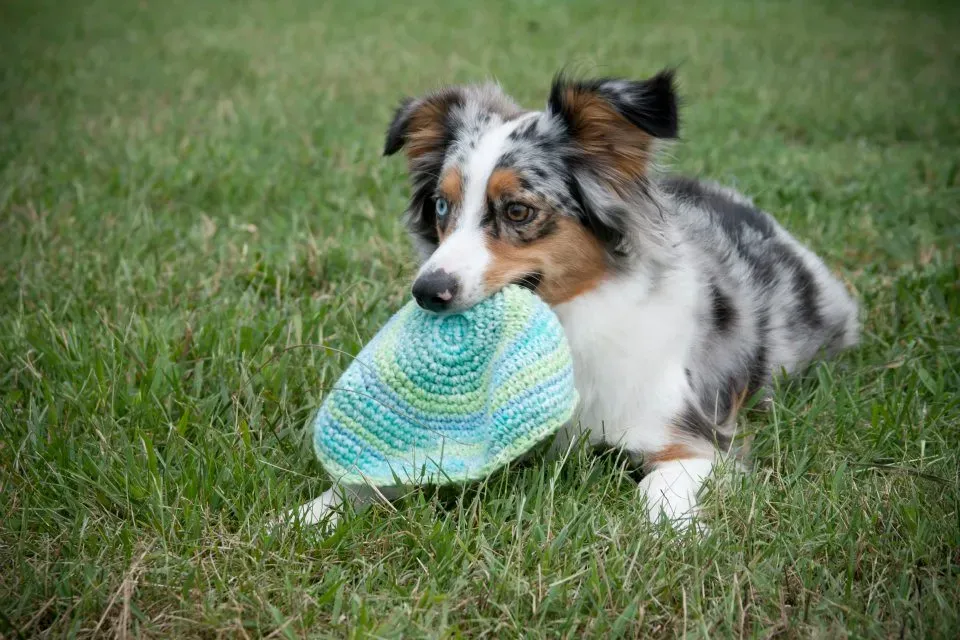
Australian Shepherds, often just called Aussies, are like that friend who wants to sign up for every sport in school and then still goes for a run at night. Bred as versatile ranch dogs, they’re built to work hard for long stretches, and many maintain impressive levels of activity well into their later adult years. Even when their joints start to slow down a bit, their eyes still light up the second a frisbee appears.
What sets Aussies apart is their blend of athleticism and emotional intensity. They’re not only energetic; they’re deeply people-focused and want to be in on everything. If you’re active – hiking on weekends, running in the evenings, throwing in some dog sports – an Aussie can be an insanely fun partner. But if your lifestyle is mostly Netflix and occasional strolls, that same energy can quickly become frustration, barking, and destructive boredom.
Jack Russell Terrier (and Parson Russell): Small Body, Turbo Engine
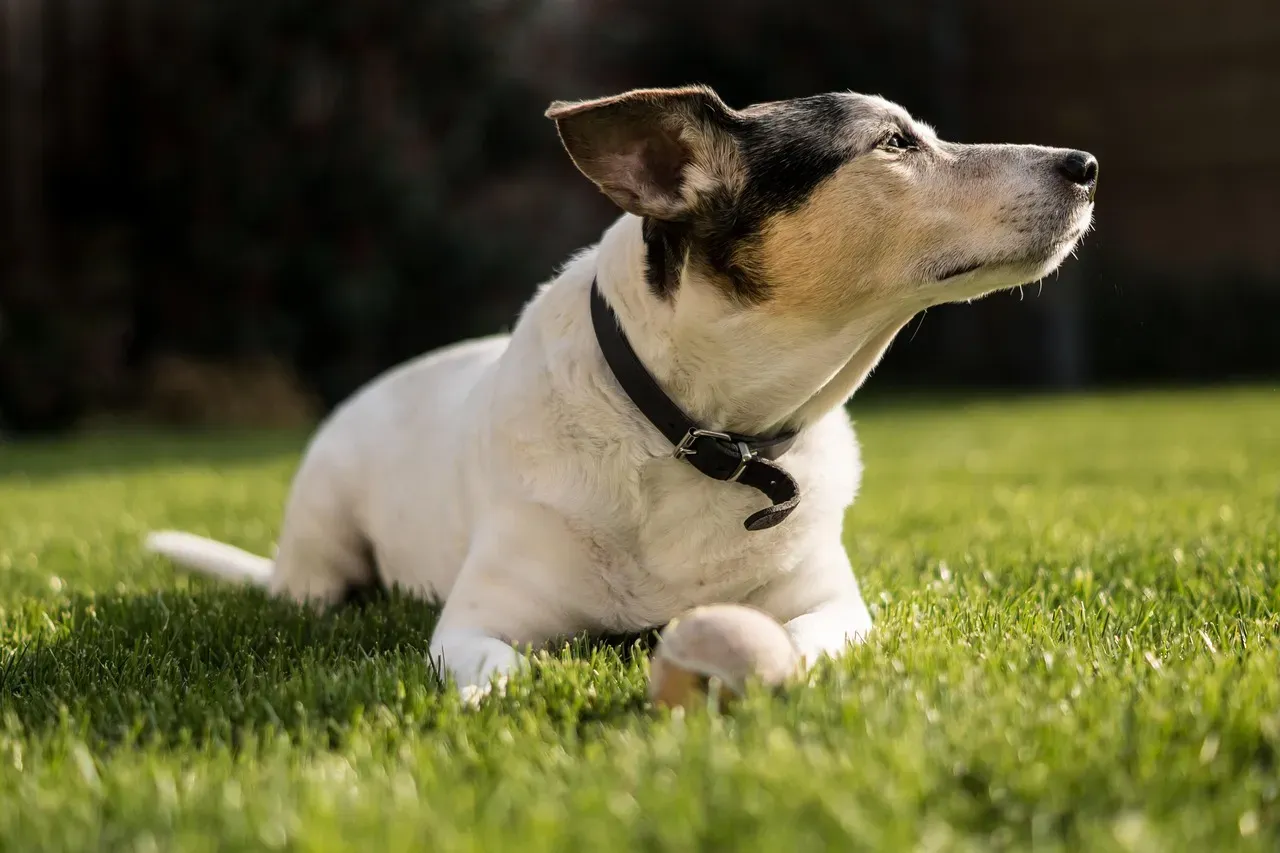
Jack Russell Terriers are proof that size means absolutely nothing when it comes to energy. Originally bred to hunt foxes and other small game, they were designed to sprint, dig, think quickly, and keep going when many larger dogs would tap out. A lot of Jack Russells stay bouncy, busy, and extremely game-driven well through most of their adulthood, often acting like mischievous puppies far longer than you’d expect.
That turbo engine does come with a catch: they’re clever and stubborn in equal measure. If they don’t have a productive outlet – like agility, trick training, scent games, or serious fetch sessions – they will invent their own entertainment, which might involve tearing up your yard or scaling furniture like a mountain goat. For the right person, though, their zest for life is infectious; they turn every walk into a mini adventure and every game into a full-on event.
Siberian Husky: The Free-Spirited Marathon Runner
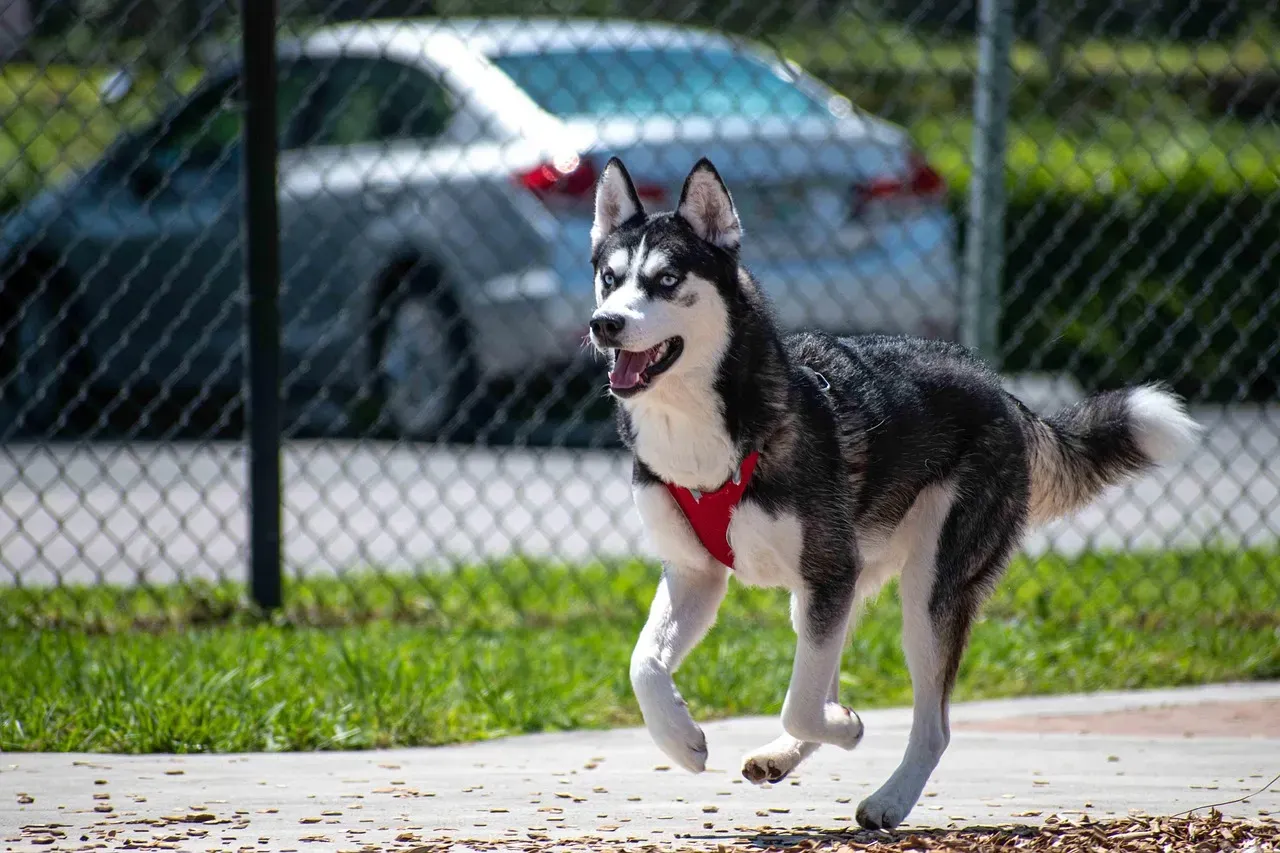
Siberian Huskies were developed to pull sleds over long distances in brutal conditions, so it’s no surprise they’re built with jaw-dropping endurance. Many Huskies stay lively and ready to go for years and years, eager to run, play, and explore well past the age when some other breeds start to slow down. Even in pet homes, that underlying “distance runner” wiring does not just disappear because they are sleeping on a comfy bed.
Living with a Husky often feels like living with a furry explorer who never tires of the next route, the next smell, the next chance to run. They do best with plenty of structured exercise – long walks, jogging, bike-joring, or even pulling a scooter – paired with mental challenges like puzzle feeders and training games. Without that, all that pent-up energy can turn into escape attempts, howling concerts, and “creative” home renovation via their teeth.
Belgian Malinois: The Intensity Athlete for Serious Owners
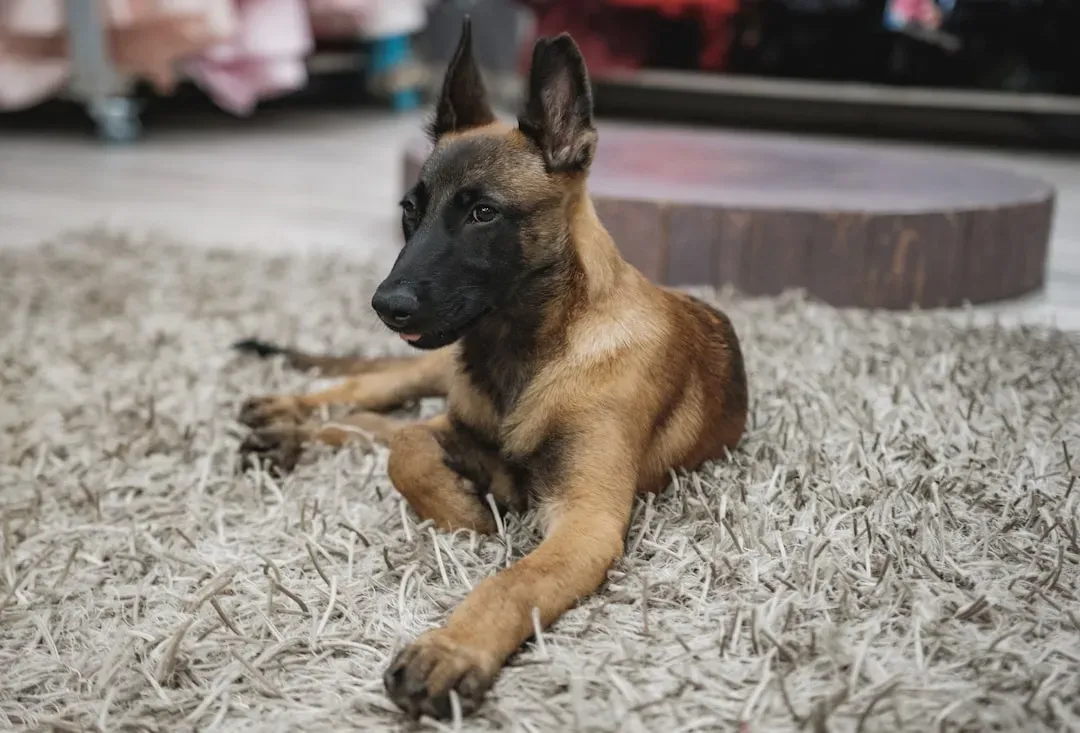
The Belgian Malinois is the dog you often see in demanding military and police work, and there’s a reason for that: they are relentless. Their energy is not just high; it is focused, intense, and paired with a strong desire to work closely with a handler. Many Malinois stay driven to train, chase, and perform jobs well into later adulthood, long after other breeds would prefer a nap.
This is not an easygoing “park on the couch” kind of dog. A Malinois typically needs structured training, serious physical outlets, and daily mental challenges like obedience drills, protection sports, or advanced nose work. In the hands of someone prepared for that commitment, their long-lasting energy and eagerness to work are incredible. In the wrong situation, that same intensity can become anxiety, reactivity, and destructive behavior that overwhelms an unprepared owner.
Vizsla: The Velcro Athlete With Emotional Spark
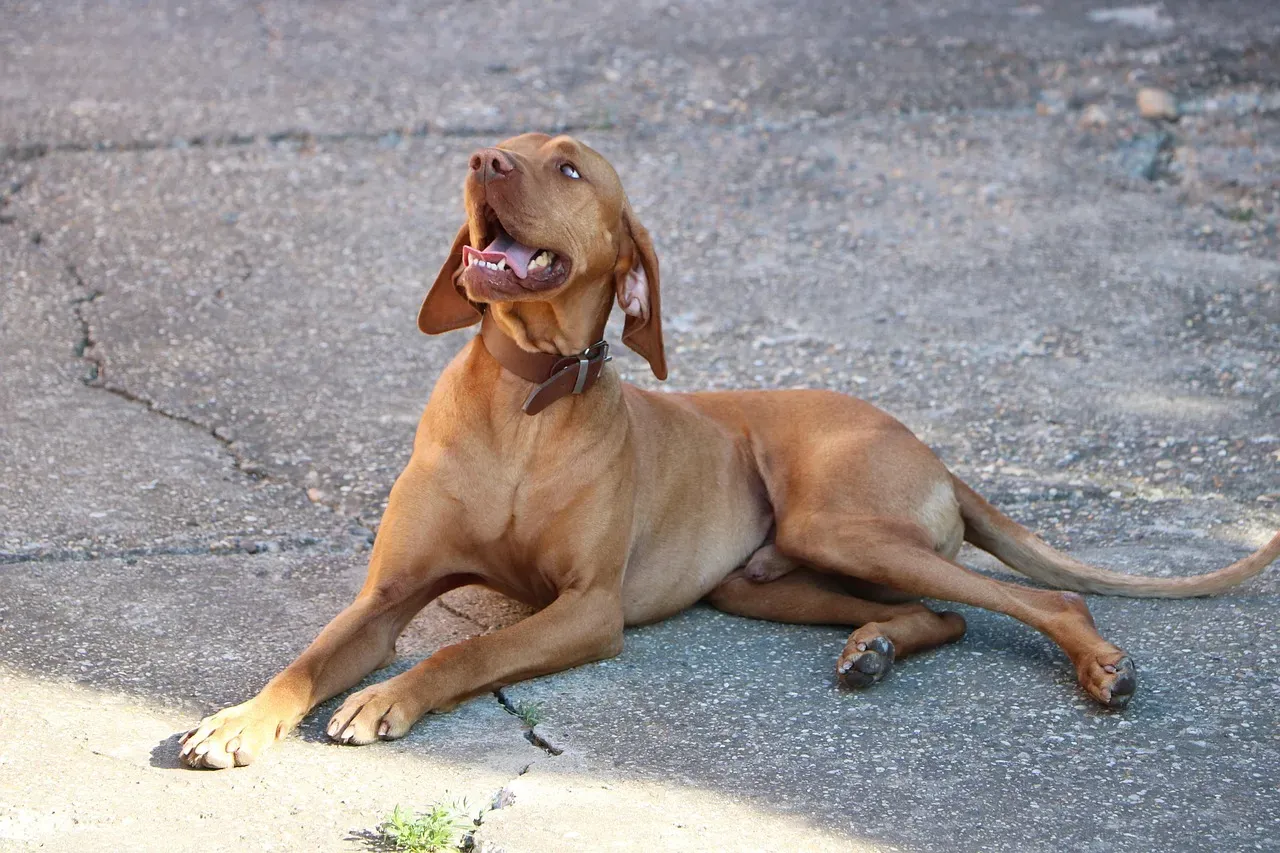
Vizslas are often described as “velcro dogs” because they want to be glued to their people, and they bring that same closeness to every activity you do together. Originally bred as hunting companions, they have strong stamina and a lively temperament, often remaining playful, ready-to-run, and eager for action through the bulk of their adult years. Even as they mature, many Vizslas keep that almost puppyish enthusiasm for play.
What makes their energy feel different is how intertwined it is with their emotional side. A Vizsla usually does not want to just run around a yard alone; they want to run, hike, or play fetch with you. They flourish in active households where someone is up for daily outings, training games, and lots of touch and affection afterwards. If you pair their physical needs with that need for closeness, you get a dog that can feel like a joyful, faithful running buddy for much of its life.
German Shorthaired Pointer: The All-Terrain Adventure Partner
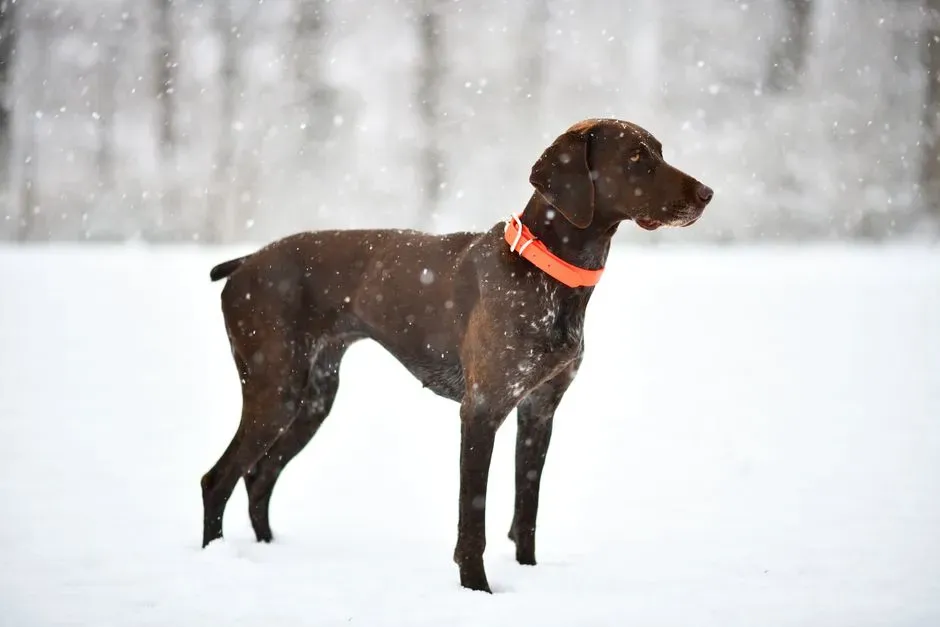
German Shorthaired Pointers (GSPs) are like the multi-sport athletes of the dog world. Bred as versatile hunting dogs, they were expected to run, point, retrieve, and cover a lot of ground, and many keep that zest for movement well into middle age. A typical GSP will gladly join you for a long hike, sprint after birds in a field, and still have the energy to chase a ball when you get home.
They do best in homes where “active lifestyle” actually means something: trail runs, swimming, field training, or dog sports such as canicross and dock diving. Without that outlet, their energy can spill over into pacing, barking, and general restlessness. But when you match a GSP’s long-lasting energy with a life full of outdoor adventures, you end up with a dog that turns ordinary weekends into mini expeditions and keeps you moving in the best possible way.
Conclusion: Energy Is a Feature, Not a Bug – If You Choose Wisely
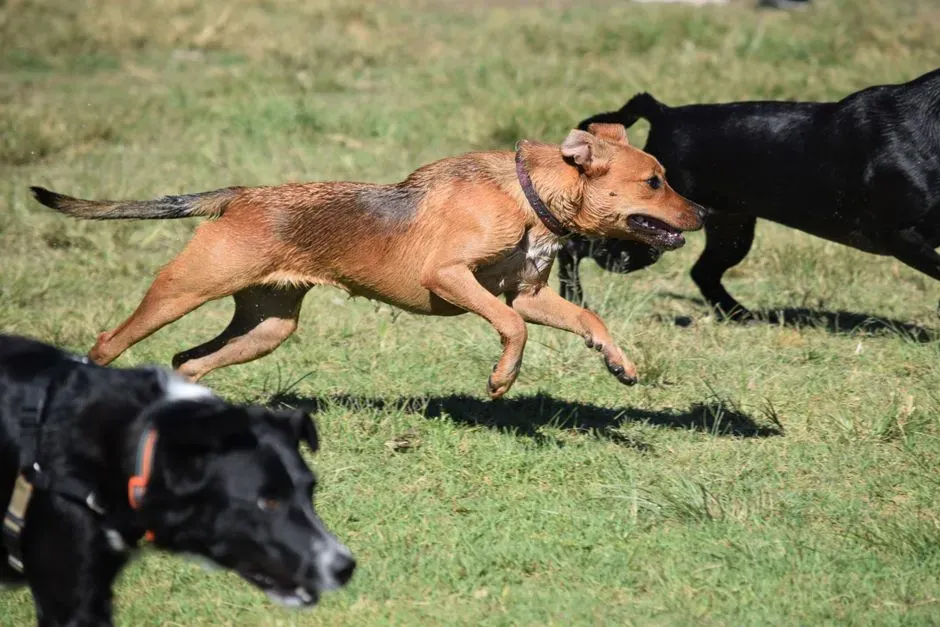
Living with a dog that stays energetic through most of adulthood can be either the best thing you ever do for your health and happiness or the fastest way to feel overwhelmed. In my experience, the difference comes down to honesty: being brutally real about how much time, structure, and movement you can offer, not just how cute a puppy looks on your screen. These seven breeds are incredible when their energy is matched and managed; they are heartbreaking when it is not.
If you crave adventure, routine, and a four-legged partner who will still be tugging the leash toward the trail long after puppyhood is over, one of these energetic breeds might be exactly what you need. If you are more of a “coffee and a slow stroll” person, there is no shame in choosing a calmer companion instead. In the end, the real question is not just which breed you like, but which lifestyle you are truly ready to live with – so which one would you honestly pick?