
7 Dog Breeds That Keep Their Love of Play Well Into Their Senior Years
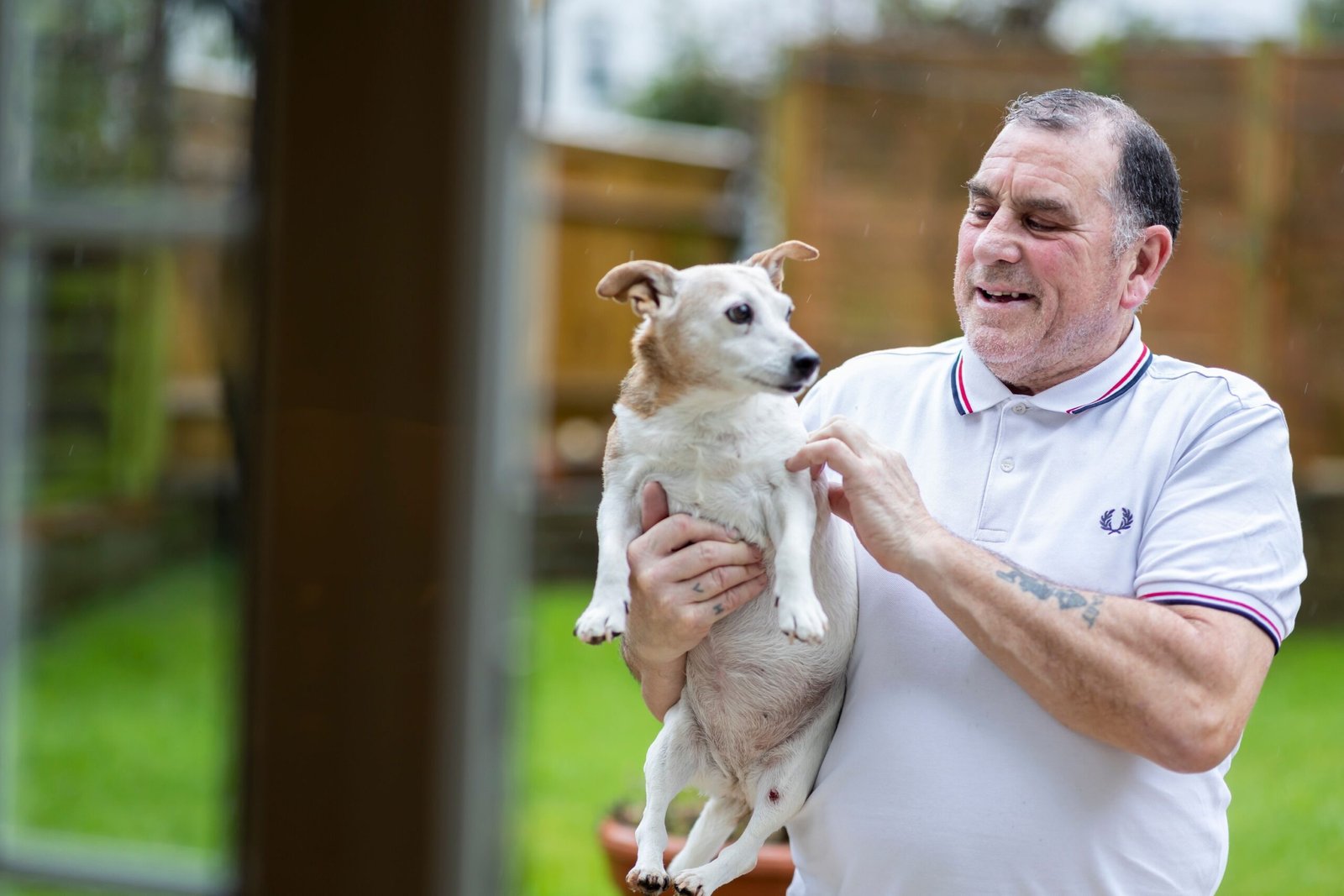
Some dogs seem to make a secret pact with time: they just don’t agree to slow down. While their faces turn silver and their steps get a little stiffer, their eyes still sparkle at the sight of a ball, a squeaky toy, or you dropping to the floor to play. If you’ve ever watched a gray-muzzled dog do a goofy play-bow, you know how moving it is to see that puppy spirit refuse to fade.
This article dives into seven dog breeds that are especially famous for holding on to their love of play long past middle age. That doesn’t mean every individual dog will be a bouncing maniac at twelve, but these breeds are known for their energy, curiosity, and zest for life well into their senior years. If you’re dreaming of a lifelong playmate rather than a couch ornament, these are the dogs that often age like athletes instead of retirees.
Labrador Retriever: The Forever-Young Family Clown
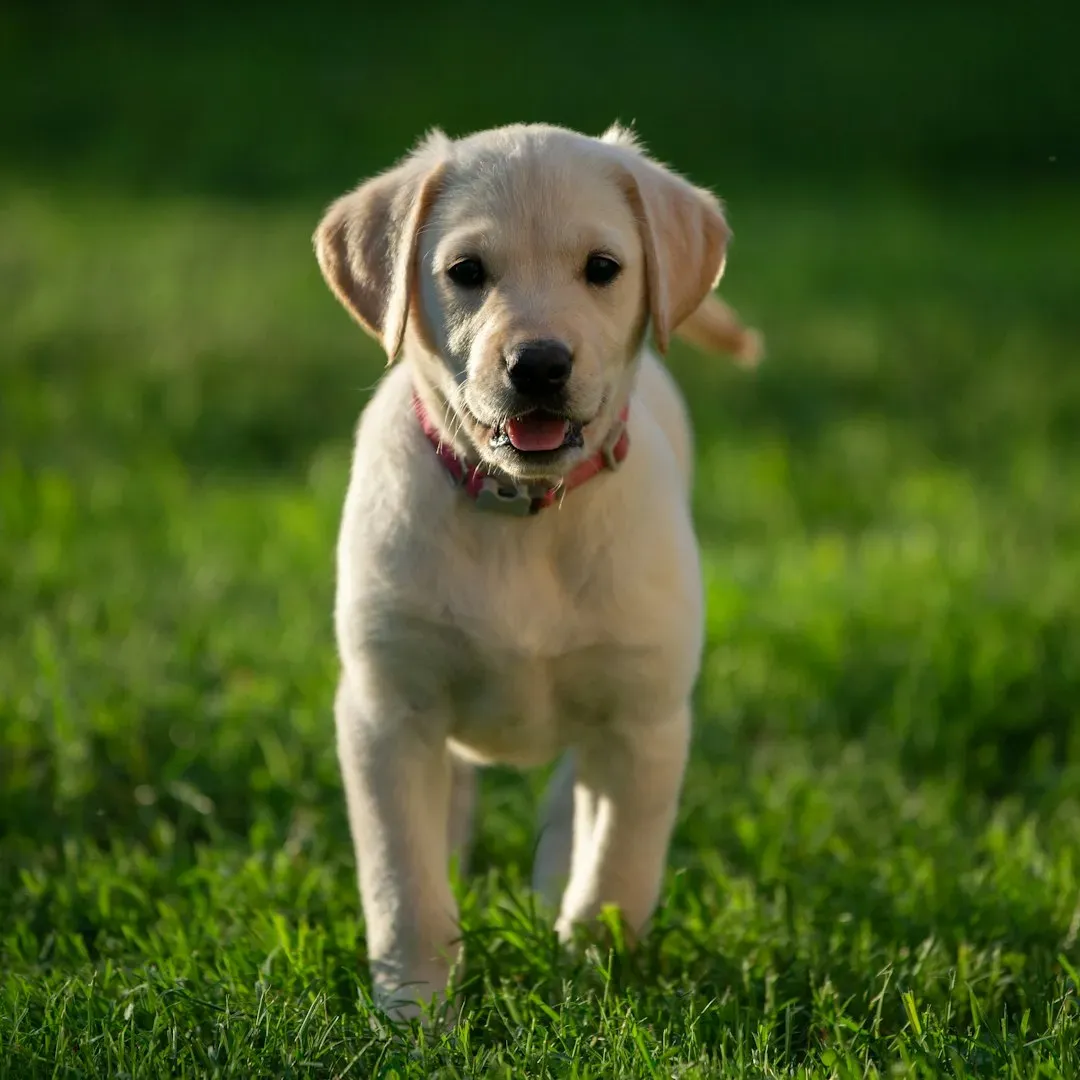
Labrador Retrievers are often described as puppies in big bodies, and that label sticks well into their senior years. Many older Labs will still sprint after tennis balls, crash happily into the water, and tug on rope toys long after you’d expect them to slow down. Their working background as retrievers gives them both stamina and a built-in desire to chase, fetch, and carry things around.
Of course, senior Labs may have stiff joints or arthritis, but mentally they rarely get the memo that they’re “old.” They thrive when you adapt play to their bodies: shorter fetch sessions, gentle swimming, brain games, and soft toys rather than intense jumping. In my experience, a senior Lab with a toy in their mouth and a mischievous look in their eyes is one of the most reliable cures for a bad day.
Golden Retriever: The Soft-Hearted Play Partner
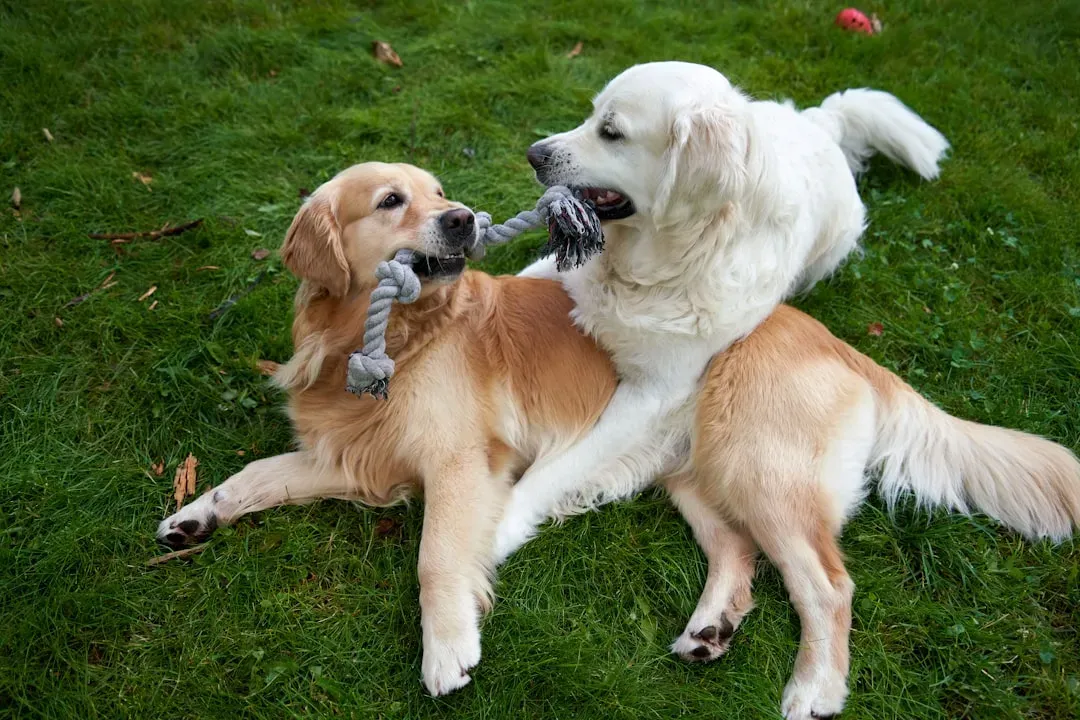
Golden Retrievers are the emotional extroverts of the dog world, and that emotional warmth feeds directly into their love of play. Even in their later years, many Goldens eagerly bring you toys, nudge your hand for another game, or bounce around with that slightly goofy, feather-tailed enthusiasm they’re known for. Their history as hunting companions means they’re wired to work and interact, not just observe.
As Goldens age, their play often becomes a bit softer and more deliberate, but the desire to be involved rarely fades. A senior Golden might trade high-impact frisbee sessions for slow-motion tug or scent games that let them “hunt” treats around the house. They often seem happiest when the whole family is included, turning simple things like passing around a plush toy into a mini event that keeps them young at heart.
Beagle: The Curious Nose That Never Retires
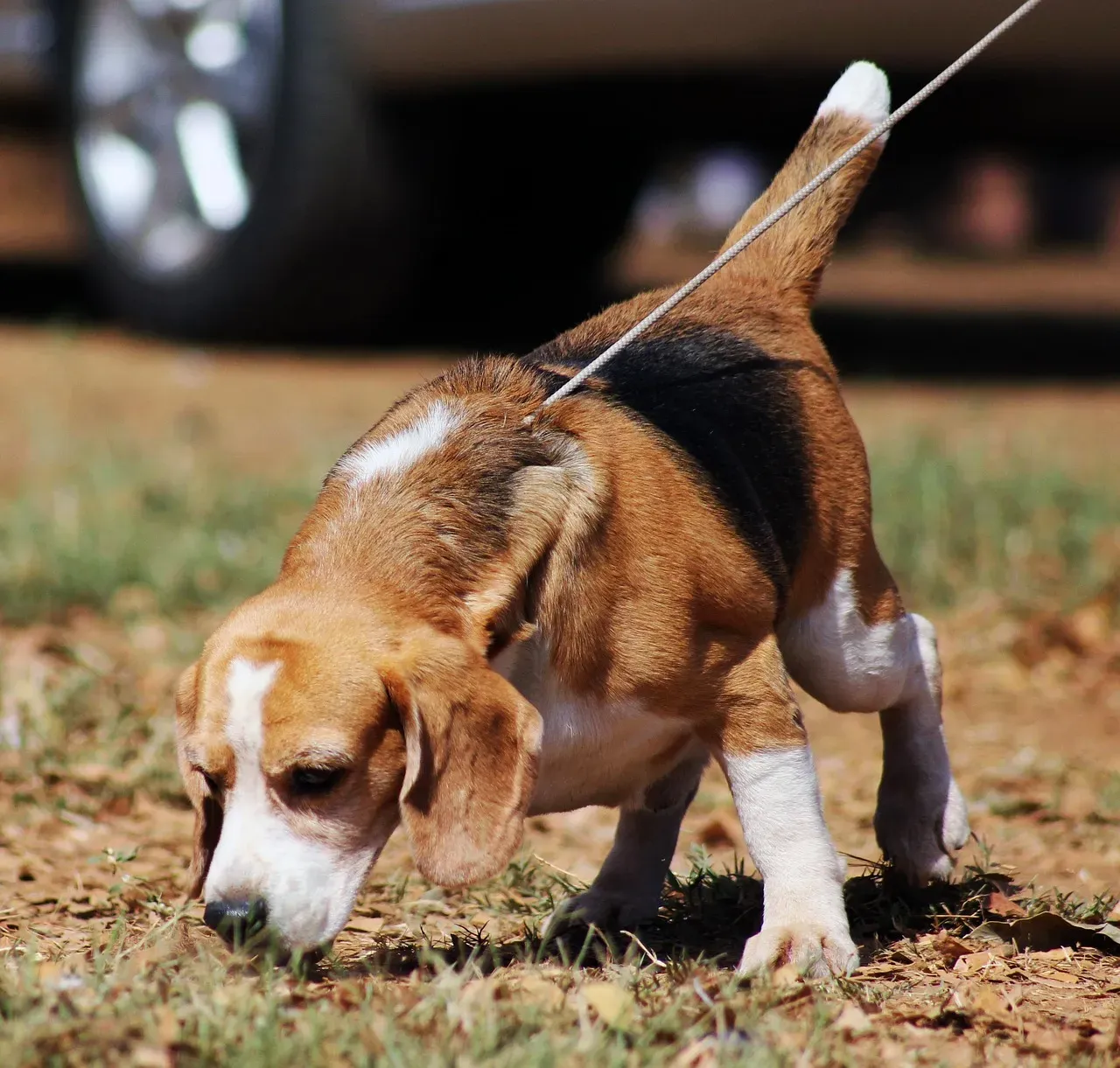
Beagles are driven by their noses, and that curiosity does not retire just because their birthdays start hitting double digits. These small hounds were bred to follow scent for hours, so the idea of “slowing down” is kind of foreign to them. Many older Beagles still light up at the chance to follow a trail, chase scent-based toys, or engage with puzzle feeders that make them think and move.
With age, Beagle play can become more about exploration than wild zoomies. Short, frequent sniff walks, homemade scent trails in the yard, and nosework games indoors can keep a senior Beagle joyfully engaged. I’ve seen older Beagles who look almost stiff and sleepy at home transform into tail-wagging detectives the moment they catch an interesting smell, proving that curiosity really does help keep them young.
Cavalier King Charles Spaniel: The Gentle Playful Companion
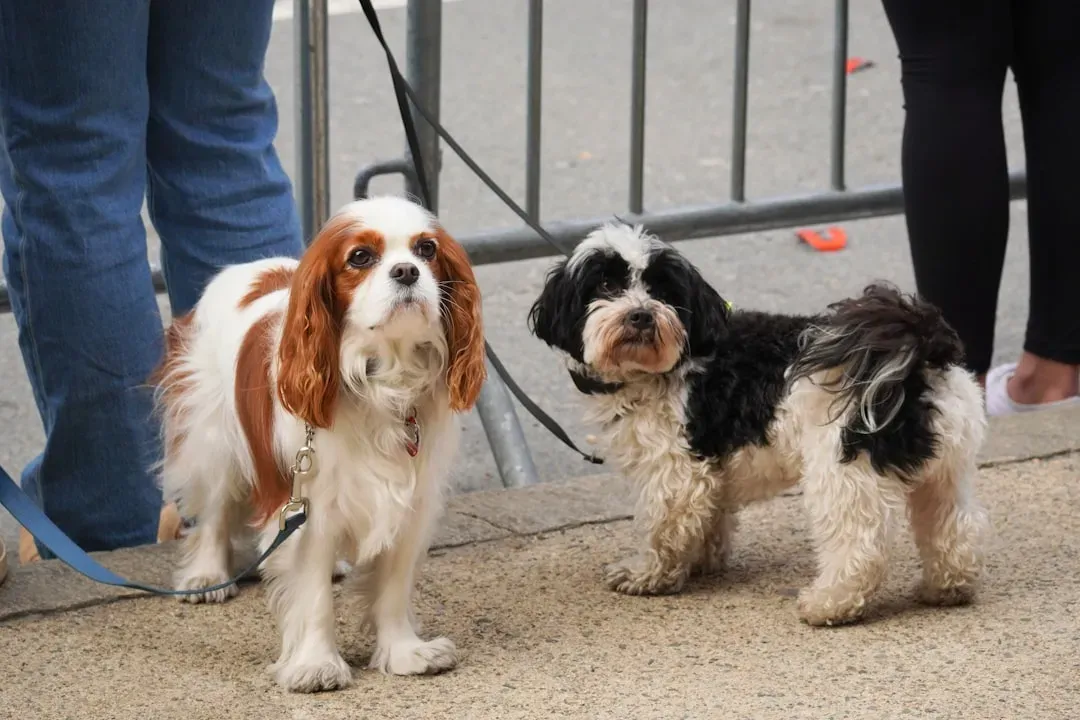
Cavalier King Charles Spaniels are known for their sweet, people-focused personalities, but they also tend to hold on to a playful streak well into their senior years. They’re typically not wild, high-octane athletes; instead, they engage in soft, joyful play that matches their size and temperament. Many older Cavaliers will still chase small toys, enjoy gentle games of fetch in the hallway, or playfully bounce around with their favorite humans.
Because Cavaliers can be prone to certain health issues, their physical play might naturally tone down with age – but their desire to interact usually does not. They often switch seamlessly into slightly calmer, more frequent play sessions that fit comfortably into a relaxed household. A senior Cavalier who trots over with a toy in their mouth, tail wagging, is a perfect reminder that play does not have to be loud or intense to be deeply joyful.
Jack Russell Terrier (and Other Small Terriers): Small Dogs, Big Energy
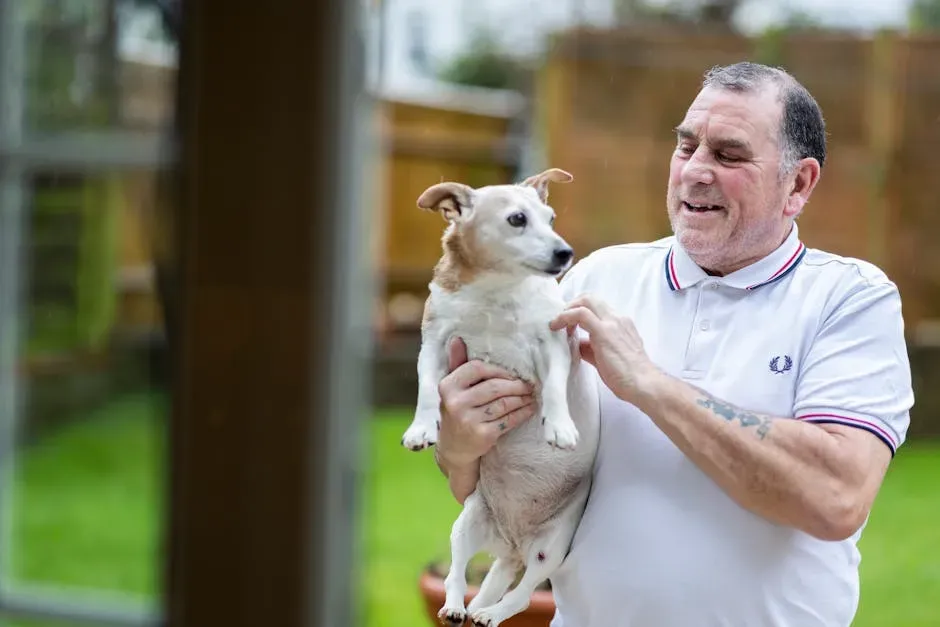
Jack Russell Terriers, along with several other small terriers, are the definition of big personalities in compact bodies. They were bred for tough, high-energy work, and many seem to treat aging like an optional suggestion rather than a rule. It’s common to see senior Jack Russells still chasing balls, darting after toys, and making up their own games out of sheer enthusiasm.
That said, their joints and muscles are not indestructible, so senior terriers usually benefit from channeled, controlled play. Short bursts of fetch, tug with good rules, low-impact agility-style obstacles, and puzzle toys can satisfy their intense drive without overdoing it. Living with a senior Jack Russell can feel like living with a tiny comedian who never quite retires from show business, always looking for the next trick or laugh.
Border Collie: The Workaholic Who Wants a Job Forever
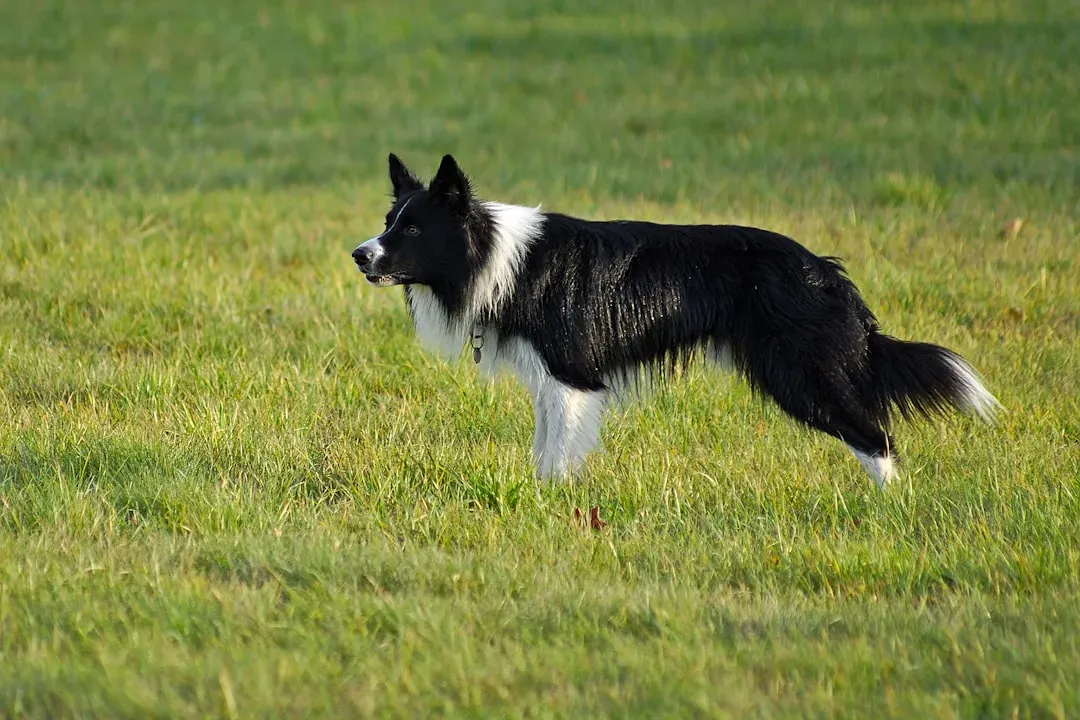
Border Collies are legendary for their intelligence and work ethic, and that drive rarely fades completely with age. Even when their bodies start to tire, their minds are still craving tasks, challenges, and structured play. Many older Border Collies still want to herd things (sometimes that means your kids), learn new tricks, or play modified fetch that gives them a clear “job” to do.
With seniors, the focus usually shifts from high-impact sports to brain-heavy games: scent work, obedience games, shaping new tricks, or low-impact herding-style tasks like pushing balls around a yard. If you’ve ever lived with a Border Collie, you know that boredom is your biggest enemy, not the calendar. A mentally engaged senior Border Collie, trotting after a ball or solving a puzzle, often looks more alive than a much younger but under-stimulated dog of another breed.
Poodle (Standard, Miniature, and Toy): The Clever Play Innovator
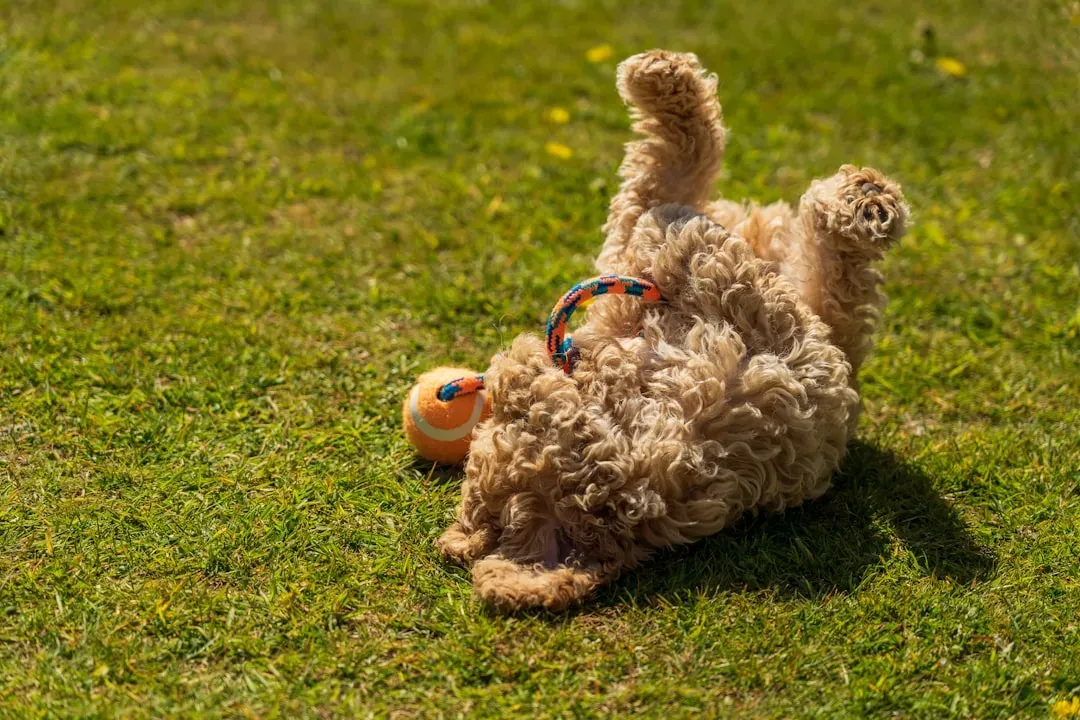
Poodles of all sizes combine intelligence, athleticism, and a playful temperament that often lasts into their senior years. Originally bred as working water dogs, Standards in particular tend to stay active and agile longer than many people expect. Even the smaller varieties usually enjoy play sessions, trick training, and interactive toys well past middle age.
What stands out about many older Poodles is how they seem to invent their own games, sometimes turning everyday objects into entertainment. You might see a senior Poodle carefully “hide” a toy and then search for it, or happily practice tricks they learned years ago for the fun of getting it right. When you adjust the intensity of exercise to protect joints – shorter walks, careful play, swimming where appropriate – their spark often remains surprisingly bright.
Conclusion: Choosing a Playmate for the Long Run
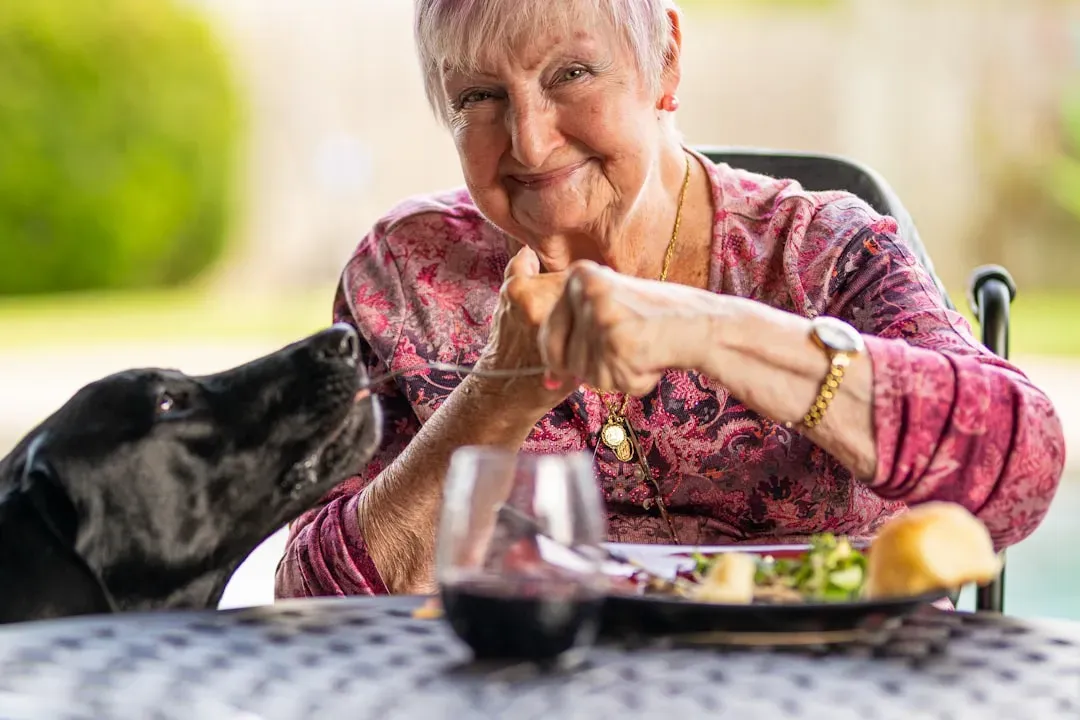
While every dog is an individual, these seven breeds are especially known for holding on to their love of play long after puppyhood fades. To me, that lifelong playfulness is one of the most underrated gifts a dog can offer: it pulls you off the couch, keeps you laughing, and forces you to stay present, even on days when your brain is spinning. A gray muzzle carrying a slobbery toy is living proof that joy doesn’t have an age limit.
If you’re looking for a dog who will likely stay engaged, interactive, and eager to have fun into their senior years, these breeds are a strong place to start – as long as you’re ready to meet them halfway with adapted play, good vet care, and loads of patience. In the end, the real magic happens when your dog is old enough to know you inside out, but still young enough at heart to bounce when you say “Let’s play.” Which kind of lifelong playmate can you picture trotting alongside you into the gray-muzzle years?