
8 Dog Breeds That Need More Mental Stimulation Than Most Owners Expect
You can walk your dog for an hour, play fetch until your arm falls off, and still find them pacing the house, shredding toys, or inventing chaos out of thin air. If that sounds familiar, you might not have a “hyper” dog at all – you might just have a genius who’s bored out of their mind. Physical exercise is only half the story; some breeds were literally designed to think, solve problems, and make decisions all day long.
When those brains don’t have a job, they find one, and owners are often shocked by how intense that can look in real life. Let’s dive into eight breeds that consistently need more mental stimulation than people expect. If you live with one of these dogs – or are thinking about it – understanding their minds can mean the difference between feeling overwhelmed and feeling completely obsessed with how incredible they are.
Border Collie: The Overachiever Who Never Clocks Out

Border Collies are often called the smartest dogs, and honestly, they act like gifted kids trapped in a school with no advanced classes. They were bred to watch huge flocks of sheep, read tiny changes in movement, and respond to subtle human cues all day long. That kind of job requires constant problem-solving, not just sprinting around a field.
In a normal home, that brainpower can turn into obsessive behaviors, pacing, nipping heels, or destroying anything that looks remotely interesting. They do best when asked to learn new tricks regularly, practice advanced obedience, tackle puzzle toys, or train in sports like agility and herding. If you do not give a Border Collie something to figure out every single day, they will turn your household into their personal science experiment.
Australian Shepherd: The Energetic Strategist With Opinions
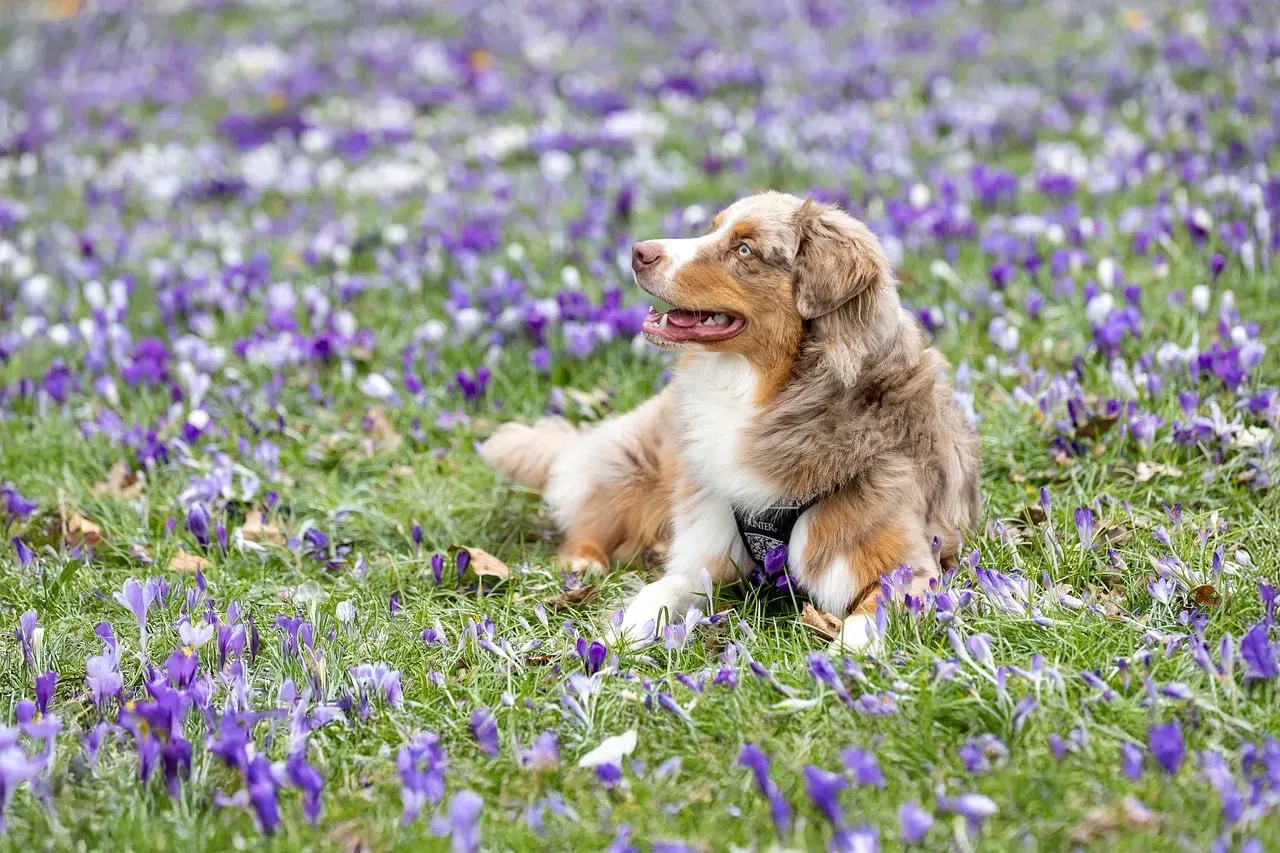
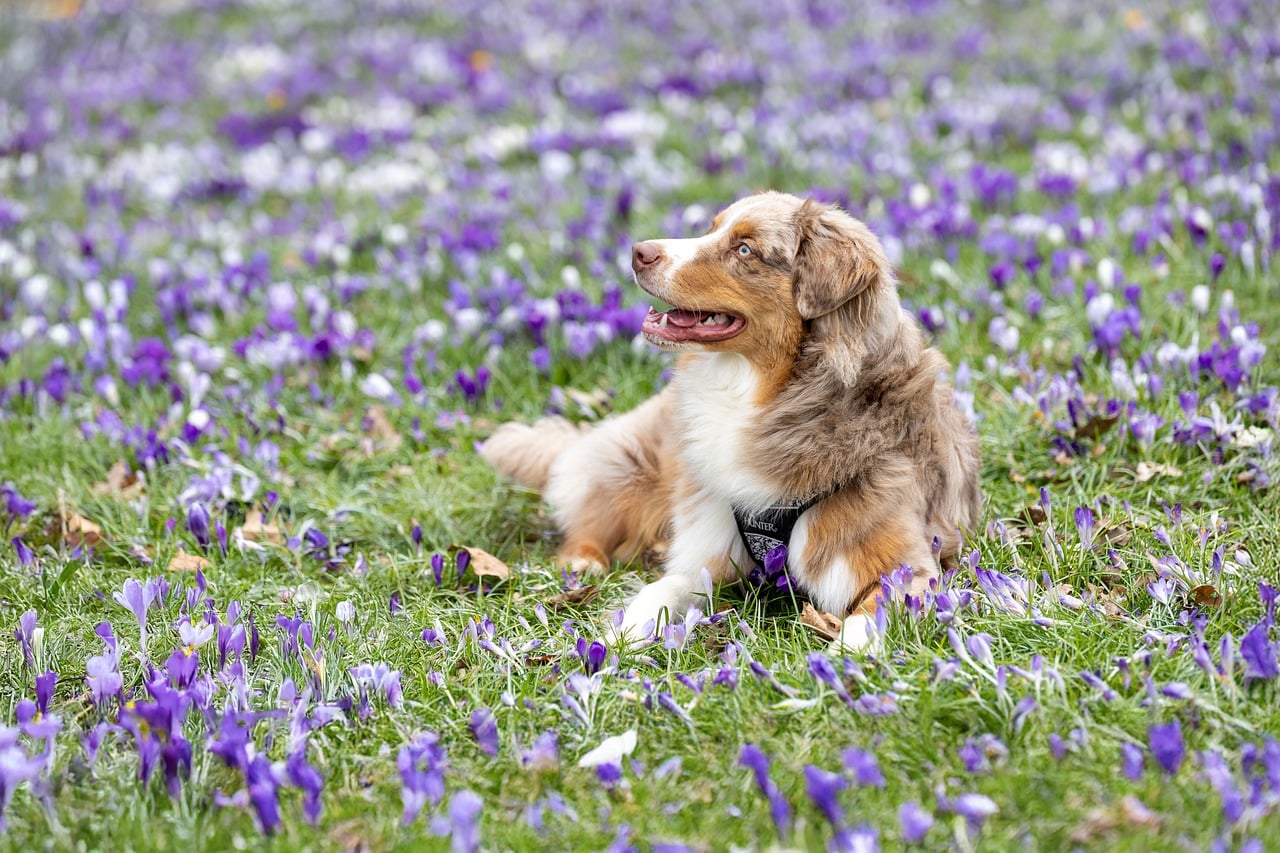
Australian Shepherds look like fun, fluffy family dogs, but underneath that cute exterior is a serious working brain. These dogs were bred to manage livestock in tough environments, which means they are wired to notice patterns, make quick decisions, and anticipate what might happen next. That mental engine does not shut off just because they now live in the suburbs.
When they do not get enough mental work, Aussies can become barky, bossy, and weirdly intense about controlling people, kids, or other pets. They thrive when you challenge them with things like scent games, trick routines, structured training sessions, and dog sports. Living with an Aussie often feels like living with a very active, very opinionated roommate who needs a hobby or two just to stay sane.
Belgian Malinois: The Workaholic Athlete With a Tactical Mind
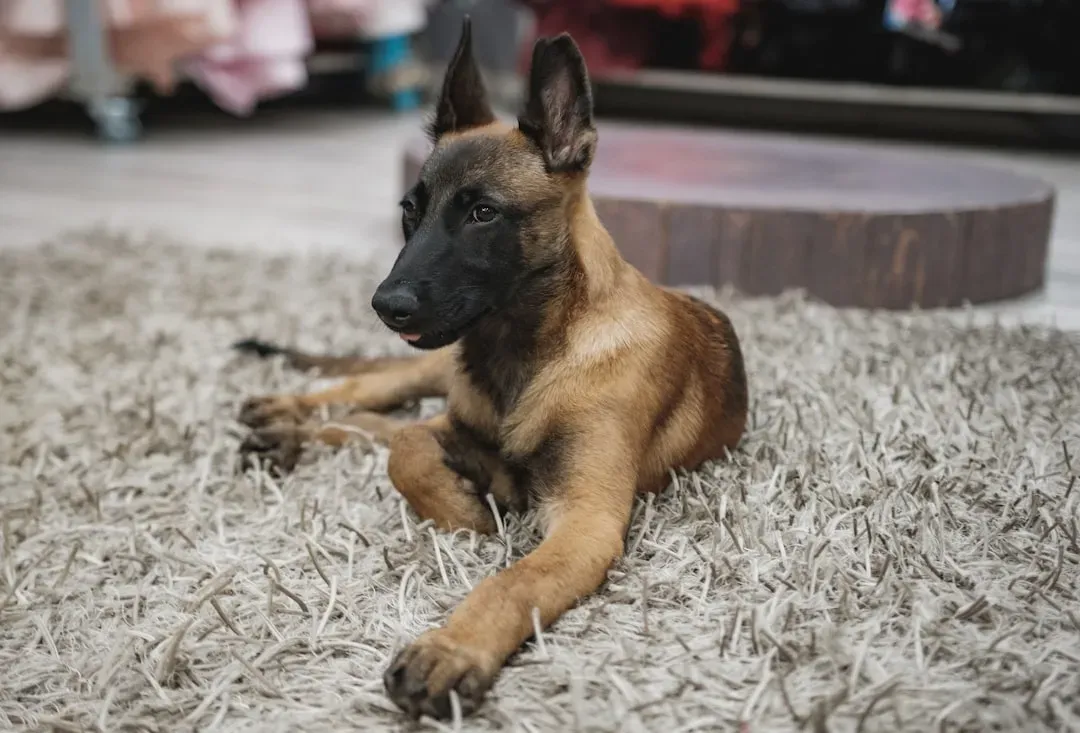
Belgian Malinois are often used in police, military, and protection work for a reason: they have almost unlimited drive paired with a sharp, tactical mind. They are not just fast and agile; they are constantly scanning, assessing, and looking for something to do. If a typical pet dog is a casual jogger, a Malinois is a special forces operator who trained for this their whole life.
Most people underestimate how intense it is to live with that level of mental energy in their living room. Basic walks and a few toys are nowhere near enough; they need structured training, obedience, bite work or alternative outlets, complex games, and jobs that make them think under pressure. Without that, Malinois can become frantic, anxious, destructive, and sometimes downright unsafe in the wrong hands. They are incredible dogs, but for most homes, their brain is simply too much.
German Shepherd: The Serious Thinker Who Wants a Job Description
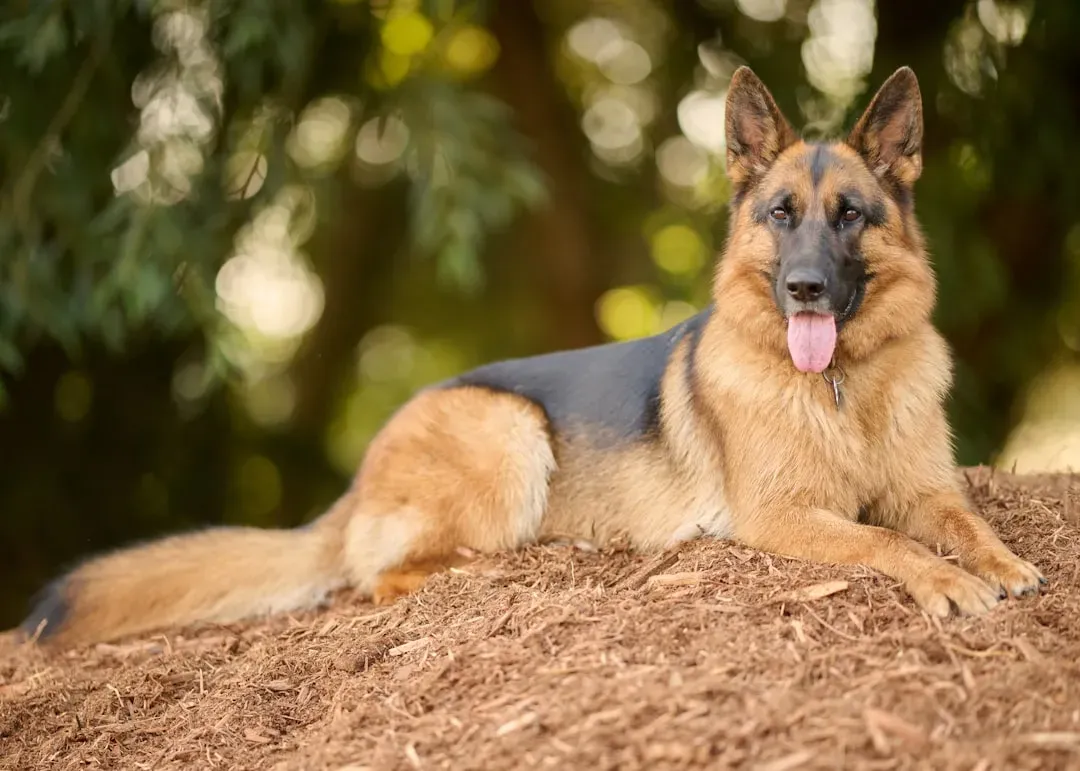
German Shepherds are often pictured lounging with families, but they were originally developed for herding and later reshaped for protection, tracking, and service work. That means they come preloaded with a brain built for learning routines, understanding tasks, and staying focused on a mission. If you bring one home expecting a laid-back couch companion, you may be surprised by how restless they become without real work.
These dogs often shine when given structured training goals like advanced obedience, tracking games, nose work, or protection sports. They want to understand what their role is in the household and feel secure knowing what is expected of them. When they are mentally under-stimulated, you might see nervous behavior, constant patrolling, reactivity, or endless barking. The more you treat a German Shepherd like a serious partner and less like a decorative pet, the happier they tend to be.
Poodle (Standard and Miniature): The Brainy Comedian in Disguise
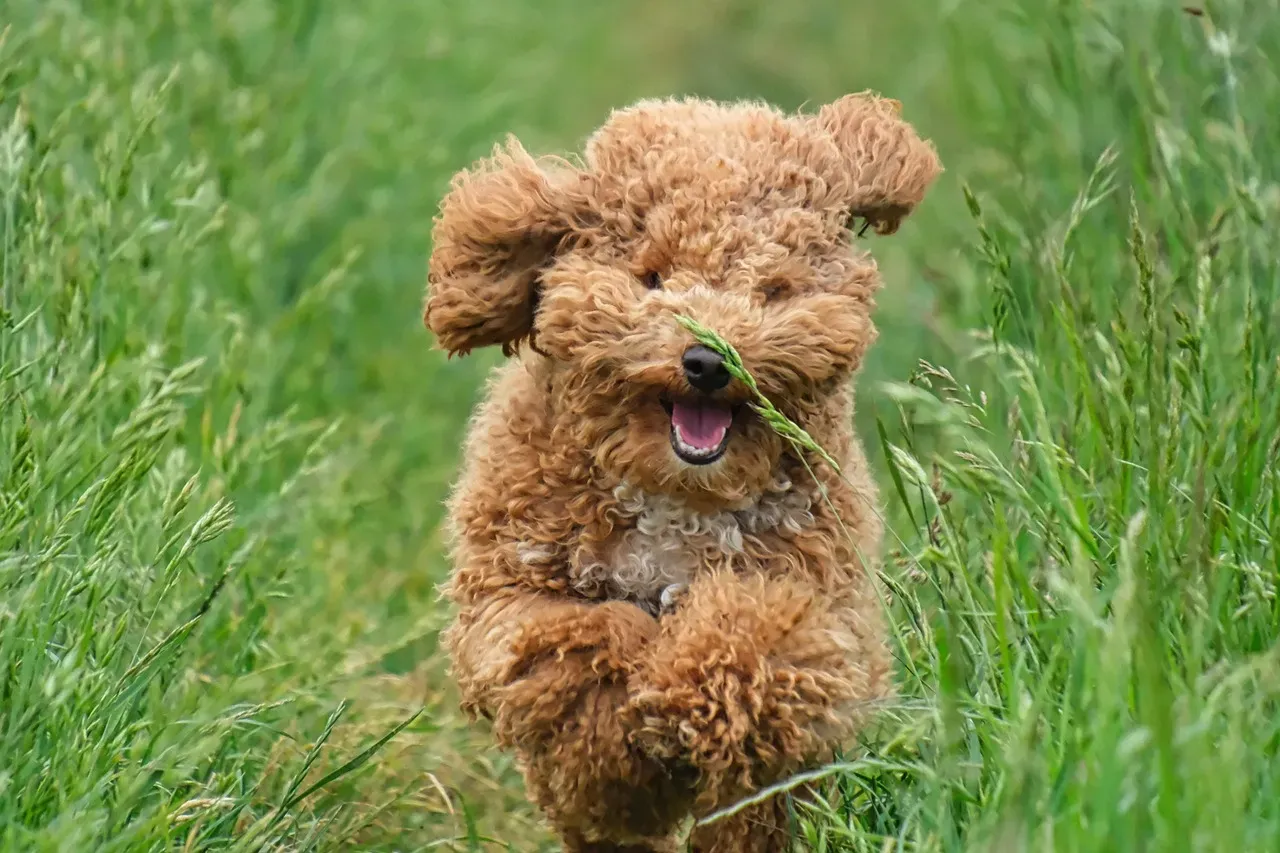
Poodles often get written off as fancy or fragile because of their grooming styles, but underneath the haircut is a working water retriever with a seriously impressive brain. They were bred to remember where birds fell, work closely with hunters, and problem-solve in cold, difficult conditions. That mix of sensitivity and intelligence means they pick up on patterns and emotions faster than many people expect.
In a modern home, Poodles frequently get bored with repetitive fetch or basic walks. They do much better with trick training, scent games, puzzle feeders, and jobs like canine sports or therapy work that involve thinking and adapting. Because they are so observant, they can also pick up bad habits just as quickly as good ones if left mentally idle. Living with a Poodle can feel like living with a clever, slightly mischievous comedian who is always three steps ahead of you.
Doberman Pinscher: The Velcro Genius Who Studies You

Dobermans are known as loyal guardians, but what really stands out when you live with one is how intensely they watch their people. They were bred as personal protection dogs, which demands quick thinking, reading human body language, and making real-time decisions. As a result, they often act like intuitive, hyper-aware shadows that are constantly studying you.
That kind of mental engagement needs an outlet beyond just cuddling on the couch. Dobermans tend to do best with regular training sessions, obedience work, problem-solving games, and roles where they feel genuinely useful. When bored, they might become clingy, destructive, anxious, or start overreacting to every noise outside. In my experience, the more you talk to a Doberman, teach them words, and give them tasks, the more they transform from a handful into a mind-blowingly impressive partner.
Jack Russell Terrier: The Tiny Rocket Scientist of Chaos
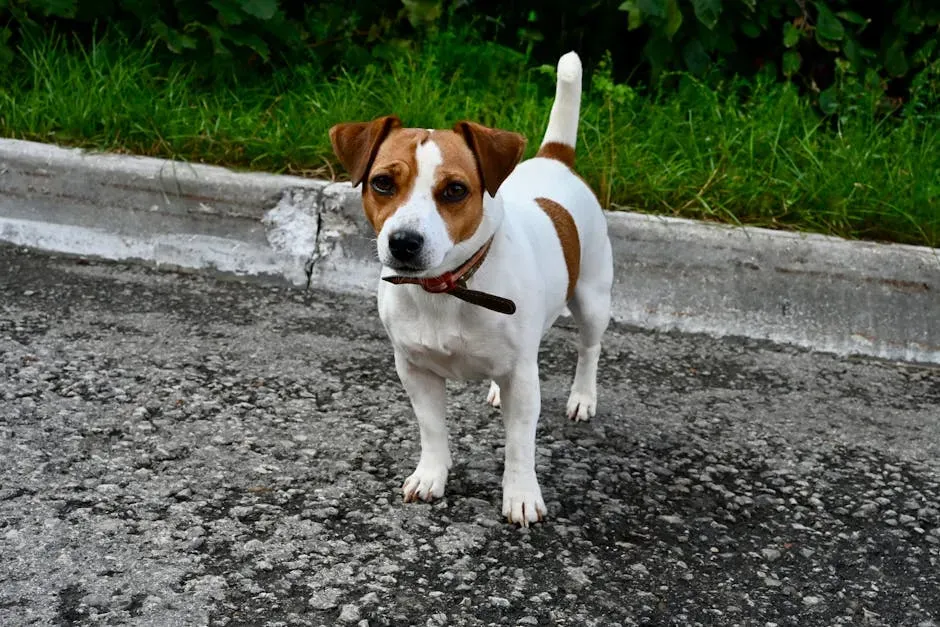
Jack Russell Terriers are small, but mentally they are absolute powerhouses. Originally bred for fox hunting, they needed to think independently underground, make fast decisions without direct human direction, and keep going for long hours. That independence and endless drive are still very much there, even when they live in an apartment with a toy basket.
Many people mistake their destructive tendencies for simple hyperactivity, when it is really boredom mixed with a strong hunting brain. They love activities that let them dig, search, chase simulated prey, and solve problems, such as scent games, flirt poles, and puzzle feeders. Without that, they often channel their energy into escaping yards, barking nonstop, or dismantling anything they can reach. A mentally satisfied Jack Russell is hilarious, bold, and deeply entertaining; an understimulated one feels like living with a tiny chaos engineer.
Siberian Husky: The Free-Spirited Strategist and Escape Artist

Siberian Huskies are usually associated with running and pulling sleds, but their mental side is just as important. Historically, they needed to navigate harsh conditions, work as a team, and sometimes use their own judgment about when to conserve energy or change course. That creates a dog that is not only energetic but also surprisingly strategic and sometimes stubborn.
When they do not get enough mental stimulation, Huskies often turn their brains toward escape missions, creative destruction, and testing every boundary you set. They appreciate challenges like problem-solving games, scent-based activities, and training that allows a bit of choice and independence. Giving them only physical exercise is like revving an engine with no steering wheel. Once you start engaging their mind instead of just their legs, you see a much calmer and more connected side to them.
Conclusion: Smart Dogs Are Not “Difficult” – They’re Underemployed
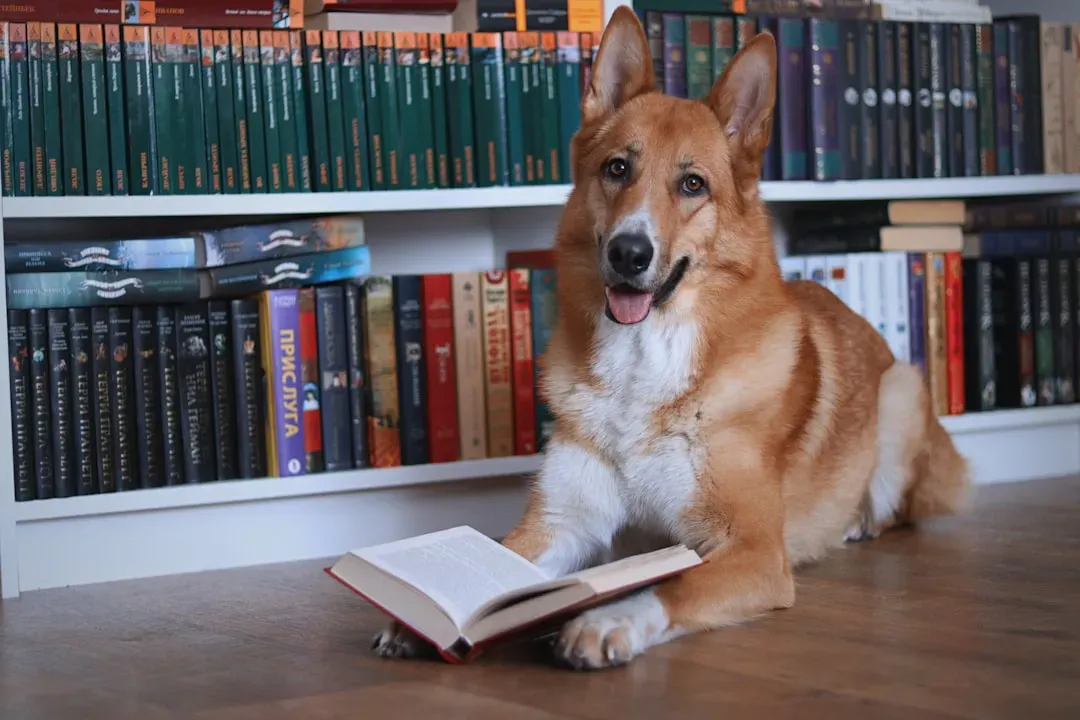
Living with these breeds has taught me that many so-called “problem dogs” are really just underemployed minds. We bring home dogs who were bred to make decisions, solve problems, and think all day long, then we give them a couple of walks and a chew toy and wonder why they are frustrated. It is a bit like hiring a brilliant engineer and asking them to spend eight hours a day filing papers; eventually, something is going to crack.
If you share your life with one of these dogs, you do not need to turn your home into a boot camp, but you do need to respect the brain you invited in. Short, daily training sessions, puzzle feeders, scent games, new tricks, and real jobs around the house can transform your dog’s behavior and your relationship. In the end, the challenge of keeping a smart dog mentally satisfied often becomes the joy that bonds you together the most. Now that you know how much is going on in their head, are you giving your dog’s brain the workout it deserves?