
9 Dog Breeds That Were Originally Bred for Jobs That No Longer Exist
It’s wild to look at your dog snoring on the couch and realize that, not so long ago, many breeds were hardcore working partners doing jobs that simply don’t exist anymore. Behind that goofy smile or dramatic side-eye, there’s often a history of grit, danger, and very specific work humans needed done in another era. Once you know what some dogs were actually bred to do, you’ll never look at them the same way again.
In a world of doggy daycares, Instagram accounts, and designer harnesses, it’s easy to forget that many of our favorite breeds were once tools of survival. Some of these jobs vanished with new technology, changing laws, or shifting lifestyles, but the instincts are still baked into the dogs we love today. Let’s dive into nine breeds whose original careers have faded away, even though the dogs themselves are still very much here, quietly carrying old habits into modern living rooms.
1. Dalmatians – Carriage Guardians of the Road
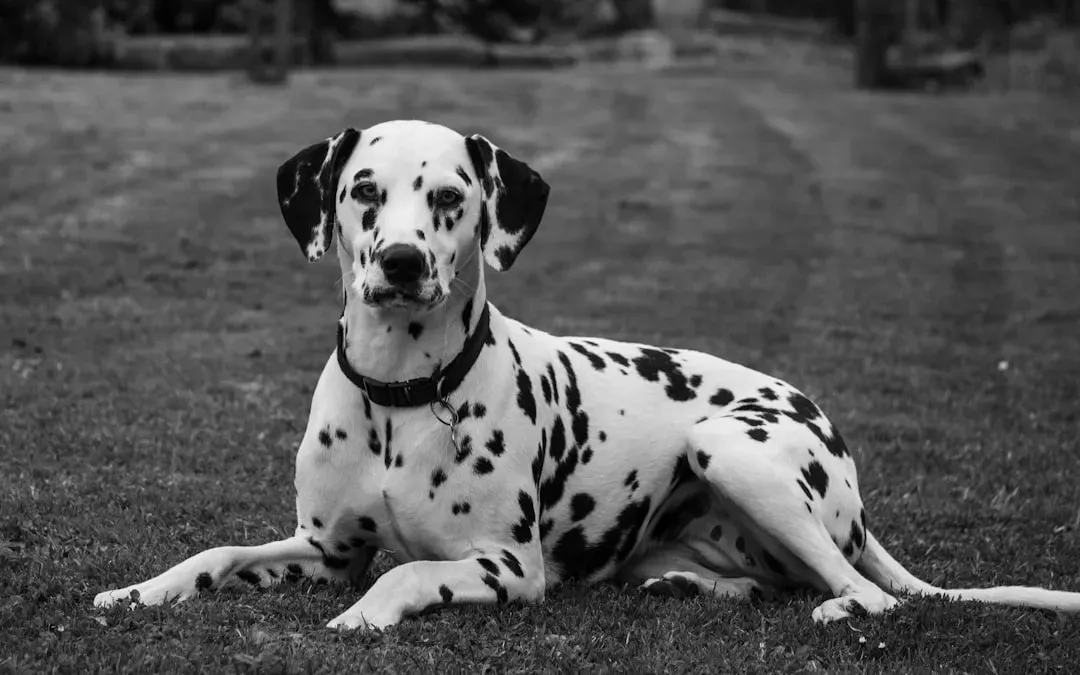
Most people think of Dalmatians as either movie dogs or firehouse mascots, but their original job was surprisingly intense: they were carriage dogs, running alongside horses to guard coaches on the road. They trotted for miles next to or under the axles of horse-drawn carriages, deterring highway robbers, keeping stray dogs away from the horses, and acting as sleek, spotted security systems in motion. Their calmness around horses and their stamina were absolutely critical in an era when travel was dangerous and slow.
That job simply vanished once cars replaced carriages, and later, once modern security and police forces took over protection roles. Their link to fire stations also came from their ability to clear the way for horse-drawn fire wagons, something that’s obviously obsolete now. Yet you can still see echoes of that old job in their endless energy, strong attachment to their people, and tendency to follow you from room to room like a moving bodyguard. When a Dalmatian seems restless in an apartment, it’s basically a former long-distance road runner stuck in a studio.
2. Turnspit Dogs – Living Kitchen Machines
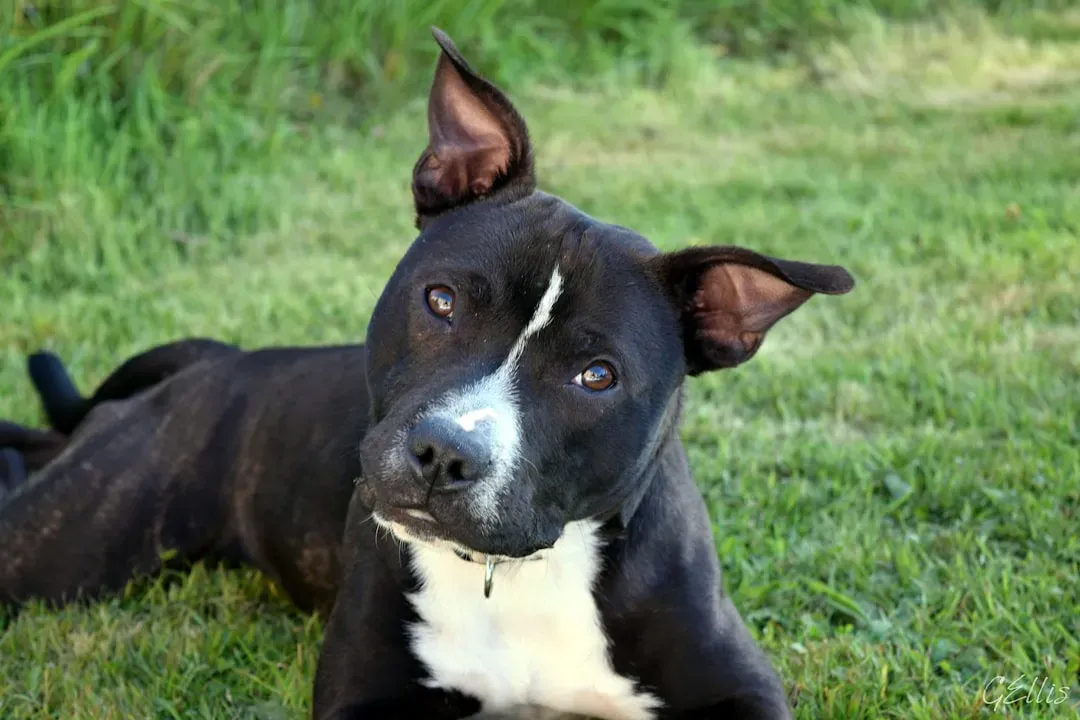
Turnspit dogs might be the most heartbreaking example on this list, because their entire “career” was to power kitchen equipment. In early modern Europe, especially in Britain, these small, sturdy dogs ran inside wooden wheels connected to spits over open fires, turning meat slowly for hours so it cooked evenly. They were literally the living motor of the kitchen, trotting in circles in hot, smoky rooms while families prepared grand meals above the flames.
Once mechanical spit-turners and later modern ovens arrived, there was no need for a living creature to do that brutal, repetitive work. The type itself faded away so completely that many historians now consider the turnspit dog effectively extinct as a distinct breed. For me, they’re a stark reminder of how casually humans once used animals as tools, not companions, and how radically that relationship has shifted in just a couple of centuries. Every time I see a dog sprawled upside down on a sofa, I’m oddly relieved that nobody expects it to power the kitchen anymore.
3. Newfoundland Dogs – Lifeguards of the Age of Sail
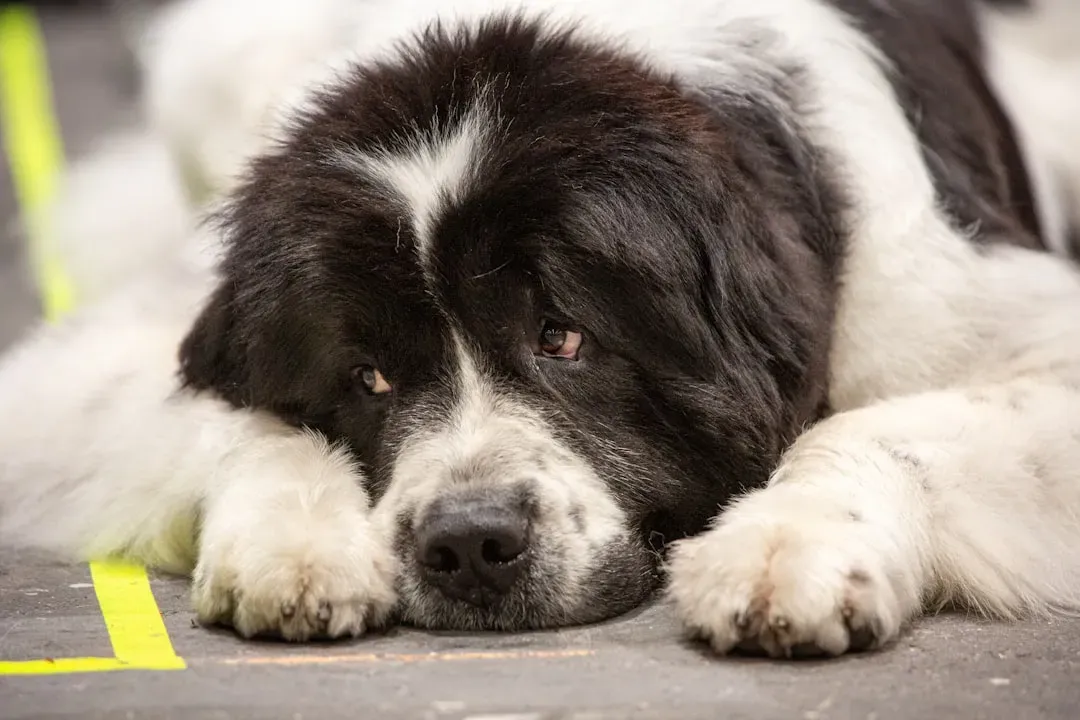
Newfoundlands still look like they could pull a drowning ship to shore, and in their original job, that’s not far from the truth. They were bred in the North Atlantic region to haul fishing nets, drag heavy equipment, and, most dramatically, rescue people who fell overboard in icy waters. Stories from the age of sail describe Newfoundlands leaping from ships into rough seas, using their dense, water-resistant coats and powerful strokes to tow humans back to safety. They were essentially early, furry lifeguards long before organized rescue services existed.
Today, we have life jackets, coast guards, helicopters, and sophisticated rescue systems that make dog-based sea rescues mostly unnecessary. While some Newfoundlands still participate in water rescue sports and demonstrations, the scale and seriousness of their old job is largely gone. Still, their mellow, gentle nature and instinct to move toward, not away from, splashing and chaos show those old genetics at work. When a Newfoundland leans calmly against a frightened child near a pool, it feels like a faint echo of a time when human survival in the water sometimes depended on dogs like them.
4. Otterhounds – Hunters for a Problem We Created
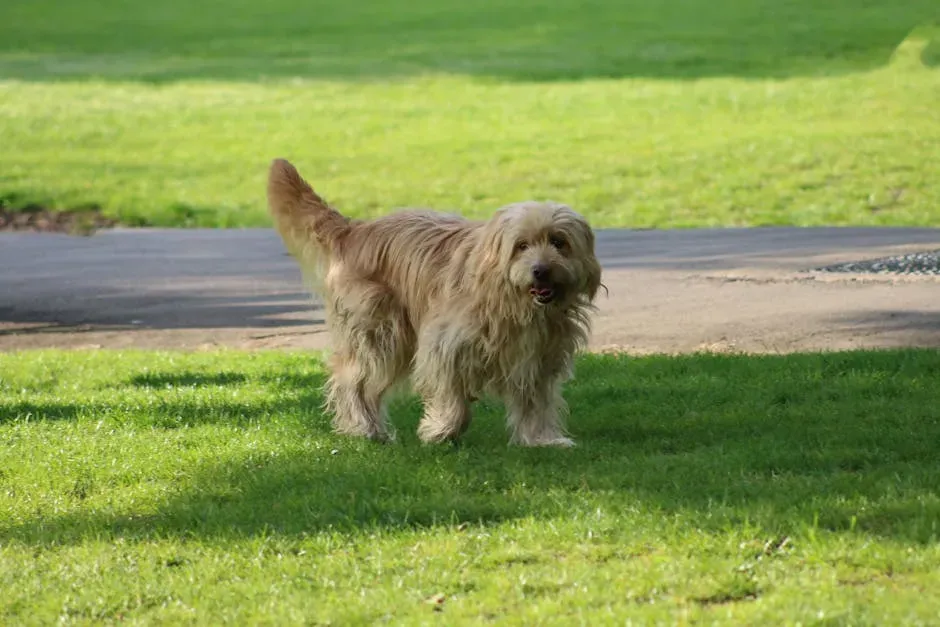
The Otterhound is a big, shaggy tracking dog that was developed in Britain to do one very specific job: hunt otters that were blamed for depleting fish populations in rivers. Packs of Otterhounds followed scent trails through water and dense vegetation, and once the otters were found, they were killed as pests. It was a messy, noisy, and controversial “sport,” combining practical pest control with upper-class leisure in a way that now feels deeply uncomfortable.
As river health and wildlife protection became more important, otters in many regions gained legal protection, and organized otter hunting was banned. That left Otterhounds with a skill set that no longer had a socially acceptable outlet. There are now very few of them in the world, and they’re mostly kept as companions or show dogs. To me, their story is a strange mix of guilt and gratitude: guilt that we used dogs to fix ecological imbalances we helped cause, and gratitude that at least this particular blood sport has faded into history.
5. Bloodhounds – Relentless Trackers from a Different Legal Era
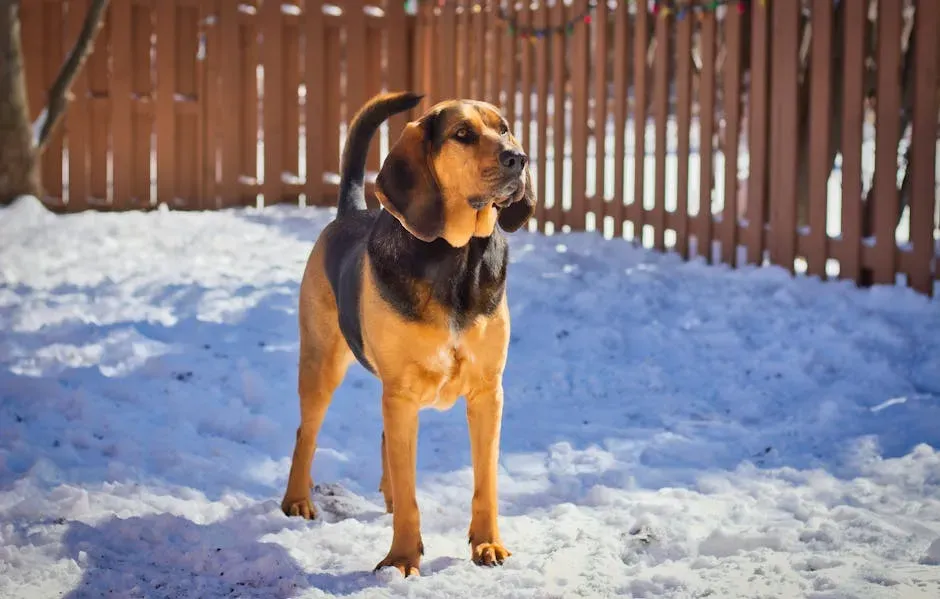
Bloodhounds are famous for their almost supernatural noses, and they were originally developed to track human scent over staggering distances. For centuries, they were used to follow the paths of fugitives, missing people, or, more darkly, escaped enslaved individuals. Their tracking work was incredibly valued in a time when there were no forensic techniques, no cameras, and no digital records. If you wanted to find someone who had vanished into the countryside, you often leaned on a Bloodhound and its handler.
Today, modern policing, surveillance, and technology have changed how searches work, and in many places the old style of prolonged manhunts across open land is far less common. Bloodhounds are still used in some search-and-rescue operations, but the traditional, routine role of a dedicated human-tracking breed has shrunk dramatically. When I look at a Bloodhound now, with all that wrinkled skin and droopy charm, I see a dog designed for a world where the landscape and the nose were the main tools of investigation. It’s a little surreal that many of them now spend their days sniffing around backyards instead of rewriting the course of someone’s fate.
6. Greyhounds – Elite Racers in a Sport on the Way Out
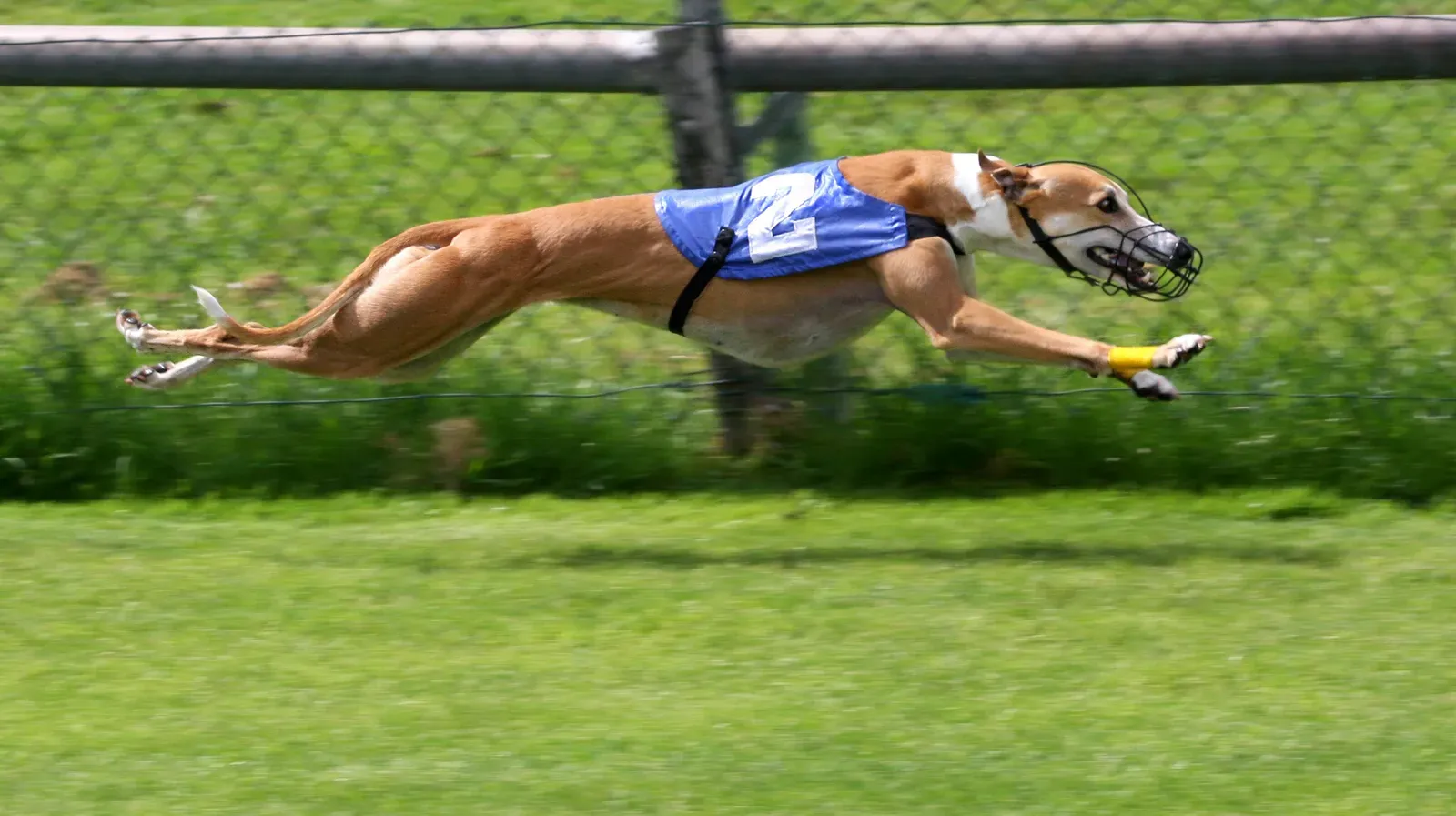
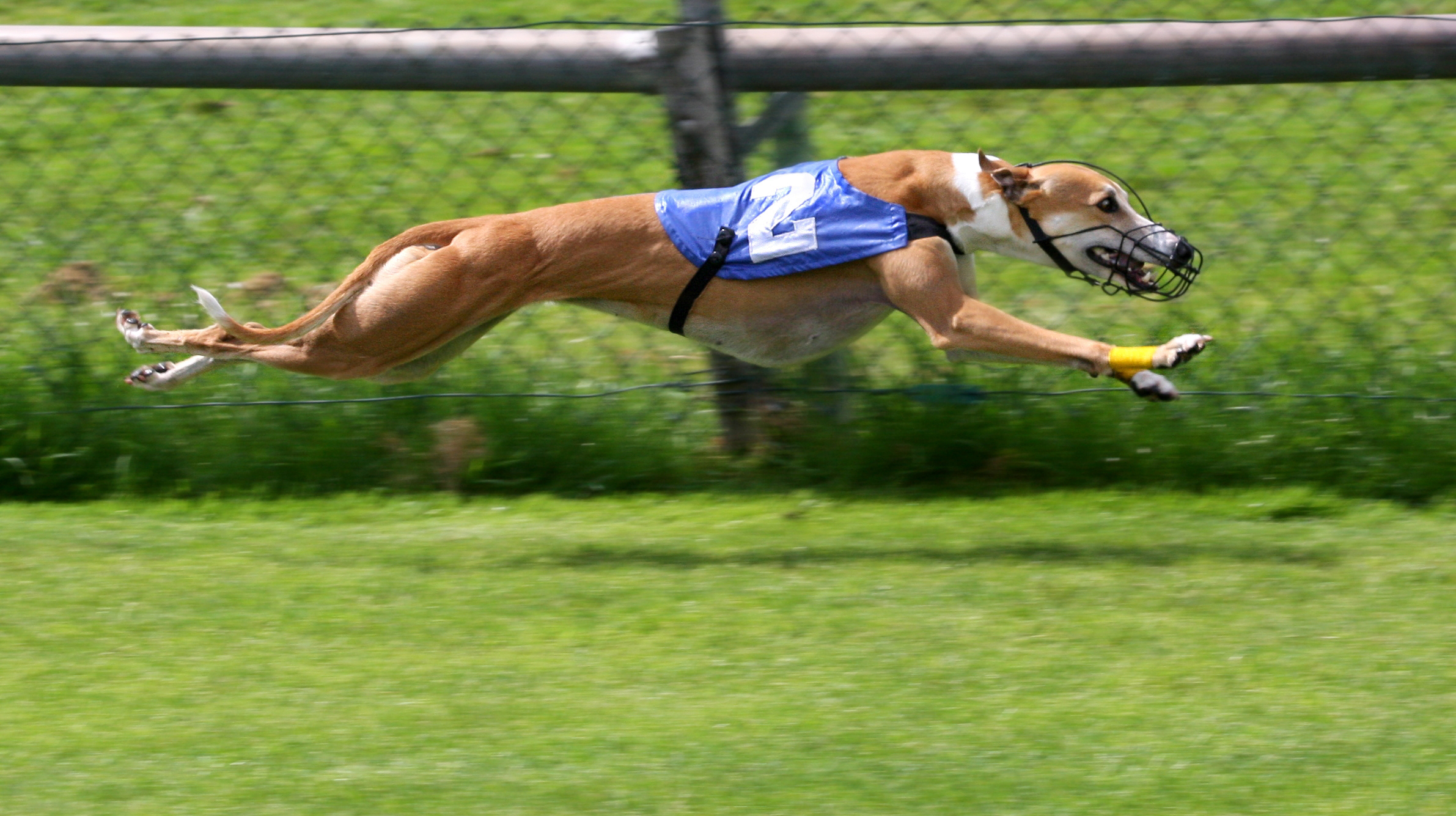
Greyhounds were historically bred to chase down game like hares and deer over open land, using raw speed and vision rather than nose work. Over time, that hunting purpose transformed into formalized greyhound racing, where dogs were trained to sprint around tracks after mechanical lures. For decades in some countries, it was a major betting industry, with entire breeding programs focused on producing the next champion racer. The dogs themselves were treated as athletes first, companions second, and sometimes not at all once their racing days ended.
In recent years, public opinion and animal welfare concerns have pushed greyhound racing into steep decline, and in many places it has been heavily restricted or shut down. The original job of coursing wild game is largely illegal or socially unacceptable now as well. That leaves Greyhounds, these incredible speed machines, mostly as surprisingly lazy couch potatoes in regular homes, which is where I think they should have been all along. Watching an ex-racing Greyhound learn how to nap, play with toys, and be a pet feels like seeing a retired professional athlete finally allowed to be a normal person.
7. Tibetan Mastiffs – Night Watchers for Nomadic Herds
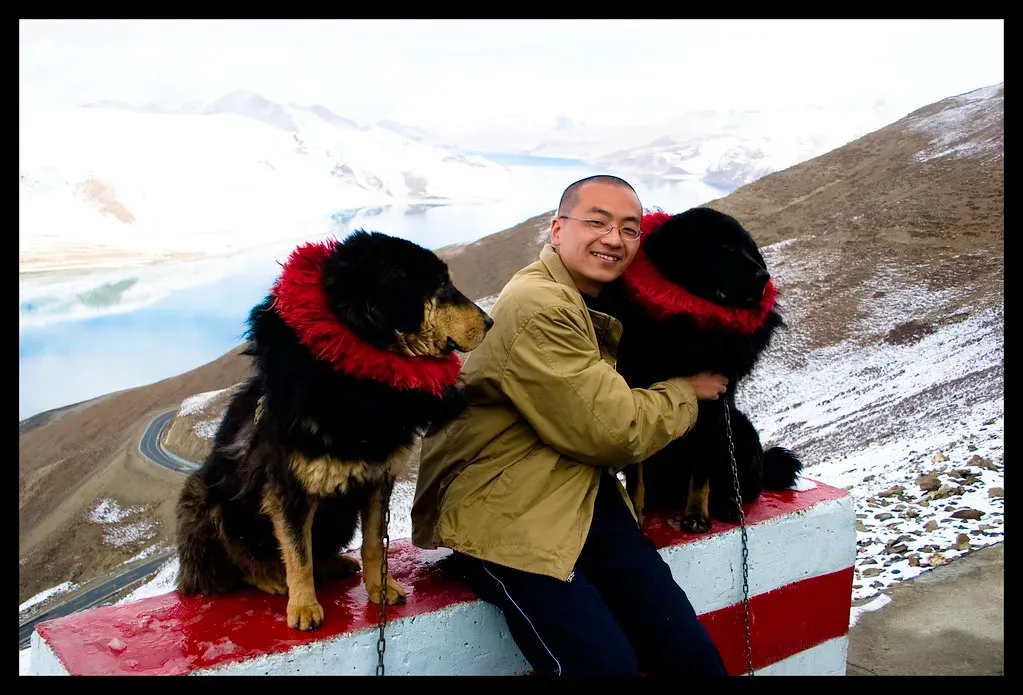
Tibetan Mastiffs were originally bred to guard livestock and property for nomadic and village communities in the high Himalayas. Their job was to patrol the perimeter at night in freezing conditions, barking at anything suspicious and standing off against predators like wolves or snow leopards. They had to be independent, suspicious of strangers, and absolutely fearless, because help might be a long way off. In that sparse, harsh landscape, a good guardian dog could mean the difference between survival and ruin.
Fast forward to modern life, and many Tibetan Mastiffs now live in city homes or suburban yards where there are no predators to fight and no herds to protect. Their original job, guarding isolated encampments in a pre-modern world, barely exists anymore outside of a few traditional communities. Yet the instincts are still intense: they can be loud, territorial, and standoffish with unfamiliar people, which sometimes clashes badly with urban expectations of friendly, easy-going pets. To me, they’re a perfect example of what happens when we take a dog built for a mountaintop fortress and ask it to chill in a cul-de-sac.
8. Irish Wolfhounds – Giants Bred to Take Down Wolves
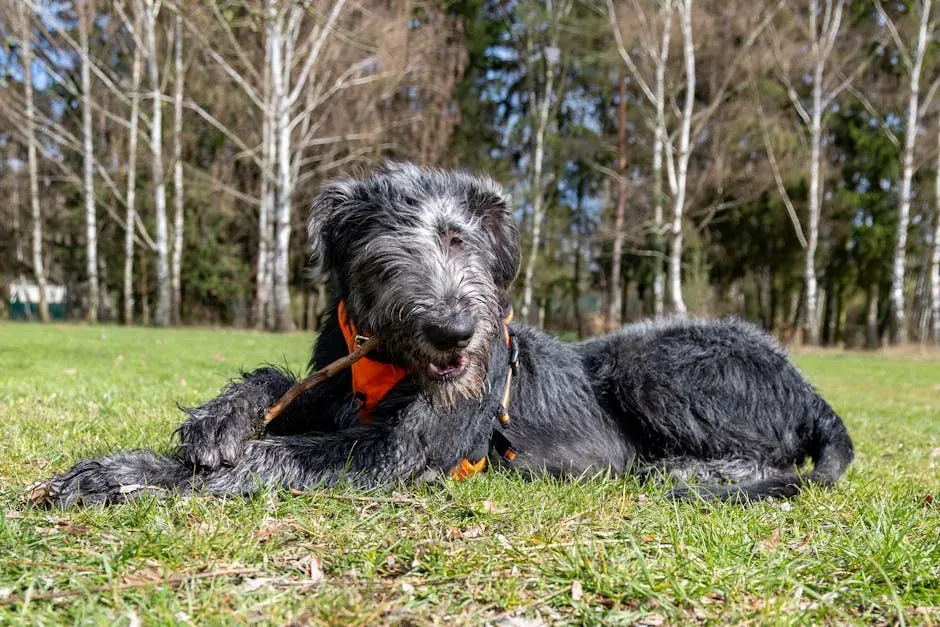
Irish Wolfhounds look like mythical creatures brought to life, and their original job was just as dramatic: they were bred to hunt and kill wolves that threatened livestock and communities in Ireland. These dogs needed size, courage, and the ability to face powerful wild predators at close range. For a long time, they were symbols of status and power, used by nobles and warriors as much for their practical hunting role as for their imposing presence. In a landscape where wolves were a real danger, a dog that could stand up to them was deeply valued.
As wolves were wiped out or driven away from many parts of Ireland and the surrounding regions, the entire reason for the breed’s existence started to evaporate. Today, there are no wolf-hunting parties roaming the countryside with packs of giant hounds. Instead, Irish Wolfhounds live primarily as affectionate, gentle companions, often described as soft-hearted despite their size. Whenever I see one leaning softly against its owner on a sidewalk, I can’t help but think how strange it is that this peaceful giant once had a job that revolved around facing down apex predators.
9. Bouvier des Flandres – Rugged Farm All-Rounders in a Mechanized World
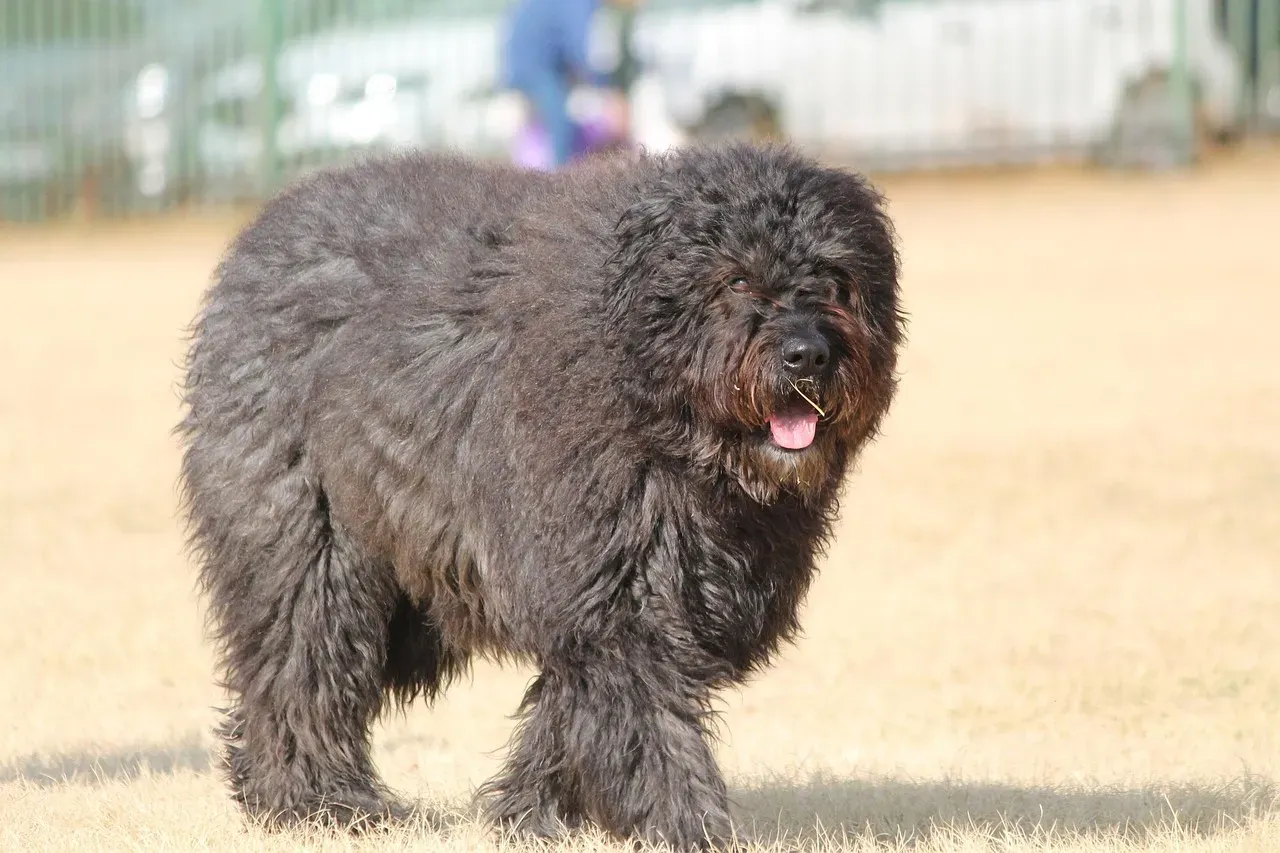
The Bouvier des Flandres was developed as a tough, do-it-all farm dog in the Flanders region, handling cattle, pulling carts, and helping with various heavy tasks around rural properties. These dogs had to be strong, weather-resistant, and versatile, capable of working long days in rough conditions. They were essentially canine farmhands, expected to handle everything from driving herds to hauling goods. On small, pre-mechanized farms, a dog like that was an everyday necessity rather than a luxury.
Modern agriculture has replaced most of those tasks with tractors, trucks, and specialized machinery, and the idea of a dog pulling carts or routinely driving cattle for smallholdings is now more romantic than real. Bouviers have shifted into roles like family guardians, sport dogs, or occasional police and military helpers, but their original multi-purpose farm job has pretty much disappeared. I find them especially symbolic of the way technology quietly erased entire categories of animal labor. When a Bouvier is lounging in a suburban backyard, you’re looking at a retired blue-collar worker in a world that forgot to tell it the factory closed.
Conclusion: What We Owe Dogs Whose Jobs Disappeared
Looking at these nine breeds, I’m struck by how casually human progress writes old jobs out of the story, while the dogs themselves keep carrying the instincts and bodies shaped for those roles. We swapped carriages for cars, wolves for regulations, and kitchen wheels for appliances, yet the descendants of carriage guards, wolf killers, and kitchen workers are still here, trying to make sense of apartments, parks, and leashes. To me, that creates a kind of quiet moral debt: if we bred dogs to work for us, and then took the work away, we at least owe them understanding, enrichment, and lives that respect where they came from.
That doesn’t mean feeling guilty every time your dog naps on your bed, but it does mean looking past the cute factor and asking what your dog was built for, and how you can honor that in humane, modern ways. Maybe it’s giving a former hunter scent games instead of trophies, or letting an ex-guardian watch over the yard instead of pushing it to be a social butterfly. When you know that the lazy, lovable creature beside you was once part lifeguard, part bodyguard, or part farmhand, it changes the relationship in a good way. Next time your dog does something that seems random or annoying, will you see it as misbehavior, or as an old job trying to find a new place in your world?