
10 Dog Breeds That Want a Job to Do – Even If That “Job” Is Supervising Everything You Do Around the House
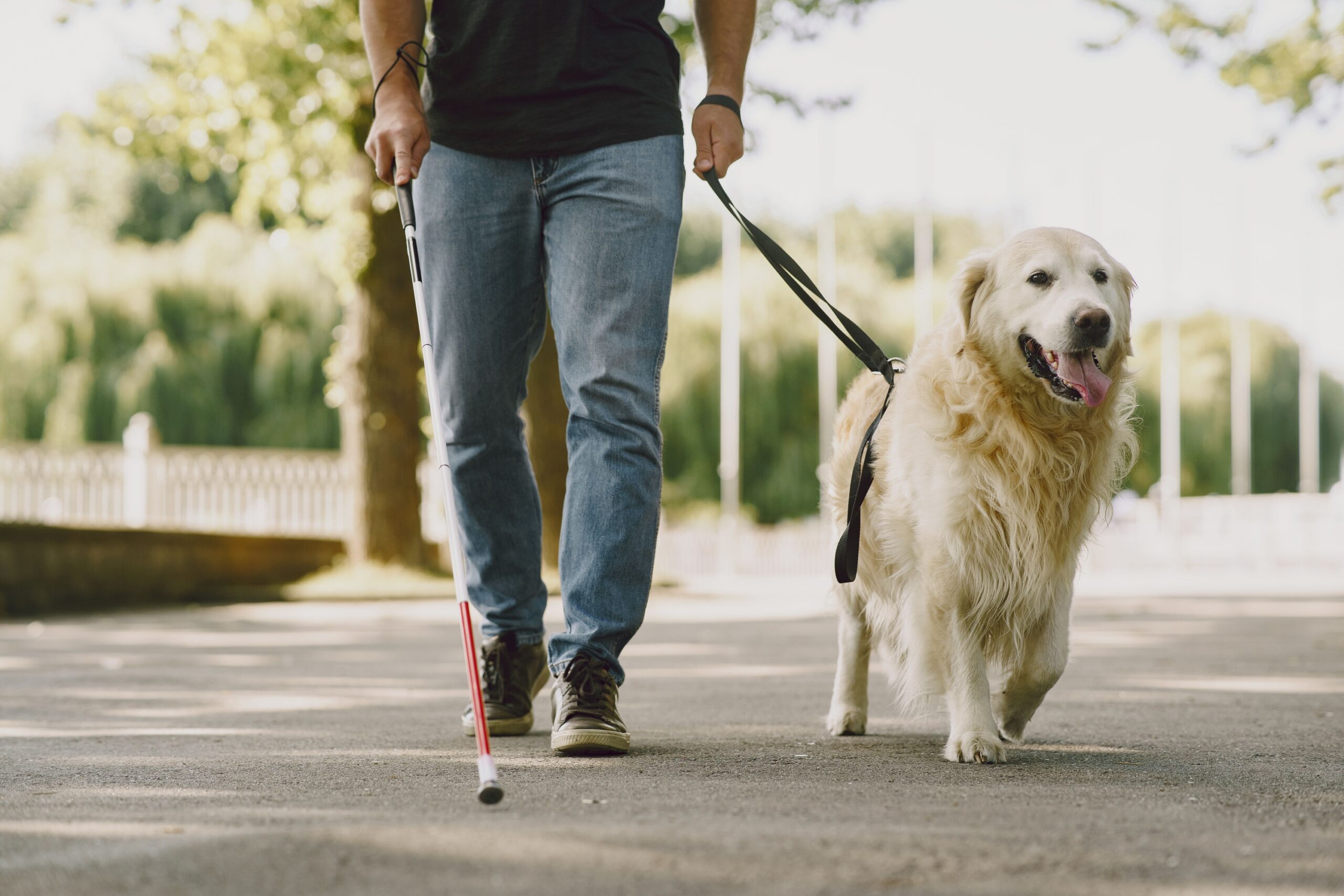
Some dogs are perfectly happy napping on the couch and waking up only for dinner. Others? They’re taking mental notes on your every move, wondering why you still haven’t assigned them a task. If you live with one of these work-obsessed breeds, you’ve probably felt those intense eyes on you while you fold laundry, answer emails, or dare to sit down for five minutes.
This is the secret most first-time owners of working breeds don’t realize: these dogs weren’t bred to be decorative. They are smart, wired for purpose, and if you don’t give them a job, they’ll invent one – like “reorganizing” your shoes or “redecorating” the trash can. Let’s dive into ten dog breeds that will happily turn your entire home into their personal workplace, even if their daily job description is just “household supervisor.”
1. Border Collie: The Overqualified Project Manager
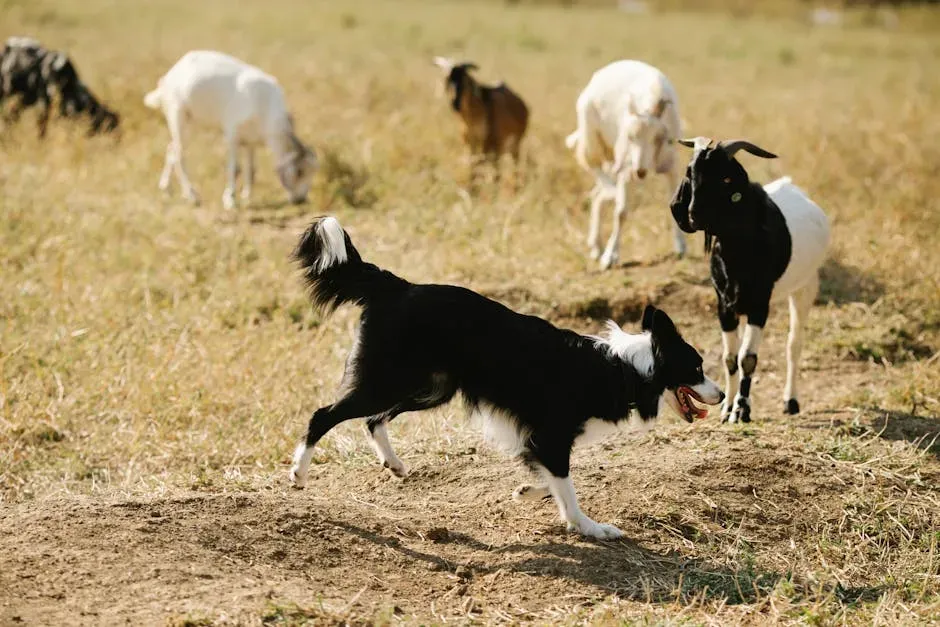
Border Collies are often described as one of the most intelligent dog breeds on the planet, and living with one feels a bit like having a genius roommate who’s always slightly disappointed in your efficiency. These dogs were bred to herd sheep over large distances, reading tiny movements and responding instantly to subtle cues, so watching you wander aimlessly from room to room is almost painful for them. They need tasks that challenge their brains – trick training, advanced obedience, shaping games, even dog sports – just as much as they need physical exercise.
If you don’t give a Border Collie a real job, they’ll take it upon themselves to micromanage your life. They might try to herd your kids, your other pets, or even your guests into one room, circling and staring like a tiny, furry supervisor. Many owners joke that their Border Collie seems to know the household routine better than they do; in my experience, that’s not really a joke. With the right outlets, though, these dogs blossom into incredible partners who live for teamwork and thrive on being your daily co‑worker.
2. Australian Shepherd: The Energetic Home Office Supervisor
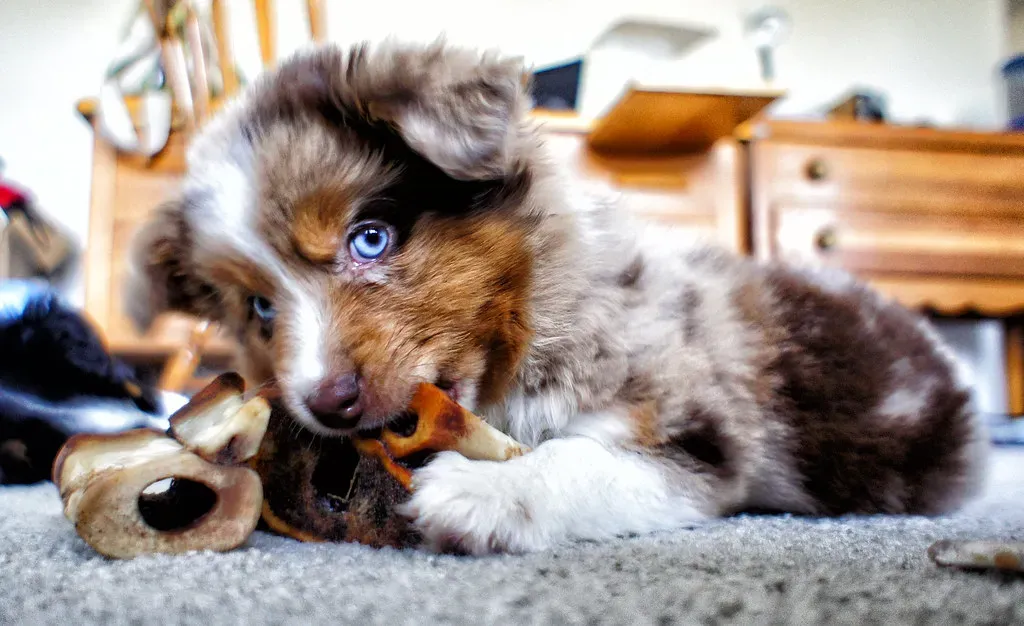
Australian Shepherds, despite the name, were refined as herding dogs in North America, and they bring serious working credentials into any home. They’re agile, quick, and endlessly observant, which makes them fantastic partners for active people who love hiking, running, or doing just about anything outdoors. At the same time, their sharp minds mean they need more than just a walk around the block; puzzle toys, training games, and jobs like “helping” with the laundry or learning the names of toys can keep their brains busy.
In a typical house, an Aussie will quickly decide that their primary role is to supervise. They’ll follow you from room to room, positioning themselves where they can see every angle like a tiny security chief. Many Aussies become self‑appointed “kid wranglers,” keeping an eye on the younger members of the family and checking in if someone cries or runs too far. Without structure, that instinct can turn into bossiness or anxiety, but with clear tasks and boundaries, they become joyful, goofy, and fiercely devoted coworkers in your everyday life.
3. German Shepherd: The Serious Security Director
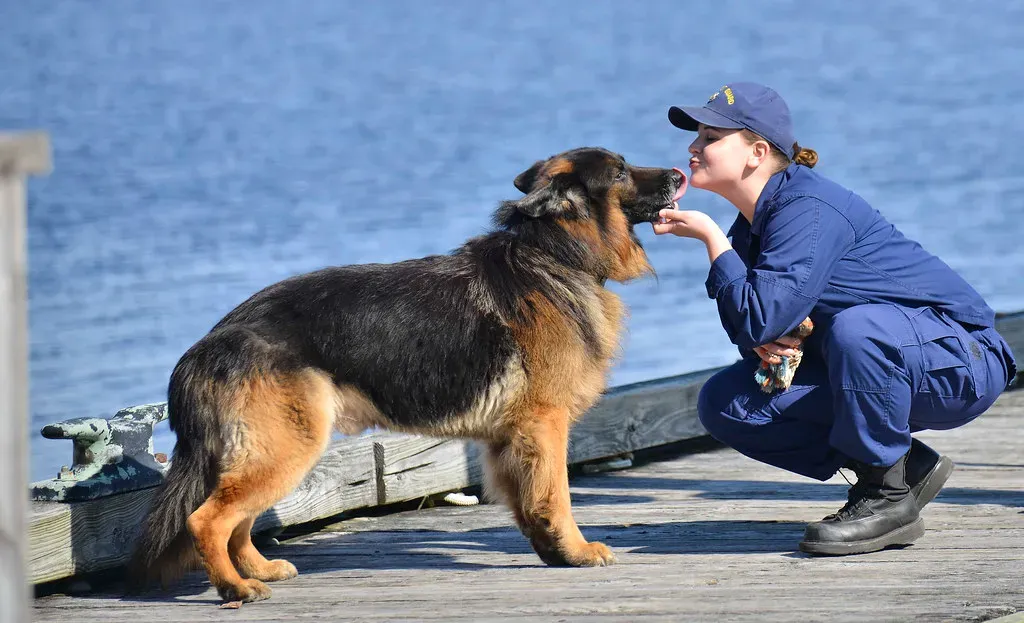
German Shepherds were bred as all‑purpose working dogs – herding, guarding, police work, search and rescue – and that heritage shows in how naturally they take charge. They are incredibly loyal and tend to bond very strongly with their family, often choosing one person in particular as “their” human. In the house, a German Shepherd will often stake out a spot with a clear view of the front door, the windows, or the main hallway, calmly monitoring everything like a security director on duty.
Because they are so intelligent and sensitive, they need more than just love and cuddles to thrive. Training sessions, scent games, structured walks, and even simple jobs like carrying a backpack or helping you pick up toys can make a huge difference. I’ve seen shepherds visibly relax once they understand what’s expected and feel like they have a role to play. Without that direction, all that protective instinct and energy can become nerves or destructive behavior – so giving them a job isn’t just cute, it’s kind of essential.
4. Belgian Malinois: The Intense Overachiever
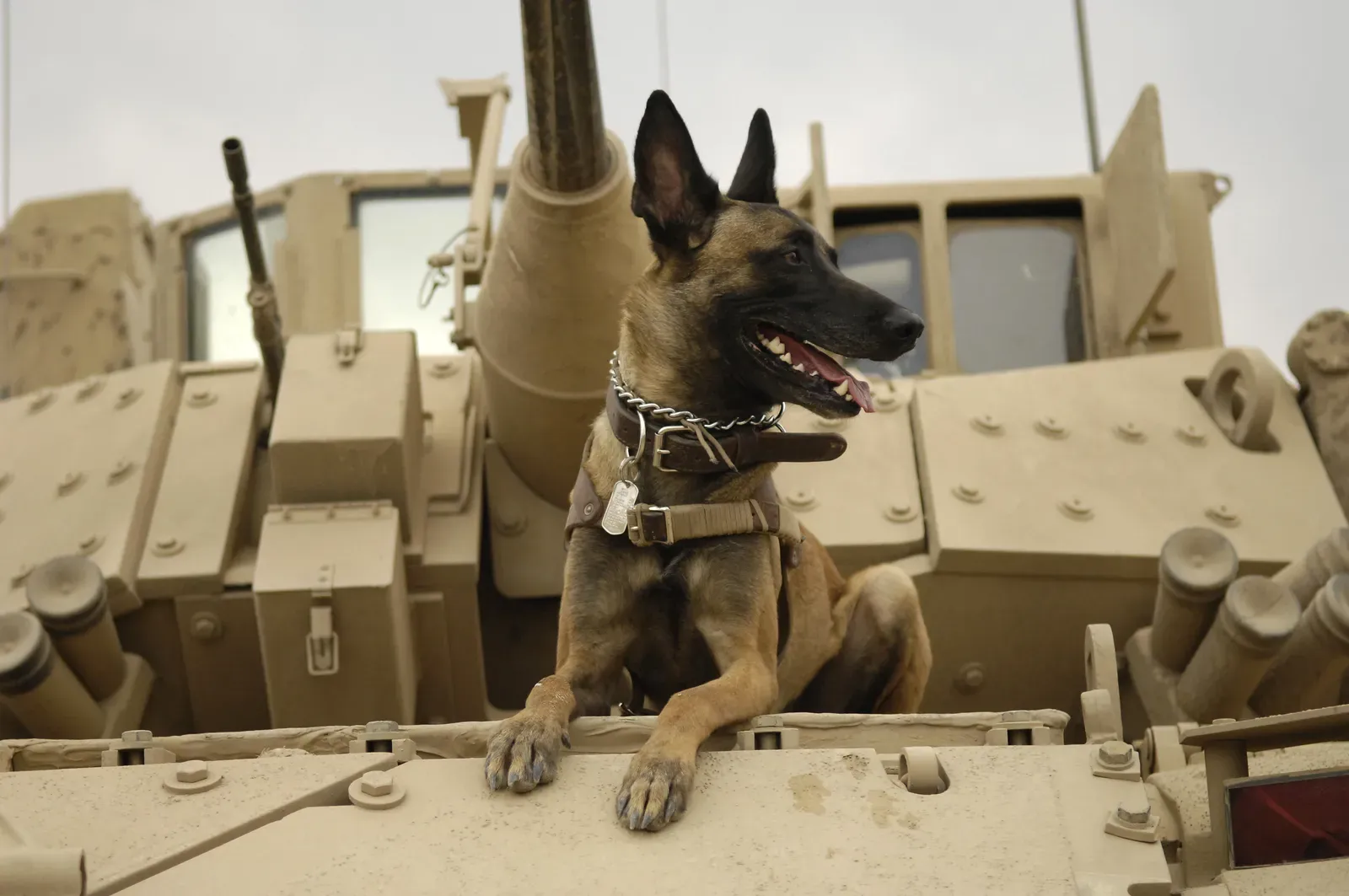
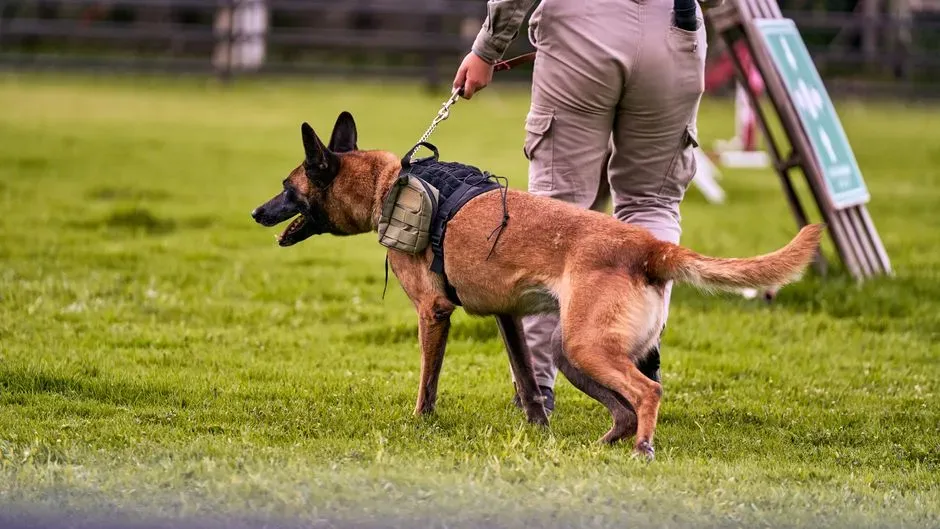
The Belgian Malinois has become known as a favorite of military and police units around the world, and there’s a reason: these dogs are intensity on four legs. They are fast, agile, highly driven, and almost obsessed with working, which makes them amazing in the right hands and overwhelming in the wrong ones. At home, a Malinois who doesn’t have a clear outlet for that energy is likely to pace, shadow your every movement, and search desperately for something to do.
For most people, a Malinois is not a casual pet but a full‑time commitment to training, exercise, and mental stimulation. They excel at protection sports, obedience, tracking, and anything that lets them use their brains and bodies together. Even if your Malinois is “just” a companion, giving them structured tasks like learning complex behaviors, doing scent work in the yard, or playing intense games of tug with rules can turn restless chaos into a focused working partnership. When their need for purpose is met, they’re incredibly affectionate, even cuddly, but they never really go off the clock.
5. Labrador Retriever: The Cheerful Assistant Manager
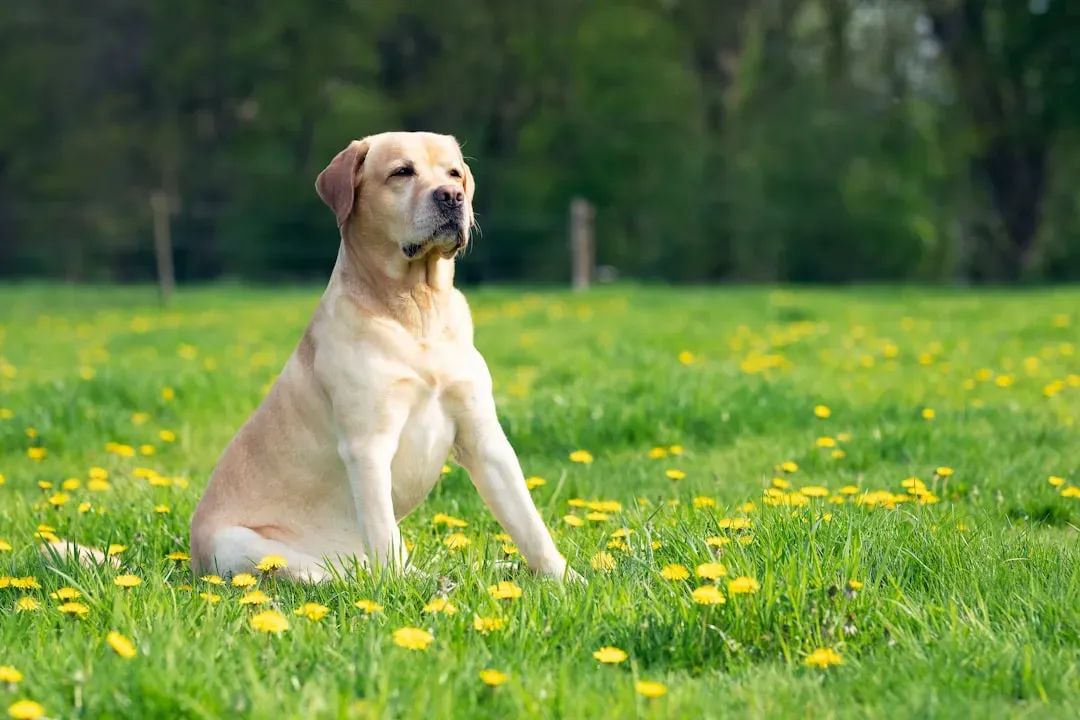
Labrador Retrievers are often thought of as happy, easy family dogs, which is true – but people sometimes forget they were originally bred as working retrievers for fishermen and hunters. That heritage means most Labs have a built‑in need to carry things, find things, and be in the middle of whatever is happening. If you’ve ever had a Lab proudly bring you socks, shoes, or random household items, that’s the working brain at play, trying to be useful.
At home, Labs make fantastic “assistant managers”: they want to participate in every task, from gardening to taking out the trash. Teaching them to fetch specific items, clean up their toys, or join you in activities like swimming and hiking taps into that need to work with you. Without enough productive outlets, a bored young Lab can easily turn to chewing, digging, or raiding the counter for entertainment. When you channel their energy into jobs – even small ones – they become joyful collaborators who seem genuinely proud of doing their part.
6. Golden Retriever: The People‑Pleaser With a To‑Do List
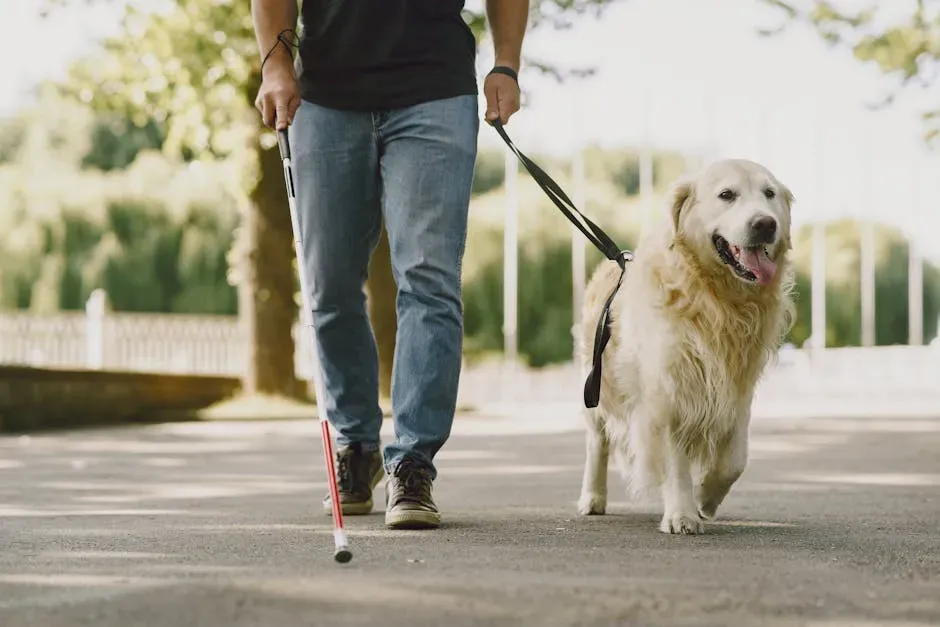
Golden Retrievers are famous for their friendly, gentle nature, but underneath the fluff is a serious worker. Bred as hunting retrievers, they were meant to carry game gently in their mouths and respond smoothly to their handler’s cues. That combination of softness and eagerness to cooperate is why so many Goldens thrive today as therapy, service, and assistance dogs. They don’t just like being around you; they like being helpful.
In an ordinary household, a Golden might turn “helpful” into following you everywhere, watching your face for the tiniest sign of what’s next. They’re the dog that will bring you their leash when it’s walk time or drop a toy at your feet with hopeful eyes that say they’re more than ready for their shift. Giving Goldens jobs like learning new tricks, assisting with simple tasks, or participating in canine sports or therapy visits helps satisfy that deep people‑pleasing drive. Without direction, some Goldens can become anxious shadows, but with structure, they shine as calm, reliable, and deeply engaged companions.
7. Doberman Pinscher: The Elegant Bodyguard
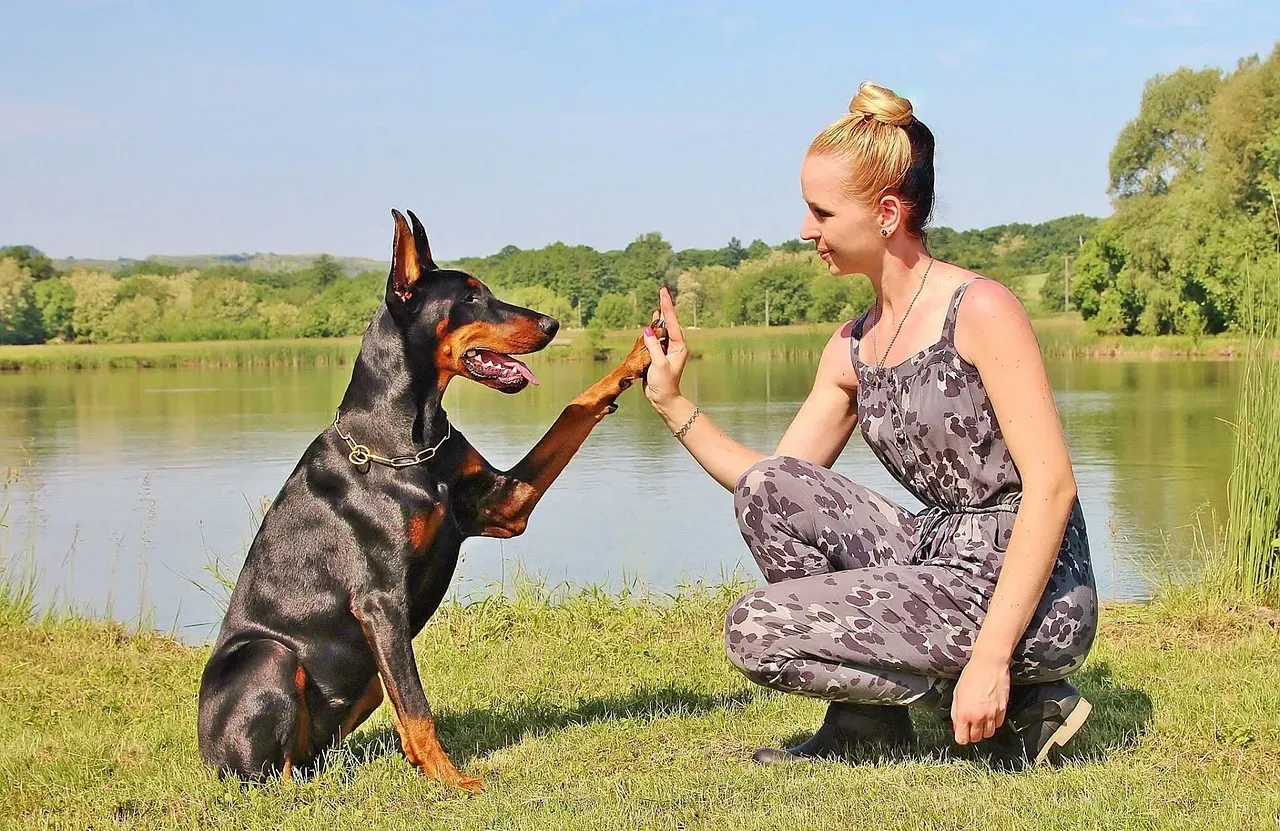
Dobermans were developed specifically as personal protection dogs, which explains why so many of them seem to take the role of “bodyguard” very seriously, even in a quiet suburb. Sleek, athletic, and incredibly tuned in to their people, they often choose to position themselves between you and the door, or to lie where they can see both you and any possible entry point. They’re not just lounging; they’re on duty, even if their territory is just your living room.
Because Dobermans are sensitive and intelligent, they respond best to consistent, fair training and a clear daily routine. They often excel in obedience, tracking, and protection sports, where their drive and focus have a real outlet. In a family setting, giving them predictable responsibilities – like structured walks, training games, and boundaries about who they greet and how – helps them feel secure and useful. Without that structure, their protective nature can tip into overprotectiveness, but when handled thoughtfully, they become loyal, confident guardians who treat you like their favorite VIP client.
8. Standard Poodle: The Brainy Multitasker
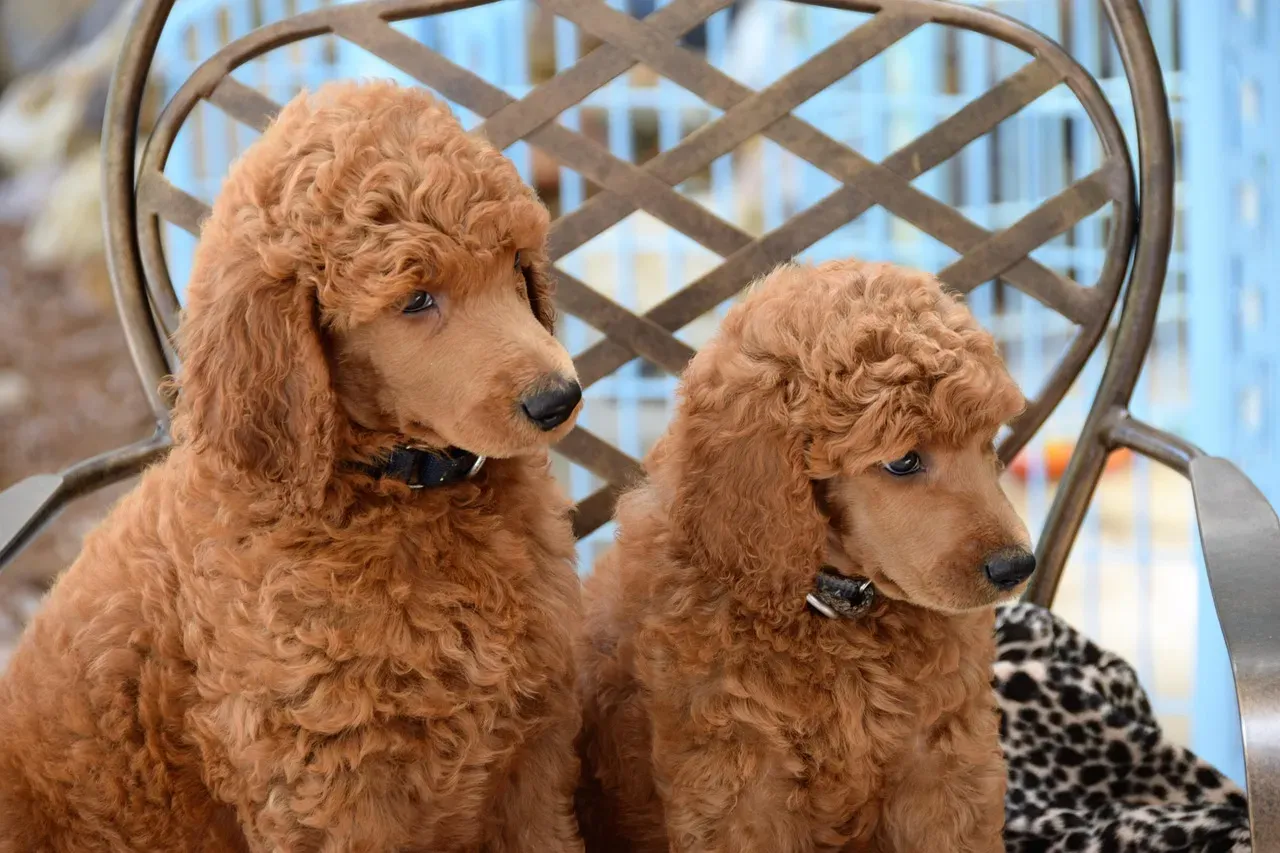
Standard Poodles are often misunderstood because of their fancy haircuts, but underneath the curls is a serious working dog. Originally bred as water retrievers, they’re athletic, extremely intelligent, and surprisingly tough. Many people who live with Poodles describe them as almost human in how quickly they read patterns and moods, which can be both delightful and a little unnerving. They don’t just want to hang around; they want to figure things out and be involved.
At home, a Poodle might appoint themselves as your silent productivity coach, staying close as you work and nudging you when it’s clearly time to get up and move. They thrive on learning complex tricks, doing scent work, agility, or any creative training that keeps their minds engaged. If you underestimate them and treat them like purely decorative pets, you may see boredom behaviors like stealing items or demanding constant attention. Treat them like the smart, versatile workers they are, and they become charming, witty partners in almost anything you want to do.
9. Shetland Sheepdog: The Mini Manager With Big Opinions
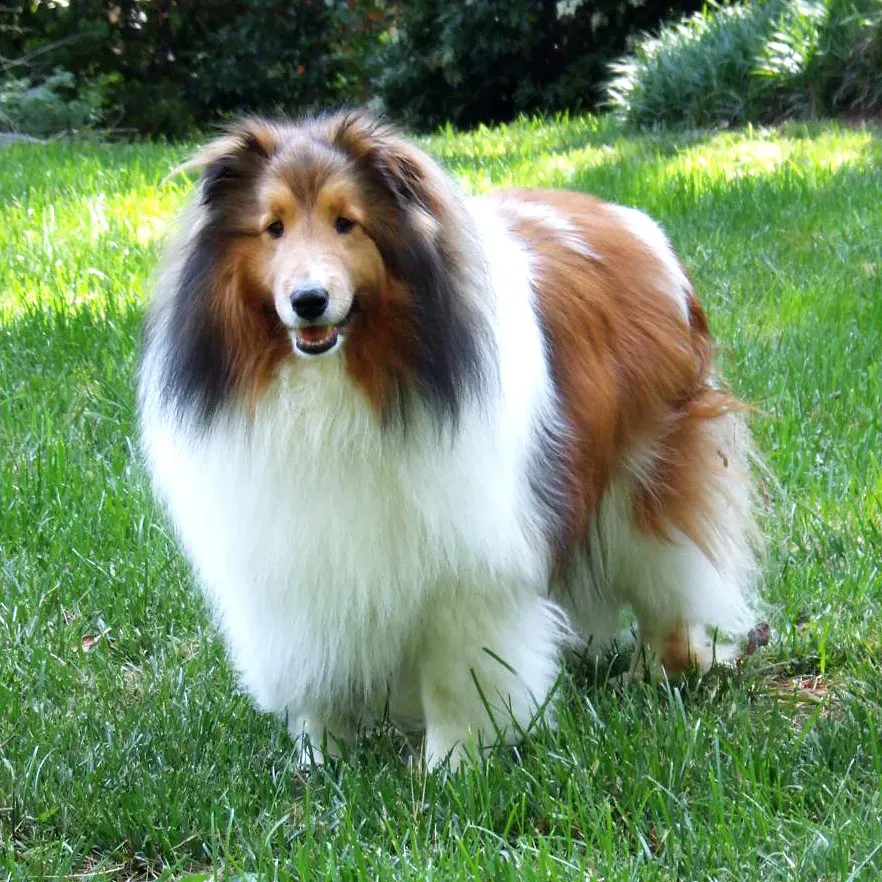
Shetland Sheepdogs, or Shelties, may be small, but they come with the heart and brain of a full‑size herding dog. They were bred to move livestock in harsh conditions, using quick responses and loud barking to control flocks, and that instinct definitely shows up in modern homes. Many Shelties choose a vantage point where they can see most of the house and will sound the alarm if anything or anyone looks out of place. To them, every delivery, doorbell ring, or unexpected sound is a situation that demands immediate managerial input.
Mentally, Shelties thrive on learning and doing; they often excel in obedience, agility, and trick training because they genuinely enjoy working closely with their people. Giving them clear jobs, like practicing routines, doing little scent searches around the house, or even helping you “check” rooms, helps them feel useful instead of overwhelmed. Without guidance, all that alertness can spiral into constant barking and anxiety, but with structure and outlets, they turn into delightful, slightly dramatic co‑workers who never miss a beat.
10. Jack Russell Terrier: The Tiny Inspector General
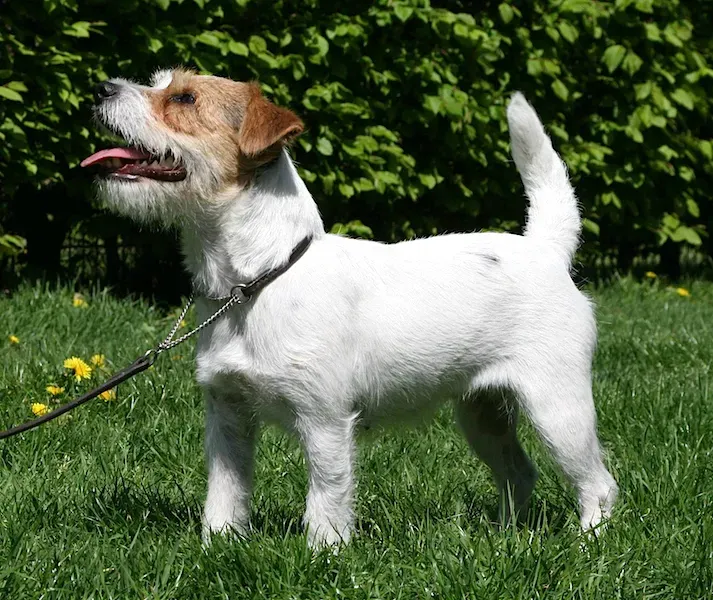
Jack Russell Terriers might be small, but they’re built like coiled springs with a brain that’s always scanning for the next mission. Originally bred as fearless hunting terriers, they were expected to go underground after prey, think quickly, and never back down. That background explains why so many Jacks seem determined to inspect every corner of your home, garden, and even your pockets. They’re not really relaxed loungers; they’re more like overcaffeinated inspectors disguised as lap dogs.
In everyday life, a Jack Russell will happily turn supervising you into a full‑time career. They’ll watch you cook, clean, work, and move around, ready to jump into any activity that looks remotely exciting. To keep them balanced, they need more than a short walk: think nose work, puzzle feeders, fetch with rules, or even small‑scale agility courses in the yard or living room. When you give their energy and curiosity somewhere to go, they transform from chaotic whirlwinds into sharp, hilarious companions who treat every day like an adventure shift.
Conclusion: Living With a Dog Who Needs a Job
Sharing your home with a work‑driven dog can be both exhausting and incredibly rewarding. These breeds aren’t content to be background characters in your life; they want to be on the main stage, part of every decision, every routine, every plan. In my own experience, the moment I stopped fighting that and started deliberately giving my dog tiny “jobs” – from carrying mail to helping clean up toys – everything changed. The annoying behaviors eased, and what was left was a partner who seemed genuinely happier because they finally had a purpose.
If there’s one opinion I’ve formed after years of watching these dogs, it’s this: most so‑called “problem dogs” in these breeds are actually just unemployed workers desperate for a shift. When we respect their history and build work into their daily lives – even if that “work” is just structured games, training, and consistent routines – they repay us with focus, loyalty, and a surprising sense of teamwork. So if your dog is always supervising you, maybe the real question is not why they do it, but what job you’re going to officially give them next – what role would your four‑legged coworker love most in your household?