
13 Things Vets Wish Owners Understood About Ordinary Dogs
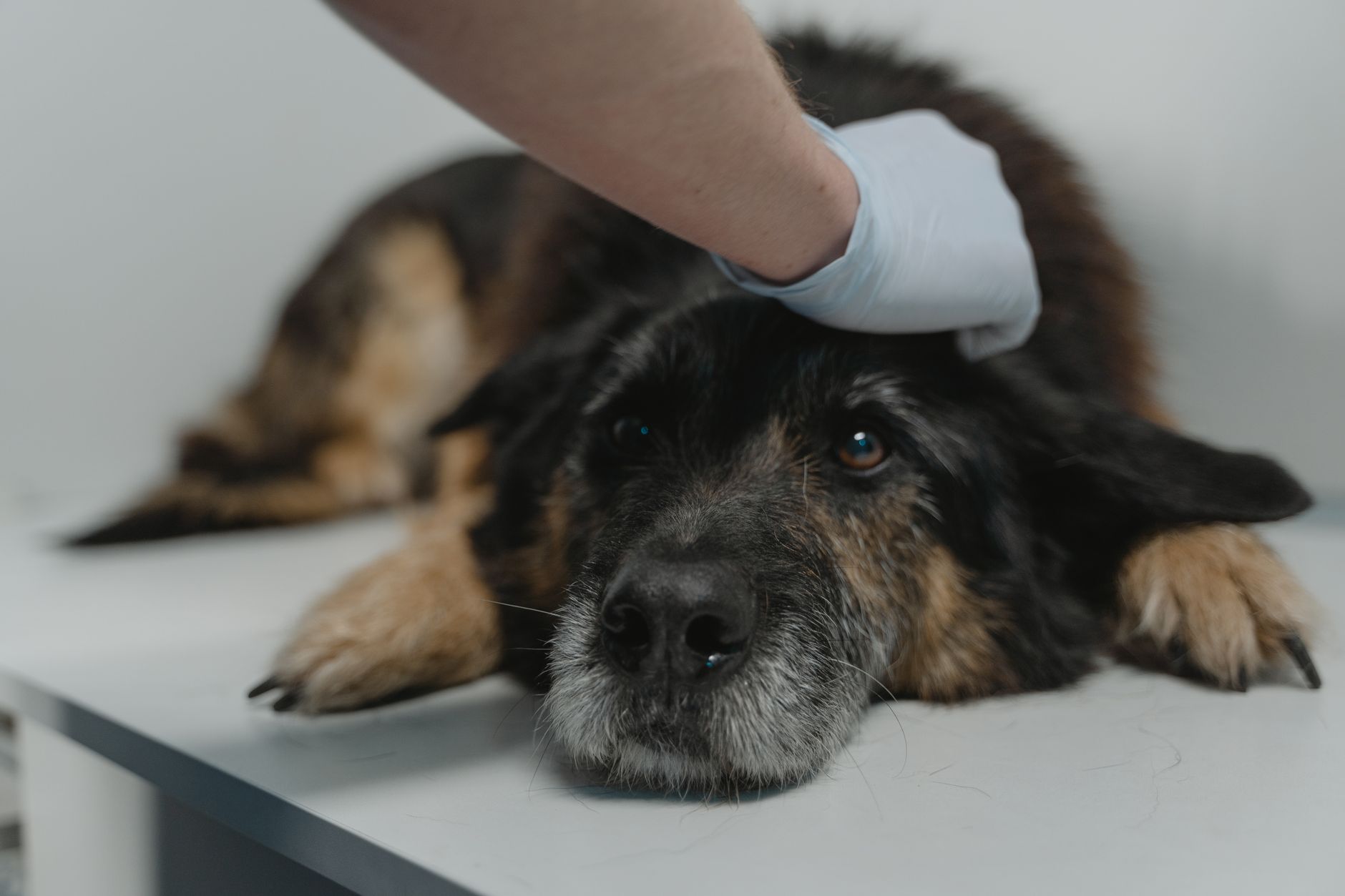
Veterinarians spend thousands of hours in clinical practice, yet most report the same frustration: owners consistently misread basic canine behavior and health signals that seem obvious from a medical perspective. A 2019 survey of small-animal practitioners found that nearly 80% of routine appointments involve correcting at least one owner misconception about their dog’s normal biology.
The gap isn’t about intelligence or care—it’s about assumptions that sound reasonable but don’t match how dogs actually work. Here’s what vets actually see in the exam room.
—
#13 — Your Dog Isn’t Trying to Dominate You
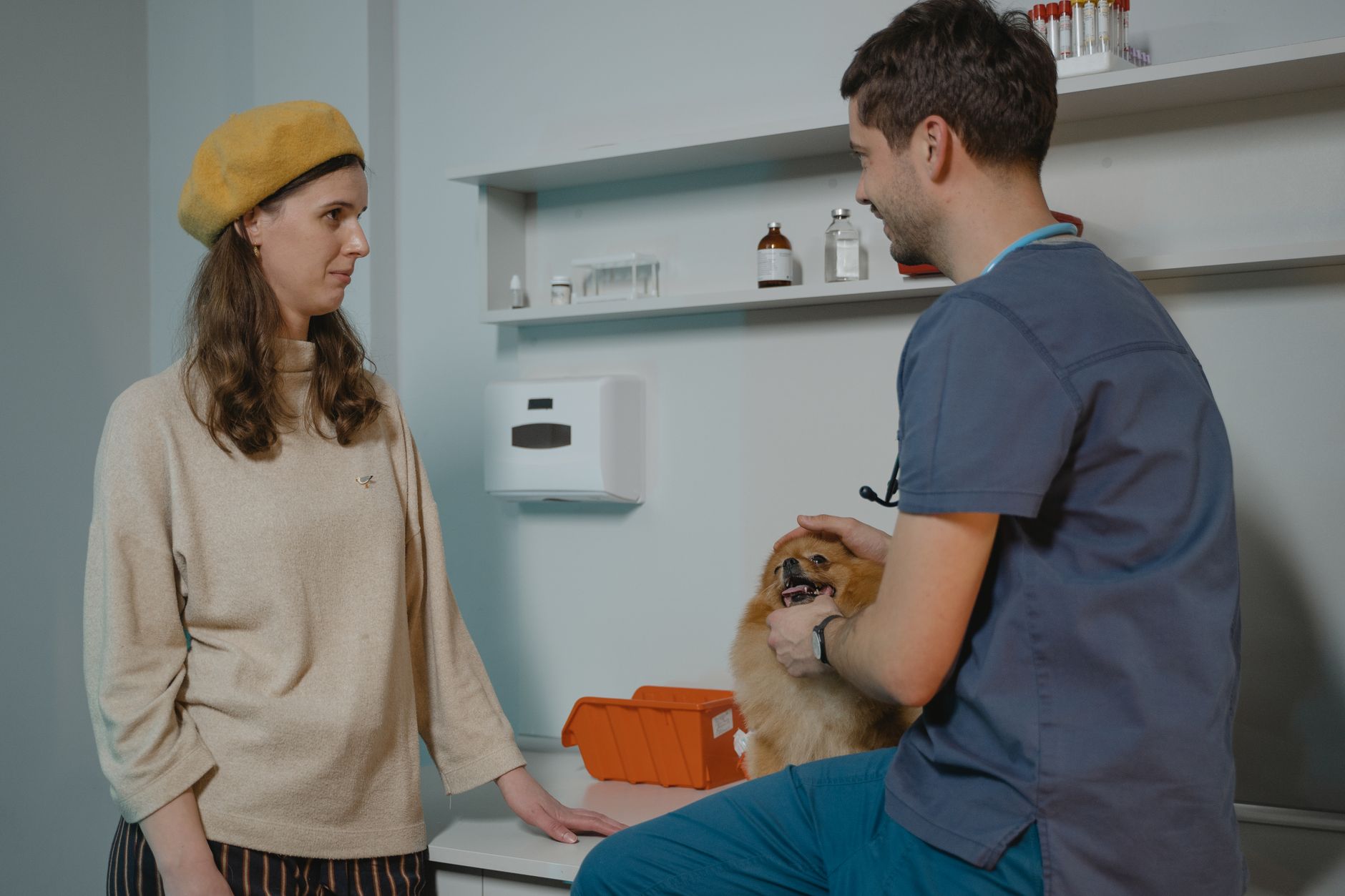
Most behavioral issues owners describe as “dominance” are actually fear, confusion, or simple lack of training.
The popular idea that dogs constantly compete for household “alpha” status doesn’t reflect current veterinary behavioral science. Modern animal behaviorists have moved away from dominance theory after studies of actual wolf packs—the original basis for the model—showed that wild wolves don’t operate in rigid hierarchies the way 1970s researchers believed.
When a dog pulls on the leash or jumps on visitors, it’s usually overexcitement or inadequate impulse training, not a calculated power grab. Dogs that growl near food bowls are typically exhibiting resource guarding, which stems from anxiety, not ambition.
Vets see the fallout when owners use dominance-based corrections. Pinning a dog or using “alpha rolls” can increase fear-based aggression because the dog doesn’t understand the punishment.
Training that focuses on clear communication and positive reinforcement works faster and doesn’t damage the bond. But the alpha myth persists because it offers a simple explanation for complex behavior.
—
#12 — A Wagging Tail Doesn’t Always Mean Happy
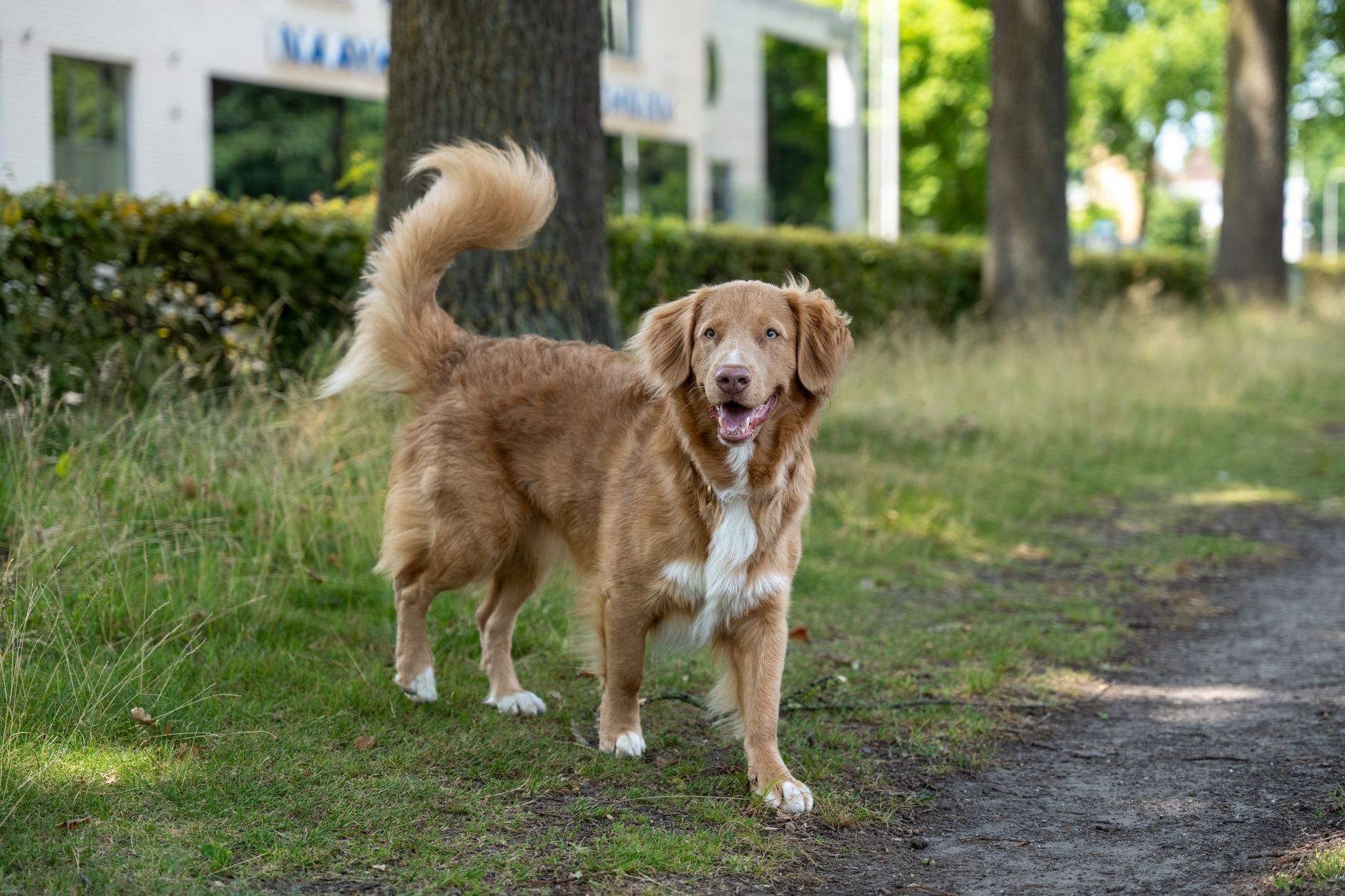
Tail position, speed, and body context matter more than the wag itself.
Most people treat any tail movement as an invitation to approach, but vets see bite cases every week that started with “the dog was wagging its tail.” The motion signals arousal and attention—not necessarily friendliness.
A high, stiff tail wagging in short, fast flicks often indicates tension or potential aggression. A low, slow wag paired with a tense body suggests anxiety or uncertainty.
The “helicopter” wag with a loose, wiggly body is genuinely happy. But a wagging tail on a dog with whale eyes, pinned ears, or a stiff posture is a warning that many owners miss until it’s too late.
Veterinary staff are trained to read the whole body, not just one signal. That’s why a vet might muzzle a dog that’s wagging—they’re seeing tension the owner doesn’t recognize.
Context always matters. A tail wag at the food bowl is different from a wag when cornered by a stranger.
—
#11 — Dogs Don’t Feel Guilty
That “guilty look” is a response to your tone and body language, not remorse about the chewed shoe.
Behavioral studies have tested this repeatedly: dogs show the same “guilty” expression when scolded for something they didn’t do. The lowered head, averted eyes, and tucked posture are appeasement behaviors triggered by your anger, not by memory of their own actions.
Dogs live in the present. They don’t connect your reaction now with something they did hours ago—or even 20 minutes ago.
When you come home to a mess and the dog looks “guilty,” they’re reading your frustration and trying to defuse it. They’re not confessing.
This matters for training because punishment after the fact doesn’t teach dogs what you want—it just makes them nervous around you. Vets see anxiety cases rooted in owners who repeatedly scold dogs for things the dog can’t connect to the scolding.
If you want to change a behavior, you have to catch it in the moment or prevent the setup entirely. The “guilty look” just means your dog has learned that your angry tone requires a submissive response.
—
#10 — Grain-Free Diets Aren’t Automatically Healthier

The FDA is investigating a potential link between grain-free dog foods and heart disease.
Starting around 2018, cardiologists began seeing a spike in dilated cardiomyopathy (DCM) in breeds that don’t normally develop it. The common factor: many affected dogs ate boutique grain-free diets, often heavy in peas, lentils, or potatoes.
The mechanism isn’t fully understood yet. It may involve how these ingredients affect taurine metabolism, or it may be something else entirely.
Most dogs don’t need grain-free food. True grain allergies are rare—protein sources like beef or chicken cause far more food sensitivities in dogs than grains do.
The grain-free trend was driven by marketing that implied grains were “fillers” or unnatural, but dogs have been digesting starches for thousands of years. Their genes adapted alongside human agriculture.
Vets now recommend traditional brands with long feeding-trial track records unless a dog has a diagnosed food allergy. The boutique diets often cost more and may carry risks that cheaper, well-tested foods don’t.
If your dog is on grain-free food, talk to your vet about whether it’s necessary. Some dogs do fine, but it’s worth a conversation given the emerging data.
But that’s not the only nutrition myth that costs dogs their health…
—
#9 — You’re Probably Overfeeding

Most owners underestimate their dog’s daily calorie intake by 30% or more.
Veterinary surveys consistently show that more than half of pet dogs in the United States are overweight or obese. Owners often don’t recognize it because the condition crept up gradually, or because so many dogs around them are also heavy.
The feeding guidelines on dog food bags are starting points, not prescriptions. They’re calculated for active, intact adults—most pet dogs need less.
Treats, table scraps, and high-calorie training rewards add up fast. A single pig ear can be 90 calories; for a small dog, that’s a significant percentage of their daily budget.
Excess weight shortens lifespan and worsens arthritis, diabetes risk, and joint problems. Vets see dogs whose quality of life tanked simply because they carried an extra 10 pounds for years.
Owners sometimes resist the diagnosis because they equate food with love, or because reducing portions feels like deprivation. But a lean dog lives longer and moves better.
If you’re unsure, ask your vet to body-condition-score your dog. The conversation is faster than you think, and the impact is measurable.
—
#8 — Puppies Don’t Need to “Finish” a Heat Cycle Before Spaying
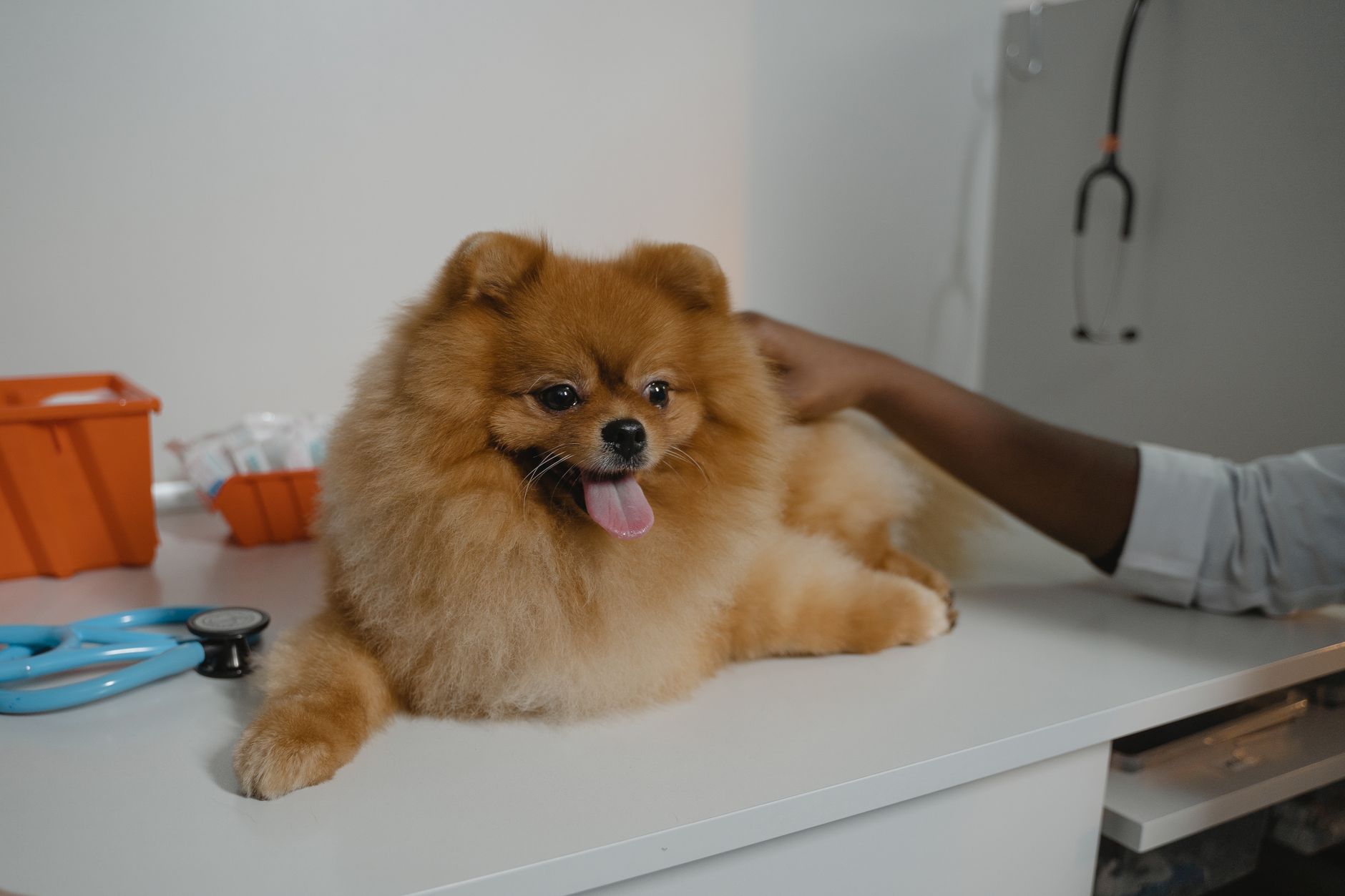
This is an outdated belief with no medical basis.
The idea that a female dog benefits from one heat cycle before spaying likely came from older guidance when anesthesia was riskier and surgical techniques less refined. It’s no longer relevant.
Current veterinary consensus supports spaying before the first heat in most cases. Doing so nearly eliminates the risk of mammary cancer later in life—the protective effect drops with each cycle.
Early spaying also prevents unwanted pregnancies and the behavioral changes that come with heat cycles. There’s no psychological or physical benefit to letting a dog experience estrus.
Some large and giant breeds may benefit from slightly delayed spaying to allow growth plates to close properly, but that’s a conversation based on specific orthopedic concerns, not a need to experience a heat cycle.
The myth persists partly because it sounds intuitive—letting nature take its course feels less interventionist. But the data is clear.
Talk to your vet about the right timing for your dog’s breed and size. For most dogs, earlier is better.
—
#7 — Breeds Aren’t Banned From Donating Blood

Your healthy dog could save lives, and most owners never consider it.
Veterinary medicine relies on donor dogs just like human medicine relies on donor people. Emergency clinics and specialty hospitals maintain blood banks, but supplies often run short.
Dogs have multiple blood types, and while universal donors exist, matching still matters for repeat transfusions. Donor programs need a steady rotation of healthy, calm dogs.
Most programs require dogs to be between 1 and 8 years old, weigh at least 50 pounds, be current on vaccinations, and have a friendly temperament. The donation process takes about 10 minutes and is well-tolerated by most dogs.
Your dog doesn’t feel the loss—healthy dogs regenerate donated blood quickly. Many programs offer free blood work, annual exams, or other perks in exchange for donations.
Vets wish more owners knew this option existed. Trauma cases, surgical complications, and clotting disorders all depend on available blood products, and shortages mean delayed or impossible treatments.
If your dog meets the criteria, contact a local emergency clinic or veterinary school to ask about their donor program. It’s a low-effort way to make a tangible difference.
—
#6 — Your Dog’s Bad Breath Isn’t Normal
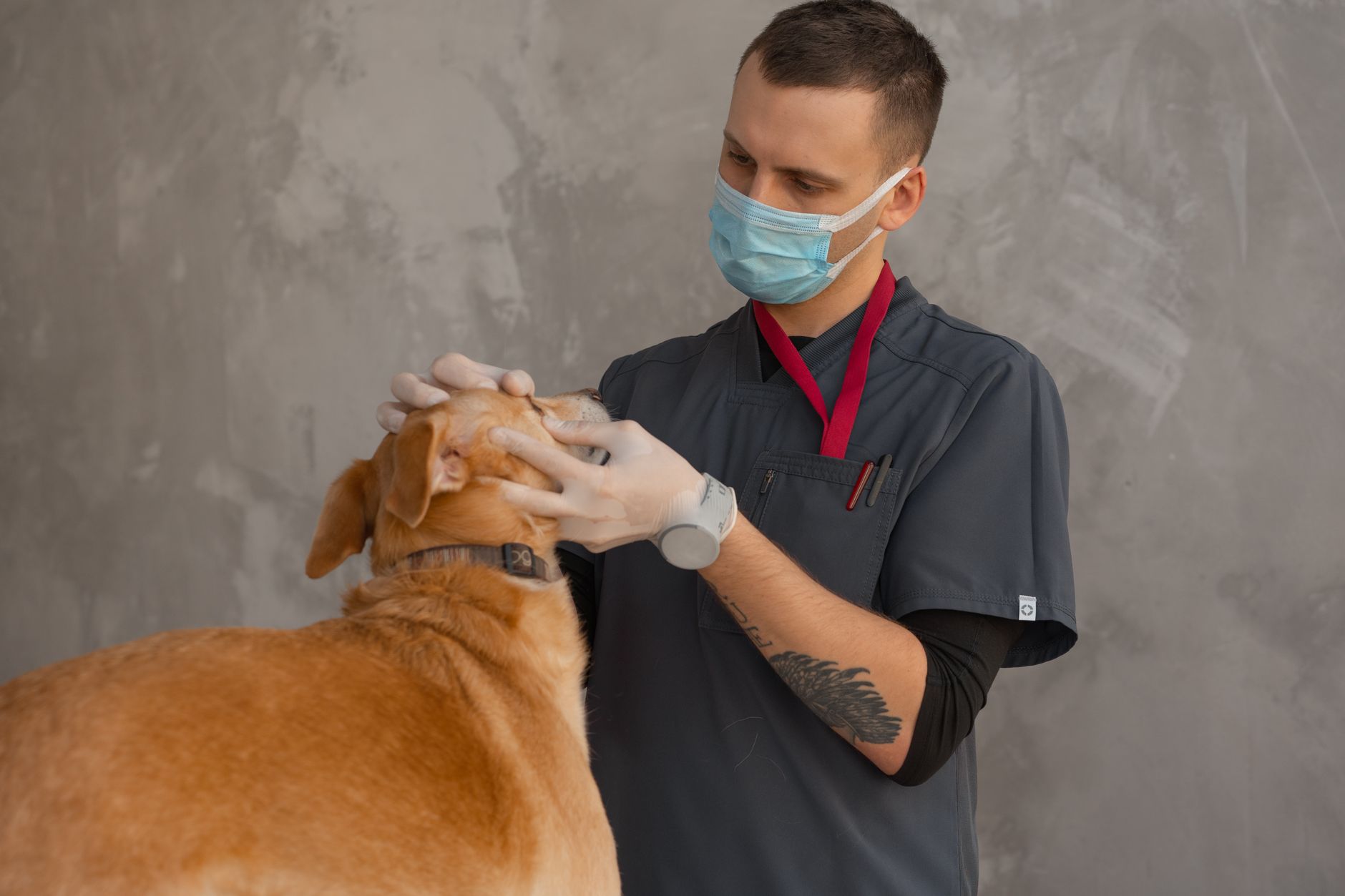
It’s usually periodontal disease, and it’s painful.
Most dog owners accept bad breath as inevitable, but healthy dogs don’t have foul-smelling mouths. That odor is bacteria thriving in infected gum tissue.
Periodontal disease affects more than 80% of dogs over age three. It starts as plaque buildup, progresses to tartar, and eventually erodes the gums and bone supporting the teeth.
Dogs hide pain well. They’ll keep eating even with fractured teeth or abscessed roots because the drive to eat overrides discomfort.
Professional dental cleanings under anesthesia are the only way to address disease below the gum line. Surface brushing helps prevent buildup, but once infection sets in, it requires scaling and sometimes extractions.
Owners often balk at the cost or the idea of anesthesia, but modern veterinary anesthesia is safe, and the alternative is years of chronic pain. Vets see dogs transform after dental work—suddenly playful again, eating better, less irritable.
At-home brushing, dental chews, and water additives can slow plaque formation, but they’re not substitutes for professional care when disease is already present.
If your dog’s breath smells bad, schedule a dental exam. The problem won’t resolve on its own.
But wait until you see what most owners get wrong about vaccines…
—
#5 — Adult Dogs Still Need Vet Visits
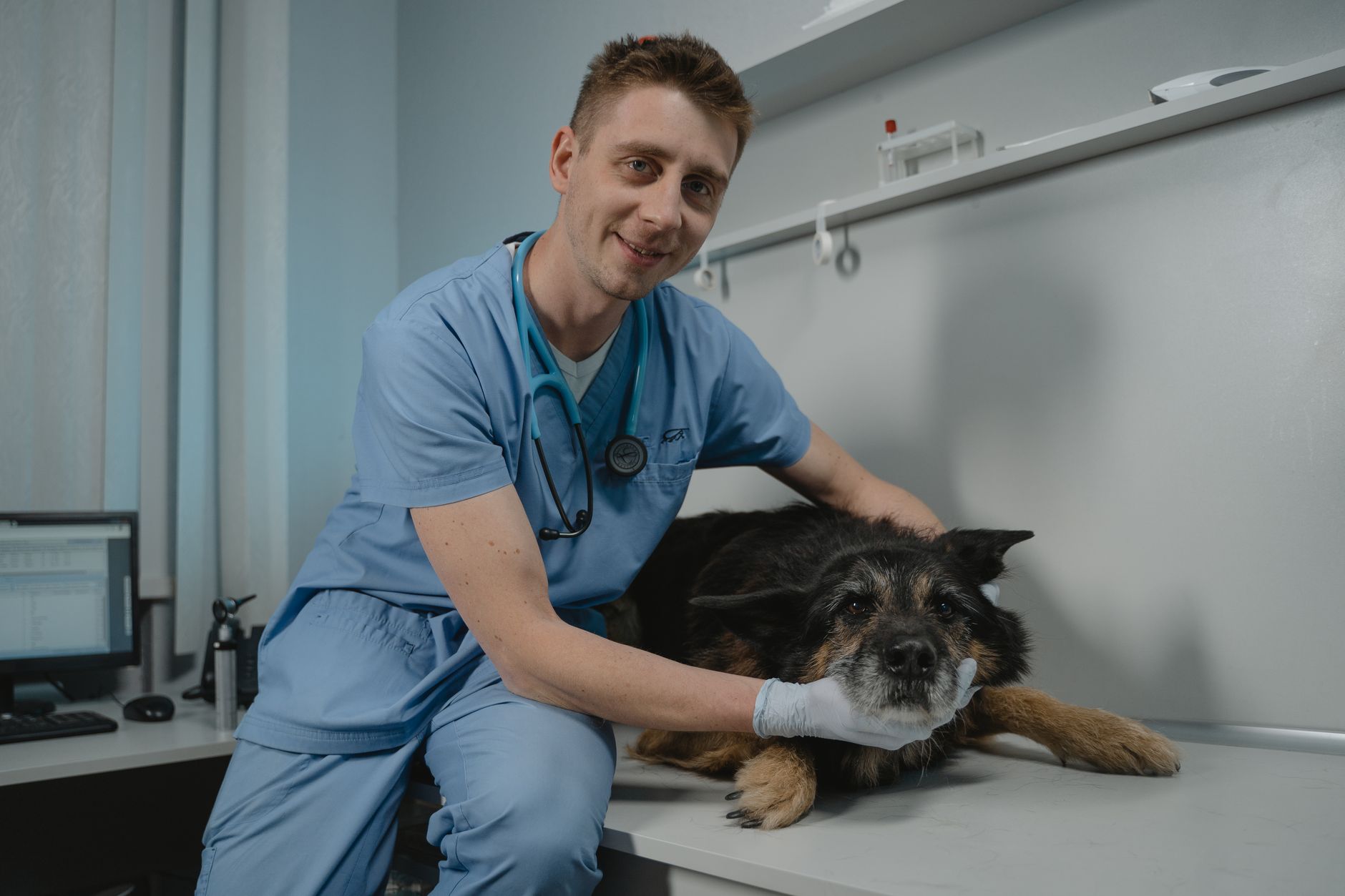
Skipping years between checkups means catching problems late.
Many owners assume that once a dog finishes puppy shots and reaches adulthood, annual exams are optional unless something seems wrong. That’s a missed opportunity for early intervention.
Dogs age faster than humans—seven years is a common rough estimate, though it varies by size. A dog that seems fine externally may have early kidney disease, dental pain, a heart murmur, or a developing tumor that’s easier to treat when caught early.
Bloodwork, physical exams, and weight checks detect problems before they’re obvious. By the time a dog shows symptoms of kidney disease, for example, 75% of function may already be lost.
Vets also use annual visits to update vaccines based on current risk, discuss diet as the dog’s metabolism changes, and adjust medications if needed. These aren’t revenue grabs—they’re the foundation of preventive care.
Skipping visits saves money short-term but often costs more later when a condition that could have been managed becomes an emergency. Early-stage problems are cheaper and less invasive to treat.
If cost is a concern, ask about wellness plans that spread preventive care across monthly payments. Many clinics offer them.
—
#4 — Mixing Dog and Human Medicine Is Dangerous
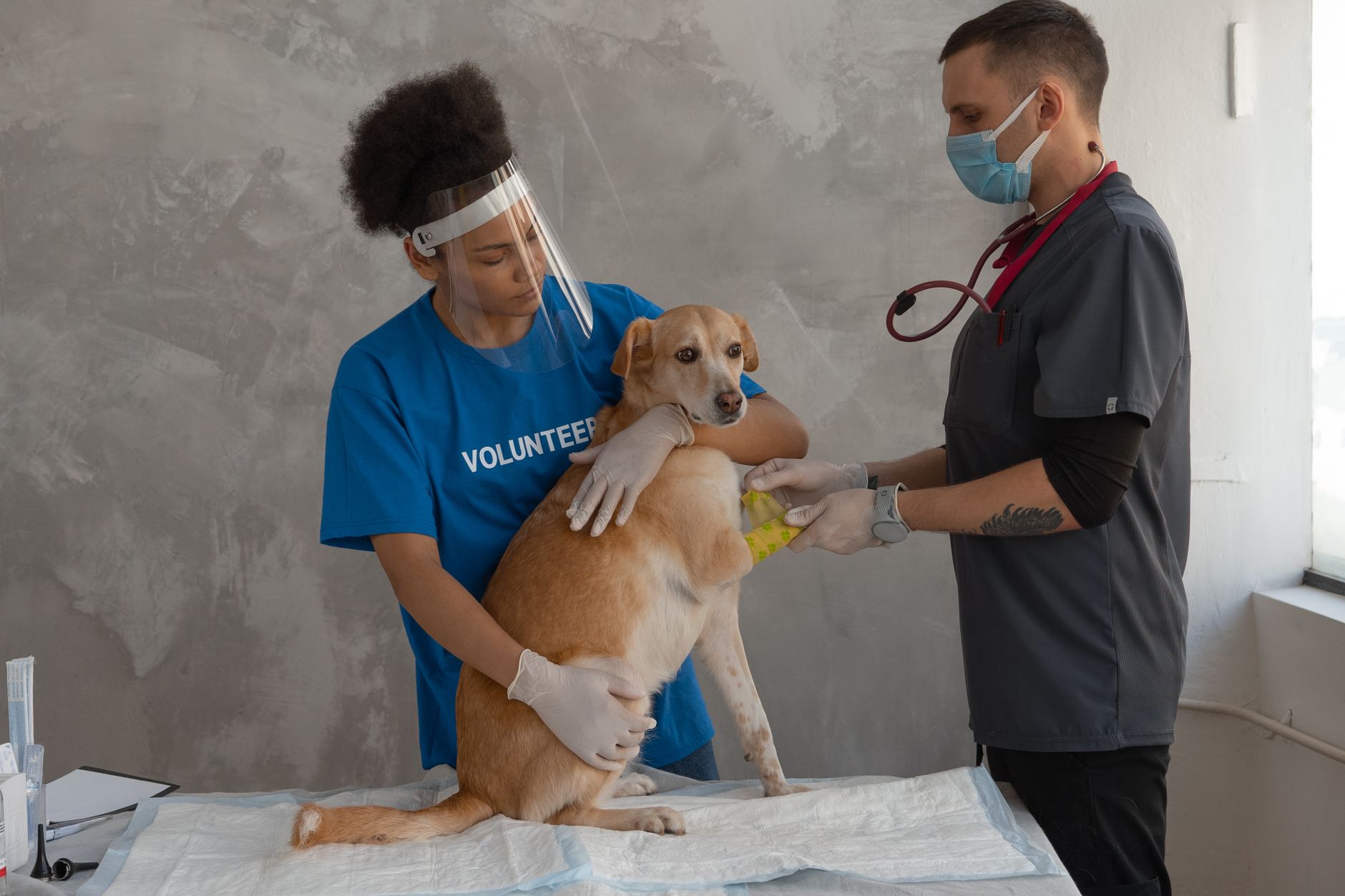
Common over-the-counter drugs can be toxic to dogs.
Owners frequently give dogs human pain relievers, allergy meds, or leftover prescriptions without realizing the risks. Ibuprofen, for example, causes stomach ulcers and kidney damage in dogs even at low doses.
Dogs metabolize drugs differently than humans. Medications that are safe for us can be lethal for them, and the dose that works for a human doesn’t scale down neatly by weight.
Acetaminophen (Tylenol) damages red blood cells in dogs. Naproxen has a long half-life in canines and accumulates to toxic levels quickly.
If your dog seems painful or sick, don’t raid your medicine cabinet—call your vet. They can prescribe appropriate medications or advise whether the dog needs to be seen.
Some human drugs are safe in specific doses—aspirin, for example, is occasionally used short-term—but only under veterinary guidance. The margin for error is small.
Vets see accidental poisonings weekly, many from well-meaning owners who thought they were helping. Symptoms like vomiting, lethargy, or loss of appetite after giving human medication are emergencies.
Keep all medications out of reach. Dogs will eat pills that smell appealing, and even a single dose of some drugs can be fatal.
—
#3 — Limping Means See the Vet Now, Not Next Week
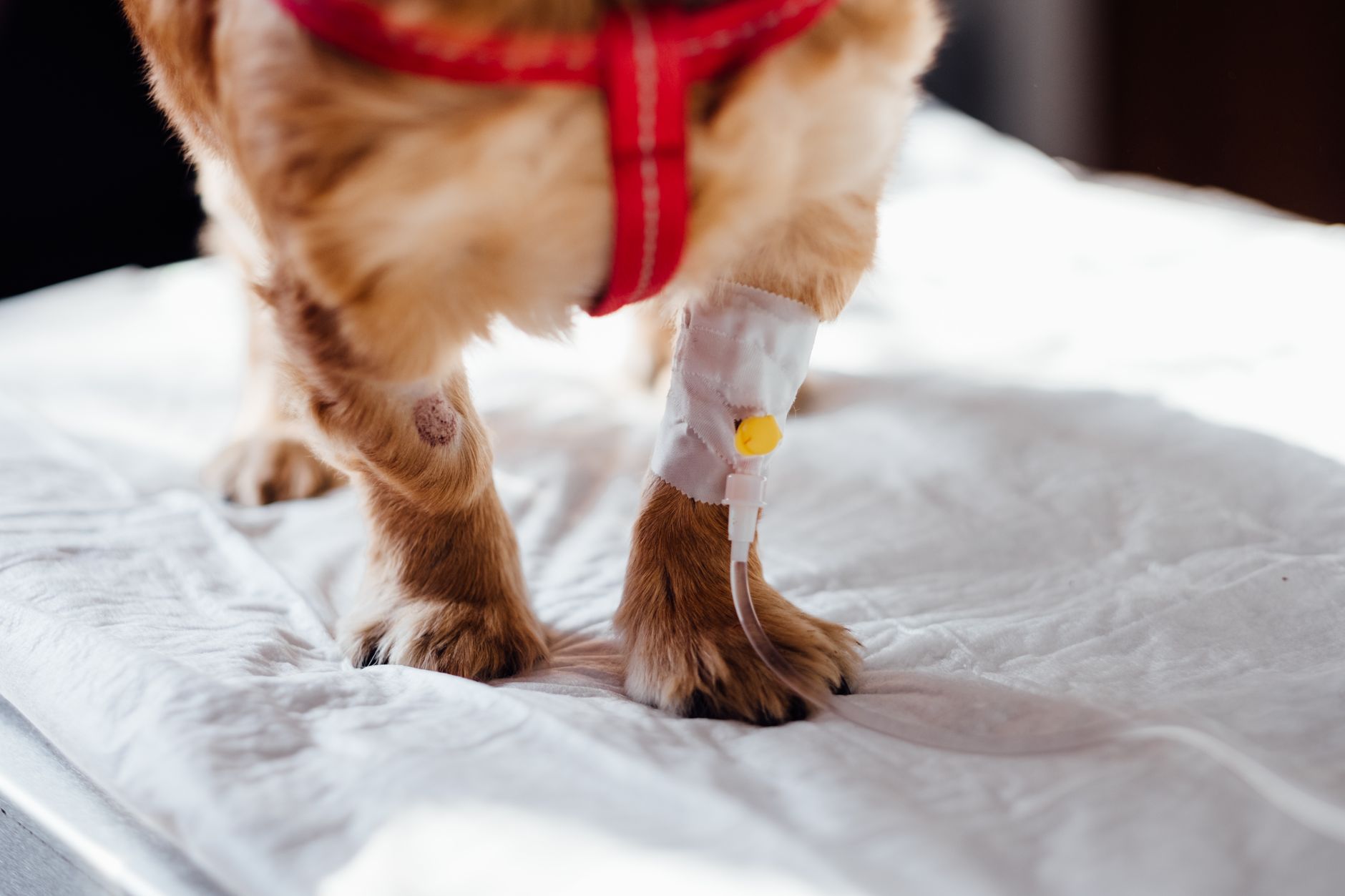
Orthopedic injuries worsen with use, and pain worsens outcomes.
Many owners notice their dog limping and decide to “wait and see” if it improves. Sometimes it does—but when it doesn’t, the delay often means a worse prognosis.
Ligament tears, fractures, and joint injuries don’t heal with rest alone if the dog keeps using the leg. A partial cruciate tear can become a complete rupture. A hairline fracture can displace.
Pain also changes how a dog moves, which stresses other joints and creates secondary problems. Favoring one leg overloads the opposite limb, leading to new injuries.
Dogs instinctively mask pain because wild canids can’t afford to show weakness. By the time lameness is obvious to you, the dog has likely been uncomfortable for a while.
Diagnostic imaging—x-rays or sometimes ultrasound—reveals what’s happening inside. Many injuries that seem serious are manageable if treated early, but devastating if they progress.
If your dog limps for more than a day, or if the limping is severe, call your vet. “Wait and see” costs mobility.
But the next one surprises even experienced owners…
—
#2 — Veterinary Care Costs What It Costs
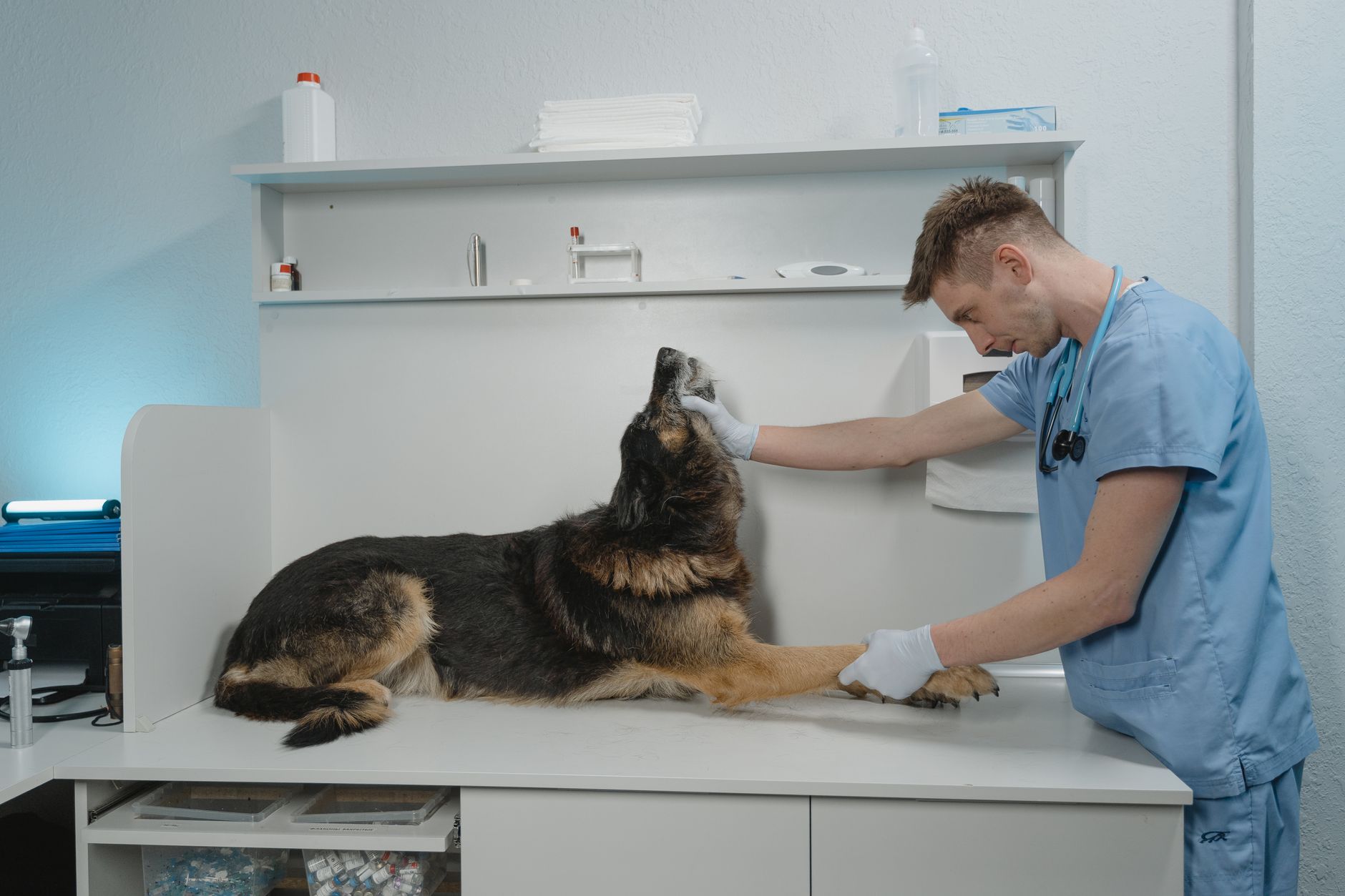
The pricing reflects real overhead, not greed.
Owners often compare vet bills to their own healthcare and feel shocked, but the comparison doesn’t hold. Your insurance negotiates rates and spreads costs across a large pool. Vets operate on thin margins with no reimbursement system.
Veterinary clinics buy the same drugs, equipment, and supplies as human hospitals, often at similar prices. Anesthesia machines, digital x-rays, surgical instruments, and monitoring devices are expensive to purchase and maintain.
Vets attend four years of post-graduate medical school, just like physicians. Vet techs are trained professionals, not assistants who learned on the job.
Markups on medications exist, but they’re not predatory—they cover inventory costs, storage, and the risk of expiring stock. Online pharmacies look cheaper but don’t include the exam, diagnosis, or liability.
Many clinics offer payment plans, credit options like CareCredit, or low-cost wellness packages. Some areas have nonprofit clinics for financial hardship cases.
Vets wish owners understood they’re not inflating prices. They’re covering real costs while trying to stay in business. The emotional toll of being seen as greedy while doing a difficult, underpaid job is part of why veterinary medicine has high burnout and suicide rates.
If cost is a barrier, have an honest conversation before the procedure. Vets would rather work with you than have you skip necessary care or euthanize a treatable pet because you were embarrassed to ask about options.
—
#1 — Dogs Don’t “Just Know” When You’re Sick
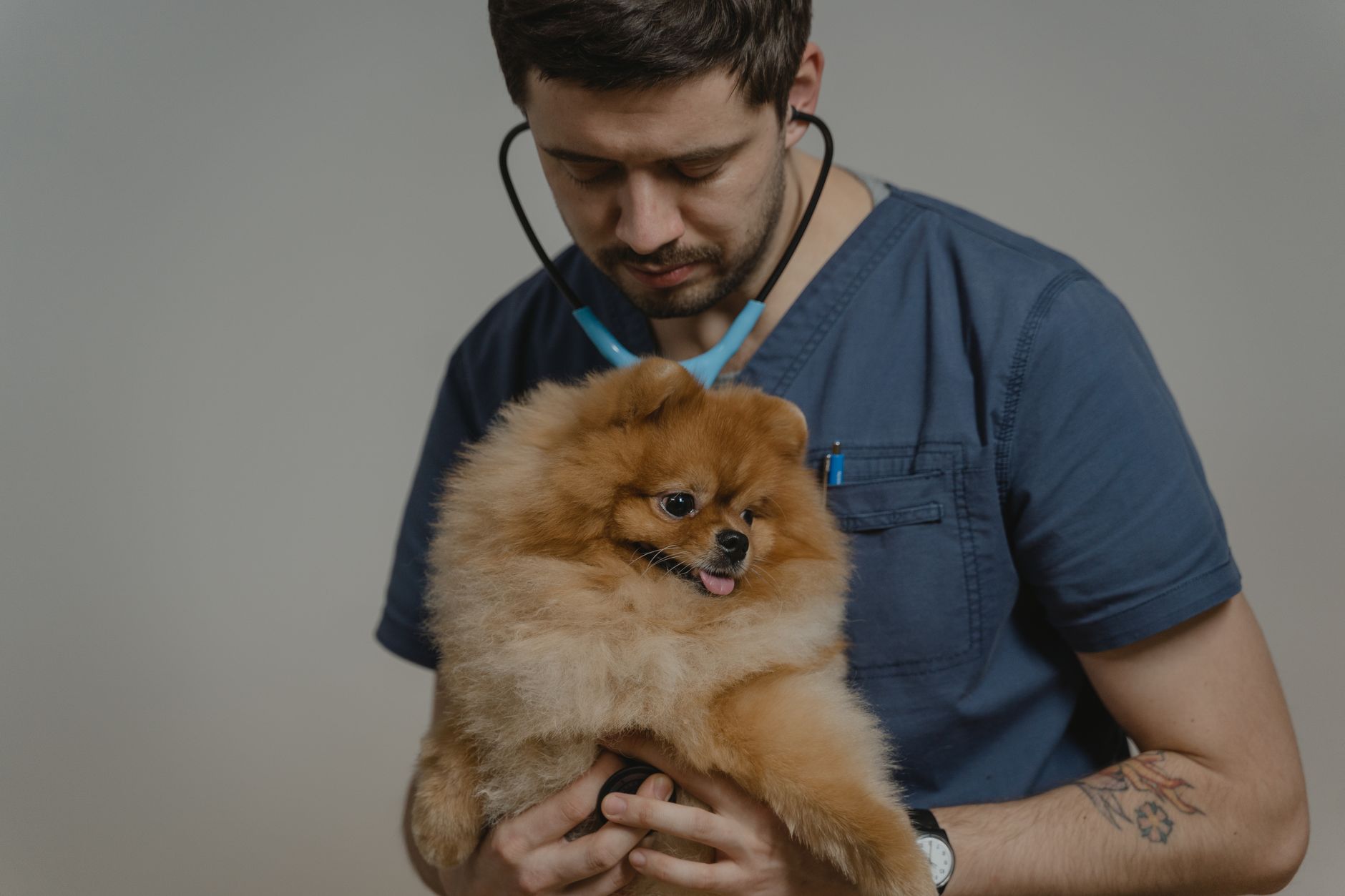
They’re reacting to behavioral changes, not sensing disease.
The idea that dogs detect cancer, seizures, or blood sugar changes sounds miraculous, and some working dogs are trained to do exactly that. But the average pet dog isn’t diagnosing your health—they’re noticing that you’re acting differently.
Dogs are extraordinary at reading body language, routine changes, and scent shifts. When you’re sick, you move slower, smell different (biochemical changes affect scent), and break normal patterns.
Your dog’s extra attention when you’re ill is real, but it’s empathy and observation, not mystical diagnosis. They’re responding to visible cues, not predicting an invisible problem.
The myth can be harmful when owners ignore symptoms because “my dog didn’t act concerned, so I must be fine.” Dogs provide comfort, but they’re not diagnostic tools.
Some dogs do seem more attuned than others—certain breeds were developed to work closely with humans and may be more sensitive to changes. But even the most intuitive dog isn’t replacing your doctor.
The bond is real. The comfort is real. The emotional support is valuable. But attributing medical insight to a pet can delay real care.
If you’re unwell, see a physician. Let your dog do what they’re actually great at—being present, offering comfort, and giving you a reason to rest.
—
The Bottom Line
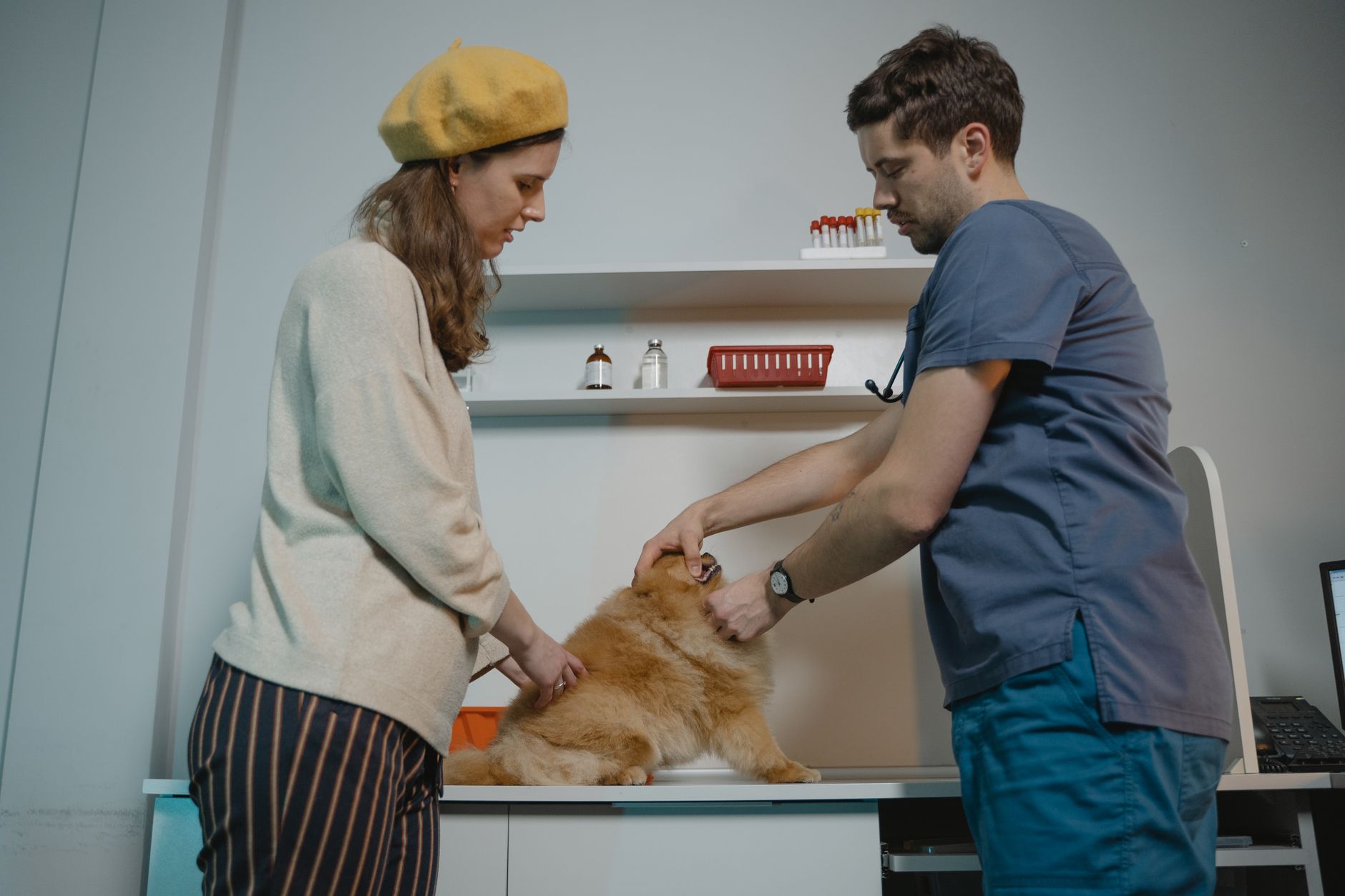
Veterinarians don’t expect owners to have medical training, but they do wish common myths didn’t delay care or create preventable problems. Most of these misunderstandings are cultural—passed down from outdated advice or reinforced by marketing.
The best thing you can do for your dog is ask questions and stay curious. Good vets welcome conversations, even when the question seems basic.
Your dog can’t advocate for themselves. That job falls to you, and it’s easier when you’re working with accurate information instead of myths that sound true but aren’t.
Did we miss one? Drop it in the comments.