
12 Things a Groomer Fixes That Owners Never Knew Were Problems
Most dog owners assume that if their pup is eating, playing, and getting an occasional bath, everything underneath that fur is just fine. Ask any groomer with a few years behind the clippers, and you’ll get a very different answer. The real damage isn’t the stuff you see. It’s the stuff quietly building up under the coat, between the toes, and inside the ears while you’re busy calling your dog “perfectly healthy.”
Groomers fix small, invisible problems at almost every single appointment, the kind that quietly turn into vet bills, chronic pain, or even behavior issues nobody can explain. Most owners have zero idea their dog has been walking around uncomfortable for months. Here’s what actually happens behind that grooming table, and why your dog might practically float out the door afterward.
#1 – Overgrown Nails That Are Quietly Warping Their Joints
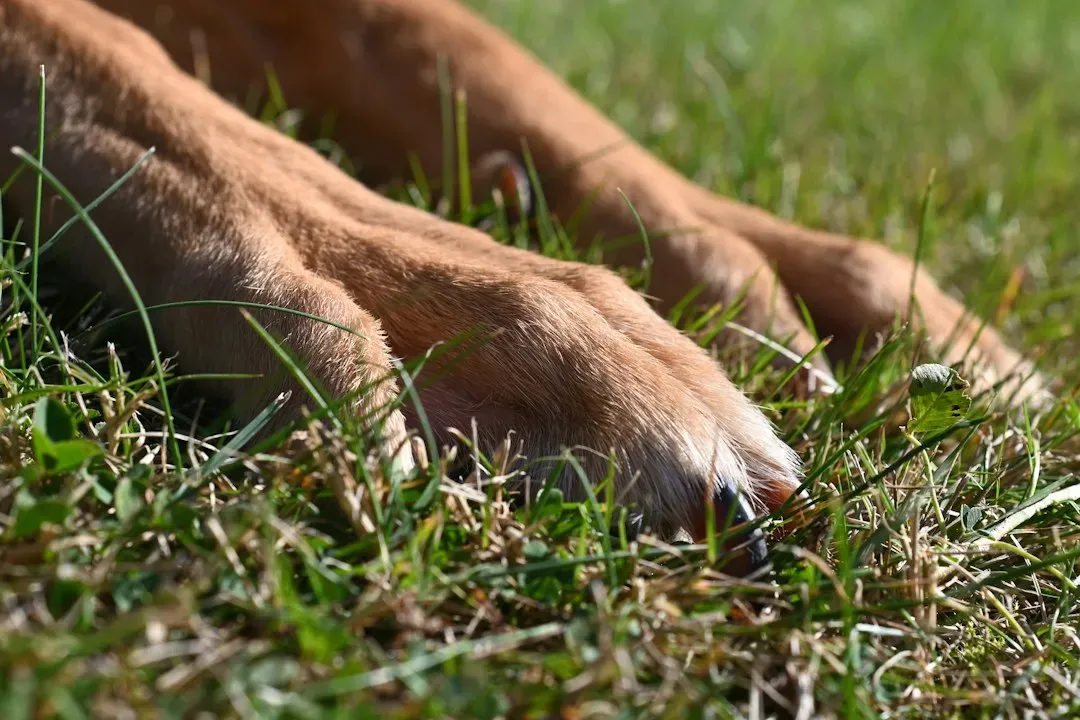
Groomers will tell you bluntly: long nails are one of the most common, and most painful, problems owners never notice. You hear cute click-clacks on the kitchen floor. They see a dog whose posture and joint alignment are slowly getting wrecked, one week at a time.
When nails get too long, they change how a dog stands and walks. The toes splay outward, the wrist and elbow angles shift, and over months or years, that constant strain works its way into ligaments and joints. Many dogs develop early arthritis or chronic paw pain simply from living on overgrown nails far too long. The scary part is that dogs rarely limp or cry about it. They just quietly adapt.
A good groomer doesn’t just clip blindly. They:
- Check for nails touching, or almost touching, the ground when the dog stands
- Trim in small increments to avoid hitting the quick
- Note which nails are curling or twisting more than the others
Black nails make the quick nearly impossible to see, which is exactly why so many owners get nervous and skip trims at home. Groomers rely on angle, feel, and sometimes grinding tools to shorten nails gradually and safely. So if your dog suddenly walks lighter, or wants a longer walk right after grooming, that’s not just a “fresh cut” feeling. That’s relief from pain you never knew was there.
#2 – Impacted Anal Glands No One Wants To Talk About
This is the job nobody brags about, but impacted anal glands are one of the most common hidden problems a groomer catches. Most owners only find out these glands exist when their dog starts scooting across the carpet or the house suddenly smells like low tide.
Dogs have two small scent glands just inside the anus. Ideally, they empty a little with every bowel movement. In reality, a lot of modern dogs, especially small breeds and overweight dogs, don’t empty them properly. The glands fill, thicken, and can become impacted or even infected without anyone noticing.
That’s when you start seeing:
- Frantic scooting across the floor
- Constant licking or biting near the tail
- Sudden snapping when you touch their rear end
Worth Knowing
- Small and toy breeds tend to be more prone to impacted anal glands
- Low-fiber diets and soft stools can prevent the glands from emptying naturally
- Expressing the glands too often without real need can cause irritation of its own
- Ongoing odor after a grooming visit is worth mentioning to your vet
Experienced groomers are often the first to catch subtle swelling, sensitivity, or a flinch when a dog is being dried or trimmed near the tail. Some vets now caution against “routine” expressing for dogs who don’t actually need it. But the real issue isn’t groomers checking too often. It’s the countless silent, stoic dogs walking around uncomfortable because nobody was checking at all.
#3 – Hidden Ear Gunk That Breeds Painful Infections
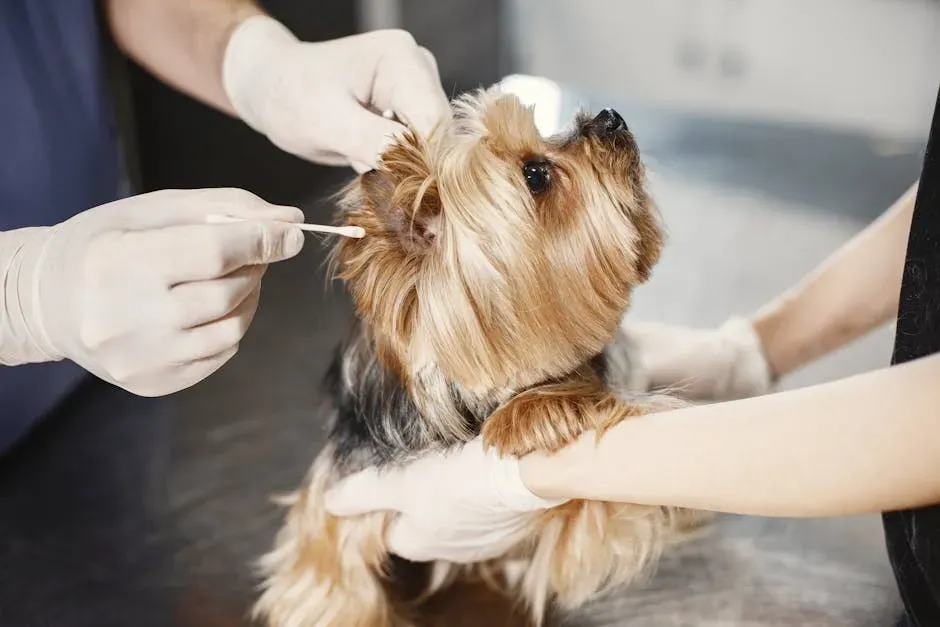
Ask groomers which body part shocks them the most, and a lot will say ears. They flip an ear flap and find a swamp of wax, hair, and trapped moisture that owners had absolutely no clue existed. From the outside, everything looked totally normal.
In floppy-eared breeds like Cocker Spaniels, Goldendoodles, and Labs, the ear canal stays dark, warm, and poorly ventilated. Add in swimming, allergy-related inflammation, or heavy wax production, and you’ve built the perfect breeding ground for yeast and bacteria. Groomers routinely find:
- Thick, dark wax buildup packed deep in the canal
- A sour, yeasty smell that hits the moment they lift the flap
- Red, inflamed skin hidden well below the surface
A good groomer cleans what they safely can, then tells you plainly when something looks like a vet job instead of a grooming job. That’s the part most owners underestimate: many of these infections were quietly brewing for weeks. Because the dog only scratched occasionally, nobody bothered to look closer. Cleaning, drying, and a quick visual inspection can prevent months of discomfort and a small fortune in medicated drops.
#4 – Matted Fur That’s Actually Cutting Off Their Skin
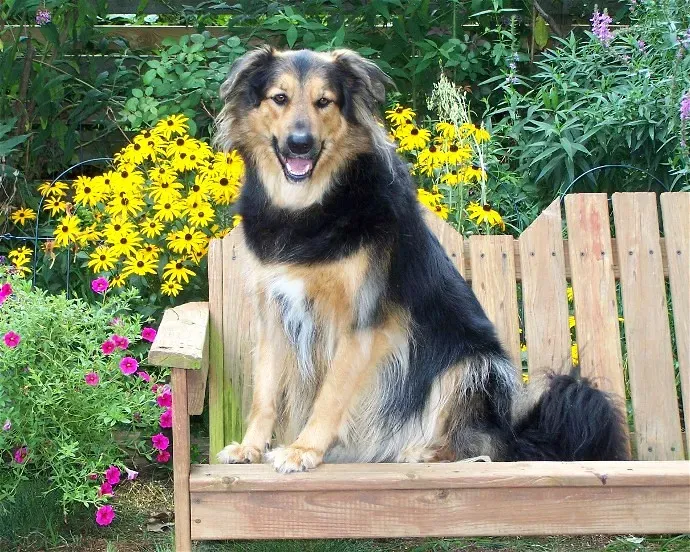
Most people think mats are just cosmetic, a few tangles that make a dog look a bit scruffy. Groomers know better. Severe matting can act like a tourniquet, cutting off airflow, trapping moisture, and digging into the skin like rope burn. In extreme cases, it smells because the skin underneath is genuinely rotting.
Mats form fastest in a handful of predictable spots:
- Behind the ears
- In the armpits
- Around the collar and harness areas
- On the belly and inside the thighs
Owners brush the top coat, feel accomplished, and never realize mats hide much closer to the skin. That fluffy doodle you think is only a little scruffy can have a solid, felt-like layer pressed against its body. Under those mats, groomers find rashes, hot spots, flea dirt, and even open sores.
This is exactly why groomers sometimes have to shave a dog far shorter than the owner expected. De-matting a severely matted coat can be painful and frankly inhumane, so shaving down to the skin in problem areas is often the kindest option, even if it shocks people at pickup. Many groomers quietly absorb the guilty look on an owner’s face, even though they just rescued that dog from months of hidden discomfort.
#5 – Paw Pads Packed With Debris And Hidden Cuts
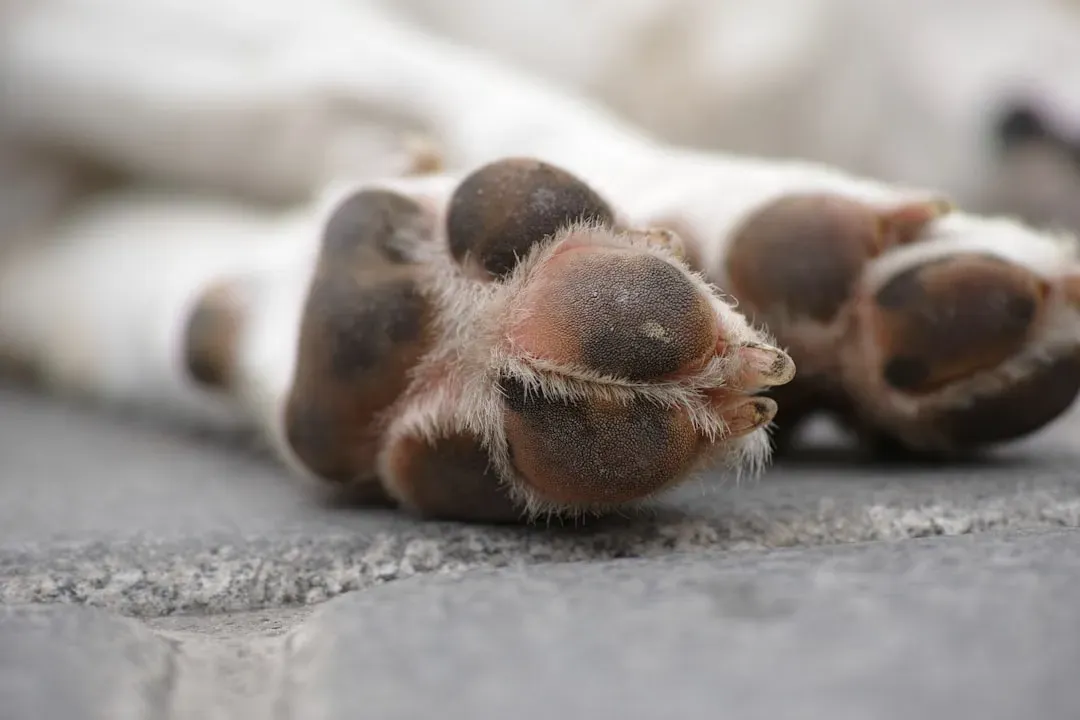
When you look at your dog’s paws, you mostly see the top and maybe the big central pad. Groomers spread every toe, check every crevice, and routinely find a surprising amount of trouble hiding between those pads.
Things groomers regularly pull out from paw pads and between toes:
- Tiny gravel and sand packed deep into the fur
- Grass awns, those barbed seed heads that can burrow straight into skin
- Matted fur forming tight knots between the pads
- Small cuts, splinters, or cracked pads nobody noticed
Overgrown fur between paw pads acts like Velcro, collecting grit and moisture. In winter, ice balls form there. In summer, hot pavement plus trapped debris can turn into cracked, painful pads that make every single step hurt. Dogs just lick their paws more, and owners blame allergies.
By trimming that fur neatly and checking pads closely, groomers catch early yeast infections in the webbing, contact irritation from lawn chemicals, and pressure sores in older or heavier dogs. A quiet comment like “his pads are really dry” isn’t small talk. It’s an early warning that might save you a vet visit and your dog a lot of pain.
#6 – Teeth And Breath That Signal Bigger Health Issues
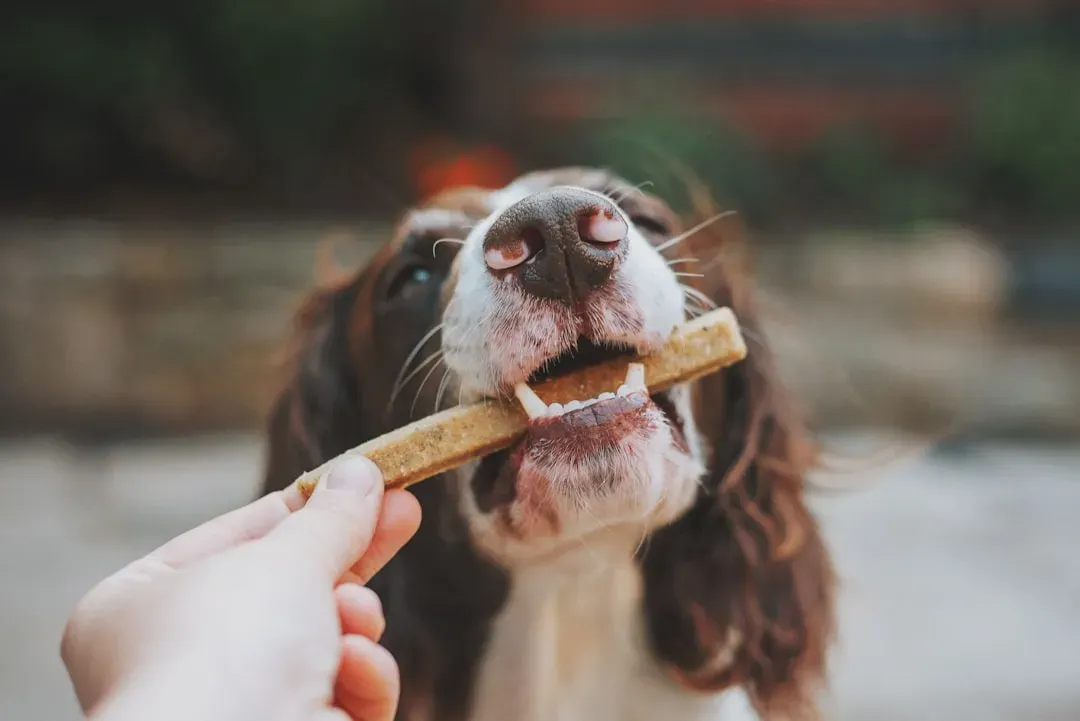
Full dental care is technically your vet’s job, but groomers get an up-close view of your dog’s mouth more often than any vet does. They’re frequently the first to notice when the dental situation is getting dangerous, not just smelly.
Most owners shrug off bad breath as “doggy breath.” In reality, persistent foul odor is often a sign of periodontal disease, which can lead to tooth loss, jaw bone damage, and over time even affect the heart, liver, and kidneys. Groomers routinely see:
- Heavy tartar built up on molars nobody ever looks at
- Gums that are red, swollen, or bleeding
- Loose or broken teeth making chewing painful
Groomers shouldn’t perform deep dental work, but many will gently brush or wipe teeth and flag anything concerning. They also notice when a dog suddenly turns head-shy, flinching whenever its muzzle is handled, a classic red flag for mouth pain.
Dogs don’t fake pain for attention. If they’re snapping when you touch their face, something in there hurts.
Common wisdom among professional groomers
In plenty of cases, dogs labeled as “behavior problems” during face grooming are actually defending a genuinely painful mouth. Without a groomer noticing and saying something, some of these dogs would go years before anyone connected the dots.
#7 – Skin Problems Hiding Under That Fluffy “Perfect” Coat
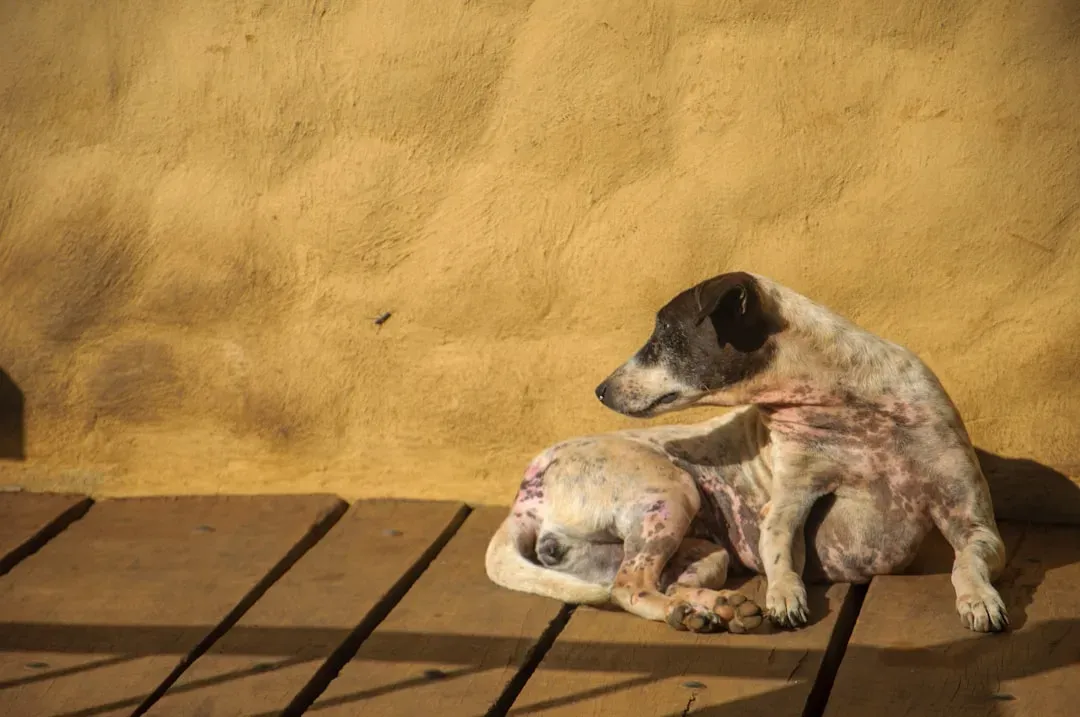
A shiny coat fools almost everyone. Groomers know to ignore the surface glamour entirely and go straight to skin level. They part the hair, aim a high-velocity dryer at it, and see what’s actually happening underneath, which is often not pretty.
Under that fluff, they regularly uncover flea dirt and live fleas the owner swore didn’t exist, dry flaky skin pointing to allergies or poor diet, oily smelly patches consistent with yeast overgrowth, and small bumps, warts, or growths that need monitoring. The dryer works like a diagnostic tool, blasting the coat apart so groomers can spot red spots, ring-shaped lesions, or localized hair loss that no amount of petting would ever reveal.
Fast Facts
- Fleas can live on a dog for weeks before an owner notices any visible bites
- Allergies are a leading cause of chronic, recurring skin flare-ups in dogs
- A high-velocity dryer can reveal irritation completely hidden under a full coat
- Dogs groomed on a consistent schedule tend to have skin issues caught earlier
Some groomers even track recurring issues over multiple visits, noticing patterns, like irritation only where a new harness sits, long before an annual vet exam would catch it. Here’s the uncomfortable part: many skin issues are made worse by owner habits, using human shampoo, overbathing, or skipping professional grooming for months at a stretch. Groomers see the difference clearly between dogs who come in regularly and the once-or-twice-a-year crowd.
#8 – Collar And Harness Rubs Owners Never See
You probably adjust your dog’s collar once, maybe twice, and never think about it again. Groomers see the underside of the neck, chest, and armpits at every single visit, and that’s exactly where the damage from ill-fitting gear hides.
Common problems they spot include raw, red skin where a collar sits too tight or stays wet, hair breakage and bald patches under harness straps, and deep grooves pressed permanently into the coat from collars that are never removed. Many owners are genuinely shocked when a groomer shows them the hair-loss ring circling the neck or under the front legs. From the top, the dog looks fine. Underneath, constant rubbing and trapped moisture have turned that skin into a chronic irritation zone.
Groomers often quietly loosen collars, tidy the fur, and suggest rotating between different harness styles, fully removing gear at home so skin can dry and breathe, and checking the fit monthly, especially on growing puppies. While most people obsess over cute patterns and brand names, groomers see dogs whose “fashion” is literally rubbing them raw.
#9 – Overheated, Under-Brushed Double Coats
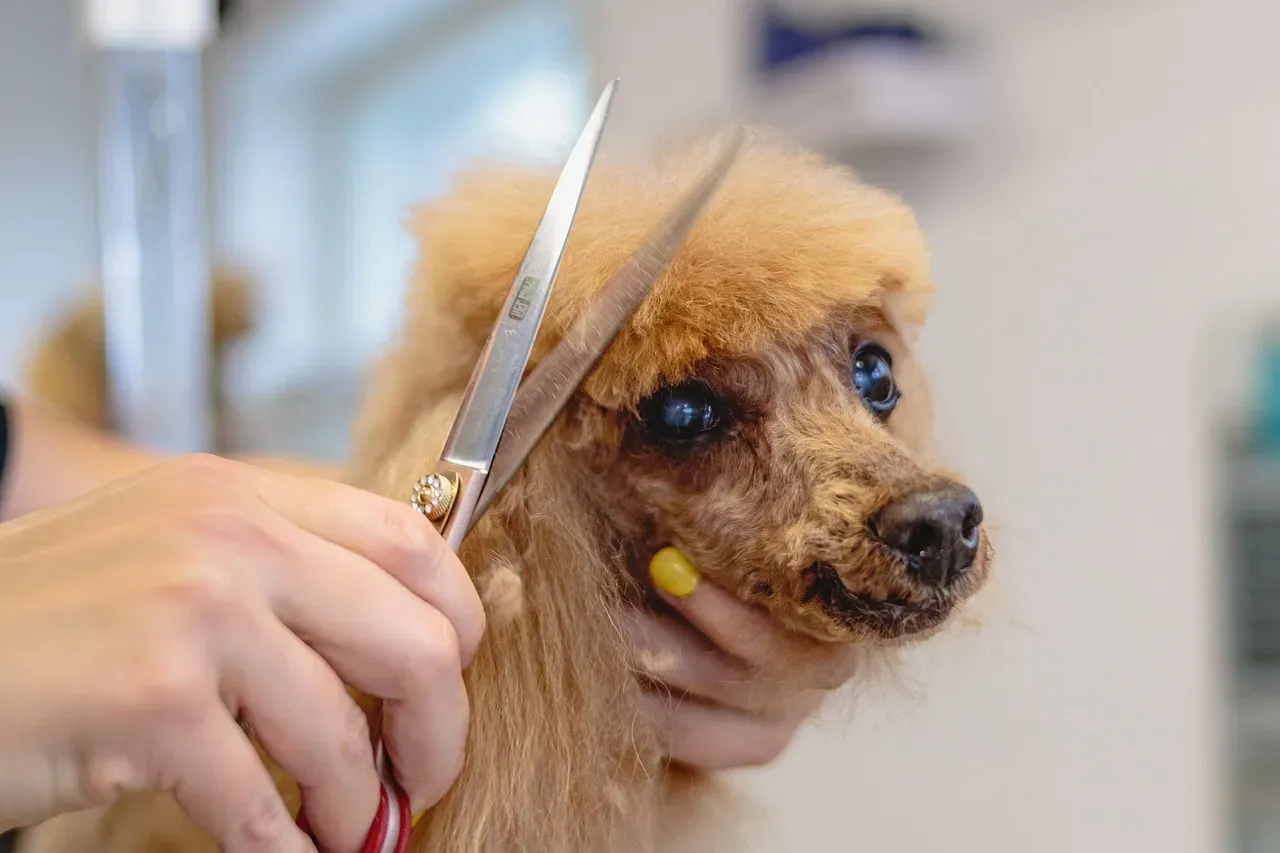
There’s a persistent myth floating around: “My Husky, Shepherd, or Collie will overheat unless I shave him for summer.” Most groomers disagree strongly, and they spend entire days fixing the damage caused by owners who don’t understand how double coats actually work.
Double-coated breeds carry a soft insulating undercoat under a harsher outer guard coat. Skip regular brushing, and that undercoat builds up, tangles, and traps heat right against the skin. The dog looks fluffy on the surface, but underneath is a dense, felted layer that blocks airflow and keeps them hotter, not cooler.
Quick Compare: Double Coat vs. Single Coat
- Double coat (Huskies, Shepherds, Collies): needs regular de-shedding, never a full shave
- Single coat (Poodles, Yorkies): can be trimmed or shaved short safely
- Shaving a double coat: risks patchy regrowth and weaker heat protection
- Brushing a double coat: keeps airflow moving and actually helps cooling
Groomers use special tools to blow out that dead undercoat, sometimes creating literal clouds of fur in the salon. Shaving these breeds down completely can damage the coat long-term, growing back patchy, with altered texture, and leaving the dog with worse heat regulation and less natural sun protection. Despite this, many clients insist on a summer shave anyway, and groomers get stuck choosing between client demands and what’s actually best for the dog. The better fix is regular de-shedding sessions and a trim around the legs and belly, not a full strip-down out of convenience.
#10 – Stress Signals Owners Mistake For “Bad Behavior”
Groomers see your dog in a completely different context than you do: away from home, surrounded by dryers, clippers, and strange dogs. In that setting, small behavior quirks often reveal serious underlying stress or pain that owners casually brush off as “stubborn” or “dramatic.”
Patterns groomers notice include a dog that suddenly snaps when brushed in one specific spot, a previously calm dog that now panics on the table, or unusual trembling and lip licking whenever certain joints are moved. Sometimes it’s purely emotional, a bad experience at a previous groomer, or rough handling during a long-ago nail trim. Other times it’s physical: arthritis making it painful to stand for long periods, a spinal issue making back handling stressful, or a chronic ear infection making head grooming unbearable.
Good groomers read these signals and adapt with shorter sessions, different handling techniques, more breaks, or a direct recommendation to get the dog checked. They often know your dog’s stress baseline better than you do, simply because they see them in a vulnerable, restrained position you rarely witness. And here’s the uncomfortable opinion many groomers share privately: a lot of “aggressive” grooming dogs are actually just under-socialized and never properly taught to tolerate handling. Owners call it sensitivity. Groomers call it a preventable handling problem.
#11 – Senior Dog Issues That Show Up First On The Grooming Table
Vets see senior dogs once or twice a year. Groomers might see the same dog every four to eight weeks. That frequency means groomers often spot the early signs of aging before anyone else even puts the pieces together.
On the table or in the tub, they notice hind legs trembling after standing for more than a few minutes, difficulty stepping onto the ramp, new lumps or growths appearing between visits, and sudden changes in muscle mass or weight. A groomer who’s worked on your dog for years remembers the spry, bouncy version and compares it, appointment after appointment, to the slower, stiffer dog in front of them today.
At a Glance: Senior Warning Signs Groomers Watch For
- Trembling or wobbling after standing for more than a few minutes
- Noticeable weight loss or muscle loss between visits
- New lumps, bumps, or skin changes
- A duller coat that may hint at thyroid or kidney issues
- Reluctance to be lifted or positioned the way they used to
Subtle changes in coat quality can also flag kidney, liver, or thyroid issues long before anything else shows up. Many groomers quietly adjust their whole routine for seniors: shorter sessions, more support under the hips, cooler water, gentler drying. A simple comment like “I’m seeing more stiffness in his back legs lately” can be exactly the cue that gets you into the vet’s office in time. In a real way, your groomer becomes part of your dog’s early-warning system, especially once age takes away the ability to complain.
#12 – Tiny Parasites Owners Swear They “Don’t Have”
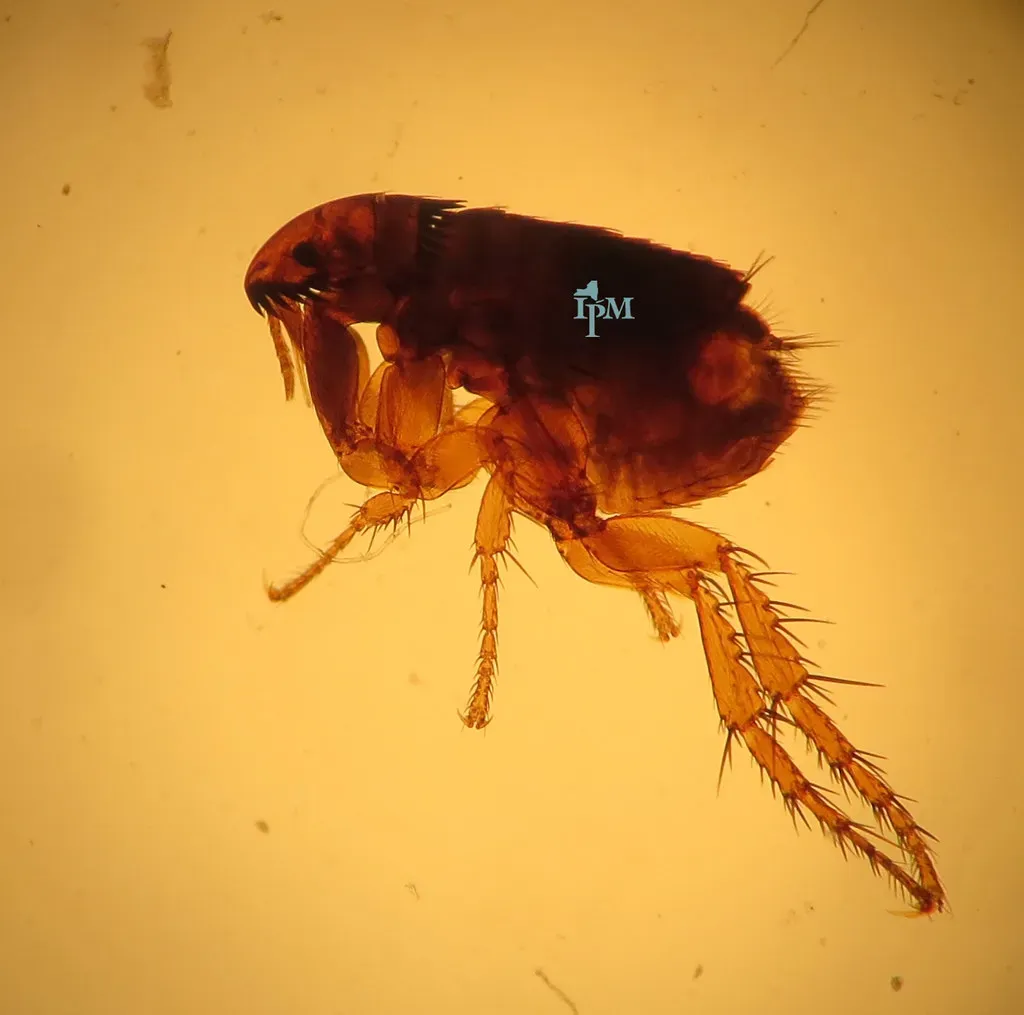
If groomers had a dollar for every time someone said, “He can’t have fleas, he’s an indoor dog,” they could retire early. Parasites are one of the most emotionally charged topics between owners and groomers, because nobody wants to believe their own dog is carrying them.
Yet under bright salon lighting, with a comb and dryer working through the coat, groomers regularly find flea dirt, tiny black specks that turn red when wet, live fleas darting through the fur, ticks hiding in ear folds or between toes, and mite damage showing up as hair loss and scabbing that suggests mange or another infestation. Often the dog isn’t crawling with parasites. Just a few is enough to cause itching, skin infections, and spread to every other pet in the house.
Good groomers follow strict sanitation protocols and sometimes charge extra flea fees for the added time and treatment involved. This is where they get real pushback, since some owners take it personally when told their dog has fleas or ticks. But pretending not to see them would be unethical. They’re protecting your dog, their other canine clients, and, since ticks and mites can affect humans too, quite possibly you as well. Ironically, many infestations would go completely unnoticed if not for a groomer examining that skin and coat under bright light, from every angle, on a predictable schedule.
The Bottom Line
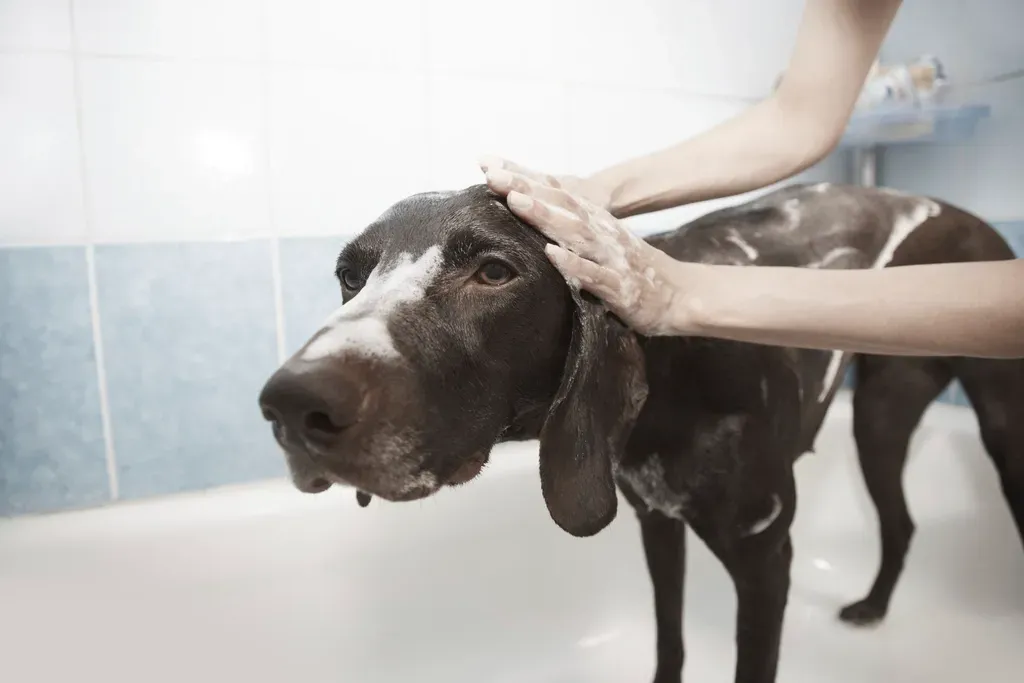
Dog groomers aren’t just running a spa day. They’re quietly catching and correcting dozens of small, invisible problems that can snowball into serious health issues: overgrown nails warping joints, mats choking off skin, hidden ear infections, parasite infestations, and early signs of arthritis or systemic disease that nobody else would have spotted in time.
They see your dog naked, literally and figuratively, in ways you never do, and they usually spot the truth long before anyone else does.
Honestly, a lot of what owners call “spoiling” their dog with grooming is just basic preventive care most people never grew up understanding. Regular, professional grooming isn’t a luxury add-on. It’s part of keeping a modern pet comfortable, functional, and pain-free. The uncomfortable opinion here is simple: if you only book a groomer when your dog “looks dirty,” you’re already behind. Did your groomer ever catch something on your dog that you had absolutely no idea about? Drop it in the comments and argue it out, that’s usually how people actually learn what’s been hiding under all that fluff.