
13 Things a Kennel Sees Every December That It Sees No Other Month
Most people picture kennels as one long, chaotic blur all year round: dogs in, dogs out, barking, feeding, repeat. Ask anyone who actually works inside one, though, and they’ll tell you December might as well be a different planet.
The smells change. The sounds change. Even the way owners walk through the door – rushed, guilty, half-apologetic – gives away that holiday panic energy before they say a single word. The same patterns show up every single year, like clockwork, in a way that simply doesn’t happen in March, July, or October. And they’re not all cute Christmas stories. Some are heartbreaking. Some are absurd. All of them reveal what dogs really go through when humans “do the holidays.” Here’s what actually happens behind the tinsel.
#1 – The Last-Minute “Please Take My Dog” Scramble
Every December, kennels get flooded with owners begging for “just one more spot” they swore they didn’t need to book in advance. The energy is frantic. People show up with suitcases already in the car, dog half-leashed and half-dragged through the lobby door.
Staff quietly know what this means: most owners massively underestimate how early holiday boarding fills up. In plenty of areas, Christmas week is fully booked by mid-October. By December 15, the waitlist is already long, yet the phone keeps ringing, everyone convinced there’s a secret spare kennel hiding in the back.
You start to hear the same desperate lines every year:
- “Can you just squeeze in a small one?”
- “He can sleep in a staff room closet if he has to.”
- “We’ll pay extra, anything, we just found flights.”
Behind the counter, staff are juggling legal capacity limits, exhausted coworkers, and dog compatibility puzzles nobody sees. And somehow, that’s the calm part of the month.
#2 – Dogs Who Realize “This Isn’t Daycare… They’re Leaving”
December dogs act differently the second they walk through the door. Regular daycare pups usually sprint in without a backward glance. Holiday boarders are different. Many of them sense something is wrong the moment suitcases and rushed goodbyes enter the picture.
Kennel workers notice a real spike in separation anxiety in the 48 hours after a holiday drop-off. Dogs pace more. They whine at night. They stare at the door far longer than usual. Even confident, well-adjusted dogs sometimes skip their first meal – something that barely ever happens in April or September.
Owners often assume “he loves it here, he’ll be fine.” But December stacks the emotional deck against that:
- Owners themselves are stressed and rushed, and dogs read that instantly.
- Goodbyes get quicker and more abrupt than usual.
- The lobby is louder and busier, making the whole transition rougher.
Staff regularly find dogs camped by the gate after dinner, convinced every footstep might be their person coming back. It usually takes a few days for that vigilance to fade – a few days the dog spends genuinely heartbroken.
#3 – The Guilty “Overpacking Parent” Syndrome
No month creates more overpacking than December. Kennel workers watch carloads of beds, toys, outfits, and treats pour in like someone’s moving their dog into a college dorm for a semester.
It’s not unusual to see three beds “in case he wants options,” a week’s worth of individually labeled outfits, and five different bags of treats for “different moods.” This isn’t just cute – it’s guilt, plain and simple.
Owners are about to leave for a festive trip, and subconsciously they try to pack their own presence into objects: their scent on a blanket, their routine in a snack bag, a holiday sweater “for pictures.” Staff already know most of it won’t get touched. Some of it is even a hazard – rawhide in shared play areas, rope toys left unsupervised, glass treat jars that shouldn’t be anywhere near a kennel floor.
Fast Facts
- Rawhide left unattended in shared play areas is a common choking hazard.
- Rope toys can turn dangerous without direct, constant supervision.
- Glass treat jars have no place on a busy kennel floor.
Ironically, the dog usually just wants two things: a familiar-smelling blanket and their regular food. Everything else in that suitcase is for the human’s peace of mind, not the dog’s.
#4 – The Sudden Spike in “Special Holiday Food” Emergencies
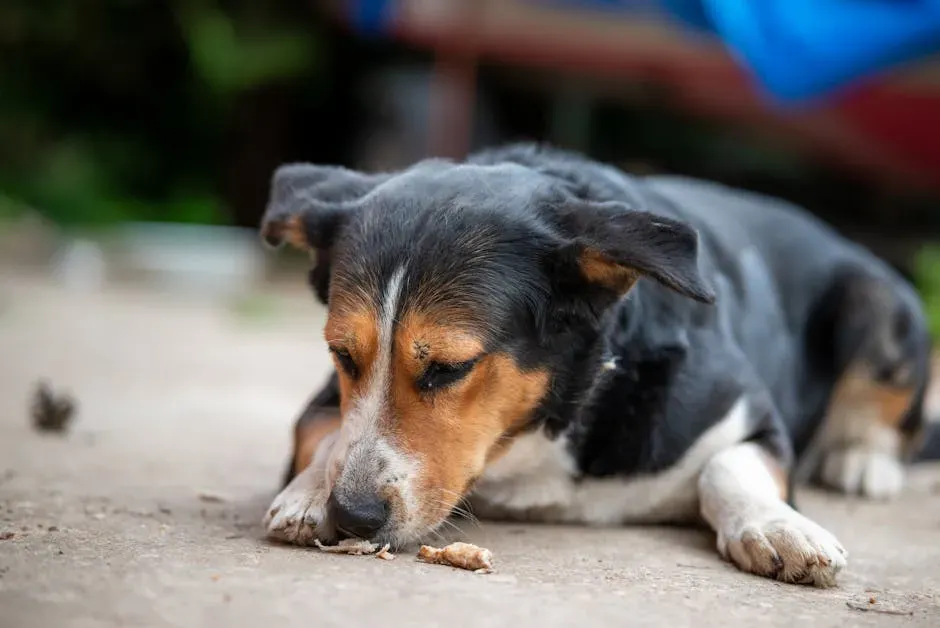
December is the month kennels quietly brace for one ugly, predictable trend: upset stomachs. The cause isn’t mysterious. It’s turkey skin, ham fat, gravy, and “just a little taste” of dessert, followed by a drop-off the very next morning.
Staff see it like clockwork every year:
- Dogs arriving with diarrhea or vomiting after rich table scraps.
- Pancreatitis scares from fatty food, especially in small breeds.
- Owners insisting “he just had a little taste” that was clearly far more than that.
From the dog’s gut, it’s a one-two punch: a sudden diet change immediately followed by a sudden environment change. Gut bacteria hate that combination just as much as the dog’s stomach does. Dogs that normally eat plain kibble show up after a weekend of bacon, biscuits, and cheese platters, and their bodies simply revolt.
Many kennels now stock extra bland diet food – boiled chicken and rice, essentially – because they know they’ll need it more in December than any other month. Some even send reminder emails beforehand: please don’t change your dog’s diet right before boarding. Plenty of people ignore it anyway.
#5 – The “Once-a-Year” Family Dog Who’s Totally Out of Practice
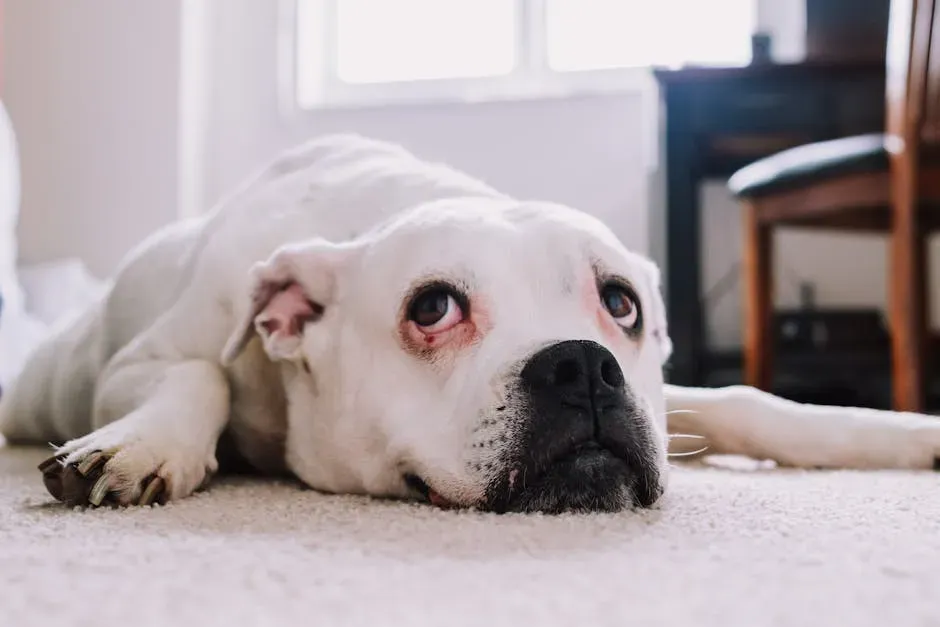
Every kennel has a special December regular: the dog that only ever boards once a year, right at Christmas. The rest of the year they’re a homebody. No daycare, no travel, no overnights. Then suddenly they’re dropped into a high-stimulation building during the single busiest week of the year.
These “holiday-only” dogs tend to be more noise-sensitive, weaker socially with other dogs, and quicker to show stress signals like lip licking, panting, and hiding than the regular boarders around them.
To be blunt, they’re out of practice. Imagine only setting foot in a crowded airport once a year, every December, with no warm-up in between. You’d never get used to it. That’s essentially what these dogs live through.
Kennel workers often burn extra time on these once-a-year boarders – sitting quietly near their runs, hand-feeding meals, pairing them with one calm “buddy” dog if they’re social enough. It’s damage control for a stress pattern that a few daycare visits earlier in the year could have prevented entirely.
#6 – The Explosion of Matching Sweaters and Holiday Costumes
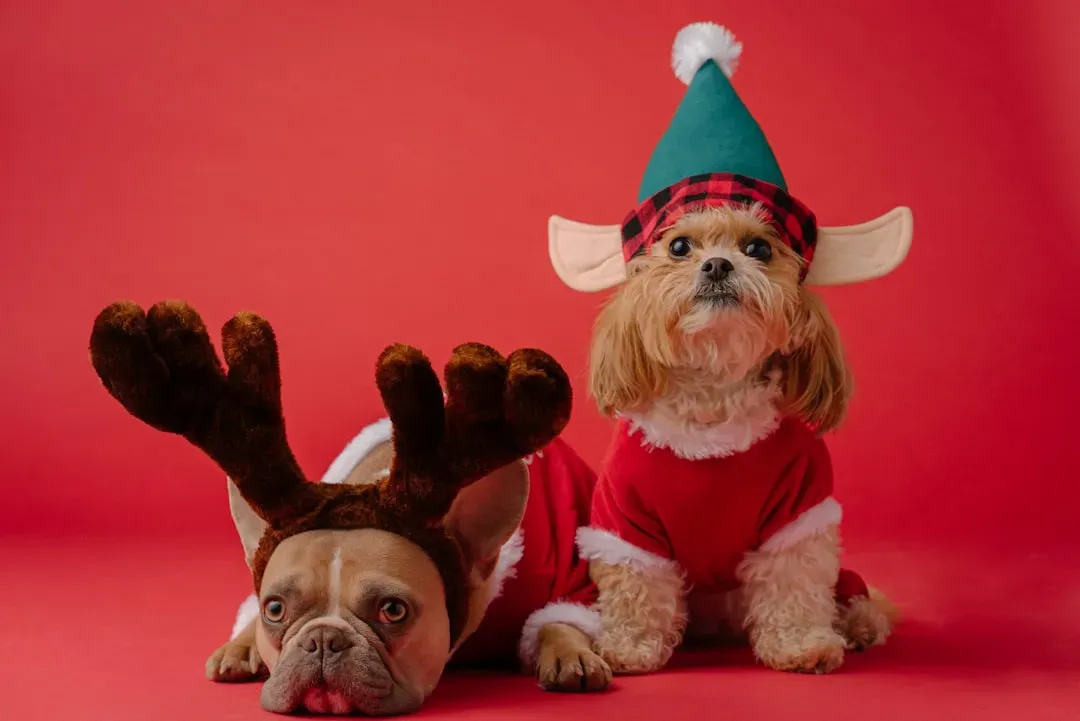
You don’t fully understand December at a kennel until you’ve watched a line of dogs arrive in ugly Christmas sweaters that cost more than the staff’s entire uniform. Every year it escalates: matching family pajamas, reindeer antlers, Grinch outfits, “Santa’s Favorite” bandanas.
From a worker’s standpoint, it’s a mixed bag. On the good side, the outfits make for adorable photo updates, some dogs genuinely don’t mind wearing them, and owners love seeing festive pictures pop up in the app or their inbox.
On the other side, costumes can cause overheating in heated indoor runs, skin irritation where fabric rubs or traps moisture, and real safety risks if buttons, bells, or ties get chewed or snagged mid-play.
Quick Compare
- Pros: adorable photos, easy owner updates, some dogs genuinely don’t mind them.
- Cons: overheating risk indoors, skin irritation, and choking or snagging hazards from buttons and bells.
Insiders know the trick: most kennels strip outfits off right after the intake photo and save them for special moments, not 24/7 wear. Cute wins the photo. Welfare wins the actual day.
#7 – The “Emergency Groom Before Grandma Sees Him” Rush
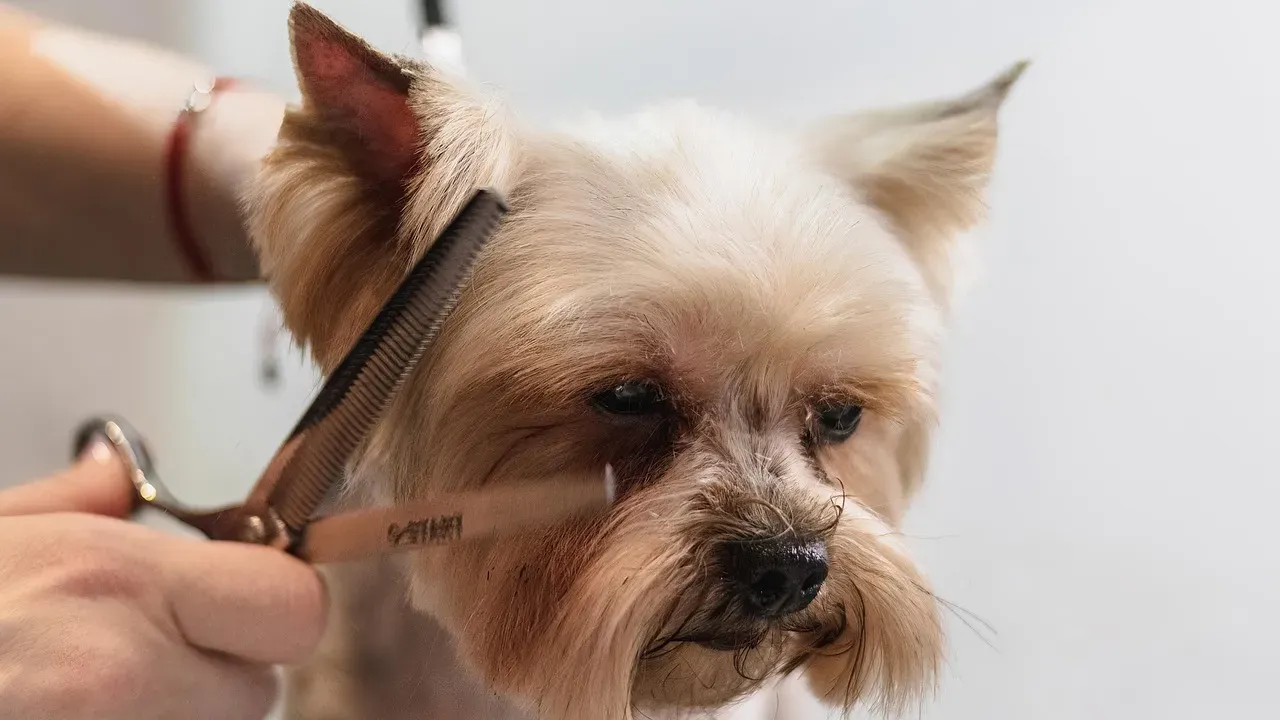
Grooming departments see a uniquely December phenomenon: a dog that hasn’t seen a brush since Easter shows up demanding a rush-order Christmas Eve haircut, bath, and nail trim “before the family party.”
These aren’t normal appointments. They’re matted doodles needing hours-long shave-downs, double-coated breeds still carrying fur from months ago, and owners expecting a flawless holiday-photo look in one single session.
Staff quietly roll their eyes at “he just needs a trim” when the dog’s coat has felted into a solid mat. December is when months of neglect collide head-on with sudden cosmetic panic – because someone remembered the dog will be in the family photo, or visiting a relative with allergies, and now expects the groomer to undo six months of delay in one afternoon.
The dog, meanwhile, is already stressed from being boarded. Stacking a rough grooming session on top of that isn’t ideal for anyone’s nerves, dog or human, but in December it happens more than any other month combined.
#8 – The Odd Mix of Christmas Music and Stress Barking
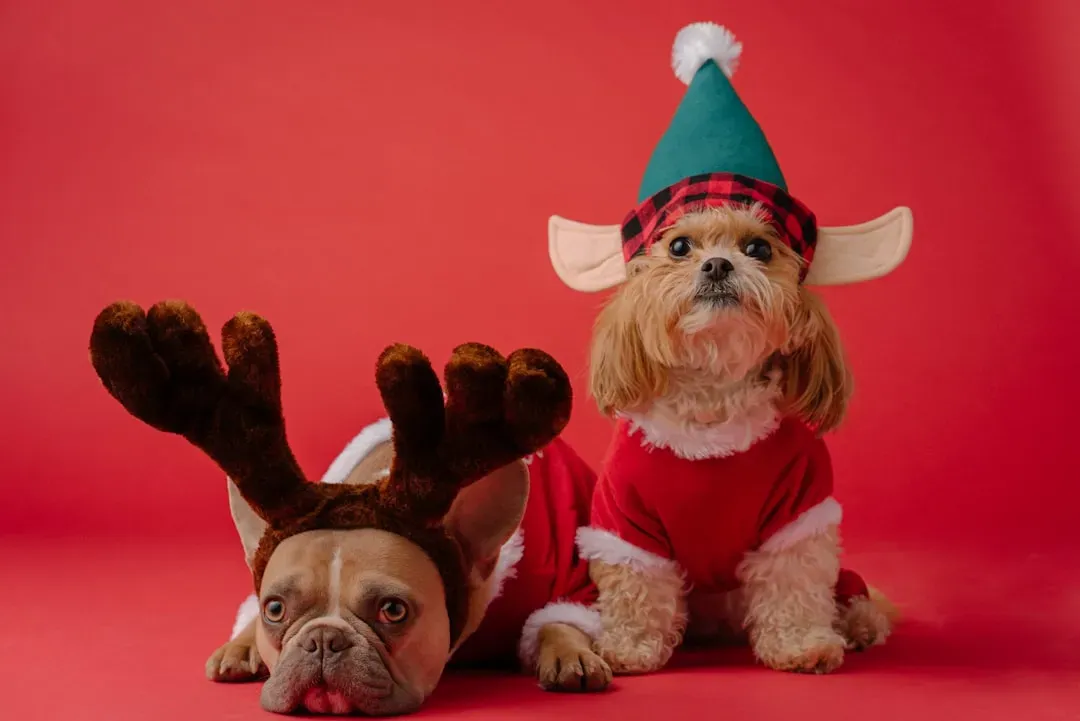
Walk through a kennel in December and you’ll hear a genuinely surreal soundtrack: Mariah Carey battling forty dogs barking in forty different keys. Many facilities play music year-round to soften the noise and calm the atmosphere. In December, that playlist turns fully festive.
What insiders notice is how much sound actually shapes behavior. Classical music can lower stress for some dogs. High-pitched, fast music can do the opposite, cranking up arousal and restlessness instead of soothing it. And constant volume, day and night, can wear on a dog worse than silence ever would.
Worth Knowing
- Classical music has been linked to calmer behavior in kenneled dogs.
- Fast, high-pitched music tends to raise arousal instead of lowering it.
- Nonstop volume, day and night, can be more draining on dogs than silence.
By the nineteenth playthrough of “Jingle Bells,” staff already know which dogs get wired instead of calmed. Some dogs howl along with certain songs. Others bark harder the second bells or a children’s choir kick in. The smarter kennels adjust – swapping in slower instrumental tracks at night, or leaning on white noise instead.
The contrast is almost funny: twinkling lights and pine-scented candles up front, and in the back, a row of kennels where dogs are trying to sleep through what sounds like a chaotic holiday radio station stuck on repeat.
#9 – The Emotional Highs and Lows of Holiday Reunions
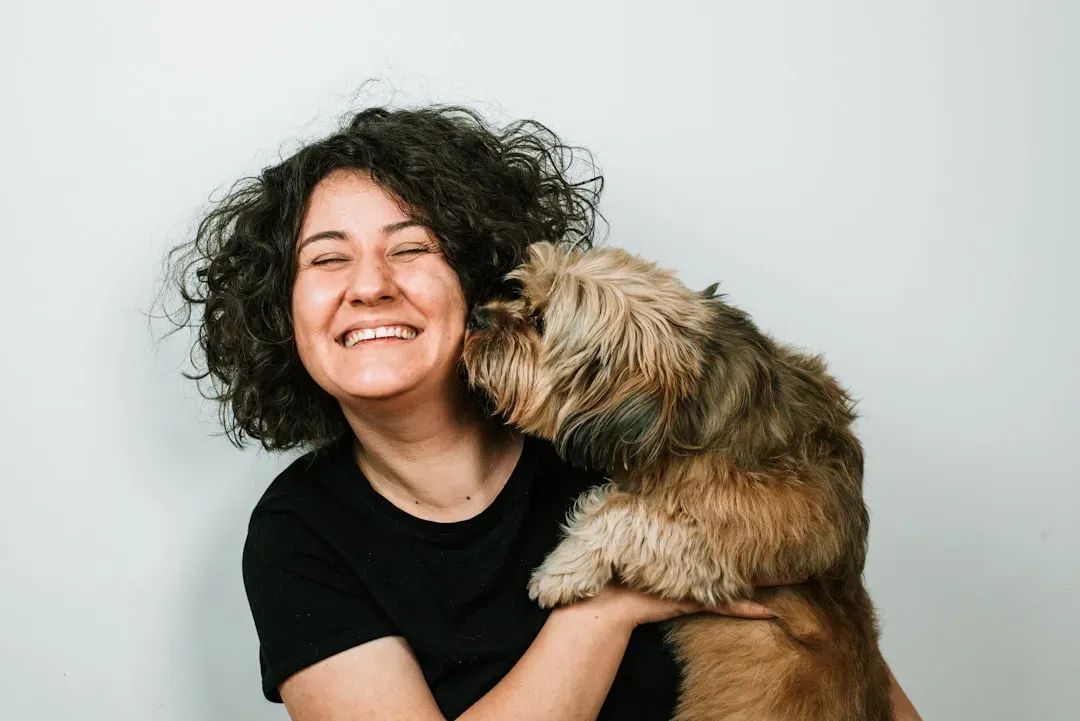
No month produces more cinematic reunions than December. Staff watch dogs explode with joy the second an owner walks back in after a Christmas trip – full-body wiggles, squeals, paws on shoulders. Some dogs cry. Some whine nonstop for five straight minutes. The lobby briefly turns into a live commercial for dog ownership.
Here’s what most people never realize: those reunions hit staff hard too. After caring for someone’s animal through the busiest week of the year, watching that joyful reunion is one of the few genuinely satisfying moments in a job that otherwise involves a lot of poop, noise, and worry.
But the flip side is brutal. December also brings late pickups that stretch days past the promise, the dreaded “we extended our trip, can you just keep him?” call, and – rarely, but it happens – a relative dropping off a dog whose original owner never comes back for them.
Staff see the full emotional range in a single week: a kid sobbing with happiness after a long flight, and a quiet, confused senior dog whose person simply doesn’t show up on time. These scenes just don’t stack up like this in any other month.
#10 – The Surprising Number of Holiday Puppies Dropped Off Too Soon

December is peak season for “surprise” puppies under the tree. What people rarely talk about is what happens next: those same puppies turning into a “we’re traveling for New Year’s, can you board him?” call – often for pups far too young or under-vaccinated for a kennel environment.
Insiders deal with some hard truths here. Puppies under 16 weeks often haven’t finished their vaccine series yet. Boarding them that early means real exposure risk to disease. And the stress of early separation can quietly cement anxiety patterns that follow a dog for years.
A responsible kennel will say no, or offer alternatives like short, isolated day visits or an in-home pet-sitting referral instead. Plenty of owners just keep calling around until someone says yes.
December makes this worse because everyone wants the cinematic “puppy under the tree” moment, without planning travel around what that puppy actually needs developmentally. Staff end up cast as the unpopular voice of reason nobody wanted to hear.
#11 – The Quiet Battle to Keep Illness From Spreading
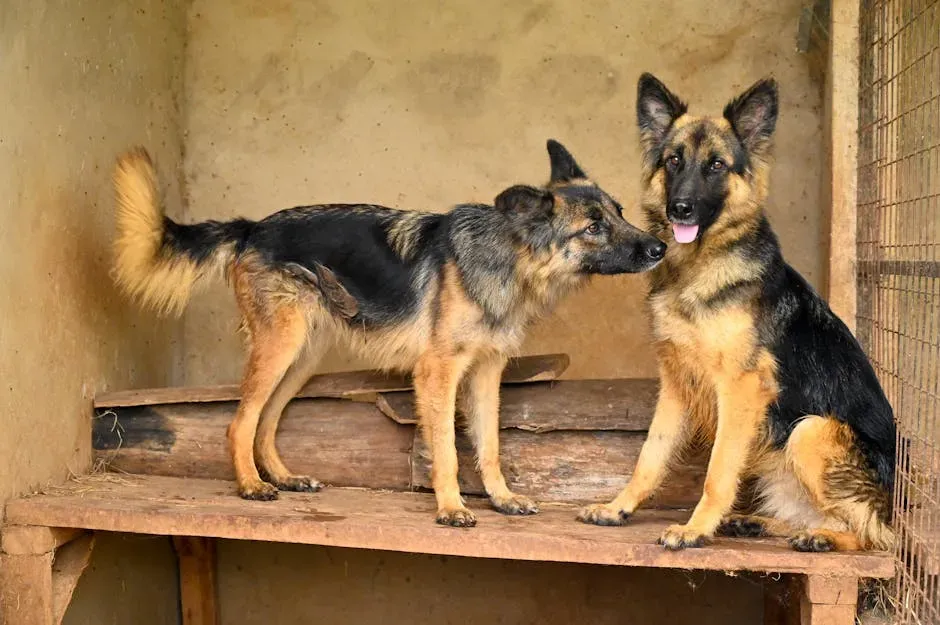
Anywhere dogs gather, disease risk follows. December just turns the volume way up: more dogs in one building, from more households, arriving from more cities than any other week of the year. Kennel cough, giardia, and the occasional respiratory bug are already part of the background reality – the holidays simply amplify it.
Behind the cheerful lobby decorations, staff are sanitizing runs more often than usual, watching every dog like a hawk for coughing or lethargy, and juggling isolation protocols to protect the healthy majority.
Most reputable kennels require core vaccines, plus Bordetella and often canine influenza. December is the month that tests those systems hardest, because a dog can walk in already incubating something and not show symptoms until it’s already mixed into group play.
Fast Facts
- Core vaccines plus Bordetella are standard requirements at most reputable kennels.
- Canine influenza vaccination is increasingly requested during high-traffic weeks.
- Kennel cough and giardia are already common risks that holiday crowding intensifies.
That’s why some dogs get turned away for expired paperwork, why staff hold the line on “no, we can’t just sneak him in,” and why you might get an uncomfortable “your dog was exposed” call a day or two after pickup. To owners it can feel overcautious. To staff, who’ve watched an outbreak move through a building before, it’s simply survival.
#12 – Owners Who Overestimate Their Dog’s Social Skills by a Lot
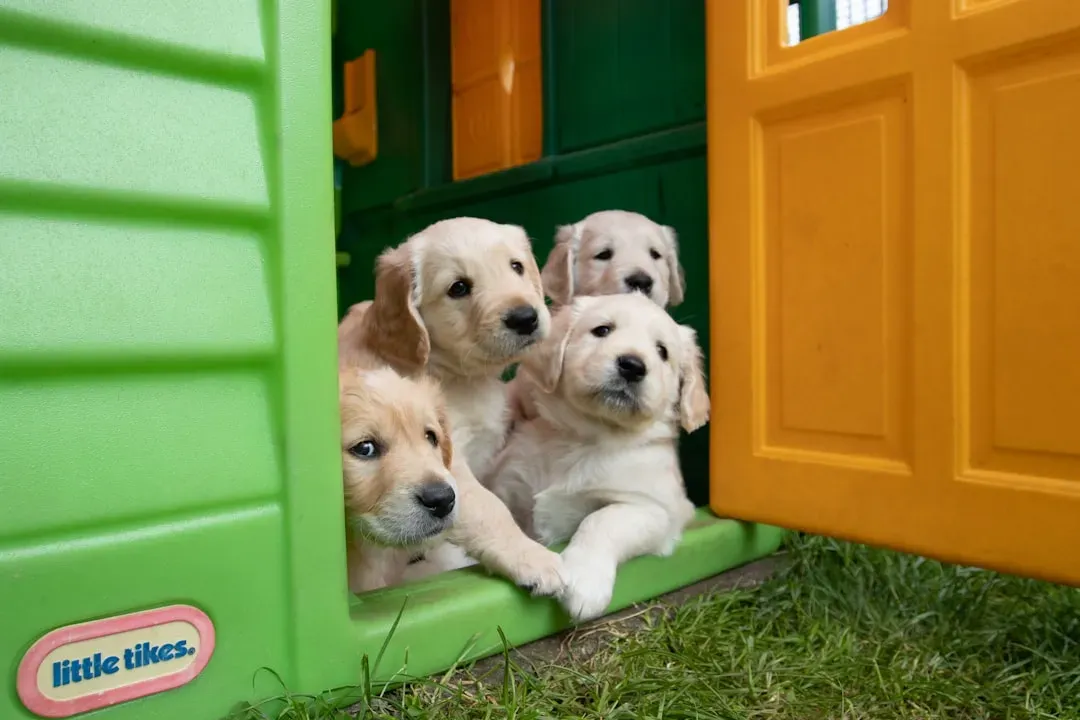
In December, more first-time boarders arrive with confident claims like “oh, he loves all dogs” or “she’s super friendly, never had a problem.” Then that dog gets dropped into a high-energy holiday playgroup, and reality shows up fast.
The holiday mix is uniquely volatile: more intact dogs than usual, because owners “haven’t gotten around” to spay or neuter, dogs who are rusty from minimal socializing all year, and a louder, more crowded room that pushes some dogs past their limit.
A dog who’s perfectly fine with one neighbor’s golden retriever can snap the second ten unfamiliar dogs rush in to sniff at once. December playgroups throw together breeds, ages, and temperaments that would never normally cross paths.
Staff end up pulling dogs from group play and switching them to solo time, explaining to offended owners that “friendly” doesn’t automatically mean “daycare-suitable,” and managing hurt feelings when a small nip or scuffle happens. Some owners take the feedback. Others blame the kennel outright. Either way, this level of social stress-testing simply doesn’t cluster like this in a random month like May.
#13 – The Staff Burnout You Never See in the Cute Holiday Posts
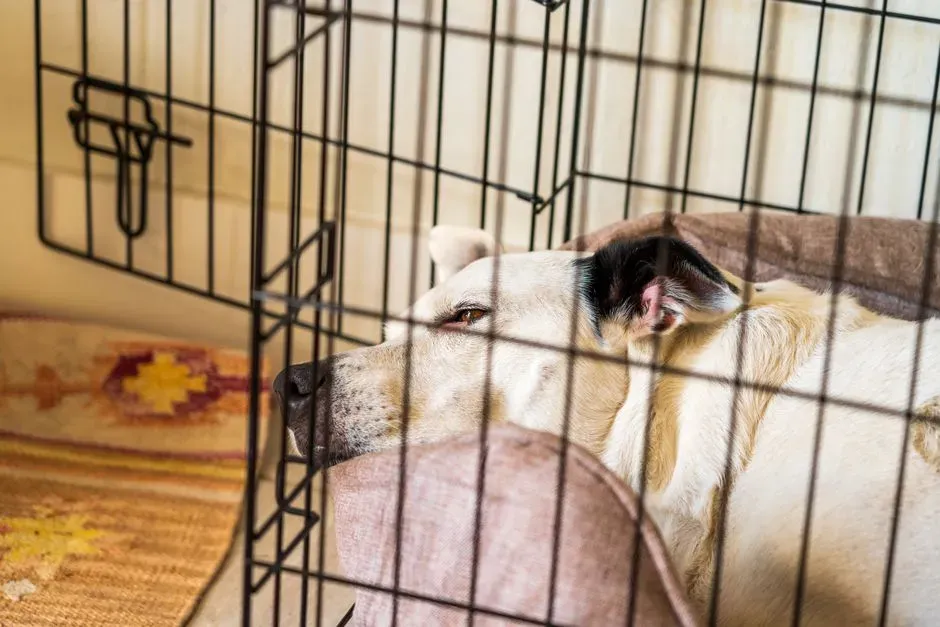
The biggest December truth kennels see – and almost never talk about publicly – is plain exhaustion. Those “Merry Christmas from our furry guests!” photos hide the reality that many workers are pulling long shifts every single day that most other people get off.
In December, kennel staff are working Christmas Eve, Christmas Day, New Year’s Eve, and often New Year’s Day too. They’re handling the highest volume of dogs of the entire year while running on the thinnest emotional margin, all while managing their own family’s expectations alongside everyone else’s pets.
At a Glance
- Staff often work Christmas Eve, Christmas Day, New Year’s Eve, and New Year’s Day.
- December brings the highest guest volume of the entire year.
- Staffing margins are typically thinnest during this same stretch.
The routine is relentless: early-morning walks, feeding, meds, cleaning, supervised play groups, check-ins, check-outs, grooming add-ons, holiday photo sessions, late-night rounds. Meanwhile, social media expects a constant stream of cute pictures and “spoiled pup” narratives, as if none of the above is happening in the background.
That emotional gap is real. Staff care deeply about the animals but often feel invisible to the humans, absorbing owner guilt, dog stress, and pure logistical chaos while smiling through a stream of “is he having fun?!” texts. Most people never see this side of holiday boarding. Once you do, you won’t look at those festive kennel photos quite the same way again.
The Bottom Line
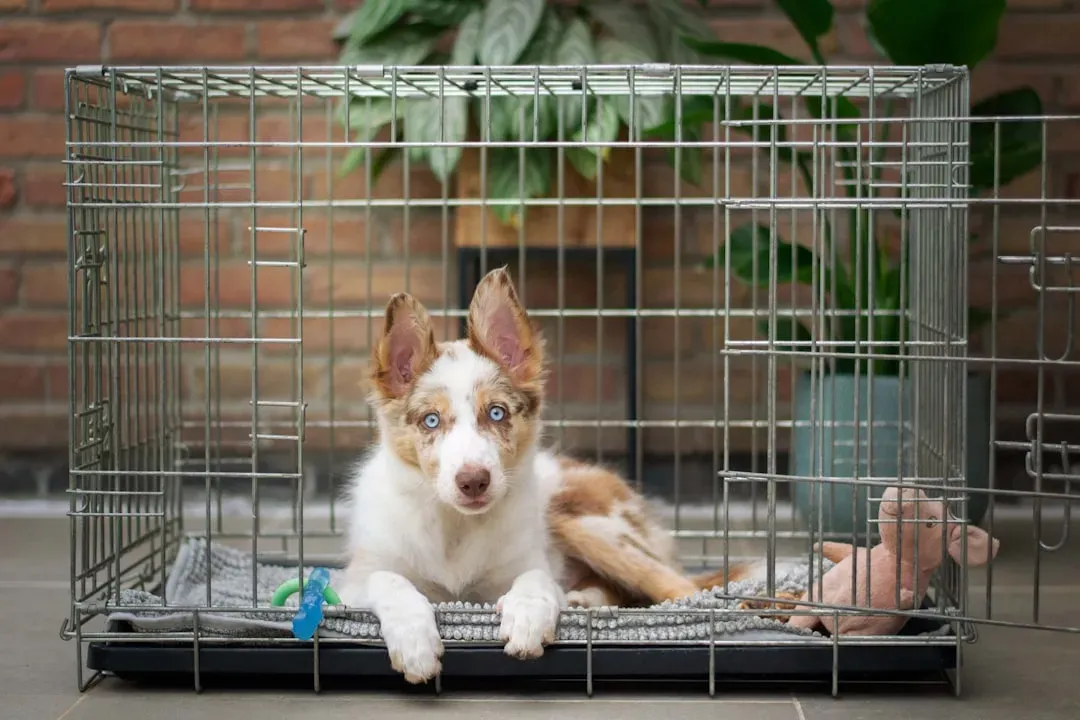
December turns kennels into a pressure cooker that looks festive from the outside and feels exhausting on the inside. The patterns repeat with almost eerie consistency: owners booking too late, feeding “just a taste” of holiday food, dropping unprepared dogs into a max-capacity building, then expecting spa-level service during the two most overworked weeks of the year.
Dogs pay for our seasonal chaos with upset stomachs, separation anxiety, and social overload. Staff pay for it with health risks, emotional meltdowns, and nonstop cleanup happening just out of frame from the cute lobby photos.
Here’s the uncomfortable part: almost all of it is preventable. Early booking, a stable diet, year-round socializing, realistic grooming schedules, and a little basic respect for the people working on Christmas Day would change what kennels see every single December. Until owners start planning for their dogs the way they plan their own flights, kennels will keep absorbing the fallout of a holiday that was never really designed with the dog in mind.