
12 Discoveries About How Dogs Process Human Speech

You probably think your dog only understands two settings: happy voice and angry voice. Everything else is just noise that happens to come out of your mouth while you feed them, walk them, or yell at the mailman. That assumption is wrong in ways that are almost embarrassing once you see the research.
Brain scans, fast-mapping experiments, and years of canine cognition studies have quietly dismantled the “dogs just hear tone” myth. Turns out your dog is running something closer to a language lab in their skull, separating your words from your music, testing your consistency, and quietly judging whether you actually mean what you say. Some of what follows will make you rethink every “good boy” you’ve ever said on autopilot.
#12 – Dogs Don’t Just Hear Noise, They Build a “Human Dictionary”

Most people assume their dog only knows a handful of words – “sit,” “walk,” maybe “no.” In reality, many dogs are quietly building something closer to a personal dictionary of human sound.
Research on word-learning “genius dogs” has found some can memorize dozens, even hundreds, of object names and fetch the exact right toy on command. That’s the extreme end. But ordinary family dogs pick up far more vocabulary than most owners give them credit for, especially words tied to routines, rewards, and emotional payoff.
Fast Facts
- The average dog understands roughly 165 words and gestures, according to canine intelligence research from psychologist Dr. Stanley Coren
- Dogs in the top 20% of canine intelligence can learn closer to 250 words with excellent training
- Chaser, a border collie studied for years, learned and retained the proper-noun names of 1,022 objects – the largest tested vocabulary ever recorded in a non-human animal
- Before Chaser, another border collie named Rico knew the names of more than 200 objects, then the record for canine vocabulary
Dogs don’t process grammar the way we do. Instead, they map specific sounds to specific outcomes:
- “Outside” → door opening, sudden excitement
- “Dinner” → bowl clink, food smell
- Names → attention shifts toward one particular person or pet
Over time, that sound-event-feeling chain becomes surprisingly rigid. Swap the word for something new and keep your tone identical, and most dogs will hesitate or tilt their head in confusion. That pause is the tell: your dog isn’t just riding your vibe, they’re tracking an actual verbal label underneath it.
But that’s nothing compared to what we found about #11…
#11 – Your Tone and Your Words Go to Different Sides of Their Brain
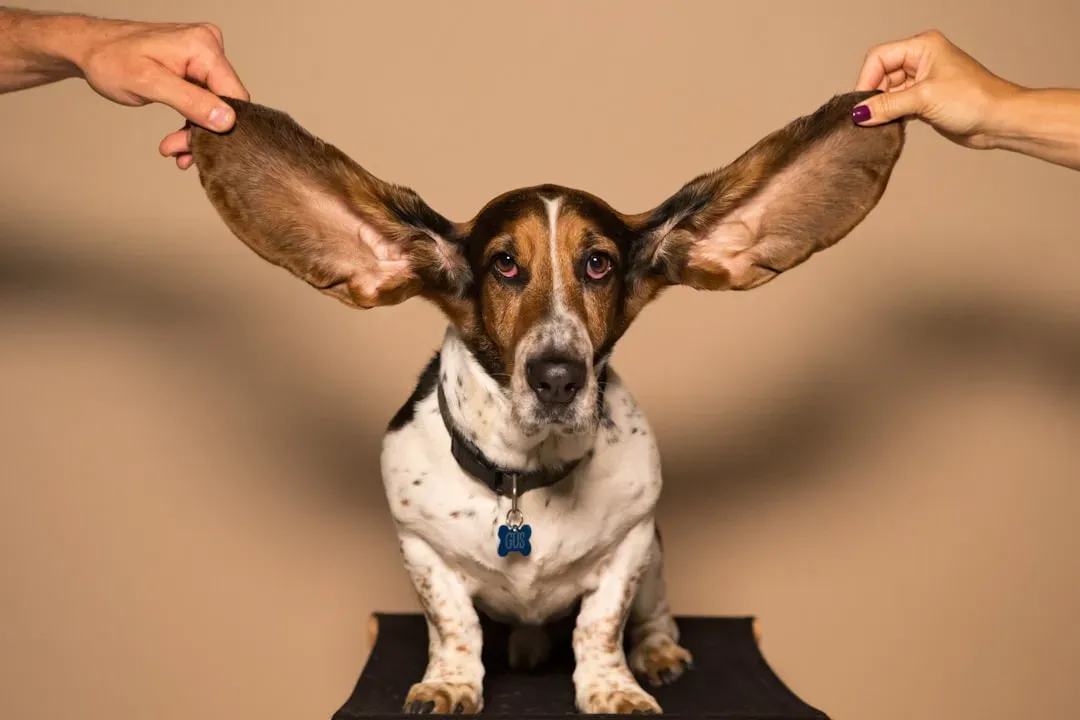
Here’s where the science gets genuinely strange: in brain-scan studies, a dog’s tone-processing and word-processing happen in different regions entirely – just like they do in the human brain.
Researchers trained dogs to lie still in scanners and then played them combinations: praise words in a happy tone, praise words in a flat tone, neutral words in a happy tone, and neutral words in a flat tone.
The results were almost unsettling in their familiarity. The left hemisphere lit up more for familiar, meaningful words, while the right hemisphere responded more to emotional tone – the same rough split researchers see when humans process speech content versus speech melody.
In plain terms, your dog is running two separate checks at once:
- The content: is this a word I actually know?
- The music: is this happy, angry, or comforting?
That’s why a cheerful “you little monster!” can still get you a tail wag, while a flat, exhausted “good dog” often lands with zero enthusiasm. Your dog isn’t fooled by tone alone. There’s a genuine two-channel system running under the fur.
But that’s nothing compared to what we found about #10…
#10 – Dogs Notice the Second Your Tone and Words Stop Matching

Plenty of owners assume that saying something in a happy voice covers all their bases. It doesn’t. Dogs appear to experience something close to cognitive dissonance when your words and your tone contradict each other.
In experiments comparing happy words said happily, happy words said harshly, and neutral words said with excitement, dogs showed more engaged body language – tail, ears, orientation – when the two channels matched.
When they clashed, the dogs’ behavior shifted noticeably:
- Head tilts
- Delayed responses
- Brief freezing while scanning the owner’s face
That’s a dog actively trying to resolve conflicting signals. Their brain expects consistency – if “good dog” usually predicts affection, hearing it delivered in a bitter, clipped voice becomes genuinely confusing, sometimes even stressful.
It plays out in ordinary moments constantly. Saying “it’s okay” through gritted teeth at the vet? Your dog reads the tension in your jaw, not the reassurance in your sentence. Laughing while scolding? You’re quietly teaching your dog that your words can’t be trusted at face value.
But that’s nothing compared to what we found about #9…
#9 – Repetition Isn’t the Secret, Context Is the Real Teacher
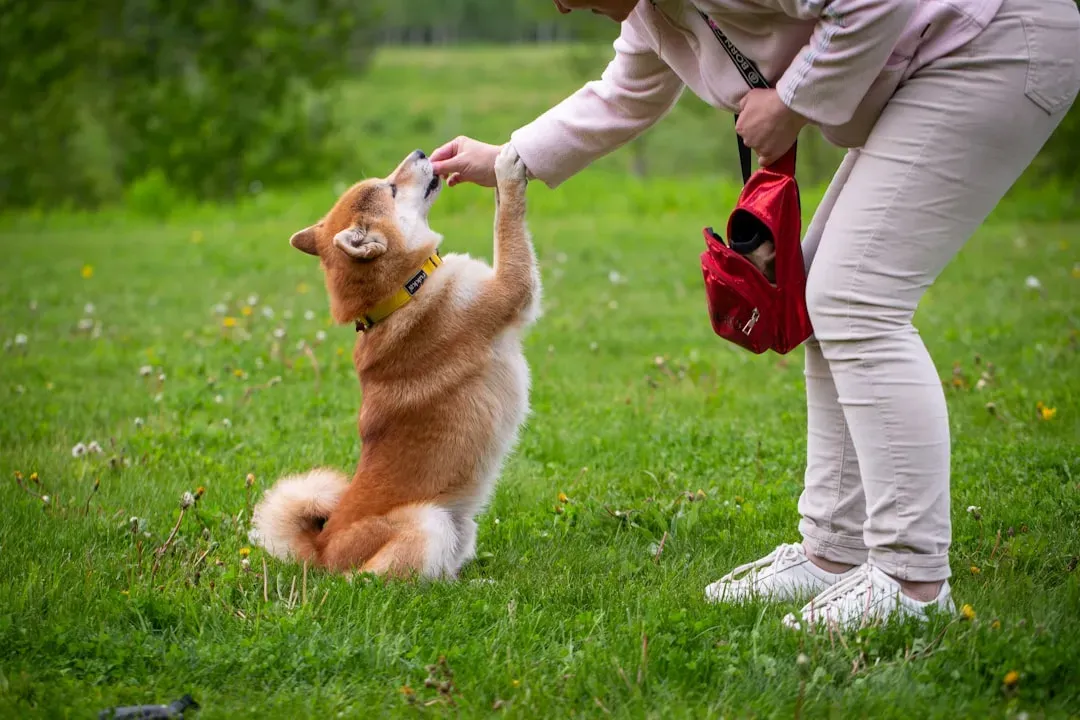
A lot of owners believe that saying a word a thousand times will eventually make it stick. That’s lazy training logic, and the research doesn’t back it up. What actually drives learning is context – when, where, and how a word shows up.
Dogs learn fastest when a word is tied to a clear, immediate action, when the environment stays consistent, and when the reward is obvious and instant. Random chatter, on the other hand, actively slows learning down.
Say “sit” five times while your dog is jumping, spinning, and barking, and they genuinely can’t tell which behavior the sound is supposed to match. Repetition without clarity just becomes background static.
Stronger learning tends to follow a simple pattern:
- Short, distinct words beat long phrases (“down” instead of “lie down here now buddy”)
- Your body language has to agree with the cue – stepping backward while saying “stay” confuses most dogs
- The outcome stays the same every time – “outside” can’t mean bath one day and play the next
Bottom line: dogs learn words as snapshots of entire situations, not as isolated syllables floating in space.
But that’s nothing compared to what we found about #8…
#8 – Dogs Read Your Face and Body Before They Ever Process Your Words
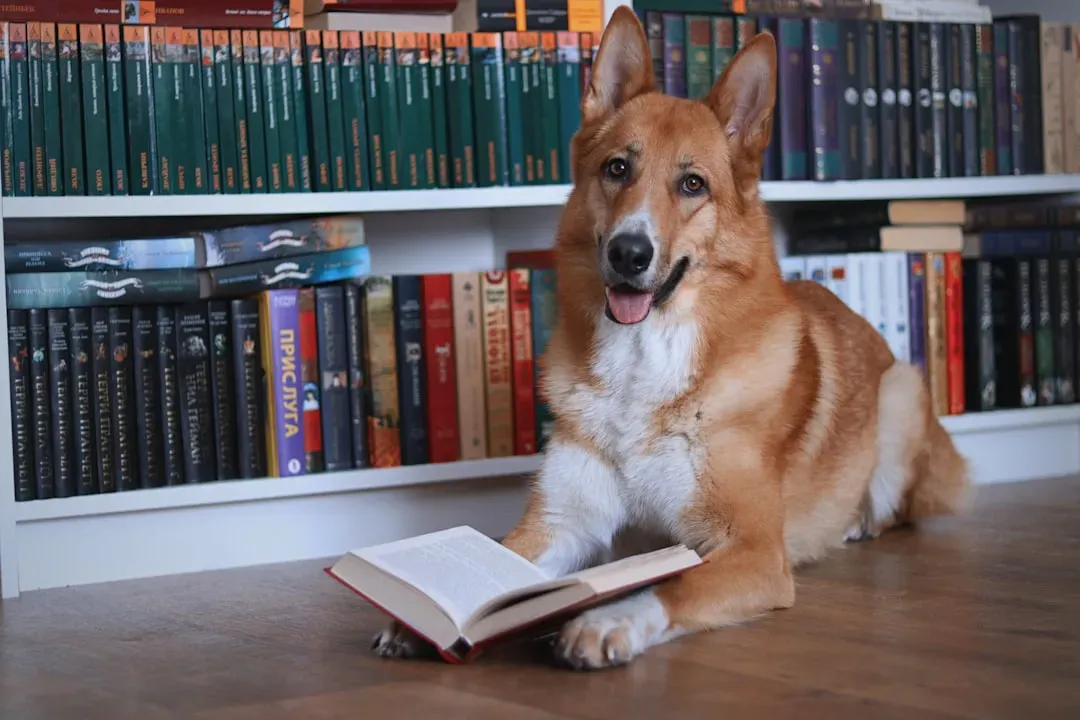
Owners love bragging that their dog “understands everything I say.” The more accurate version is that your dog understands everything you do, usually before your mouth even opens.
In tests where a spoken command contradicted the handler’s body language, many dogs followed the gesture instead of the word. Some hesitated, visibly torn, glancing back and forth between the hand and the face for a tiebreaker.
That’s not a quirk – it’s evolutionary specialization. Dogs have spent thousands of years reading humans visually. Eye contact, posture, hand movement, even the micro-tension sitting in your shoulders can override whatever you’re actually saying out loud.
A few details worth knowing:
- Pointing is remarkably powerful for dogs – they follow a human point better than many primates do
- Leaning forward can register as pressure, which weakens recall cues
- Turning your body slightly sideways and softening your eyes can make “come” land far more invitingly
So the next time you swear your dog “ignores the word,” check what your body was shouting at the same moment.
But that’s nothing compared to what we found about #7…
#7 – Some Dogs Learn a Word in One Night (Yours Probably Won’t, and That’s Fine)
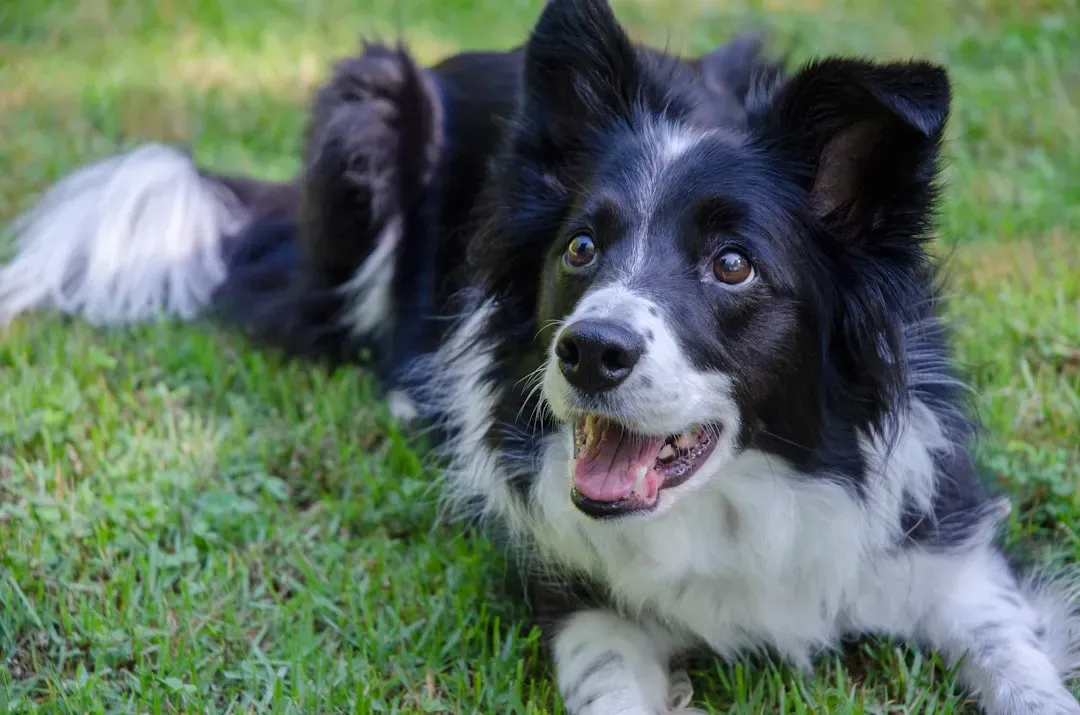
Certain research dogs can learn a brand-new word after hearing it once or twice, a trick called “fast mapping” – the same skill toddlers use to explode their vocabulary. A handful of standout border collies can pick a new toy out of dozens by name almost instantly.
Here’s the part owners don’t love hearing: most pet dogs cannot do this, and that’s completely normal. Studies consistently show a few gifted dogs fast-map impressively, average dogs need far more repetition across varied situations, and even the gifted ones forget new words fast without reinforcement.
Your dog isn’t “dumb” for failing to learn fifty toy names. You’re simply watching natural variation in language talent, the same way it exists in people.
To make word-learning easier for any dog, regardless of talent:
- Use short, distinct words
- Keep one word tied to one meaning – don’t make “down” mean both “off the couch” and “lie down”
- Practice new words in short, low-distraction sessions
Consistency beats genius every single time, over the long run.
But that’s nothing compared to what we found about #6…
#6 – Dogs Catch Sound Differences You Physically Can’t Hear

Humans mumble constantly, slur their words, trail off mid-sentence. Dogs still manage to pick us out of the noise, largely because their hearing is tuned to higher frequencies and sharper sound edges than ours.
A few numbers worth knowing: dogs hear up to roughly 40-60 kHz, far beyond human range, and they’re especially sensitive to consonant edges and pitch shifts. Some research suggests dogs notice the small difference between “sit,” “sik,” and “sid” more than most people would expect.
At a Glance
- Human hearing tops out around 20 kHz, and adult hearing often fades well below that with age
- Dogs pick up frequencies as high as 40-60 kHz, an entire extra register humans simply can’t access
- Standard dog whistles exploit that gap, tuned so only dogs register the sound clearly
- That extra range is why a dog often reacts to a distant siren or a faint squeak long before any human notices
That sensitivity cuts both ways. Clear, crisp consonants and a consistent pitch make cues easy to learn. But say “sit” in ten sloppy variations, and your dog may genuinely treat them as ten separate, unreliable sounds.
So when your dog “doesn’t listen,” the real issue might be that your verbal signal is fuzzy – drawn-out babytalk blurs words into mush, and talking too fast or shifting pitch mid-word wrecks clarity. Counterintuitively, a slightly neutral, firm, clean delivery usually beats squealing your cues in a high-pitched voice.
But that’s nothing compared to what we found about #5…
#5 – Praise Only Works When Your Dog Believes You Actually Mean It
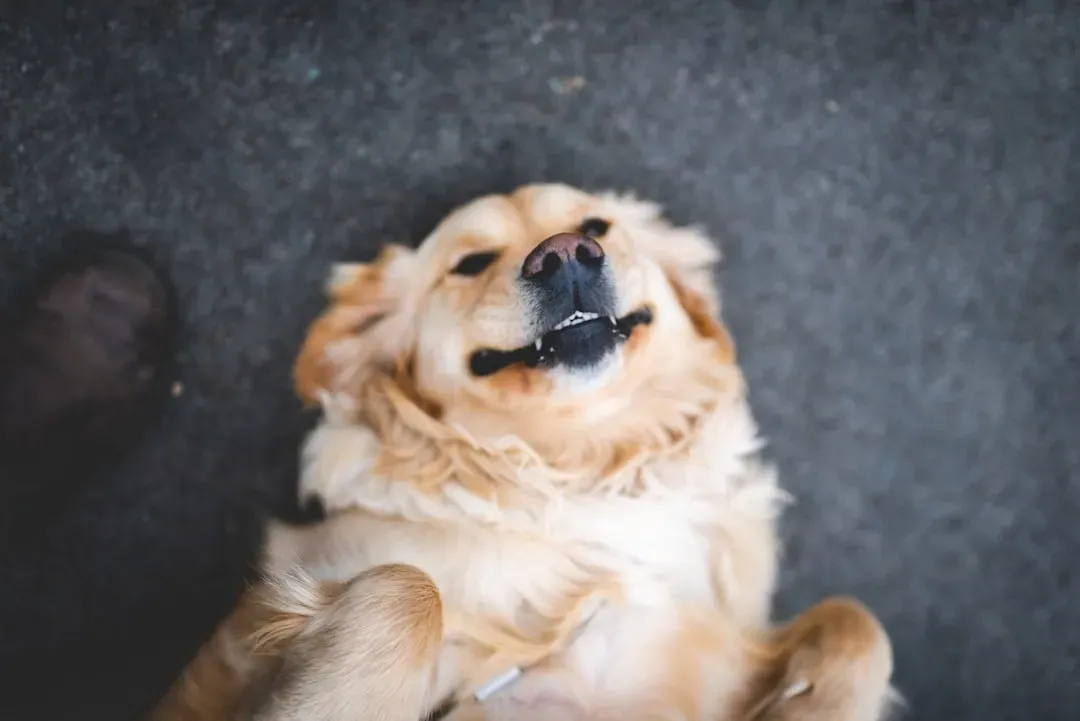
Plenty of owners insist, “My dog works for love, not treats.” The science is less romantic. Brain imaging shows dogs process both the words and the emotional weight of praise, and plenty of dogs rank food well above verbal affection.
In MRI studies comparing genuine warm praise, neutral words said warmly, and praise words delivered in a flat, bored tone, the brain’s reward centers lit up most for real, emotionally sincere praise paired with meaningful words. Even so, high-value food still topped the chart for many dogs.
What that means for daily life is blunt but useful: saying “good dog” on autopilot fifty times a day cheapens the phrase, and praising without any follow-through – play, treat, release, real benefit – quietly trains your dog that you’re bluffing. Some dogs are simply more paycheck-driven than compliment-driven, and pretending otherwise just slows training down.
A workable balance looks like this: use a short marker word like “yes” or “good,” then back it up with something your dog genuinely values, and keep your praise rare and honest enough that it holds actual currency.
But that’s nothing compared to what we found about #4…
#4 – Older Dogs Don’t Just Lose Hearing, They Lose Speech Processing Speed

“You can’t teach an old dog new tricks” is lazy folk wisdom, and mostly wrong. Older dogs absolutely can learn – but their speech processing genuinely slows with age.
Many senior dogs show slower reaction times to verbal cues, more trouble hearing softer consonants or high-pitched sounds, and a growing reliance on visual cues and routine. They aren’t turning stubborn at ten years old; their brain and ears are simply working with less speed and precision.
To help an aging dog understand you better, drop your pitch slightly since a calmer, lower voice is easier for them to hear, lean harder on hand signals alongside your words, and give them a longer beat to respond before you repeat the cue.
The short version for senior dog owners: be patient, since a delayed response isn’t disobedience; be clearer, using fewer and more consistent words; and be visual, because gestures and routine become king. When your old dog “stops listening,” it’s rarely attitude. It’s biology.
But that’s nothing compared to what we found about #3…
#3 – Nonstop Background Chatter Quietly Stresses Some Dogs Out
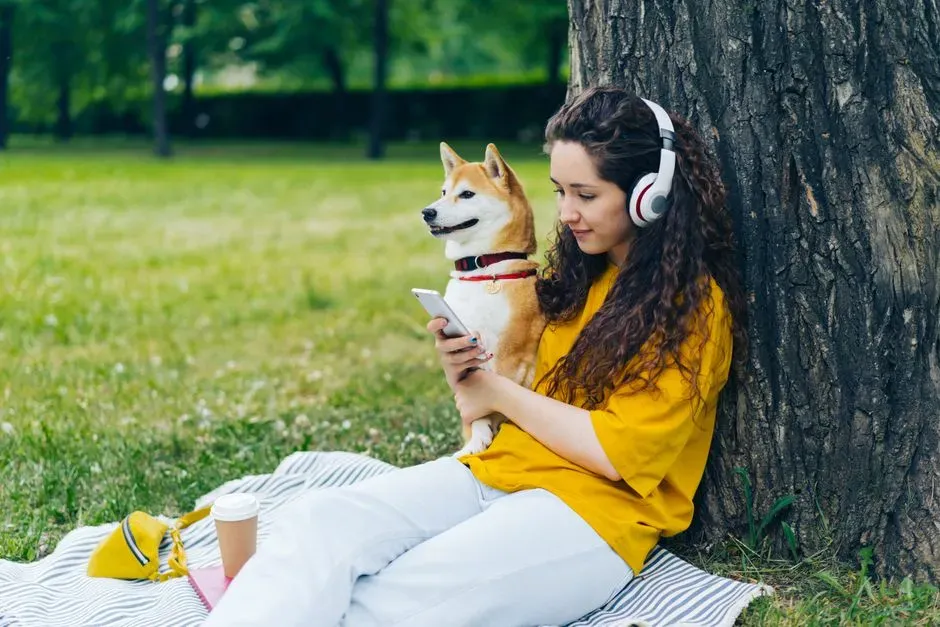
This is where a lot of modern, well-meaning owners slip up: they narrate their entire day out loud to their dog. It’s endearing, sure, but it isn’t always harmless.
Endless human chatter can turn into white noise, and for some sensitive dogs, even a low-grade stressor. In households where people talk loudly and nonstop, dogs often show more startle responses to sudden name-calling, more trouble picking important cues out of the noise, and more pacing or clinginess when voices escalate.
Dogs evolved to conserve energy by tuning out irrelevant sound. If ninety-five percent of what you say is emotionally loud but behaviorally meaningless, your dog gradually loses the ability to separate “this word matters” from “this is just noise.”
Quick Compare
- Chatty household: dog’s name used dozens of times an hour, real cues buried in constant narration, important words easily lost
- Intentional household: name reserved for real moments, short clear cues stand out, silence between phrases lets key words register
- Result over time: chatty households often see dogs that startle at their own name or miss cues; intentional households see faster, cleaner responses
A smarter approach: save clear, short cue words for actual instructions like “come,” “stay,” or “bed,” use your dog’s name sparingly and meaningfully instead of forty times while you scroll your phone, and let silence exist so your voice actually stands out when you use it.
You don’t need to go mute around your dog. But trimming the constant monologue helps their brain tag the words that genuinely matter.
But that’s nothing compared to what we found about #2…
#2 – Dogs Feel Your Mood Before They Understand a Single Word
By the time you’ve finished saying, “we need to talk,” your dog has already clocked your emotional state. Dogs are shockingly attuned to micro-changes in pitch, tension, and rhythm that reveal stress or calm long before the sentence ends.
What they’re picking up on includes tight, shallow breathing between phrases, a subtle quiver or roughness in your voice, and shifts in how fast you’re speaking. Studies show dogs can distinguish recordings of angry, happy, and neutral human voices – even from total strangers – and their body language shifts accordingly: ears back, lip licking, tail carriage, added distance.
That has real consequences. Trying to “sound calm” while you’re internally furious still leaks stress your dog can detect. Cheerful words delivered over a nervous system on fire confuse your dog more than they reassure. Some dogs avoid highly stressed owners not because of the words being used, but because the entire vocal package is screaming danger.
For communication that actually lands, regulate yourself first and your voice will follow, use fewer words at a lower volume and slower rhythm, and pair calm, predictable vocal patterns with calm, predictable outcomes.
But that’s nothing compared to what we found about #1…
#1 – Your Dog Is Running a Constant Experiment on Whether Your Words Predict Reality
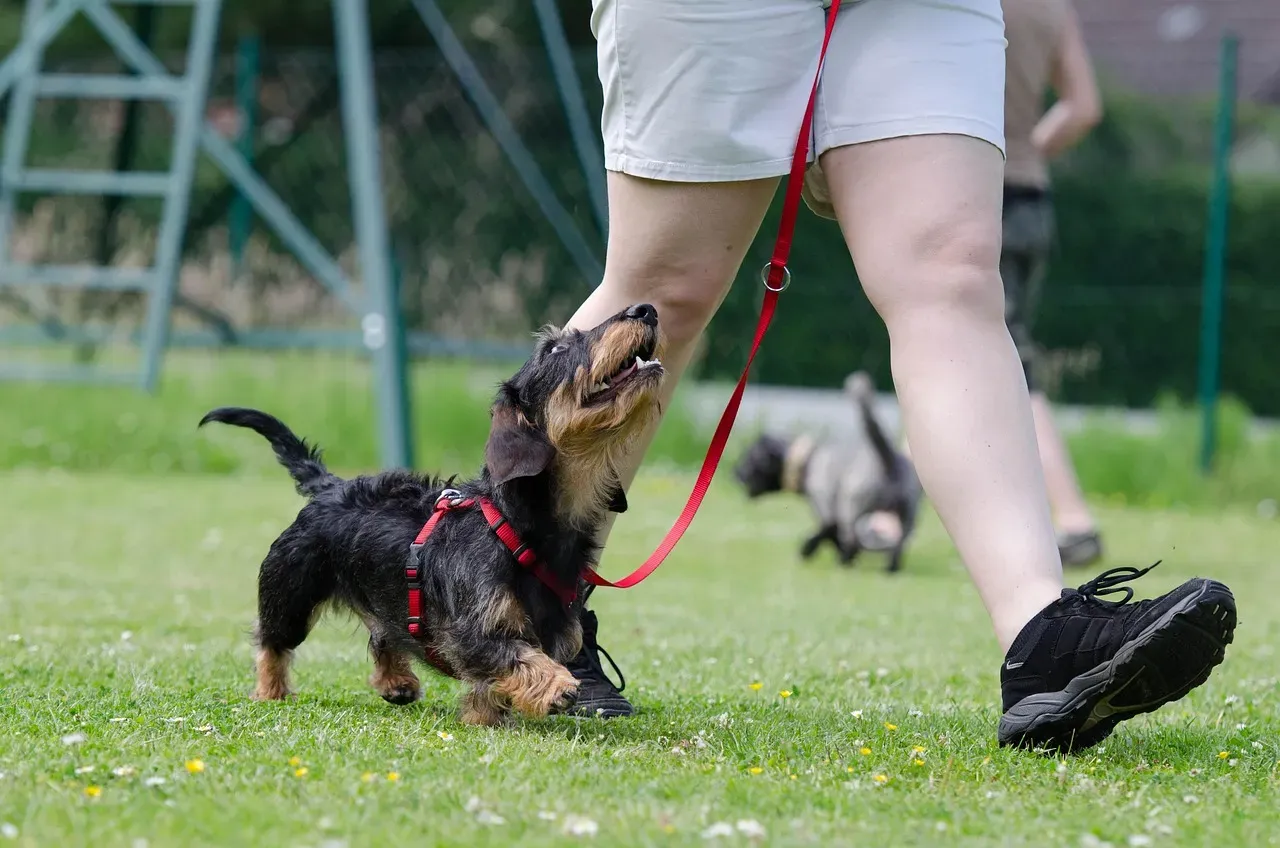
Here’s the uncomfortable truth buried at the bottom of all this research: your dog treats your speech like an ongoing science experiment. There’s really one question they’re always testing – do your words reliably predict what happens next?
Over time, dogs build something close to an internal scorecard. “Come” sometimes means a treat, sometimes a bath, sometimes a nail trim, sometimes being ignored entirely once they arrive. “Walk” sometimes means five minutes on concrete, sometimes an hour at the park. “No” sometimes means stop, and sometimes means nothing at all.
When your words stop matching outcomes, your dog quietly downgrades how much they trust you. They respond slower, wait for extra confirmation like the leash or the treat bag, and start choosing the environment – smells, squirrels, distractions – over your increasingly unreliable sounds.
Why It Stands Out
- Words paired with a consistent, predictable outcome earn faster, more reliable responses over time
- A release word or recall backed by a genuinely great reward becomes almost instant
- Speech used sparingly but always backed by real follow-through builds the most trust
- This is often the real reason one household member gets obeyed instantly while everyone else gets ignored
On the flip side, dogs become razor-fast with words that always lead somewhere good or clear, like a real release word or a recall backed by a genuinely great reward, and with speech that’s used sparingly but backed by consistent action.
In behavioral terms, dogs treat human speech as raw data. You are either building or eroding that dataset every single day. That’s the real explanation behind “he listens to me but not to anyone else” – one person’s words simply predict reality more accurately than everyone else’s.
The Bottom Line
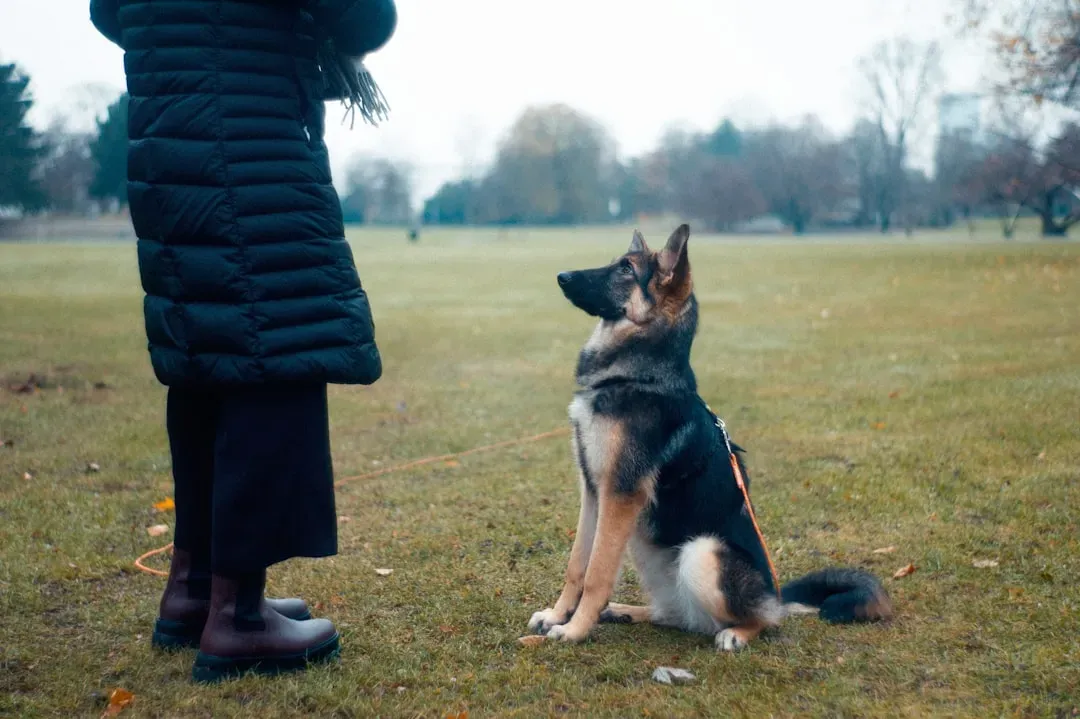
The popular myth is that dogs either understand us like small furry children or just hear a wash of tone and noise. Neither is true. The real answer lives in the messy, more interesting middle: dogs separate words from tone, track context obsessively, read our bodies before our mouths, and constantly test whether our speech is even worth taking seriously.
They’re not fluent in English. They’re fluent in patterns, prediction, and emotional honesty, and frankly, that’s a more demanding audience than most of us realize.
If your dog “doesn’t listen,” I’d argue it’s rarely a character flaw on their end. It’s a feedback report on how consistent, clear, and trustworthy your words have actually been over time – and that’s an uncomfortable thing to hear, but also the most useful thing in this entire list. Speak less, mean what you say, back it up with real outcomes, and watch how fast your dog’s “understanding” of you changes.
Which discovery matched your own dog, and which one are you refusing to believe? Say it in the comments – your dog is judging your honesty either way.