
12 Things That Change for a Dog Once the Heating Goes On
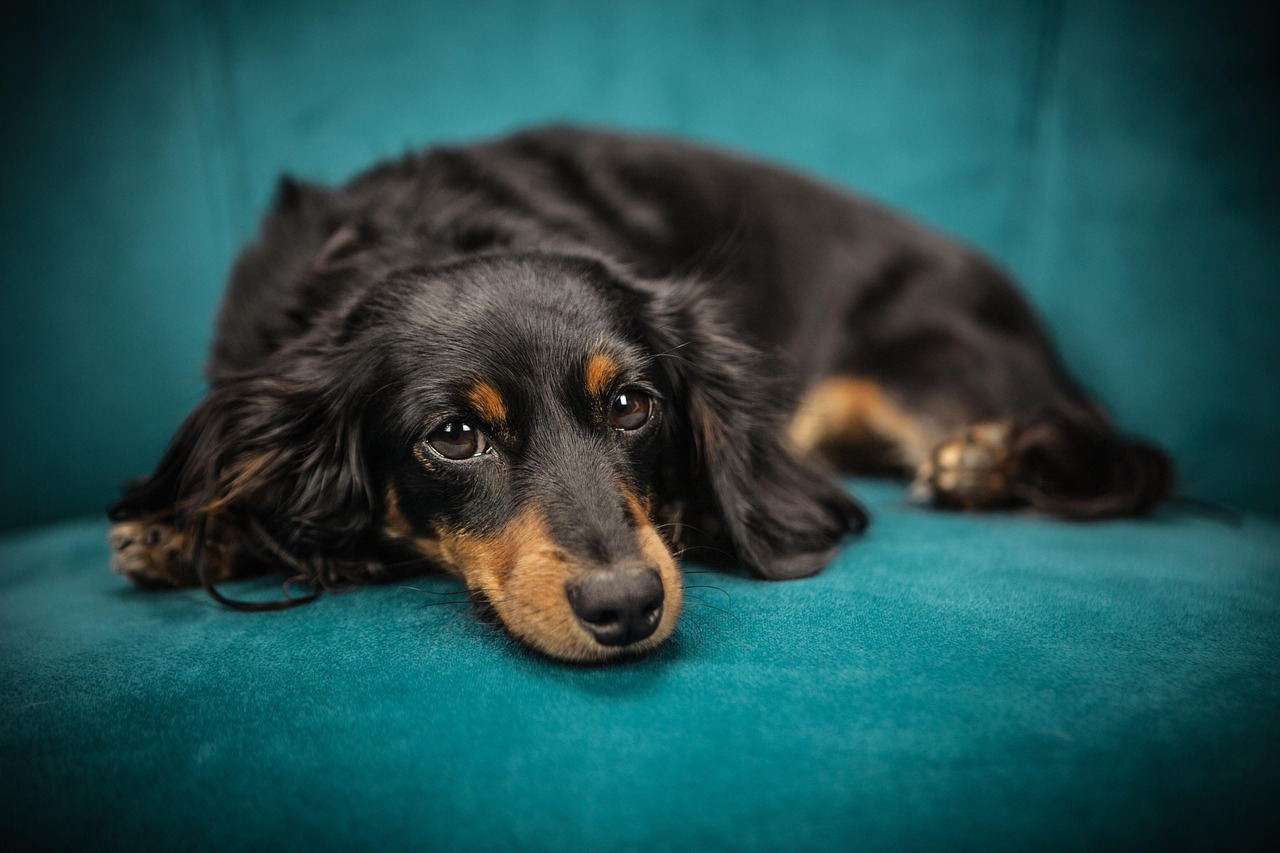
You flip the thermostat, the furnace hums to life, and you think you just made your dog’s life better. Cozier. Softer. Safer from the cold. Most owners never question that assumption for a second.
But vets see a strange pattern every single fall, right after the first cold snap hits: dogs showing up itchier, thirstier, moodier, and heavier than they were in September. Owners blame age, or “just winter,” or bad luck. Rarely do they blame the thermostat sitting quietly on the wall. Here’s what actually happens to your dog’s body and brain the moment the heat kicks in – and it starts sooner than you’d think.
#12 – Their Skin Starts Drying Out Before You Even Notice
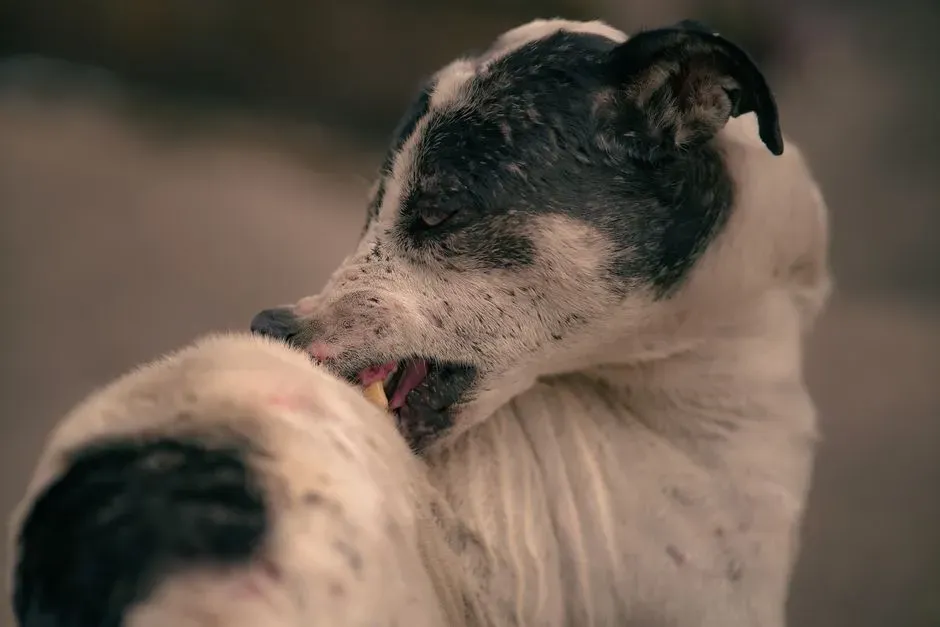
The first thing that quietly changes when the heat goes on isn’t your dog’s mood – it’s their skin. Forced-air systems strip moisture out of the air fast, and your dog’s skin reacts even faster than yours does.
Canine skin is only about half as thick as human skin, which means dry air can irritate it in days, not weeks. You’ll often see this as subtle dandruff on dark coats, more scratching at night, or that faint “doggy” smell creeping back in stronger than usual.
Many owners assume it’s “winter allergies,” but in a lot of cases it’s just chronic low humidity paired with heat blasting over the same resting spots over and over. Short-coated breeds, seniors, and dogs with existing allergies are usually the first to show it.
Fast Facts
- Furnace heat can push indoor humidity below 20%, well under the 30-50% range that keeps skin healthy
- Canine skin is roughly half as thick as human skin, so dryness can show up in days, not weeks
- A bedroom humidifier and a moisturizing, vet-approved shampoo are usually the two fastest fixes
Ignore it long enough and minor dryness snowballs into hot spots and infections. And the skin isn’t the only thing gasping for moisture once the heat comes on.
#11 – Their Nose, Eyes, and Airways Get Irritated
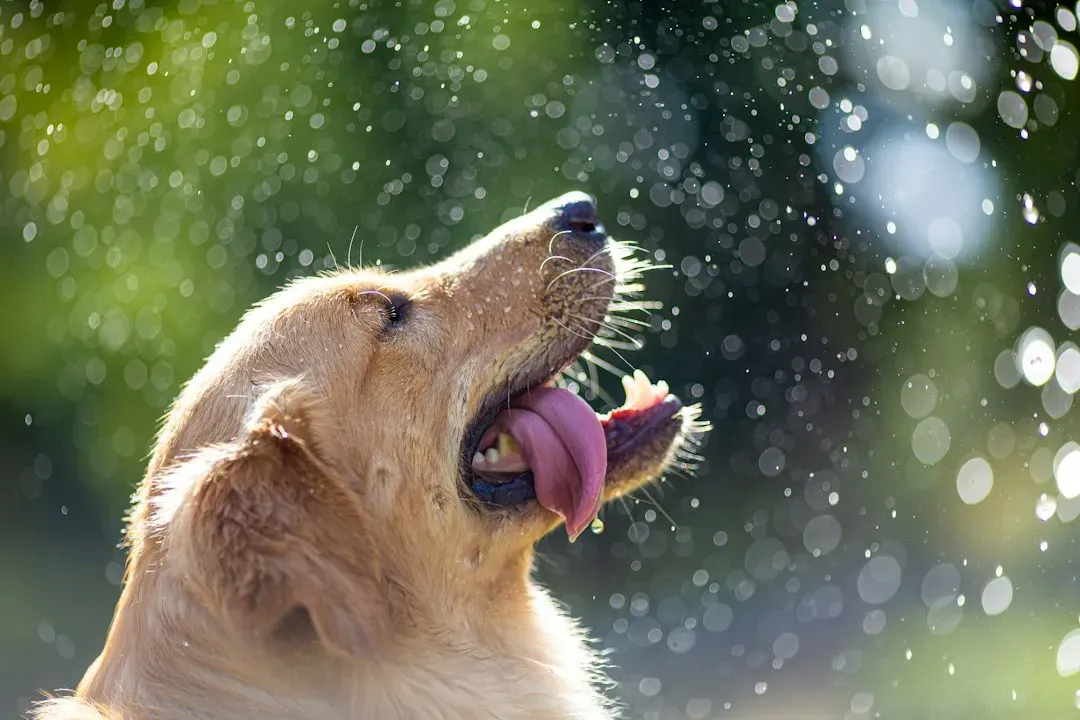
As soon as central heating dries the air, it’s not just skin that suffers. Your dog’s mucous membranes – nose, eyes, throat – start taking a hit too.
That cold, wet nose everyone loves? It gets harder to keep moist in low humidity, and some veterinary estimates suggest this can interfere with a dog’s sense of smell by up to 40%. That’s like turning down the volume on their main way of understanding the world.
You might notice more sneezing, reverse sneezing, or an occasional soft cough. Homes with dusty vents or older HVAC systems blow extra micro-dust, dander, and even mold spores through the air, and brachycephalic breeds like Bulldogs and Pugs feel it worst because their narrow airways dry out and swell faster.
- Red, watery, or gunky eyes
- A new “snore” or louder breathing once heat is running
- Cracks or crusting at the tip of the nose
A HEPA filter, fresh furnace filters, and regular vent vacuuming genuinely help your dog breathe easier. Meanwhile, that dry air is doing something to their water bowl you probably haven’t connected yet.
#10 – Their Thirst and Bathroom Habits Quietly Shift
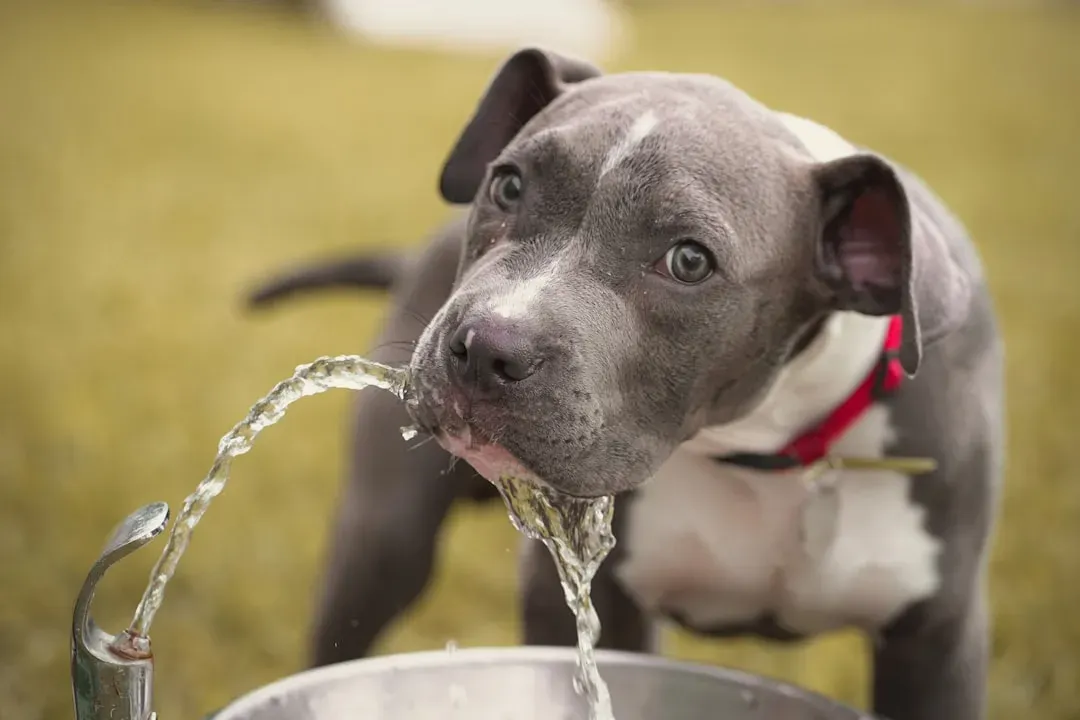
Most people assume dogs drink less in colder months. Vets often see the opposite: many dogs actually drink more once the heat is on, because both the air and their skin are drier than usual.
The tricky part is that owners rarely connect that extra water bowl refill in November to the thermostat. Then suddenly your dog is waking you at 3 a.m. to go out, or having an accident indoors after years of being rock-solid house-trained.
Seniors and spayed or neutered females are especially vulnerable, since their bladder control may already sit on a knife’s edge. Add dry air, more water, and long, warm naps, and you’ve got a quiet setup for urinary changes nobody saw coming.
- Bigger pee spots or more frequent trips outside
- Panting indoors when it isn’t hot – a possible sign of dehydration
- Dark yellow urine, meaning they still aren’t drinking enough
If your dog’s drinking or peeing changes dramatically, call your vet – heat can unmask underlying kidney, endocrine, or urinary issues that were hiding all along.
#9 – Their Daily Routine and Energy Levels Get Rewired
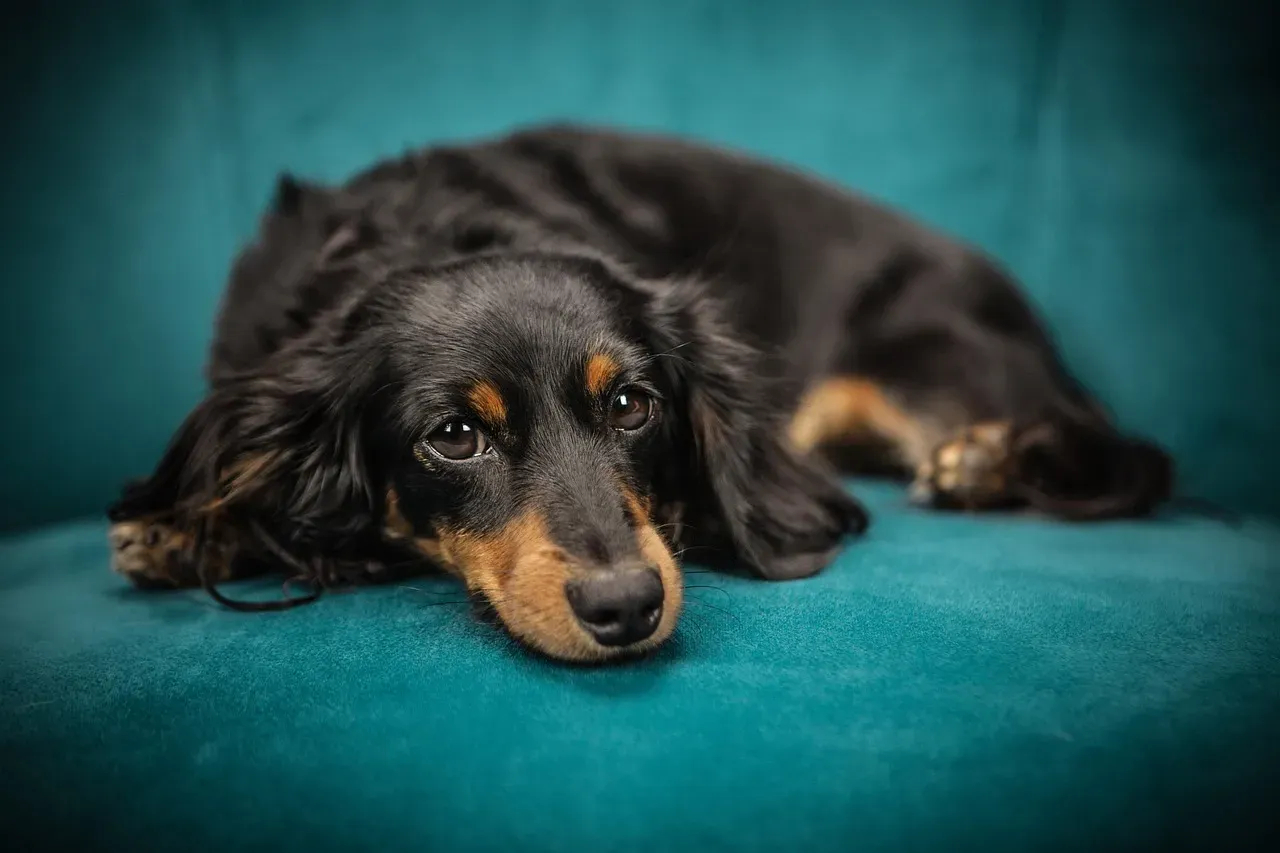
The moment the heat comes on, most humans do the same thing: stay indoors more. Your dog gets dragged into that lifestyle shift whether they like it or not.
Walks get shorter, play gets lazier, and “quick potty breaks” quietly replace real exercise. Some dogs end up burning hundreds fewer calories a week once heating season starts, and a warm, drowsy house makes them seem “calmer” or “more cuddly.”
Owners often misread that as their dog “maturing” or “settling down.” In reality, a lot of dogs are simply under-stimulated, and that’s exactly when boredom behaviors creep in – chewing furniture, obsessive paw licking, barking at every little sound.
- Shorter, colder walks mean less sniffing and mental stimulation
- More time in one heated spot means more stiffness and sluggishness
- Fewer outings mean fewer new smells, faces, and experiences
Plenty of behaviorists argue that most “winter behavior problems” are really just exercise deficits wearing a personality-change costume.
#8 – Their Sleep Pattern Gets Longer but Not Always Better
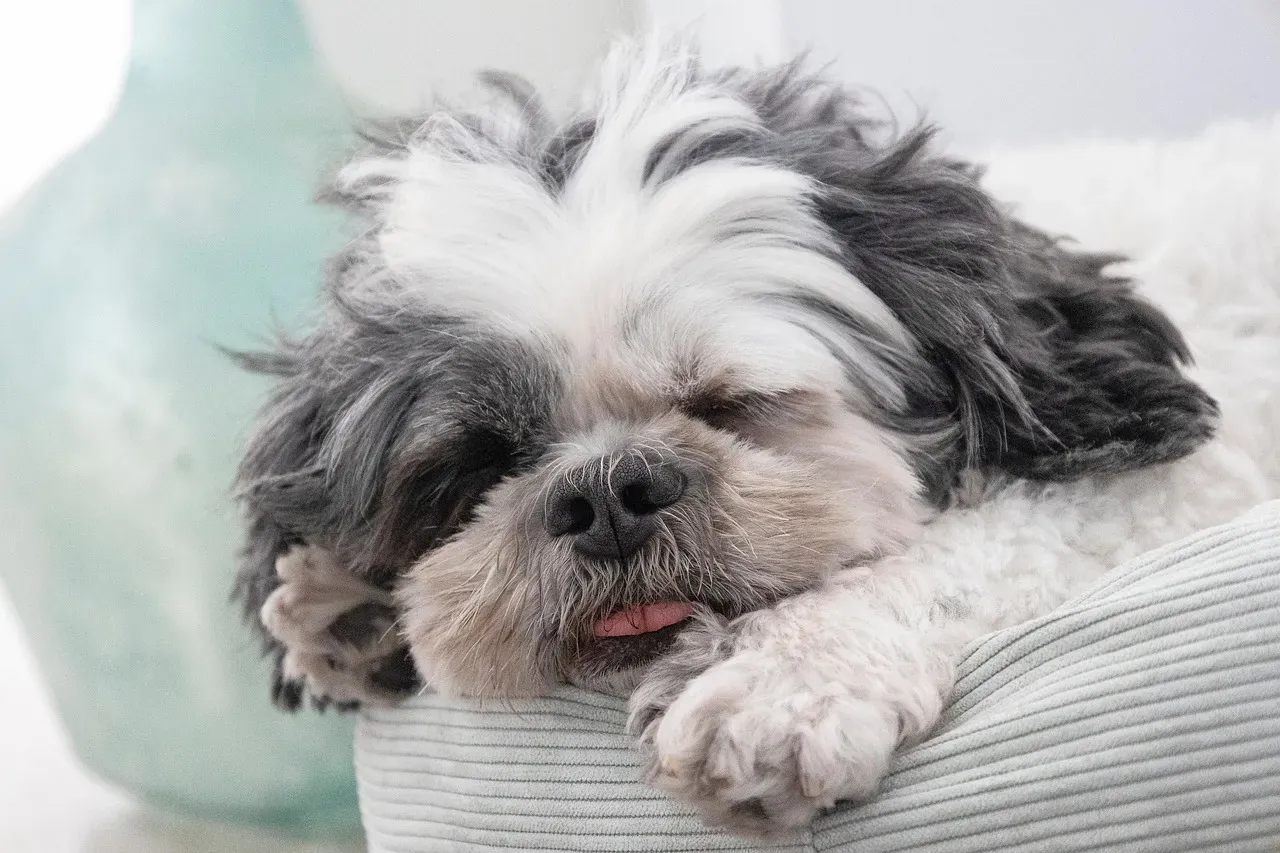
Turn up the heat, dim the daylight, and your dog’s brain reads it as one clear signal: hibernate mode. Dogs already sleep 12 to 14 hours a day on average, but in heated winter homes, many creep closer to 16 or 18.
That sounds cozy, but more sleep doesn’t always mean better sleep. Overheated rooms can fragment rest, especially overnight, with dogs switching beds repeatedly, panting lightly, or getting up to drink water they don’t really need.
Thick-coated breeds like Huskies, German Shepherds, and Newfoundlands sometimes get so warm they abandon the couch for the hard floor or a drafty doorway. Owners scold them for “blocking the hallway,” when really the dog is just trying to cool down.
- Are they harder to wake up for walks lately?
- Are they more restless at night, pacing or switching spots?
- Have they traded a plush bed for cold tile or hardwood?
Cooler mats, a raised cot, and slightly lower nighttime temps can noticeably improve their rest. But sleep isn’t the only rhythm the heat scrambles – their coat pays a price too.
#7 – Their Shedding Pattern and Coat Health Shift
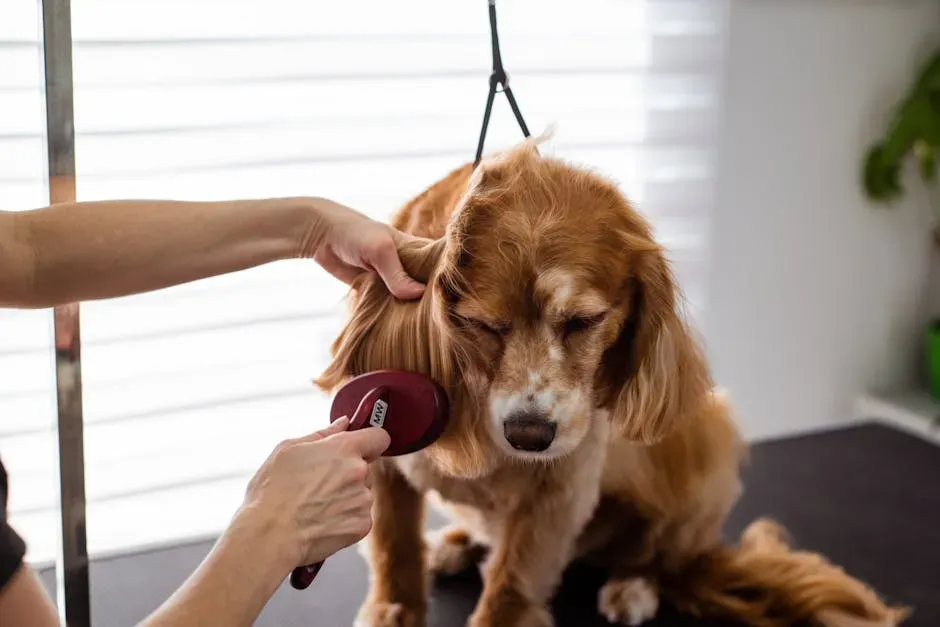
Most people think shedding is only about daylight length. That’s partly true, but indoor heating absolutely interferes with the process.
Once the heat goes on, your dog’s body receives a confusing mix of signals – shorter natural daylight saying “grow a winter coat,” but constant artificial light and steady temperature saying “it’s still house-summer.” The result is what groomers quietly dread: slow, constant, low-level shedding instead of one clean seasonal blowout.
Double-coated breeds like Labs, Goldens, and Shepherds can look dull, dusty, or uneven. Skin oils thicken in some spots and dry out in others, so you find more hair on the couch yet the coat never looks fully “finished” for winter.
- Brush more frequently but more gently to support healthy coat turnover
- Run a humidifier to cut down on static and breakage
- Add vet-approved omega-3s to support skin and coat from the inside
Most owners shrug this off as “just dog fur.” Some dermatology specialists disagree, arguing that indoor climate control has quietly rewritten how dogs’ coats function year-round.
#6 – Hidden Allergies Suddenly Flare Up Indoors
The second the furnace kicks on, years of dust, dander, and microscopic debris sitting in vents and carpets get blown right back into your dog’s face. For dogs with environmental allergies, this season can hit harder than spring ever does.
Quick Compare
- Summer allergy triggers: pollen, grass, fleas, humidity
- Winter allergy triggers: dust mites, mold spores, and dander stirred up by dry heat
- Best summer fix: shade, water, grooming – best winter fix: humidifiers, filter changes, frequent bedding washes
Plenty of owners are genuinely shocked when their “summer allergy dog” turns itchier in January than in May. The culprit is warm, dry air lifting dust mites and mold spores straight into the air your dog breathes all day.
- Red, inflamed paws from constant licking or chewing
- Recurrent ear infections
- Rashes on the belly or armpits
- “Doggy smell” returning just days after a bath
Some vets see dogs who are perfectly fine all summer but flare up only during heating season, because dry air and recirculated dust overwhelm an already fragile skin barrier. Washing bedding weekly on hot cycles, using mattress protectors if your dog sleeps in your bed, and swapping HVAC filters more aggressively in fall and winter all genuinely help.
#5 – Arthritic Joints Feel Better, Until They Don’t
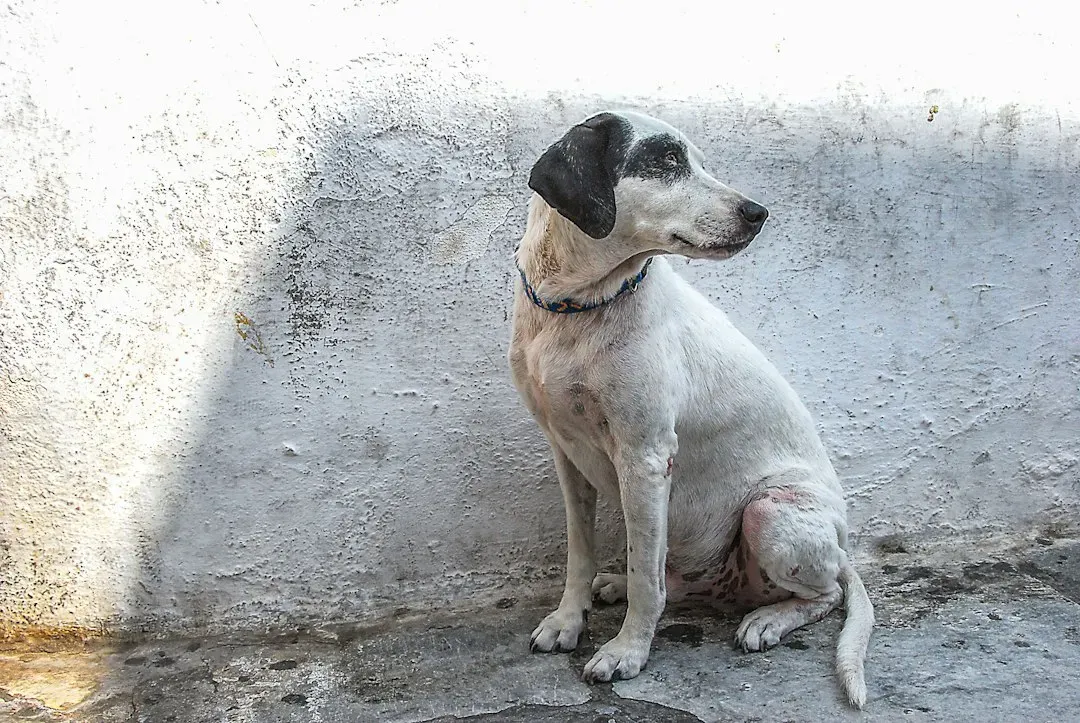
Here’s the twist: most owners swear their arthritic dogs do better once the heat is on. At first, that’s often true. Warmth increases blood flow, relaxes muscles, and makes stiff joints feel looser, so a dog with hip dysplasia or spinal issues may limp less in a warm room than on a cold porch.
But there’s a catch experts keep flagging: heat without movement can quietly make long-term stiffness worse. When your dog spends hours curled up in one hot spot, joints can swell slightly and muscles shorten from disuse. Then when they finally stand up, they look stiffer than ever.
Owners blame “the cold outside,” when the real issue is that their dog has been motionless on a very warm, often overly soft surface for far too long.
- Do they struggle most right after getting up, then loosen as they walk?
- Do they avoid stairs after long naps near a vent or radiator?
- Are they more reluctant to go outside once the house is extra cozy?
Orthopedic beds, gentle scheduled movement breaks, and keeping rooms warm but not stifling can balance comfort against long-term joint health.
#4 – Their Weight Quietly Creeps Up Even if Food Looks the Same
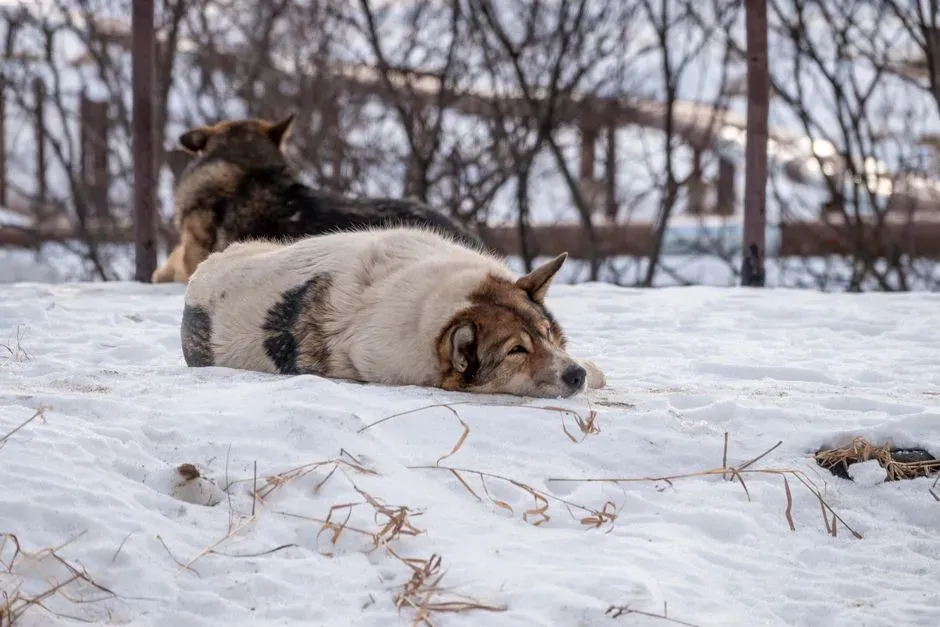
Many owners insist their dog’s diet hasn’t changed all winter. The measuring cup looks the same, the bag of food is the same brand. But once the heat’s on and walks shrink, your dog’s calorie burn often quietly collapses.
Add a few extra treats for “being a good snuggle buddy,” and winter weight gain becomes almost guaranteed. Two or three pounds on a medium dog doesn’t sound like much, but on a 20-pound dog, that’s a 10 to 15% increase – clinically overweight, not just “a little fluffy.”
At a Glance
- Shorter winter walks can quietly cut weekly calorie burn by several hundred calories
- A 2-3 lb gain on a 20-lb dog equals roughly a 10-15% jump in body weight
- Extra weight adds strain on joints, heart, and breathing – even in otherwise healthy dogs
That extra weight adds up quietly, leaning on joints and breathing capacity, especially in breeds already prone to respiratory trouble. The dog looks relaxed and content on the couch, but their body is slowly drifting toward metabolic trouble no one notices until the vet visit.
- Recalculate calorie needs each season, not once for life
- Use an actual measuring cup or kitchen scale, never a “scoop”
- Swap some treats for play or training games instead of food
Everyone blames holiday leftovers. Plenty of nutrition experts quietly point somewhere else entirely: indoor heating and inactivity, stacking up week after week.
#3 – Their Mood and Anxiety Levels Can Swing Hard
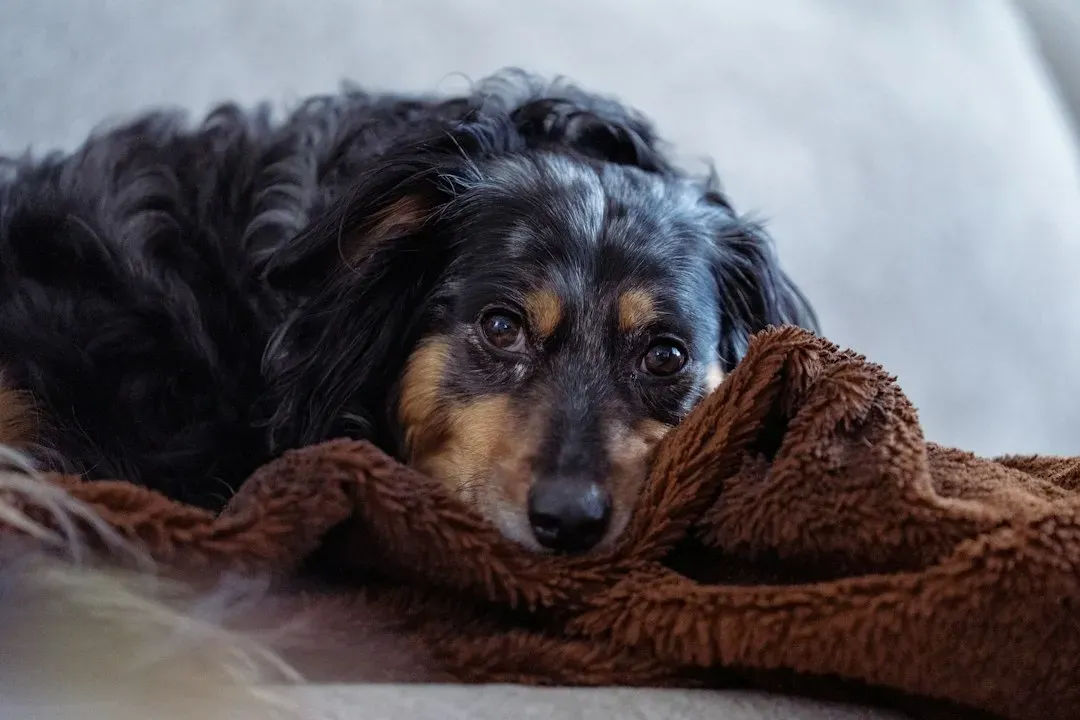
This is where things get genuinely controversial. Many owners insist their dog is “happier” once the heat goes on, because they see more cuddling and closeness. Behaviorists see something more complicated: for some dogs, heating season is cabin fever season.
Dogs that thrive on stimulation – herding breeds, working breeds, high-energy mixes – can turn inward when stuck in a warm house for long stretches. What looks like calm can actually be a form of shutdown. Others swing the opposite direction and get more anxious: pacing, barking at tiny noises, reacting hard to visitors, or turning suddenly clingy.
A tired dog is a good dog, but a bored dog will find its own trouble.
Common trainer’s saying
- More “velcro dog” behavior – following you everywhere, whining when you leave
- Overreacting to outside sounds because windows are closed and echoes shift
- Less interest in favorite toys, more staring off into space
Most behaviorists agree these mood shifts aren’t “just winter blues.” They’re a mix of indoor climate, less exercise, and a shrinking world – which brings us to the biggest, most misunderstood loss of all.
#2 – Their Sense of Smell World Shrinks Dramatically
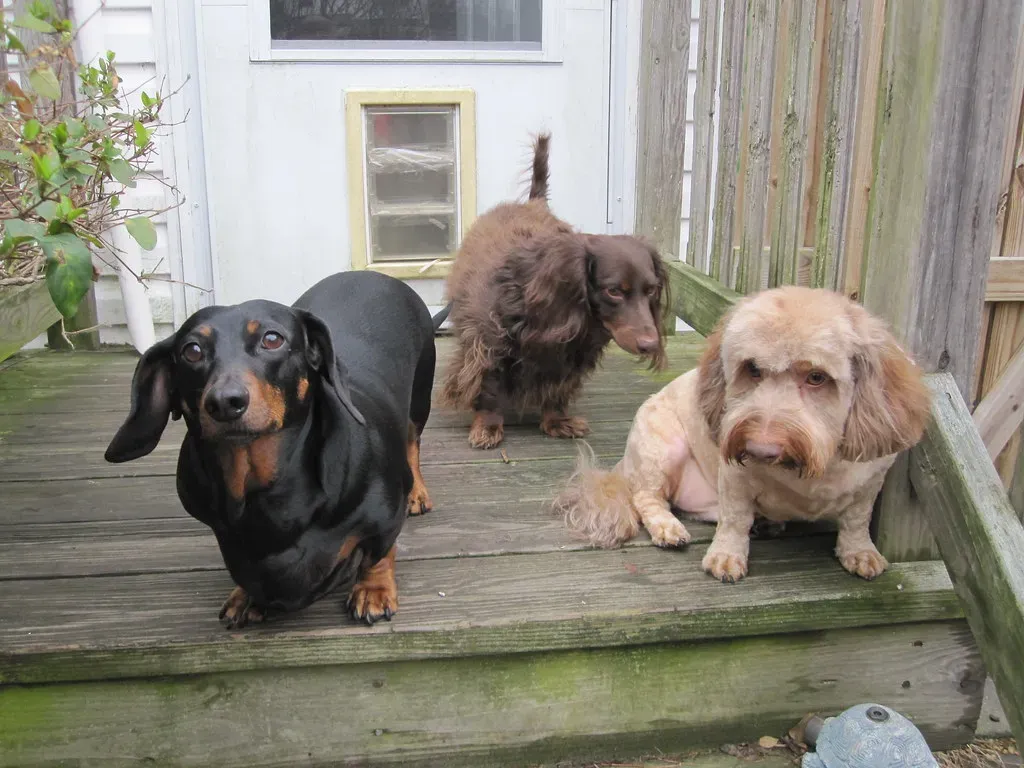
We forget this constantly: your dog’s main way of experiencing life isn’t sight or sound, it’s scent. When heating season keeps everyone indoors, you’re not just shortening walks – you’re quietly deleting their daily newsfeed.
Many trainers argue a ten-minute sniff walk can mentally tire a dog more than a thirty-minute jog. Cut that down and you’re cutting off their main channel of information about the world.
Inside, a heated home smells the same day after day – fabric softener, cooking, the same people. Combine that with the nose irritation from earlier plus far fewer outdoor adventures, and you get a smaller, flatter sensory world. That shows up as boredom, restlessness, or dogs inventing their own “jobs,” like guarding windows or shredding toys.
- Do short but high-quality sniff walks – five minutes of free sniffing counts
- Play indoor scent games: hide treats, use snuffle mats, play “find it”
- Rotate novel scents, like dog-safe herbs or toys that have been outside
Most owners never realize just how much of their dog’s daily scent experience quietly disappears once heating season locks the doors shut. And that leads to the one shift underneath all the others.
#1 – Their Core Temperature Control Goes From Natural to Managed
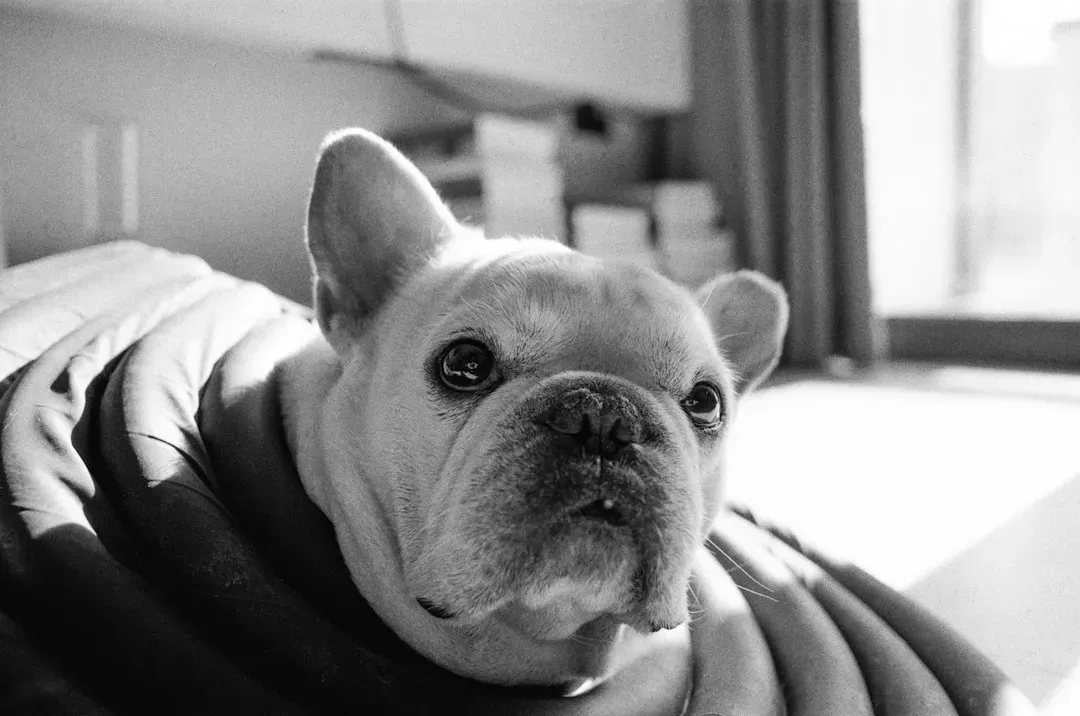
Here’s the single biggest shift once the heat goes on: your dog’s body stops mainly adapting to nature and starts adapting to whatever temperature you decide. In summer and the shoulder seasons, dogs constantly self-adjust – seeking shade, changing sleeping spots, panting, shedding as needed.
Once the environment sits at a human-comfort 68 to 72 degrees, all those natural thermoregulation strategies get blunted. Some dogs actually lose a bit of cold tolerance because their bodies stop getting the mild, regular exposure to cooler air that used to keep that system sharp. Others, especially short-coated or tiny breeds, become even more dependent on indoor warmth and feel brutally cold the second they step outside.
Worth Knowing
- Human comfort settings (68-72°F) run warmer than most dogs would choose if left outside in winter
- Short-coated and toy breeds tend to lose cold tolerance fastest once they’re used to steady indoor heat
- Heavy double coats, like Huskies, Shepherds, and Malamutes, can overheat at the very temperature that feels “just right” to humans
It isn’t “spoiling” them. It’s literally changing how their body expects the world to feel. The kicker is that each dog in the same house may need something completely different – your thin-coated senior rescue reaching for a blanket while your double-coated Husky quietly overheats on the very same couch.
When you set the thermostat, you’re not just choosing your own comfort. You’re setting the foundation for your dog’s entire seasonal physiology – and almost nobody thinks about it that way.
The Bottom Line
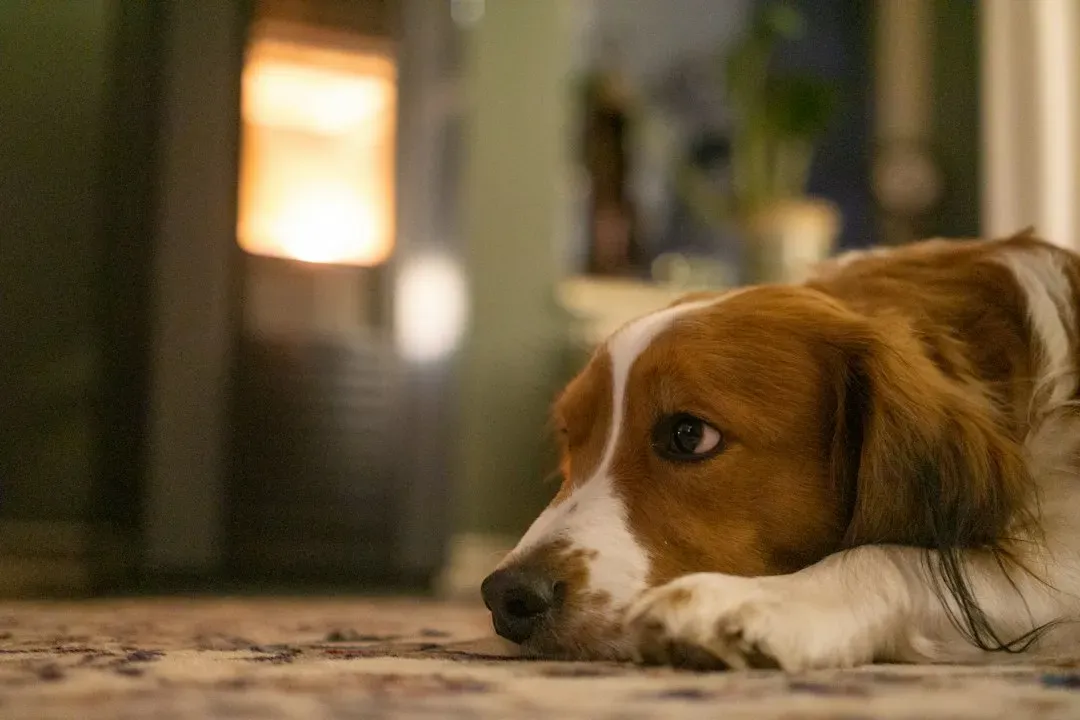
Once the heating goes on, nothing about your dog’s life stays truly the same – not their skin, joints, sleep, mood, nose, or even how they experience the world around them. The “cozy season” we love to romanticize can quietly turn into the itchy, bored, overweight, under-stimulated season for the dog sleeping at our feet.
The pattern is boringly consistent: dry air, stable indoor temperatures, and less outdoor time all stack up against canine biology unless we push back on purpose. Your thermostat isn’t just a comfort dial – it’s a health tool and a behavior tool whether you ever think about it that way or not.
Use it lazily, and your dog quietly pays the price all winter long. Use it thoughtfully – humidifiers, real walks, scent games, grooming tweaks, honest calorie counting – and heating season can genuinely become your dog’s easiest, calmest stretch of the year. The choice, it turns out, was never really about the temperature. It was about whether you noticed at all.