
12 Things a Boarding Kennel Can Tell About a Dog’s Home Life
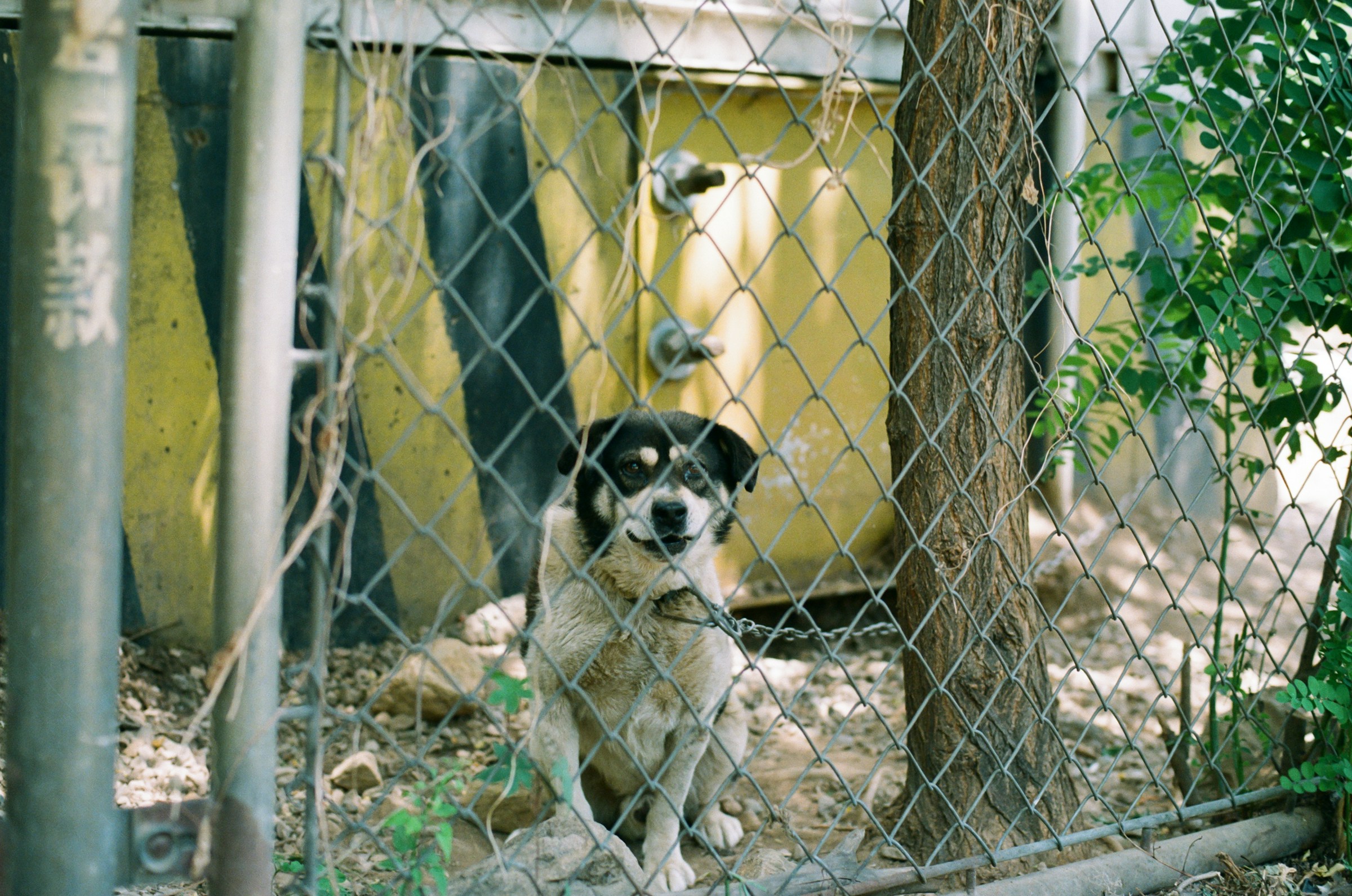
Drop a dog at a boarding kennel for a few days and it’s almost like sending a kid to camp: how they act away from home quietly reveals what life is really like behind closed doors. Kennel staff see hundreds, sometimes thousands, of dogs a year. Patterns jump out. A lot of what owners swear is “just how he is” turns out to be a mirror of routines, boundaries, stress levels and love at home.
What surprised me the first time I left my own dog in boarding was how quickly the staff could read him. In less than 24 hours they could tell he was used to a calm home, got regular training, and definitely slept on the bed (busted). None of that came from a questionnaire; it came from his behavior, his habits and even how he reacted when I walked away.
Below are 12 things a boarding kennel can quietly (and sometimes loudly) reveal about a dog’s home life. Some of them are flattering. Some are a little uncomfortable. But all of them can help you understand your dog better and maybe tweak a few things at home for a happier, more confident pup.
#1 How Secure Or Anxious Your Dog Feels About Being Left

One of the first things kennel staff notice is how your dog handles the moment you walk away. Some dogs glance back once, then trot off with a staff member, curious and open. Others instantly panic: pacing, whining, barking, scratching at the door or refusing to take treats. That separation response is a pretty honest reflection of how safe, predictable and secure they usually feel when goodbyes happen at home.
Dogs who have clear, consistent routines around departures (you put on shoes, say the same short goodbye, leave calmly, return reliably) often cope better in boarding. They’ve learned that “being left” doesn’t mean disaster. On the flip side, if your dog only sees you panic, apologize, or stretch goodbyes into a big drama, they may link departures with something scary and unpredictable.
- Calm, short goodbyes at home usually equal smoother kennel drop-offs.
- Big emotional exits and guilt often show up later as barking, shaking or howling in the kennel.
- Dogs that settle quickly after you leave are typically used to alone-time and structure.
Staff will also notice whether your dog can relax in their run after a while, or if they stay in a constant state of agitation. Chronic pacing, escape attempts or nonstop vocalizing often point back to deeper anxiety that started long before they arrived at the kennel doors.
#2 Whether Your Dog Has Any Real Household Rules
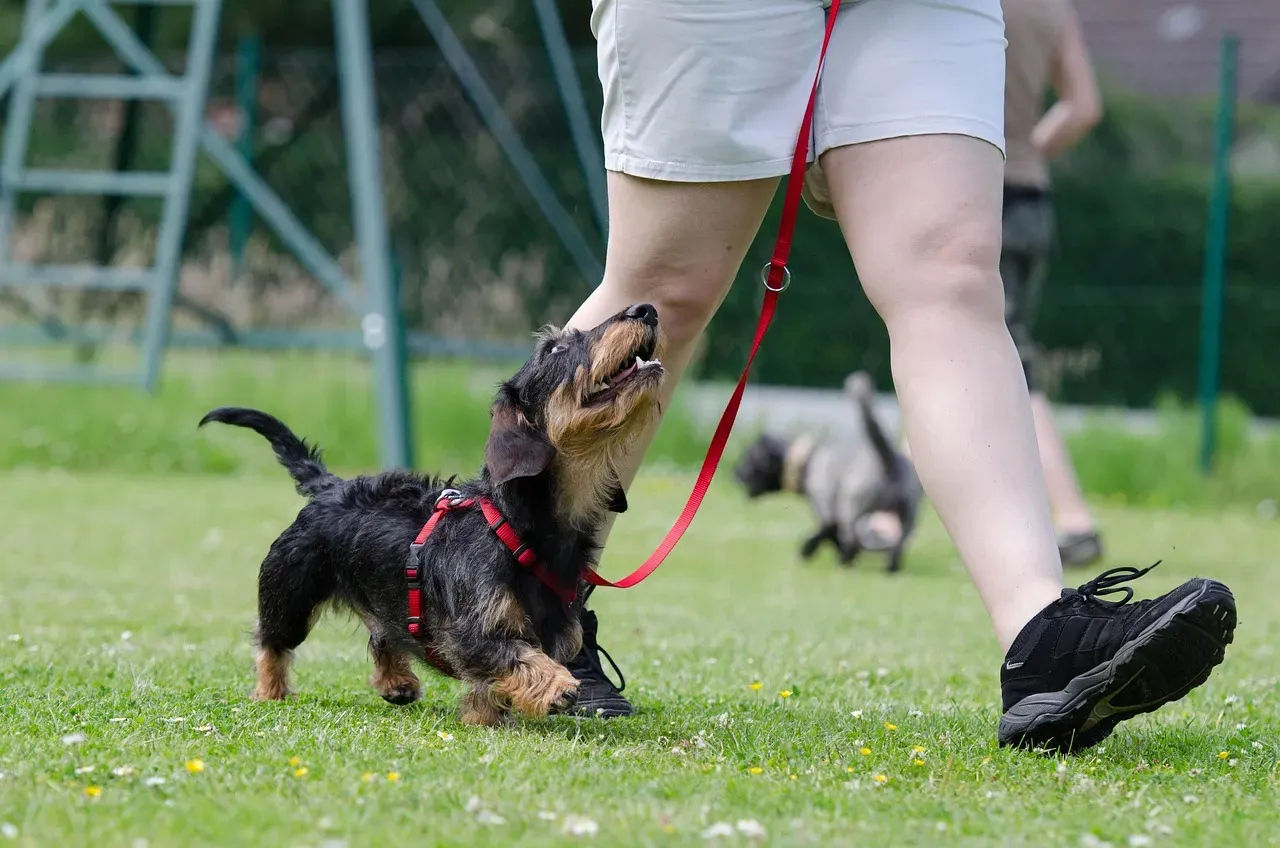
Within a few hours, kennel workers can usually tell if a dog comes from a home with boundaries, or a home where the dog basically runs the show. Dogs raised with gentle but firm rules tend to wait at gate doors instead of crashing through, accept handling more easily, and respond to no or leave it without a full meltdown. They are not perfect, but they understand that some human decisions are non-negotiable.
Dogs who have never heard a consistent no often act like tiny, furry anarchists in a boarding setting. They might scream when they don’t get their way, jump all over staff, knock over water buckets, or get frustrated when they are not instantly let out. In a kennel, where safety and routines matter, that lack of impulse control stands out fast.
This does not mean strict, harsh training is better – in fact, heavy-handed discipline often creates fear, not manners. What boarding staff really notice is whether your dog is used to:
- Waiting briefly for meals instead of diving in the second the bowl appears.
- Respecting closed doors or baby gates at home.
- Being guided into calm behavior, not always indulged or ignored.
If your dog has zero concept of limits, the kennel just shines a brighter light on it. The good news? This is one of the easiest areas to improve once you see it clearly.
#3 How Much Socialization Your Dog Actually Got (Not Just What You Think)

Lots of owners say their dog is “great with other dogs” because they played with a neighbor’s lab twice a month or went to a dog park a couple of times. Boarding kennels, especially those that offer group play, reveal the truth really quickly. A well-socialized dog can read other dogs’ body language, adjust their own energy, and handle small conflicts without exploding.
Dogs who missed that early, positive social exposure usually show it in two big ways: they either shut down and avoid all contact, or they rush into other dogs’ space with zero manners. Kennel staff see both every week. The dog that hides in the corner while others play often grew up with little contact beyond its own family. The over-the-top jumper who annoys every dog in the yard probably never learned boundaries in play.
- Comfortable greeters often had varied, calm experiences around dogs of different ages and sizes.
- Overwhelmed or rude dogs usually had either too little socialization or chaotic, unmanaged experiences.
- Fearful snappiness in a group can be a sign of under-socialization, not “meanness.”
The kennel environment is intense, but it is also very honest. Dogs cannot fake social skills when suddenly sharing space with many unfamiliar animals and people. What you see there is usually a magnified version of what’s already present.
#4 Your Dog’s Real Daily Routine: Exercise, Sleep and Stimulation

Once a dog has been in boarding for a full day, their default rhythm starts to show: when they expect meals, when they get restless, when they want to sleep. Dogs who are used to long daytime naps while owners work will often settle easily during quiet hours, then perk up at predictable times. Those who are constantly entertained at home can be the ones who struggle most with boredom and downtime in a kennel.
Exercise patterns are just as revealing. A dog who gets regular walks or play sessions usually has a reasonable energy curve: excited at turnout, then willingly resting between. A dog who rarely gets meaningful physical activity at home may seem wildly pent-up the entire time, zooming wildly, jumping nonstop, or chewing whatever is available simply because they don’t know how to feel tired.
Mental stimulation matters too. Dogs who are used to basic training, puzzle toys, or even casual sniffy walks tend to adapt better to the structure of a kennel. They can focus on handlers, try simple tasks, and engage their brains instead of spiraling into stress. Dogs whose main job is “entertain the family on the couch” can feel lost without constant human attention, revealing that their boredom threshold at home is already very low.
#5 The Quality of Training and Communication at Home
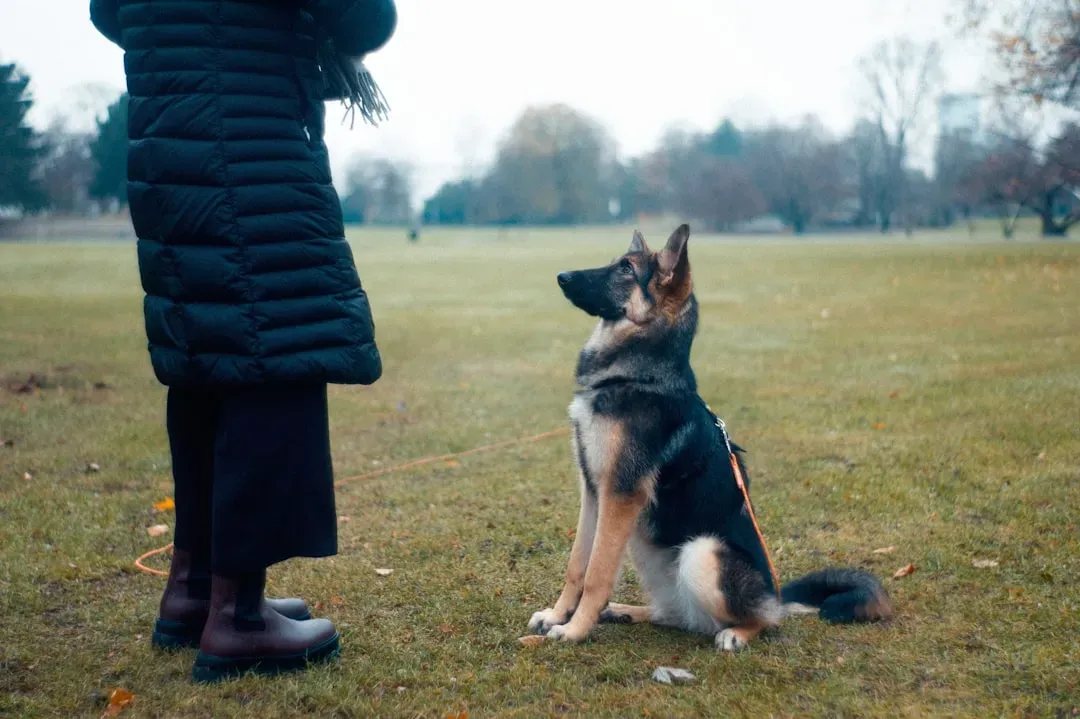
Ask any kennel employee and they’ll tell you: it’s not about fancy tricks. The real giveaway of home training is whether a dog understands simple, practical cues when coming from a completely different person in a brand-new environment. Sit, stay, come, and leave it are the big four. Dogs who respond, even imperfectly, show that someone has been consistently trying to communicate with them.
In contrast, a dog who appears to have never been asked for anything is easy to spot. They jump, mouth, rush doors and yank on leashes with zero awareness that any other way of behaving exists. That does not mean they are bad dogs; it simply means they’ve been living in a world with little structure, where their behavior has never been guided into something more manageable.
- Reliably responding to their name suggests practice, not just affection.
- Offering a sit when uncertain is a classic sign of basic training at home.
- Complete blank stares at all cues often reflect lack of consistent instruction, not stubbornness.
Because kennel staff use simple, clear signals with every dog, they can quickly tell who is used to listening and who is hearing real guidance for the first time in their life. Often, even a few days of consistent handling reveals how fast an “untrained” dog can blossom when someone finally speaks their language.
#6 How Comfortable Your Dog Is With Being Handled and Touched

Boarding kennels require a lot of hands-on care: clipping leashes to collars, wiping paws, checking ears, administering medications, lifting dogs onto grooming tables, and sometimes even helping them in and out of runs. Dogs who are used to being gently handled at home roll with this pretty smoothly. They might be unsure, but they allow it without panic or aggression.
When a dog stiffens, flinches, snarls or snaps at everyday handling, staff can usually trace that back to one of two things: either the dog has rarely been touched beyond casual petting, or they have had rough, painful experiences in the past. Both leave a mark. A dog who has never had their feet touched might react strongly to nail trims. A dog who has been grabbed or punished harshly may guard their body intensely.
Home life shows up in tiny details: does your dog accept a harness being slipped on, or do they bolt? Can someone gently check their collar fit, or do they thrash? Kennel workers notice who was regularly brushed, checked, and gently restrained in small doses at home, and who is learning that kind of handling for the first time in a loud, busy environment.
#7 Your Dog’s Relationship With Food, Feeding Routines and Stress

One of the clearest windows into a dog’s home life is the food bowl. In boarding, some dogs eat calmly from the first meal, even in a new place. Others inhale food so quickly that staff must use slow feeders. Some guard their bowl fiercely, while a few are too anxious to eat at all for a day or two. All of those reactions tell a story.
Dogs who are free-fed at home (food always available) can be surprisingly picky in kennels. They are not used to scheduled meals, so the concept of “eat now, or it goes away” is new and confusing. Meanwhile, dogs who compete with other pets for food at home may show resource guarding in boarding, snapping or growling if anyone – canine or human – comes near during feeding time.
- Calm, steady eaters are often used to predictable feeding schedules.
- Gulping and frantic eating may reflect competition or irregular meals at home.
- Guarding the bowl can be linked to past scarcity, chaotic multi-dog feeding, or high stress.
Loss of appetite in the first day does not automatically mean something is wrong at home; stress alone can do that. But when a dog consistently refuses meals for multiple stays or only eats when hand-fed, it can hint that mealtimes at home are emotionally loaded too – maybe full of constant hovering, coaxing, or tension.
#8 How Your Dog Really Feels About Other Humans
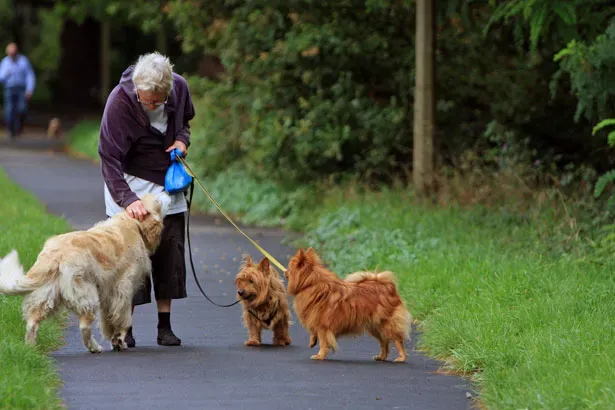
Boarding kennels are full of strangers: different voices, scents, ages, and body types. How your dog responds to that mix says a lot about their previous human experiences. Dogs raised around a variety of kind, patient people tend to adapt fairly well, even if they are a bit shy at first. They may warm up quickly with treats, soft words, and routine.
Dogs who have only ever trusted one or two people, or who have had negative encounters with humans, often show it starkly. They may bark at anyone entering their run, cower from outstretched hands, or freeze when a person bends over them. Some will cling desperately to one staff member and avoid all others, hinting that their trust circle at home is incredibly narrow.
Genuine friendliness to kennel staff is not just “a friendly personality.” It is usually the result of:
- Plenty of calm, neutral exposure to strangers in safe contexts.
- Minimal history of rough handling, yelling, or unpredictable human behavior.
- A home where people respect the dog’s space instead of forcing constant interactions.
On the other side, suspicion or outright fear around people in boarding can be a wake-up call. It might mean your dog needs more positive, low-pressure experiences with humans outside the immediate family – done carefully and at their pace.
#9 How Much Time Your Dog Actually Spends Alone
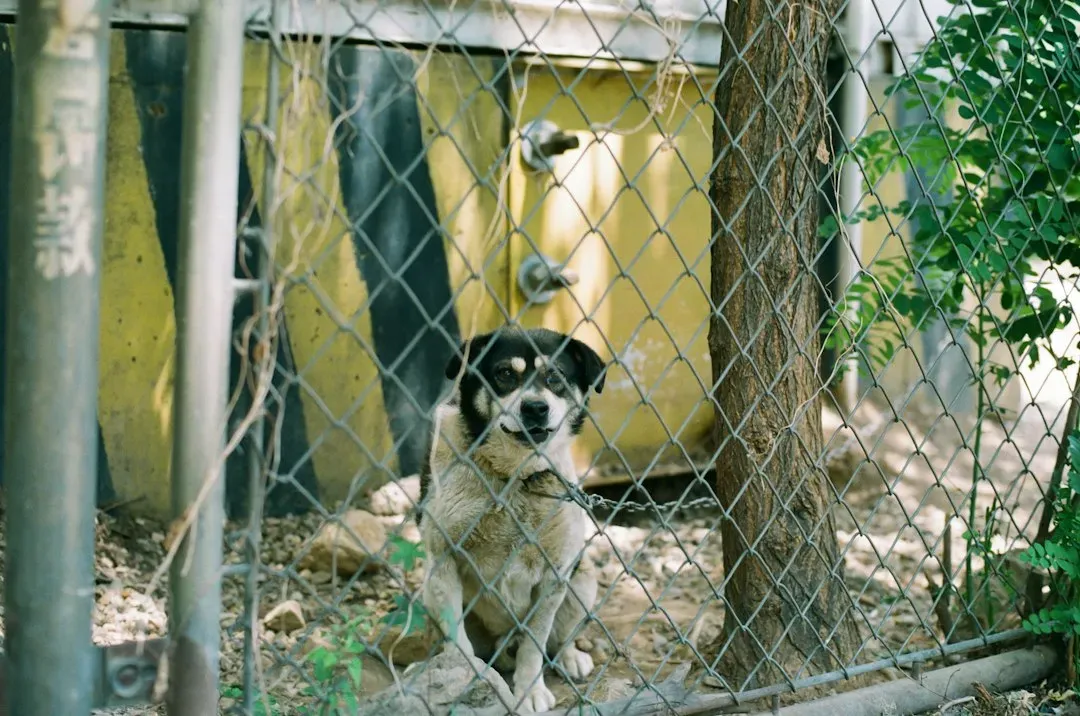
Many owners underestimate how rarely their dog has been truly alone. If someone is almost always home, or if the dog follows a person from room to room, boarding can feel like a free fall. Staff see this when a dog becomes hyper-attached to whichever worker first comforts them, screaming whenever that person leaves, even if others are around.
Dogs who are used to healthy, managed alone-time at home tend to cope far better with being kenneled between play sessions. They might whine a little at first, but then they curl up, chew a toy, or simply sleep. Their nervous system has some practice tolerating separation without spinning out.
Signs your dog probably gets very little alone practice at home that show up in boarding include:
- Persistent high-pitched crying or howling whenever they are left in their run.
- Refusing to settle even after physical needs are met.
- Destructive attempts to escape, chew gates, or claw at doors.
It can be confronting to realize your dog’s entire emotional stability depends on you being within sight. But kennels can make that painfully obvious, and that insight can motivate healthier independence-building at home.
#10 The General Emotional Climate of Your Home
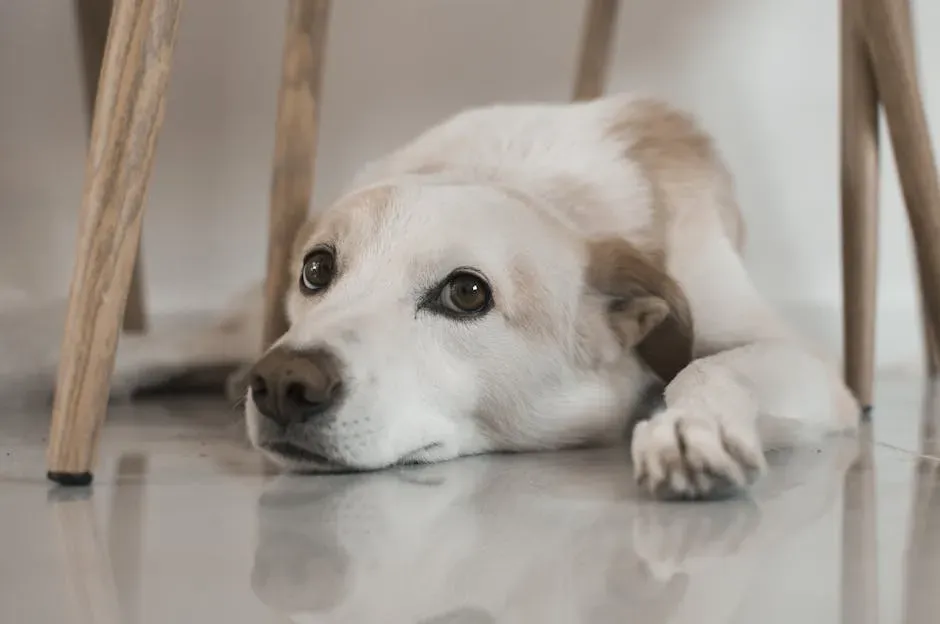
This is the part people do not like hearing, but it shows: dogs often carry the emotional weather of their homes in their bodies. Kennel staff notice patterns where dogs from calm, predictable households might be shy or lively, but they generally rebound, eat, sleep, and adapt within a day or two. Dogs from chaotic, loud, or tense homes can arrive already wired, jumpy, or shut down.
If a dog flinches at sudden movements, seems constantly on edge, or reacts dramatically to raised voices or clanging dishes, that hints that noise and volatility might be common in their world. On the other hand, a dog who handles routine kennel noise, banging doors, and other barking dogs with minimal fuss likely comes from a place where sounds and energy are present but not explosive.
None of this is about perfection. Life happens – kids shout, people argue, renovations are loud. But over time, dogs absorb whether their environment is mostly:
- Predictable or unpredictable.
- Supportive or punishing.
- Full of recovery time or constant overload.
In a boarding setting, where their baseline stress is already higher than usual, those home patterns get amplified. A dog who lives on the emotional edge at home rarely finds instant peace just because they changed buildings.
#11 How Well Your Dog’s Physical Health Is Being Monitored

You can tell a lot about home care the moment a dog walks into a kennel: coat condition, nail length, body weight, ear cleanliness, breath, even muscle tone. While no dog is perfectly groomed all the time, consistent neglect stands out. Dogs with matted fur, overgrown nails, dirty ears, or recurring untreated skin issues often arrive that way more than once.
Conversely, dogs whose owners keep up with vet visits, grooming, and preventive care usually show it: healthy weight, decent muscle, clear eyes, and manageable nails. These dogs are not immune to health issues, but any problems are often caught earlier, because someone has been really paying attention. Kennel staff sometimes notice changes between visits – sudden weight loss, new lumps, or obvious discomfort – that hint at emerging medical concerns.
- Regular brushing and basic grooming at home make handling much easier for kennel staff.
- Untreated dental issues, joint pain, or skin infections can make boarding far more stressful.
- Dogs that arrive with updated records and clear medication instructions usually have more proactive caregivers.
Boarding does not create health problems; it just puts them under a brighter light, with professionals who see many dogs every day and quickly recognize when something seems off compared to the “average.”
#12 How Much Your Dog Trusts That You’ll Come Back

The most powerful thing a kennel can reveal is something you might never see at home: how deeply your dog actually trusts that separations are temporary. Some dogs watch the door for a bit, then sigh and settle, as if they hold a quiet belief that you always return eventually. Others seem stuck in a state of abandonment, unable to relax at all until they see you again.
This trust is built over years of consistent patterns. If you leave and come back, leave and come back, in steady, predictable ways, your dog’s nervous system learns that absence is not a catastrophe. If goodbyes are rare, dramatic, or linked to major upheavals – like moving homes, long absences, or shelter experiences – your dog may still carry that fear, and it resurfaces hard in boarding.
When you finally show up on pick-up day, kennel staff notice everything: the intensity of your dog’s greeting, how quickly they rebound, whether they glance back at their favorite staff member or just laser-focus on you. That reunion can quietly confirm what their whole stay has been hinting at – how solid your bond is, and how safe they feel in the story of “you left, but you always came back.”
Conclusion: What Your Dog’s Kennel Stay Is Really Saying About Home
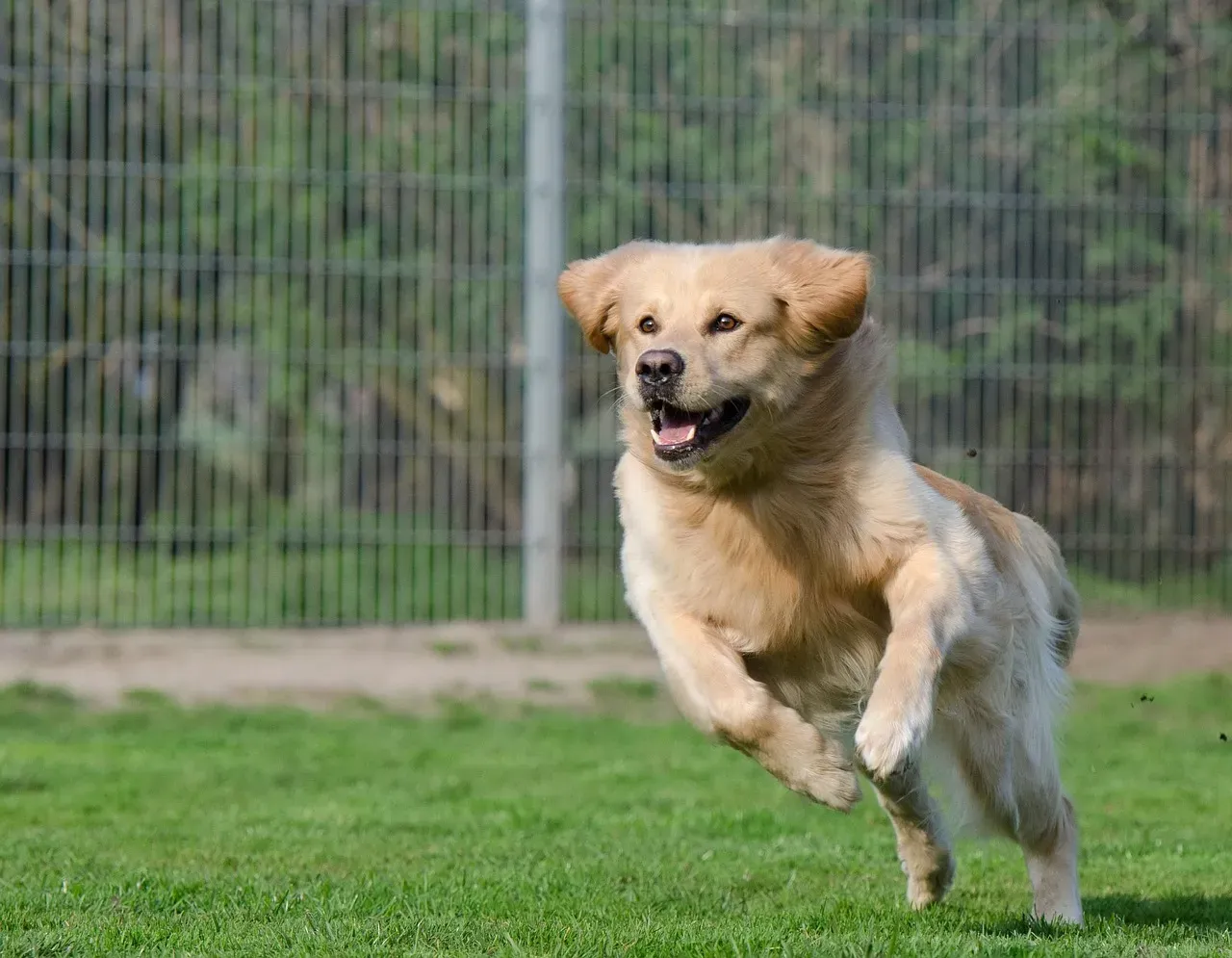
Boarding kennels are like honest mirrors. They exaggerate what is already there: the good habits, the small cracks, the emotional gaps we don’t notice in everyday life. A dog who is mostly secure, gently trained, socialized at their own pace, and given regular alone-time and vet care tends to ride out boarding with manageable stress. A dog whose life at home is chaotic, unstructured, or overly dependent on one person struggles far more once the safety net is removed.
I used to think kennel feedback was just polite commentary. Over time, I realized the patterns were too consistent to ignore. When staff said my dog was confident with people but overwhelmed by big groups of dogs, it matched what I saw on walks. When they mentioned another dog cried non-stop in his run but never at home, it nudged the owner to admit he’d never been alone for more than an hour in his life. These stays are not just time away; they are little behavioral X‑rays of the life you have built together.
If anything you’ve read here stings a little, that is not a verdict – it is an invitation. You cannot change the past, but you can adjust the home your dog returns to: steadier routines, kinder handling, better training, more thoughtful socialization and independence. Next time you pick your dog up from boarding, instead of just asking whether they ate and played, you might quietly wonder: what story did their behavior just tell about our life at home, and what do I want that story to look like a year from now?