
14 Things That Make a Dog Lead Walk Fall Apart
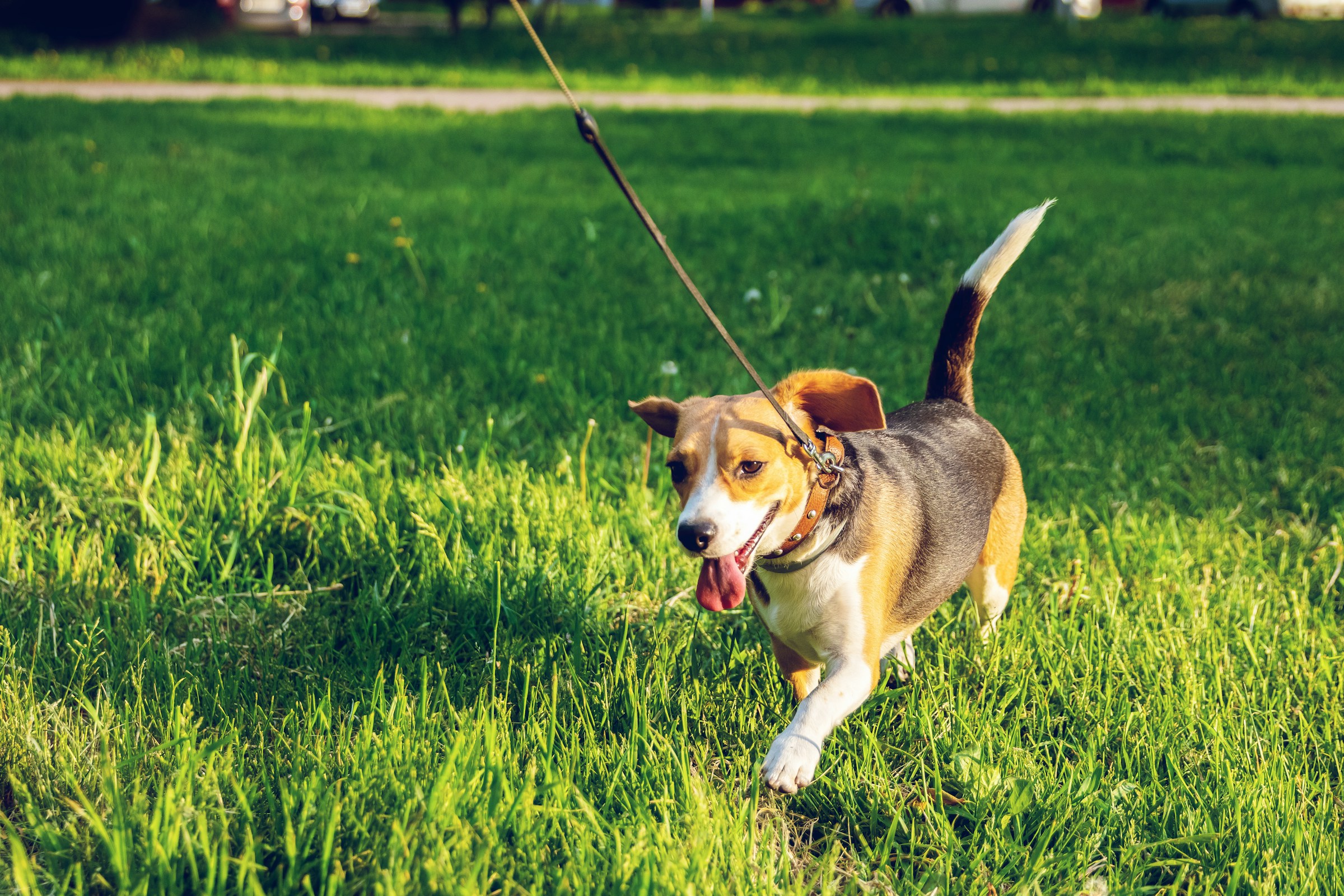
There’s nothing like the feeling of clipping on your dog’s lead, stepping outside, and imagining one of those calm, happy walks you see in training videos. Then reality hits: your dog is dragging you down the street, barking at every moving thing, wrapping you in the lead like a maypole, or refusing to move at all. Suddenly, what was meant to be relaxing feels stressful, embarrassing, and sometimes even dangerous.
The truth is, most messy lead walks don’t fall apart for just one reason. They unravel because of a whole bunch of small mistakes, misunderstandings, and habits that stack on top of each other. Fixing them means understanding what’s really going on in your dog’s brain and body when that clip clicks and the front door opens.
Let’s break down the most common reasons a dog lead walk goes sideways. Some might sting a little because they point back at us as owners. But that’s the good news too: if we’re part of the problem, we can absolutely be part of the solution.
#1 Starting the Walk in Total Chaos
If the walk starts out frantic, it will probably stay frantic. When your dog is already spinning, barking, or dragging you to the door before you’ve even opened it, their brain is in overdrive. By the time you step outside, they’re not calmly exploring; they’re exploding. It’s like starting a car trip with the engine already red-lining.
Many owners accidentally reward this chaos without realizing it. The dog jumps, whines, claws at the door, and what happens next? The lead goes on, the door opens, and the walk begins. From the dog’s point of view, going wild equals success. Do that enough times, and you’ve trained your dog to lose their mind at the start of every walk.
A calmer walk starts at the first sign of excitement indoors. Teaching your dog that the lead only goes on when they’re relatively settled flips the script. It might take a few “abort and retry” attempts, but it’s one of the biggest game-changers. Think of it as a pre-flight check: no calm, no takeoff.
- Wait for four paws on the floor before clipping the lead.
- If they explode at the door, step back, reset, and try again.
- Reward calm glances at you with a treat or praise – not frantic behavior.
#2 Using the Wrong Lead or Collar for Your Dog
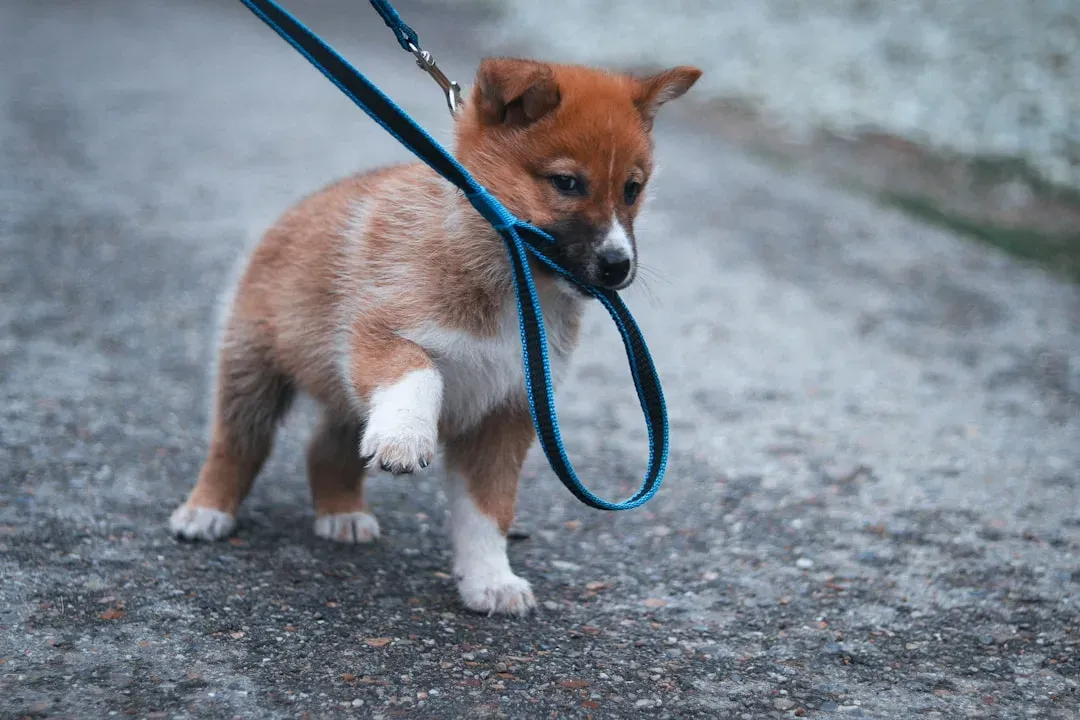
The tool you use can quietly sabotage the entire walk. A flimsy retractable lead on a powerhouse dog is like trying to stop a truck with dental floss. A too-tight collar can create constant pressure, increasing frustration and sometimes leading to more pulling, not less. It’s not that any tool is magic; it’s that the wrong setup can make everything harder than it needs to be.
Different dogs genuinely do better with different gear. A sensitive, anxious dog may shut down in a harsh prong or choke setup, while a heavy, enthusiastic puller might be dangerous on a collar that puts constant strain on the neck. Many trainers now prefer properly fitted harnesses, head collars, or sturdy flat collars paired with a non-retractable lead, depending on the dog’s size, health, and temperament.
The key is control and communication, not punishment. You want equipment that lets you guide your dog safely while giving clear, consistent feedback. If every step is a tug-of-war between their body and your hand, the walk becomes a battle rather than a shared activity. Often, just switching from a retractable to a fixed-length lead dramatically improves focus and control.
#3 Zero Rules Until the Dog Is Already Outside
A lot of people expect their dog to suddenly behave the moment they walk out the door, even though there were no expectations inside. Inside, the dog barges through doorways, pulls to the door, and ignores cues. Then, once outdoors, the owner suddenly demands perfect loose-lead walking in the middle of heavy distractions. That’s like expecting a child who never practices reading at home to nail a school exam.
Dogs learn best when rules are consistent across environments, not just randomly turned on when things get hard. If you let pulling slide in the hallway, but punish it on the pavement, you’re sending mixed signals. From the dog’s perspective, the rules keep changing – and inconsistent rules are hard to follow.
Bringing simple structure into pre-walk routines can make a huge difference. Ask for a sit before you open the door, reward eye contact, and practice a couple of steps of loose-lead walking in a quiet hallway. That way, your dog is already in “working with you” mode before the flood of outdoor distractions hits.
- Practice loose-lead walking indoors first, where distractions are low.
- Use the same cue words inside and outside.
- Reward the same behaviors in every environment – not just outdoors.
#4 Walking a Dog With Too Much Unspent Energy
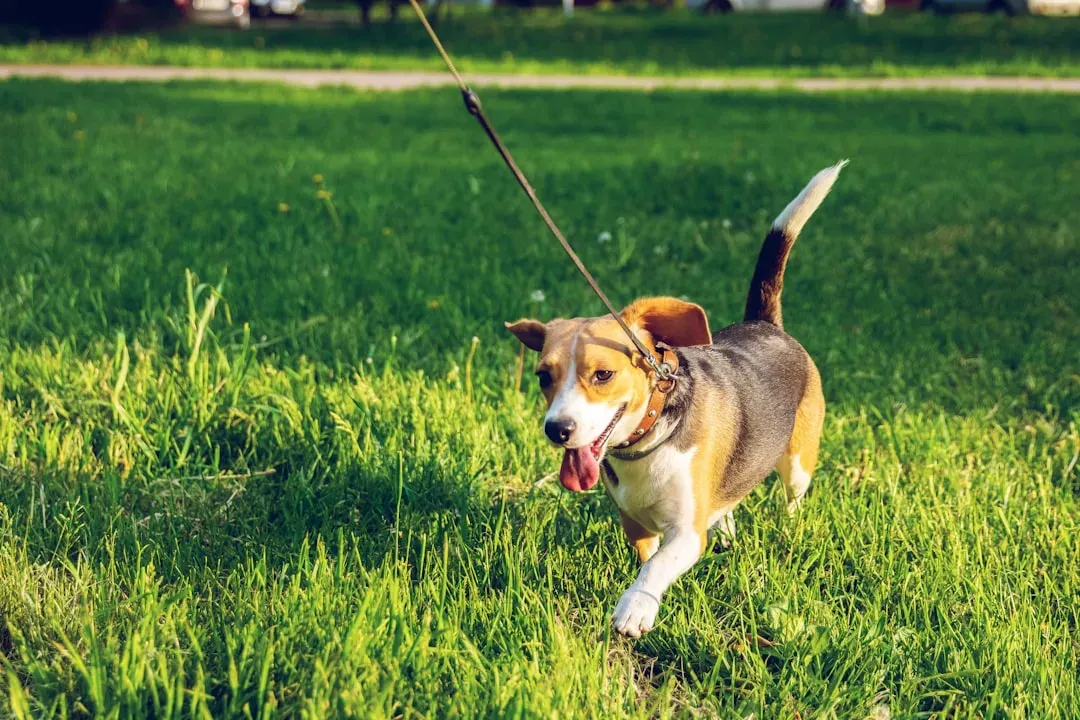
A dog that has been crated all day, barely mentally or physically engaged, will hit the pavement like a rocket. Expecting that dog to stroll calmly beside you immediately is unrealistic. Under-exercised dogs often see the lead walk as the only exciting thing in their entire day, and they act like it.
For some breeds, especially high-energy working lines, a slow neighborhood amble is not enough to take the edge off. They’re built for hours of movement and problem-solving. When those needs aren’t met, all that extra energy gets dumped straight into pulling, lunging, barking, or obsessing over every smell and sound on the walk.
It sounds backwards, but many dogs walk better if a chunk of their energy is spent before the walk technically starts. Five to ten minutes of fetch in the yard, some tug, or a short training session indoors can lower that initial pressure. A mildly tired brain is a more cooperative brain. It’s the difference between walking with a shaken soda can versus one you’ve gently tapped open.
#5 Letting the Dog Lead Every Decision
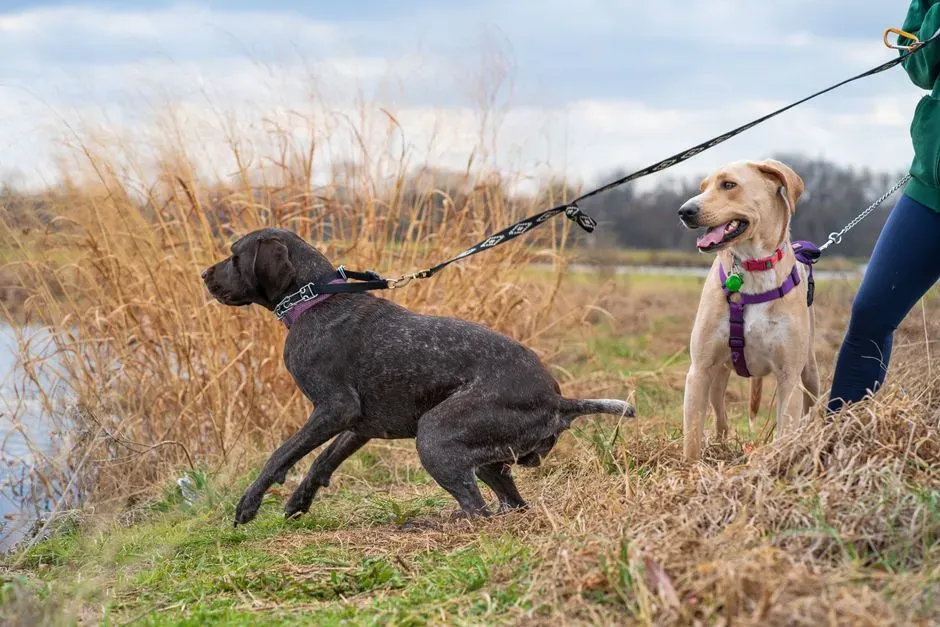
There’s nothing wrong with allowing your dog to sniff and explore; in fact, that’s healthy. The problem comes when the dog is effectively in charge of the entire route, pace, and agenda, and the human is just dragged along behind. That’s when the walk stops being shared and turns into a chaotic mission led by an overexcited, under-trained tour guide.
Dogs do best when they feel guided, not micromanaged, but also not given total control. Constantly allowing your dog to decide when to stop, where to go, and how fast to move teaches them that pulling works. Over time, they learn that if they just lean hard enough into the lead, they get exactly what they want – faster, more smells, more stimulation.
A healthier balance is giving structured freedom. You might have a cue like “go sniff” where they can explore within the lead length, and another like “let’s go” where you expect them to move loosely with you. That way, they still get agency, but they also learn that your decisions matter. You become a partner, not dead weight on the other end of the line.
- Use a cue for “free time” and another for “walk with me.”
- Do not move forward when the lead is tight; wait for slack.
- Occasionally change direction on purpose so your dog checks in with you.
#6 Inconsistent Reactions to Pulling
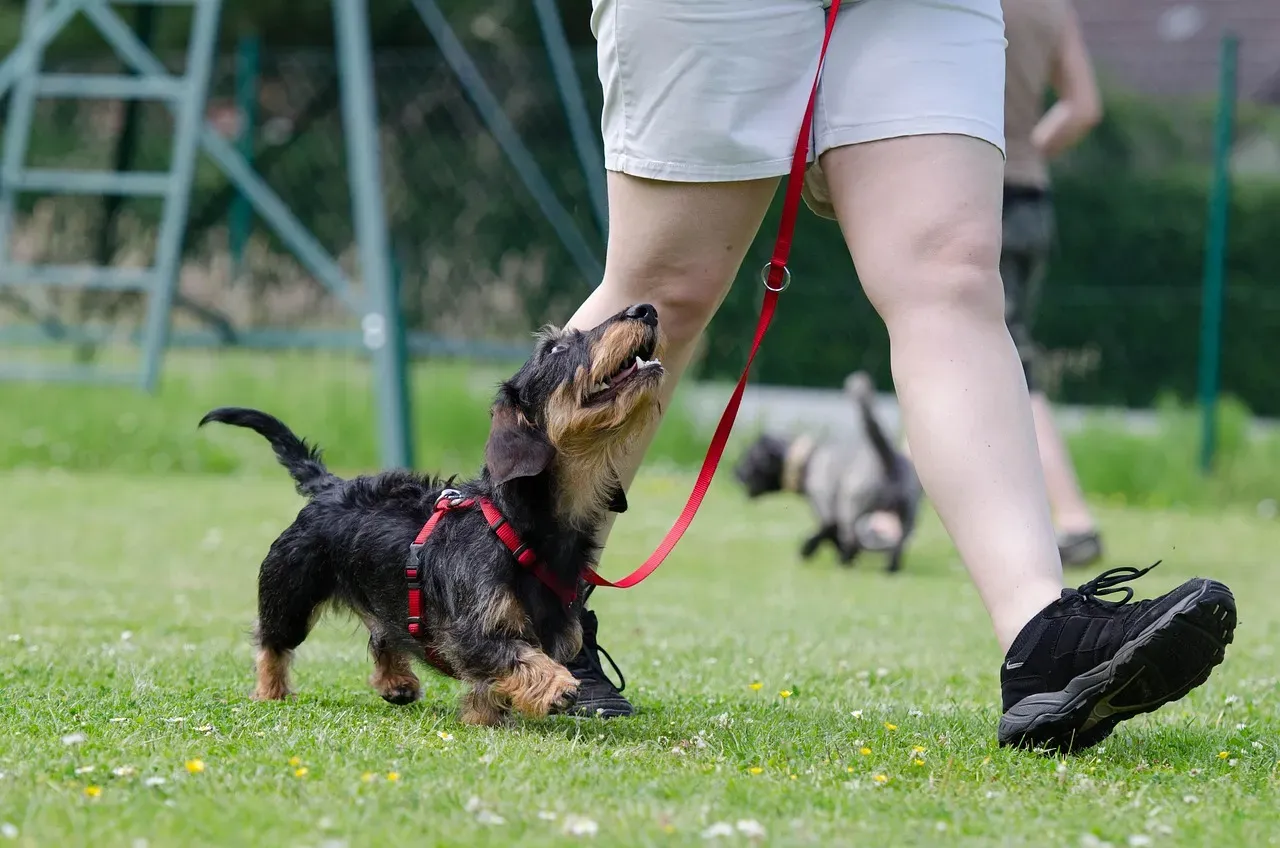
Nothing confuses a dog faster than inconsistency. One day you let them pull you to the park because you’re in a hurry. The next day you jerk the lead and get annoyed for the exact same behavior. To the dog, there is no pattern, just random human outbursts. This inconsistency quietly destroys your loose-lead training.
Dogs learn by connecting behavior with outcomes. If pulling sometimes works and sometimes doesn’t, they’ll keep trying it because it pays off often enough. It’s the same principle casinos rely on: unpredictable rewards drive persistent behavior. If pulling gets them to the exciting place even once in a while, they will keep betting on it.
You have to decide on your rule for pulling and stick with it, even when it’s inconvenient. For many dogs, that means the moment the lead goes tight, you stop. No movement forward until the lead slackens, then you go again. It takes patience, and yes, it can feel like you barely move for the first few walks. But that clarity is what finally makes sense to your dog.
#7 Overwhelming Your Dog With Too Many Distractions
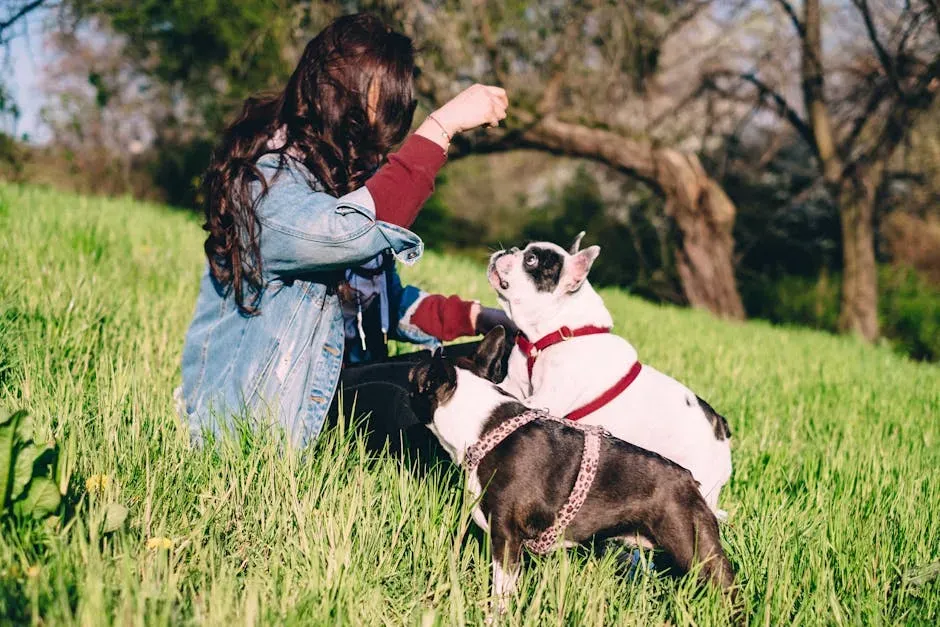
A lead walk can fall apart simply because the environment is too intense for your dog’s current skill level. Expecting a beginner dog to walk calmly through a bustling city street, crowded dog park entrance, or school run chaos is like dropping a new driver straight onto a busy freeway at rush hour. They might survive it, but they won’t learn much that’s useful.
Many reactive or nervous dogs look “out of control,” when in reality they are just drowning in sensory overload. There are noises, smells, kids, cyclists, other dogs, and vehicles all demanding their attention. Their arousal skyrockets, their thinking brain shuts down, and instinct takes over. In that state, your treats and cues feel like background noise.
Starting in calmer environments builds skills and confidence. Quiet streets, early-morning walks, or short sessions in a low-distraction area let your dog actually hear you. As they get better, you can gently layer in more challenging places. It’s not avoiding the world; it’s training like a ladder instead of a cliff.
- Begin loose-lead training in your home or yard before hitting busy streets.
- Avoid high-traffic times and locations at first.
- Gradually increase the level of distraction as your dog succeeds.
#8 Ignoring Your Dog’s Body Language
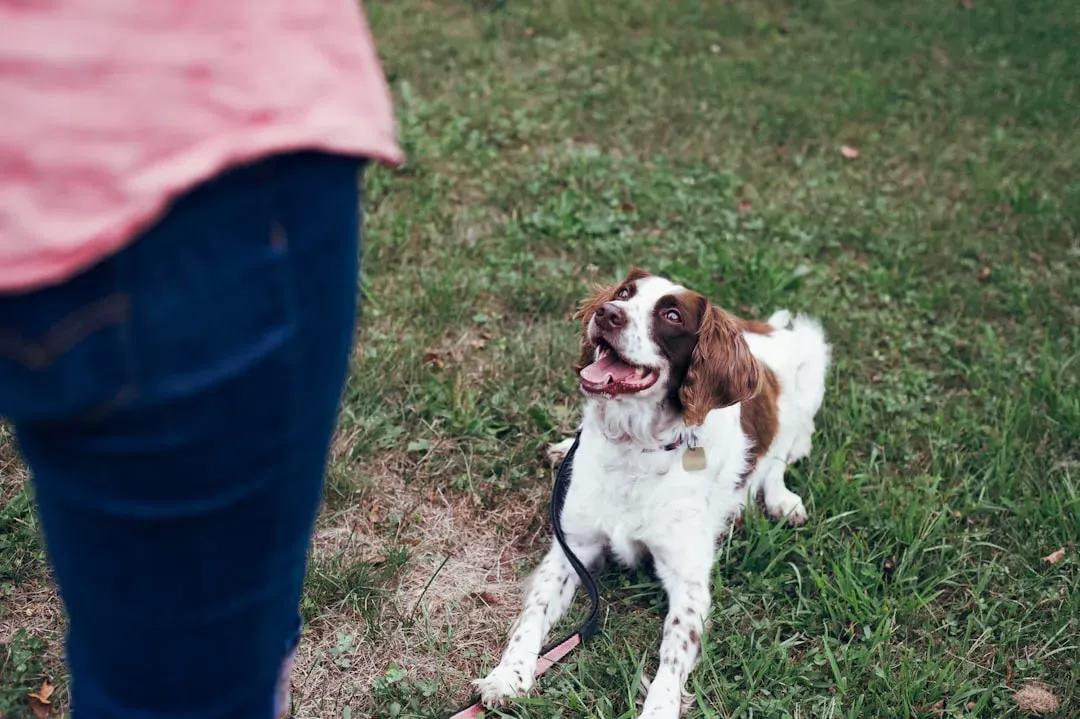
Lead walks often spiral because we only react once things are obviously going wrong: barking, lunging, freezing, or whining. By the time those behaviors show up, your dog has already passed several earlier warning signs that went unnoticed. We miss the sideways glance, the stiff tail, the ears tipping forward, the slight tension in the body – the quiet signals that say, “I’m not okay with this.”
When dogs feel forced toward something they’re unsure about, they can explode into big, dramatic behavior to create distance or control. That might look aggressive or stubborn, but it is often fear, frustration, or confusion. The lead can amplify these emotions because it removes the option to move away freely, which is how many dogs would naturally cope.
Learning to read your dog’s body language turns you into a better advocate. If you see early signs of stress, you can increase distance, turn away, offer a sniff break, or calmly reward attention back on you. That way, situations never have to reach the point of total meltdown. The more your dog experiences you as someone who notices their discomfort and adjusts, the more they trust you on the lead.
#9 Using Only Corrections and No Rewards
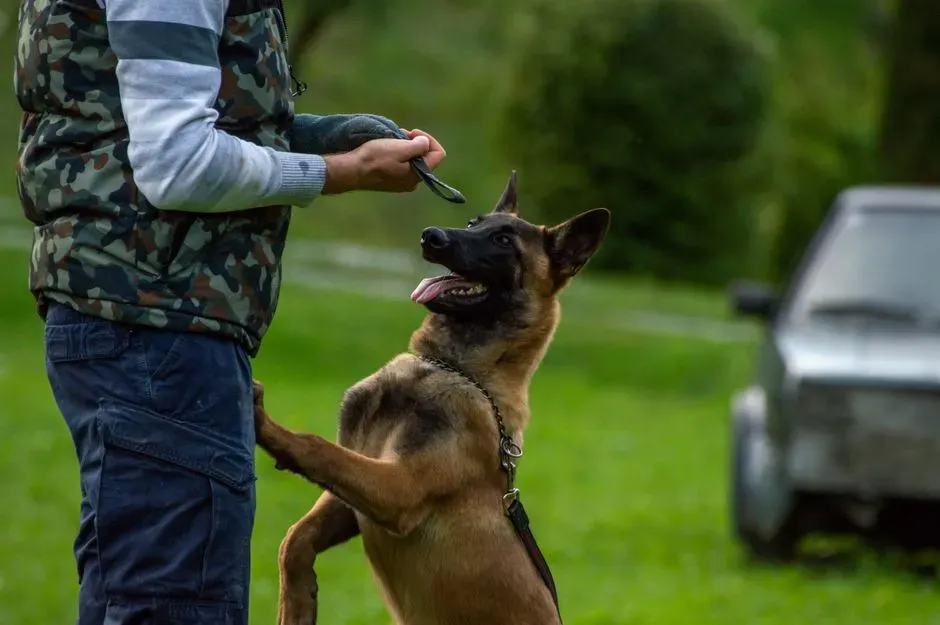
Another common reason lead walks fall apart is when they become a string of “no,” “stop,” and jerks on the lead, with almost no positive feedback. If your dog only gets attention when they’re doing something wrong, they never learn what you actually want. They just learn that walks are tense and unpredictable.
Dogs repeat what is rewarding. If walking next to you loosely never leads to anything good – treats, praise, getting to sniff, moving forward – why would they choose it over charging toward every interesting smell? Corrections alone often suppress behavior in the moment, but they rarely build a strong habit of choosing the right thing on their own.
Rewarding good lead behavior does not mean you are bribing or spoiling your dog; you’re simply paying them for a job well done. Tiny food rewards, verbal praise, or allowing a “go sniff” moment can all reinforce walking calmly by your side. Over time, you can phase the rewards out slowly, but in the early stages, they are the glue holding the training together.
- Catch and reward even one or two good steps on a loose lead.
- Use sniff breaks as a powerful reward for staying with you.
- Keep treats small and frequent early on to build strong habits.
#10 Forgetting That the Lead Is a Communication Line, Not a Steering Wheel
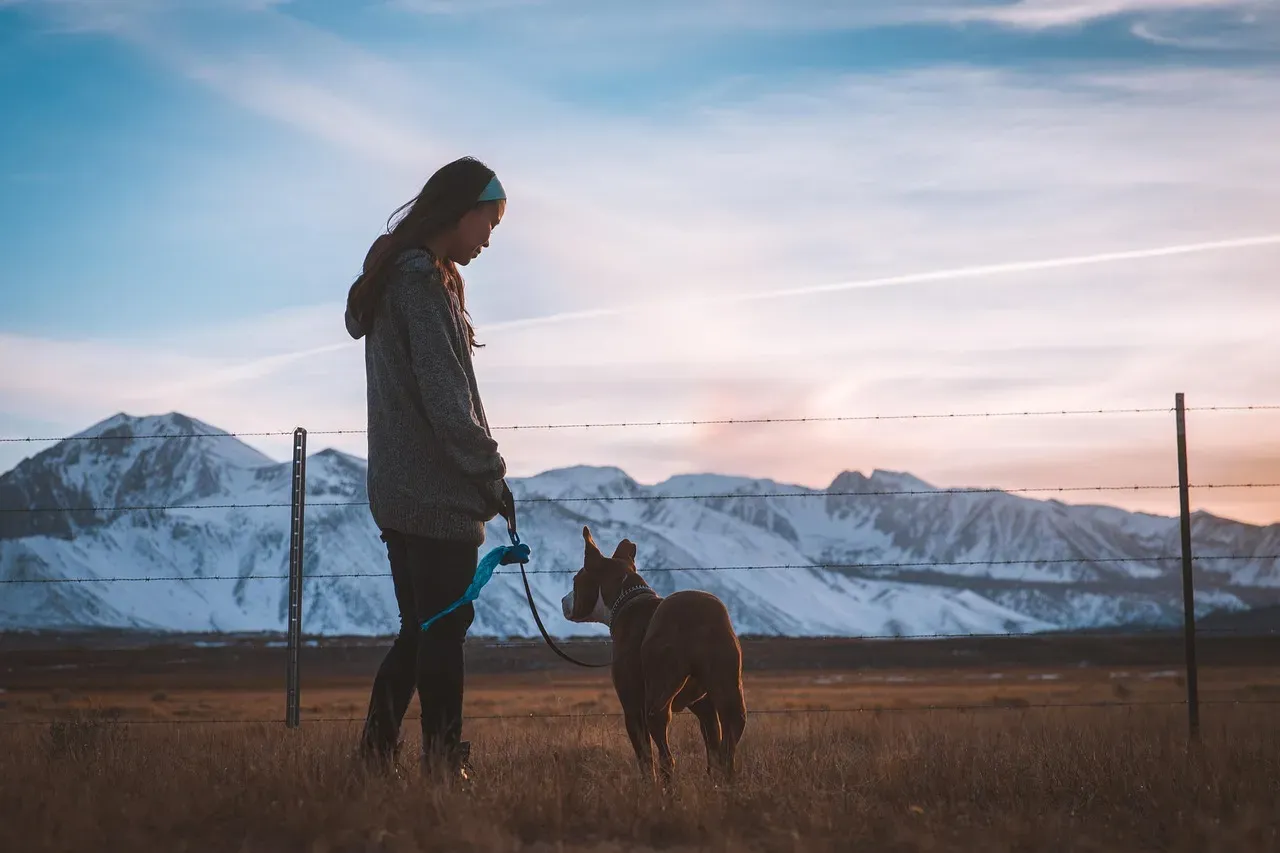
Many people treat the lead like a physical steering wheel or brake system. If the dog moves left, they yank right. If the dog stops, they drag forward. The dog quickly learns that the lead is a constant, uncomfortable pressure to fight against. Both ends of the lead end up braced, tense, and frustrated.
In reality, the lead should be a communication tool. A loose or gently tensioned lead allows tiny signals to travel between you and your dog. When you soften your hand, slow your step, or slightly change direction, your dog feels that and adjusts. When your dog slows or speeds up, you feel that too and can respond. But this subtle, almost “dance-like” connection only exists on a relatively loose lead.
Practicing lead handling skills without your dog can actually help. Learning to keep your arms relaxed, use your body movement instead of constant arm pulling, and respond quickly to changes in lead tension can transform how the walk feels. It becomes a conversation rather than a tug-of-war, and dogs respond incredibly well to that softer, clearer communication.
#11 Not Matching the Walk to Your Dog’s Breed and Personality
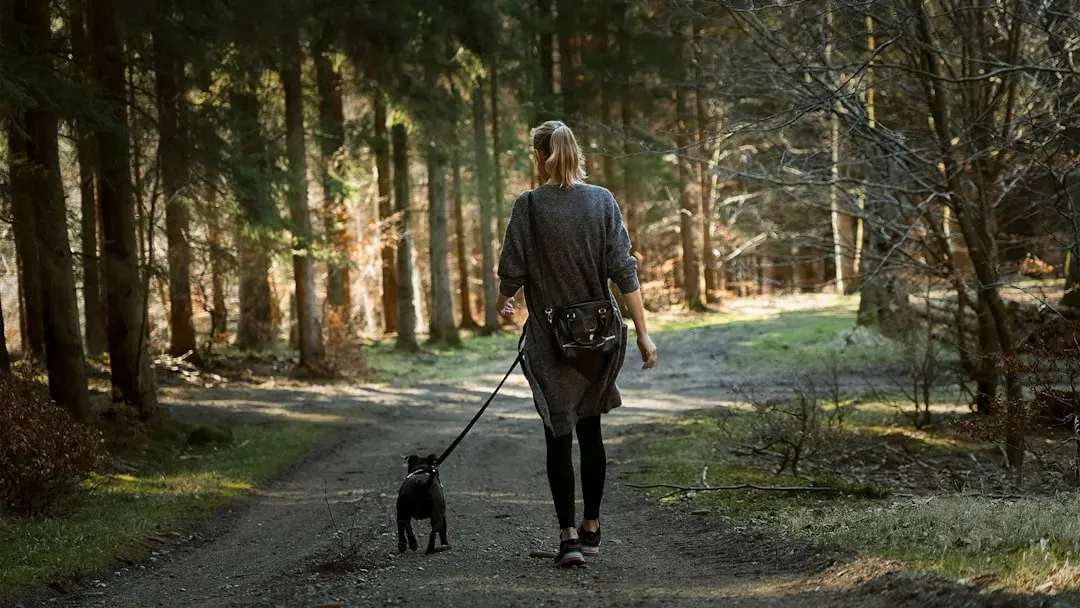
One of the quiet ways a lead walk falls apart is when it simply doesn’t fit who the dog is. A high-drive herding dog being asked to plod slowly around the same boring block day after day is a recipe for frustration. A tiny, sensitive lap dog dragged along for a fast jog among big, loud traffic is a recipe for fear and shutdown. Same activity, completely different emotional experience.
Different breeds and personalities have different natural preferences and needs. Some want to move fast, think hard, and have jobs to do. Others want shorter outings, softer environments, and less chaos. When the walk keeps ignoring those traits, dogs either amp up into chaos or shut down into stubbornness. We often label it as “behavioral,” when it’s really a mismatch in expectations.
Adapting the walk to the dog can mean changing pace, route, duration, or even the type of enrichment offered. Some dogs love structured heelwork and training games on the lead. Others are happiest with slow, sniff-heavy “decompression” walks. There is no single correct way; the right walk is the one that meets your dog’s body and brain where they are.
- Active working breeds often benefit from more structured, purposeful walks.
- Small or sensitive dogs may need quieter routes and shorter outings.
- Every dog, regardless of breed, benefits from time to sniff and explore.
#12 Skipping Mental Enrichment and Relying Only on Distance
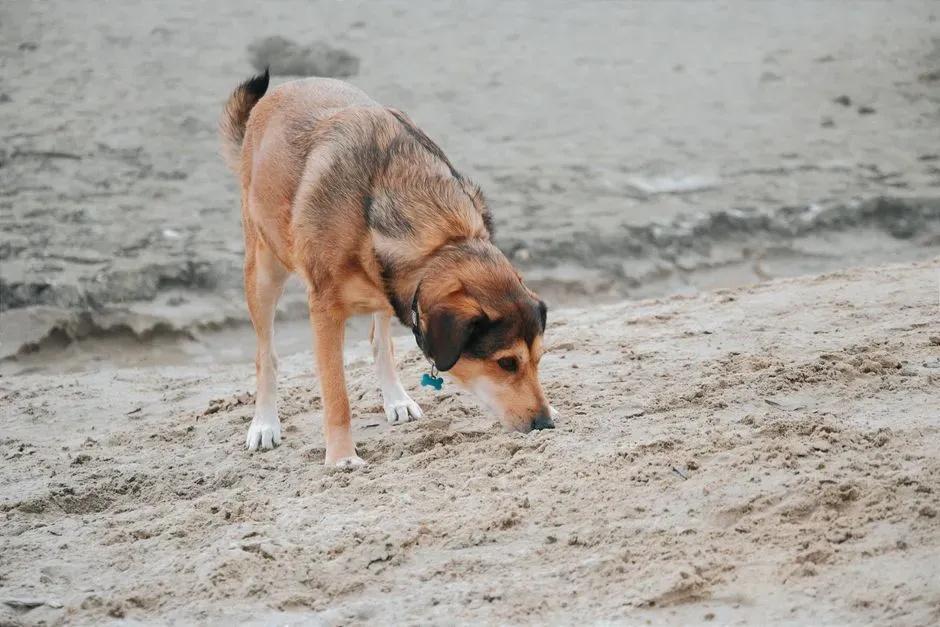
Many people assume that a “good walk” means covering a lot of ground. They judge success by how far or how long they walked, not by the quality of the dog’s engagement. But a dog that power-pulls for forty minutes, scanning and stressing, may come home more wired than when they left. They’ve moved their legs, but their brain has not worked in a satisfying way.
Dogs need both physical and mental exercise. Nosework, problem-solving, and training small behaviors on the walk can tire a dog out far more effectively than just marching forward. A ten-minute session of practicing loose-lead walking, sits at curbs, and “find it” nose games can leave many dogs happier and more relaxed than a long, chaotic route.
Once I started playing simple “search for the treat” games in the grass with my own dog during walks, everything changed. Instead of burning energy only through pulling and scanning, she started checking in with me more, slowing down, and using her brain. The lead went from a rope holding us together to a line connecting us in shared activity.
#13 Expecting Too Much, Too Fast
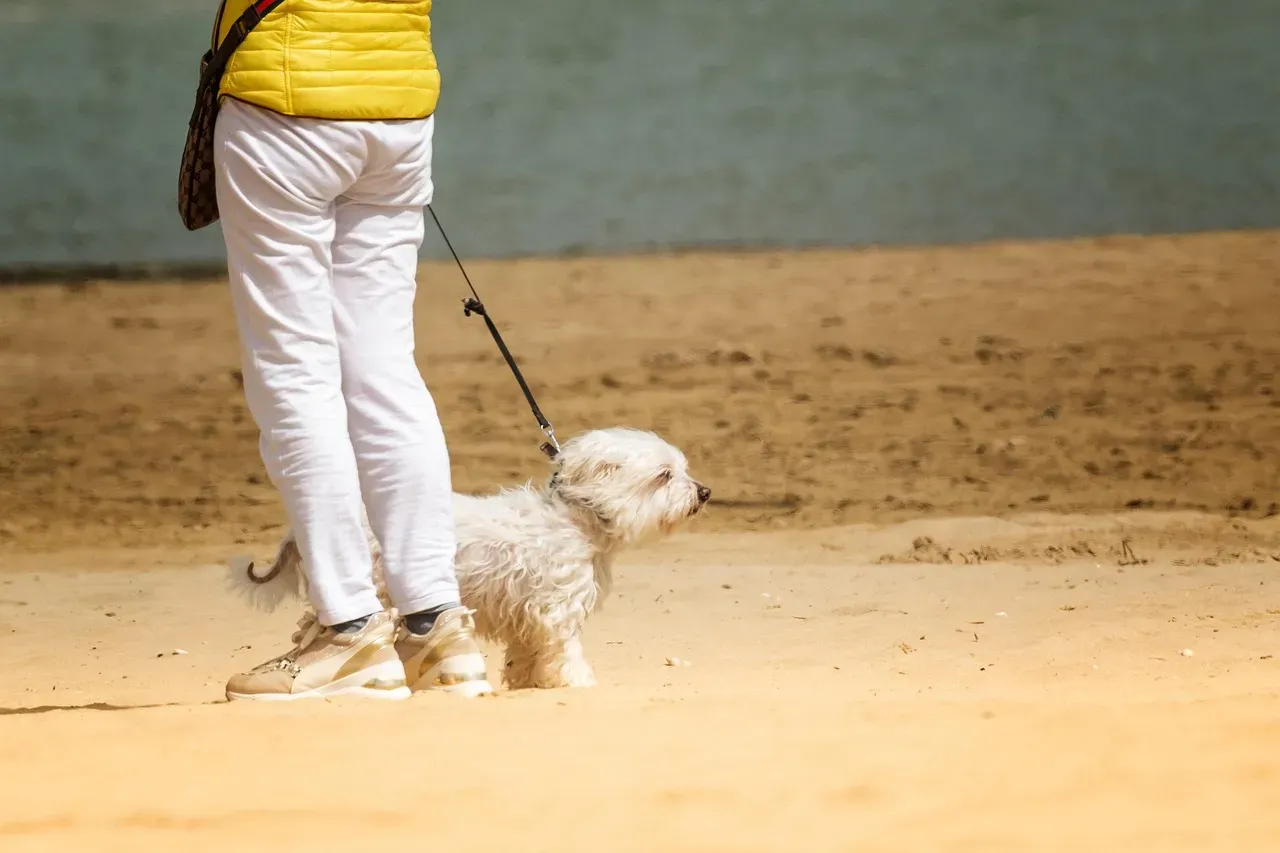
Impatience quietly ruins a lot of lead training. Owners often expect a dog to walk perfectly on a lead after a handful of sessions, or worse, after watching a single video online. When the dog inevitably struggles, they label them as stubborn, dominant, or untrainable. The reality is that walking calmly on a lead in a human world is a surprisingly complex skill for a dog.
Loose-lead walking requires self-control, focus, and the ability to ignore a constant stream of interesting and sometimes scary stimuli. That is advanced work, especially for young or excitable dogs. If we added that much difficulty to any human skill – learning to drive, play an instrument, or speak a language – we’d be more forgiving. Yet with dogs, people often want instant results.
Progress on lead walking is rarely linear. Some days will be brilliant, others will feel like going backwards. That does not mean the training has failed; it means your dog is a living, feeling creature with good days and bad days. Holding a longer view, celebrating small wins, and adjusting expectations to your dog’s stage of life makes the process far less frustrating for both of you.
#14 Treating the Walk as a Chore Instead of a Relationship
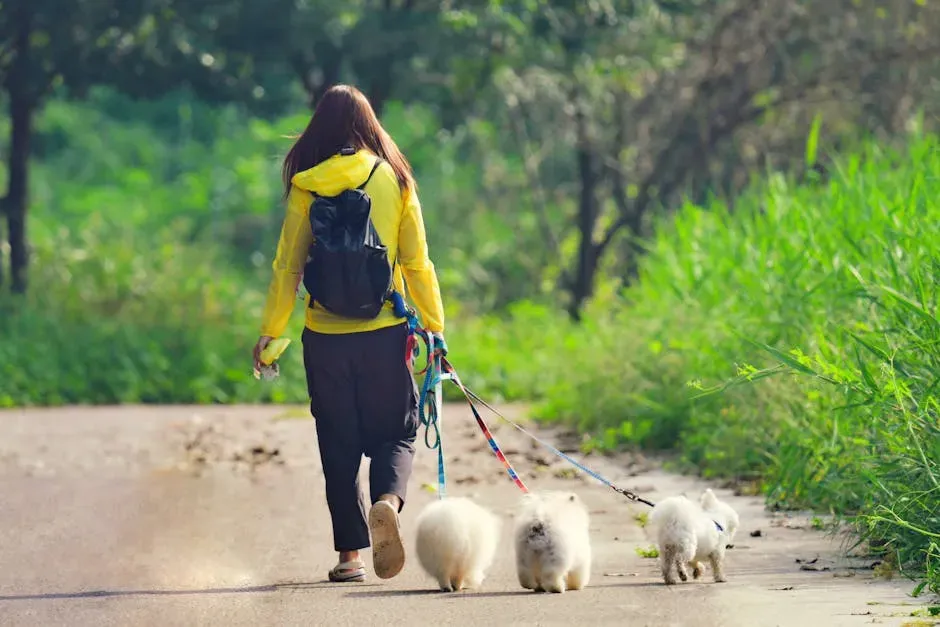
Underneath all the techniques, tools, and tips, there is one big thing that can quietly make or break a lead walk: your mindset. When walks become another box to tick off a busy to-do list, our energy shifts. We rush, we get annoyed more quickly, and our dog becomes just another task, not a partner. Dogs feel that tension, and it changes how they respond to us.
On the other hand, when we view the walk as shared time to connect, things feel different. We notice our dog more, praise them more, and adjust to their needs instead of just dragging them along. The lead stops being just a piece of gear and turns into a literal lifeline between two living beings trying to understand each other.
It sounds sentimental, but it is also deeply practical. Dogs who feel safe and connected to their humans are often easier to handle, quicker to recover from stress, and more willing to follow guidance. The more we invest in the relationship off the lead – play, rest, training, affection – the better everything tends to go on the lead.
Conclusion: Why Your Walk Is Falling Apart – And Why That’s Actually Fixable
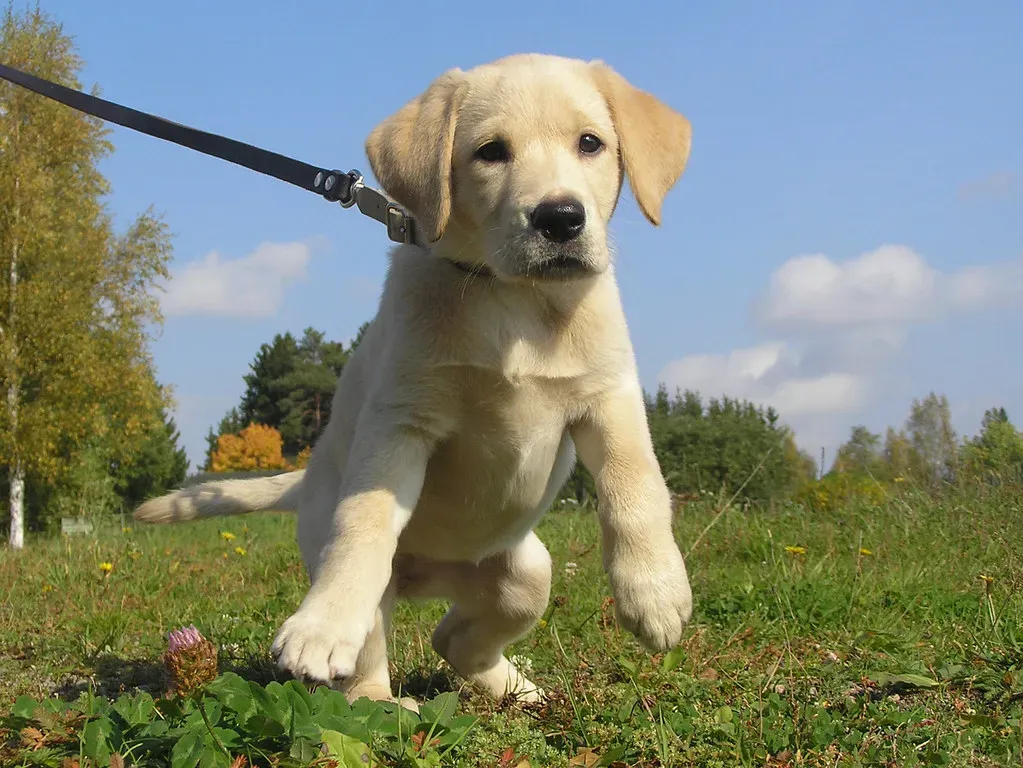
When a dog lead walk falls apart, it rarely comes down to just having a “bad dog.” It is almost always a messy mix of overexcitement, unclear rules, mismatched expectations, weak equipment choices, and human habits that unintentionally reward the very behaviors we hate. That can feel discouraging at first, especially if you recognize yourself in several of these points. But it also means there are many different levers you can pull to make things better.
You can start the walk in calm instead of chaos. You can swap out a retractable lead for something more controlled. You can change the route, reduce distractions, sprinkle in nose games, and finally get consistent with how you respond to pulling. Above all, you can shift your mindset from battling your dog to working with them, step by step, as they learn what this strange human ritual of “going for a walk on a rope” actually means.
In my opinion, the most important change isn’t the gear or the technique; it is deciding that the walk is not just about exercise, but about building a better relationship. Once you see the lead as a line of communication instead of a restraint, everything else tends to fall into place more naturally. So the real question is not whether your walks can improve – they can – but which small change are you going to try first the next time you clip that lead on?