
14 Things a Dog’s Teeth Record About Years Nobody Logged

Most people assume a vet peeking into a dog’s mouth is just checking for tartar and guessing an age. That assumption is mostly wrong. A dog’s teeth behave more like a black box recorder than a chart – quietly logging stress, starvation, old injuries, bad breeding, and even childhood fevers nobody wrote down.
Forensic vets and behaviorists have learned to read that record like a diary written in enamel. The unsettling part is that your own dog’s mouth might be telling a completely different story than the one printed on their adoption paperwork. Here are 14 things those teeth are quietly keeping track of – whether anyone asked or not.
#1 – How Old Your Dog Really Is (Not What the Shelter Guessed)

Ask most owners how old their rescue dog is, and you’ll get a shrug and a number from a clipboard. But tooth wear, staining, and gum recession often tell a more honest story than any intake form ever could.
Puppies erupt baby teeth on a predictable schedule, then swap them for permanent teeth somewhere between 3 and 7 months. After that window closes, age-guessing becomes an art built on incisor sharpness, premolar wear, and how much staining has crept in over time.
Fast Facts
- Puppies grow 28 temporary teeth, starting around 2 to 4 weeks old
- Adult dogs carry 42 permanent teeth once growth finishes
- Full adult dentition is typically in place by 6 to 7 months
- After that point, wear and staining become the only real age clues left
That’s why some “barely two years old” shelter dogs show up with:
- Front teeth already smoothed flat
- Heavy tartar caked onto the back molars
- Gumline changes typically seen in dogs twice their age
It’s not as exact as a birth certificate, but the pattern works like tree rings. And once you start looking for it, you realize the mouth rarely agrees with the microchip data.
#2 – A Lifetime of Chewing Habits (And Whether You’ve Been Giving the Wrong Toys)
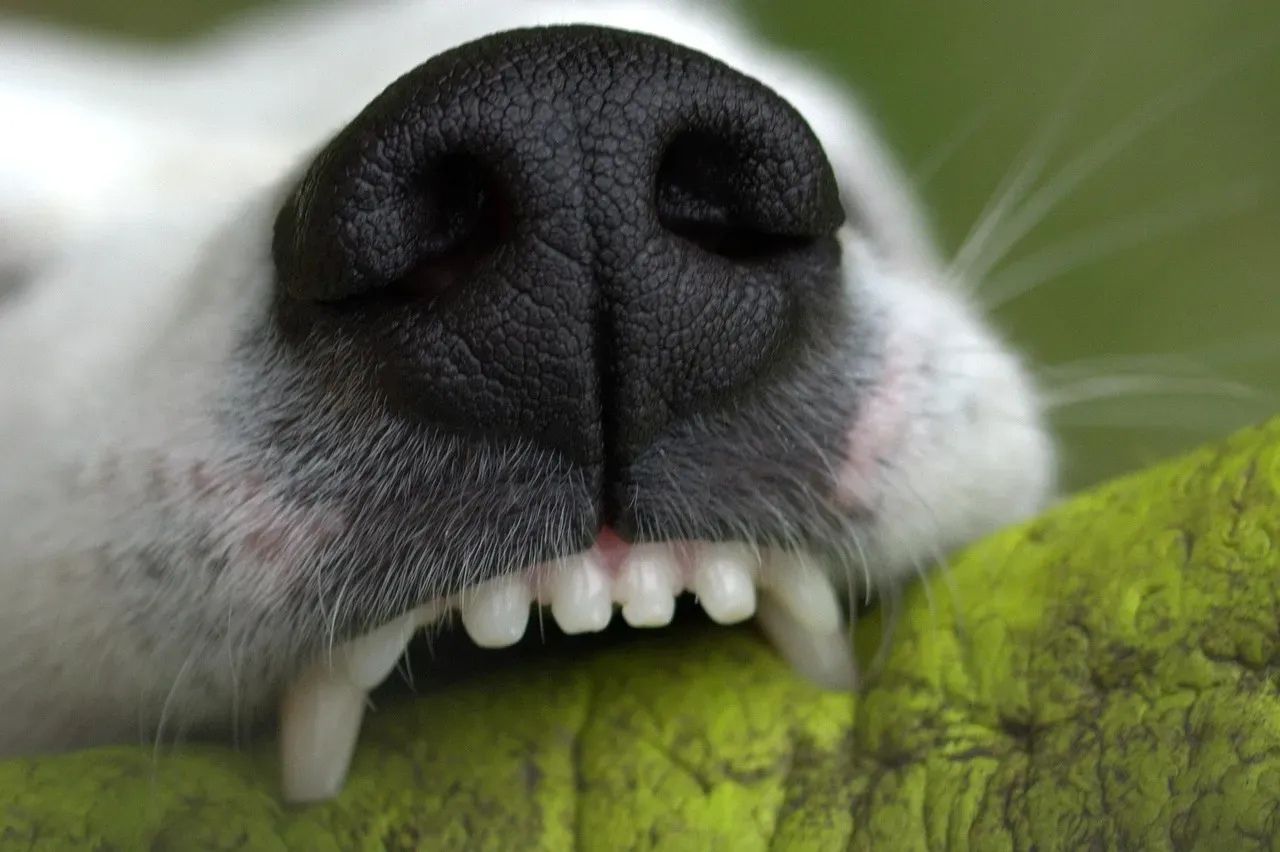
Chew patterns don’t fade – they fossilize. Dogs that spend years gnawing on antlers, bones, or rocks develop microfractures, chipped tips, and eerily smooth, flattened surfaces on their canines and premolars.
That polished, almost glassy look isn’t graceful aging. It’s the enamel equivalent of a scar from years of grinding on something far too hard for a jaw to safely handle.
Vets can often guess a dog’s toy history in seconds:
- Rock chewers: chips, fractures, irregular edges
- Tennis-ball addicts: sandpaper-like scuffing on the front teeth
- Crate-bar chewers: horizontal grooves that match the bars exactly
Enamel never grows back. So that “cute” habit of ripping at crate doors or hauling bricks around the yard doesn’t just disappear when the behavior stops – it stays engraved for the rest of the dog’s life.
#3 – Periods of Starvation, Neglect, and Poor Nutrition
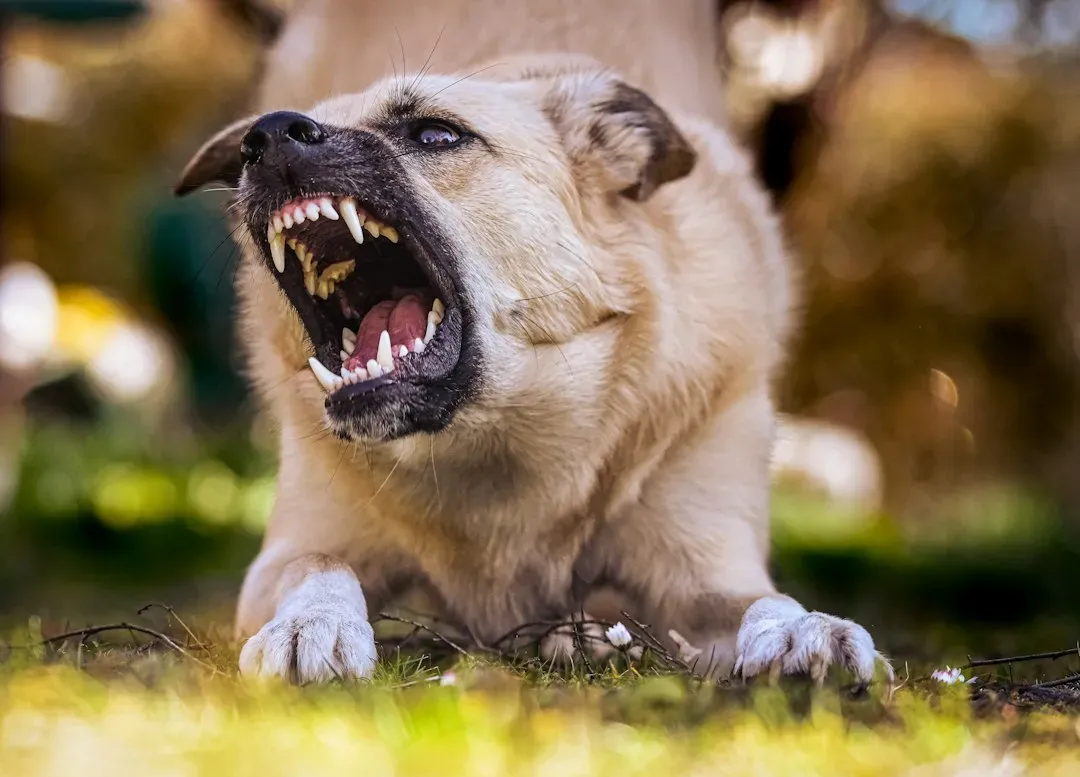
Teeth don’t only show what a dog chewed. They also reveal what never made it into the bowl in the first place.
During critical growth windows, malnutrition or serious illness can interrupt enamel formation entirely, leaving behind lines, pits, or patches where the enamel simply never finished developing. Vets call this hypoplasia, and the timing often lines up disturbingly well with a dog’s roughest early months.
Telltale signs include:
- Chalky, rough patches on specific teeth
- Horizontal grooves that look like tiny growth rings
- Brownish zones where enamel never properly formed
These defects usually trace back to prolonged illness in puppyhood, chronic low-quality diets, or outright neglect in backyard breeding and hoarding situations. Owners might just see “rough-looking teeth.” A trained vet sees a survivor.
#4 – Chronic Stress, Anxiety, and “Invisible” Trauma

Anxious dogs don’t just pace and bark – many of them grind, clench, or chew obsessively for years without anyone noticing the pattern. That coping mechanism leaves its own signature behind.
Bruxism, or chronic tooth grinding, along with compulsive stress-chewing, produces distinct wear that doesn’t match a dog’s actual age. Flattened canine tips, oddly smoothed incisors, and uneven wear concentrated on just a few teeth all point toward chronic anxiety rather than normal play.
Rescue dogs who spent years in cages sometimes carry grooves on their incisors and canines that line up perfectly with metal bars – physical proof of years spent trying to escape or self-soothe.
The body remembers what the mind tries to survive.
Bessel van der Kolk
That quote is usually applied to trauma in people, but veterinary dentists will tell you the same principle plays out in a dog’s mouth. The wear doesn’t fade once the dog finds a safe home. It just stops adding new chapters.
#5 – Fevers, Infections, and “Sick Puppy” Episodes Nobody Remembered
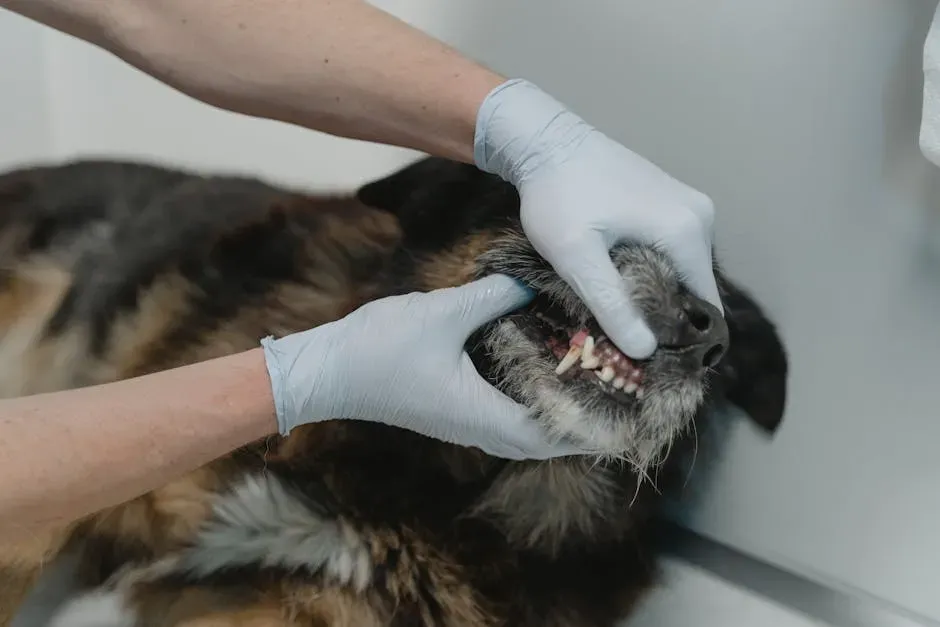
When a puppy fights off a serious infection or spikes a dangerous fever, their developing teeth can become collateral damage. Enamel formation is surprisingly fragile during illness, and the body doesn’t wait for it to catch up.
High fevers and systemic sickness can temporarily halt enamel production, leaving faint lines, pits, or discoloration that match the exact age the illness occurred. To a trained eye, that’s not cosmetic damage – it’s a timestamp.
Look closely and you might spot:
- Horizontal bands running across several teeth at the same height
- Localized pits on specific teeth only
- Thin, fragile, or discolored patches of enamel
Unlike gums or skin, enamel never remodels itself. So a fever at three months old can still show up decades later, quietly banded across an adult dog’s incisors, long after everyone forgot it ever happened.
#6 – Clues About Breed Mix, Jaw Shape, and Questionable Breeding
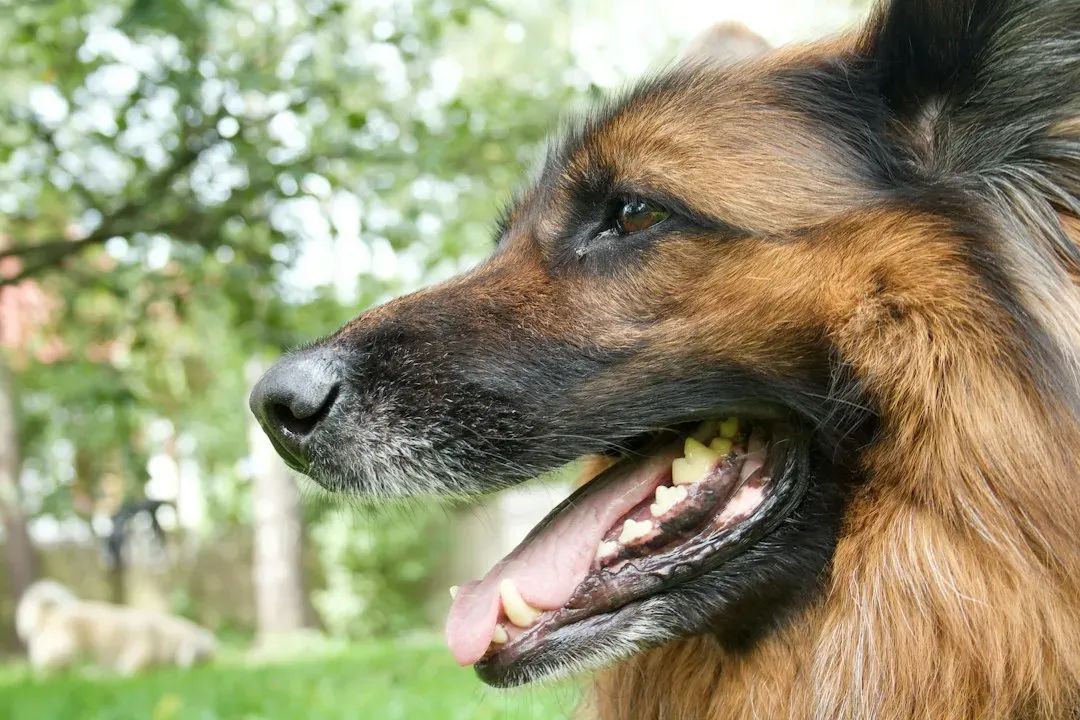
You don’t need a DNA kit to spot bad breeding decisions – sometimes the mouth says it plainly. Tooth size, crowding, and bite alignment can expose structural problems tied directly to how a dog’s bloodline was managed.
Toy breeds and brachycephalic dogs are especially prone to overcrowded teeth, rotated premolars, and partial eruptions, simply because their shortened jaws were never built to fit a full, genetically standard set of teeth.
Vets frequently flag:
- Severe crowding with rotated incisors in tiny breeds
- Underbites or overbites common to certain problematic lines
- Retained baby teeth in jaws too small to push them out
Worth Knowing
- Brachycephalic breeds like Pugs, French Bulldogs, and Boxers often can’t fit a full 42-tooth set
- Toy breeds such as Chihuahuas and Yorkies are especially prone to retained baby teeth
- Certain underbites and overbites are considered breed-typical rather than accidental
Responsible breeders try to avoid extreme bite problems that cause lifelong pain. Puppy mills and backyard operations rarely bother. Years later, the mouth quietly exposes exactly which category a dog came from – no matter how “cute” the snaggletooth looks in photos.
#7 – Inside vs. Outside Life: Where Your Dog Actually Grew Up

Lifestyle leaves fingerprints in the mouth just as clearly as it does everywhere else. Outdoor and stray dogs often use their teeth as survival tools, not toys – tearing through bones, scavenging garbage, or chewing through wire and plastic just to get by.
That kind of daily wear looks nothing like what a pampered apartment dog develops after years of rubber toys and dry kibble.
Quick Compare
- Indoor dogs: lighter staining, smoother wear, fewer fractures
- Outdoor or stray dogs: heavy calculus, chipped molars, scratches from metal or wood
- Structured working dogs: noticeable wear, but more controlled than survival-driven damage
Typical street-life clues include:
- Heavy staining and calculus from dirty water and zero brushing
- Chipped or fractured molars from crunching whatever was available
- Scratches or grooves from gnawing on metal, chains, or wood
When a vet sees a supposedly young, well-loved family dog with teeth that look like they survived years on the street, it’s a red flag that the intake story and the actual history don’t match.
#8 – How Long Dental Care Was Ignored (Way Before You Adopted Them)
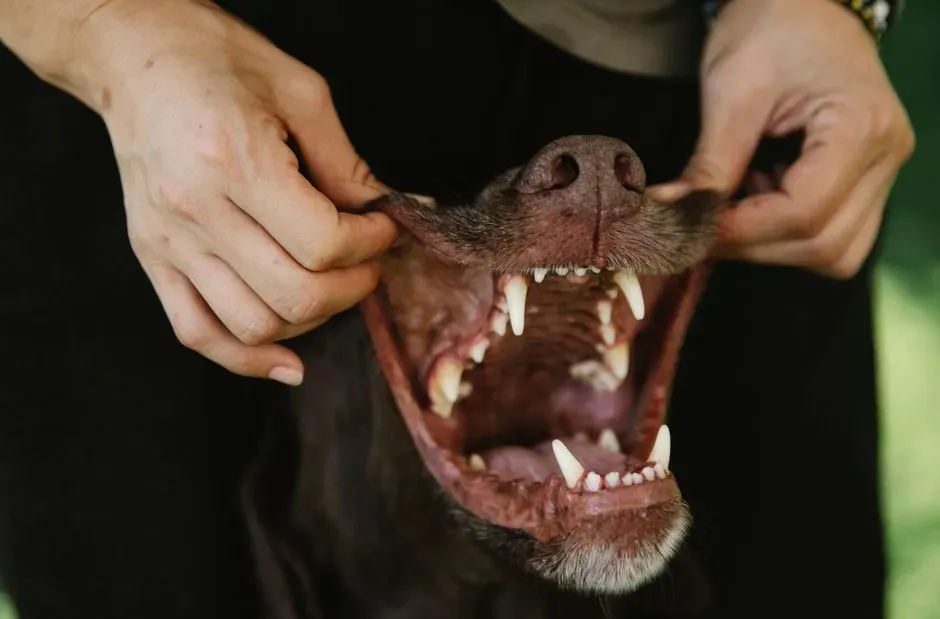
Plaque turns into tartar within days. But thick, layered calculus that’s hardened like cement doesn’t happen overnight – it’s the product of years of neglect, not a rough couple of months.
Even if a rescue starts brushing religiously the moment a dog comes home, the old tartar lines, bone loss, and gum recession already tell you how long things went untreated before that.
Warning signs vets look for:
- Dark, rock-hard deposits covering molars and premolars
- Gum recession exposing the roots underneath
- Loose or shifting teeth in a dog that’s supposedly young
These mouths say something blunt: nobody invested in this dog’s health for a long time. Buying treats isn’t the same as caring for teeth, and the difference eventually becomes impossible to hide.
#9 – Old Fights, Bad Falls, and “Mystery Injuries” Nobody Talked About

Not every broken tooth comes from an aggressive chew toy. Slab fractures on the big carnassial teeth, snapped canines, and oddly angled chips often point toward blunt trauma or an old bite wound instead.
When a tooth is broken close to the gumline or knocked slightly out of alignment, vets start asking harder questions – was there a fall, a kick, or a serious fight in this dog’s past?
Clues that raise suspicion include:
- One or two severely broken teeth in an otherwise healthy mouth
- Old fractures that have darkened or quietly abscessed over time
- Facial scars that line up with the damaged teeth
No vet can say with total certainty “this was a dog fight.” But the location, pattern, and surrounding tissue often tell a story that’s hard to argue with.
#10 – Toxic Exposures and Harsh Chemicals in the Background
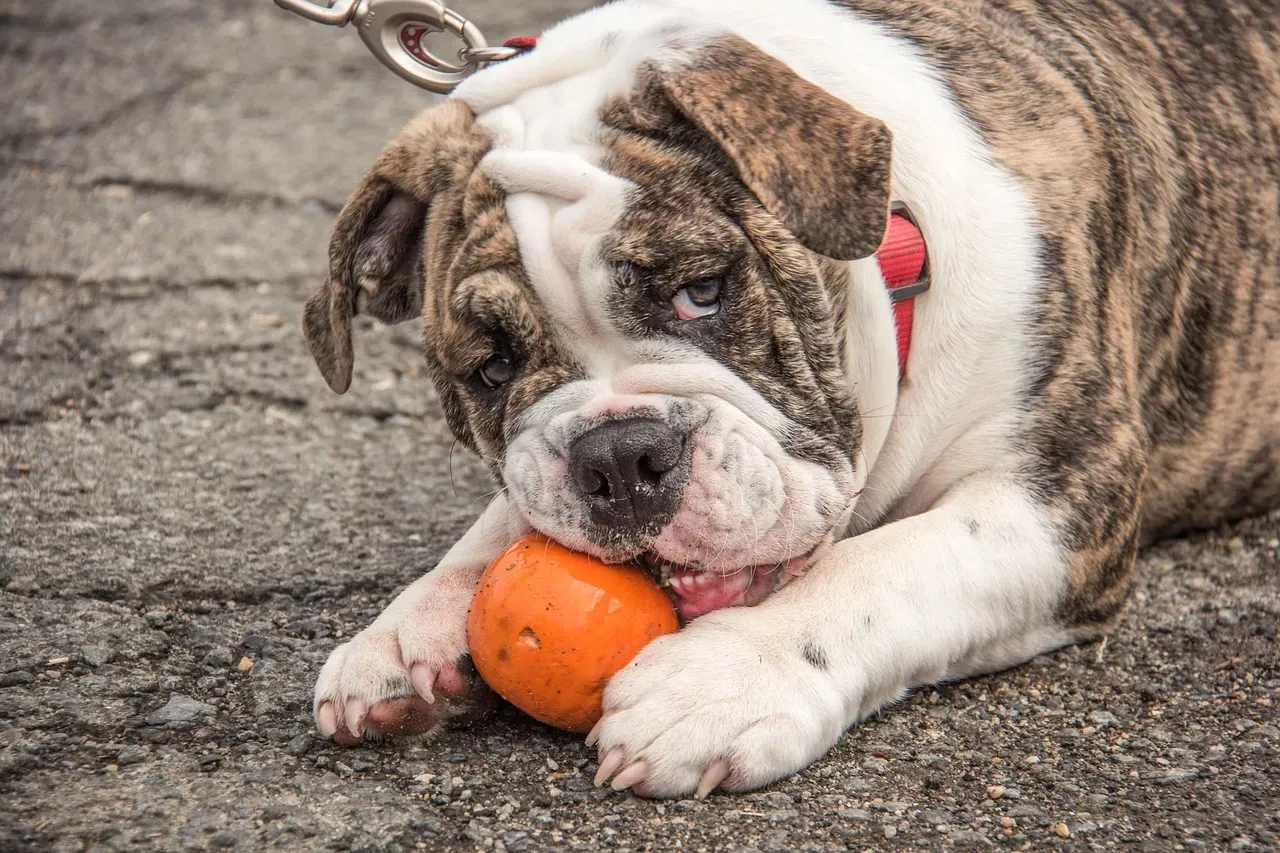
Teeth can’t run a lab test, but they can raise a serious flag. Unusual erosion, heavy discoloration, or severe gum burns sometimes point toward exposure to corrosive substances or long-term toxins.
Dogs kept in industrial yards, near harsh chemicals, or in filthy, poorly ventilated spaces sometimes lick and chew surfaces that slowly damage their mouths without anyone realizing it.
Possible warning signs:
- Localized erosion on the front teeth, almost like acid exposure
- Discoloration that doesn’t match age or diet
- Scarred or ulcerated gums mapping to a specific area
Combined with a rescue history involving labs, grow operations, or industrial lots, this kind of dental evidence often confirms what everyone already suspected – this dog’s mouth met something it was never supposed to.
#11 – Evidence of Working Life: From Police Dogs to Hunting Partners

Working dogs don’t use their mouths the way couch potatoes do, and their teeth show it. Bite-sport dogs, police K9s, and protection-trained animals often develop specific wear on their canines and incisors from years of hitting sleeves, tugs, and training equipment.
Hunting dogs pick up their own signature marks – extra staining and wear from carrying game, retrieving in rough terrain, or gnawing on tough training rewards.
Signs of a structured working life include:
- Slightly blunted but sturdy canines from repeated controlled biting
- Chips consistent with hard training surfaces or gear
- Fewer random, chaotic fractures thanks to closely managed toys
Compare that to backyard “guard dogs” left chained with nothing but boredom, and the difference is stark – chaotic chain-chewing and fence-biting damage instead of the disciplined wear of an actual working career.
#12 – Silent Clues About Underlying Medical Problems
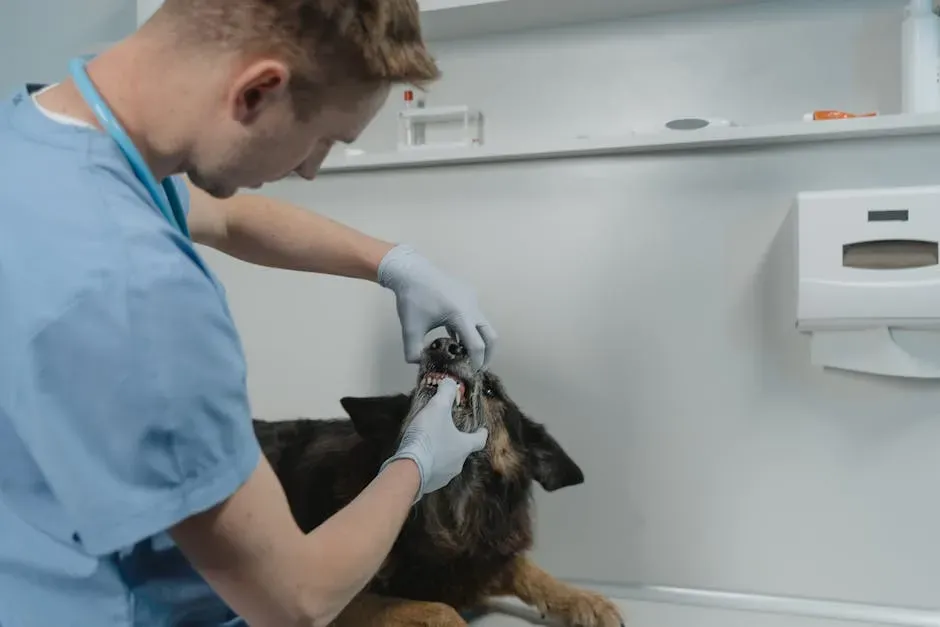
Sometimes the mouth starts screaming before the rest of the body admits anything is wrong. Endocrine disorders, autoimmune disease, and metabolic problems can quietly wreck oral health long before a formal diagnosis.
Dogs battling uncontrolled diabetes, Cushing’s disease, or immune-mediated conditions often develop unusually fast tartar buildup, stubborn gum inflammation, or wounds that simply refuse to heal on schedule.
At a Glance
- An estimated 80% of dogs show some sign of periodontal disease by age 3
- Untreated dental disease is linked to added strain on the heart, kidneys, and liver
- Routine dental checks can catch metabolic red flags months before bloodwork is ordered
Patterns that make vets suspicious include:
- Severe periodontal disease in a young dog with otherwise decent care
- Persistent mouth ulcers that don’t respond to routine treatment
- Excessive calculus despite a reasonable diet and hygiene routine
Teeth alone can’t diagnose diabetes or Cushing’s. But they’re frequently the first place the body raises its hand, and a sharp vet knows to order bloodwork the moment the mouth doesn’t match the story.
#13 – The Turning Point When Someone Finally Took Care of Them
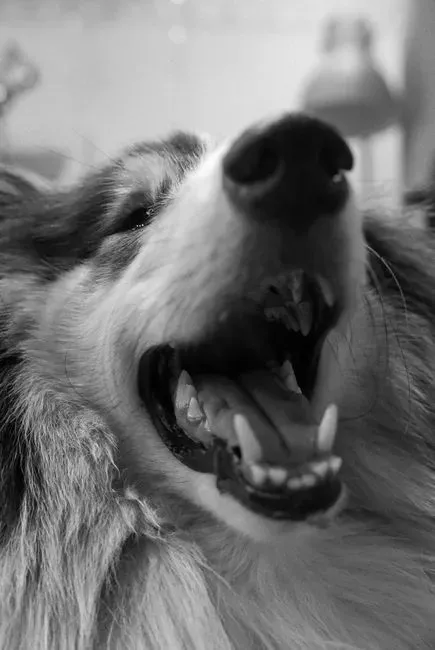
Enamel can’t regrow, but the contrast between neglect and real care shows up clearly anyway – in tartar patterns, gum health, and how the damage stops progressing.
A dog rescued at five years old with a mouth full of calculus might, two years later, show healthier gums, fewer new fractures, and noticeably slowed disease. It’s a visible line in the sand between the years nobody brushed and the years somebody finally tried.
Look for markers like:
- A clear “before and after” baseline following a professional cleaning
- Gumlines that stabilize instead of continuing to recede
- Fewer new chips as toys and habits improve
Even if the early chapters were rough, the teeth still record the turnaround. A sharp-eyed vet can often tell exactly which chapter of a dog’s life someone finally did right by them.
#14 – How Long They Might Have Left (And Whether the Clock Was Shortened)
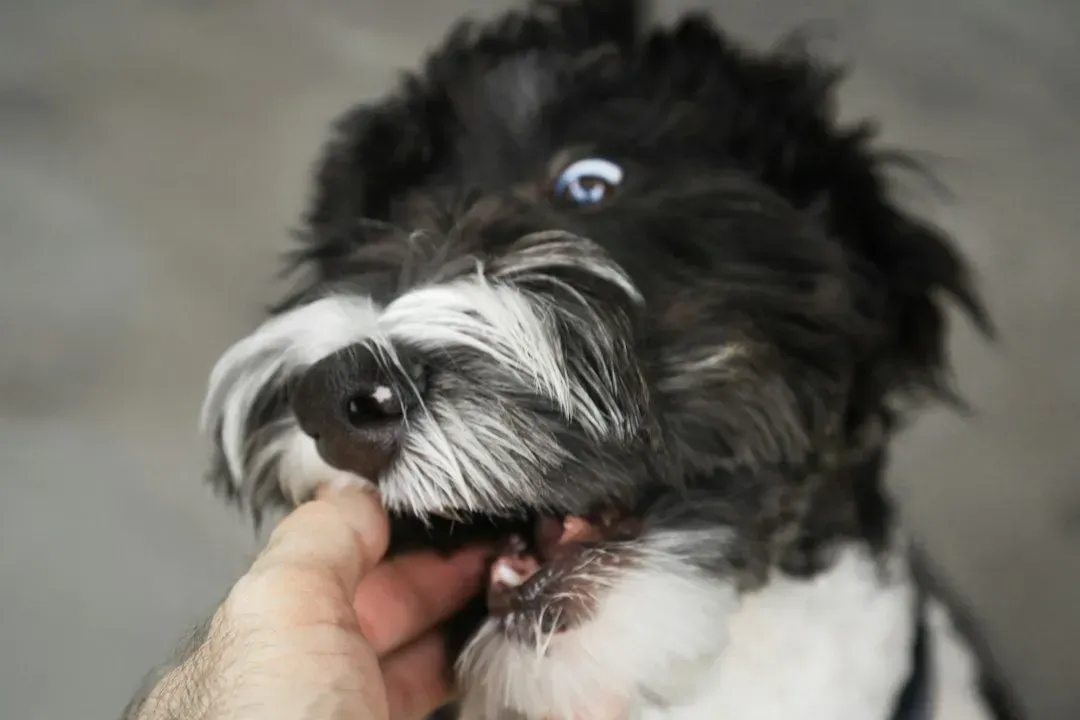
Severe dental disease was never just a bad-breath problem. Chronic infection, loose teeth, and bone loss are directly linked to stress on the heart, kidneys, and liver, and that stress can quietly shave real years off a dog’s life.
When a middle-aged dog already shows advanced periodontal disease, it usually means their internal clock has been ticking faster than it should for a while.
The uncomfortable reality includes:
- Dogs with untreated dental disease living with constant low-grade infection
- Oral bacteria repeatedly entering the bloodstream
- Dental pain quietly changing eating habits, mood, and quality of life
A mouth full of missing teeth, receded gums, and old untreated abscesses isn’t just unpleasant to look at. It’s proof that the body has been fighting a slow, daily battle for years – and that history matters enormously when you’re hoping for many more together.
The Bottom Line

Owners love to say “we’ll never really know what they went through before us.” Their dog’s teeth disagree. Enamel defects, fractures, tartar, wear patterns, and gum damage together form a brutally honest timeline of age, neglect, stress, illness, lifestyle, and even the breeding decisions made long before that dog ever met you.
They record early malnutrition, cage-chewing, street survival, and the exact moment someone finally paid for a real cleaning. If your dog’s teeth tell a rough story, that’s not cosmetic trivia – it’s health, history, and lifespan, all fused into one permanent record.
We’ve quietly normalized mouth problems in dogs to a degree that would be unacceptable in a human patient, and the teeth are the ones paying for that gap. So take a real look next time your dog yawns. What years might their mouth be recording that nobody ever wrote down?