
12 Things Your Dog Does When They Know Something’s Wrong With You
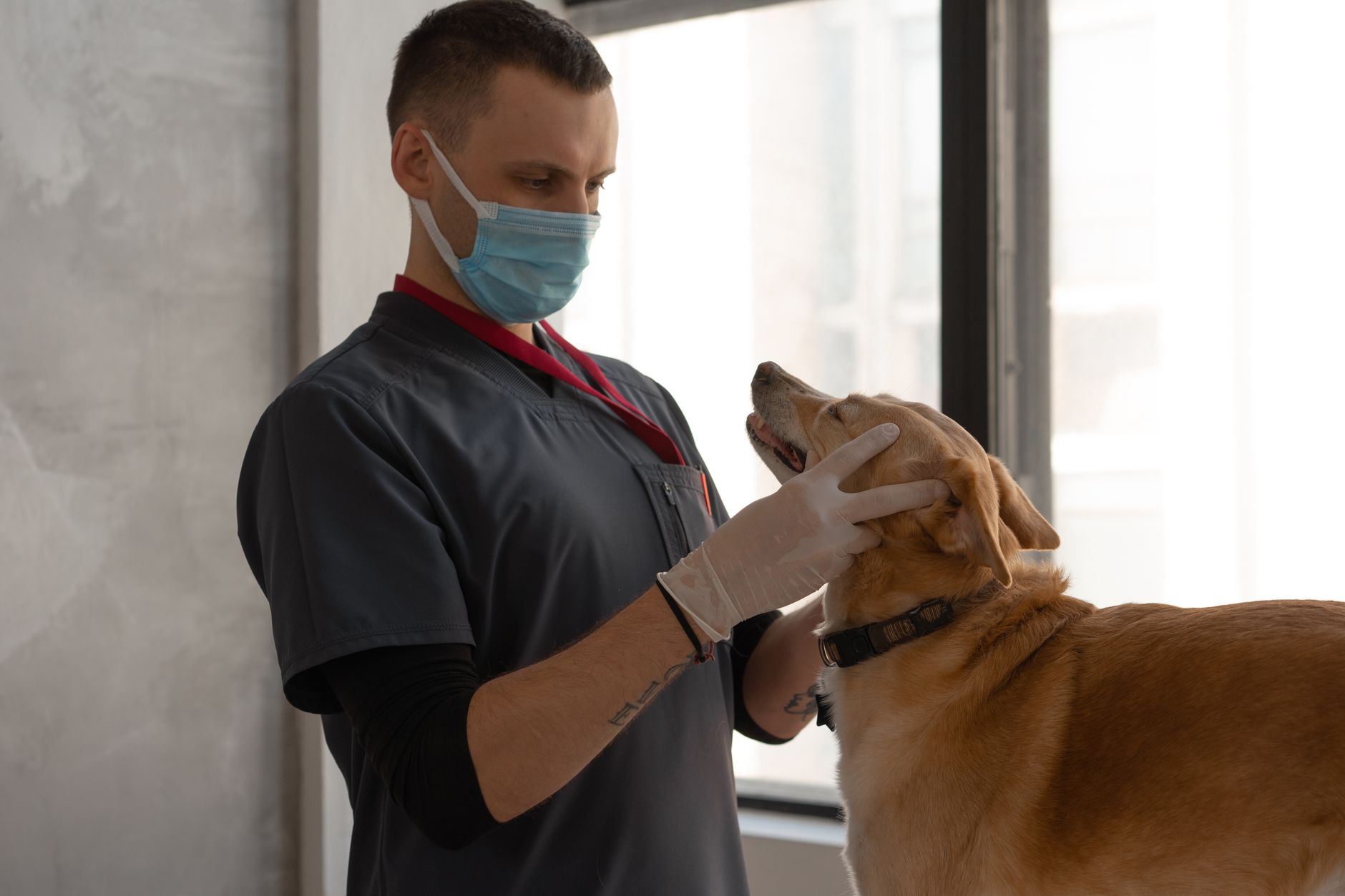
Stick with us to the end: one behavioral cue your vet watches for reveals what your dog understands about your health before you do.
Dogs read us in ways we’re only beginning to understand. Most people assume their pet is just being clingy or anxious when behavior shifts, but the truth is more specific than that.
What looks like random attention-seeking often follows a pattern tied to real changes in your body. Here’s what veterinarians and animal behaviorists actually observe when they study dogs who live with someone facing a health issue.
#12 — They Follow You Room to Room More Than Usual
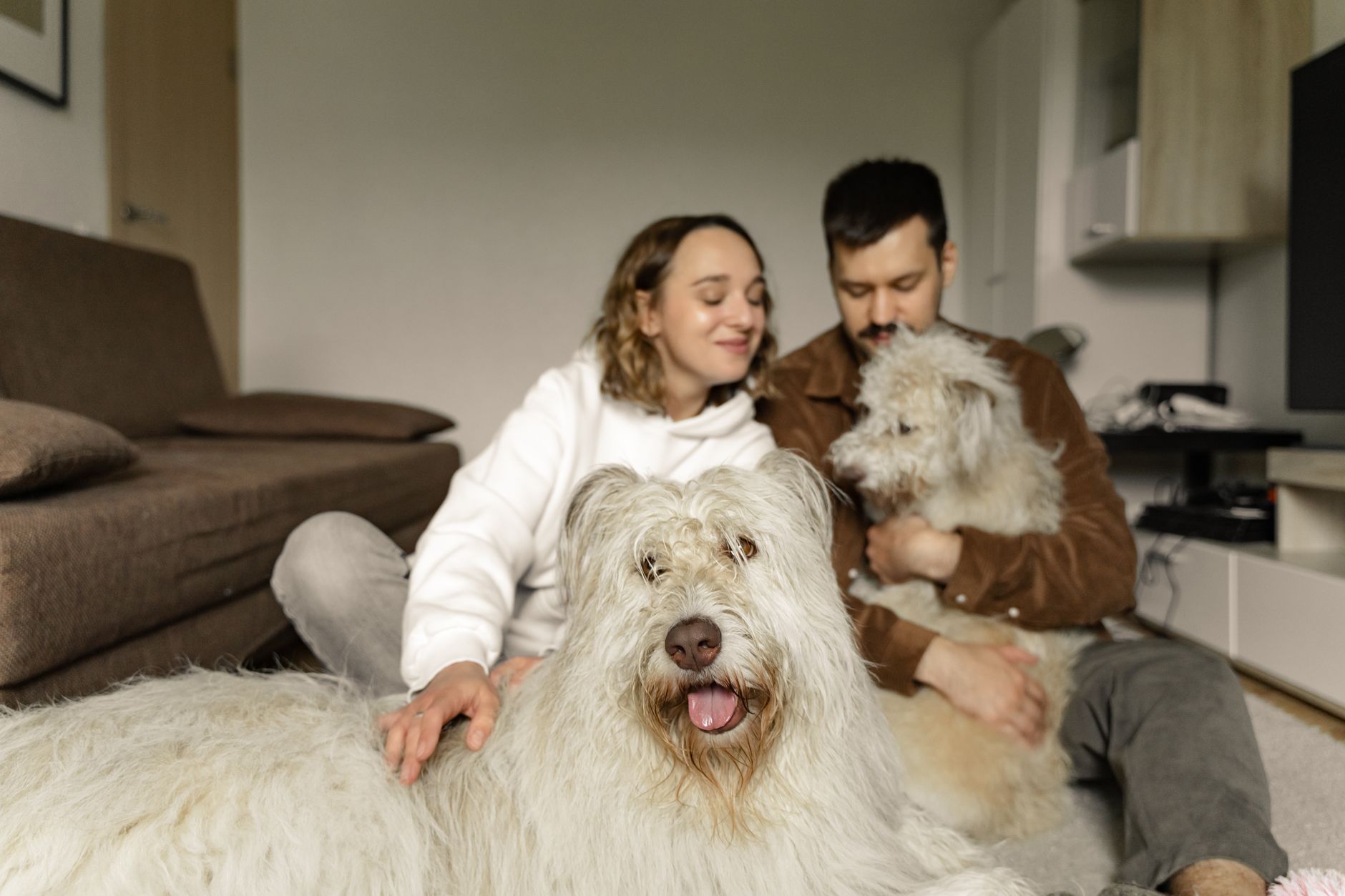
Your dog suddenly becomes your shadow, even during mundane tasks.
This proximity-seeking intensifies when dogs detect subtle changes in your routine or physical state. The behavior looks like separation anxiety, but it’s actually vigilance triggered by sensory information you’re not yet aware you’re broadcasting.
Dogs process scent and sound at levels far beyond human perception. A shift in your breathing pattern, body temperature, or even the chemical composition of your sweat registers as abnormal to them.
Veterinarians note this is often the first observable sign owners report before a medical diagnosis. The dog’s “clinginess” typically begins days or even weeks before the person notices symptoms, making it one of the earliest behavioral markers in the timeline.
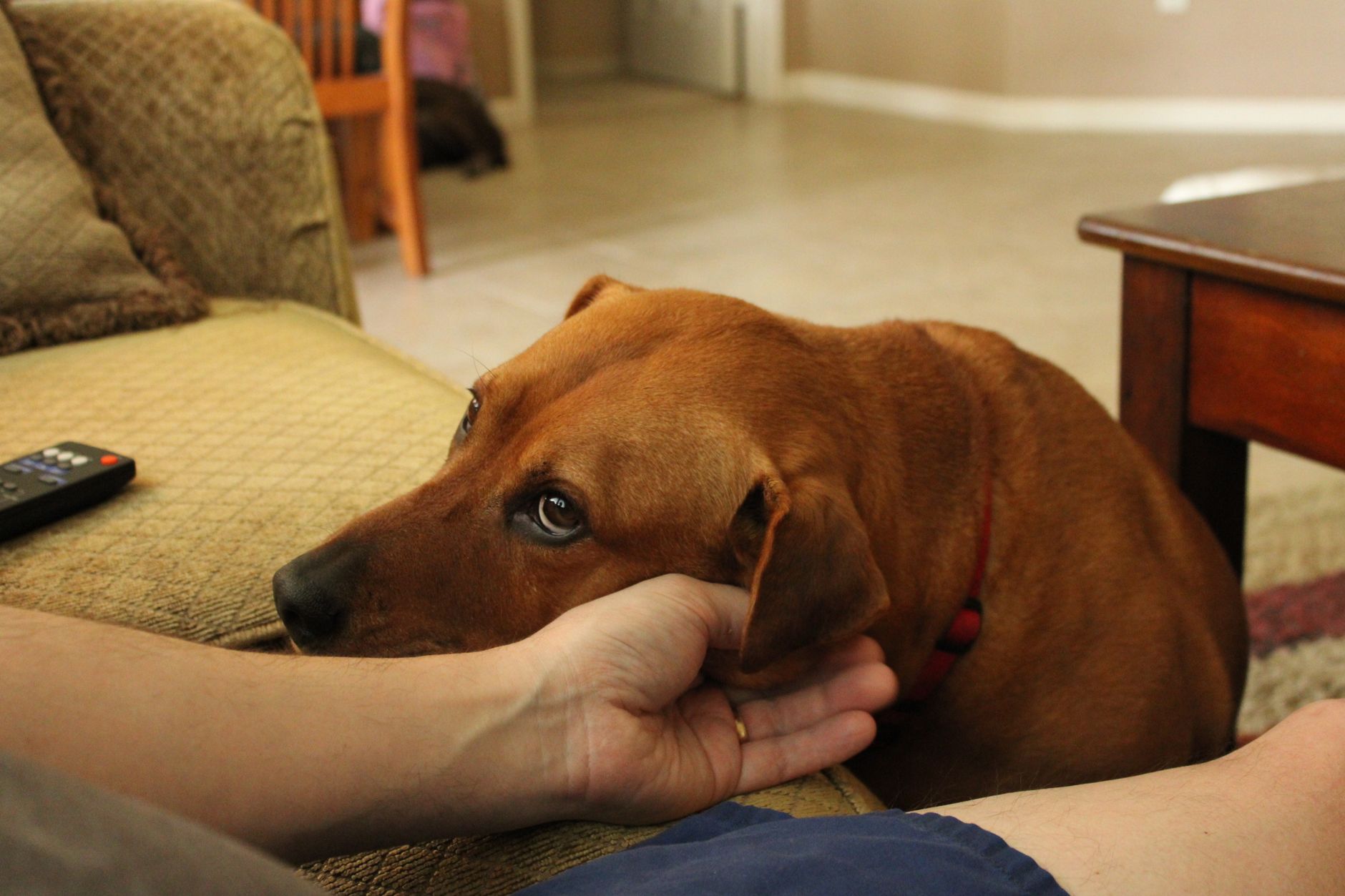
#11 — They Rest Their Head on a Specific Body Part
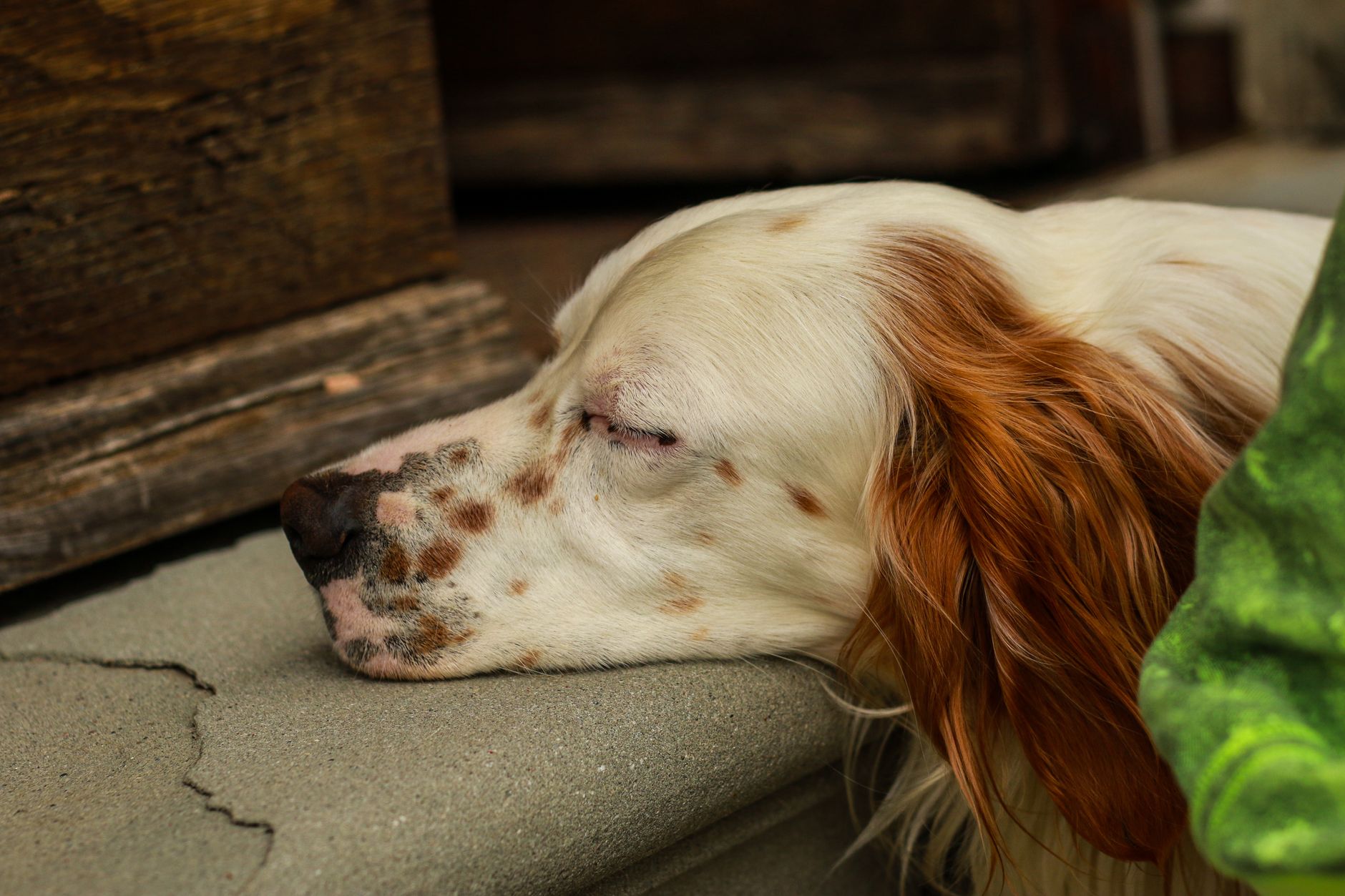
The placement isn’t random — they target one area repeatedly.
Dogs have been observed focusing physical contact on the exact site of tumors, infections, or inflammation. This localized attention appears linked to their ability to detect metabolic changes through scent receptors concentrated in their nose and vomeronasal organ.
The behavior differs from normal affection because it’s persistent and location-specific. A dog might rest their head on your abdomen, press against your chest, or paw repeatedly at your leg in the same spot across multiple days.
Case reports from oncology patients frequently describe this pattern appearing months before diagnosis. The dog returns to the same area during rest periods, often accompanied by unusual stillness or intense focus on that body region.
Most people dismiss the behavior as random affection until a diagnosis makes the pattern clear.
#10 — Their Sleep Schedule Shifts to Match Yours

They start sleeping when you sleep, even if it breaks their normal pattern.
Dogs adjust their rest cycles to monitor you more closely during vulnerable periods. A dog who normally naps mid-morning might suddenly stay awake until you go to bed, then sleep through their usual active hours.
This synchronization happens because dogs are social sleepers who use rest periods to stay near pack members they perceive as weakened or at risk. The shift isn’t about companionship — it’s about proximity during hours when you’re least able to respond to threats.
Behavioral studies show dogs exhibit this pattern most strongly with owners recovering from surgery or managing chronic conditions. The synchronization often continues for weeks, only reverting once the dog’s sensory cues indicate the person has stabilized.
#9 — They Refuse to Leave Your Side During Walks
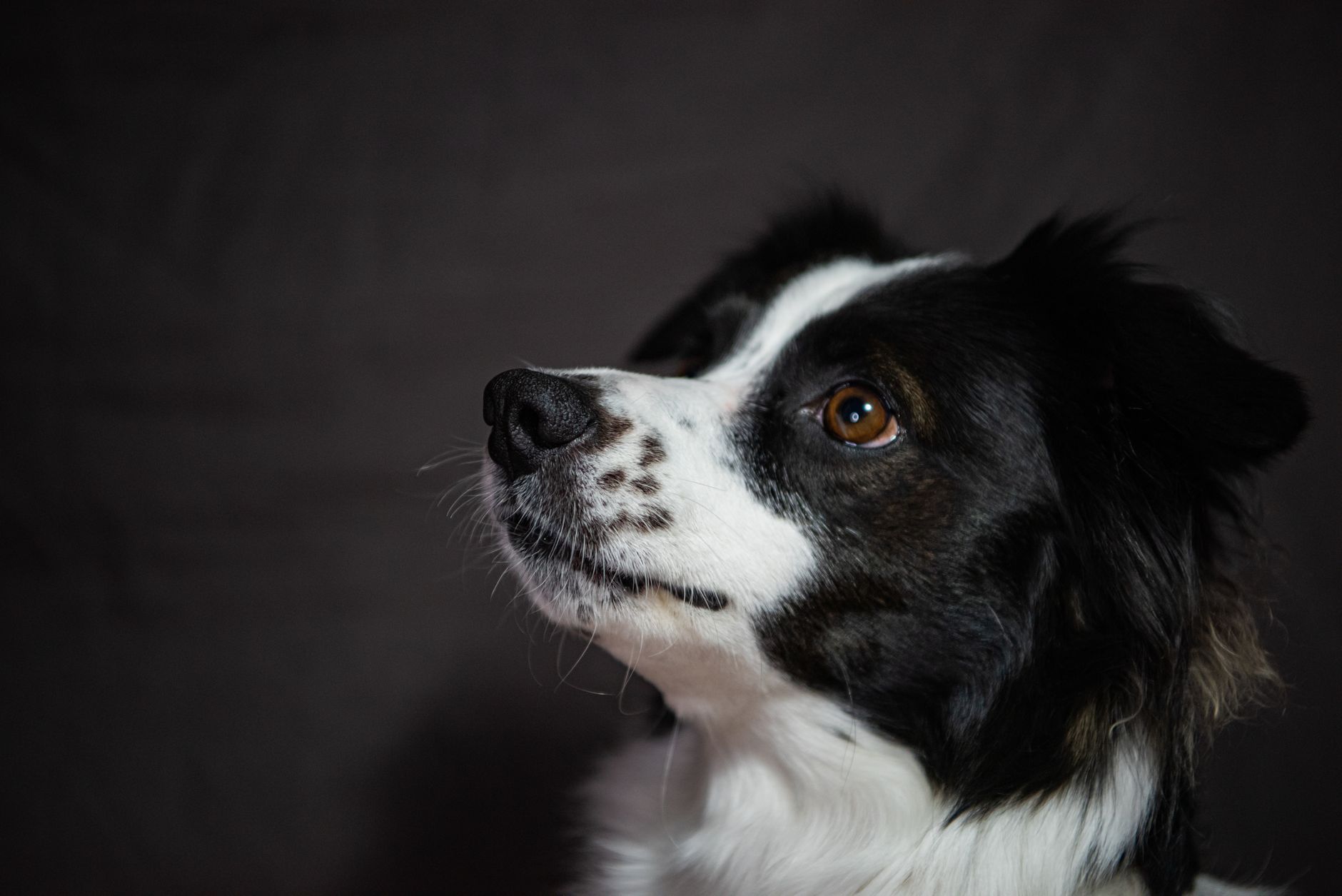
The usual pulling and exploring stops completely.
A dog who normally ranges ahead on walks suddenly stays within arm’s reach, checking back constantly. This tight proximity reflects a protective response to perceived vulnerability in their handler.
The mechanism involves the dog reading changes in your gait, pace, or balance that indicate physical compromise. Even minor shifts in how you distribute weight or the steadiness of your steps register as abnormal.
Professional dog trainers report this behavior most commonly appears when owners are managing inner ear issues, blood sugar fluctuations, or early-stage neurological changes. The dog treats the walk as a guarding task rather than exercise, refusing to create distance even when off-leash.
But #8 involves a behavior that surprises even experienced veterinarians…
#8 — They Bring You Toys Without Wanting to Play
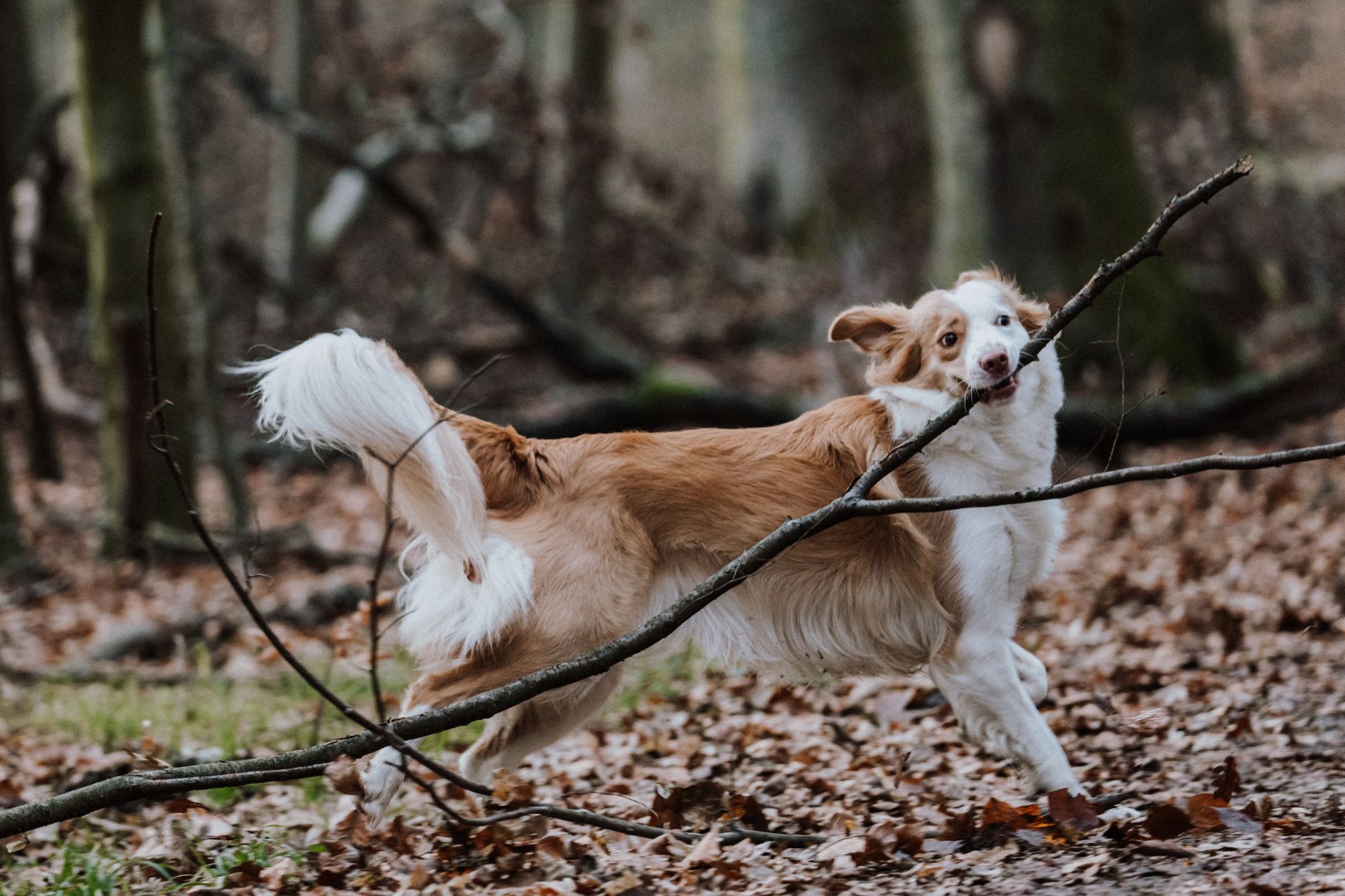
The delivery is gentle, and they walk away afterward.
This offering behavior is a stress-soothing ritual dogs perform when they detect distress in their pack. Unlike play initiation, the dog doesn’t bounce or wait for you to throw the toy — they simply present it and retreat.
Dogs engage in this behavior when they lack other tools to address what they perceive as a problem. The toy serves as a social gift meant to provide comfort, not entertainment.
Animal behaviorists compare this to the way wolves bring food to injured pack members. In the domestic setting, toys replace prey as the most valuable resource the dog can offer to someone they perceive as unwell.
Fast Facts

- Dogs can detect blood sugar changes 15–20 minutes before meters register them
- Scent training for medical alert takes 4–6 months but some dogs respond naturally
- The vomeronasal organ processes chemical signals human noses can’t detect
- Cardiac alert dogs respond to heart rate shifts as small as 10 beats per minute
#7 — They Stop Eating Their Meals Normally

Your dog becomes a picky eater or skips meals entirely.
Dogs experience sympathetic stress when their primary human shows signs of illness. This stress manifests as reduced appetite, even in food-motivated breeds who never refuse meals.
The mechanism is hormonal: cortisol levels in dogs rise in response to changes in their owner’s scent profile and behavior. Elevated cortisol suppresses appetite the same way it does in humans under acute stress.
Veterinary records show this pattern emerging most clearly in dogs whose owners are hospitalized or facing serious health events. The appetite suppression typically lasts 3–5 days, sometimes longer if the dog remains separated from their person or if the person’s condition doesn’t improve.
#6 — They Watch You Constantly, Even While Lying Down

Their head stays up and their eyes track your every movement.
This sustained visual monitoring indicates the dog has identified you as requiring observation. The behavior differs from normal attention because it’s uninterrupted and continues even during the dog’s usual rest periods.
Dogs who monitor this way are checking for behavioral cues that might indicate worsening condition or need for intervention. They’re looking for changes in posture, facial expression, movement speed, and activity patterns.
Service dog trainers specifically teach medical alert dogs to maintain this visual check-in behavior when their handler’s biometrics indicate instability. Untrained dogs display the same pattern instinctively when sensory input suggests their owner’s baseline has shifted, often maintaining the watch for hours without breaking focus.
#5 — They React to You Before You Feel Symptoms
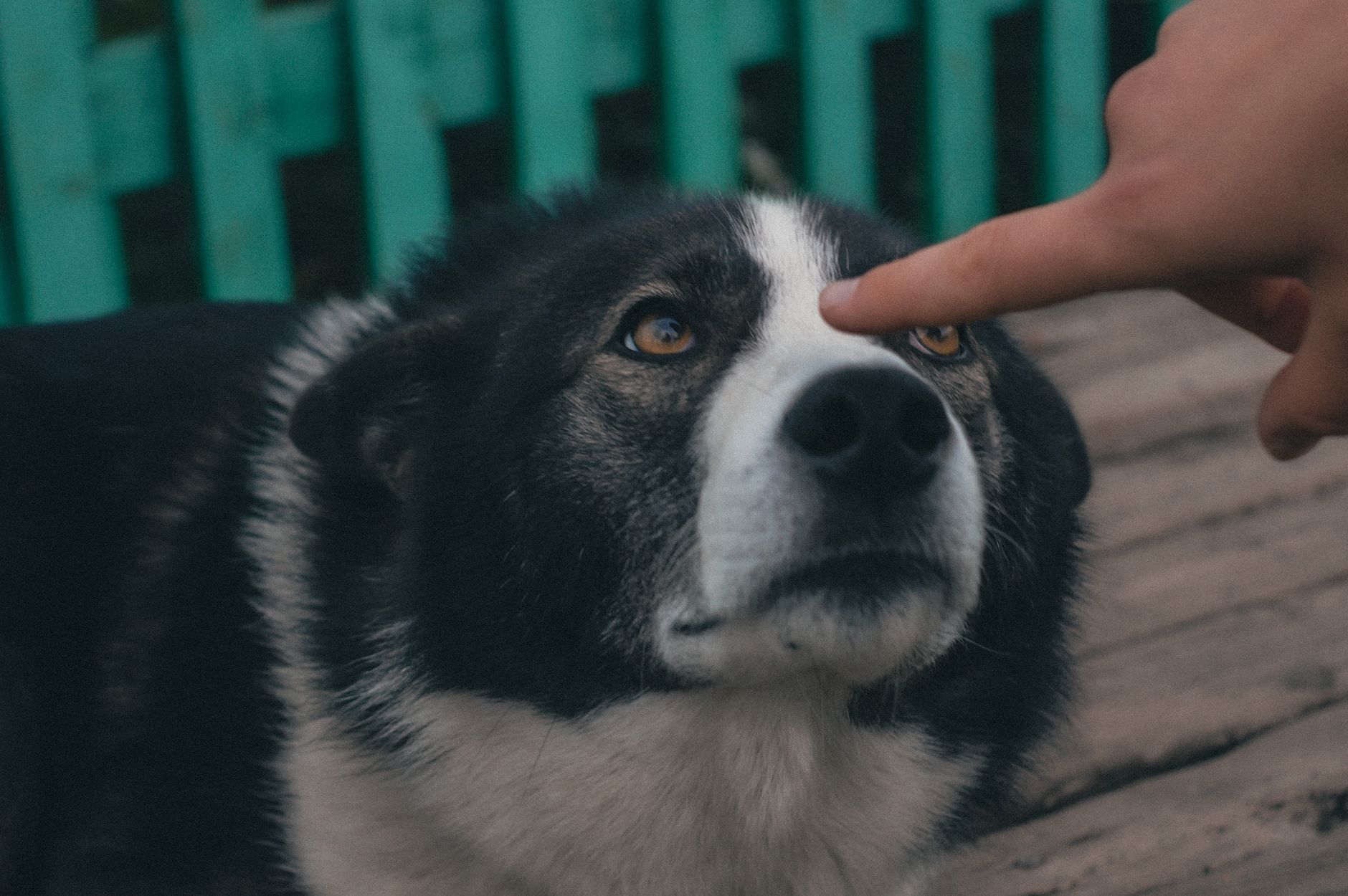
The dog becomes agitated minutes before you notice anything wrong.
Dogs trained for seizure or cardiac alert demonstrate this forecasting ability reliably, but untrained dogs show the same pattern with less consistency. The advance warning comes from their ability to detect chemical or electrical changes in your body before those changes produce sensible symptoms.
The dog might pace, whine, paw at you, or try to lead you to sit down — all before you feel dizzy, short of breath, or otherwise symptomatic. The lead time ranges from 3 to 45 minutes depending on the condition.
Diabetic alert dogs respond to shifts in blood chemistry visible through breath and skin. Cardiac alert dogs respond to blood pressure and heart rhythm changes. The mechanisms differ, but the behavioral output looks similar: targeted alerting behavior that precedes conscious symptom awareness.
But #4 reveals the single most reliable indicator veterinarians trust…
#4 — They Press Against You During Stressful Moments
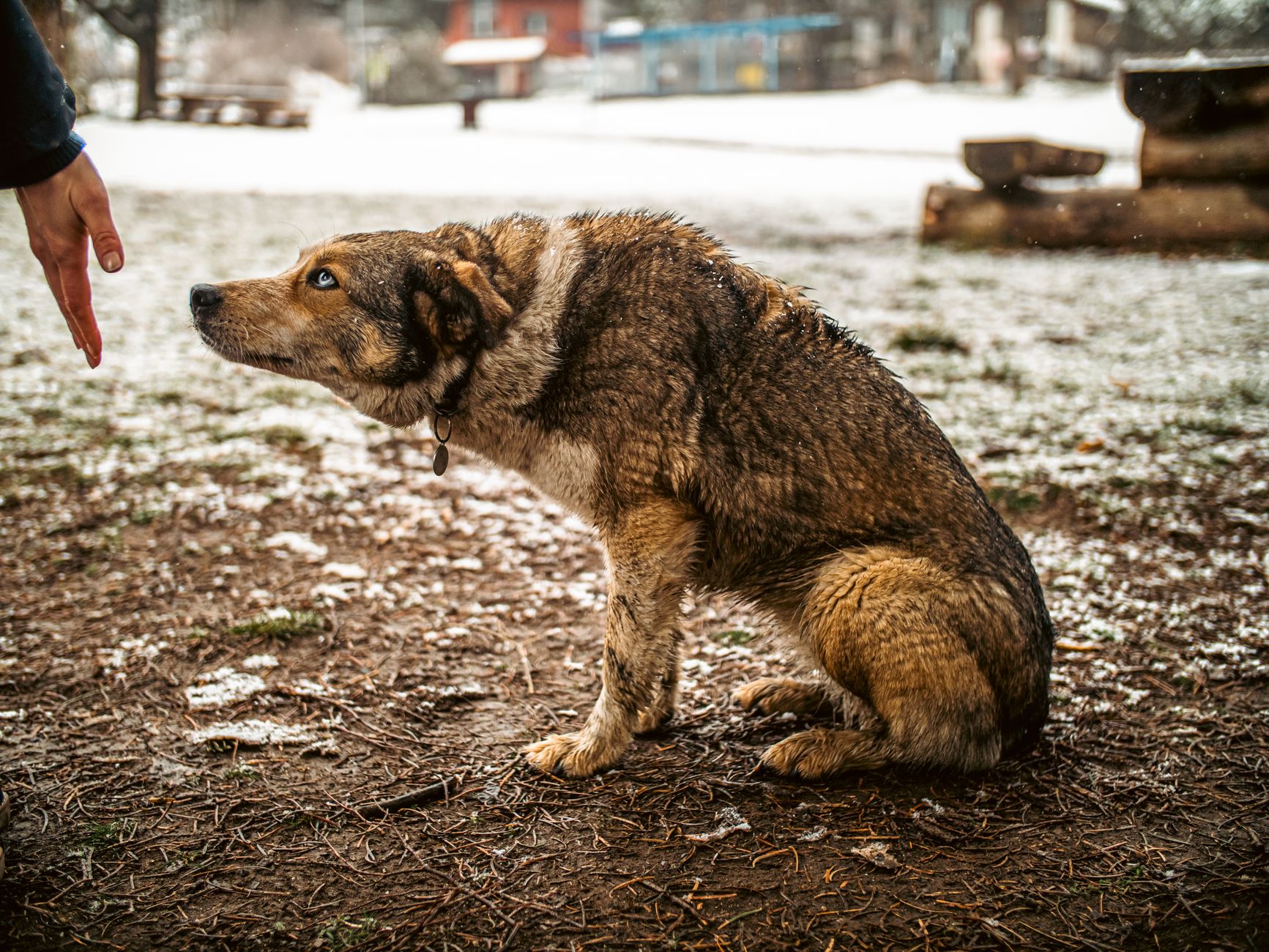
The pressure is firm, sustained, and happens during specific situations.
This deep pressure contact is a calming behavior dogs use to regulate both their own stress and yours. The sustained physical contact helps lower cortisol and heart rate in both species through a mechanism similar to therapeutic touch.
Dogs apply this pressure most often during moments when your stress response is visible to them: elevated heart rate, rapid breathing, or tense body language. The pressure isn’t cuddling — it’s a deliberate intervention.
Therapy dog programs train this behavior as a formal task for people with PTSD, anxiety disorders, and cardiac conditions. Dogs living with owners who have these conditions often develop the behavior spontaneously, applying pressure during panic attacks, flashbacks, or arrhythmia episodes even without explicit training.
Worth Knowing

- Pressure therapy works best when applied to torso or upper legs
- The calming effect appears within 30–90 seconds of sustained contact
- Dogs naturally weight their pressure between 15–40 pounds depending on their size
- The behavior becomes more refined with repetition as the dog learns your specific cues
#3 — They Refuse Commands They Normally Obey
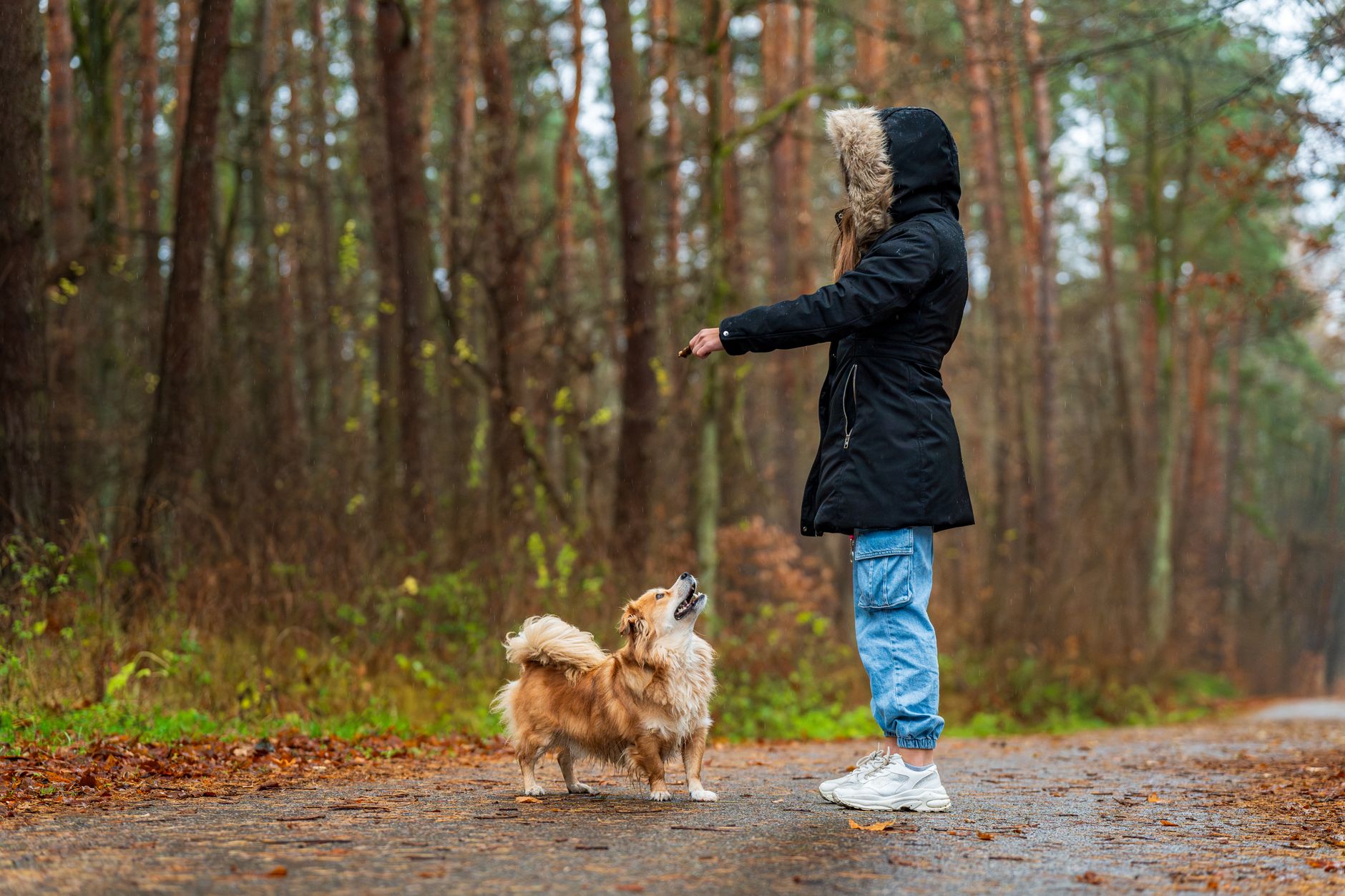
Your well-trained dog suddenly ignores cues they’ve known for years.
This disobedience is actually judgment override — the dog prioritizes your safety over your instruction. Service dogs are trained to refuse commands that would put their handler at risk, and pet dogs display the same assessment spontaneously.
The most common scenario involves the dog refusing to leave your side when commanded to go to their crate, move to another room, or walk ahead. The dog has determined that distance is dangerous given your current state.
Trainer case files document dogs refusing to retrieve objects, declining to jump into cars, or sitting down mid-walk despite repeated commands. In follow-up interviews after the owner’s medical episode, the timing of the refusal consistently aligns with the pre-symptom window when the dog detected instability the person hadn’t yet felt.
#2 — They Seek Physical Contact During Your Sleep
They position themselves to maintain body contact all night.
Dogs who normally sleep at the foot of the bed or in their own space suddenly press against your torso, leg, or back. This overnight contact serves as continuous monitoring, allowing the dog to detect changes in breathing, heart rate, and body temperature through direct physical connection.
The behavior is most pronounced in dogs whose owners have sleep apnea, nocturnal seizures, or cardiac arrhythmias. The dog isn’t seeking comfort — they’re maintaining a sensory link to your vital signs.
Sleep studies involving medical alert dogs show they respond to breathing interruptions within 8–12 seconds of onset, often before oxygen saturation drops to concerning levels. Pet dogs display less consistency but follow the same pattern, waking or changing position in response to physiological changes they detect through sustained contact during sleep.
The overnight monitoring often exhausts the dog, leading to increased daytime sleep to compensate.
#1 — They Make Direct Eye Contact and Hold It

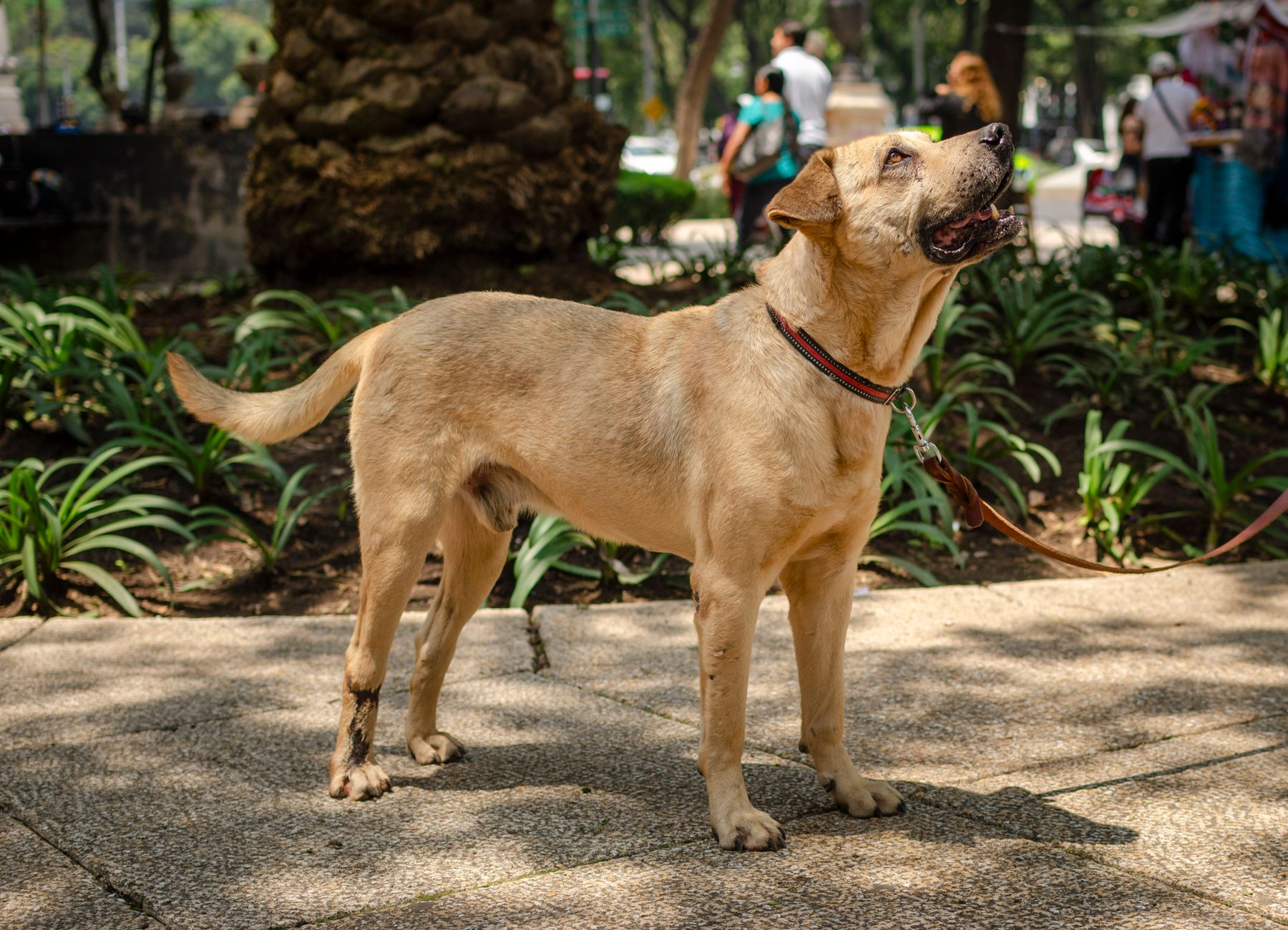
The gaze is steady, unblinking, and lasts longer than social looking.
This sustained eye contact is a deliberate communication attempt — the dog is trying to convey urgency or draw your attention to their concern. While prolonged staring can signal aggression between dogs, the same behavior directed at humans carries different meaning within established bonds.
The dog holds the gaze without breaking away or showing appeasement signals like lip-licking or head-turning. They’re attempting to alert you to something they’ve detected that you haven’t acknowledged.
Neurological research shows this eye contact triggers oxytocin release in both species, strengthening the social bond during stressful periods. Dogs seem to understand that humans rely heavily on eye contact for communication, and they deploy this tool specifically when other alerting behaviors haven’t produced a response from their person.
Why It Stands Out
- The behavior combines visual alerting with emotional bonding
- It requires the dog to override natural canine eye-contact discomfort
- Most owners remember this specific behavior when recounting their dog’s response to their illness
- The eye contact often precedes other alerting behaviors by several minutes
The Bottom Line

Dogs process more information about your health than most people realize. The behaviors listed here reflect genuine sensory detection, not coincidence or anthropomorphized emotion.
What looks like anxiety or neediness is often your dog responding to biological signals your conscious mind hasn’t registered yet.
The most striking finding across veterinary and behavioral research is how consistently these patterns appear across breeds, training levels, and living situations. Dogs who’ve never been taught medical alert work display the same core behaviors as trained service animals when their owner’s health changes.
Has your dog ever acted strangely before you realized you were sick, or do you think people read too much into normal pet behavior?
Bonus — The One Question Your Vet Asks That Changes Everything

Veterinarians trained in behavioral medicine ask one specific question when evaluating unexplained symptoms in dogs: “Has anything changed in your household or your own health recently?”
The question recognizes that dogs often display stress behaviors in response to their owner’s medical issues rather than their own. A dog presenting with appetite loss, sleep disruption, or anxiety may be reacting to undiagnosed illness in their human rather than suffering from a primary canine condition.
Here’s what to track if your dog’s behavior shifts:
- Log when the behavior changes occur and what you were doing at the time
- Note whether the dog focuses on a specific body area when making contact
- Track your own physical symptoms, even minor ones, during the same period
- Document whether multiple behaviors from this list appear together
Bringing this information to your veterinarian — or your own doctor — creates a more complete diagnostic picture. The behavioral pattern your dog displays might be the earliest objective evidence that something has shifted in your health, often appearing before lab work or imaging would show changes.
READER QUIZ
[What Your Dog Knows About Your Health]
How far in advance can dogs detect blood sugar changes before medical devices register them?
- 1–3 minutes
- 5–10 minutes
- 15–20 minutes
- 30–45 minutes
What does it mean when a dog brings you toys but doesn’t want to play?
- The dog is bored and seeking attention
- It’s a stress-soothing ritual to comfort you
- The dog wants to trade the toy for food
- It’s random behavior with no specific meaning
Why do dogs refuse commands they normally obey when you’re unwell?
- They’re being stubborn or poorly trained
- They’re testing boundaries during stress
- They prioritize your safety over your instruction
- They forget training when anxious
What does sustained eye contact from your dog typically signal?
- Aggression or dominance challenge
- A deliberate attempt to communicate urgency
- Simple affection or bonding
- Confusion about what you want
How long does the typical appetite suppression last when a dog is stressed by their owner’s health changes?
- 1–2 days
- 3–5 days
- 1–2 weeks
- It’s permanent until the owner recovers
[Has your dog ever seemed to know you were sick before you felt seriously ill?]
- Yes, their behavior changed days before I realized something was wrong
- Maybe, but I thought they were just being clingy or anxious
- No, I haven’t noticed this pattern with my dog