
13 Dog Behaviours That Look Like Bad Manners but Aren’t
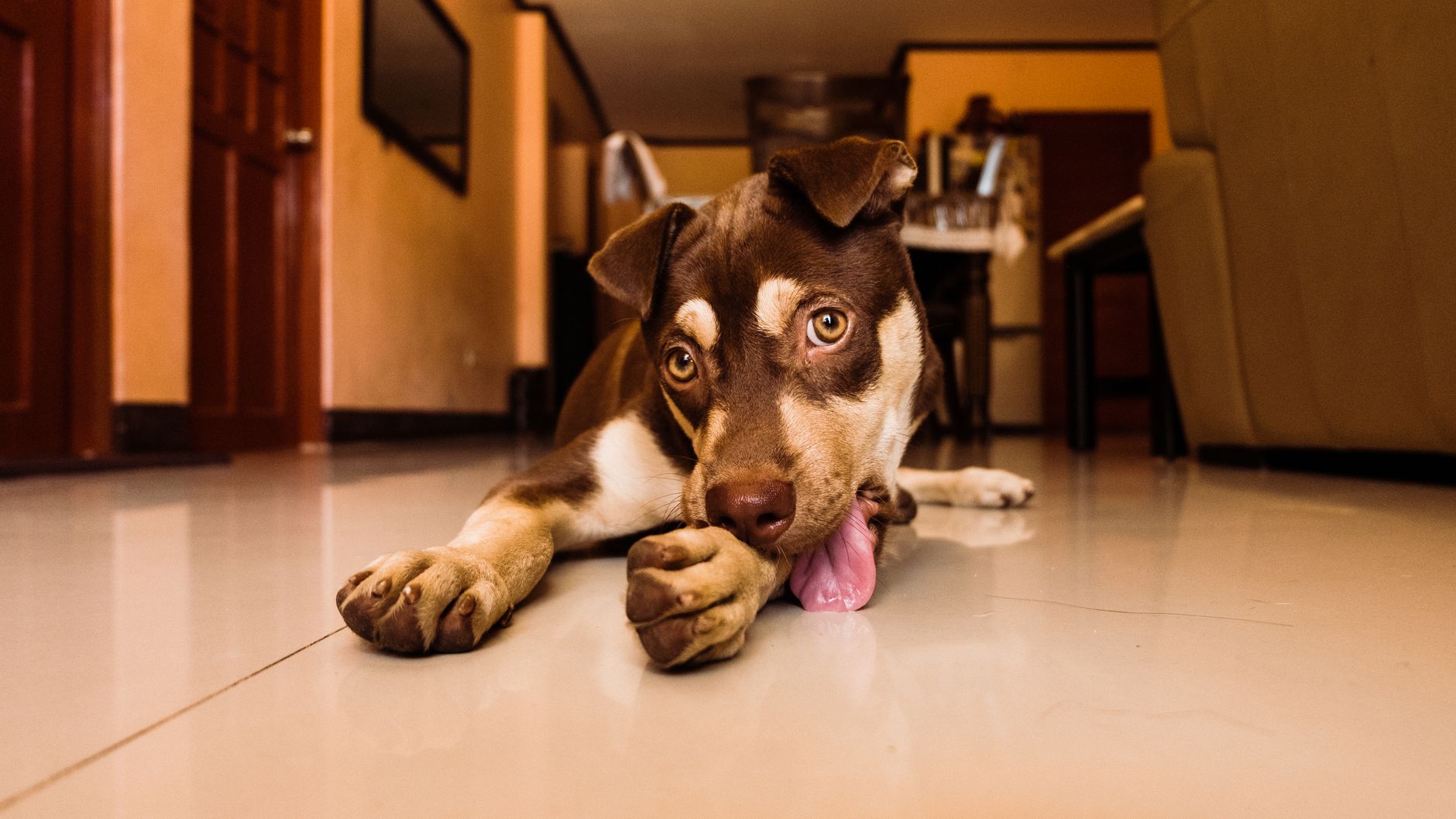
Stick with us to the end: one simple habit transforms what looks like misbehaviour into a health checkup you can do at home.
Dogs don’t follow human etiquette, and that’s exactly as it should be. What looks rude to us is often completely normal canine communication—or a sign they’re doing exactly what their instincts tell them to do.
The behaviours on this list aren’t defiance or poor training. They’re hardwired responses, sensory checks, and social signals that make perfect sense once you know what’s actually happening.
Here’s what the data actually says.
#13 — Sniffing Other Dogs’ Rear Ends Immediately
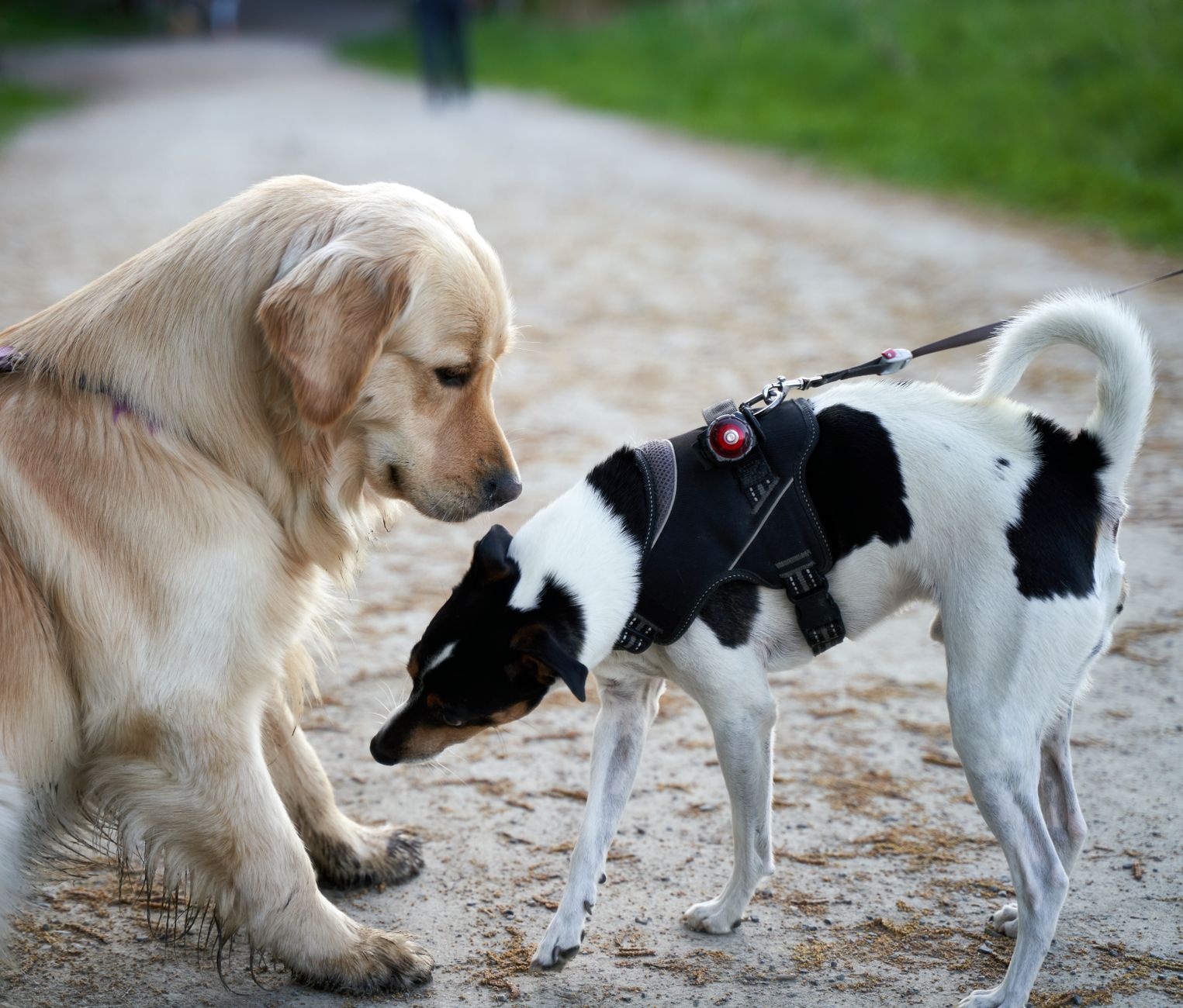
It’s the first thing they do, and it feels mortifying.
But dogs gather more information in three seconds of rear-sniffing than we get from a ten-minute conversation. Scent glands near the anus release a chemical signature that tells age, health status, diet, and even emotional state.
This isn’t rudeness—it’s data collection. Dogs rely on scent the way we rely on facial recognition, and the anal region produces the richest scent profile available.
Most veterinarians can tell a dog’s stress level by how eagerly they engage in this greeting ritual. A dog who skips it entirely may be anxious, unwell, or poorly socialized—not polite.
#12 — Ignoring You When You Call Their Name
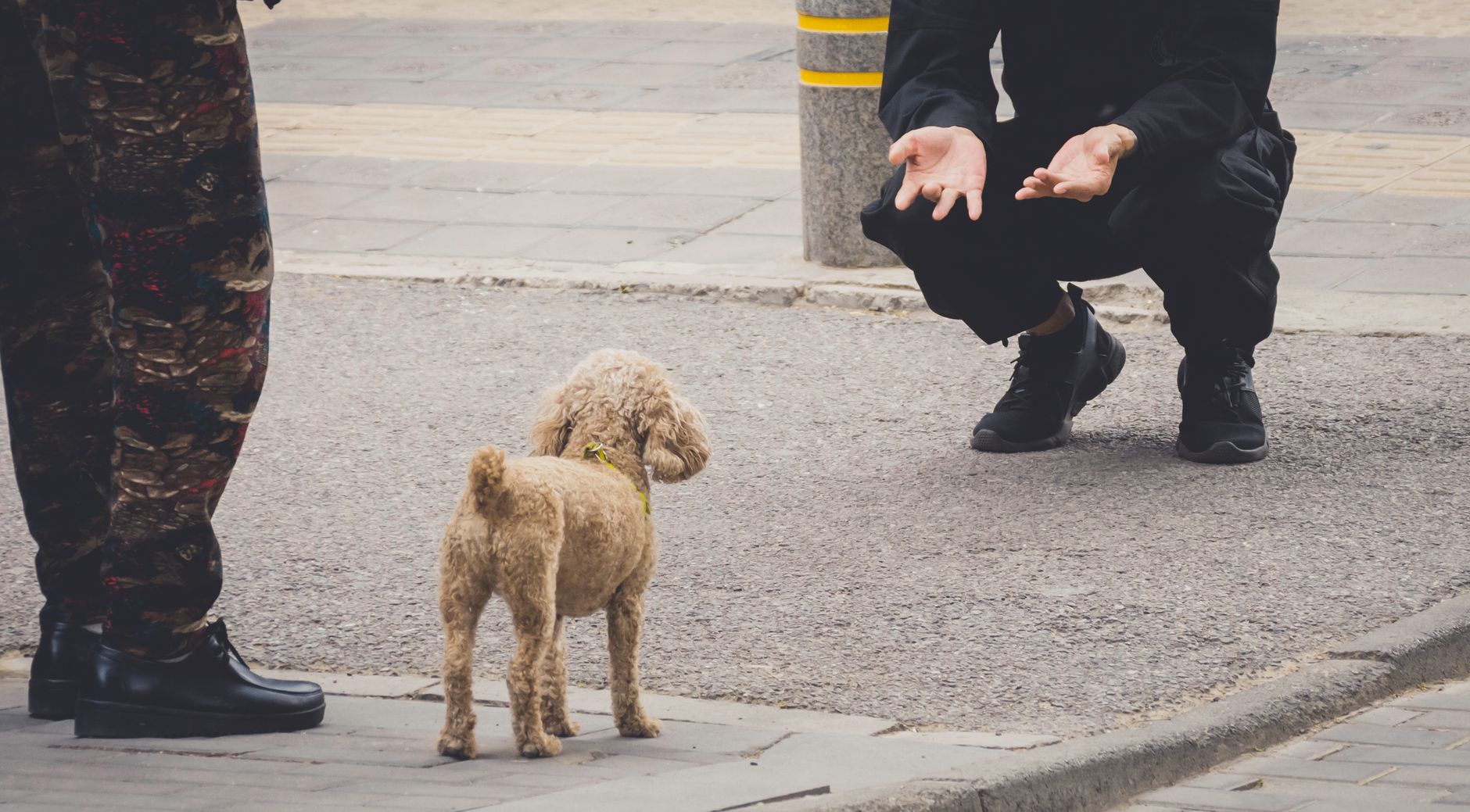
Your dog hears you perfectly well.
Selective hearing in dogs isn’t defiance—it’s a cost-benefit calculation their brain makes in under half a second. If the reward for coming is lower than the value of what they’re currently doing, they won’t move.
Dogs don’t experience guilt the way humans do, so “ignoring” you doesn’t carry the social weight we assign to it. Their brain is simply prioritizing a stronger motivator: a scent trail, another dog, or a visible squirrel.
Professional trainers know that a dog who ignores a recall command hasn’t forgotten the command. They’ve learned that compliance is optional because the history of rewards hasn’t been strong or consistent enough.
#11 — Jumping Up on Visitors at the Door
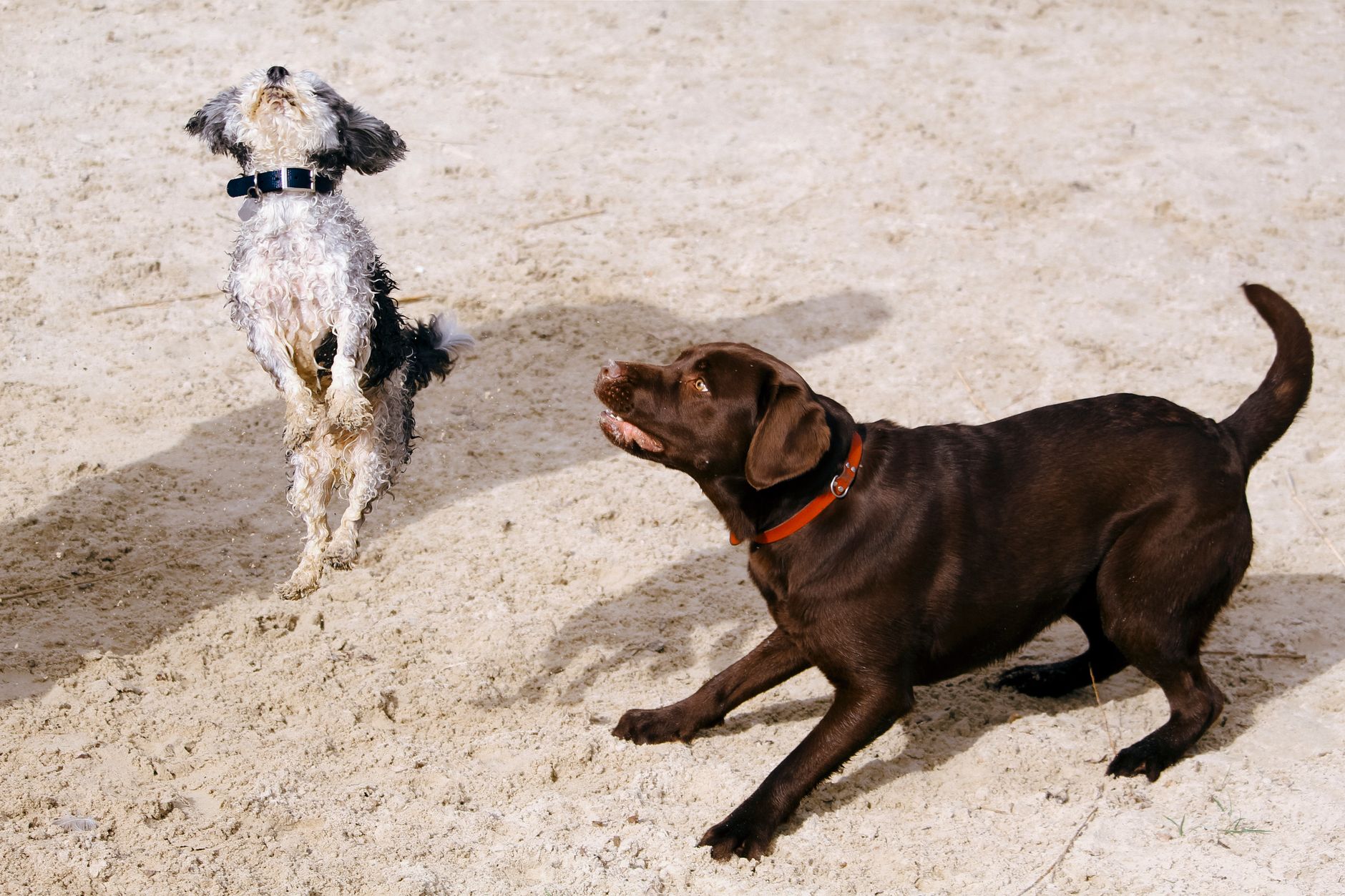
It looks like bad manners, but it’s actually a greeting meant for faces.
Jumping up is a holdover from puppyhood, when dogs licked their mother’s mouth to trigger regurgitation of food. Adult dogs retain the instinct to greet faces, and since human faces are five feet off the ground, they jump.
The behaviour persists because it usually works. Even negative attention—pushing, yelling, or knee-blocking—registers as engagement, which is exactly what the dog wanted.
Veterinary behaviourists point out that punishment after the jump has already happened doesn’t reduce the behaviour. The reward cycle completed the moment the visitor made eye contact.
But #10 reveals a habit that genuinely surprises first-time owners…
#10 — Eating Grass and Then Vomiting
It’s deliberate, not accidental.
Quick Compare
- Wild canids eat grass routinely—wolves, coyotes, and foxes all do it
- Roughly 80% of dogs eat grass at some point in their lives
- Only about 25% vomit afterward
- Most show no signs of illness before or after
Dogs eat grass to clear their digestive tract, add fiber, or settle mild nausea—not because they’re sick. The vomiting, when it happens, is usually the goal, not a side effect.
Grass blades irritate the stomach lining just enough to trigger regurgitation, which helps expel anything causing discomfort higher up in the digestive system. It’s self-medication, not confusion about what food is.
Most veterinarians only worry if the grass-eating becomes obsessive or if the dog is also lethargic and refusing meals. Occasional grazing, even with vomiting, is considered normal canine behaviour.
#9 — Rolling in Dead Animals or Feces
The smell is unbearable to us, but it’s irresistible to them.
Rolling in carrion or feces is scent-masking behaviour inherited from wild ancestors who needed to hide their own smell while hunting. Covering themselves in the scent of decay made them less detectable to prey.
Modern dogs don’t hunt for survival, but the instinct remains intact. The more pungent the source, the more attractive it is—rotting fish, deer carcasses, and fox scat rank highest.
Some animal behaviourists also believe the behaviour serves a social function: dogs may roll in novel scents to “bring back” information to their pack. Either way, it’s biology, not rebellion.
#8 — Refusing to Walk Past a Certain Spot
They’re not being stubborn—they’re reacting to something you can’t detect.
A dog’s hearing range extends to 65,000 Hz, while humans top out around 20,000 Hz, meaning they perceive sounds we have no access to. An underground pipe vibration, an electrical hum, or an ultrasonic pest deterrent can all create an invisible barrier.
Scent also plays a role. A spot where another dog was attacked, where a predator marked territory, or where something died can carry a chemical warning that lingers for weeks.
Forcing a dog past a spot they’re refusing usually increases their anxiety and makes the avoidance stronger next time. Trainers recommend changing your route and noting whether the refusal happens at other locations.
What looks like defiance is often your dog protecting themselves from something real.
#7 — Stealing Food Off the Counter
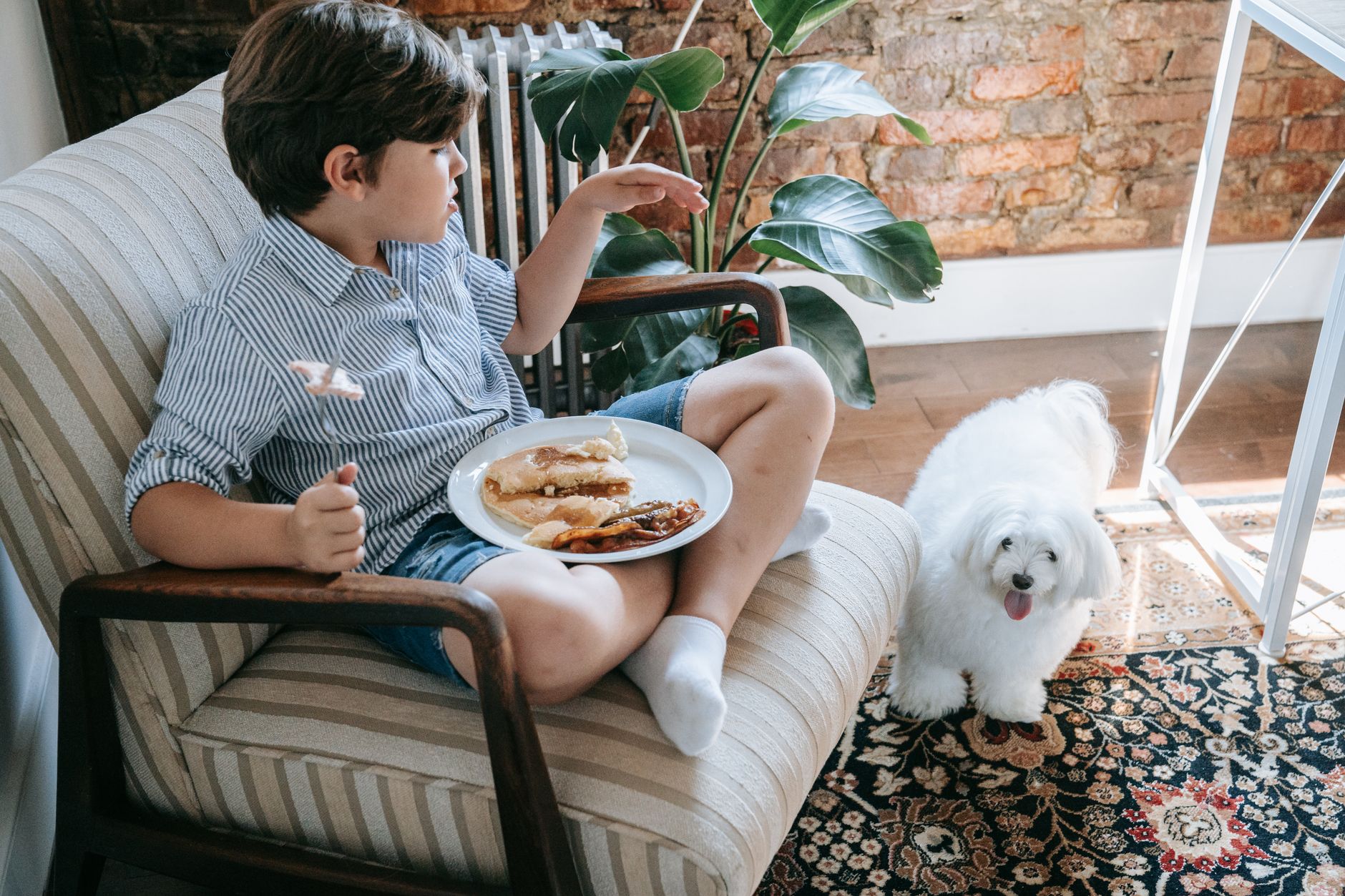
It’s not a moral failing—it’s an evolutionary jackpot.
Counter-surfing succeeds because it’s self-rewarding: the food is the reinforcement, and it happens immediately, which is exactly the timing required to hardwire a behaviour. No human intervention is required to make the behaviour stronger.
In the wild, scavenging is a survival skill. Canids who passed up easy calories didn’t out-compete those who took them, so dogs are genetically primed to take food when it’s accessible.
Professional dog trainers know that punishing a dog after you find the evidence doesn’t work because the behaviour was already rewarded minutes or hours earlier. The only reliable fix is management: keep food out of reach 100% of the time until the habit extinguishes.
#6 — Licking You Obsessively After You Shower
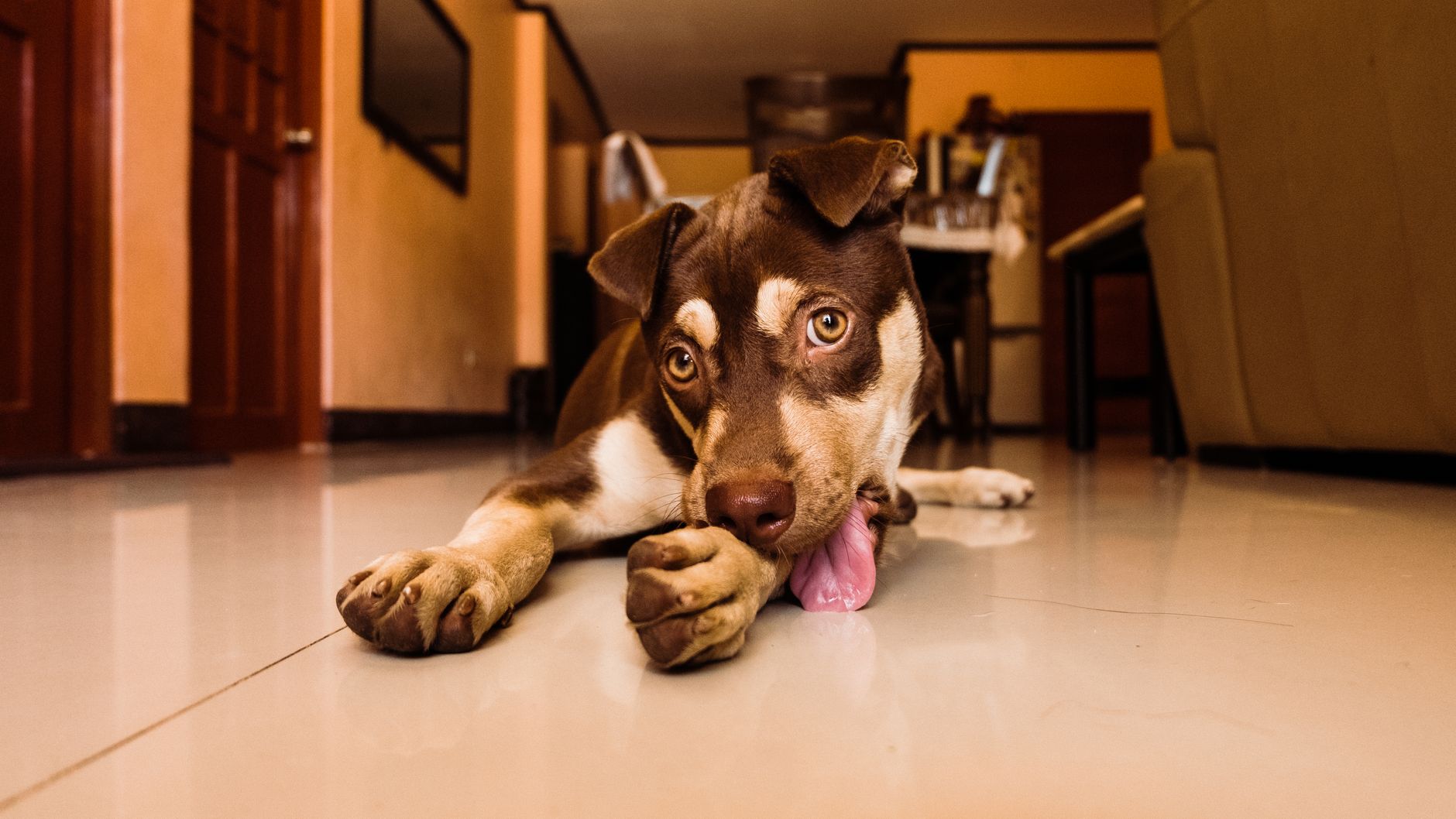
It’s not affection—it’s salt.
Human skin releases salt, urea, and ammonia in sweat, and after a shower, your skin’s pH changes temporarily, making those compounds more accessible. To a dog, you’re a salt lick.
Licking also releases endorphins in the dog’s brain, creating a mild self-soothing loop. The behaviour can escalate if it’s consistently rewarded with attention, even if that attention is pushing the dog away.
Veterinarians see this behaviour intensify in dogs whose diets are low in sodium or other minerals. A dog who suddenly starts licking obsessively may be trying to correct a nutritional gap their body has detected.
#5 — Barking at Nothing You Can See
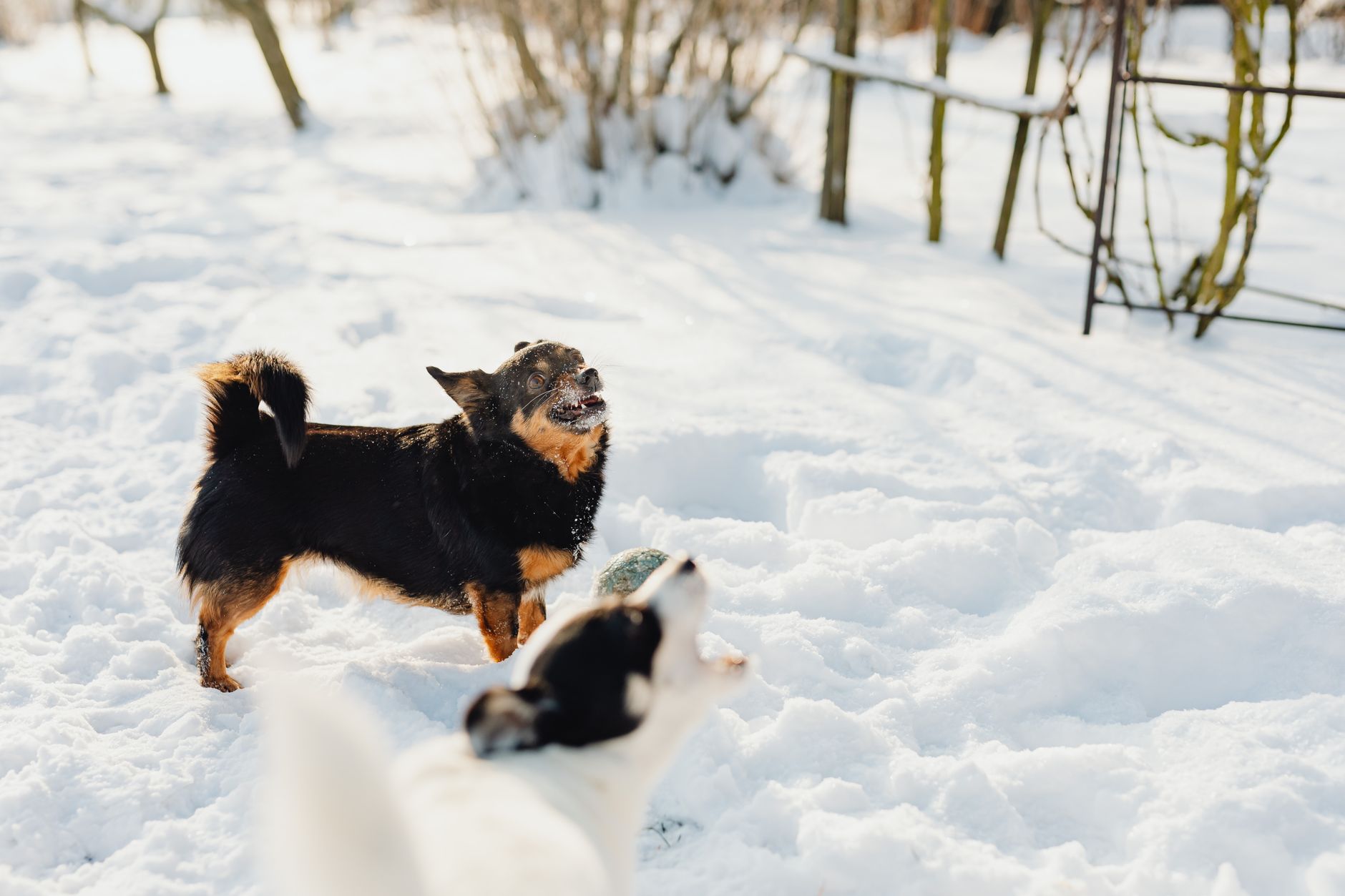
There’s always something—you’re just not equipped to detect it.
Dogs see movement better than we do in low light, and they detect motion at distances up to four times farther than humans can. A deer moving through trees 200 yards away is invisible to you and obvious to them.
Their hearing compounds the effect. A dog can hear a car door close from half a mile away under the right conditions, and they can separate overlapping sounds we perceive as a single noise.
Most of what people call “phantom barking” happens at dawn and dusk, when wildlife is most active and lighting conditions favor a dog’s vision over ours. If your dog barks at the same spot repeatedly, something is using that route.
But #4 uncovers a behaviour that even experienced owners misread…
#4 — Destroying Toys Within Minutes
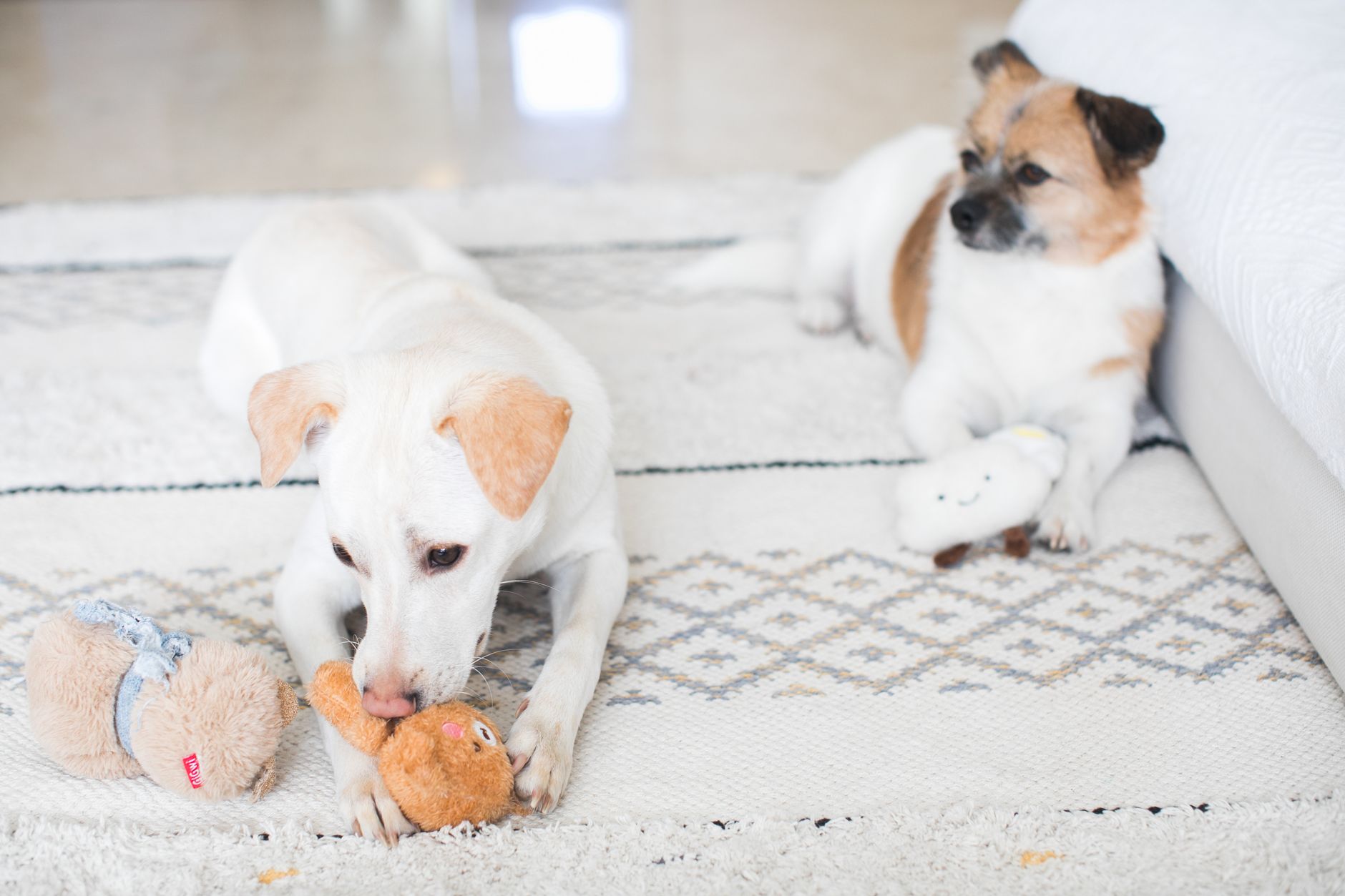
It looks like aggression, but it’s actually hunting practice.
Fast Facts
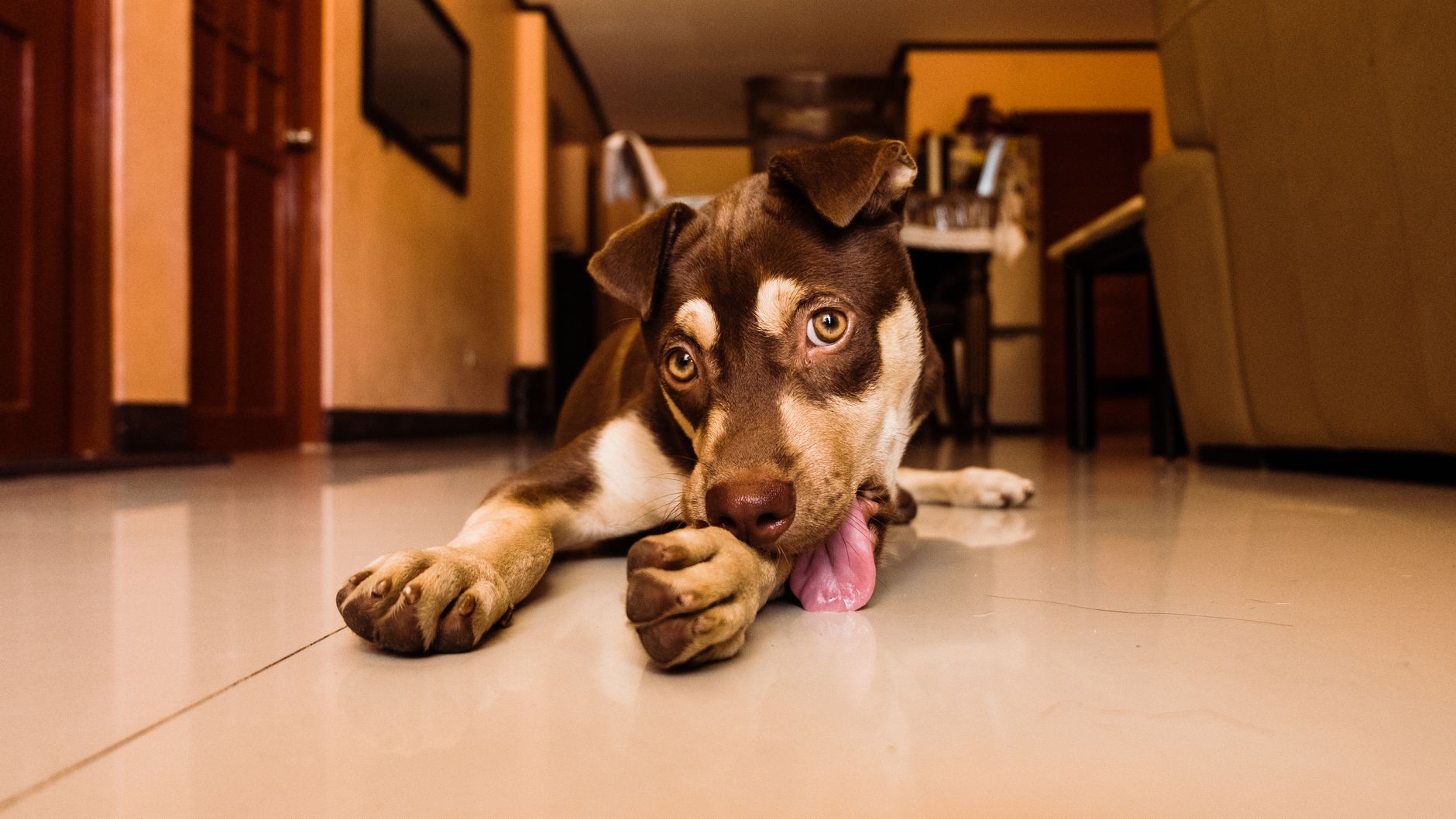
- Dissecting a toy mimics the kill sequence: grab, shake, disembowel
- Terriers and herding breeds have the strongest “prey-shaking” drive
- The average dog toy lasts 14 minutes with a determined chewer
- Tug and squeaky toys trigger predatory behaviour most intensely
The shake-and-destroy pattern mirrors how wild canids dispatch small prey, and breeding has amplified this instinct in many working dog lines. Ripping out stuffing is the equivalent of pulling apart a carcass.
Squeaky toys escalate the behaviour because the sound mimics the distress cry of injured prey. Each squeak triggers a dopamine hit, rewarding the dog for continuing the “hunt.”
Professional trainers don’t try to stop the behaviour—they redirect it to indestructible toys designed for heavy chewing, like rubber Kongs or nylon bones. The instinct is healthy; the outlet just needs to be safer.
#3 — Staring at You While They Defecate
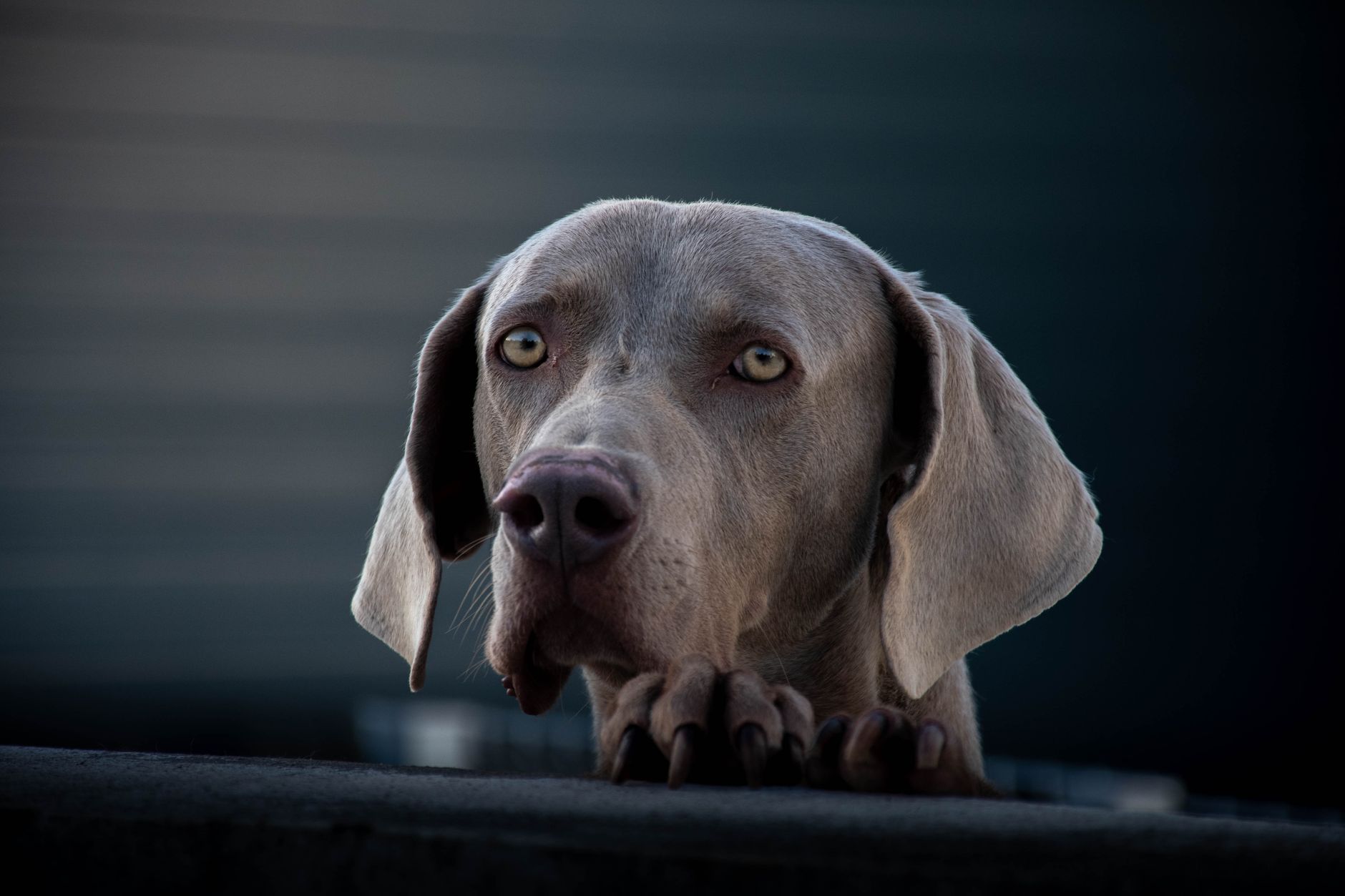
It’s not awkward—it’s a safety check.
Dogs are at their most vulnerable while eliminating, and in the wild, pack members watch for threats while others are in that position. Your dog is staring at you because they’re relying on you to guard them.
The posture itself—hindquarters lowered, balance shifted forward—makes it nearly impossible for a dog to defend themselves or flee quickly. They’re trusting you to be their early warning system.
Veterinary behaviourists note that dogs with anxiety often have trouble defecating in unfamiliar areas or when their owner isn’t watching. The stare isn’t uncomfortable—it’s confirmation that their backup is paying attention.
#2 — Digging Holes in Your Yard or Furniture
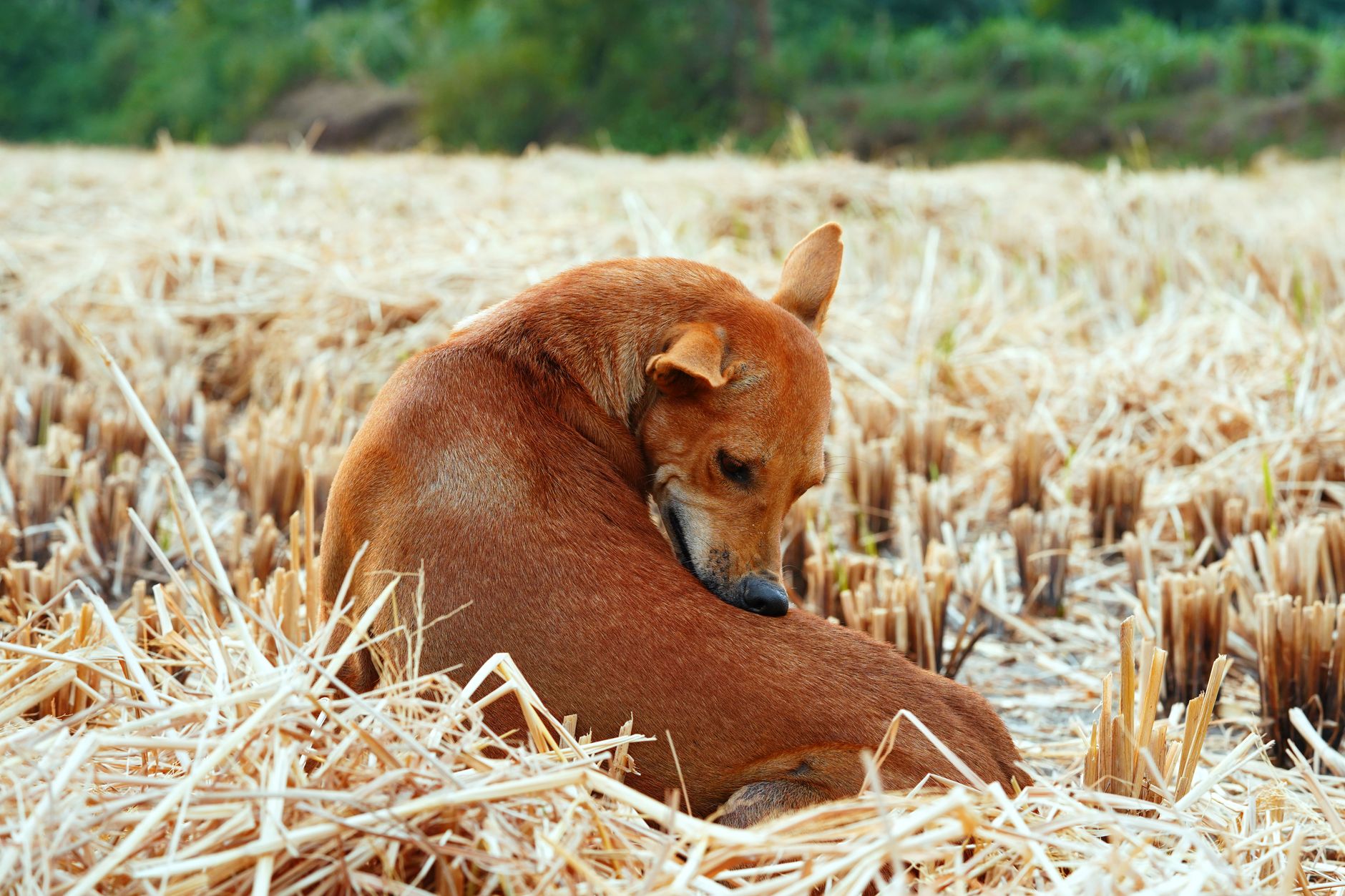
It’s temperature regulation, not destruction.
Digging exposes cooler soil layers just below the surface, and in hot weather, a dog will dig a shallow bed to lie in and lower their core temperature. The same behaviour happens with couch cushions—they’re trying to create a nest.
In colder months, digging mimics denning behaviour. Wild canids dig to create insulated sleeping areas that retain body heat and provide wind protection.
Some breeds—terriers, dachshunds, and huskies—have digging drives so strong they’ll dig even in climate-controlled homes. For them, it’s not about comfort; it’s a hardwired motor pattern that needs an outlet.
Digging isn’t vandalism—it’s engineering.
#1 — Refusing to Eat Until You’re Home
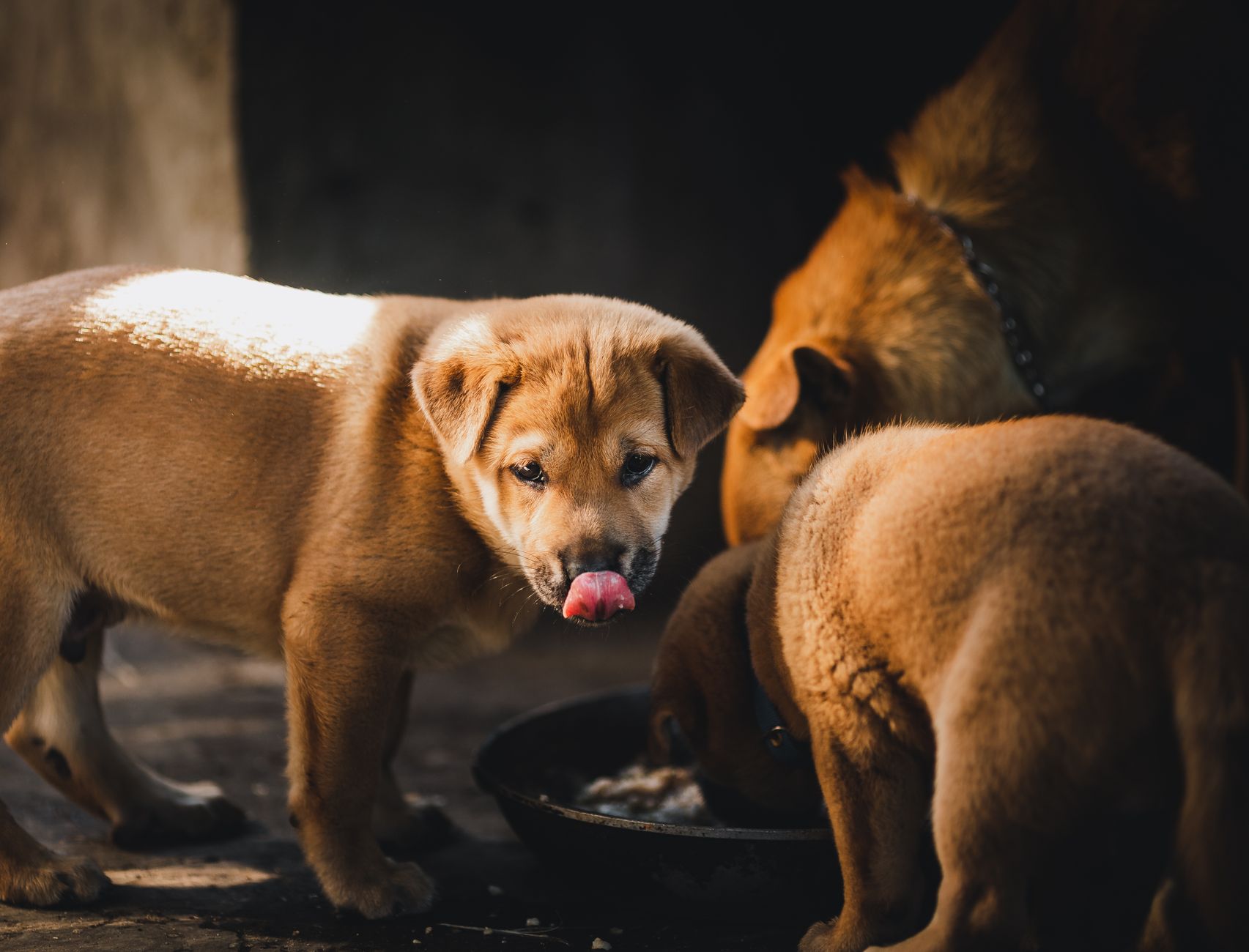
It’s the most misunderstood behaviour on the list.
Why It Stands Out
- Eating alone feels unnatural to a pack animal
- Some dogs wait because food was historically a communal activity
- Others fear missing out on something more valuable than the meal
- A small percentage have learned that waiting gets them better food
Dogs are social eaters by evolution, and many won’t begin a meal unless their “pack” is present because eating alone historically meant you were weak, injured, or abandoned. Waiting for you to come home isn’t stubbornness—it’s a biological discomfort with solitary feeding.
The behaviour can also signal anxiety. If your presence is the only thing that makes the environment feel safe, your dog may refuse to eat when you’re gone because they’re in a low-level stress state the entire time.
Veterinarians use this behaviour as a diagnostic tool. A dog who skips meals only when alone, but eats normally when the owner returns, usually has separation anxiety rather than a medical issue. It’s one of the clearest behavioural flags available.
The Bottom Line
Most of what we call bad manners in dogs is just normal canine behaviour viewed through a human lens. Sniffing, jumping, ignoring, and even destructiveness aren’t signs of disrespect—they’re biology in action.
The behaviours that frustrate us most are often the ones that served dogs best in the wild. Scavenging kept them fed, barking kept them safe, and digging kept them comfortable.
Training doesn’t erase instinct—it just redirects it into behaviour we can live with.
Understanding the “why” behind each behaviour changes how you respond. Instead of punishment, you can manage the environment, offer appropriate outlets, or simply accept that some things are hard-coded into your dog.
Which of these behaviours does your dog do most often, and has this changed how you’ll respond to it?
Bonus — One Simple Habit That Turns Behaviour Into a Health Screen
Most owners miss the diagnostic information hiding in everyday behaviours.
Start keeping a behaviour journal—just three lines a day noting what your dog ate, how long they slept, and any behaviour that seemed “off.” Over two weeks, patterns emerge that you’d never notice day to day: subtle appetite changes, energy dips at specific times, or increased water intake before you’d call it excessive.
Here’s what to track starting today:
- Time of day when your dog is most and least active
- Any food or treat they refused, even once
- How many times they ask to go outside overnight
- New spots they’re licking, scratching, or favoring
Veterinarians say behaviour changes precede physical symptoms by days or even weeks. A dog who suddenly starts sleeping on tile instead of their bed may be running a low fever; one who stops jumping on the couch may have early joint pain.
The journal becomes a timeline you can hand your vet during the exam. Instead of “he’s been acting weird,” you’ll have dates, specifics, and a pattern they can actually work with.
READER QUIZ
How Well Do You Know These 13 Dog Behaviours?
Why do dogs sniff other dogs’ rear ends when greeting?
- They’re being playful
- They’re establishing dominance
- They’re gathering chemical information about age, health, and diet
- They’re confused about how to say hello
What does it mean when a dog jumps up on visitors?
- The dog is trying to dominate the visitor
- The dog is greeting faces, a holdover from licking their mother’s mouth as puppies
- The dog is poorly trained
- The dog is excited and can’t control themselves
Why do dogs eat grass and sometimes vomit afterward?
- They’re sick and trying to make themselves feel better
- They’re confused about what food is
- They’re clearing their digestive tract or adding fiber—vomiting is often the goal
- They’re bored and need more exercise
What causes a dog to refuse to walk past a certain spot?
- They’re being stubborn or testing your authority
- They detect sounds or scents imperceptible to humans, like ultrasonic frequencies or scent markers
- They’re tired and want to go home
- They don’t like the texture of the ground
Why do dogs stare at their owners while defecating?
- They’re uncomfortable and want privacy
- They’re checking that you’re watching and guarding them during a vulnerable moment
- They’re waiting for permission to finish
- They’re confused about where they should go
What’s the most frustrating “bad manners” behaviour your dog does regularly?
- Jumping on visitors or guests
- Counter-surfing or stealing food
- Ignoring recall commands when distracted