
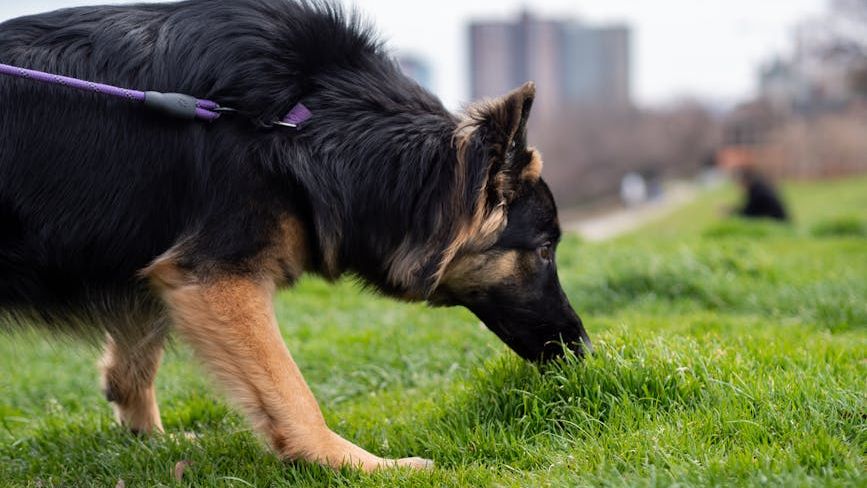
Watch a dog arrive somewhere new and you’ll notice something almost immediate. Before they run, before they bark, before they do anything else, the nose goes down. They sweep the ground methodically, drawing in the invisible, their whole body seemingly in service of that one wet, twitching instrument at the front of their face.
Most people see it as a distraction, something to rush past on the way to the park bench. In reality, it’s something far more remarkable. That nose-to-the-ground routine isn’t random curiosity. It’s a highly sophisticated act of perception, a way of reading an environment so detailed that our own senses can barely compare.
The Nose That Knows More Than You Think
Dogs’ noses hold between 200 million and 1 billion odor molecule sensors, compared with just 5 million receptors estimated to dwell in a human nose, and their olfactory bulbs can be up to 30 times larger than ours. That alone tells you something, but the number doesn’t even begin to capture what that difference actually means in practice.
Dogs devote enormous brain power to interpreting smells. They have more than 100 million sensory receptor sites in the nasal cavity compared to 6 million in people, and the area of the canine brain devoted to analyzing odors is about 40 times larger than the comparable part of the human brain. Think about that the next time your dog stalls at a lamppost for two full minutes.
Dogs’ sense of smell seems to be their main sense, allowing them not only to gather both current and historical information about their surrounding environment, but also to find the source of the smell, which is crucial for locating food, danger, or partners for reproduction. It’s not just a strong version of what we have. It’s a completely different relationship with the world.
Sniffing Is How They Actually See a New Place
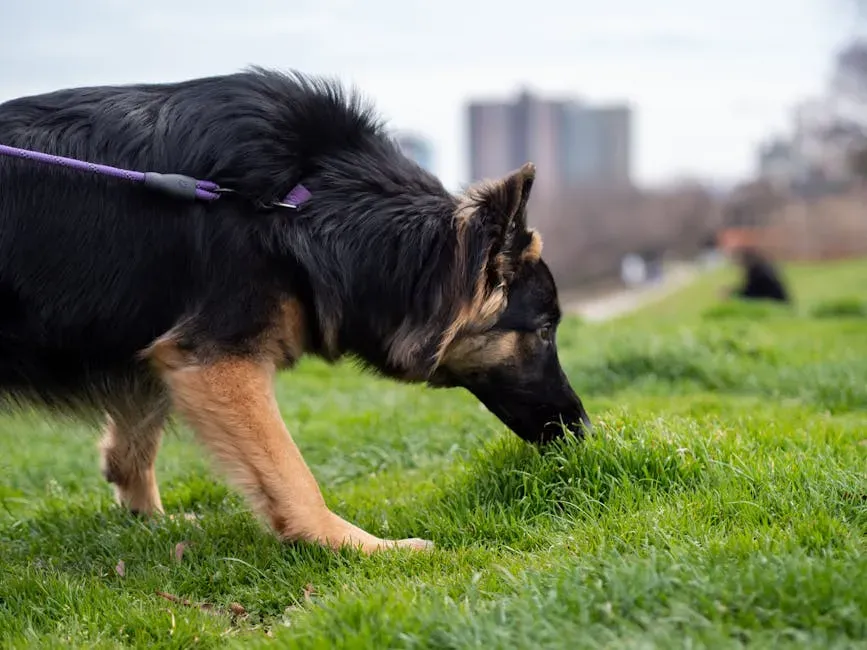
Dogs have a special ability called olfactory spatial awareness, which allows them to map out their surroundings using scents. When your dog enters a new environment and starts investigating every corner and surface, they’re not being nosy in the casual sense. They’re conducting a thorough environmental survey.
While these places might seem static to us, to a dog, they’re a rippling, three-dimensional tapestry of light, shapes, and scents, with every object effusing odors that are further revealed upon nose-first investigation. Even an ordinary room or sidewalk becomes, through canine senses, an entirely different kind of place.
Dogs use their super-sniffers to build a three-dimensional smell map of their surroundings, sort of like an interactive 3D computer model. To that, they add a fourth dimension: time. They can smell how a scent has fallen in concentration, or oxidized and changed in character, to understand when something passed by or when an event occurred. A trail that’s hours old is still readable to them, like a timestamp left behind in the air.
The Brain Behind the Sniff: Science Catches Up
Powerful nerve connections link the dog nose to wide swaths of the brain, researchers reported in the Journal of Neuroscience. One of these canine connections, a hefty link between areas that handle smell and vision, hasn’t been seen before. This discovery reshaped how scientists think about dog cognition entirely.
Researchers discovered an extensive white matter network extending from the olfactory bulb to form novel connections directly to other cortices of the brain. This is the first documentation of these novel olfactory connections and provides new insight into how dogs integrate olfactory stimuli in their cognitive functioning. In plain terms: smell doesn’t just trigger a reaction in dogs. It triggers a whole cascade of cognitive processing.
Analysis revealed that the amygdala plays a crucial role in scent differentiation. Studies also suggest there could be an emotional component to how dogs sense their environment. So when your dog sniffs a stranger’s shoes or a patch of grass where another dog has been, there may be a genuine emotional response happening alongside the information gathering.
Every Sniff Is a Conversation With the Neighborhood
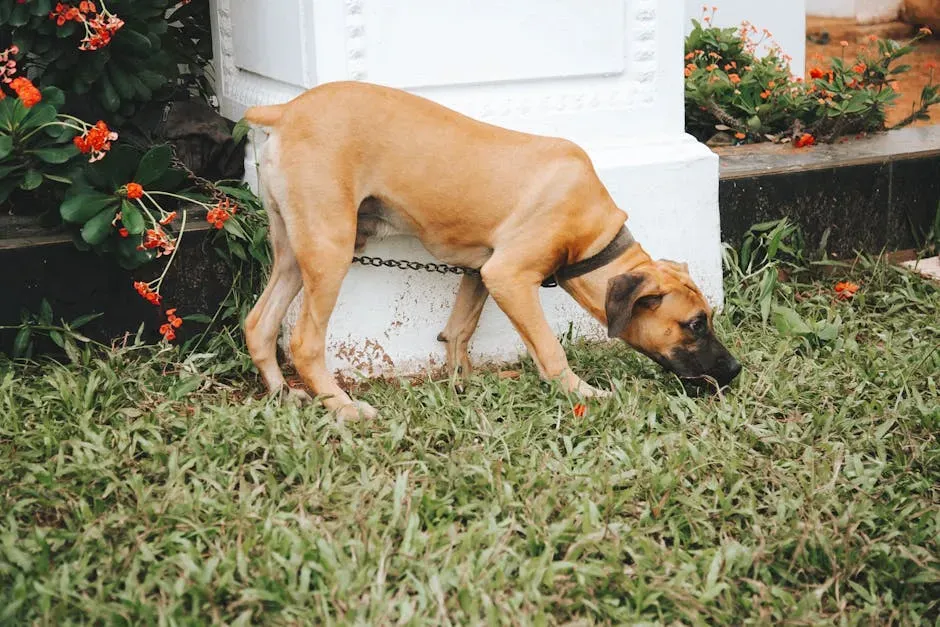
When in a new territory, a dog can sniff a tree and determine what other dogs live in the neighborhood. They can smell a visitor’s pant-leg and get a good impression of where the person lives and whether they have pets at home. A single sniff at a fire hydrant yields the kind of community profile it would take a human days to gather through conversation.
Dogs visit their favorite fire hydrants or neighborhood trees to pick up neighborhood news and messages from other dogs about when they last visited the spots, what they’ve been eating, and how they are feeling. It’s a form of social communication so efficient and layered that it makes our own social media look primitive by comparison.
Since dogs move their nostrils independently, they can determine the direction of an odor and use their sense of smell like a compass. Dogs can even recognize people and places without seeing them, just by following scent trails that can be hours or even days old. New territory isn’t disorienting for a dog the way it might be for us. It’s just a new chapter to read.
What This Means for How We Should Walk Our Dogs
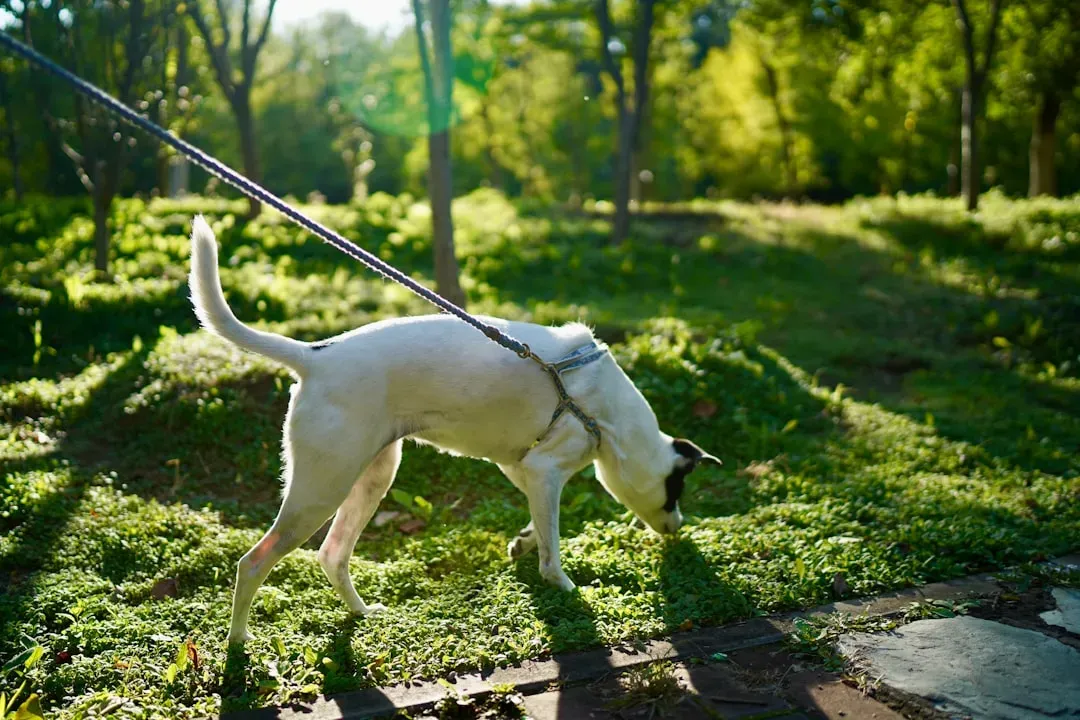
You might find it frustrating when your dog wants to stop and sniff every landmark while going for a walk. However, when dogs sniff, they are gathering vital intel about their territory and four-legged neighbors. Rushing them past those moments isn’t just annoying for the dog. It’s cutting off their primary way of understanding where they are.
Even though a sniffing session is slower than the average dog walk, it’s about quality, not quantity. Dogs sniffing is a great form of canine mental stimulation, and it increases their respiration rate, so it’s genuinely a tiring activity. Meandering sniff sessions on a long leash can even lower a dog’s pulse rate and release the mood-boosting chemical dopamine. A slower walk where they actually get to sniff can leave them more satisfied than twice the distance at a brisk pace.
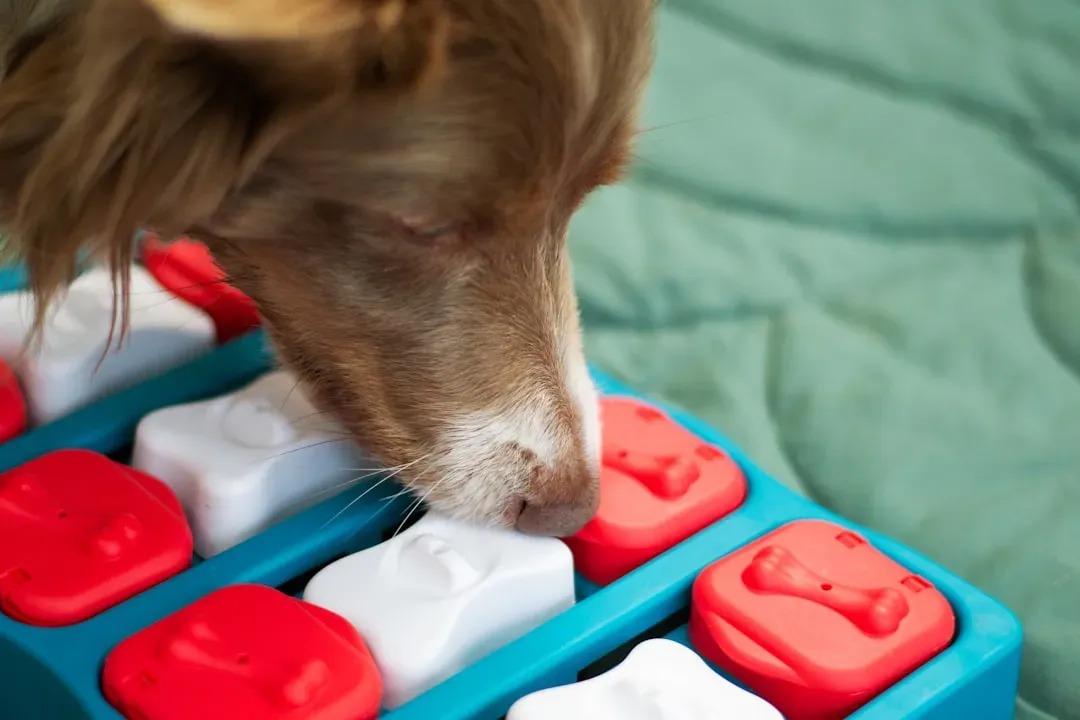
A 2019 study found that dogs who played games in which they sniffed out hidden objects subsequently proved to be in a better mood than those who hadn’t. Sniffing and searching for odors is a natural, species-typical behavior and essential for the dog’s welfare. It’s not a habit to manage. It’s a need to honor.
Conclusion: We’re Only Just Beginning to Understand Their World
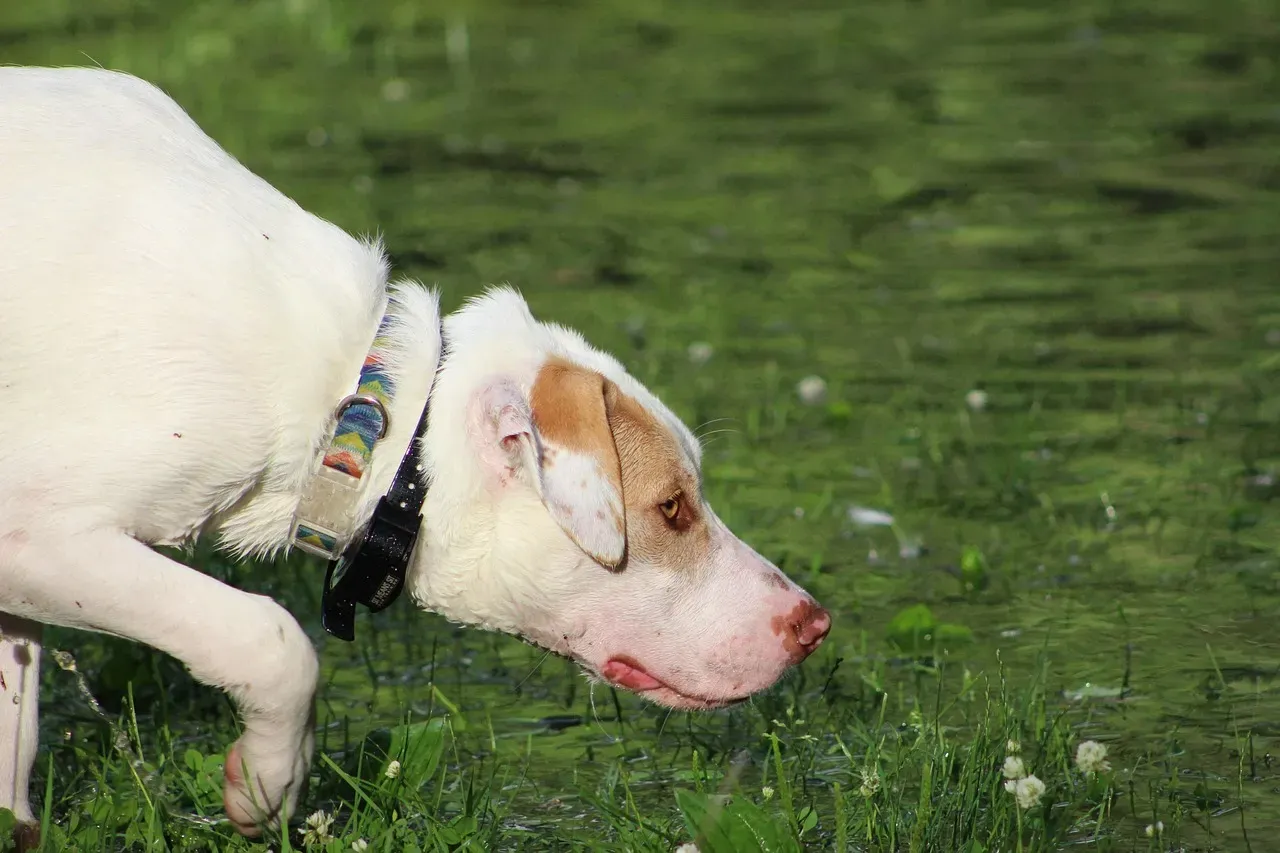
There’s something humbling about realizing how little we’ve understood the inner life of an animal we’ve shared our homes with for tens of thousands of years. We’ve been pulling dogs away from fire hydrants and patches of grass all this time, mildly exasperated, when in fact they were doing something neurologically remarkable.
Research could pave the way to developing specialized equipment for detecting and translating the olfactory responses of dogs. Mobile equipment that works rapidly could allow us to interpret what dogs’ noses are telling them in real time. The possibility of actually understanding what a dog experiences when it sniffs a new place is no longer purely theoretical.
For now, though, the most meaningful thing we can do is far simpler. Let them sniff. Give them the time, the slack in the leash, and the patience to do what their brains are built to do. They’re not dawdling. They’re reading a world that’s completely invisible to us, one breath at a time, and mapping it with a precision we can barely imagine. The least we can do is let them finish the page.


