
If you have ever felt like your dog somehow “just knows” when you are upset, science is increasingly on your side. Recent research published in Scientific Reports suggests that dog–owner pairs can actually develop synchronised heart rate patterns, especially in stressful situations, hinting that this bond is not only emotional, but also deeply physiological.
That idea is both touching and a little mind-blowing: your heart literally responding in tandem with your dog’s. It raises big questions. Are dogs absorbing our stress, or are we sharing it? Is this synchrony a sign of empathy, training, or years of quiet, everyday companionship? Let’s unpack what this research really means for dogs, their humans, and the invisible signals that pass between us.
When Hearts Fall Into Step: What “Synchronised Heart Rate” Really Means
Heart rate synchrony sounds technical, but the basic idea is simple: two hearts showing similar patterns in how they speed up and slow down over time. It does not mean your pulse and your dog’s are matching beat for beat, but that the rises and dips in each follow a related rhythm, especially under certain conditions like mild stress or challenge.
Think of it like two dancers following the same music, even if they are taking slightly different steps. Your dog’s heart might naturally beat faster than yours, but when you get tense or anxious, both patterns can shift in a similar direction. That shared pattern is what researchers are tracking, often using devices similar to human heart rate monitors adapted for animals.
How Scientists Actually Test Dog–Owner Heart Connections

Studies like the one in Scientific Reports typically recruit real-life dog–owner pairs and bring them into controlled settings. Researchers then place heart rate sensors on both, often using non-invasive chest straps or specialized harnesses for the dog, while the owner wears a standard monitor. The pair is then exposed to different conditions, such as resting together, light separation, or mild stress tasks.
The “stressful” situations are usually ethical and carefully designed, like brief social challenges or mildly confusing tasks, not anything extreme or harmful. During these phases, scientists look at how each heart rate pattern changes and whether those changes line up across time. Using statistical tools, they can tell whether the synchrony is greater than what would happen by chance, or compared to mismatched dog–human pairs who are strangers.
Is Your Dog Catching Your Stress, Or Are You Catching Theirs?

One big question is direction: does the owner’s stress drive the dog’s heart, or can the dog’s tension ripple back into the human? The honest answer so far is that it is probably a two-way street. There is evidence that dogs can pick up emotional cues from human faces, voices, posture, and even scent changes linked to stress, which can then influence their own physiology.
At the same time, anyone who has lived with an anxious or restless dog knows how contagious that energy can feel. A dog pacing, whining, or hypervigilant can easily make a human owner feel more on edge, raising their own heart rate. Over time, this feedback loop may create a kind of emotional echo chamber, where both bodies are subtly calibrating to each other’s state, for better or worse.
The Role Of Attachment: Not Every Pair Synchronises The Same Way
Interestingly, these patterns do not seem to be identical across all dog–owner pairs. Some research suggests that the strength and style of the relationship matters a lot. Pairs with a secure, calm bond may show one type of synchrony, while those with more anxious or controlling relationships may show another, sometimes with higher baseline stress levels.
In practical terms, that means the dog who is deeply bonded to a relaxed, emotionally stable person might experience stress synchrony in ways that are short-lived and manageable. A dog living with a chronically stressed or anxious person, on the other hand, may be “plugged in” to a constant stream of elevated arousal. To me, this turns the old cliché that “dogs are like their owners” into something startlingly literal.
What This Says About Dogs As Social And Emotional Partners

These findings fit into a bigger picture of dogs as highly attuned social partners for humans. Over thousands of years of domestication, dogs that were better at reading human signals and responding to our moods likely had an advantage, both in survival and in human care. Heart rate synchrony is one more sign that this bond is not superficial; it is wired into how both species react to the world.
From a human perspective, this makes the dog–owner relationship feel a bit like a cross-species version of what is seen in close human relationships, such as parents and children or romantic partners. In those cases, too, physiological synchrony is sometimes observed during emotional moments. The idea that our dogs occupy a similarly intimate physiological space says a lot about why they do not just feel like pets, but like genuine family members.
Health Implications: Comforting Or Concerning For Dogs And Humans?
There is a hopeful side to all this. If positive emotions can also be shared, then calm, soothing interactions – like gentle petting, quiet walks, or simply resting together – might help both human and dog unwind. Some studies already suggest that positive contact with dogs can reduce human stress markers, and it is reasonable to think the benefit may be mutual when the bond is strong.
But there is a more uncomfortable implication too: if your dog is continually soaking up your stress, they may be carrying a physiological burden you never intended. Chronic stress is linked to health problems in humans and is likely not great for dogs either. I find this a bit sobering; loving your dog might also mean taking your own stress management seriously, not just for your sake but for theirs.
Beyond The Lab: How Everyday Owners Can Use This Knowledge
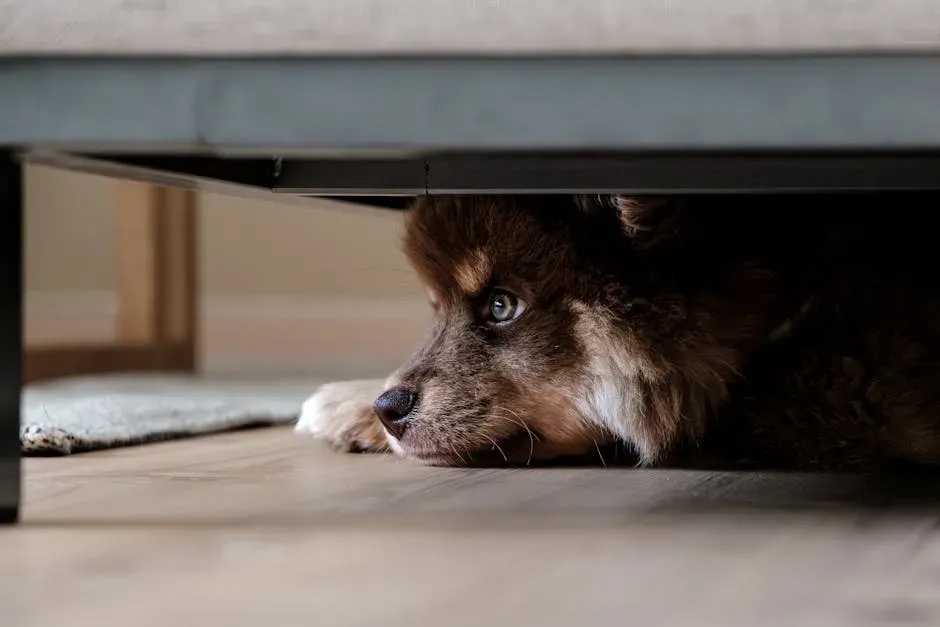
Outside a research setting, you obviously are not walking around with synchronized heart monitors, but you can still act on the core idea. When you feel yourself getting tense, anxious, or upset at home, imagine your emotional state as a kind of “weather” that your dog is standing in. You may start noticing how quickly your dog’s behavior shifts in response: more clinginess, agitation, or restlessness when your day falls apart.
On the flip side, building routines that foster shared calm – like regular walks, consistent training, predictable feeding times, and quiet cuddle sessions – can act like a gentle reset for both of you. It is not about being perfectly zen all the time; nobody is. It is about recognizing that your dog is not just watching your life from the sidelines. They are, quite literally, feeling it with you.
Conclusion: A Shared Heartbeat Comes With Shared Responsibility
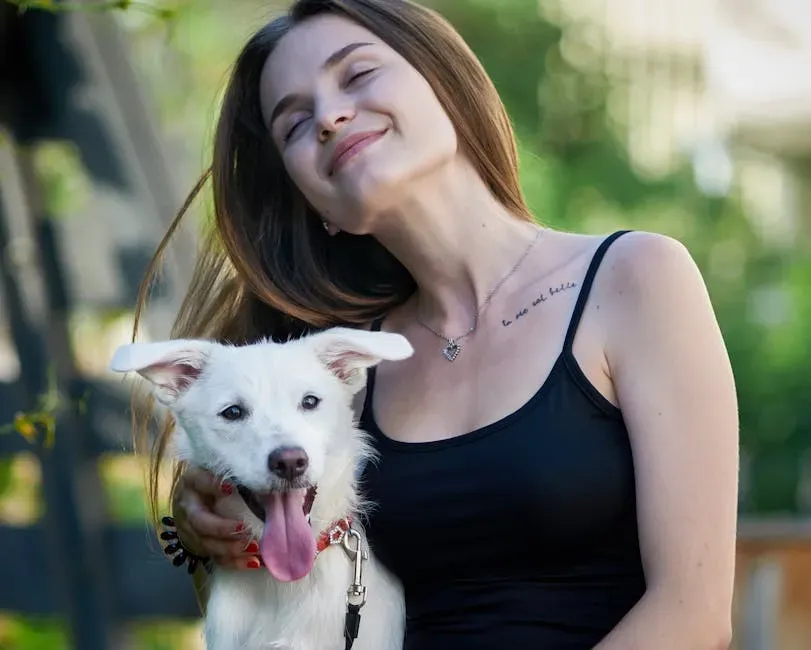
To me, the idea that dog–owner pairs can develop synchronized heart rate patterns is both beautiful and challenging. It confirms what many of us already sensed in our gut – that our dogs are emotionally in tune with us on a level that goes beyond simple obedience or habit. At the same time, it forces a harder look at what kind of emotional climate we are asking them to live in day after day.
If your dog’s heart is, in some small way, dancing in step with yours, then every choice you make about managing your own stress, your routines, and your reactions becomes part of their story too. That is not meant to guilt anyone; it is an invitation to see your dog not as a passive comfort object, but as a partner feeling the same emotional storms. Knowing that, how do you want both of your hearts to beat together?


