
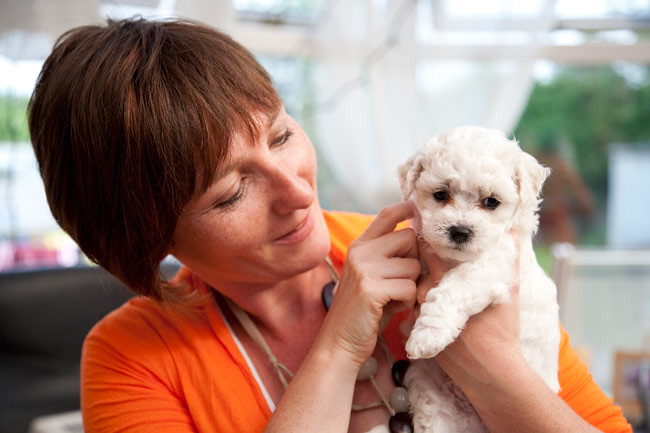
When you do not feel well, the world shrinks to the size of your bedroom, the next dose of medication, and whoever sits quietly by your side. For many older adults, that quiet presence is a dog who does not care about test results or blood pressure readings, only about being close. It is often in those long, anxious hours that people discover which dogs are genuinely comforting – and which breeds seem almost purpose built for sick days.
This list focuses on dog breeds that seniors over 65 commonly describe as soothing, easy to manage, and emotionally grounding, especially during periods of illness or recovery. It is not about the flashiest or smartest dog on paper, but the ones that warm your feet, slow your breathing, and make you feel a little less alone at three in the morning. Breed traits matter, but so do energy levels, grooming needs, and how realistically an older adult can care for them, even on bad days. Let’s walk through the seven breeds that tend to stand out when comfort really counts.
Cavalier King Charles Spaniel: The Classic Lap Healer
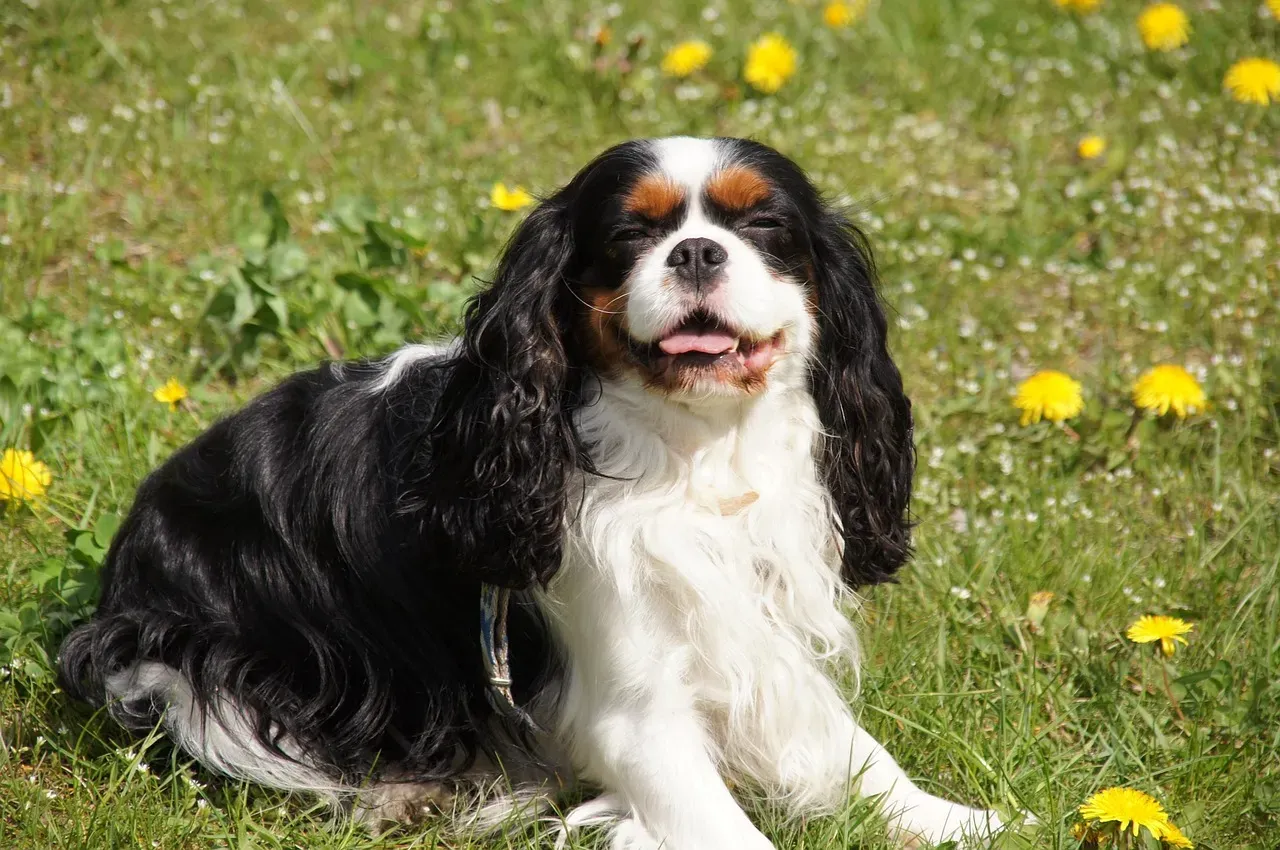
Many seniors describe the Cavalier King Charles Spaniel as the closest thing to an emotional hot-water bottle with a heartbeat. These small, silky dogs were literally developed as lap companions, and they usually take that job very seriously, happily curling against the chest or legs of an unwell owner for hours. Their gentle eyes and soft expressions have a way of taking the edge off pain and anxiety, which can be especially powerful when someone is dealing with chronic illness or recovering from surgery.
Cavaliers tend to have moderate exercise needs, which is helpful for older adults who may not always have the energy for long, brisk walks. A few short strolls and indoor play are typically enough, leaving plenty of time for quiet companionship. On the flip side, they can be prone to certain health issues, so seniors often do best working with ethical breeders or rescues that screen carefully. When healthy and well managed, though, Cavaliers often feel like the emotional glue that holds long, difficult days together.
Poodle (Toy and Miniature): Smart, Hypoallergenic Comfort
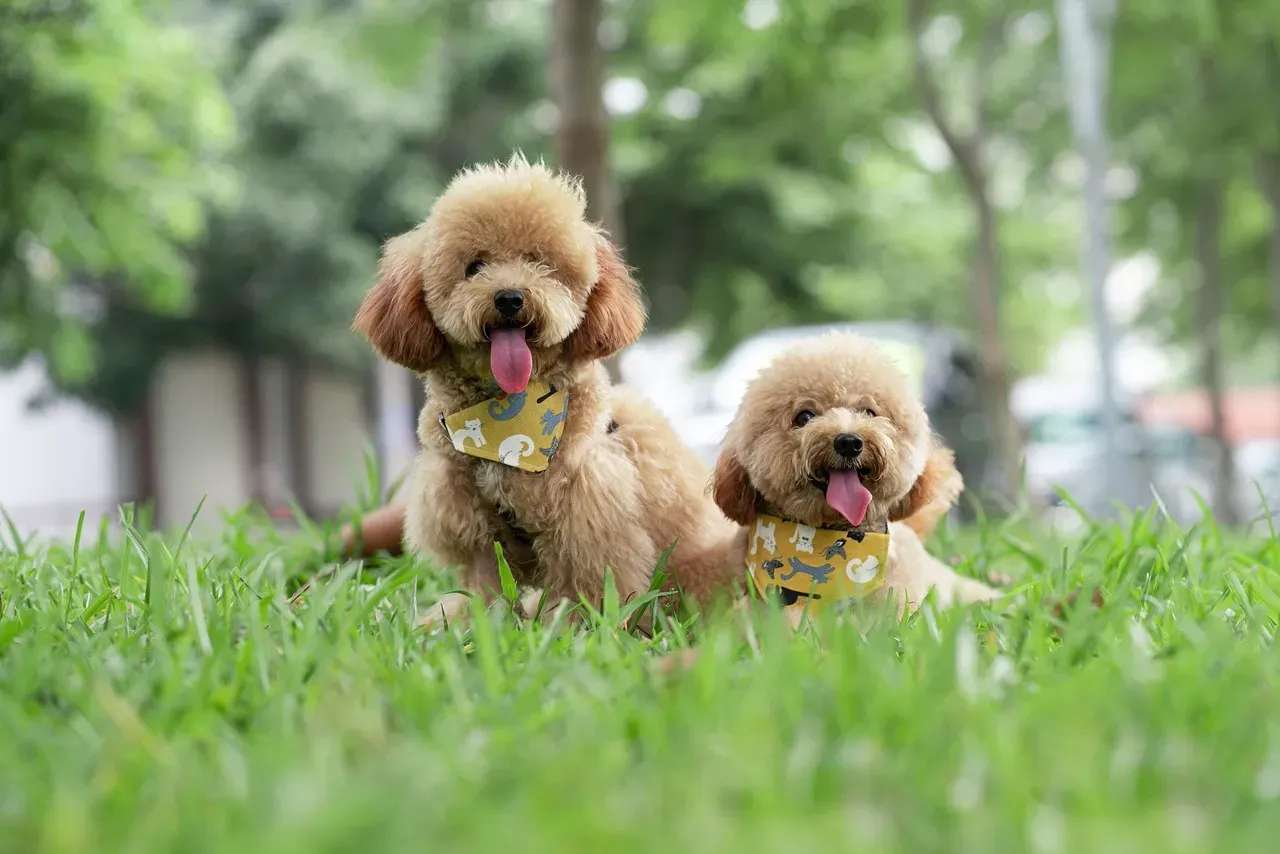
Toy and Miniature Poodles offer a blend that many older adults find surprisingly ideal during illness: high emotional intelligence in a small, manageable, low-shedding package. They often seem to read the room better than some humans, toning their energy down when their person is tired, and perking up for gentle interaction when there is a little more strength to spare. That kind of responsiveness can be incredibly comforting when you are not up for chaos but also do not want a dog that feels checked out.
Their low-shedding, curly coat can be a big plus for seniors with respiratory issues or allergies, though grooming does require regular professional care or the ability to keep up with brushing and trimming. In a way, a Poodle’s maintenance is less about strength and more about organization and planning, which some retirees handle very well. Mentally, Poodles crave contact and small bursts of training or games, which can give structure and a sense of purpose to someone stuck at home recovering. For many older adults, that mix of cleanliness, brightness, and devotion hits exactly the right emotional note.
Bichon Frise: Cloud of Cheer on Difficult Days
The Bichon Frise often feels like a little white cloud drifting around the house, bringing lightness to spaces that might otherwise feel heavy. Seniors frequently describe them as naturally upbeat without being overwhelming, which is a rare balance. When you are not feeling well, cheerfulness that is gentle instead of frantic can make a huge difference in how safe and settled you feel around your dog.
Bichons are small, usually easy to lift if necessary, and they tend to adapt well to apartment life or smaller homes, which many older adults prefer. Their coat does not shed heavily, another plus for cleanliness and allergies, but like Poodles, they need consistent grooming. When people are ill, one underestimated advantage of a Bichon is their social nature – they often brighten not only their owner’s mood but also that of visiting family, nurses, or caregivers. They become a kind of furry social bridge, lightening conversations that might otherwise revolve only around symptoms and test results.
Shih Tzu: The Low-Rise Comfort Companion
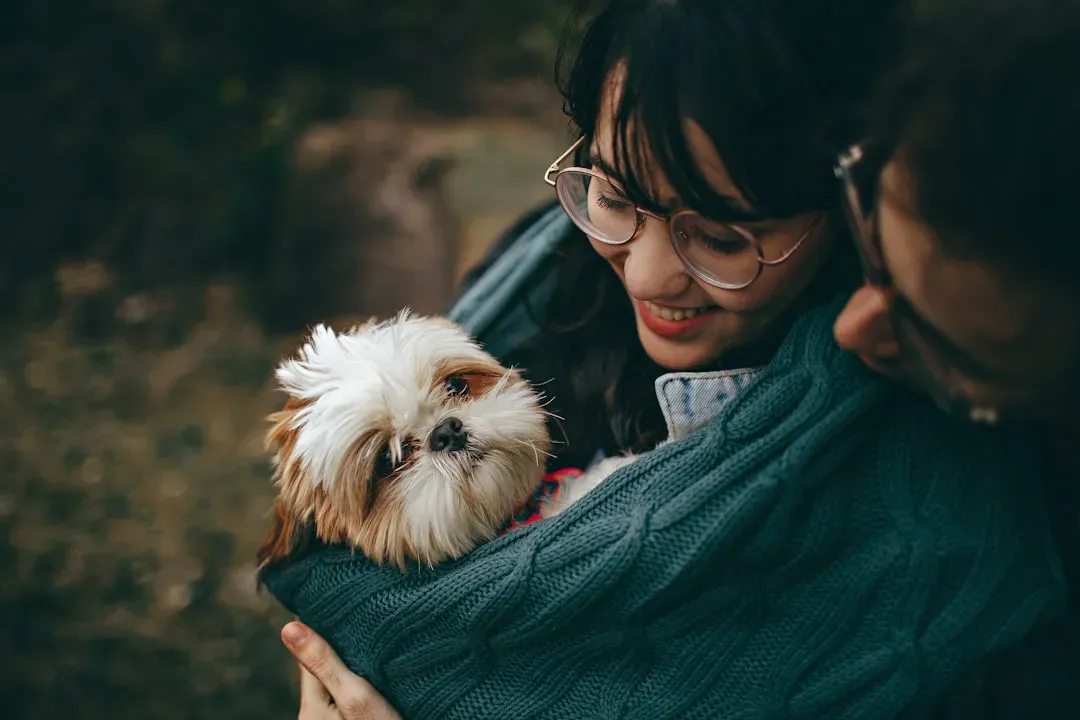
The Shih Tzu is a small dog with a surprisingly grounded, sturdy presence, which many seniors appreciate when they are not up to handling a larger or more boisterous breed. Originally bred as companions in royal households, they are usually content to spend large parts of the day simply being near their person. When someone is sick, that translates into a dog who is completely satisfied lying on or beside a bed, taking the slow rhythm of the day in stride.
Shih Tzus typically have modest exercise needs and are often very well suited to slow, short walks, which can align nicely with the mobility level of an older adult dealing with joint pain or fatigue. Their flat faces and compact build do mean potential health considerations, so good veterinary care is important. Still, from a comfort standpoint, their calm demeanor, willingness to cuddle, and low height – easy to reach from a bed or recliner – make them feel like built-in support staff for sick days, both emotionally and practically.
Labrador Retriever: Big Dog, Bigger Heart
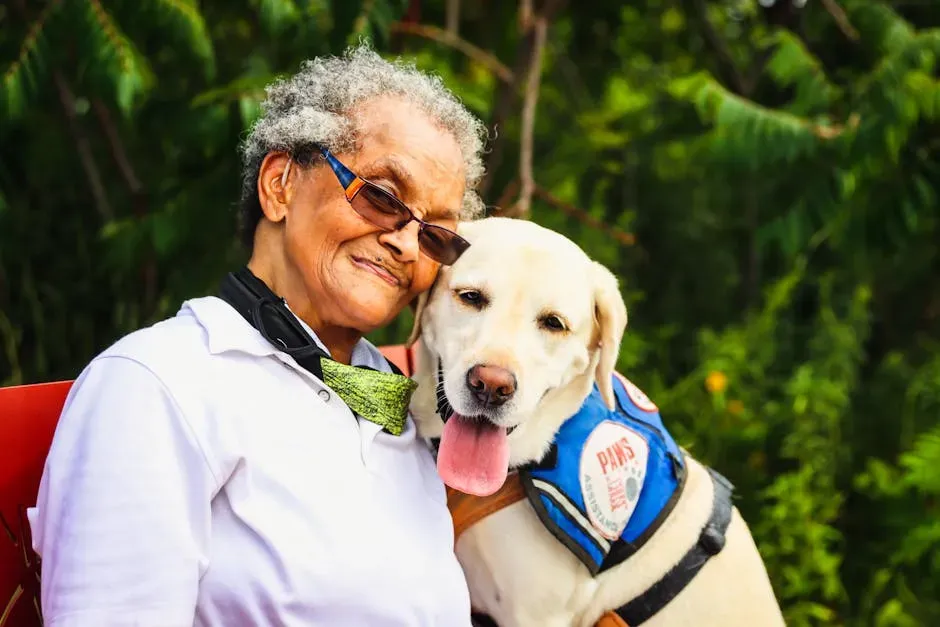
It might surprise some people that a larger dog like the Labrador Retriever shows up on lists of comforting breeds for seniors, but many older adults insist that there is nothing like the steady weight of a Lab’s head on the edge of the bed during a rough spell. Labs are known for their deep loyalty, soft mouths, and gentle nature, especially around vulnerable people. That combination often makes them popular not only as family dogs, but also as therapy and assistance dogs in hospitals and rehabilitation settings.
Of course, Labs are more demanding physically than the toy breeds on this list, and this is where planning and support really matter. For seniors who remain fairly active or who have help from family, neighbors, or dog walkers, a Lab’s comforting presence can be worth the extra management. Their reliability, patience, and affectionate temperament provide a sense of safety and emotional stability that some people find irreplaceable. For an older adult who grew up with larger dogs, having a Labrador can feel like having a trusted old friend watching over them through each stage of an illness.
Golden Retriever: The Gentle Optimist
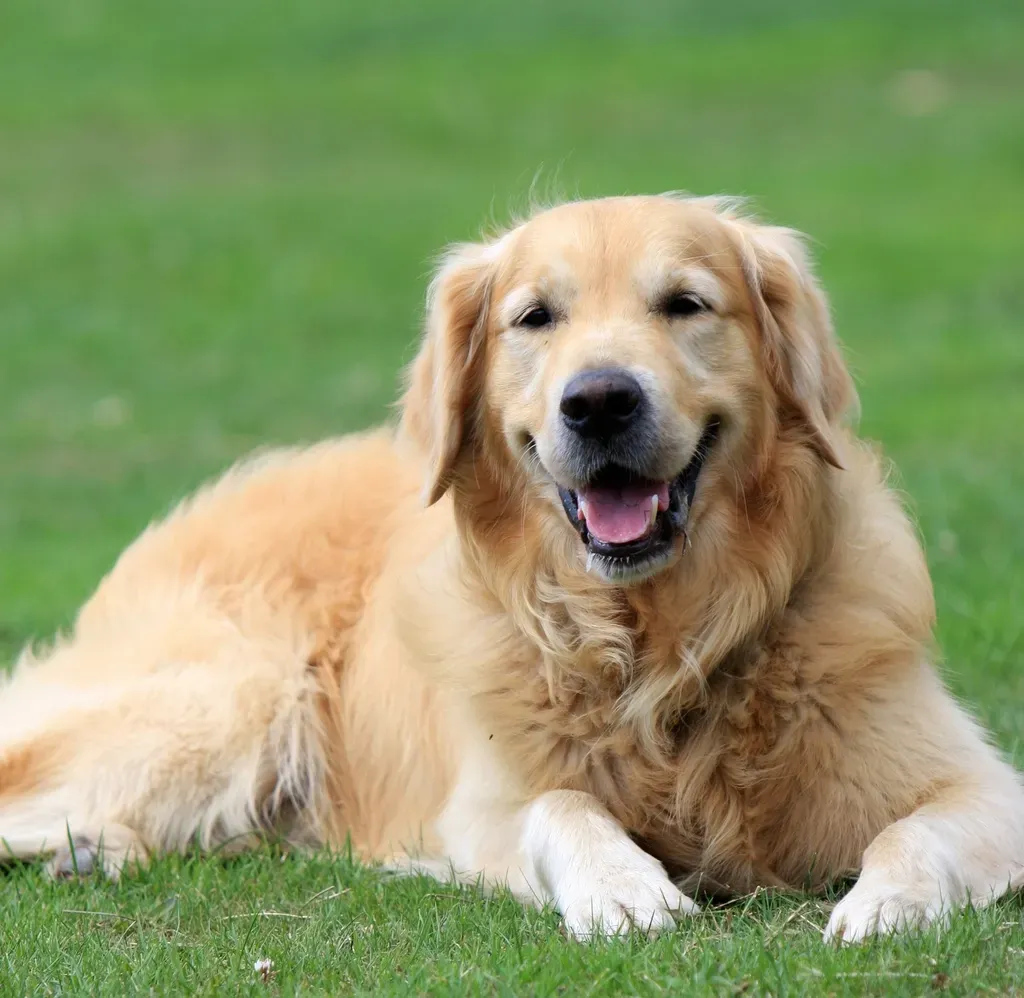
Golden Retrievers are often described as inherently comforting, and there is a reason they are widely used in emotional support and therapy dog programs. They tend to approach the world with a kind of warm, open optimism that can be contagious, even for someone struggling with long-term health issues. Many seniors note that a Golden will quietly lie nearby when they are exhausted, then offer gentle nudges or bring toys when there is a bit more energy, encouraging small moments of joy even on hard days.
Similar to Labradors, Goldens do require regular exercise and grooming, so they are best suited to older adults who either maintain a certain level of activity or have outside help with walks and brushing. When that is in place, their emotional payoff can be huge. They often become the emotional center of the household, offering nonjudgmental comfort during medical appointments, home care visits, or nights of poor sleep. For some seniors, a Golden’s steady, sunny presence feels like the emotional anchor that keeps them from drifting into fear or isolation when their health is uncertain.
Maltese: Tiny Dog, Surprisingly Deep Calm
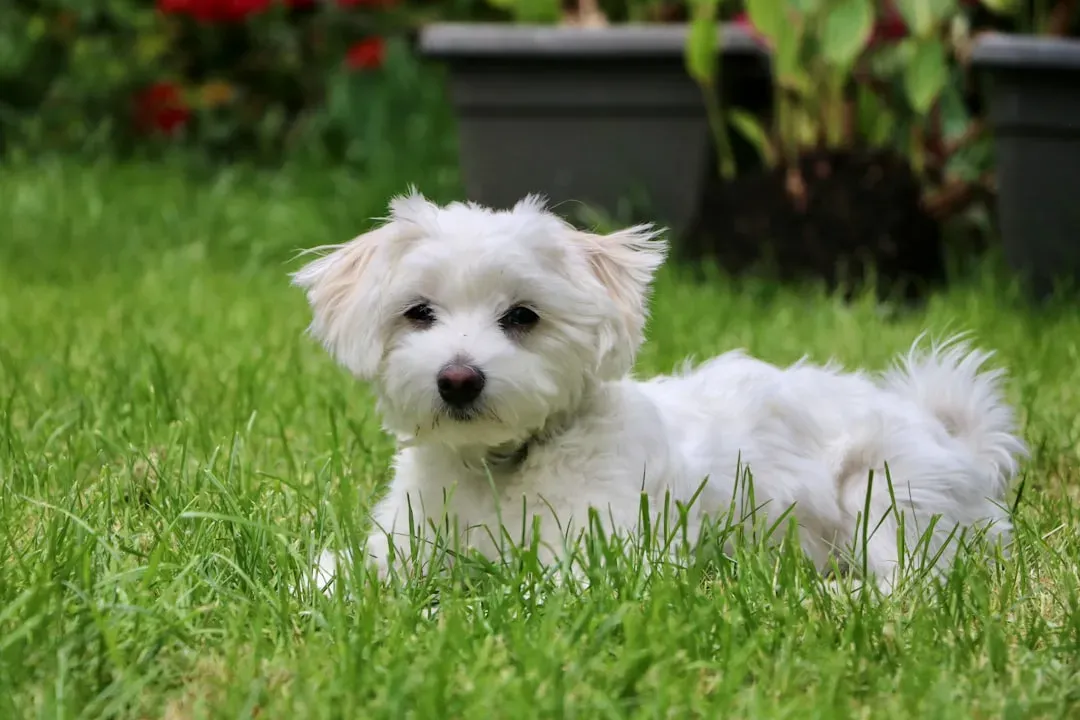
The Maltese is one of the smallest breeds on this list, but many older adults are struck by how much calm reassurance such a tiny dog can provide. These dogs are known for forming very strong bonds with their primary person, often following them from room to room and settling quickly once they can curl up nearby. When an older adult is sick or recovering and spending long stretches in bed or in a favorite chair, that constant, quiet companionship can feel deeply reassuring.
From a practical standpoint, a Maltese is easy to carry, lift onto a bed, or move safely out of the way, which reduces the risk of falls or strain for seniors with mobility issues. They do have a long, fine coat that needs consistent grooming, but many owners keep them in a shorter, more manageable trim. Emotionally, their small size and big devotion can be especially comforting to those who live alone; having a Maltese nearby can feel a bit like having a living piece of home you can hold in your hands when everything else feels uncertain or medicalized.
Opinionated Conclusion: The “Best” Comfort Dog Is Personal – But Not Random
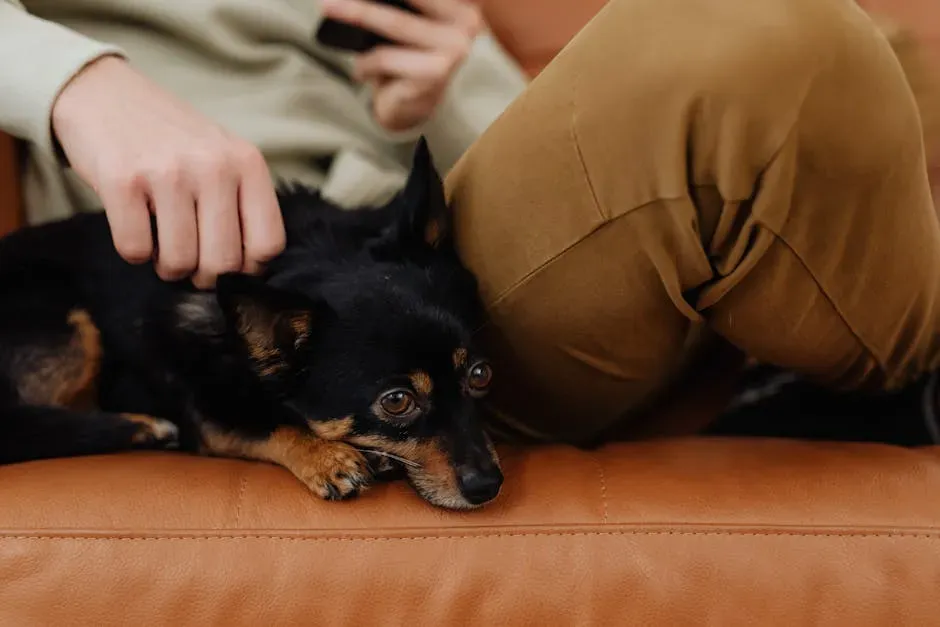
Looking at these seven breeds side by side, a pattern appears: dogs that comfort sick or aging owners best are not necessarily the flashiest or most impressive on paper. They are the ones who can slow down, tune in, and be physically manageable when their person is at their weakest. Smaller companion breeds like Cavaliers, Shih Tzus, Maltese, Bichons, and the toy Poodles shine here, especially for seniors over 65 who may face more frequent or longer illnesses. Larger dogs like Labs and Goldens can also be incredible sources of comfort, but usually only when there is enough human support to meet their exercise and grooming needs consistently.
My own opinion, after watching many older adults with their dogs, is that “comfort” is a mix of breed tendencies and intimate, everyday fit. A so-called perfect comfort breed that pulls on the leash, knocks you off balance, or leaves you exhausted will not feel comforting for long. On the other hand, a modest little lap dog that matches your pace, your space, and your lifestyle can be emotionally life changing during illness. So if you or someone you love is over 65 and thinking about a dog for comfort, the real question is this: which of these breeds can you picture quietly sharing your worst days, not just your best ones?


