
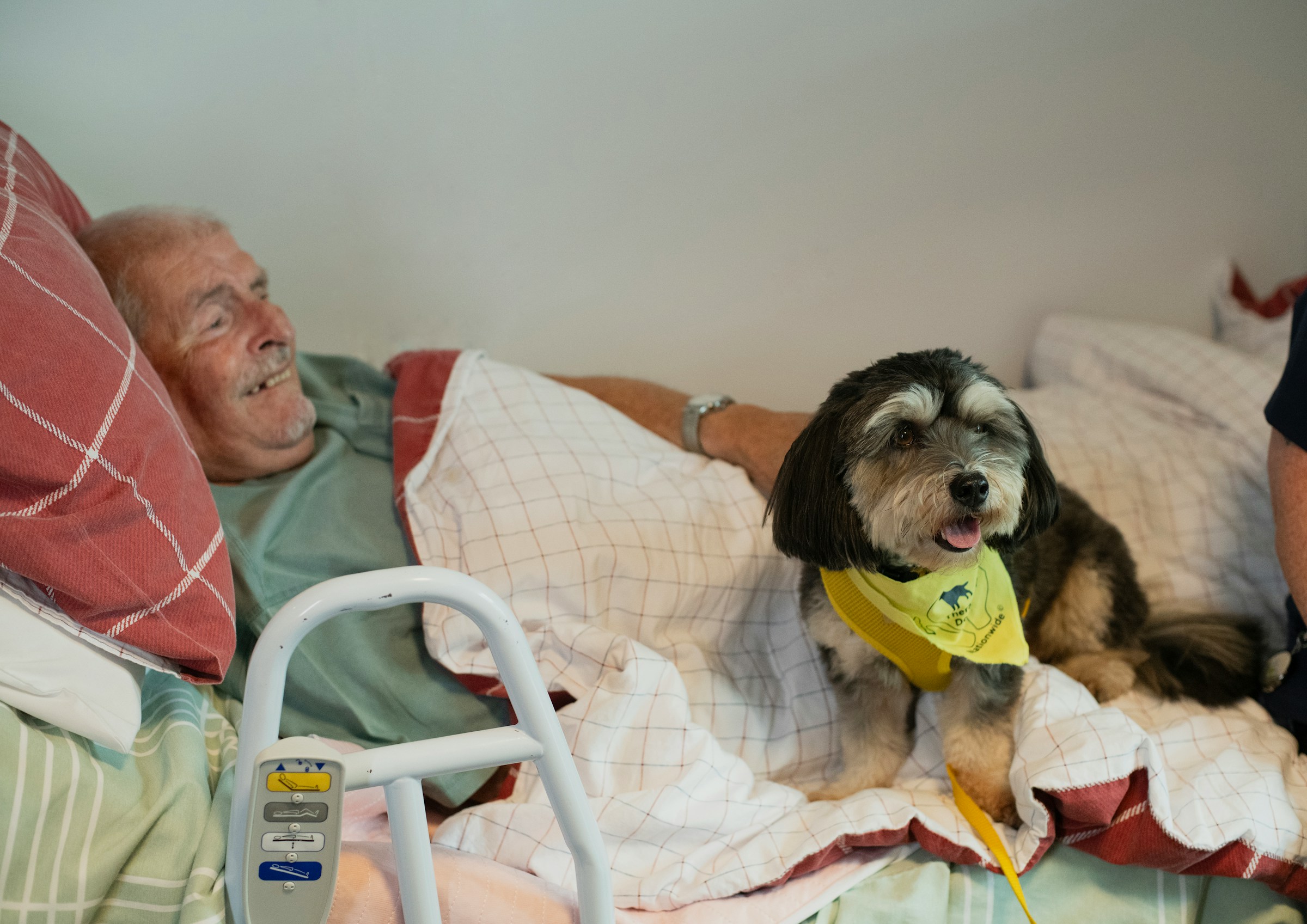
One day the routine is perfectly normal: kettle on, leash by the door, the familiar shuffle of slippers on the kitchen floor. The next day, the door slams behind a paramedic crew and the house goes quiet. For the dog, the person who is their entire world has simply vanished – and nobody has explained why.
We talk a lot about hospital admissions, care plans, and discharge dates for older adults, but very rarely about the confused animal left pacing behind the curtains. Yet what happens to that dog in the hours and days after an emergency can swing from heartwarming to heartbreaking. Understanding what actually goes on – emotionally, physically, and practically – is the first step to making sure no dog is quietly suffering while its person is fighting for their health.
The Immediate Shock: A Dog’s World Suddenly Changes
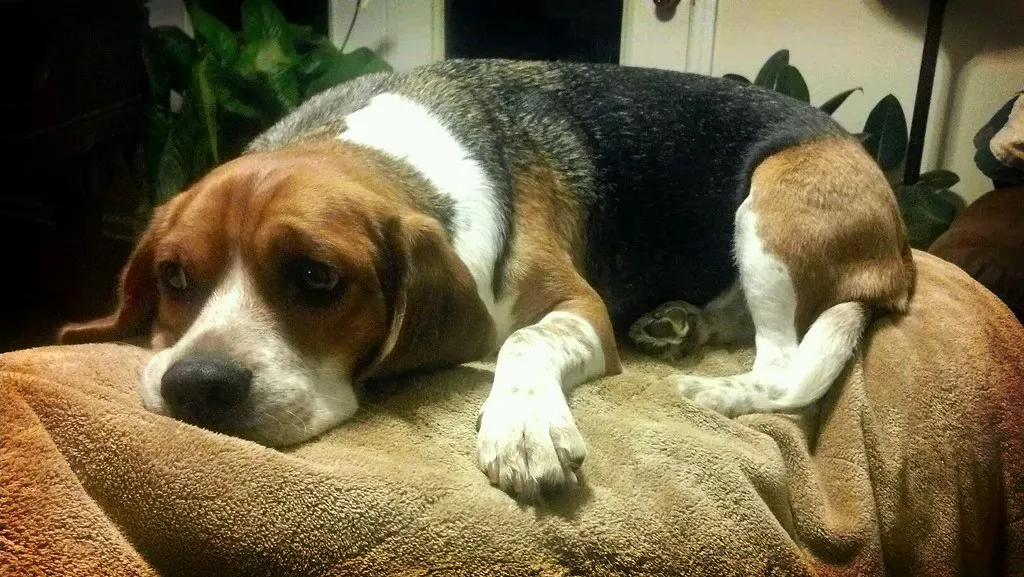
Imagine going to sleep with your favorite person beside you and waking up to an empty house that never fills again that day. For many dogs, that is exactly what happens when an elderly owner is taken into hospital. The car drives away, the ambulance doors close, and the dog is left in a space that smells like their person but feels strangely wrong.
Dogs are creatures of rhythm and pattern. When the usual sounds – the cough in the hallway, the TV at a certain volume, the clatter of a food bowl – disappear, a dog can show real signs of stress. You might see pacing, constant checking of doors and windows, whining, or even sitting motionless in their favorite spot as if waiting for the next cue that never comes.
Emotional Fallout: Grief, Anxiety, and Confusion in Dogs
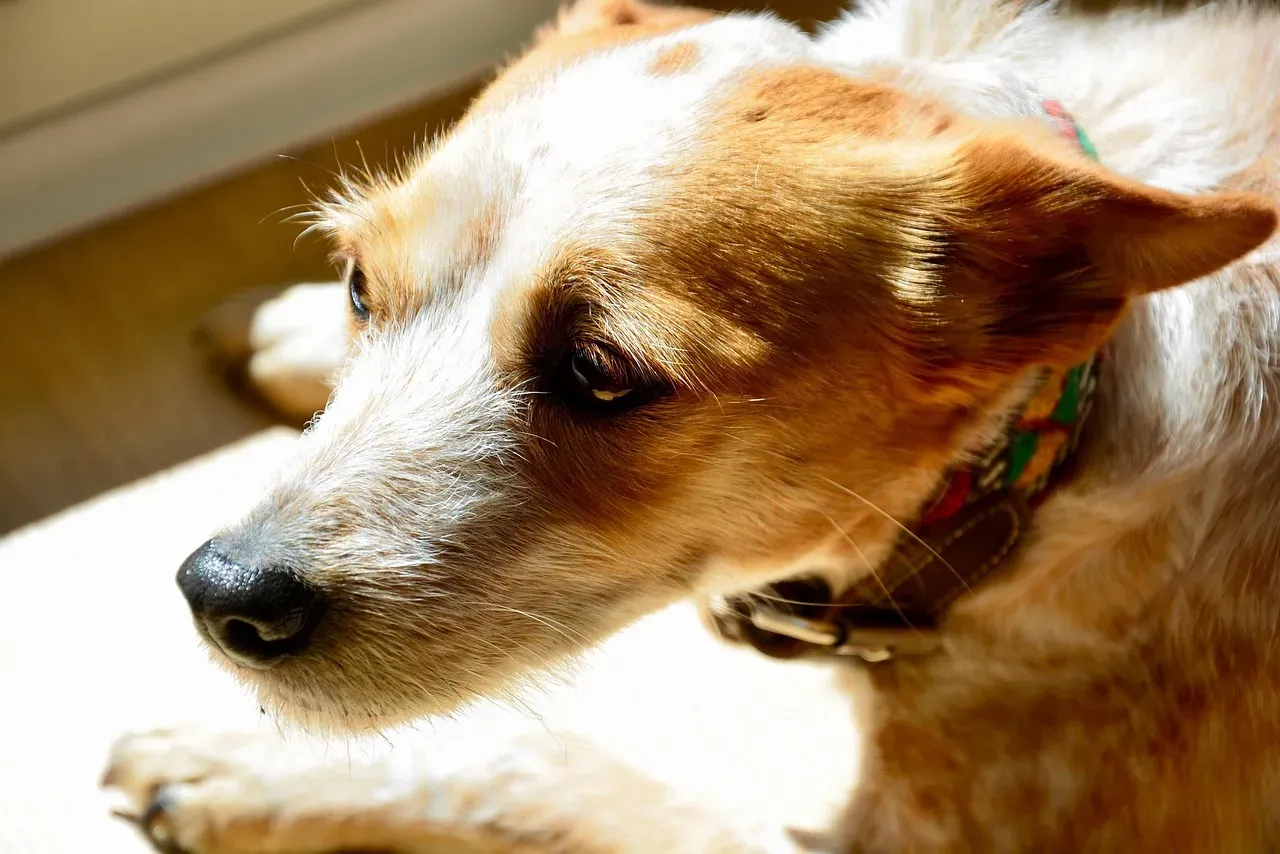
We often underestimate how deeply dogs bond with a single, elderly owner, especially in quiet homes where the human–animal relationship is the main emotional connection. When that bond is suddenly interrupted, dogs can react in ways that look a lot like grief. They may go off their food, become clingier with any remaining person, or withdraw completely and hide.
On top of that, many dogs become hypervigilant. They jump at every sound, hover by the front door, and startle more easily. This mix of anxiety and confusion is not just “being a bit off”; it is the dog trying to make sense of a world where their one reliable anchor has vanished with no warning. Recognizing this as genuine emotional distress, not just “missing their walk,” changes how seriously we take their needs in the days after a hospitalization.
Physical Risks: Missed Meals, Missed Meds, and Silent Neglect
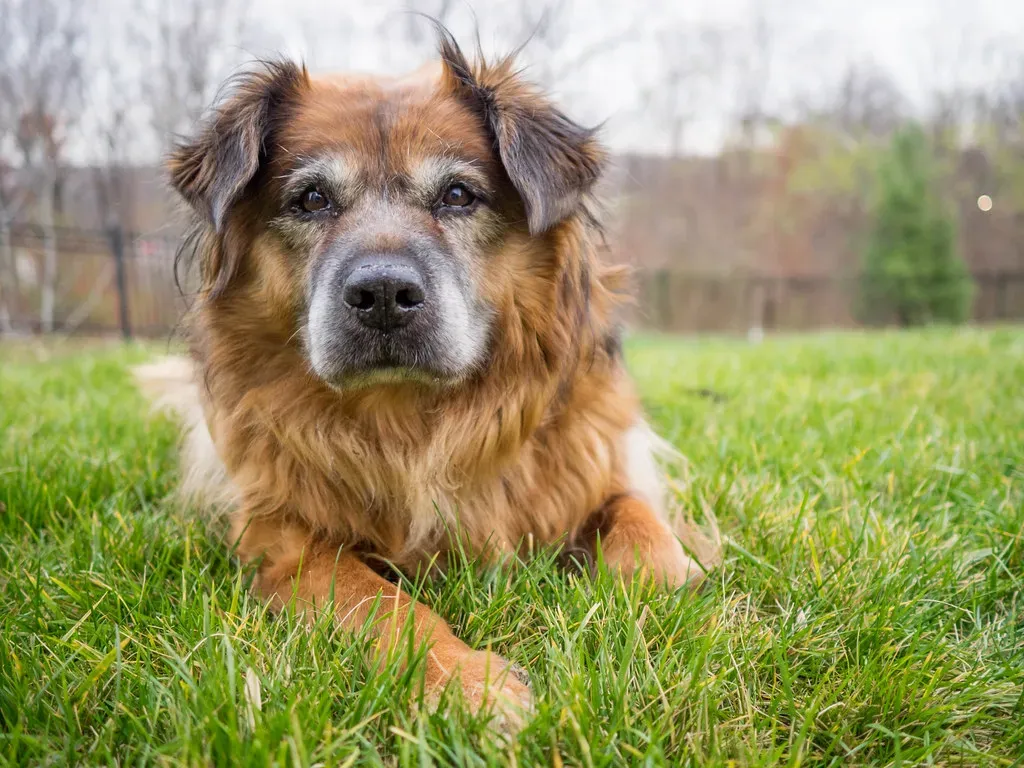
While the emotional impact is painful, the physical risks can be brutal. If nobody realizes a dog is alone at home, basic needs start to slip quickly. Water bowls run dry, meals are missed, dogs with arthritis or diabetes may miss important medications, and toileting routines break down. A dog that has been carefully managed by a devoted elderly owner can slide into poor condition in just a few days.
Even when someone steps in, it is easy for details to be overlooked: a special joint supplement, a lower step to help the dog reach the sofa, or the fact that the dog needs their food soaked because of dental disease. Older dogs in particular can deteriorate fast when routines vanish. This is not melodrama – it is simply what happens when a fragile routine built around a frail person suddenly disappears with no backup plan in place.
Who Actually Steps In? Family, Neighbors, Shelters and the System Gap
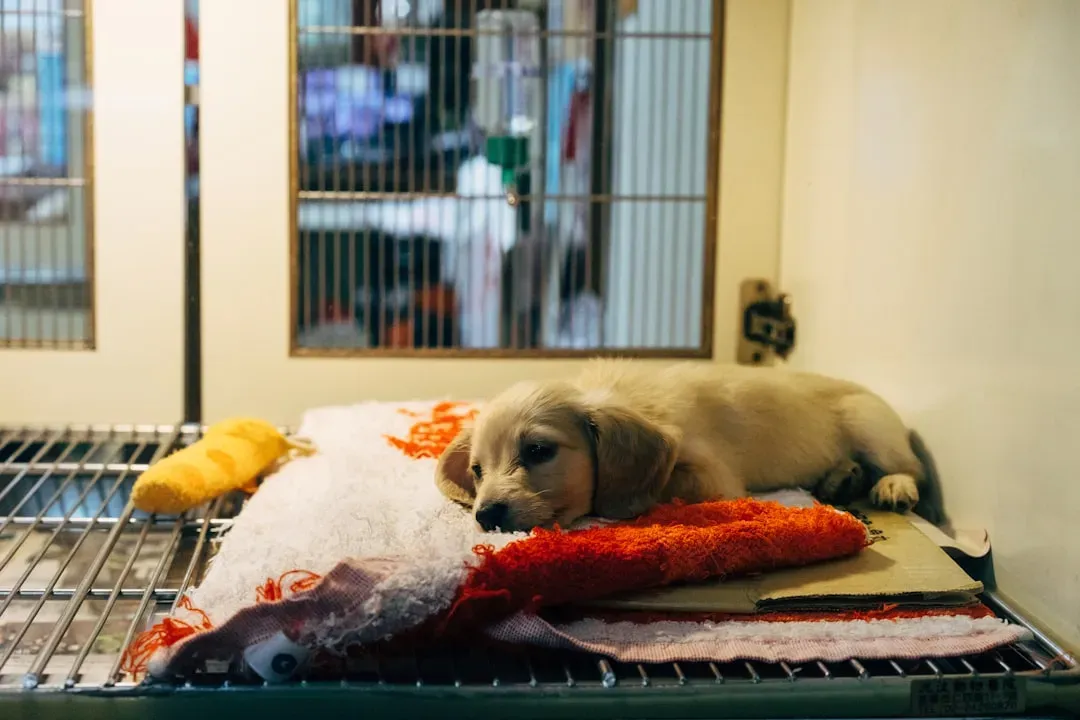
In the best-case scenarios, a neighbor has a key, a relative lives nearby, or a trusted dog walker already knows the household. They hear about the hospital admission, collect the dog, and either bring them into their own home or visit several times a day. In these stories, there is disruption but also kindness and continuity, and the dog gets through it.
The uncomfortable truth is that this does not always happen. Sometimes there is no close family, or relationships are strained, or relatives live far away and do not realize how dependent the dog is on the elderly owner. In these cases, dogs may end up with animal control, in a shelter, or bouncing between temporary carers. None of this is inherently bad – many shelters and rescues work incredibly hard – but the system is patchy and mostly reactive. There is rarely a smooth, preplanned path for “What happens to the dog if I end up in hospital?”
Behavior Changes You Might See – And What They Really Mean
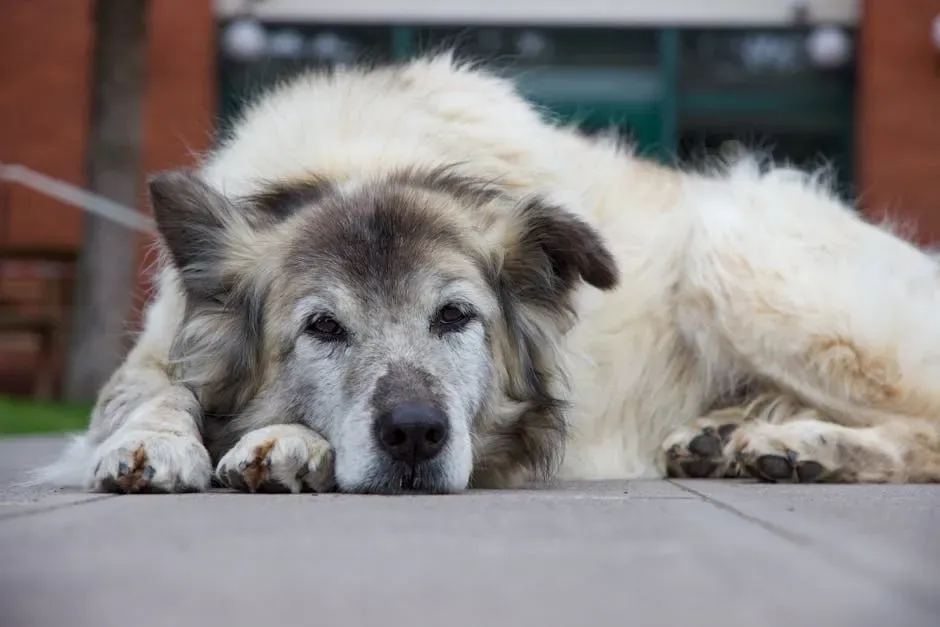
When an elderly owner goes into hospital, many dogs start showing behaviors that get mislabeled as “being naughty” when they are actually clear distress signals. House-trained dogs may start toileting indoors, not because they have forgotten, but because their toileting schedule has blown apart. Others may become destructive, chewing door frames or furniture, especially around entry points where their person usually appears.
Some dogs go the other way and become unusually quiet or lethargic. They may sleep more, refuse toys they once loved, or ignore visitors. This can look like a dog simply “being calm,” but it can also be a sign of depression, stress, or even underlying illness made worse by the upheaval. Understanding that these behaviors are often cries for stability and security helps us respond with patience and structure instead of punishment or frustration.
What You Can Do Right Now If an Elderly Loved One Is Hospitalized
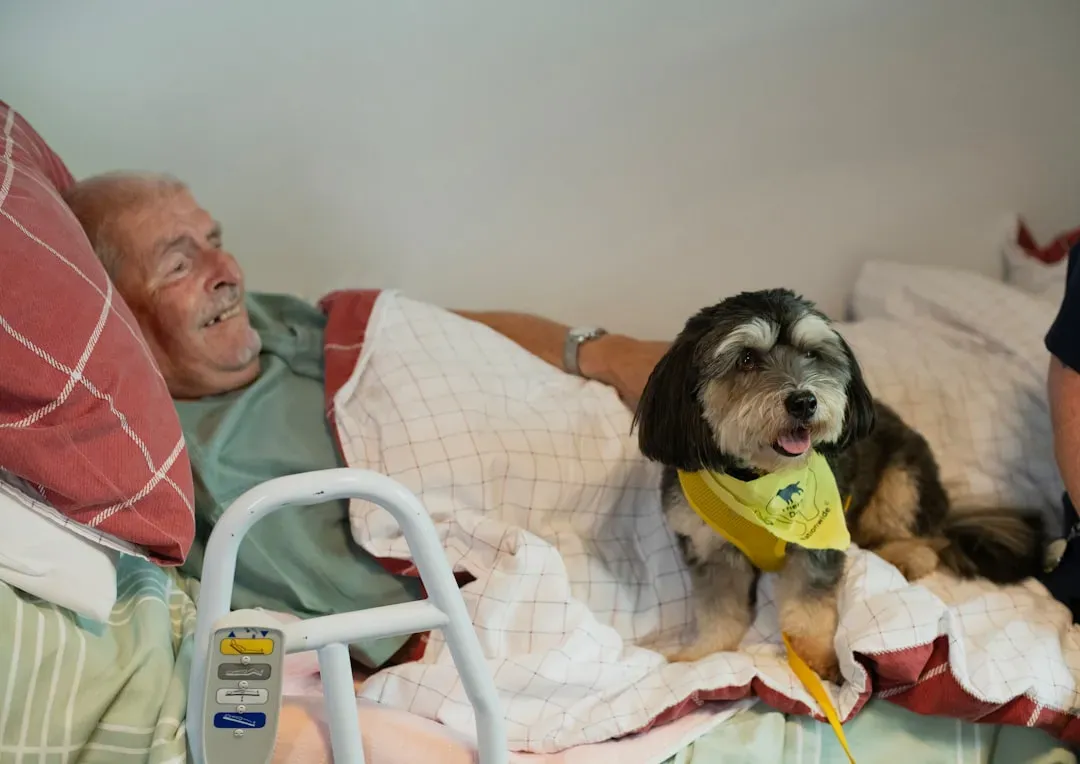
If an older friend or relative has just gone into hospital and they have a dog, treating the animal’s care as urgent is not overreacting; it is basic welfare. The first step is practical: make sure the dog is safe, has fresh water, food, and the chance to go to the toilet. Then, as quickly as possible, decide where the dog will stay – in their own home with regular visits, or in someone else’s home where they are not alone overnight.
Once the immediate crisis is covered, try to quietly reconstruct the dog’s life. Ask about usual feeding times, walk routines, health conditions, medications, and any quirks, like fear of thunderstorms or difficulty with stairs. Even small familiar touches – the same blanket, the same feeding bowl, a radio on at a similar volume – can lower stress. You are not trying to make everything perfect; you are simply giving the dog enough recognizable pieces of their old life to keep their world from collapsing.
Planning Ahead: How to Protect a Dog Before an Emergency Happens
The most powerful thing you can do for an elderly person and their dog is to think about this scenario before it happens, even though it feels uncomfortable. That can mean something as simple as having a written pet care plan on the fridge: who to call, where the spare key is, the dog’s vet details, medications, feeding instructions, and preferred emergency carer. It is a small act that can stop hours of panic and confusion later.
Beyond that, families can build dogs into wider care conversations. When sorting out powers of attorney, advance directives, or home help, include a section about the pet. Encourage older adults to name a “pet guardian” in their will and to talk openly about what should happen if they are unable to return home. It is not morbid; it is an act of love that protects both the person and the animal they care about so fiercely.
Reunion, Rehoming, or Goodbye: Facing the Hard Outcomes Honestly
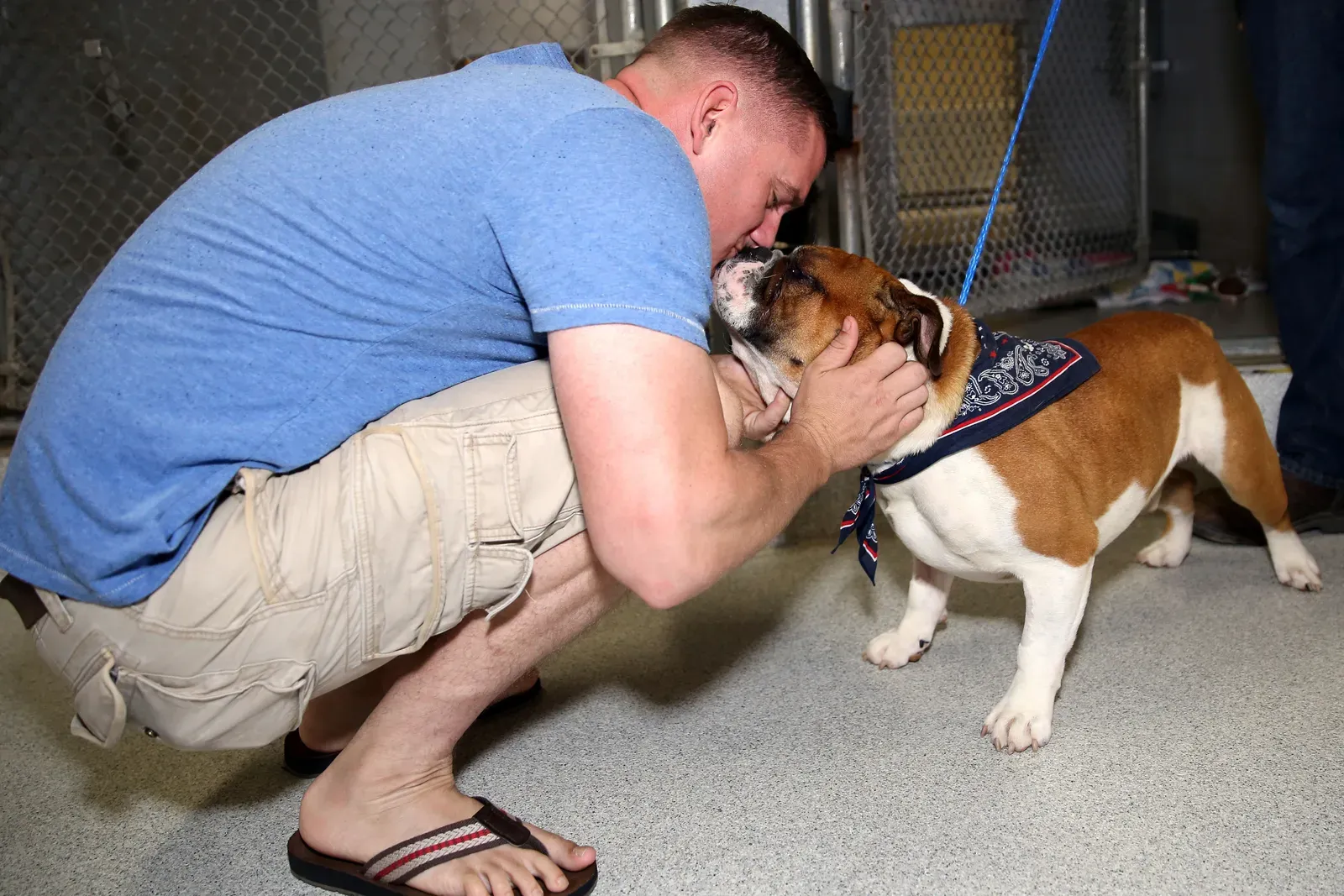
Not every story ends with a cheerful reunion at the front door. Sometimes an elderly owner is in hospital for much longer than expected, or their health declines to a point where returning home is no longer realistic. At that point, the question of what happens to the dog stops being theoretical and becomes heartbreakingly real. Pretending this will never happen does not protect anyone; it just delays the difficult choices.
In some cases, the kindest outcome is a permanent move: either to a family member, a trusted friend, or a carefully chosen rescue that prioritizes older pets and stable placements. That decision can feel like a betrayal, but it can also be a profound act of care, ensuring the dog has a secure future rather than living in limbo. It is better to make a clear, thoughtful choice while you still can than to leave things to chance and crisis.
Opinionated Conclusion: If We Say Pets Are Family, We Have to Mean It
We love to say that pets are family, but moments like an elderly owner’s sudden hospitalization are where that claim is tested. If a dog can be left alone for days because nobody thought to ask, check, or plan, then the truth is blunt: we are treating that animal as an afterthought, not as family. That might sound harsh, but sometimes a bit of honesty is what finally nudges us into action.
The good news is that doing better is not complicated. It is a conversation at the kitchen table, a page of written instructions, a spare key with a trusted neighbor, and the shared promise that no dog will be forgotten when an ambulance pulls away. If you have an older loved one with a dog, or you are that older person yourself, what is one small step you could take this week so that, if the worst happens, their four-legged friend is cared for as kindly as they have always cared for you?


