
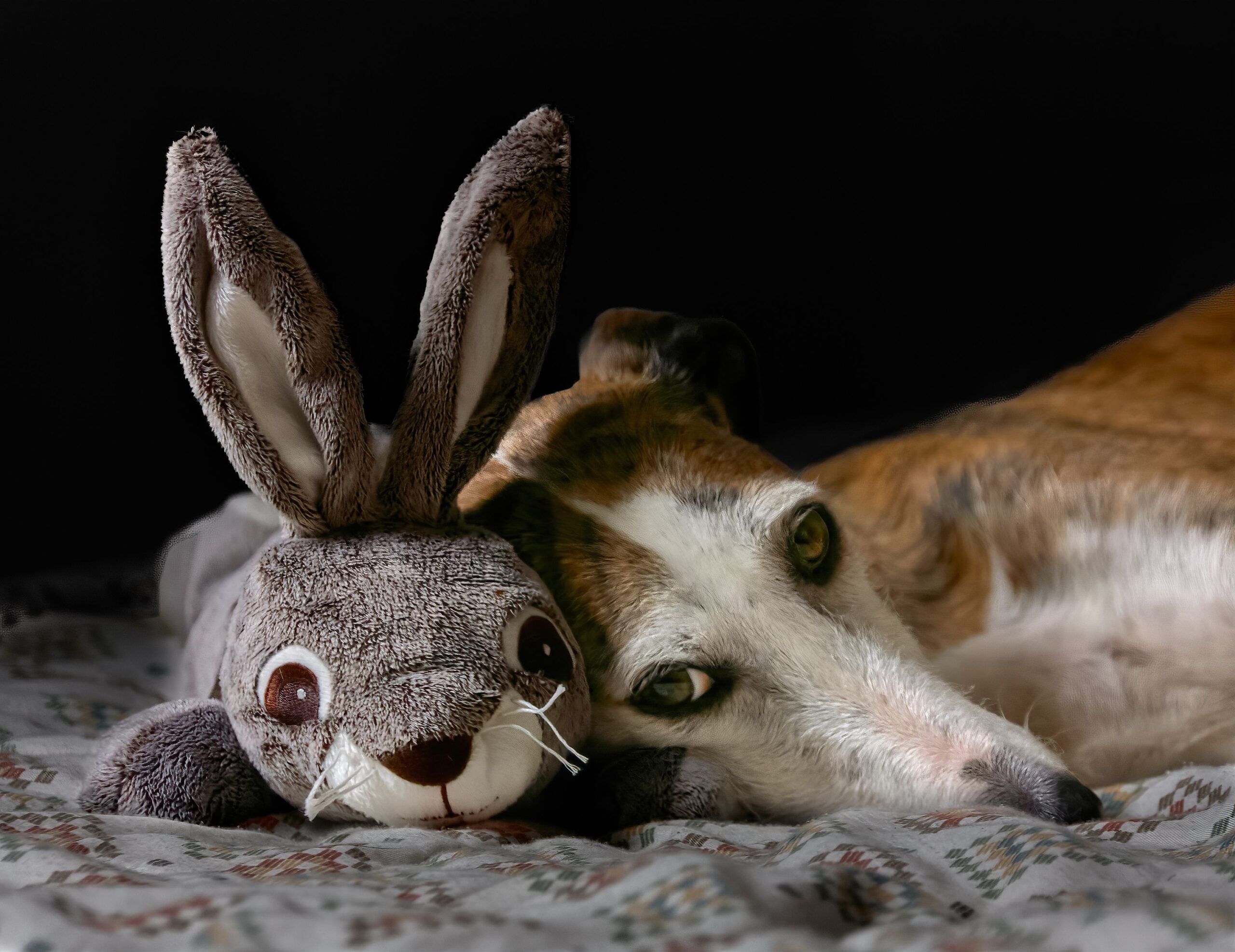
Every dog owner knows that sleepy, slightly chaotic moment before bed: you’re ready to switch off, and suddenly your dog appears at your feet with their absolute favourite toy. It feels cute, maybe a little inconvenient, and most people assume it’s a last-minute plea to squeeze in one more game. But animal behaviour research and centuries of canine evolution suggest something much deeper is going on than a simple request to play.
This bedtime toy offering is not random and not just habit. It is tied to how dogs once survived in the wild, how they guarded their resources, and how they now see you as the centre of their world. When your dog drops that worn-out stuffed animal or chewed-up ball in your lap right before lights out, they might actually be telling you they’re ready to stand watch, share their most precious resource, and mark you as part of their inner circle. Once you start seeing it as a ritual instead of a nuisance, the whole moment feels very different.
The Surprising Truth Behind That Bedtime Toy Ritual
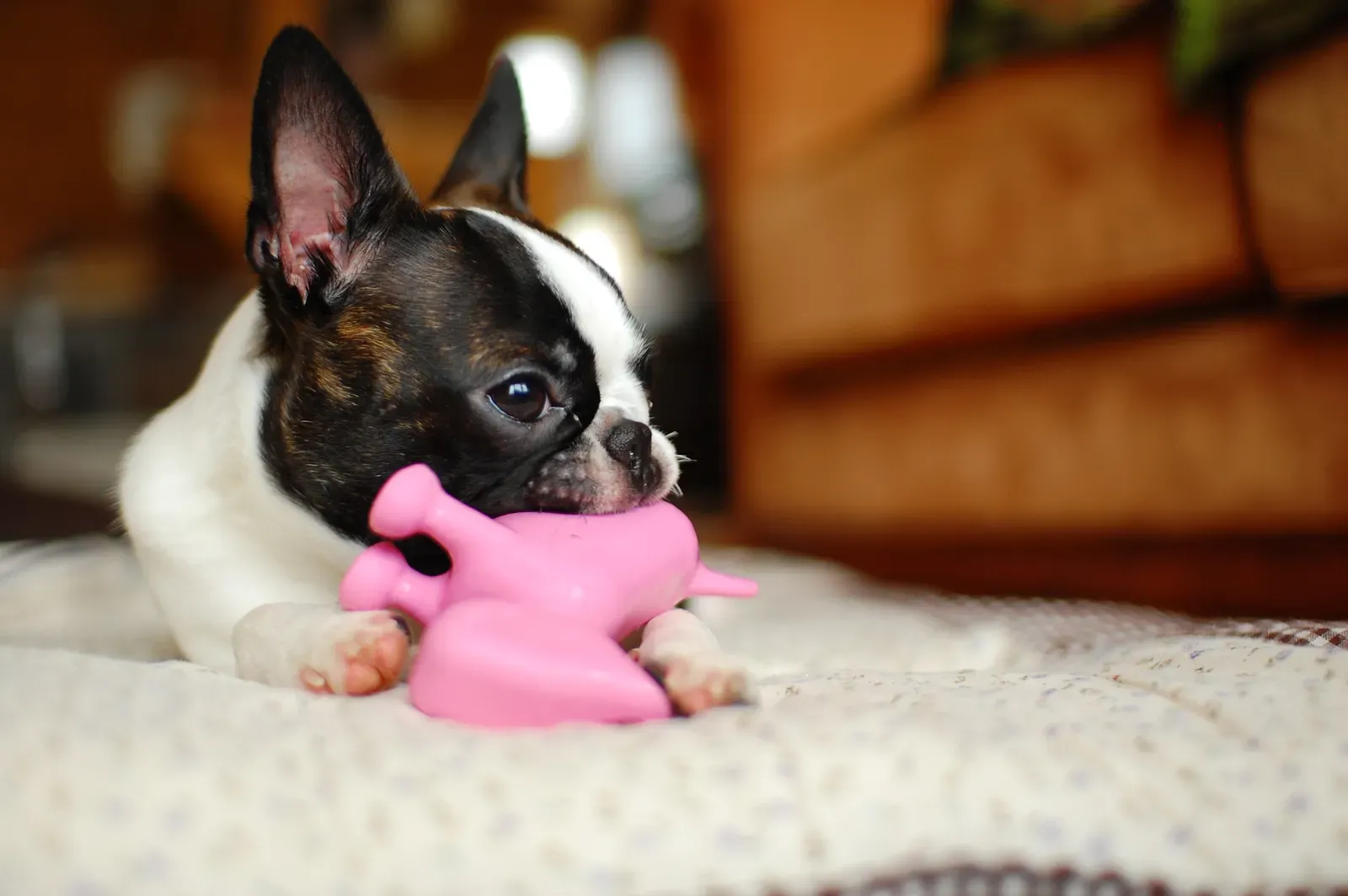
Here’s the twist: the behaviour that looks like “play with me!” is often the opposite. Many dogs are more tired than they look at bedtime, but their brains are wired to check in, secure their environment, and connect with their group before settling. Bringing a prized toy can be a way of saying the night shift is starting, the den is closing, and the most important relationship in their world – you – needs to be acknowledged.
Think of it like a family member locking the doors, dimming the lights, and placing their phone on the nightstand: it’s a modern ritual that says, “the day is done, I’m here, and I’m safe.” Your dog’s toy is that phone and that locked door rolled into one. It is familiar, smells like them, often smells like you, and acts as a physical symbol that the group is together and the territory is under watch. It might look lighthearted, but emotionally, it is serious business for your dog.
From Wolves to Living Rooms: Ancient Guarding Instincts in Modern Dogs
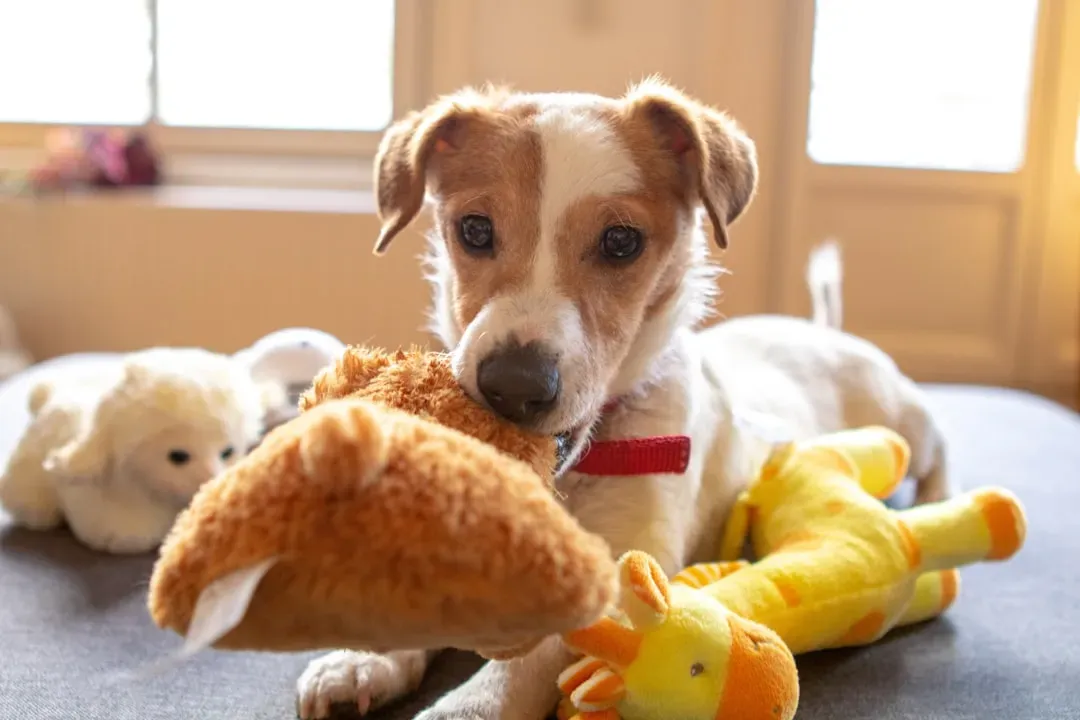
To understand this ritual, you have to zoom out and look at where dogs came from. Domestic dogs descended from wolves and other wild canids that survived by guarding food, pups, and den sites through the night. In a wild pack, bringing an object to the centre of the group – a bone, a scrap of prey, or material for the den – helped protect it from scavengers and competitors and signaled loyalty and belonging to the pack.
Even though your dog now lives among blankets, streaming services, and indoor heating, those ancient patterns are still quietly running in the background. What used to be a chunk of food or a bone has turned into a squeaky plush dinosaur, but the emotional meaning is eerily similar: “this is important, and I want it near the ones I trust the most when we’re vulnerable.” Nighttime is when animals are historically at higher risk, so that simple act of placing the toy near you fits right into thousands of years of survival behaviour.
Why the “Favourite Toy” Matters More Than You Think
Dogs have many toys, but there is usually one that stands out: the one that is more ripped, more drooled on, and more frequently carried around. This isn’t random; it is a kind of emotional anchor. That favourite toy often takes on the role of a comfort object, a portable piece of home that your dog uses to regulate their feelings, a bit like a child’s favourite blanket or teddy bear.
So when your dog chooses that one special toy to bring you at bedtime, they are not just grabbing whatever is closest. They’re selecting their most valued possession and placing it within the safety zone – which, in their mind, is wherever you are. It is both a sign of trust and a subtle act of protection: by placing their prized resource next to the person they see as leader or partner, they are effectively saying, “together, we keep this safe.” That small decision tells you a lot about what and who matters most to them.
Guarding, Not Begging: How Dogs Use Objects to “Secure” the Night
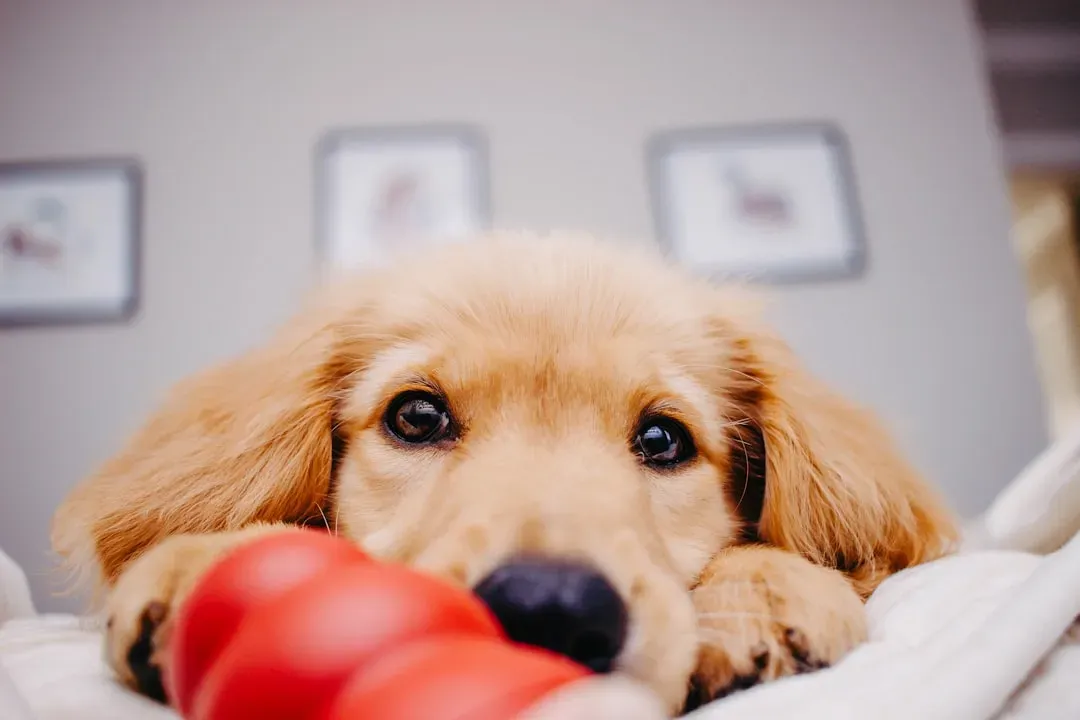
In the canine world, guarding is not only about snarling over a food bowl. It can be quiet, gentle, and surprisingly tender. A dog that calmly places a toy at your feet before curling up is often managing its resources in a very controlled way. They are not pushing it at you or refusing to let go; they are simply parking it in what they believe is the safest spot before the long, vulnerable hours of sleep.
Imagine a person who puts their wallet and keys on the bedside table every night in the exact same place. They are not obsessed with the objects; they are reassuring themselves that things are in order and close by. Your dog uses the toy in a similar way. By putting it in your space, they are extending their “guard zone” to include you, your bed, and your shared sleeping area. It is an act of quiet vigilance disguised as something adorable and harmless.
Your Dog’s Quiet Way of Saying “You Are My Safe Place”

This ritual is not only about guarding; it is deeply emotional. Dogs form strong attachment bonds with their humans, and bedtime is when those bonds often feel the most intense. When the house becomes quieter and the outside world fades away, your dog’s attention zeroes in on the small circle that really matters. Bringing their favourite toy to you can be their way of folding you into that inner circle one last time before sleep.
I’ve seen this with my own dog: every night, just as I’m about to turn off the light, she appears with the same battered toy and gently presses it against my leg, then lies down with a sigh. For a long time, I assumed she wanted to keep playing and felt a little guilty saying no. Once I started seeing it as a check-in and a comfort-sharing moment, my response changed. I still do not start a game, but I’ll rest my hand lightly on the toy or her shoulder. You can almost feel the tension drop out of her body, as if the message has been received: “We’re together. It’s safe to sleep.”
How to Respond: Encouraging the Ritual Without Creating Anxiety
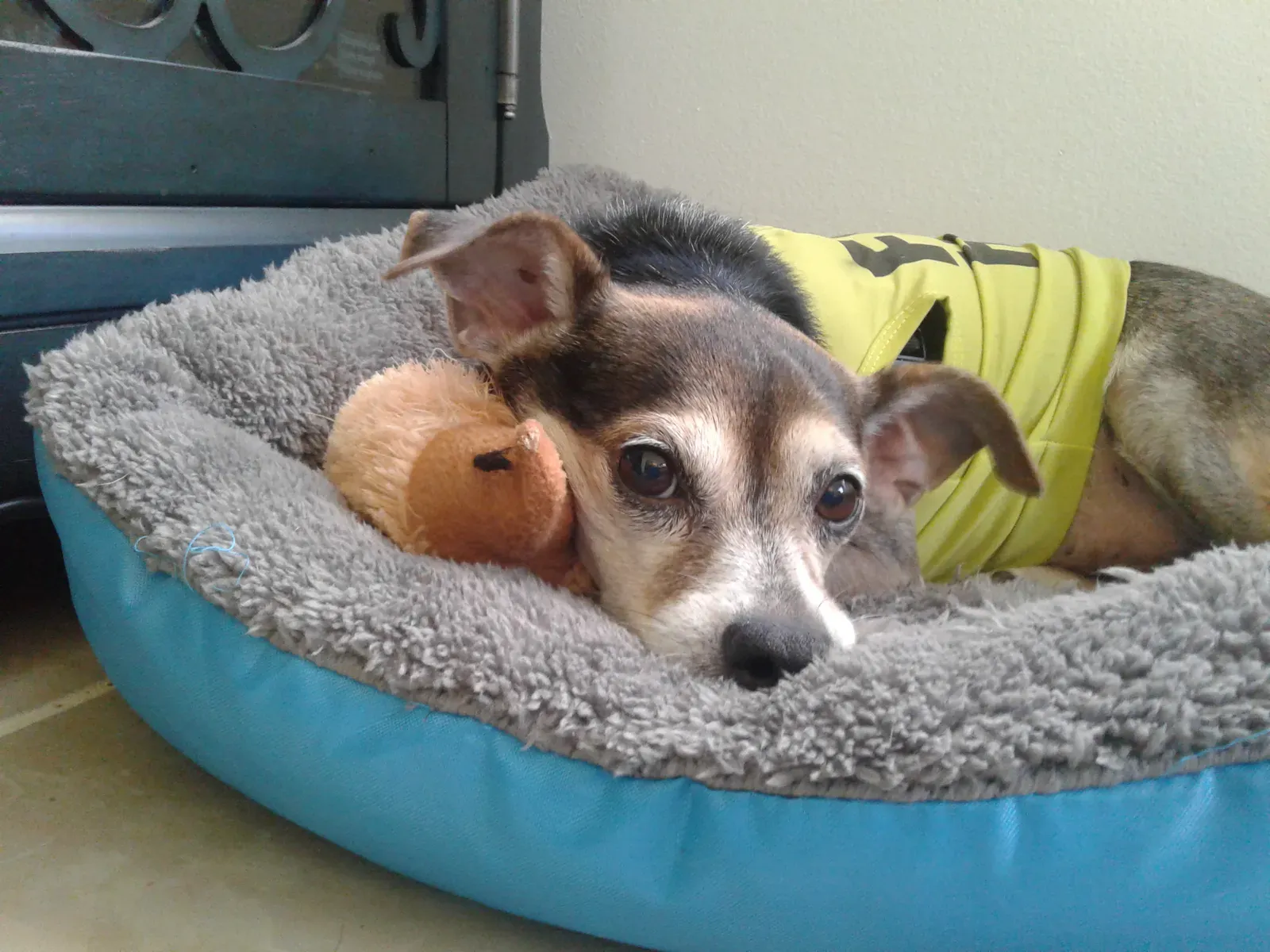
The good news is you do not need to “train away” this bedtime behaviour unless it is becoming frantic or obsessive. In most cases, the healthiest response is calm acknowledgment. A gentle pat, a soft word, or simply allowing the toy to stay on the bed or by your feet is usually enough. You are basically confirming what your dog is hoping to hear: the den is secure, and the group is intact.
If your dog gets overstimulated and starts demanding late-night fetch, you can still respect the ritual without turning it into a full game. Accept the toy, place it beside you, and stay relaxed and quiet. Over time, many dogs learn that this is a settling ritual, not a play cue. If you notice your dog panics when the favourite toy is missing at night, it may help to keep that toy accessible in the evening and gently guide them toward bed after they bring it, so they associate the behaviour with winding down rather than ramping up.
When the Ritual Looks Different: Not Every Toy Offering Means Guard Duty
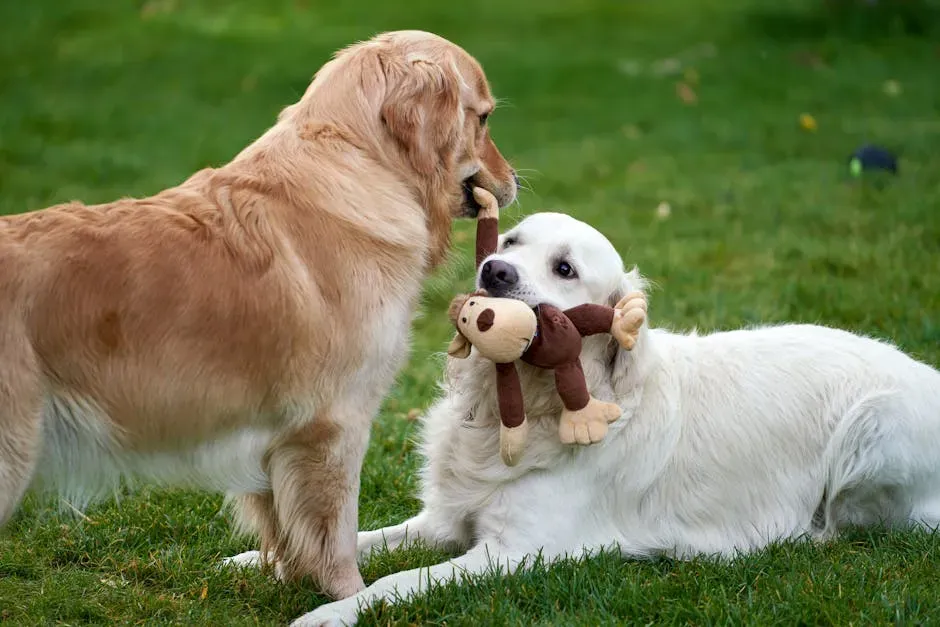
Of course, not every dog that trots over with a toy at 10 p.m. is performing some ancient, perfectly preserved guarding script. Context matters. A young, high-energy dog might truly be begging for one last burst of fun, especially if they have not had enough exercise or mental stimulation that day. Puppies and adolescent dogs are especially prone to mixing up excitement and comfort rituals, blurring the lines between “help me feel safe” and “I’m not done playing.”
The key is to notice patterns rather than obsess over single moments. If your dog routinely brings the same toy, at roughly the same time, then lies down calmly once you’ve acknowledged it, you’re probably looking at a modern version of a guarding-and-bonding ritual. If they slam the toy into your chest and zoom around the room every other night, that is more of an energy outlet than an emotional ceremony. Both are normal, but only one is truly about night watch and emotional safety.
What This Ritual Reveals About Your Bond – And Why It Matters
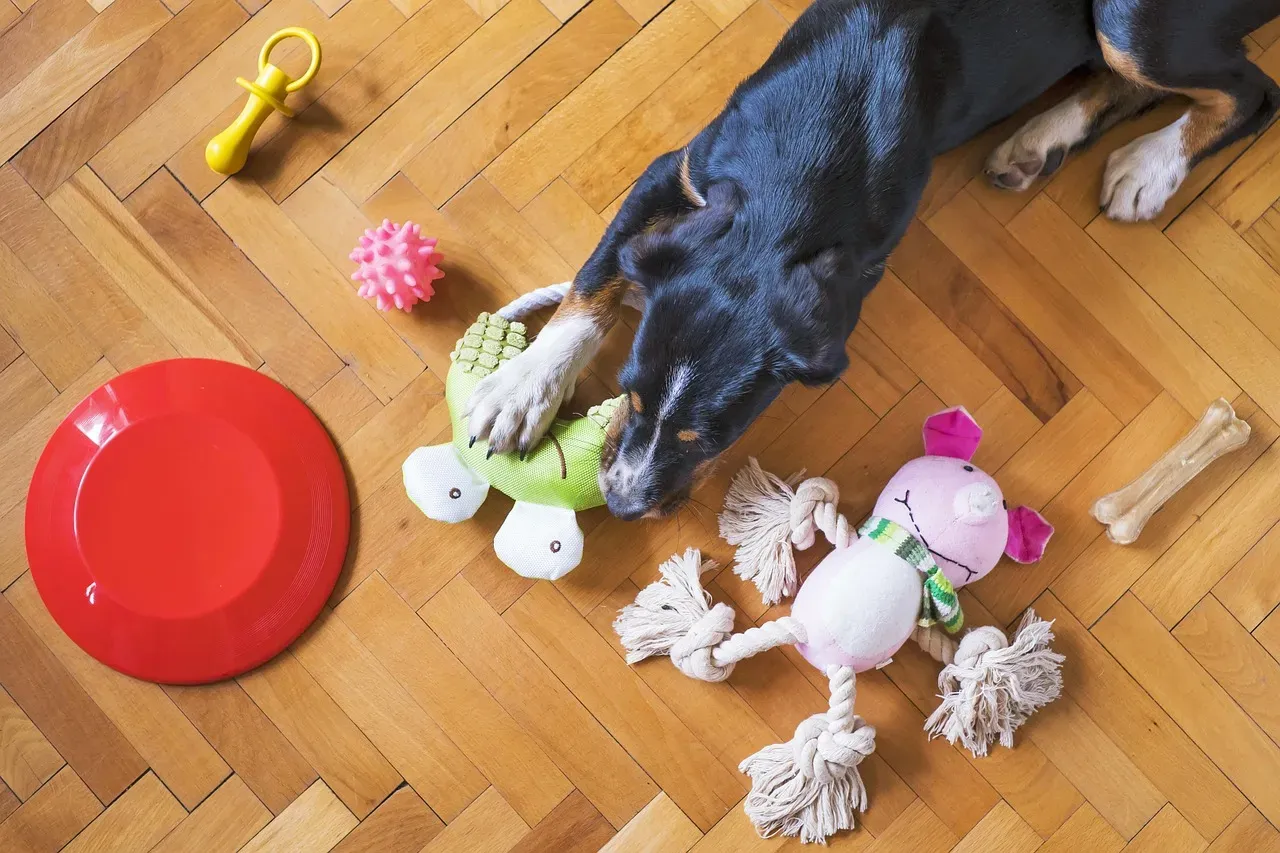
When you realise your dog’s bedtime toy moment is less about nagging for play and more about staking out a safe, shared space, it changes how you see your role in their world. You are not just the food provider or the one with the leash; you are the emotional centre of their territory. They are not only guarding the toy; in their own way, they are also guarding you. That awareness can make those sleepy, toy-dropped-at-your-feet moments feel strangely sacred.
In a world that often expects dogs to be endlessly entertaining and easygoing, it is worth remembering that they carry deep, ancient instincts under all that cuteness. This ritual is one of the few places where you can actually see those instincts at work in an everyday setting. Treat it with a bit of respect, even if you are tired. You might never look at that ragged, squeaky toy the same way again – and honestly, that is a good thing. If your dog could explain it, they might simply say: “I trust you with what I love most. Are you watching the night with me?”


