

Imagine this: your loyal companion, who has always curled up beside you at night, suddenly prefers sleeping alone. It’s easy to dismiss this as a quirky preference, but experts suggest it could be a silent signal of underlying age-related changes.
Understanding the Shift in Sleeping Habits

When a senior dog begins to sleep separately, it’s not merely a change in preference. This behavior often indicates discomfort or health issues that aren’t immediately visible. Dogs, by nature, are creatures of habit; a sudden deviation from their routine warrants attention.
Such changes can stem from physical discomfort, cognitive decline, or sensory impairments. Recognizing these signs early can lead to timely interventions, ensuring your dog’s comfort and well-being.
Physical Discomfort: A Silent Culprit
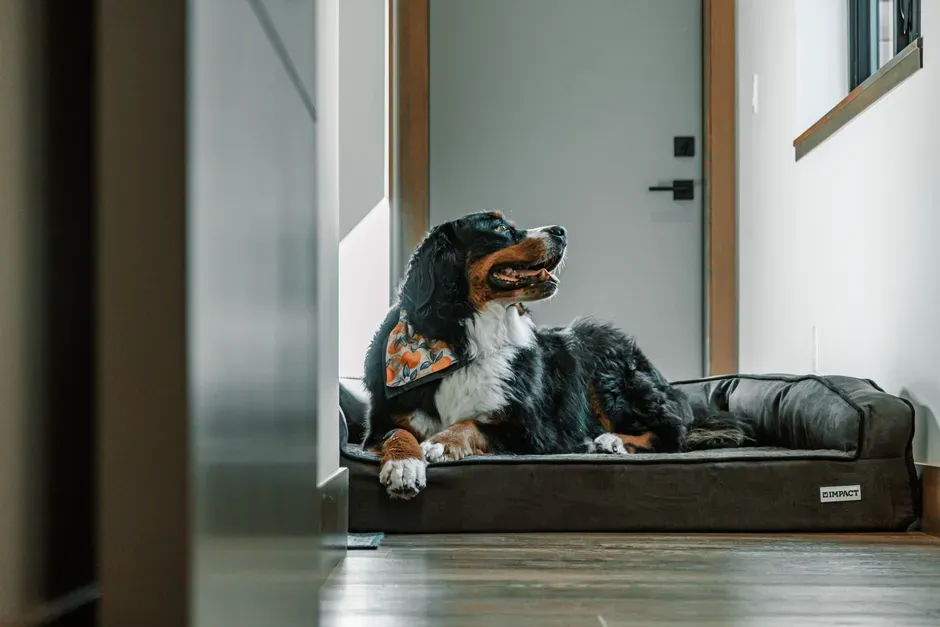
As dogs age, they become more susceptible to conditions like arthritis or joint pain. These ailments can make it challenging for them to access their usual sleeping spots, especially if it involves climbing stairs or jumping onto furniture.
Consequently, they might opt for more accessible areas, leading to a noticeable change in their sleeping locations. Providing orthopedic beds or ramps can alleviate some of this discomfort, encouraging them to return to their familiar spots.
Cognitive Decline and Its Impact

Canine Cognitive Dysfunction (CCD) is akin to dementia in humans. Dogs with CCD may experience confusion, anxiety, and altered sleep patterns. This cognitive decline can make them feel disoriented, prompting them to seek solitude during rest.
Symptoms like restlessness, house soiling, or changes in interaction levels often accompany CCD. Consulting a veterinarian can help in managing these symptoms and improving your dog’s quality of life.
Sensory Impairments: Hearing and Vision Loss
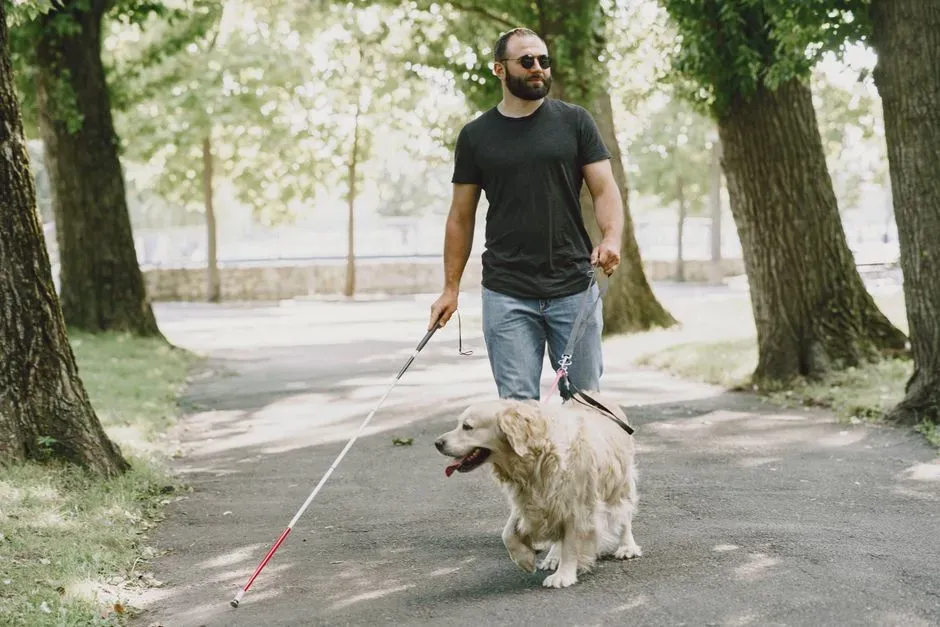
Aging can lead to diminished hearing and vision in dogs. These sensory losses can make them more sensitive to their environment, causing them to seek quieter, more secluded sleeping areas to feel secure.
Understanding and accommodating these changes, such as providing a consistent and safe environment, can help your dog feel more comfortable and reduce anxiety-related behaviors.
Environmental Factors and Stress

Changes in the household, like new pets, renovations, or increased noise levels, can stress senior dogs. This stress might drive them to find new sleeping spots where they feel safer and more at ease.
Maintaining a stable environment and minimizing disruptions can help in reducing stress-induced behavioral changes in your aging dog.
Health Issues Beyond Aging
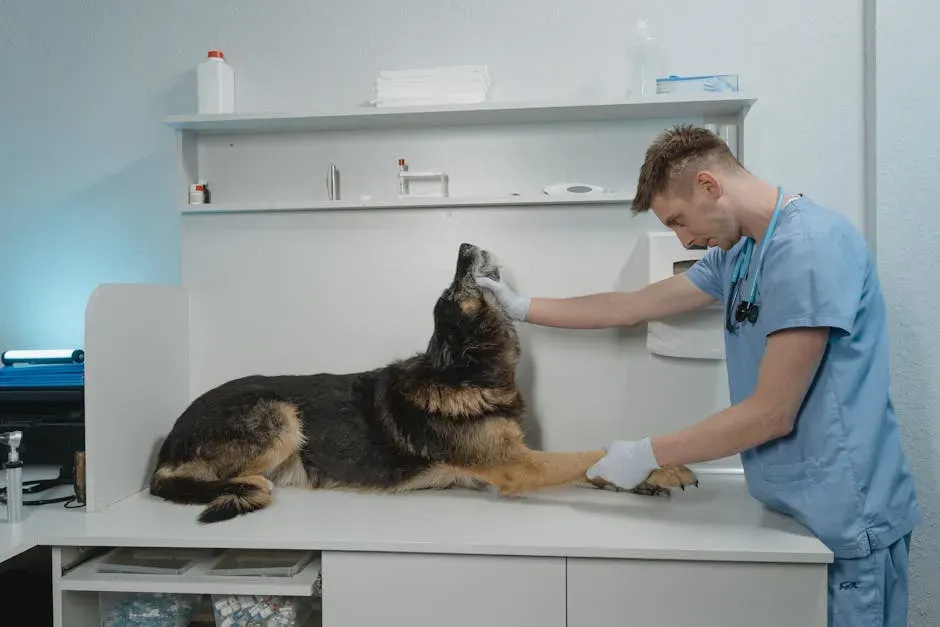
Sometimes, the change in sleeping habits can be indicative of underlying health problems such as urinary tract infections, gastrointestinal issues, or respiratory conditions. These ailments can cause discomfort, leading dogs to alter their sleeping positions or locations.
Regular veterinary check-ups are crucial in identifying and addressing these health concerns promptly, ensuring your dog’s comfort and health.
When to Seek Veterinary Advice
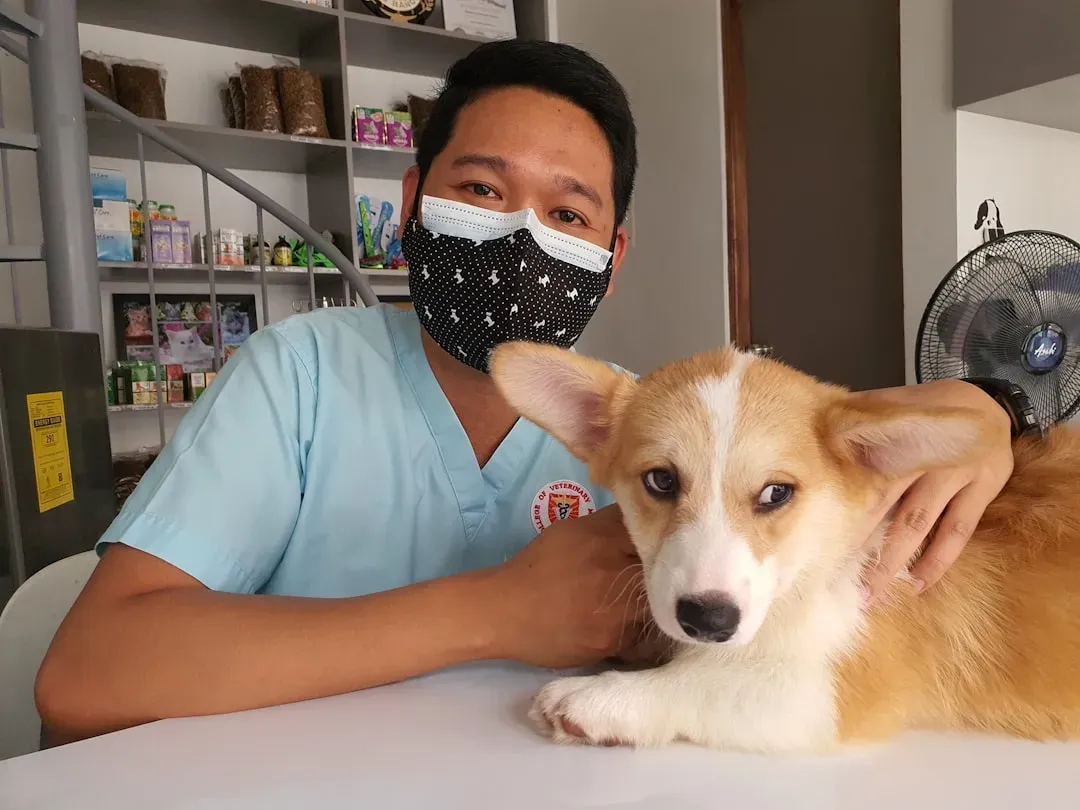
If your senior dog exhibits a sudden change in sleeping habits, it’s essential to monitor for other signs like decreased appetite, lethargy, or behavioral changes. These could be indicators of health issues requiring professional attention.
Early detection and intervention can make a significant difference in managing age-related conditions, enhancing your dog’s quality of life in their golden years.
In conclusion, while a senior dog choosing to sleep separately might seem like a minor change, it can be a window into their health and well-being. By staying observant and proactive, you can ensure that your loyal friend receives the care and comfort they deserve as they age. After all, isn’t their unwavering companionship worth our attentive care?


