
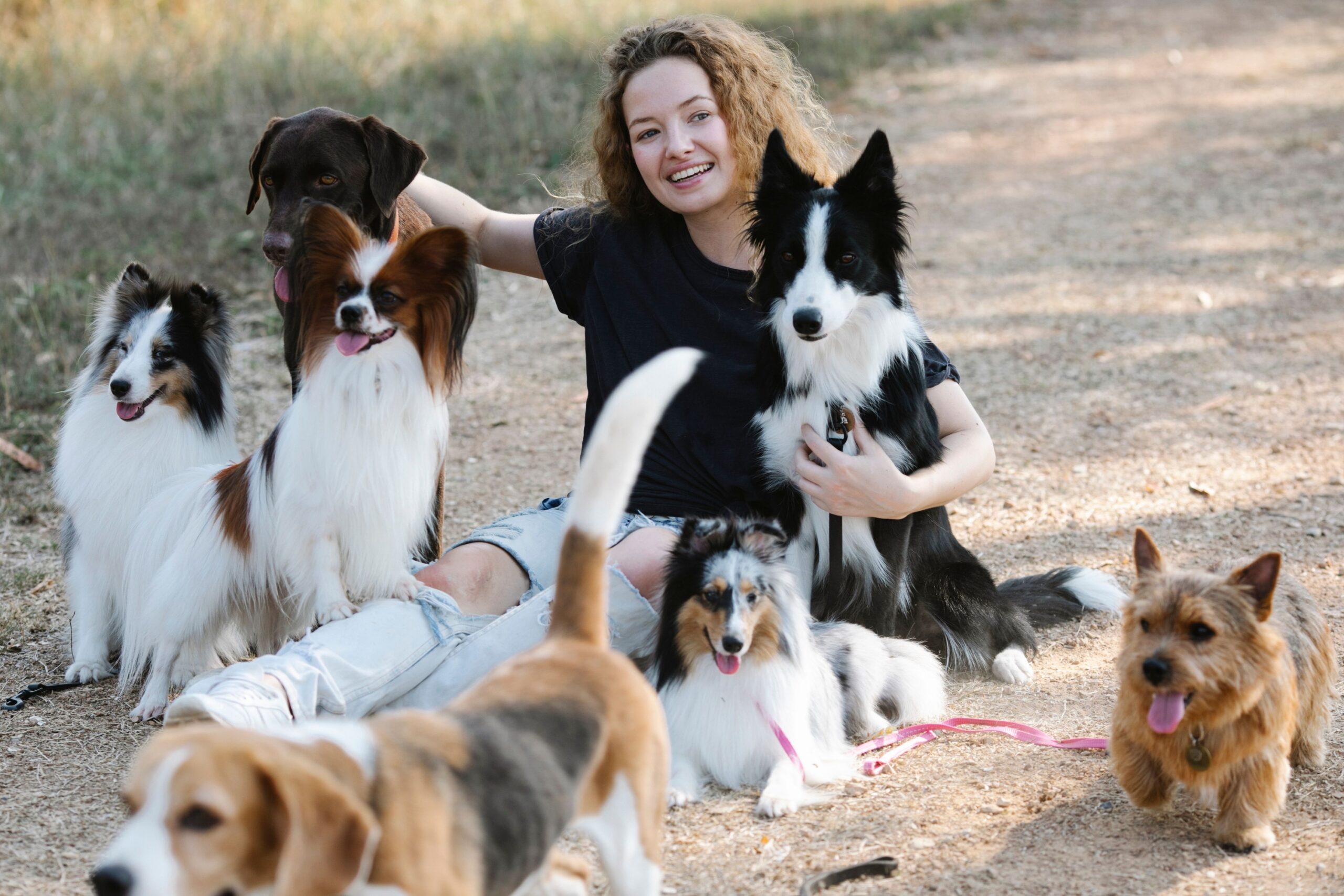
Watch a dog in a busy household for a week and you’ll notice something quietly fascinating: they start to sort the humans. There’s the one who always fills the bowl on time, the one who sometimes plays fetch and sometimes ignores them, and the one who promises walks that never happen. Over time, the dog builds a mental map of who can be trusted, who is flaky, and who is best for food, comfort, or fun.
This is not random behavior or simple habit. Animal psychology research suggests dogs are constantly collecting data on us through the tiny, everyday moments most of us barely register. Every inconsistent walk, every kept promise, every broken signal becomes part of a running calculation of human reliability. Once you see this, it becomes hard not to wonder: what story is your dog telling itself about you?
Dogs Are Natural Social Scientists In Your Living Room

One of the most surprising things science has shown about dogs is how sharply tuned they are to human behavior. They do not only notice what we do in the big moments; they track the boring, repetitive stuff: did you really mean “we’re going out now,” or were you just grabbing your keys? Did “I’ll be right back” mean a quick errand or three hours away?
In animal cognition experiments, dogs distinguish between humans who consistently help and those who do not, changing who they approach for assistance or rewards. At home, the same principle plays out on a slower, more subtle scale. Your dog basically runs a long-term study with you as the subject, checking whether your words, body language, and actions line up day after day.
Consistency Is The Currency Of Canine Trust
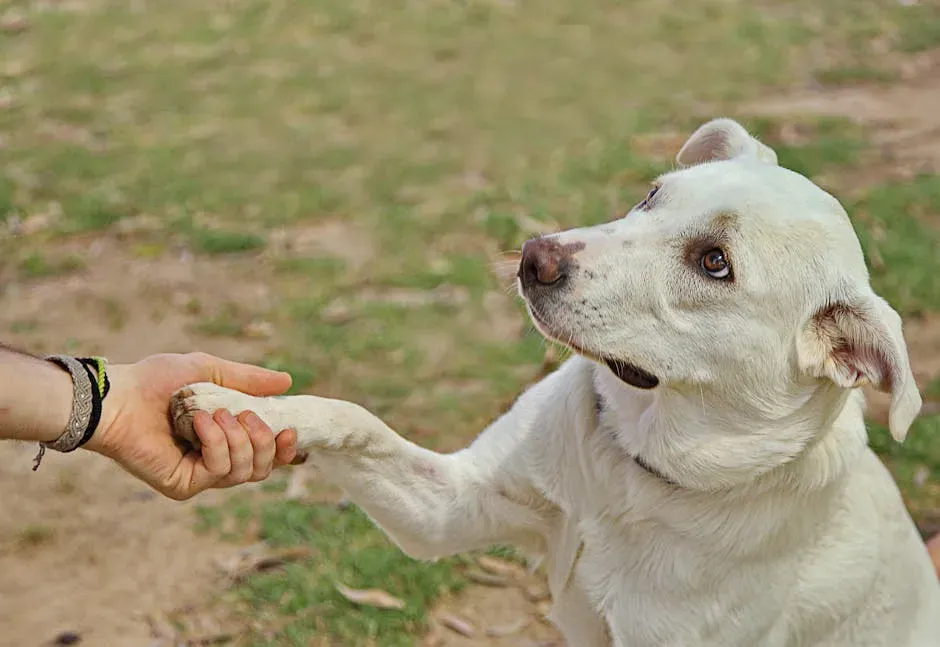
If reliability had a smell, your dog would know it instantly. From their perspective, a reliable human is one whose patterns are stable enough to predict: meals appear roughly at the same times, walks happen when promised, cues like “stay” or “come” are used clearly and enforced calmly. When those patterns hold, the dog can relax because the world makes sense.
When promises are frequently broken or rules shift randomly, dogs often respond with anxiety, hesitation, or selective obedience. It is not stubbornness in the moral sense; it is a rational response to inconsistent data. Just like a friend who stops taking someone’s plans seriously after enough no-shows, a dog gradually stops investing full trust in humans whose behavior is all over the place.
Small Daily Interactions Teach Big Lessons About Reliability
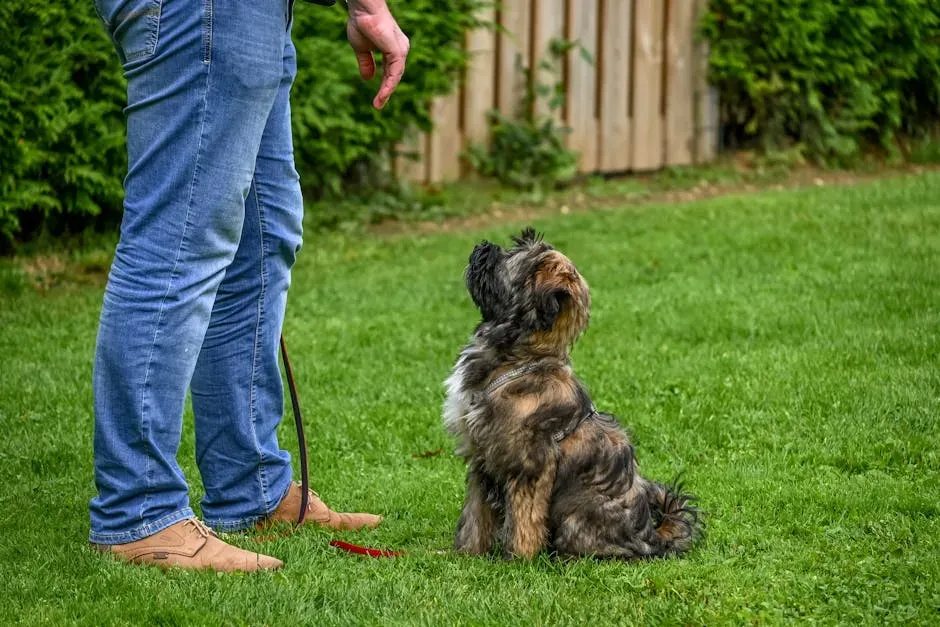
We tend to think trust is built during dramatic events, but for dogs, it is the thousand tiny interactions that matter most. Did you follow through when you reached for the leash, or did you make it a fake-out game? When you called them to come, did something good or at least neutral usually follow, or did you often pair it with nail clipping, scolding, or being crated every single time?
Over months and years, these little sequences teach your dog what your signals really mean in practice. If “come here” usually leads to affection, snacks, or play, they’re more likely to rush over with confidence. If it regularly leads to unpleasant outcomes or mixed messages, they may pause, weigh their options, and start treating that cue as unreliable background noise.
Verbal Promises Versus Actions: Dogs Believe What You Do
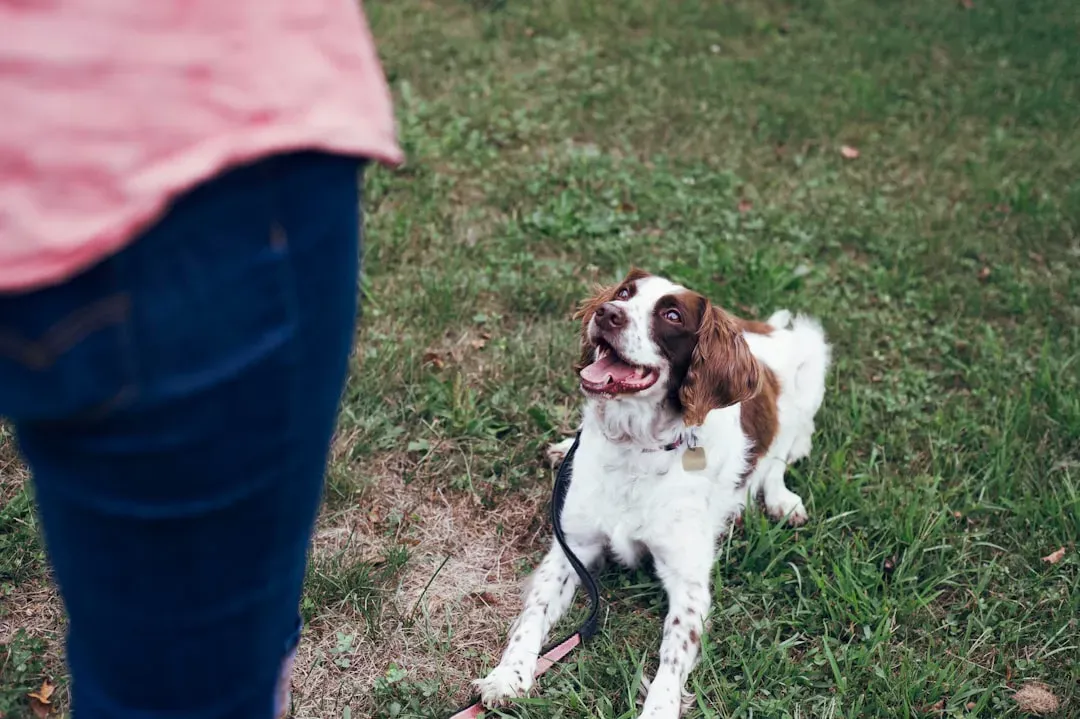
Dogs do not understand our words the way humans do, but they absolutely track patterns in sound plus outcome. You can tell a dog that “we’ll go later” in the sweetest voice, but if “later” almost never happens, your tone loses its power. They learn that your body heading toward the door with shoes on might be a better predictor of a walk than any phrase you say.
This is where a lot of well-meaning owners accidentally train their dogs not to trust them. Repeating cues without following through, promising play you are too tired to give, or constantly delaying that walk “just five more minutes” all send a quiet but clear signal: my signals are not solid. In dog terms, actions are the only contract that really counts.
How Dogs Sort Humans Into “Reliable” And “Unreliable” Categories
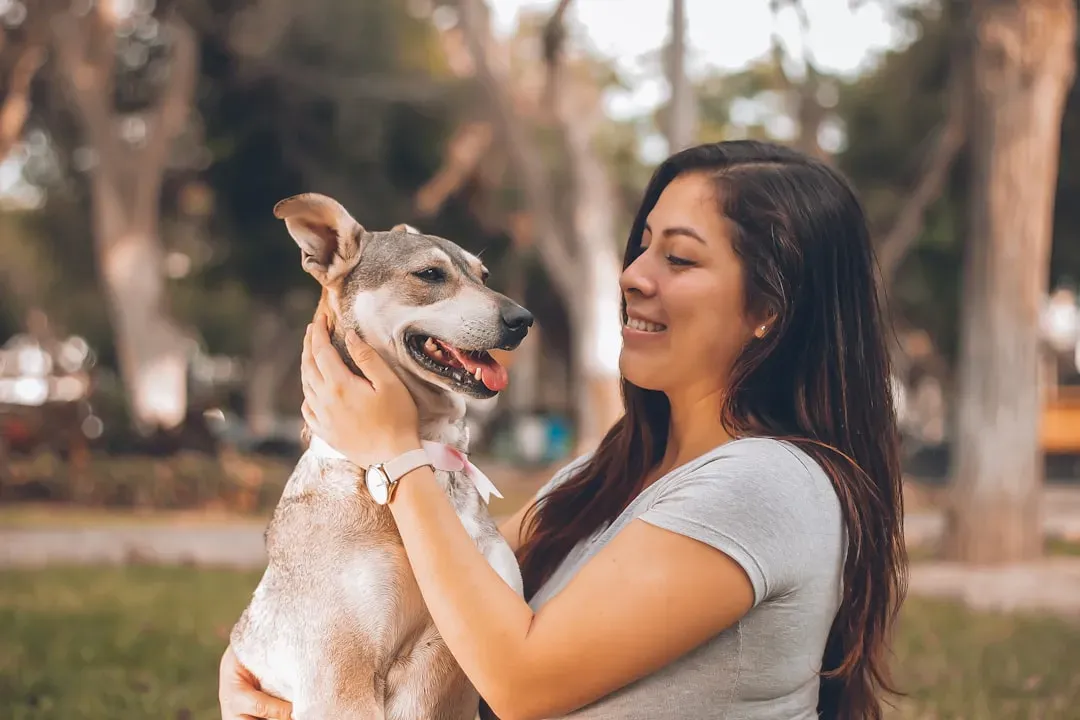
In multi-person homes, dogs often build surprisingly specific reputations for each human. One person is the dependable feeder, another is the enthusiastic play partner, another is the one who tries to cuddle when the dog wants space. Over time, dogs use that knowledge to decide who to approach for what, and how quickly to respond when different people call them.
This sorting process has been seen in controlled studies where dogs watch humans help or refuse to help others and then choose which person to engage with. At home, it can look like a dog that bolts to one person when scared by thunder but barely moves when someone else offers comfort. It is not personal in the human ego sense; it is a practical ranking based on past evidence.
Why Some Dogs Seem “Stubborn” When They’re Really Unsure
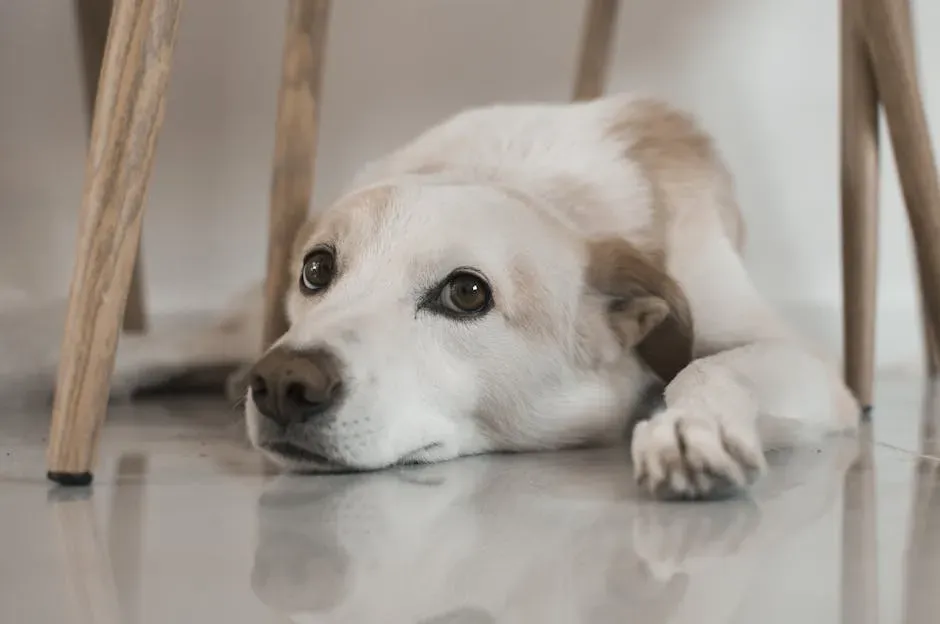
When a dog hesitates, ignores a cue, or seems to “test” you, it is tempting to label them stubborn or dominant. Often, what you are really seeing is a dog who has learned that human signals are not fully trustworthy. If sometimes “come” means treats and praise, and other times it means the end of all fun, the dog has a good reason to slow down and think before committing.
This uncertainty shows up most clearly in anxious or sensitive dogs, but even confident dogs adapt their responses to the reliability of past experiences. Think of it like a mental ledger: every consistent, kind follow-through is a deposit; every broken promise, unpredictable punishment, or confusing cue is a withdrawal. A dog with an overdrawn trust account does not need harsher rules; they need better consistency.
Building A Reputation As The Human Your Dog Can Rely On
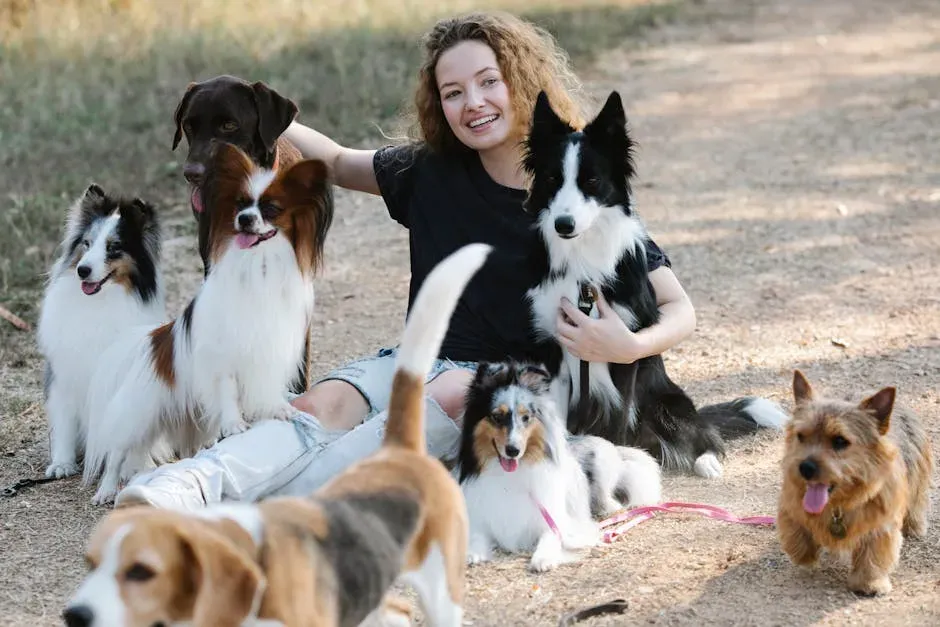
The good news is that dogs are remarkably forgiving and open to updating their judgments when the pattern changes. You can rebuild or strengthen your reliability rating in their eyes by tightening up a few simple habits: say less, follow through more, keep cues clear, and avoid making empty promises you know you cannot keep. If you say “walk,” make it a walk, not just a quick step onto the porch.
It can help to think of yourself as your dog’s most important reference point in a confusing human world. When you treat your daily interactions like tiny contracts you intend to honor, your dog’s behavior often begins to look calmer, quicker, and more confident. You become, in a very real sense, the steady center of their universe rather than just another noisy, unpredictable part of the environment.
Conclusion: Your Dog’s Opinion Of You Is Based On Evidence, Not Fantasy
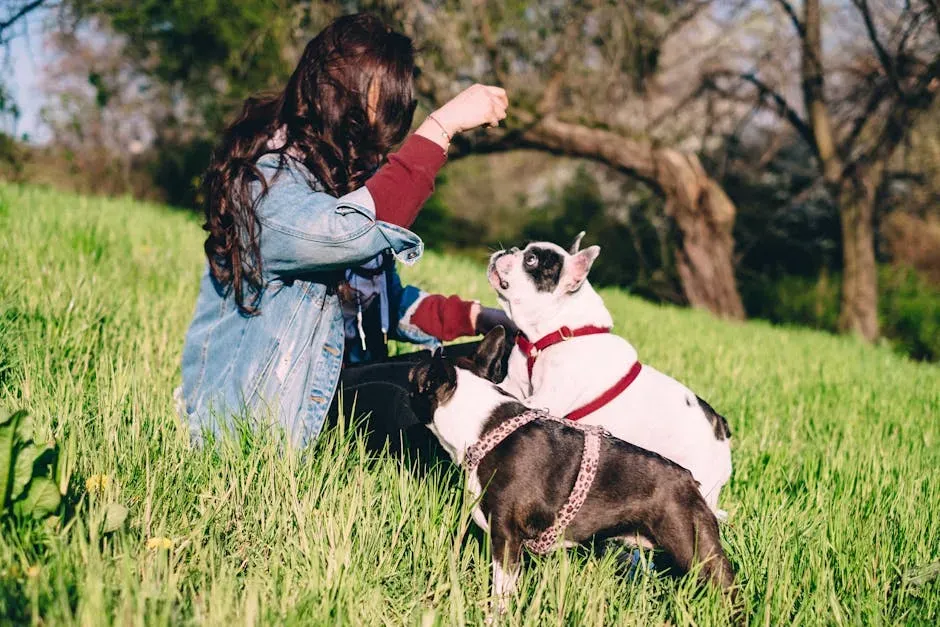
Here is the uncomfortable but strangely empowering truth: your dog is not idealizing you; they are observing you. Their loyalty is not blind, and their responses are not random. They are drawing conclusions from patterns you create every single day, quietly sorting you into the category of human who can be counted on, or one who might say the right things but not always back them up.
That might sting a bit, but it also hands you the steering wheel. If you want a dog who comes when called, relaxes in your presence, and looks to you first when the world feels scary, you cannot fake it with a few treats and nice words. You have to become, in your ordinary routines, the most reliable thing in their day. When you think about it that way, what kind of human do you think your dog believes you are right now?


