
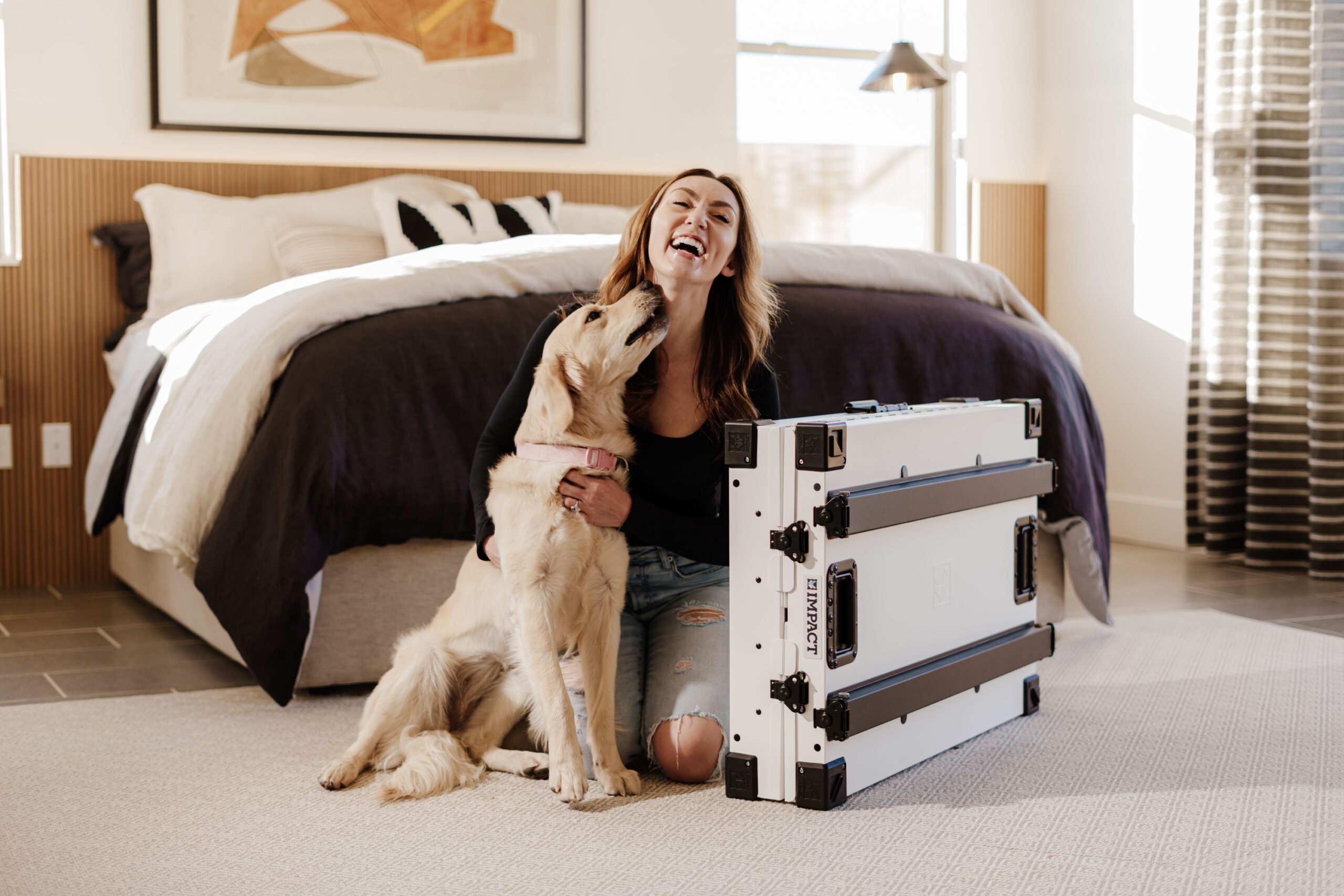
Thinking about getting a dog in your 60s or beyond can feel both exciting and a little intimidating. You might picture cozy evenings with a loyal companion at your feet, but also wonder if you have the energy for training, walking, and vet visits. The surprising thing? For most older adults, the breed on the label matters a lot less than how that individual dog actually behaves and fits into your daily life.
Instead of chasing the trendiest breed, it can be far smarter to look closely at a few key traits that will shape your real, everyday experience together. These traits influence how much exercise you need to provide, how safe the dog is around grandkids, and even how easily you can travel or downsize later. Let’s walk through seven traits that quietly matter more than the name on the dog’s paperwork.
Energy Level: Will This Dog Match Your Everyday Pace?
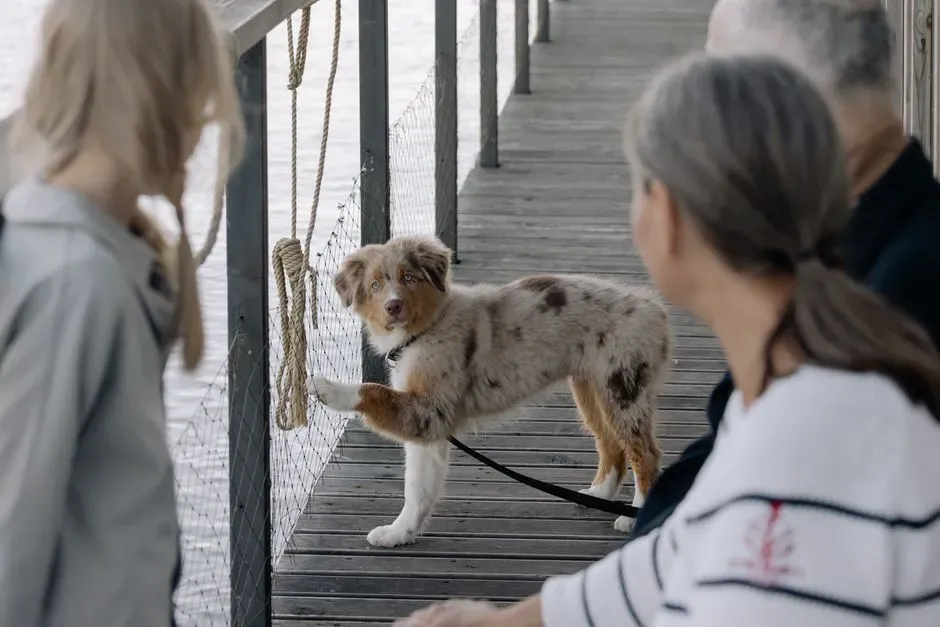
Here’s a slightly uncomfortable truth: the cutest dog in the room can make your life miserable if its energy level is completely wrong for you. If you enjoy slow morning walks, gentle gardening, and a calm home, a dog that wants to run for miles twice a day will leave you exhausted and guilty. On the flip side, if you’re an active 65-year-old who still hikes every weekend, a low-energy dog may feel frustratingly sluggish.
Energy level is less about breed stereotypes and more about the specific dog in front of you. Within the same breed, one dog might be a couch potato and its sibling a whirlwind. When you meet a dog, ask the shelter or breeder about its activity needs and observe it in a relaxed setting and a slightly exciting one. Think less about what you used to be able to do in your 40s and more about what your body comfortably tolerates now, most days of the week.
Size and Strength: Can You Safely Handle This Dog on a Bad Day?

It is easy to underestimate how much physical strength it takes to control a dog that pulls hard on leash or jumps when startled. Even a medium-sized dog can knock you off balance if you have arthritis, joint replacements, or balance issues. A fall in your 60s or 70s is not a minor inconvenience; it can change your health trajectory in a serious way.
When choosing size, think not just about how big the dog is, but how strong and powerful it feels. Can you realistically hold the leash if the dog lunges at a squirrel or gets spooked by a loud noise? Imagine walking the dog on a wet sidewalk or icy driveway, or getting it in and out of a car for vet visits. Many older adults do well with small to medium dogs they can comfortably lift if needed, but some very calm, well-mannered large dogs can also work if they are reliably trained and you feel physically confident.
Temperament and Sociability: Calm, Steady, and Not Easily Rattled
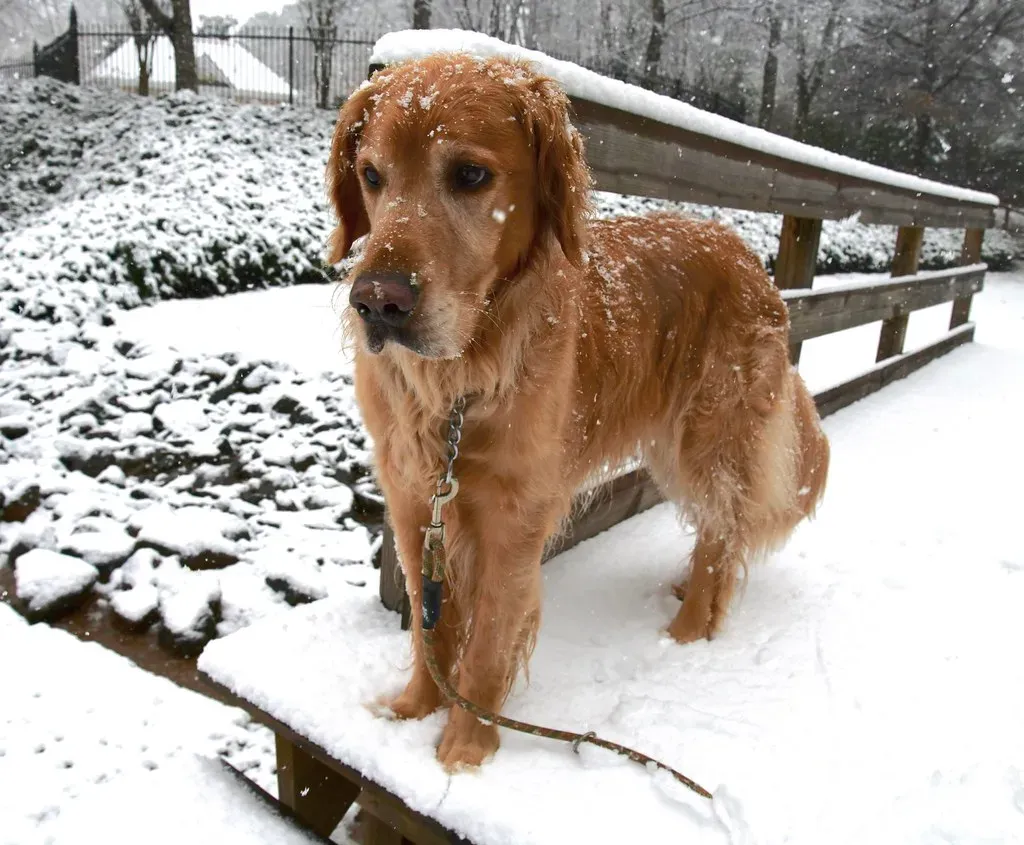
A dog’s basic temperament is like its emotional operating system. Some dogs are naturally relaxed, some are anxious, some are bold, and some are very sensitive. If you are over 60, a dog that is calm, predictable, and not easily startled will generally be much easier to live with than one that is nervous or reactive. This is especially true if you have grandchildren, frequent visitors, or live in a busy building.
Pay attention to how the dog reacts to new people, gentle handling, and unexpected noises. Does the dog recover quickly from surprises or stay anxious for a long time? You probably want a dog that is friendly but not frantic, affectionate but not clingy, and confident enough to cope with minor changes in routine. A stable temperament reduces stress for both of you and lowers the risk of behavior problems that can be hard to manage later.
Trainability and Willingness to Listen: Is This Dog Easy to Live With?

At any age, life with a dog is a lot easier when the dog is willing to listen. For older adults, that can be critical. You want a dog that can learn to walk politely on a leash, wait at doors, come when called, and settle down when asked. These are not fancy tricks; they are safety tools. A dog that bolts through doors or drags you down the street can quickly become a health risk instead of a source of joy.
Trainability is not just about intelligence; it is also about how motivated the dog is to work with you and how easily distracted it becomes. When you meet a dog, notice if it checks in with people, takes treats gently, and seems interested in what you’re doing. If the dog already knows a few basic cues and seems eager to earn rewards, that is a great sign. If training feels like an endless battle from the start, it will not magically become easier as both of you age.
Grooming Needs and Shedding: How Much Maintenance Can You Realistically Handle?

Grooming might not sound as dramatic as temperament or energy level, but it can heavily affect your daily routine and budget. Some dogs need regular professional grooming every few weeks, while others shed a lot but only require basic brushing. If you have shoulder problems, hand pain, or a limited budget, a dog with high grooming needs can become a real burden over time.
Think about what you honestly want to deal with. Are you okay with daily brushing to reduce shedding? Would you prefer a lower-shedding coat that requires salon visits every couple of months? There is no one right answer. The important thing is to match the dog’s grooming requirements to your energy, physical ability, and financial comfort, so this part of care feels manageable instead of overwhelming.
Age and Life Stage: Puppy Dreams vs. Senior Realities

Puppies are adorable, but they are also tiny chaos machines. They chew, they wake up early, they need intensive training, and they can easily trip you underfoot. If you are over 60, it can be much kinder to yourself to at least consider an adult or senior dog instead. Older dogs often come with some basic training and a more predictable personality and energy level.
There is also the long-term perspective: a very young dog may outlive you by many years, which means you need a solid plan for what happens if you can no longer care for the dog. That reality can feel heavy, but it is far better to think it through early. Adult and senior dogs are often overlooked in shelters despite being wonderful companions for older adults. An older dog that is already calm, house-trained, and past the wild puppy phase can fit beautifully into a quieter household.
Health Profile and Vet Care Needs: Looking Ahead, Not Just at Today

Every dog, no matter the breed, will have some vet needs over a lifetime. But some individuals and some breed types are more prone to certain health problems that can be expensive, time-consuming, or physically demanding to manage. Long-backed dogs may be more prone to spine issues, flat-faced dogs can struggle in hot weather and may snore or breathe noisily, and very large dogs often face joint concerns as they age.
When you are over 60, it is especially important to consider how complex care might look five or ten years from now. Will you be able to lift a heavier dog if it needs help getting up stairs? Are you comfortable giving daily medications or managing chronic conditions like arthritis or allergies? No dog is guaranteed to stay perfectly healthy, but choosing an individual dog with a thorough health check, a sensible body shape, and no obvious major issues gives you a better chance of a smoother path ahead.
Lifestyle Fit: Does This Dog Actually Match Your Real Life, Not Your Fantasy Life?
This may be the most important trait of all: how well the dog fits who you are right now, not who you were twenty years ago or who you wish you could still be. It is tempting to picture yourself taking long hikes every morning, traveling constantly with a dog in tow, or spending hours training advanced tricks. But if your actual life includes medications, doctor appointments, naps, or caring for a partner or grandchild, your dog needs to fit comfortably into that picture.
Be honest about your daily rhythm: how long you are away from home, how much you like being outside in bad weather, whether you travel often, and how social you really are. A good match feels like slipping into comfortable shoes instead of squeezing into stylish shoes that hurt but look great in photos. When a dog’s traits align with your real life, caring for that dog feels deeply satisfying rather than like one more demanding responsibility.
Conclusion: The Right Dog Is a Partner, Not a Project
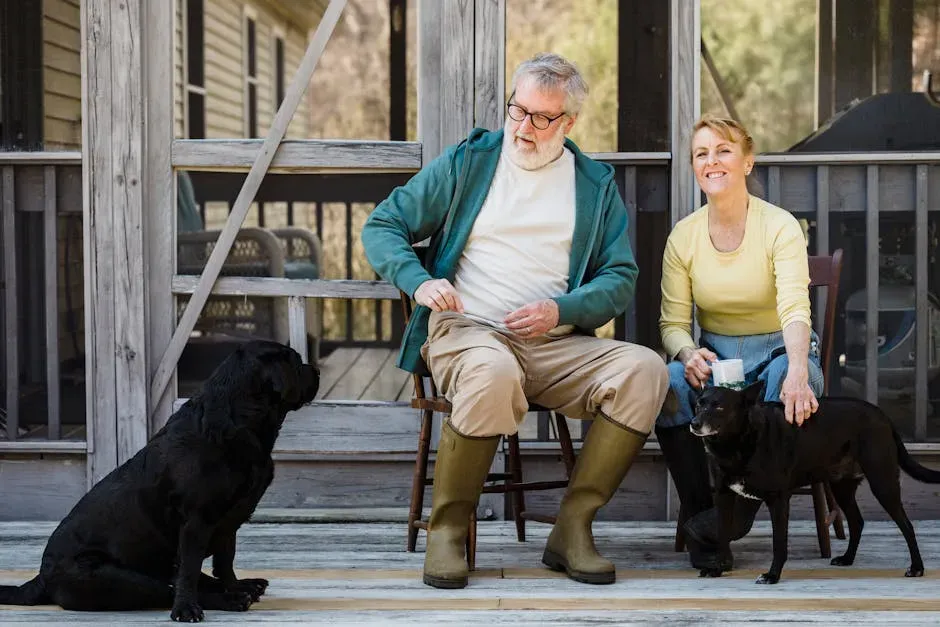
When you strip away the glossy photos and the buzz around certain breeds, what really matters after 60 is finding a dog that makes your days easier, warmer, and more joyful, not more complicated. Energy level, size, temperament, trainability, grooming needs, age, health profile, and overall lifestyle fit all shape how that relationship will feel in the long run. Focusing on these traits instead of chasing a fashionable breed name is not boring; it is wise, compassionate, and surprisingly freeing.
In my view, the healthiest mindset for older adults considering a dog is this: you are not trying to prove anything, you are choosing a partner for the life you actually live today. The right dog will nudge you to move a bit more, laugh a bit louder, and feel a bit less alone, without pushing you past your limits. That balance is where the real magic lies. If you were choosing today, would you still start by asking about breed – or would you start by asking how this dog might fit into your next ten years?


