
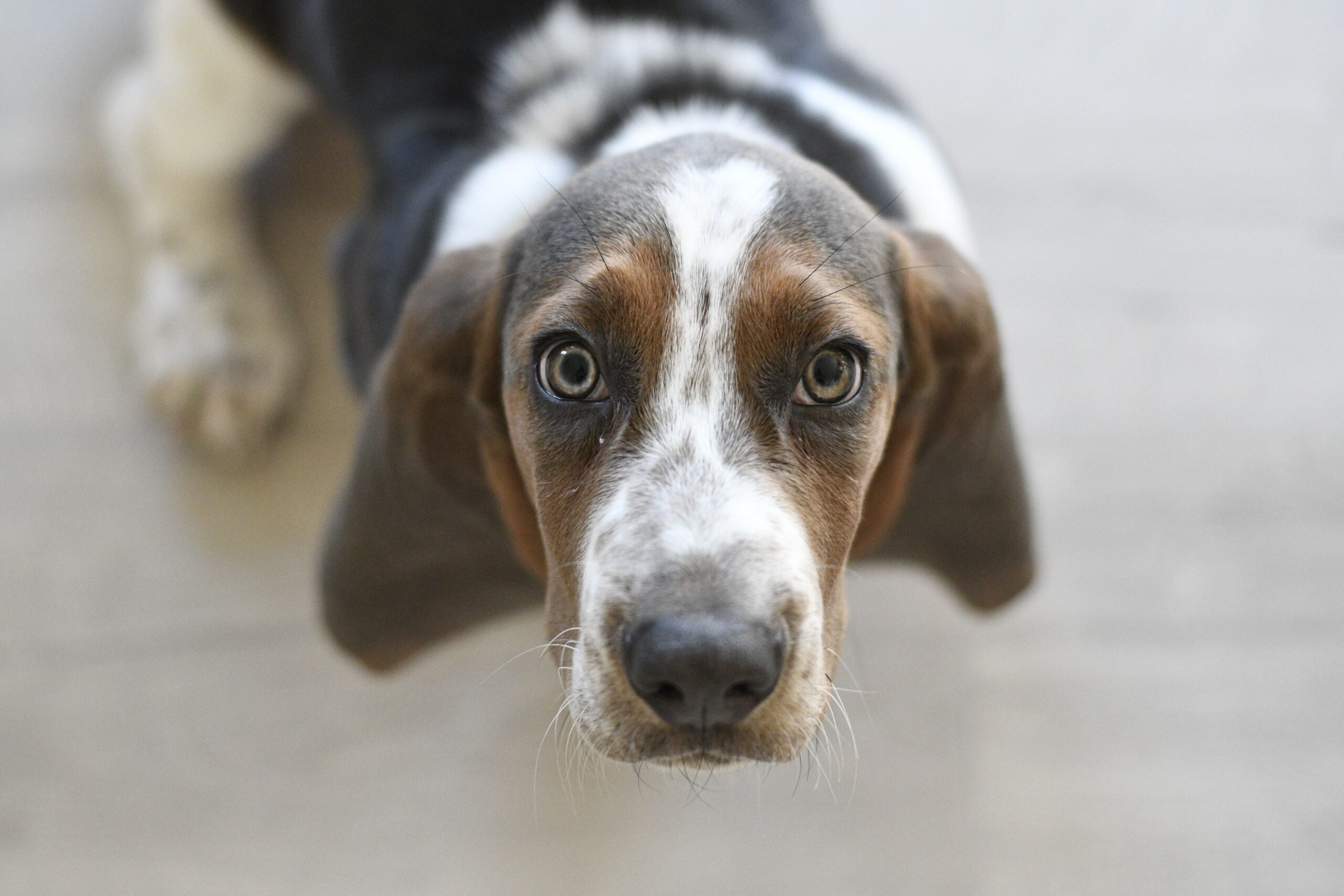
Dogs have a way of looking at us that feels almost unsettlingly human. One intense stare from your pup and suddenly you are getting off the couch, grabbing the leash, or sharing the last bite of your sandwich. That look is not an accident or just cuteness; it is part of a social strategy that scientists now think has been profoundly shaped by domestication. Wolves, even when raised by humans, simply do not use eye contact with us in the same way. This difference goes far beyond a sweet gaze across the living room. It reaches into evolution, brain chemistry, and the strange story of how an apex predator’s distant cousin became our emotional support system. Once you start to understand how dogs use our eyes as a social tool, you may never see that familiar puppy stare the same way again.
The Power of the Dog Gaze: Why That Look Hits So Hard
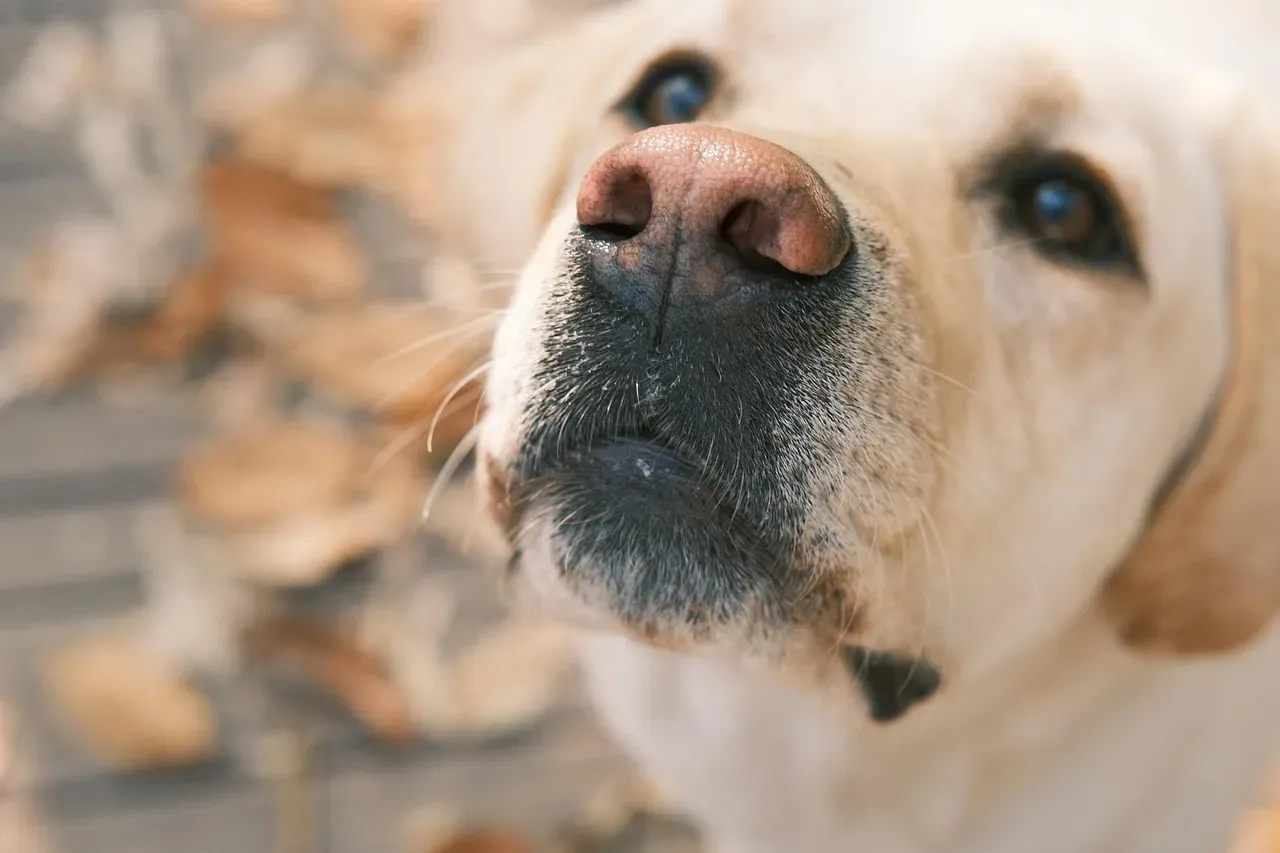
There is something almost disarming about the way a dog holds your gaze. Many owners describe it as feeling like their dog is “really trying to say something,” and science backs up that intuition more than you might expect. When dogs and humans lock eyes in a relaxed, friendly context, both species show changes in hormones linked with bonding and affection, especially oxytocin, which is sometimes called the bonding hormone. It is as if the gaze itself is part of a quiet emotional feedback loop between species. For dogs, eye contact is not just about affection; it is also a practical communication tool. They use eye contact to ask for help, to get guidance, to seek comfort, and yes, to shamelessly beg for treats. Over years of living alongside us, they have learned that sustained, soft eye contact is an incredibly effective way to read what we are feeling and to influence how we respond. That makes their gaze one of the most powerful social tools in the animal world.
Wolves Look Away: How Their Eyes Tell a Very Different Story
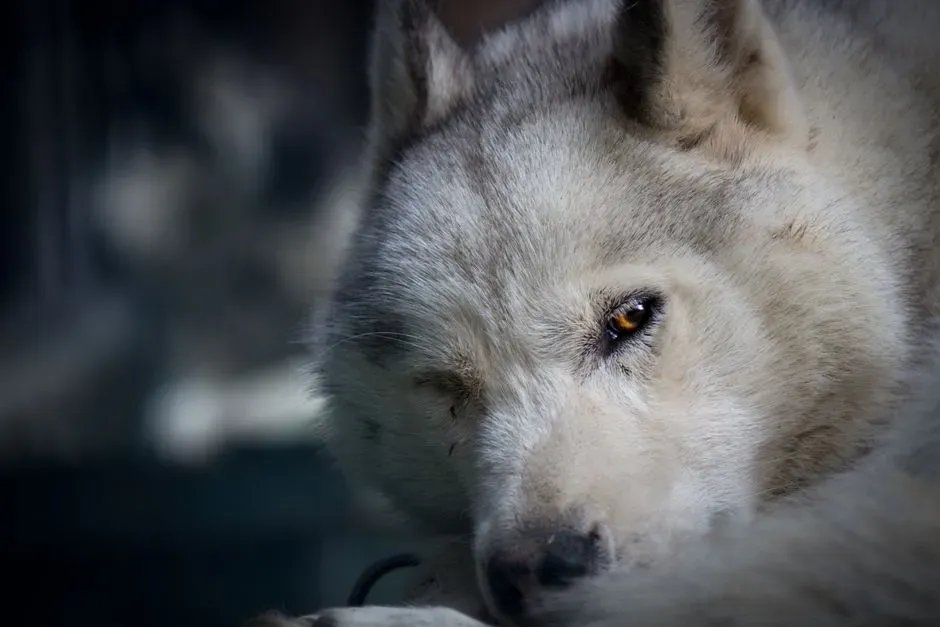
Now imagine standing in front of a wolf. Eye contact suddenly means something else entirely. In wolf society, a direct, prolonged stare is often a challenge or a threat, not an invitation to cuddle. Even hand-raised wolves that know and tolerate humans tend to avoid long, soft eye contact. They may glance at people, but they do not typically use prolonged gazes as a gentle way to connect or ask for things. This difference shows up clearly in problem‑solving experiments. When wolves face a difficult or impossible task, such as a locked container with food, they usually keep trying to solve it themselves, paying only brief attention to nearby humans. Dogs, on the other hand, often look quickly to the person’s face, linger on their eyes, and seem to “ask” for help. Wolves are looking at the world; dogs are looking at us.
Domestication as a Social Experiment: From Predator to Partner
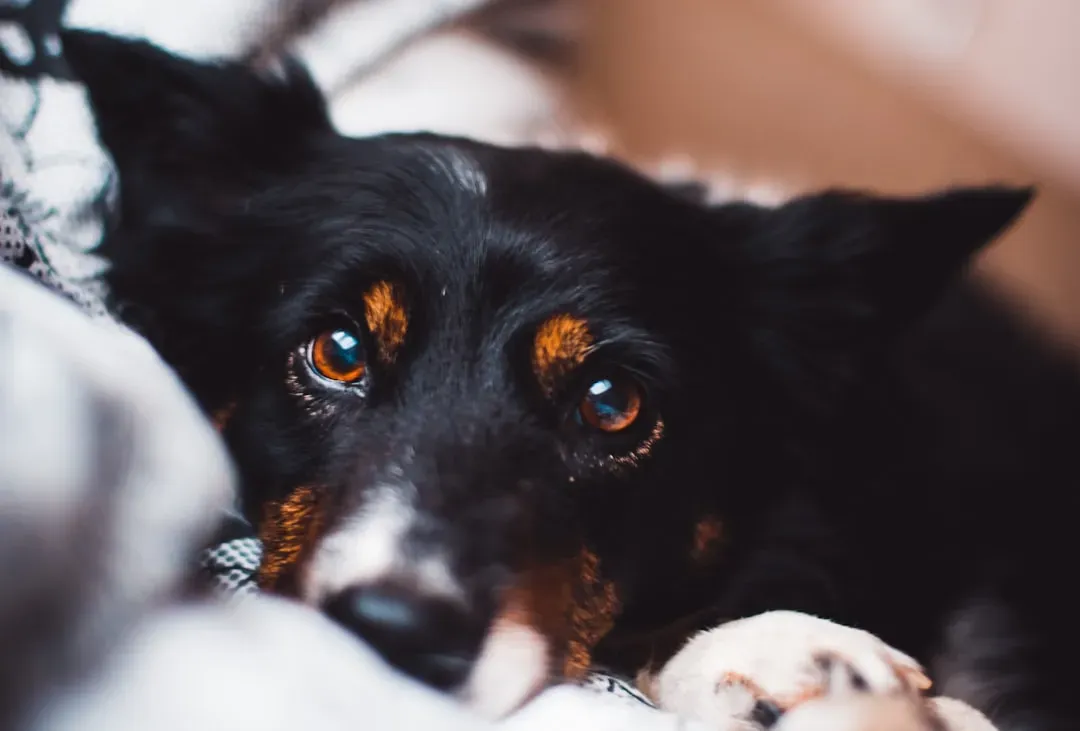
Domestication is not just about shrinking bodies, floppy ears, or curled tails; it is a powerful social filter. Over thousands of years, humans unconsciously selected dogs that were less fearful, more tolerant of people, and better at reading human signals. Animals that could understand our gestures, respond to our attention, and avoid threatening eye contact had an advantage. Eventually, this filtered population produced dogs whose whole social world is built around watching humans. One way to think about it is that early dogs that treated humans more like teammates than enemies survived and reproduced more successfully. Over time, behaviors that made human–dog cooperation easier were reinforced and spread. Using eye contact in a gentle, affiliative way likely became one of those traits. What once would have been a threatening stare in a wild ancestor evolved into a soft, expressive gaze that invites connection rather than conflict.
The Science of Staring: What Experiments Reveal About Dogs and Humans
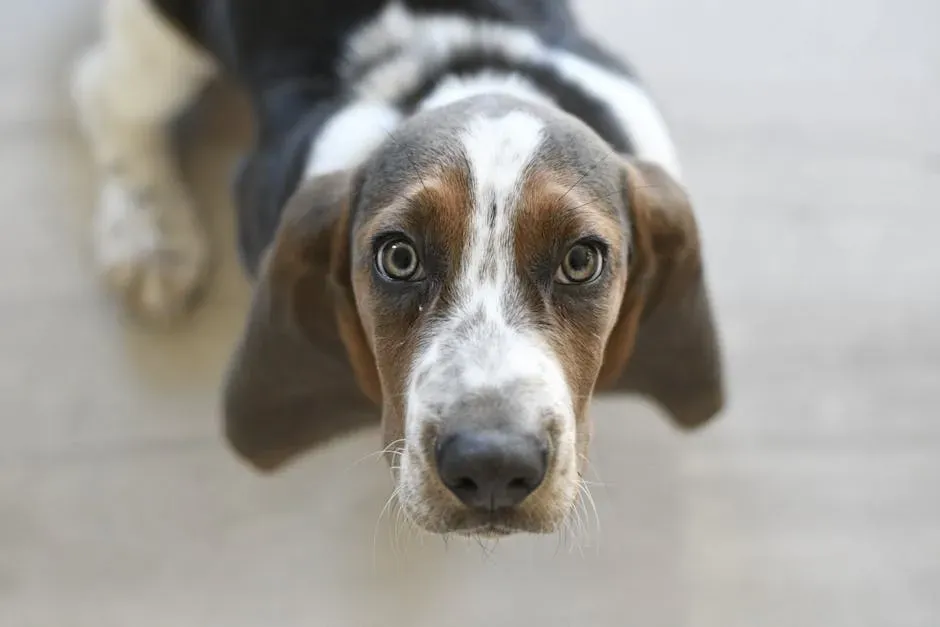
Researchers have run surprisingly simple but revealing tests to probe how dogs use human eye contact. In one common setup, a person either looks directly at a dog or deliberately avoids eye contact, and then offers a cue, such as pointing to where food is hidden. Dogs generally follow these cues more accurately when the person establishes eye contact first, as if that mutual gaze helps them “tune in” to the human’s message. In a sense, eye contact switches on their social attention system. Other studies use impossible tasks to see how dogs and wolves react. When a dog is faced with a problem it cannot solve, many will quickly look back at their owner’s face and hold their gaze, almost as if they are saying, “Your turn, can you fix this?” Wolves encountering a similar setup tend to persist independently and rarely stare at people for long. This experimental pattern supports a simple but powerful idea: dogs have learned that our eyes are useful tools, while wolves generally have not.
Inside the Social Brain: Hormones, Emotions, and the Human–Dog Bond
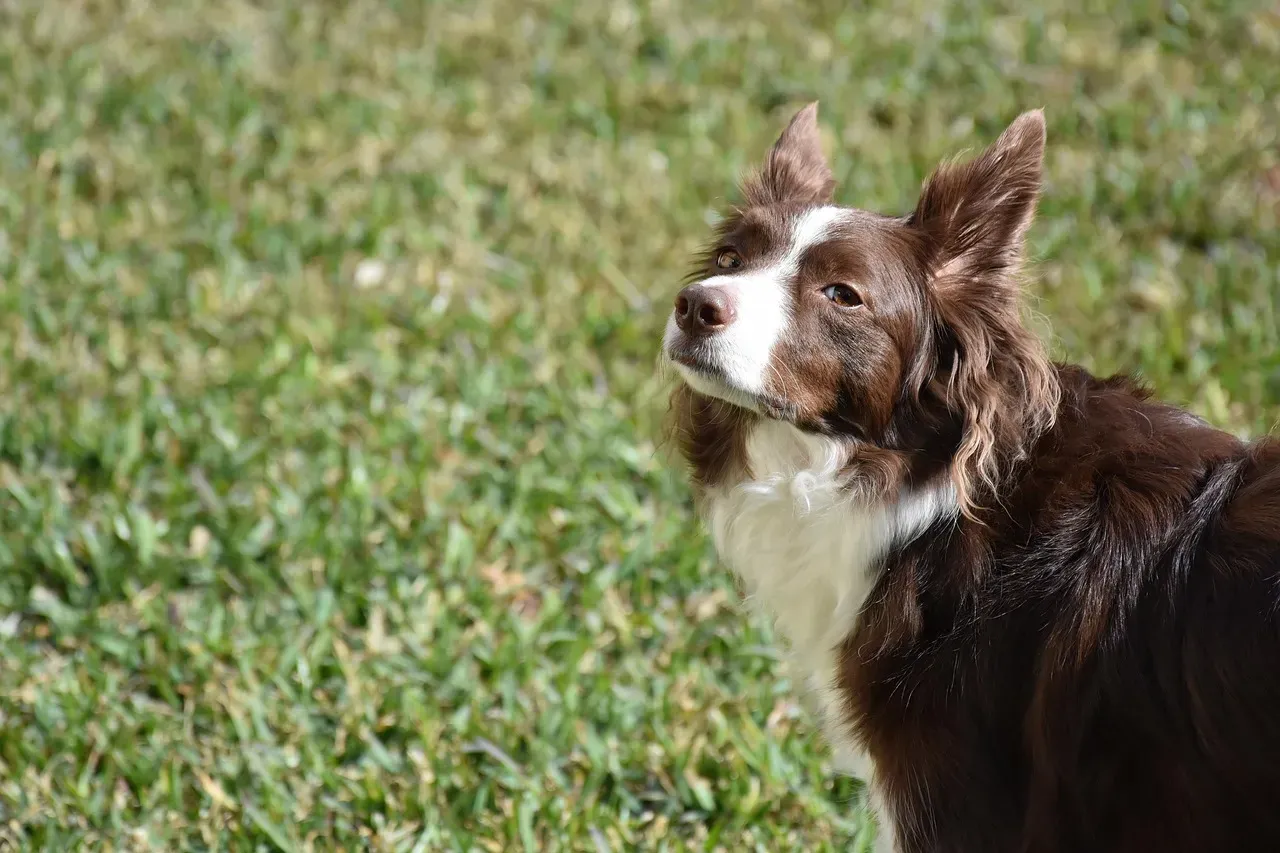
Under the surface, dog eye contact is not just behavior; it is biology. When dogs share friendly, mutual gazes with their owners, their bodies release more oxytocin, and human partners show a similar hormonal shift. This is the same chemical system that helps human parents bond with their infants and strengthens close social relationships. That means the simple act of looking into your dog’s eyes can reinforce an emotional bond in both directions. It is hard to overstate how unusual this is between species. Many animals are stressed by direct human staring, and in the wild, eye contact can trigger fear, flight, or aggression. Yet with dogs, that same act can calm, reassure, and deepen trust. To me, that suggests dogs are not just domesticated in a superficial sense; their emotional systems have been re‑tuned to treat humans as something between family and social anchor, with gaze as the shortcut into that relationship.
Communication in Everyday Life: How Dogs Use Our Eyes at Home
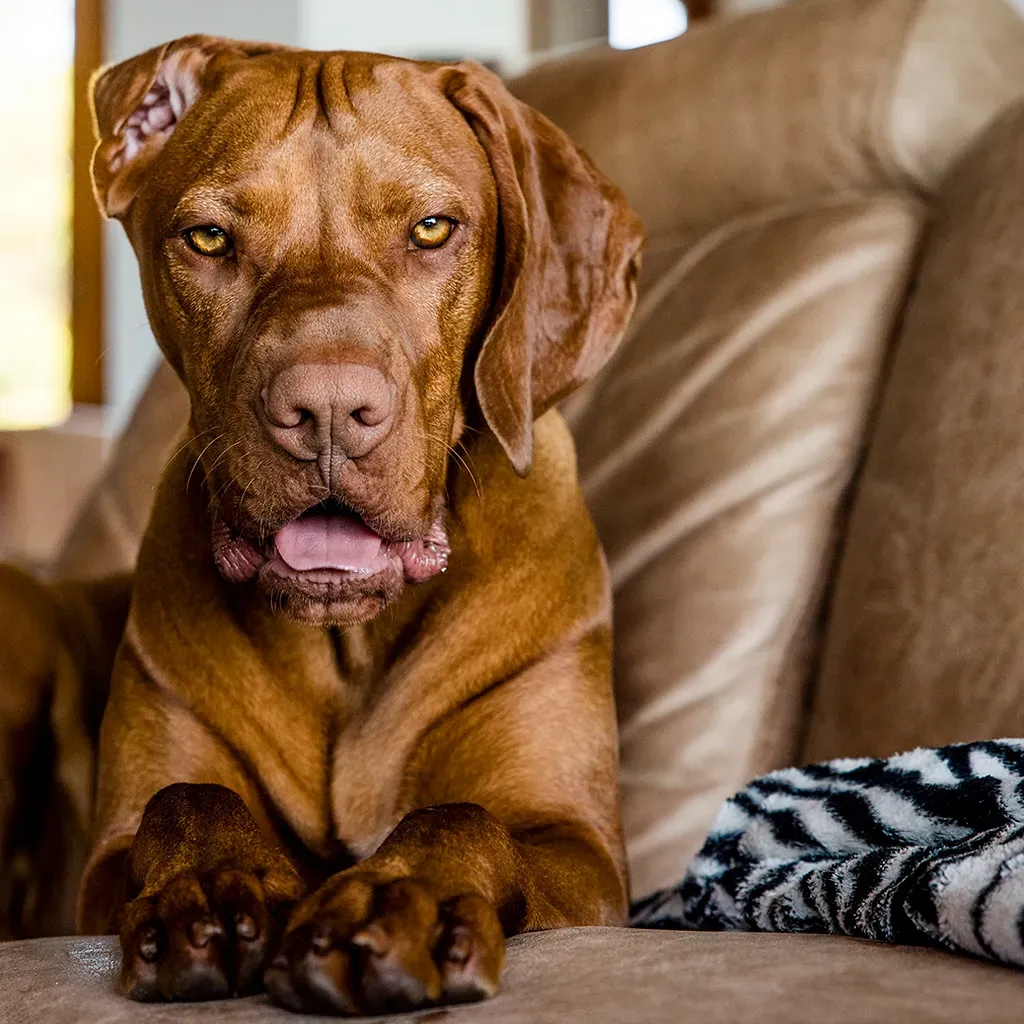
You do not need to step into a lab to see these patterns; they play out in kitchens, parks, and living rooms every day. Think about the way your dog watches your face when you pick up your keys, change your shoes, or head toward the pantry. They track your eyes and expressions like tiny detectives, piecing together what will happen next. One soft stare at dinner time or a silent look at the leash hanging by the door can speak louder than a bark. Dogs also seem to use our eye contact to check in emotionally. When something startling happens – a loud bang, a stranger approaching, another dog barking – many will briefly study their owner’s face before reacting, as if asking, “Are we OK?” If you stay relaxed and meet their gaze calmly, they often settle faster. That moment of shared eye contact becomes a kind of social thermostat, helping dogs adjust their feelings based on how we look and how we look back.
What This Says About Us: Humans, Dogs, and the Evolution of Trust
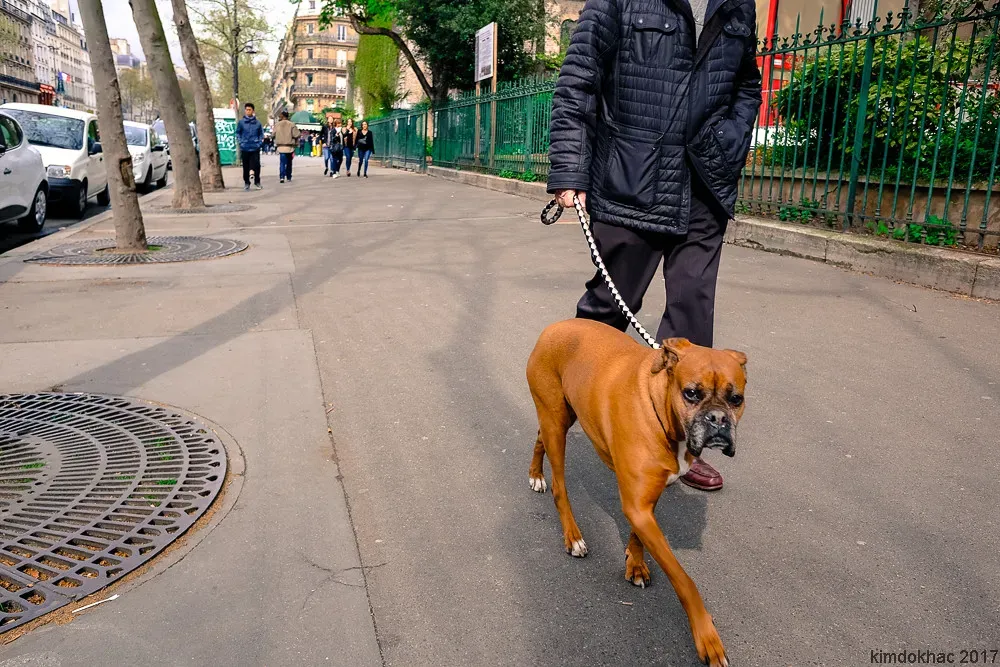
The way dogs use our eyes does not just reveal who they are; it also says something uncomfortable about who we are. We have, in a real sense, shaped another species to be exquisitely sensitive to our attention, approval, and moods. Dogs are masters at reading our gaze partly because we rewarded those that tried the hardest to do so. That makes their loyalty both heartwarming and, at times, a little haunting. Personally, I think this cuts against the idea that dogs are simply “manipulative” or purely calculating when they stare at us. Yes, that soulful look can absolutely get them extra treats, but it is also the product of millennia of co‑evolution and real emotional attachment. The dog gaze is not a trick; it is a bridge we built together, one generation at a time. The real question is whether we are always as good at honoring that trust as dogs are at offering it.
Conclusion: The Look That Changed a Species – and Maybe Us Too
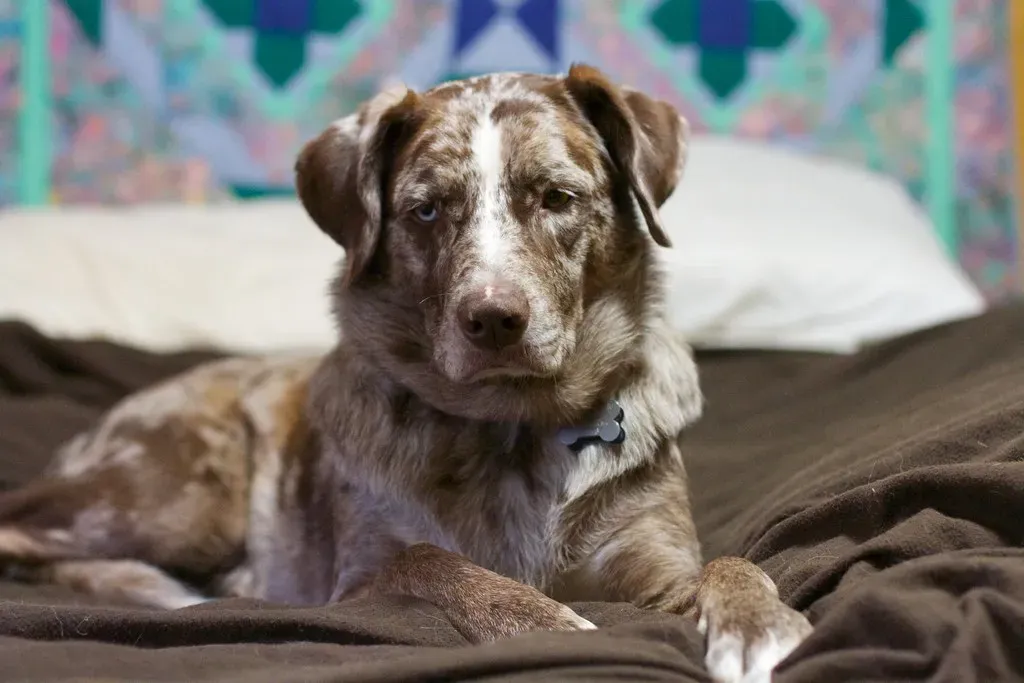
When you put all the pieces together, the story is striking: wolves avoid our eyes, dogs seek them out; wolves solve problems alone, dogs pull humans into the task; wild ancestors treated a stare as a threat, while modern dogs use it as a lifeline. Domestication did not just soften bodies and temper aggression; it rerouted social instincts so that human eyes became central to how dogs think, feel, and navigate the world. In my view, that makes a dog’s gaze one of the clearest living symbols of how deeply two species can reshape each other. Every time your dog looks up at you, they are quietly expressing thousands of years of shared history, woven into a single, wordless question: Are we in this together? The next time you catch that familiar stare across the room, it might be worth asking yourself whose evolution you are really looking at – your dog’s, or your own.


