
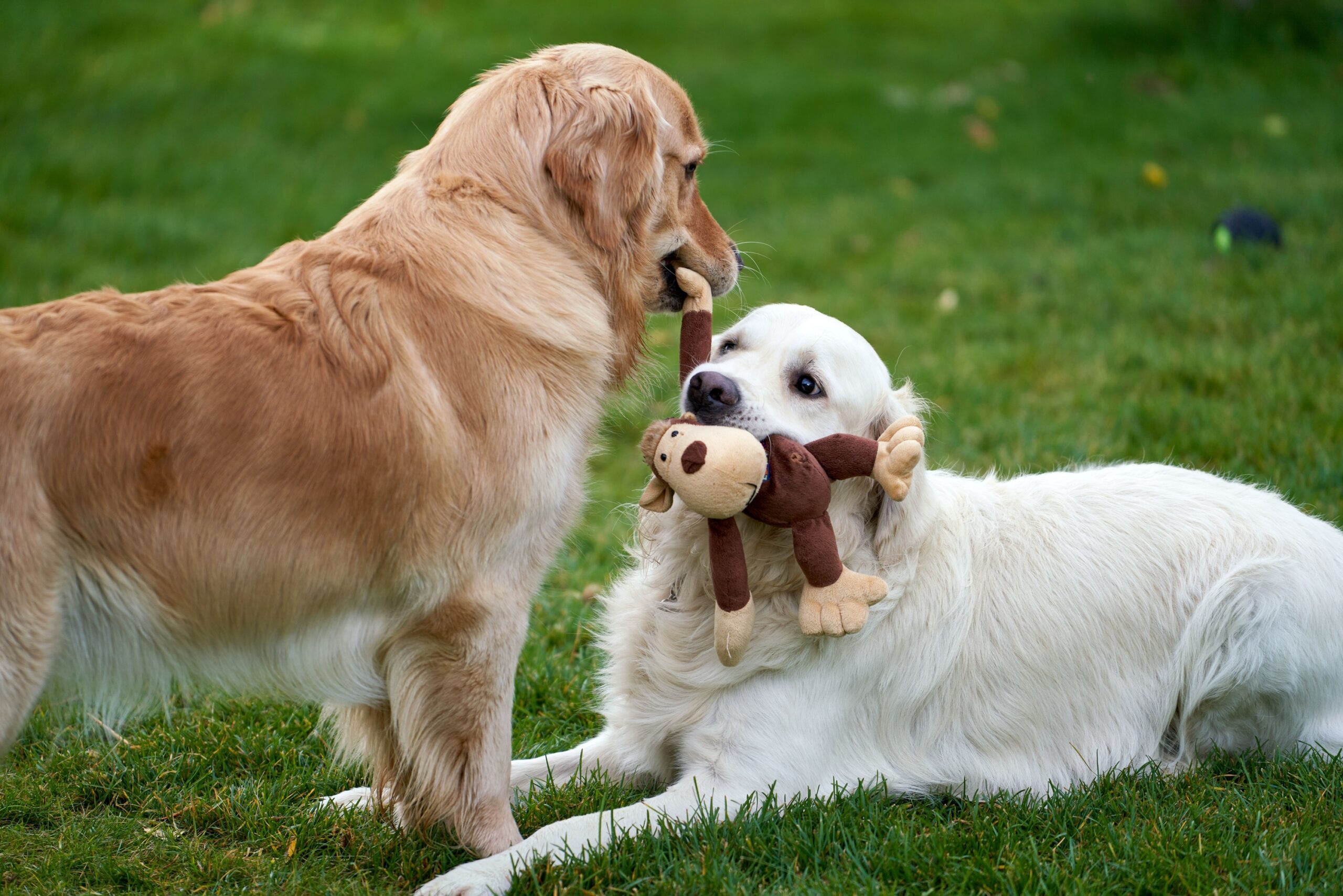
You walk in the door after a long day, and there it is: your dog trotting over proudly with a slobbery toy in their mouth like they just discovered fire. Most people assume it is a loud, clear invitation to play fetch right now. Sometimes it is. But other times, your dog is trying to tell you something much more subtle – and honestly, kind of touching.
Once you start looking closely, the whole scene feels different: the speed of their tail, how hard their body wiggles, whether they actually let you take the toy or just hover with it like a kid showing off a trophy. That toy can be a gift, a comfort blanket, a self-calming tool, or even a little social flex. Let’s unpack what might really be going on, so you can respond in a way that makes sense to your dog, not just to humans.
It Can Be a Greeting Ritual, Not a Game Request
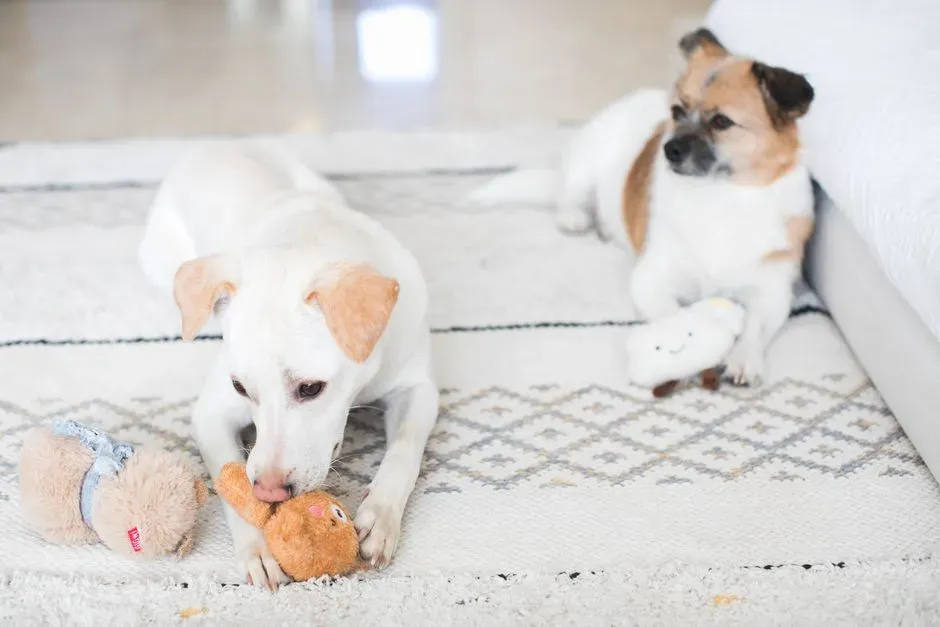
One of the most common reasons dogs bring a toy when you come home is surprisingly simple: it is part of their “hello.” For some dogs, greeting you without something in their mouth feels incomplete, the same way shaking hands or hugging might feel automatic to us. The toy becomes part of the script of “you walk in, I grab this, we reconnect.”
Watch closely and you may notice your dog does not actually seem fixated on the object itself. They might prance past you, toy in mouth, tail helicoptering, body wiggling like a Slinky, but never really insist that you throw it. In those moments, the toy is not the star – the reunion is. They are basically saying, “You’re home! Look, this is our thing,” and the toy is just their way of making that moment bigger and more intense.
The Toy May Be a Comfort Object to Manage Big Emotions
Coming home can be a big emotional spike for many dogs – excitement, relief, maybe a bit of leftover stress from being alone. Grabbing a toy can be their version of clutching a pillow or wrapping up in a favorite hoodie when emotions are running high. By filling their mouth, they give that energy somewhere to go, which can keep them from jumping, mouthing, or barking excessively.
This is why some dogs seem almost desperate to locate any object the second they hear your key in the door. They are not plotting a play session; they are self-regulating. If you notice your dog always runs off to find a toy before approaching you, think of it like they are putting on their “coping headphones” for an intense emotional moment. It is less about fun and more about staying in control of all that happiness and anticipation.
It Can Be a Social Gift: “I Brought You Something!”
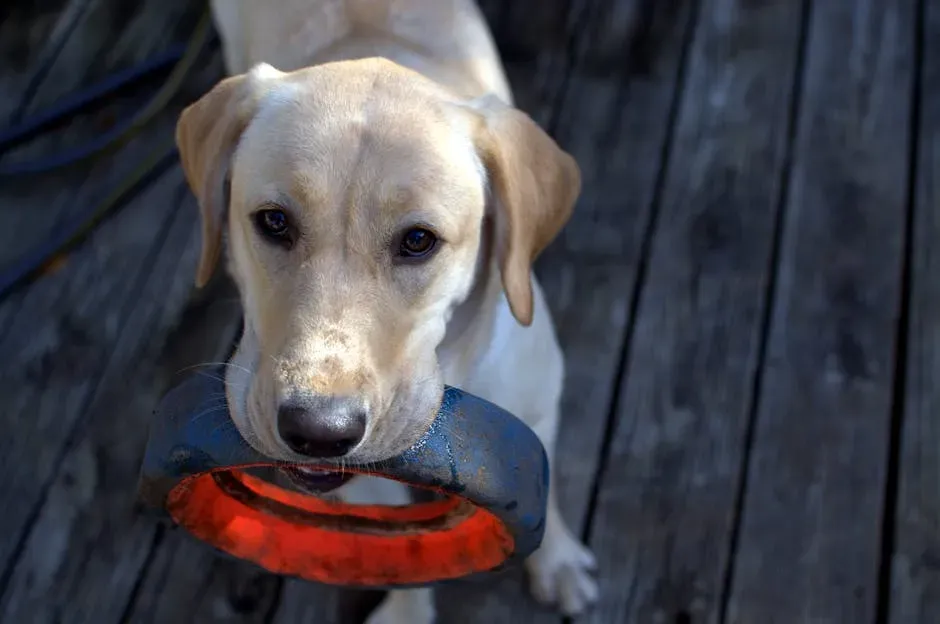
There is also a sweet, almost childlike explanation: some dogs are genuinely offering you a gift. They have no concept of money or flowers, but they do know this toy is valuable in their world. Bringing it to you can signal, “You’re important, so you get access to my best stuff.” It is a social gesture, not unlike sharing food or prized items in human relationships.
You can see this more clearly when the dog gently places the toy near you or drops it at your feet and then just looks up happily without demanding you throw it. There is a softness to the moment, less frantic bouncing and more quiet pride. Even if we cannot say for sure what is happening in their minds, treating it like a sincere offering – with appreciation rather than automatic play – respects the emotional weight that toy might hold for them.
Sometimes It Really Is: “Please Play With Me Immediately”
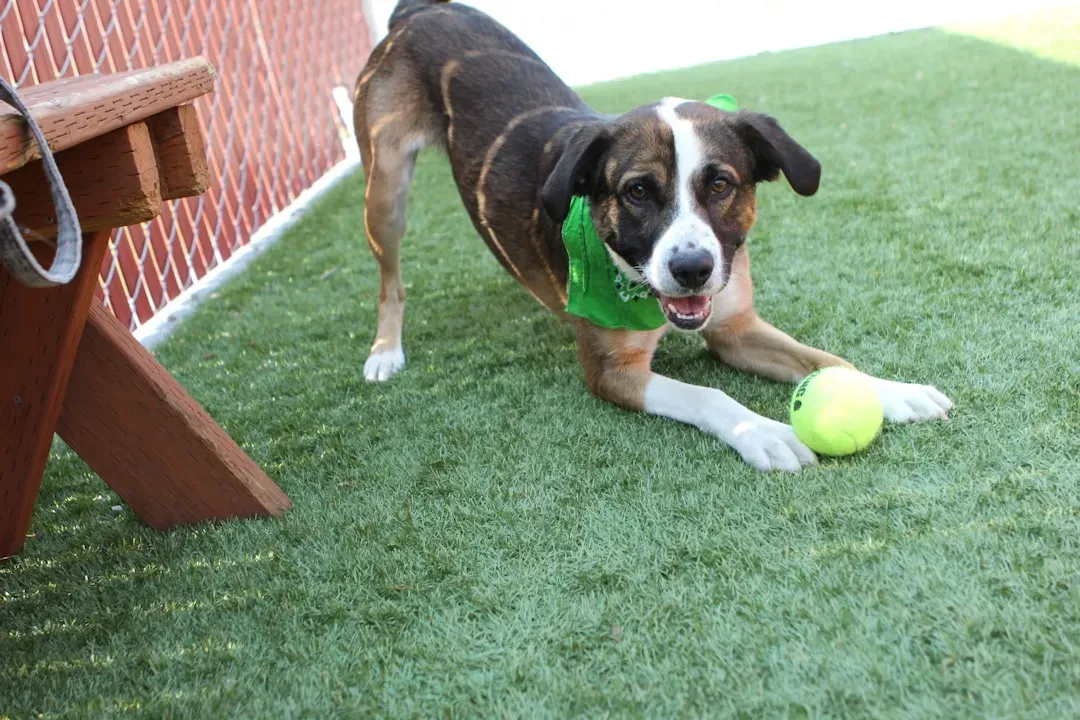
Yes, sometimes you are reading it exactly right and your dog is absolutely begging for a game. One clue: they do not just bring the toy – they push it into your hands, nudge your legs with it, back up into a play bow, or race away the second you touch it, looking over their shoulder like, “You coming?” The energy is sharper, more focused on the toy’s movement than on simple contact with you.
If your dog brings the same toy every day at the same time, and your routine usually involves a game when you walk in, they may have simply learned that this is how to kick off your joint “after work playtime.” It becomes a powerful habit loop: key in door, toy in mouth, game of tug or fetch. There is nothing wrong with that – as long as you occasionally break the pattern so it does not turn into a demand that leaves both of you frustrated when you are exhausted or short on time.
Your Reaction Has Trained This Behavior (Whether You Meant To or Not)
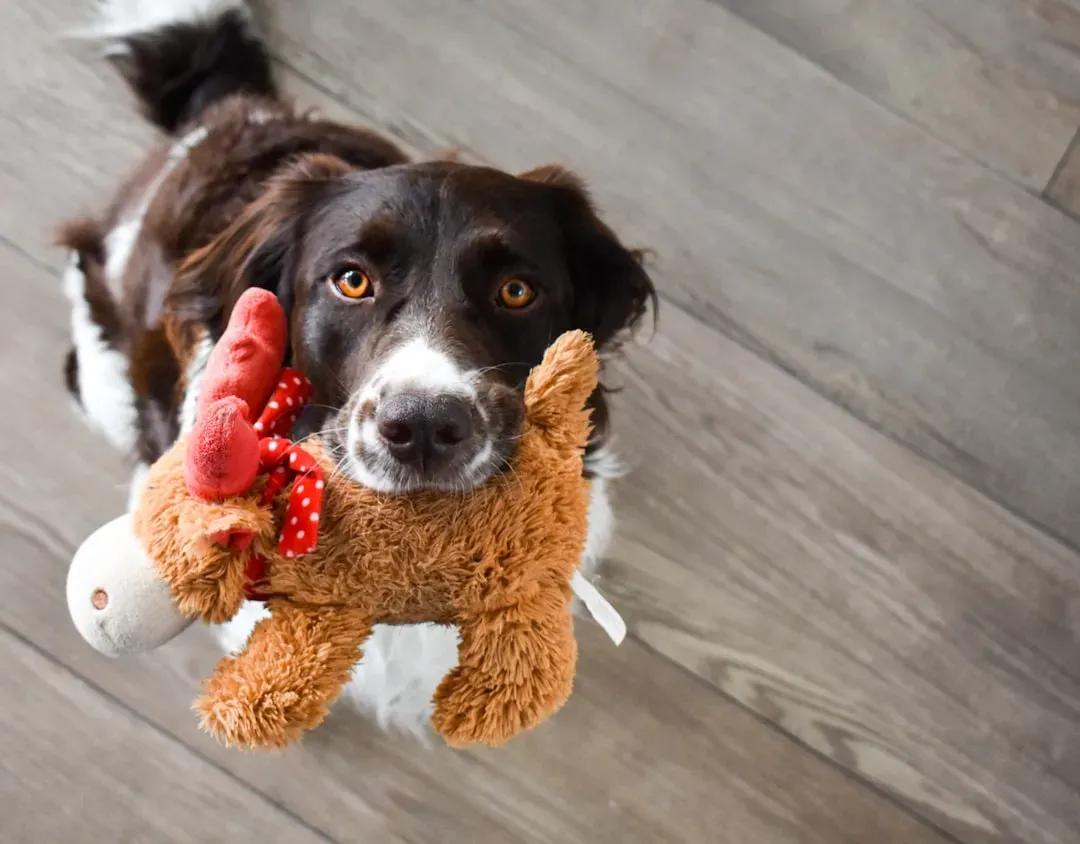
A slightly uncomfortable truth: your dog’s toy ritual probably has your fingerprints all over it. Dogs repeat what works, and if bringing you a toy has led to attention, laughter, praise, touch, or treats in the past, that behavior becomes stronger. Even if you did not throw the toy, your delighted voice and quick pet on the head still paid out in social currency.
You can see this learning in action if you start reacting differently. If, for a week, you greet your dog calmly and affectionately but only play later, you may notice the toy delivery becomes a bit less intense or immediate. On the flip side, if you suddenly turn toy-greeting into the best game ever every single time, do not be surprised when your dog begins sprinting to find something the moment they hear your car in the driveway. They are basically running the experiment, and your reactions are the results.
Context Clues: How to Decode What Your Dog Is Really Saying
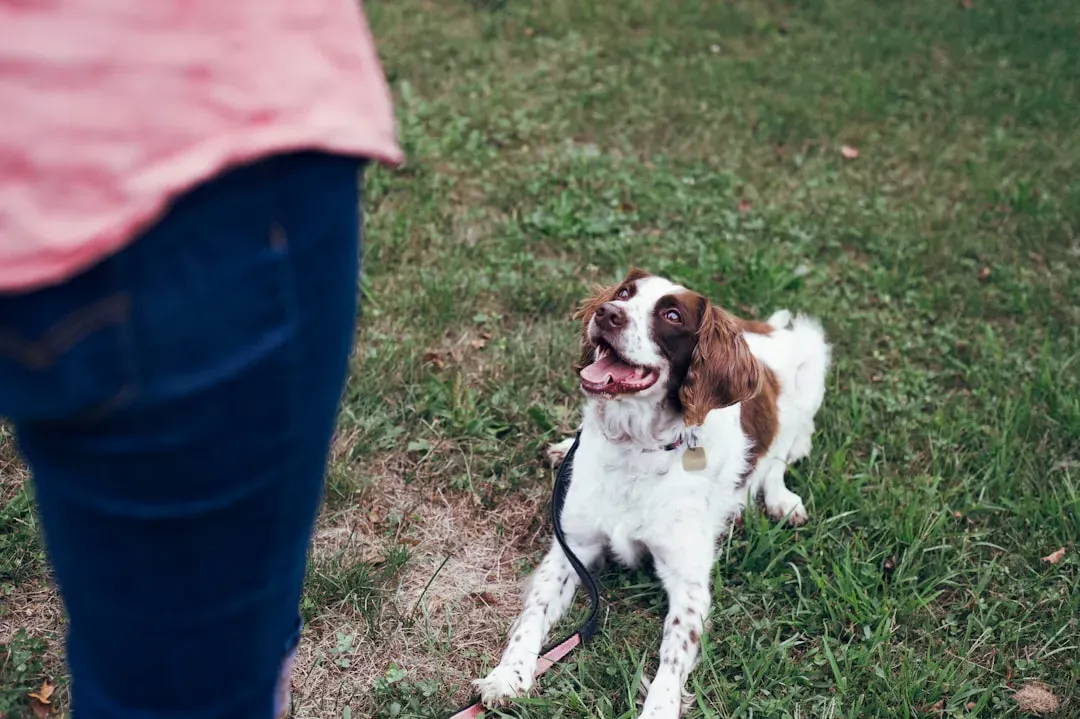
The toy itself does not tell the whole story; the rest of your dog’s body does. Is the tail loose and swishy or stiff and fast? Is the face relaxed with soft eyes, or are the eyes wide and the mouth tight around the toy? Does your dog shove the toy at you or just hover nearby with it as background decoration? These signals all help you figure out whether this is play, comfort, gifting, or a mix of a few.
Also pay attention to what happens if you ignore the toy for a moment and just say hello with gentle touch and a calm voice. If your dog quickly drops the toy and melts into you, it was probably about emotional connection or self-soothing more than play. If they seem deflated when you do not grab the toy and keep trying to recruit you with bounces and nudges, you are likely dealing with a strong play invitation. Reading your dog well is less about one single gesture and more about the full scene.
How to Respond in a Way That Supports Your Dog’s Emotional Health

Once you understand that the toy ritual is not always about fetch, you can respond more thoughtfully. If it looks like your dog is using the toy to manage big feelings, you might keep your greeting low-key, speaking softly and moving slowly so you do not crank their excitement even higher. Let them hold the toy if they want, and focus on helping them land emotionally before you switch into play mode later.
On the other hand, if you decide to play, it helps to keep some structure. Maybe you agree with yourself that homecoming is for calm connection first, and play starts after you put your bag down and change clothes. That kind of predictable rhythm can actually make your dog feel more secure. You are not just reacting randomly to the toy each day; you are giving them a consistent, understandable pattern that fits both of your needs.
When to Be Concerned: Overexcitement, Anxiety, or Guarding
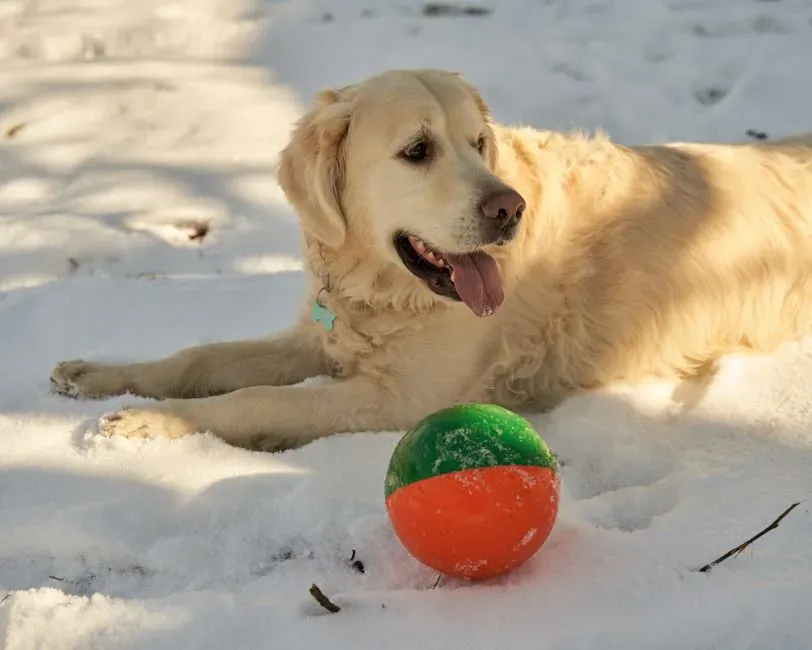
Most toy greetings are harmless or even healthy, but there are a few red flags. If your dog seems so overwhelmed that they are spinning, barking nonstop, or unable to settle long after you arrive, the toy might be a band-aid over deeper separation stress. In that case, it is worth talking with a qualified trainer or vet to rule out anxiety issues rather than just hoping the toy habit will magically fix itself.
Another concern is if the dog brings the toy, but then stiffens, growls, or snaps when you reach for it. That can suggest resource guarding, where the toy is both a social tool and a trigger. In those situations, forcing the issue or scolding usually backfires. It is smarter to get professional guidance so you can rebuild trust and safety around objects instead of turning homecoming into a daily standoff.
Conclusion: A Toy in the Mouth Is a Window Into the Heart
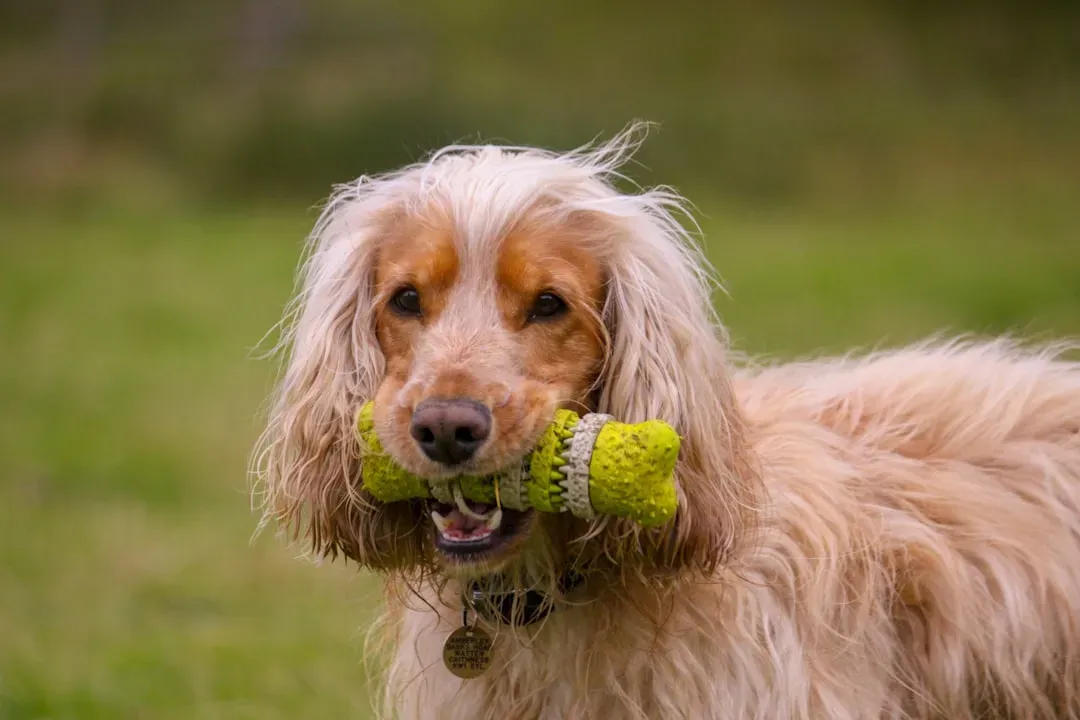
I will admit, the first time my own dog rushed over with a toy at the door, I assumed it was just another game request and felt a little guilty when I was too tired to play. Once I started paying attention, though, I realized that half the time she did not care if I threw it – she just wanted to share her joy and calm herself down after a long day apart. That tiny shift in perspective made me see the moment as emotional communication, not just a tug-of-war invitation I could accept or reject.
Dogs have a limited set of tools to express complicated feelings, and a toy in the mouth at the doorway is one of their favorites. Sometimes it is a party, sometimes it is a peace offering, sometimes it is a security blanket. The real question is not “Is my dog asking to play?” but “What is my dog feeling right now, and how can I meet them there?” The next time you walk through the door to a wagging tail and a soggy stuffed animal, what will you see first – the toy, or the story behind it?


