
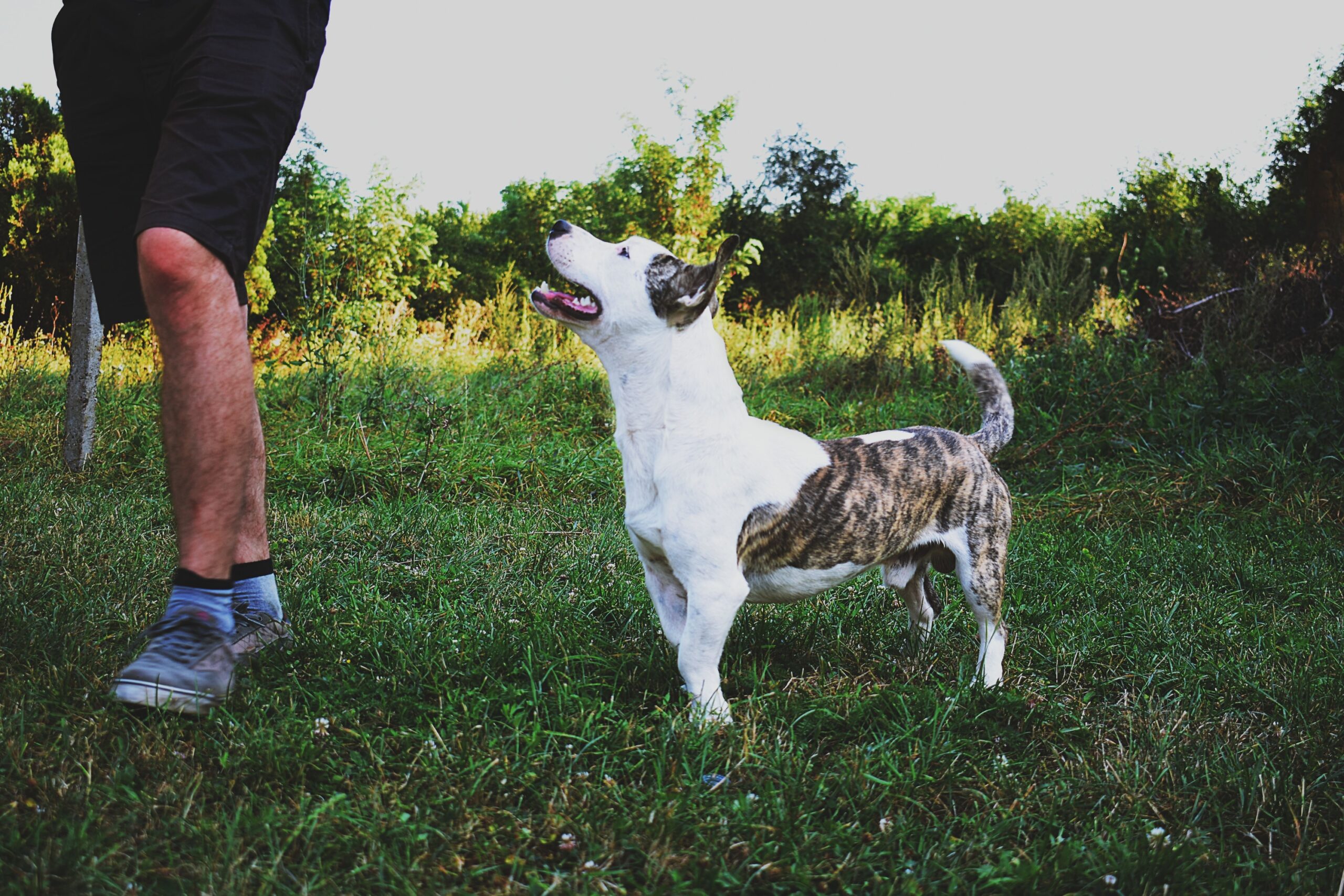
You know that feeling when you walk into a crowded vet clinic, busy street, or a new friend’s apartment and your dog keeps flicking their eyes back to your face? It is not a random quirk or a sign that they are just nervous. That steady, searching look is one of the most powerful windows we have into how dogs think about us, rely on us, and even partner with us.
Animal psychology over the last couple of decades has completely changed how researchers see that simple glance. What used to look like basic clinginess now appears to be a surprisingly sophisticated behavior: your dog is not only asking if things are safe, they are also outsourcing decisions to you, reading your emotions, and checking in on your connection. Once you understand what is really happening in those quick looks, it becomes very hard to see dogs as “just pets” ever again.
The Science Behind That Constant Face Check
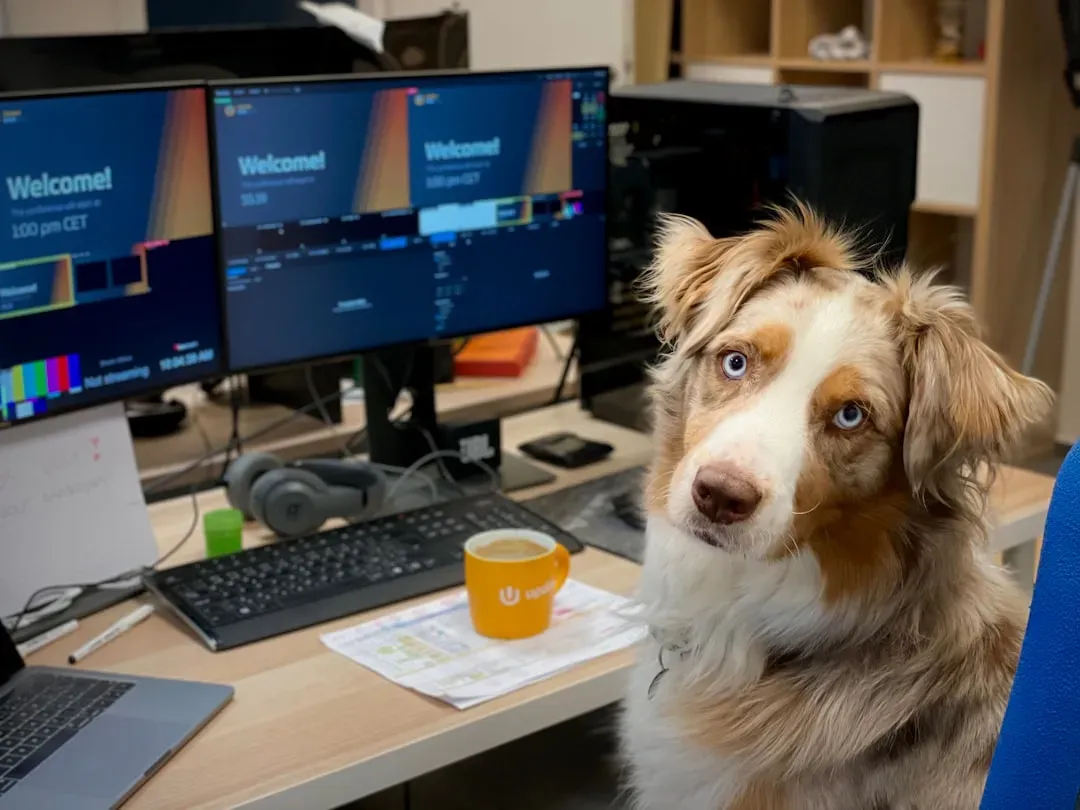
When dogs repeatedly look at your face in unfamiliar environments, scientists call this social referencing. In simple terms, they use your expression and body language as a guide for how they should feel and what they should do. Human babies do this with caregivers too, like when a toddler stares at a parent’s face before deciding whether to approach a strange object.
Research over the years has shown that dogs are unusually good at reading human cues compared with other domesticated animals. In experimental setups, dogs often look at their guardians when faced with something confusing, such as a locked box with food inside or a strange object. That repeat glance does not just mean they are scared; it signals they have learned that humans hold useful emotional and practical information about the world.
More Than Comfort: Your Dog Is Delegating Decisions to You
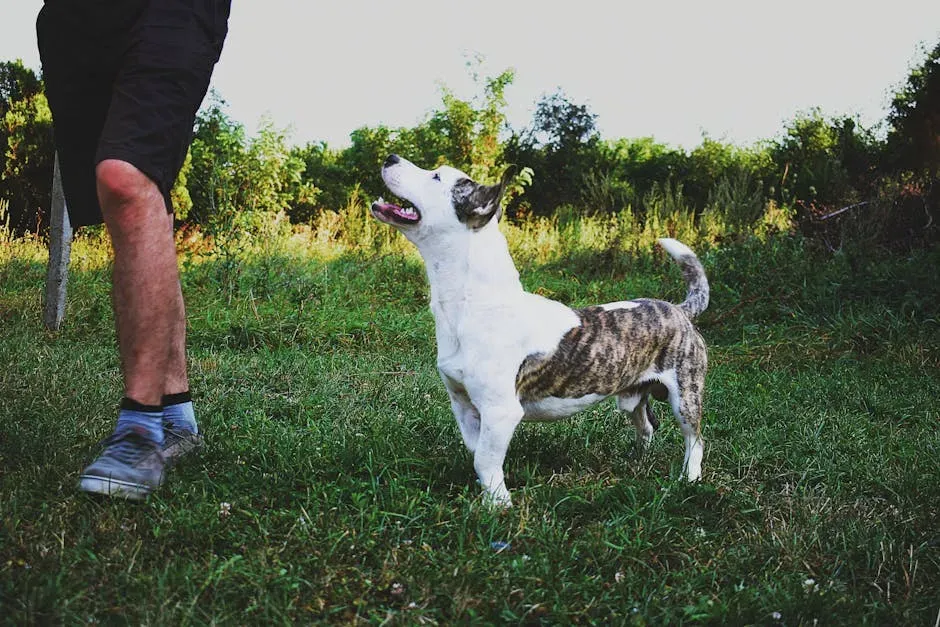
In a new or noisy place, your dog is not only checking whether they should feel afraid or relaxed; they are also asking you, in their own way, who is in charge of the next move. That quick eye flick can be read as a tiny question: stay or go, greet or avoid, move forward or hang back. You are not just a source of hugs and snacks. In your dog’s mind, you are basically the team leader.
From a psychological perspective, this is a smart survival strategy. Instead of reacting impulsively to every possible threat, your dog uses your reactions as a shortcut. They have learned that you usually know which people are okay, which spaces are safe, and when something strange is just background noise. The more they trust your judgment, the more often they will look to you to make the call in situations that feel uncertain or overwhelming.
The Attachment Factor: How Your Dog’s Bond Shapes Their Gaze
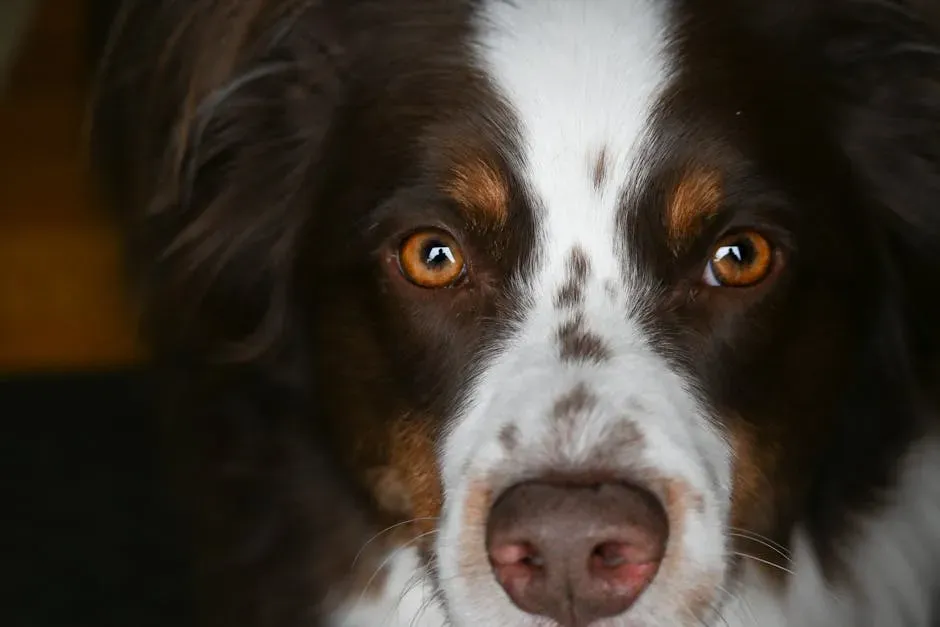
Not every dog checks in with the same intensity, and that is where attachment style comes in. Studies that adapt ideas from human attachment theory to dogs suggest that animals who are securely attached to their person tend to explore more, but they also show more confident check-ins: they look, get what they need emotionally, and then move away to sniff and investigate. That back-and-forth rhythm between you and the environment is a sign of a solid bond.
Dogs with less secure attachment may either cling and stare almost constantly, or barely look at their person at all, getting stuck in hypervigilance or shutting down. In my own experience with a rescue dog who had clearly bounced around multiple homes, the first few months were a blur of wide eyes glued to my face whenever we stepped somewhere new. Over time, as he started to trust that I was not going anywhere, those panicky stares softened into occasional, relaxed glances that felt more like a quiet “We good?” than a desperate plea.
Reading Your Emotions: Dogs Track Your Mood Like a Radar
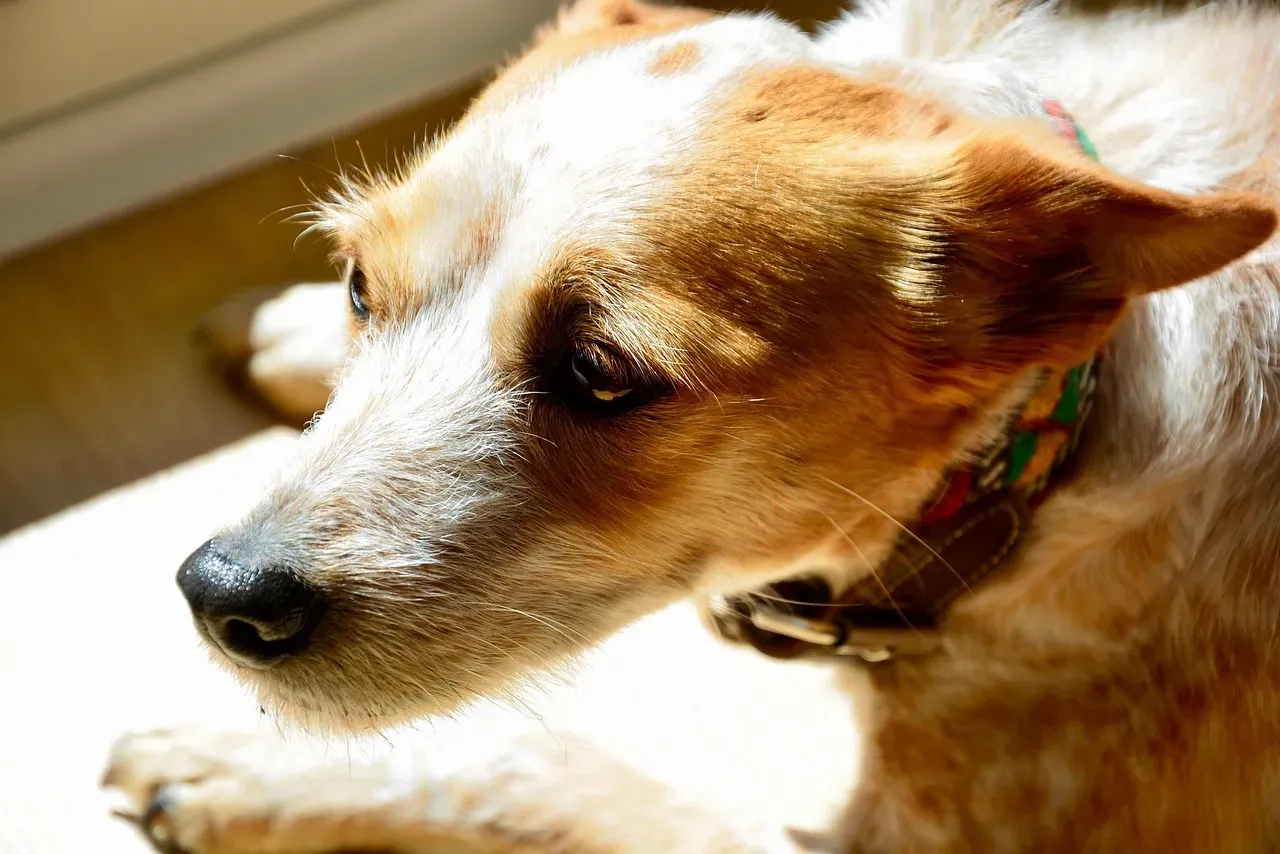
One of the more striking findings in animal psychology is how tuned in dogs are to human emotional signals. They seem able to pick up not only obvious things like raised voices or tense body language, but also more subtle cues in our posture, gaze, and even the way we move our mouths and eyebrows. In strange places, your face becomes a kind of emotional weather report they keep checking throughout the experience.
If you walk into a busy train station anxious and stiff, your dog is far more likely to stay alert, uneasy, or on edge. If you enter the same place loose, calm, and quietly confident, many dogs mirror that steadier state. Their repeated glances are less about begging you to reassure them, and more about continuously syncing with your emotional channel, the way a driver glances back and forth between the road and the dashboard to stay calibrated.
Trust, Not Just Fear: Why Confident Dogs Still Check In
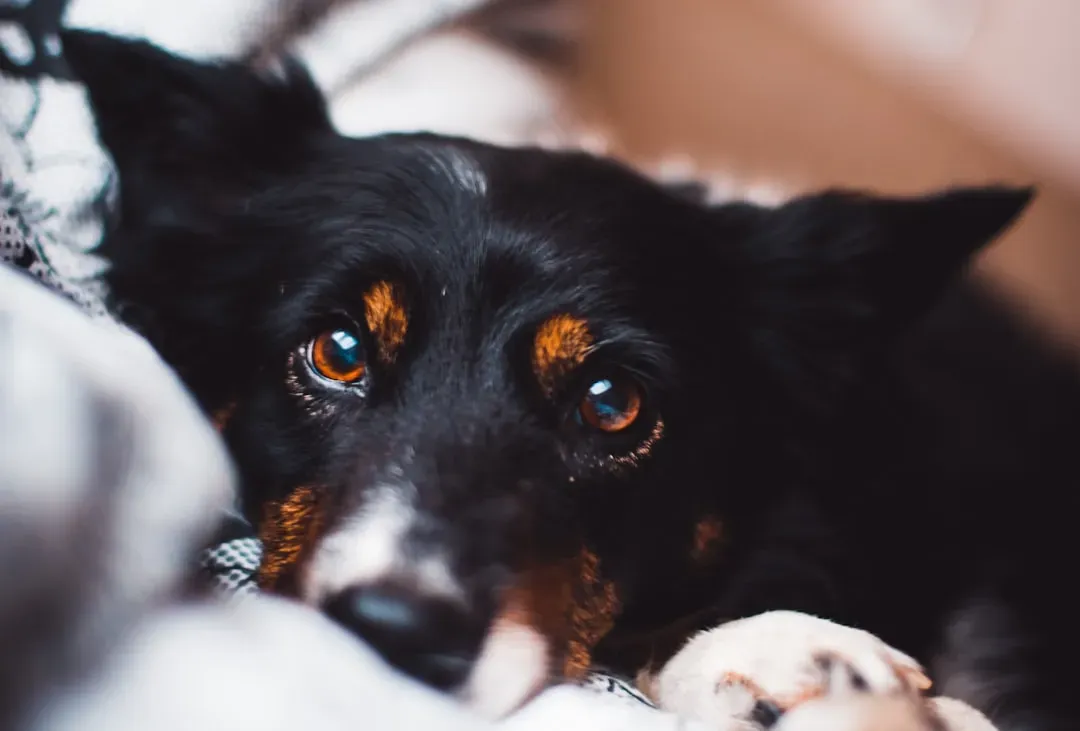
It is easy to assume that only nervous or insecure dogs stare at their person in unfamiliar places, but that is not always true. Many well-socialized, confident dogs will still periodically search your face even when their tail is loose and their body language looks totally at ease. In those moments, the look is less about fear and more about teamwork: they are including you in their experience.
Think of a confident friend at a party who keeps catching your eye from across the room, sharing a tiny smile or raised eyebrow. They are clearly fine on their own, but that glance keeps you emotionally involved in what they are doing. For a dog, that quiet check-in can signal trust, connection, and habit. They have learned that life simply works better when they keep you in the loop, even when they are not stressed out.
How Your Response Shapes Future Behavior
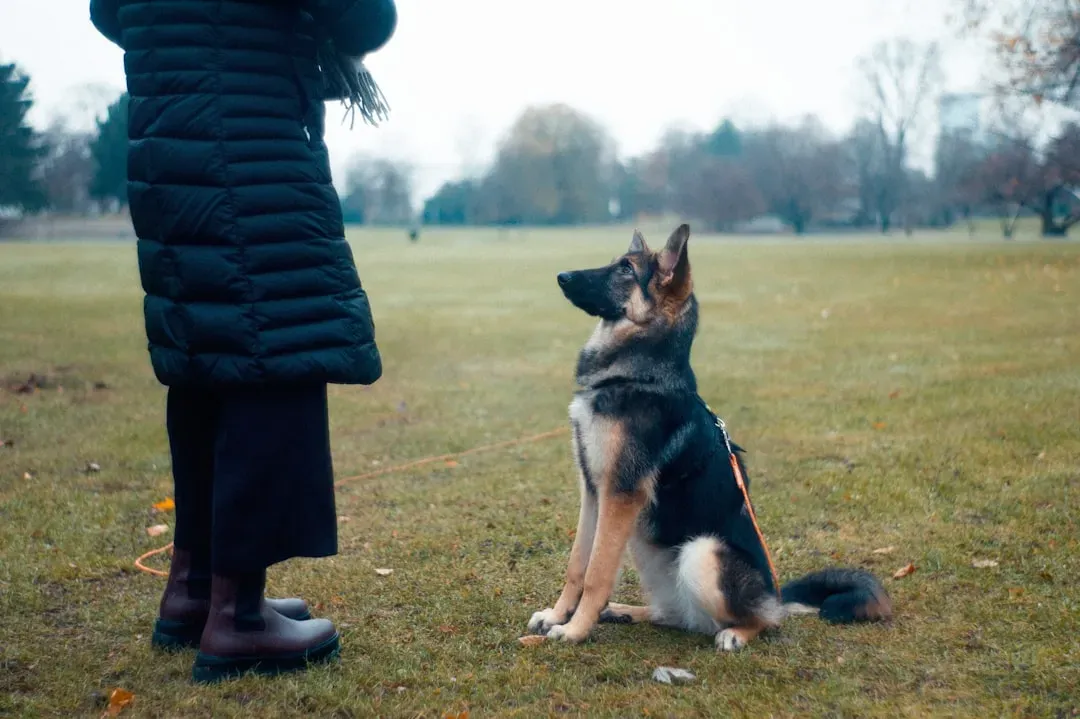
Every time your dog looks up at you in a strange place, you are being offered a micro-opportunity to shape their emotional world. If you panic, tighten the leash, or flood them with frantic energy, you may accidentally teach them that unfamiliar equals dangerous. If you stay grounded, use a calm voice, and sometimes pair the moment with gentle praise or play, you help build their internal map that new does not always mean scary.
Over the long term, dogs whose face checks are met with predictable, calm, supportive responses usually become more confident explorers. They still glance up at you, but over time, the looks often become shorter and more relaxed. Instead of a silent scream for help, the glance turns into a quick nod between partners who have done this a hundred times before and know they can rely on each other.
When Constant Checking Signals Deeper Anxiety
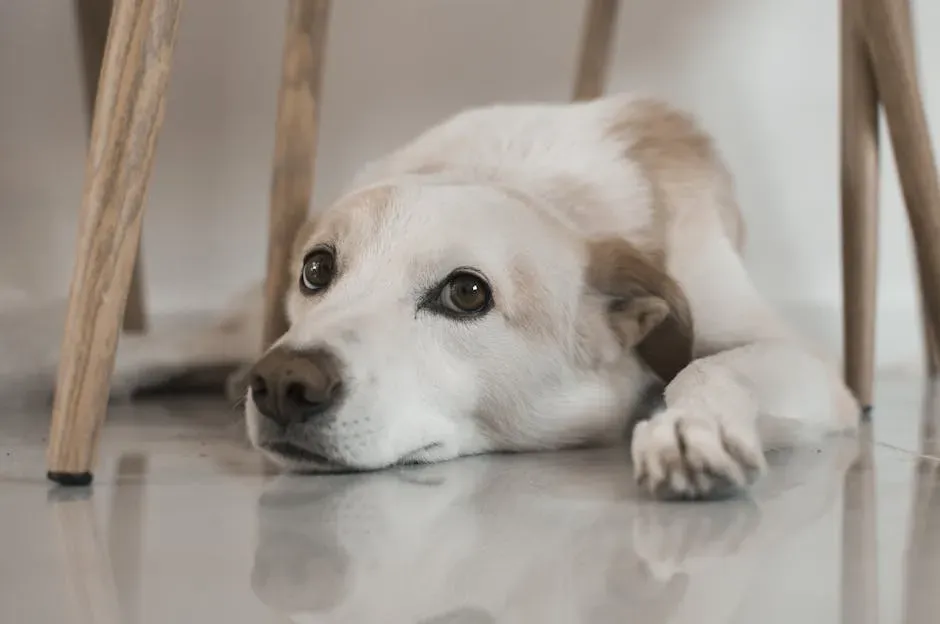
There is a line, though, between healthy social referencing and signs of problematic anxiety. If your dog is glued to your face in any new environment, refuses to move without you, or seems unable to engage with anything else, that can point to deeper fear or even issues related to separation distress. In these cases, the repeated looks are not just information gathering; they are more like a lifeline.
Here, slow, structured exposure to new places, paired with predictability and professional guidance when needed, can make a big difference. You are not trying to force independence overnight. Instead, you are helping your dog build a library of experiences where unfamiliar plus you equals manageable. Over time, as their nervous system learns that nothing terrible happens, those intense, searching stares usually begin to soften and space out.
What Your Dog’s Gaze Really Says About Your Relationship
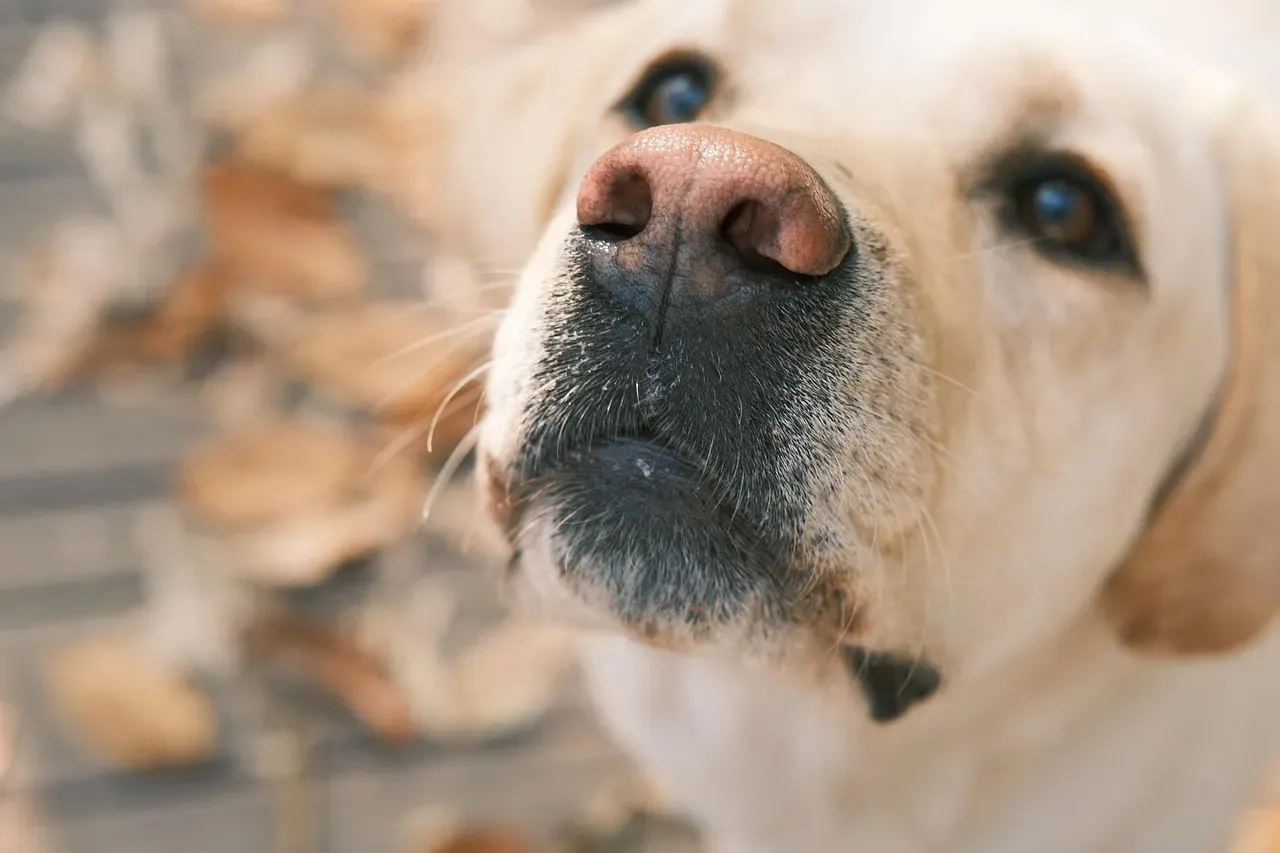
In the end, that little pattern – your dog stepping into a new space and immediately seeking your face – reveals something surprisingly profound. It means you are not just background noise in their world; you are the reference point, the emotional anchor, and in many ways, the co-author of how they experience unfamiliarity. To me, that is both a responsibility and a bit of an honor.
So the next time you notice your dog checking your expression at the vet’s office, on a road trip, or at a busy café, try seeing it as more than simple reassurance seeking. It is trust made visible, a quiet question and a vote of confidence rolled into a single look. The real question is: now that you know what that gaze can mean, how are you going to answer it?


