

When your old dog suddenly stands in the hallway, locked onto a blank wall like it holds the secrets of the universe, it can feel both eerie and heartbreaking. You know your dog’s quirks by now, and this new behavior just does not fit. Is it confusion, something they see that you do not, or a silent sign that their body is changing more than you realized?
I remember the first time I saw a senior dog do this: he froze in front of a corner, breathing softly, eyes fixed, like time had slowed down just for him. It is tempting to laugh it off as “old dog weirdness,” but very often, there is something real going on under the surface. Let’s dig into six of the most important possible causes, what they might look like in everyday life, and when you really should call your vet.
Cognitive Dysfunction: The “Doggy Dementia” Behind That Empty Stare
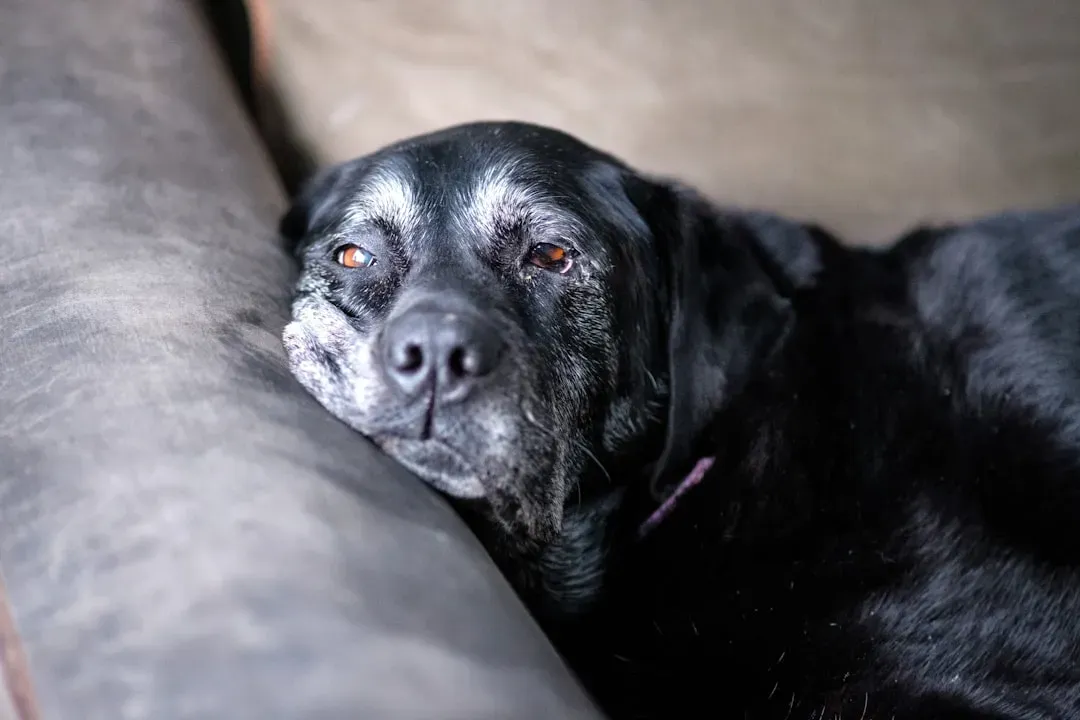
One of the most common reasons older dogs start staring at walls is canine cognitive dysfunction, often compared to dementia in humans. The brain physically changes with age: nerve cells degenerate, chemical signaling shifts, and the dog’s internal “map” of the world starts to blur. That blank stare can be your dog’s way of getting lost in their own house or simply “checking out” for a moment.
You might also notice other subtle signs along with wall-staring: pacing at night, getting stuck behind furniture, forgetting familiar commands, or suddenly seeming unsure which door leads outside. Some dogs stand in a corner and seem unable to figure out how to back up or turn around. It is not stubbornness; it is confusion. If the staring is new and paired with a general sense that your dog just is not “all there” like they used to be, cognitive decline needs to be high on the list.
Sensory Loss: When Vision and Hearing Start to Fade

Another big driver of wall-staring is simple sensory loss, especially vision changes. Senior dogs can develop cataracts, retinal issues, or general age-related vision decline that turns the world into a dim, low-contrast blur. A wall might be the only large, solid, predictable shape in their field of view, so they orient toward it and kind of freeze there while trying to make sense of their surroundings.
Hearing loss can make things even more disorienting. A dog who cannot clearly see or hear may pause and stare in one direction while they “listen” with the parts of their senses that still work, like smell and vibration. You may notice they bump into furniture, hesitate at steps, balk in low light, or startle easily if you touch them when they do not realize you are there. In those moments at the wall, your dog is not being weird or stubborn; they are quietly troubleshooting a world that has become less reliable.
Neurological Issues and Seizure Activity You Might Not Recognize
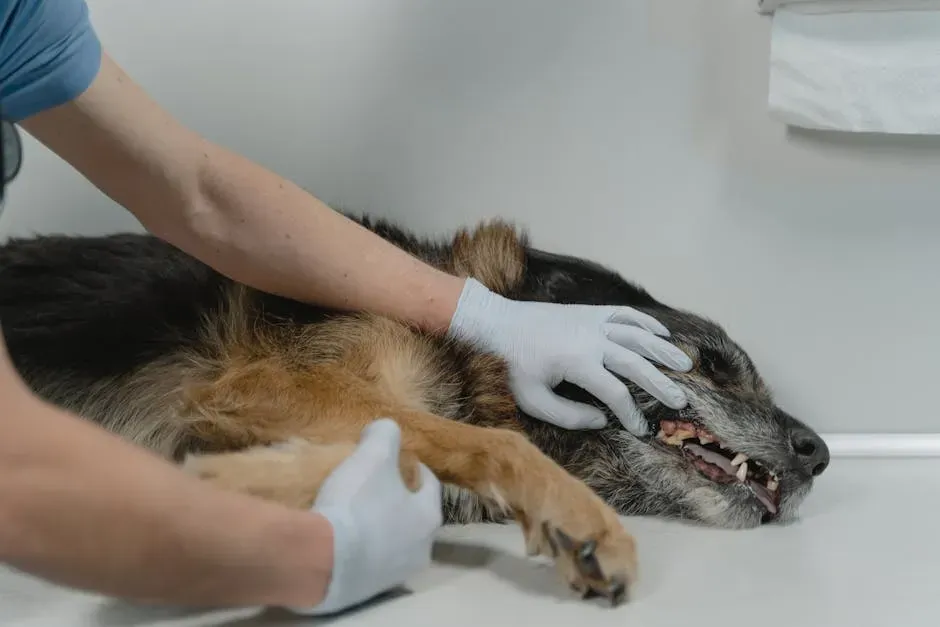
Not all seizures look like the dramatic, fall-over-and-convulse episodes people expect. Senior dogs can have partial or focal seizures that appear as brief “spells”: staring into space, lip smacking, head turning to one side, or walking in small circles near a wall. These episodes may last seconds to a couple of minutes, and afterward your dog can seem disoriented or unusually clingy.
Other neurological problems, such as brain tumors, inflammation, or past head injuries, can also cause strange behavior like wall-staring, pressing the head against surfaces, or repeatedly wandering into corners. In these cases, your dog’s brain is literally not processing space and signals correctly. If you ever see staring combined with head pressing, sudden personality changes, new stumbling, or odd eye movements, that is not a “wait and see” situation – that is a call-the-vet-today situation.
Anxiety, Stress, and the “Checking Out” Coping Mechanism
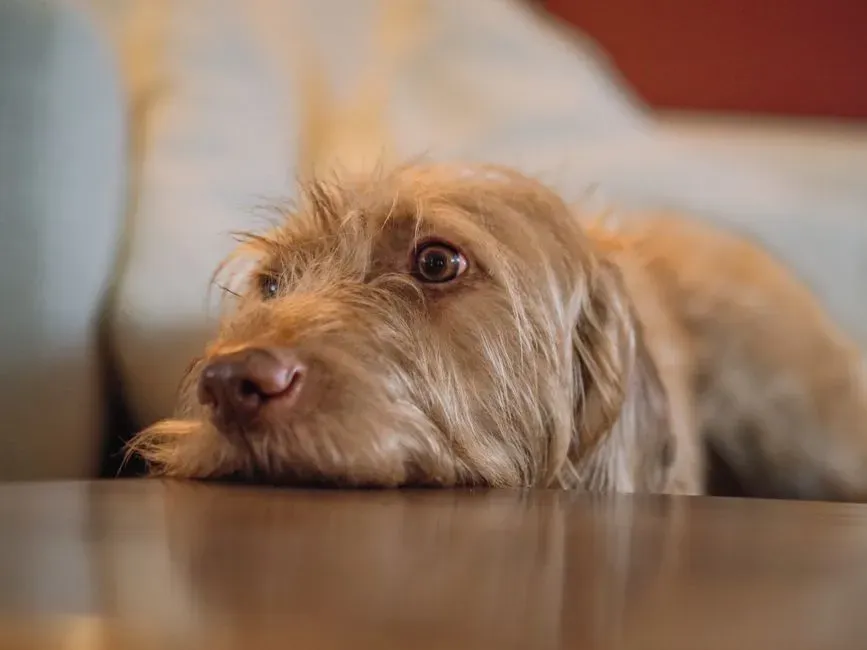
Sometimes, a dog staring at a wall is not confused; they are overwhelmed. Dogs can “shut down” when stressed or anxious, especially seniors who are less flexible and more easily rattled by change. A dog that used to shrug off thunderstorms or visitors might, in older age, walk away and lock into a quiet corner or blank wall to escape the chaos.
This can happen after big life shifts: a move, a new baby, a new pet, schedule changes, or the loss of a familiar person or animal. Instead of pacing or whining like a younger, more energetic dog, an older dog may go still and stare. If you notice the wall-staring happens during loud events, arguments, storms, or busy times in the house, anxiety might be playing a bigger role than you realize. In a way, that wall becomes their “safe screen saver” when the real world feels too loud.
Pain, Discomfort, and Internal Illness You Cannot See

Pain can make a dog’s world shrink to a tiny, quiet bubble. Arthritis, back pain, dental disease, or organ issues become more common with age. When a senior dog hurts, they may not cry out; instead, they may stand still, lower their head, and stare blankly at whatever happens to be in front of them, like a wall. It is less about the wall and more about not having the energy or comfort to move.
Dogs in pain might also move more slowly, hesitate to jump on the couch, lick at joints, refuse stairs, or get restless at night trying to find a comfortable position. Some dogs narrow their activity to one or two “safe” spots in the house and end up facing a wall there by chance. If the staring seems to go along with stiffness, limping, weight loss, changes in appetite, or just an overall “slowing down” beyond what feels normal, a thorough physical exam and bloodwork are absolutely worth it.
Internal illnesses like liver or kidney disease, high blood pressure, or hormonal imbalances can also affect how the brain functions, leading to moments of confusion or spacey behavior. Because these conditions often creep in slowly, it is easy to brush off wall-staring as just old age, when it may be a treatable medical problem that is quietly stealing your dog’s comfort.
Learned Habits, Odd Quirks, and the Role of Environment
Not every wall-stare is a medical crisis, even though you should never assume it is harmless without considering the possibilities above. Some dogs develop quirky habits: maybe they once saw a shadow on that wall, heard mice in it, or caught a reflection from a phone screen, and now they keep checking back like someone refreshing a social media feed. Older dogs, set in their ways, can repeat odd behaviors simply because they have done them a hundred times before.
Lighting and layout matter too. Reflections from windows, moving shadows from trees or passing cars, or even faint sounds behind drywall can all catch a dog’s attention. If your dog is otherwise acting perfectly normal – eating well, playing, sleeping, moving comfortably, engaging with you – and still occasionally zones out at a wall, it may just be an eccentric little ritual. Even then, it is wise to mention it at your next vet visit so you are not missing a subtle change beneath the surface.
When to Worry, What to Do, and Why Your Instincts Matter
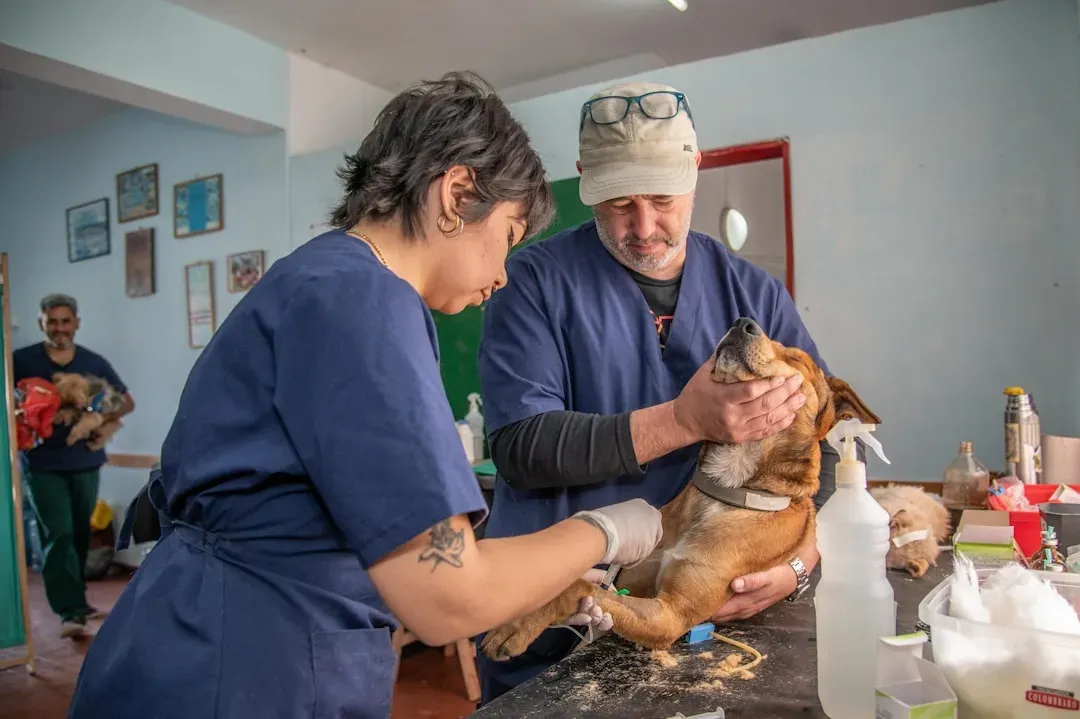
If your senior dog has just started staring at walls, the safest mindset is to treat it as a symptom, not a quirk, until your vet helps you rule things out. The red flags that deserve urgent attention include sudden onset of staring, head pressing, seizures or twitching, dramatic personality changes, difficulty walking, rapid weight changes, or getting stuck in corners frequently. Those are not “old dog moments” – those are “call the clinic now” moments.
Keeping a simple diary on your phone can be incredibly helpful: note when the staring happens, how long it lasts, what else is going on in the room, and any other odd behaviors. Bring videos if you can capture an episode; vets love real-life footage more than any description. Many causes, from cognitive decline to pain to anxiety, can be managed or eased with medication, supplements, environment tweaks, or behavior strategies. In my opinion, the biggest mistake people make is writing this off as “just aging” and missing a chance to make their dog’s last years calmer, clearer, and more comfortable.
At the end of the day, you know your dog better than anyone. If that new habit of staring at walls makes your stomach tighten even a little, listen to that feeling. Aging does not have to mean silent suffering or endless confusion, and your curiosity about this behavior may be the very thing that buys your dog more good days. When you see them frozen at that blank wall next time, will you shrug it off, or will you treat it as your cue to dig deeper and advocate for them the way only you can?


