

Bringing a rehomed dog into your life is a journey filled with hope and challenges. These resilient animals, having experienced the upheaval of changing homes, embark on a path of adaptation that requires patience, understanding, and unwavering support from their new families.
The Emotional Impact of Rehoming on Dogs

Imagine being uprooted from everything familiar – your home, your family, your daily routines – and placed into an entirely new environment. This is the reality for rehomed dogs. They often experience confusion and stress as they navigate unfamiliar surroundings and faces. Their world, once predictable, becomes a maze of unknowns, leading to behaviors that signal their inner turmoil.
Common signs of this stress include withdrawal, excessive barking, or even destructive behavior. These are not acts of defiance but cries for stability and understanding. Recognizing these behaviors as manifestations of anxiety is the first step toward helping your new companion feel secure.
Understanding the 3-3-3 Adjustment Rule

To guide adopters through this transition, many animal behaviorists advocate the “3-3-3 rule.” This framework outlines the typical phases a rehomed dog undergoes:
**First 3 Days:** The initial period is marked by disorientation. Dogs may feel overwhelmed, leading to behaviors like hiding, reduced appetite, or hesitancy in interaction. It’s a time for them to observe and process their new environment.
**First 3 Weeks:** As familiarity grows, dogs begin to understand household routines. They start to display more of their true personality, though they might still test boundaries as they learn what is expected of them.
**First 3 Months:** By this stage, many dogs feel comfortable and secure. Trust has been established, and they often exhibit behaviors indicating they consider this new place their home.
Factors Influencing a Dog’s Adjustment Period
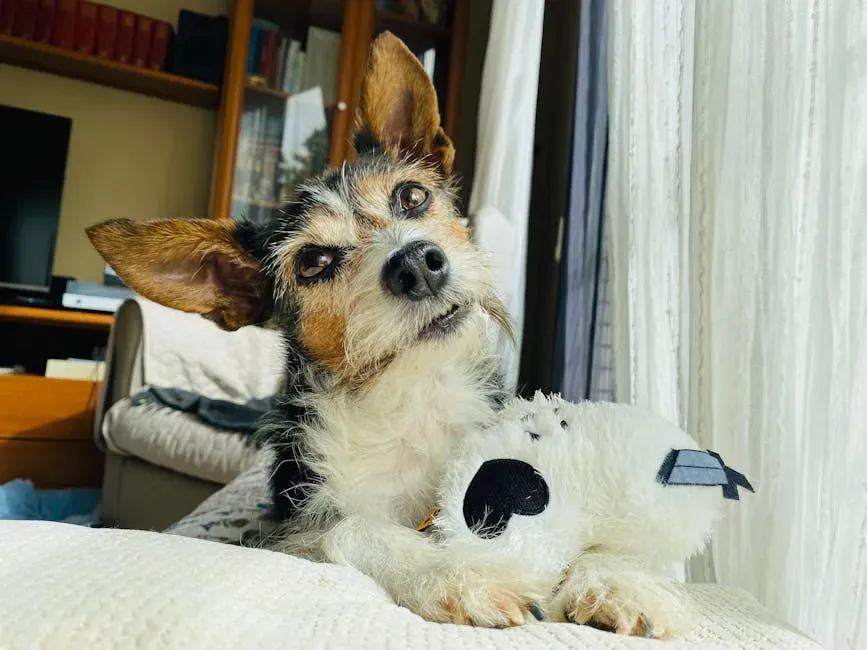
Several elements can affect how smoothly a dog transitions into a new home. Age plays a role; younger dogs might adapt more quickly due to their developmental stage, while older dogs may take longer as they unlearn previous routines. The dog’s history is also crucial. Those with traumatic pasts or multiple rehomings might exhibit heightened anxiety, requiring additional patience and care.
The environment of the new home significantly impacts the adjustment. A calm, consistent setting with clear routines can provide the stability a rehomed dog craves, facilitating a smoother transition.
Building Trust Through Consistency and Routine
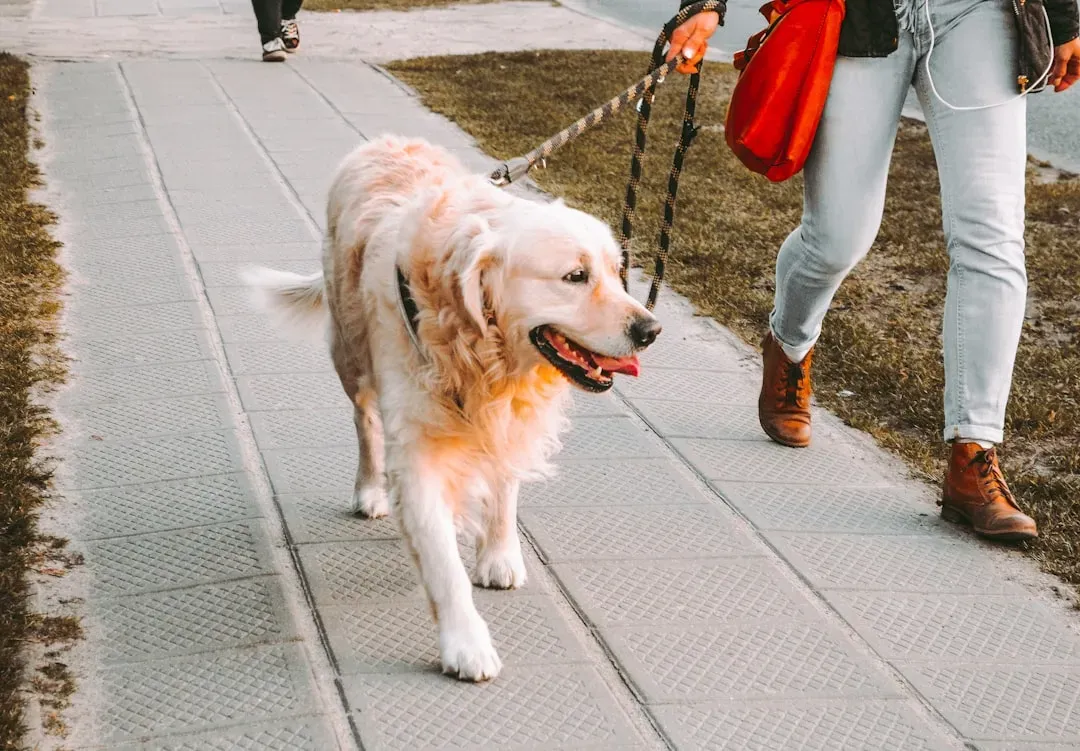
Trust is the cornerstone of any relationship, especially with a rehomed dog. Establishing consistent routines – regular feeding times, daily walks, and set playtimes – provides a sense of predictability. This consistency signals to the dog that they are in a safe and stable environment.
Positive reinforcement further cements this trust. Rewarding desired behaviors with treats, praise, or affection encourages the dog to repeat those actions, fostering a bond built on mutual respect and understanding.
Recognizing and Addressing Stress Signals

Being attuned to your dog’s behavior is vital. Signs of stress can manifest in various ways, such as excessive panting, pacing, or changes in appetite. These indicators are the dog’s way of communicating discomfort or anxiety.
Addressing these signs involves creating a calm environment, avoiding overwhelming situations, and providing a safe space where the dog can retreat when feeling stressed. If these behaviors persist, consulting with a veterinarian or animal behaviorist can offer tailored strategies to support your dog’s well-being.
The Role of Socialization in Adjustment

Socialization is a critical component of a dog’s adjustment process. Gradual introductions to new people, environments, and other animals can help build confidence and reduce anxiety. It’s essential to monitor these interactions to ensure they are positive experiences, reinforcing the dog’s sense of safety.
Structured socialization activities, like controlled playdates or training classes, can provide opportunities for the dog to learn appropriate behaviors and build positive associations with new experiences.
Patience and Empathy: Keys to a Successful Transition

Above all, patience and empathy are paramount. Understanding that each dog is unique and will adjust at their own pace is crucial. Celebrating small milestones, like the first time the dog seeks affection or successfully follows a command, reinforces positive behavior and builds confidence.
Remember, the journey of a rehomed dog is one of healing and trust-building. Your unwavering support and understanding can transform their uncertainty into a deep, lasting bond.
Conclusion
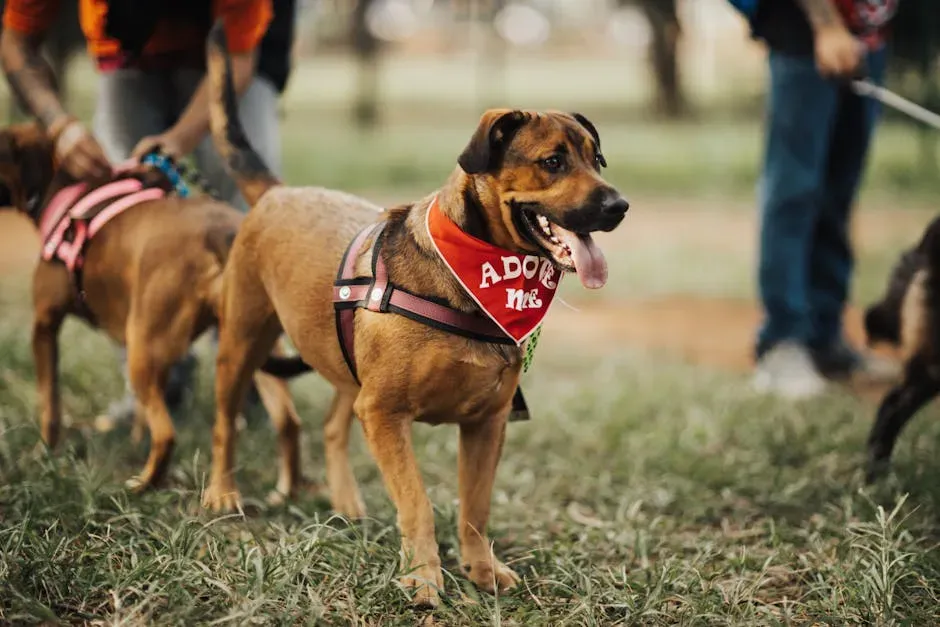
Welcoming a rehomed dog into your life is both a privilege and a responsibility. Their past experiences shape their initial reactions, but with time, consistency, and love, they can learn to trust and thrive in their new environment. The adjustment period is a testament to the resilience of these animals and the profound impact compassionate care can have. Are you ready to embark on this rewarding journey?


