
Animal Research Says Dogs Can Detect Volatile Organic Compounds Produced by Cancer Cells in Breath and Urine Samples – Including Lung Breast Ovarian and Prostate Cancer
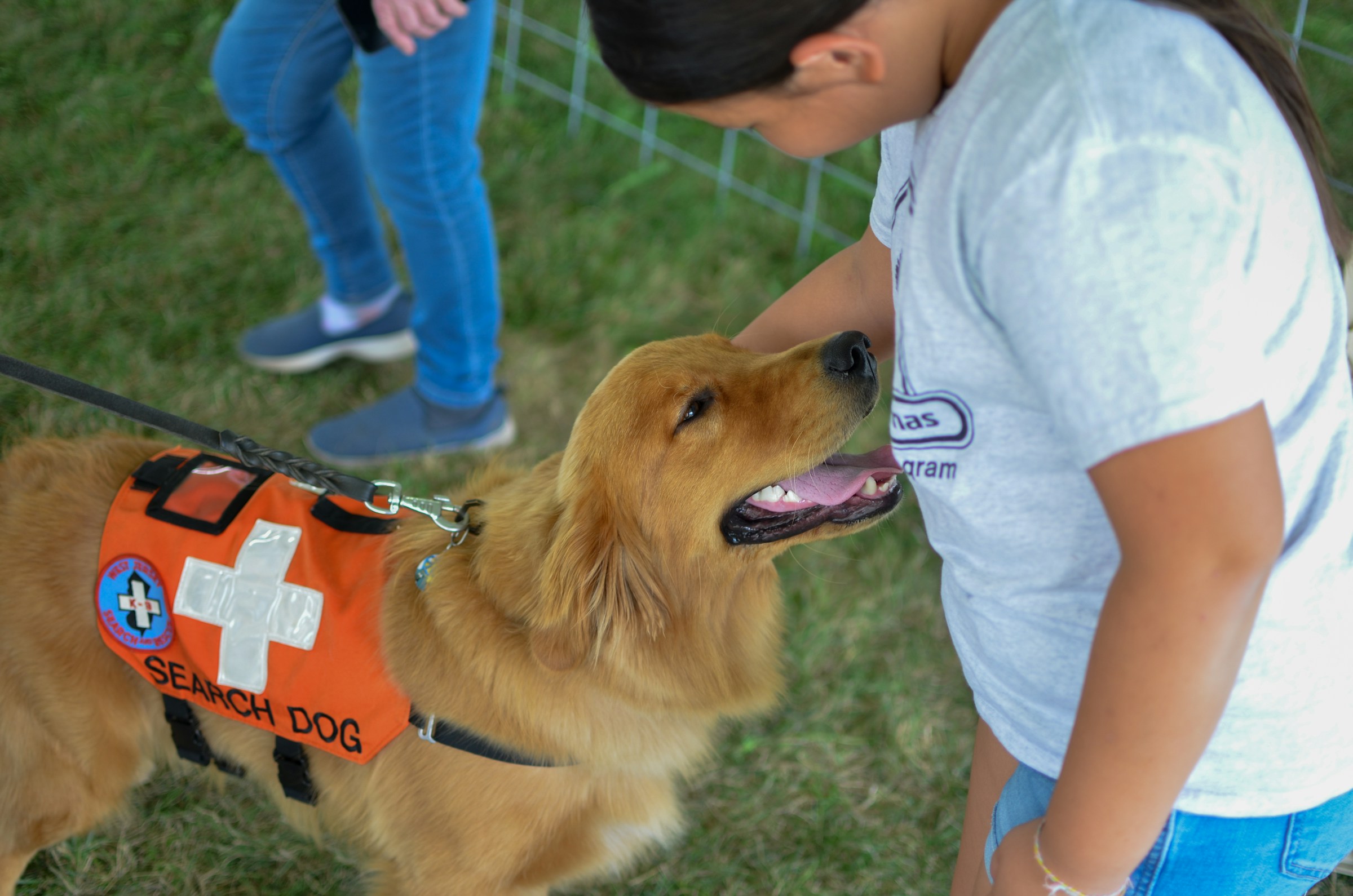
If someone told you a dog could pick up cancer before a CT scan, it might sound like science fiction or social‑media hype. Yet over the past couple of decades, carefully controlled animal studies have repeatedly shown that trained dogs can detect the chemical traces of several cancers in breath, urine, blood, and even sweat samples.
The story is not as simple as “dogs can sniff out all cancers on demand,” and we are not about to replace oncologists with Labradors. But what is emerging is even more intriguing: cancer cells appear to release a distinct chemical “scent signature,” made of tiny volatile organic compounds, and the canine nose is proving to be one of the sharpest tools we have to study that invisible trail. Once you understand what the science actually shows, this whole field feels less like a party trick and more like a glimpse into the future of non‑invasive cancer screening.
The Science of Scent: Why Dogs Can Smell What Machines Miss
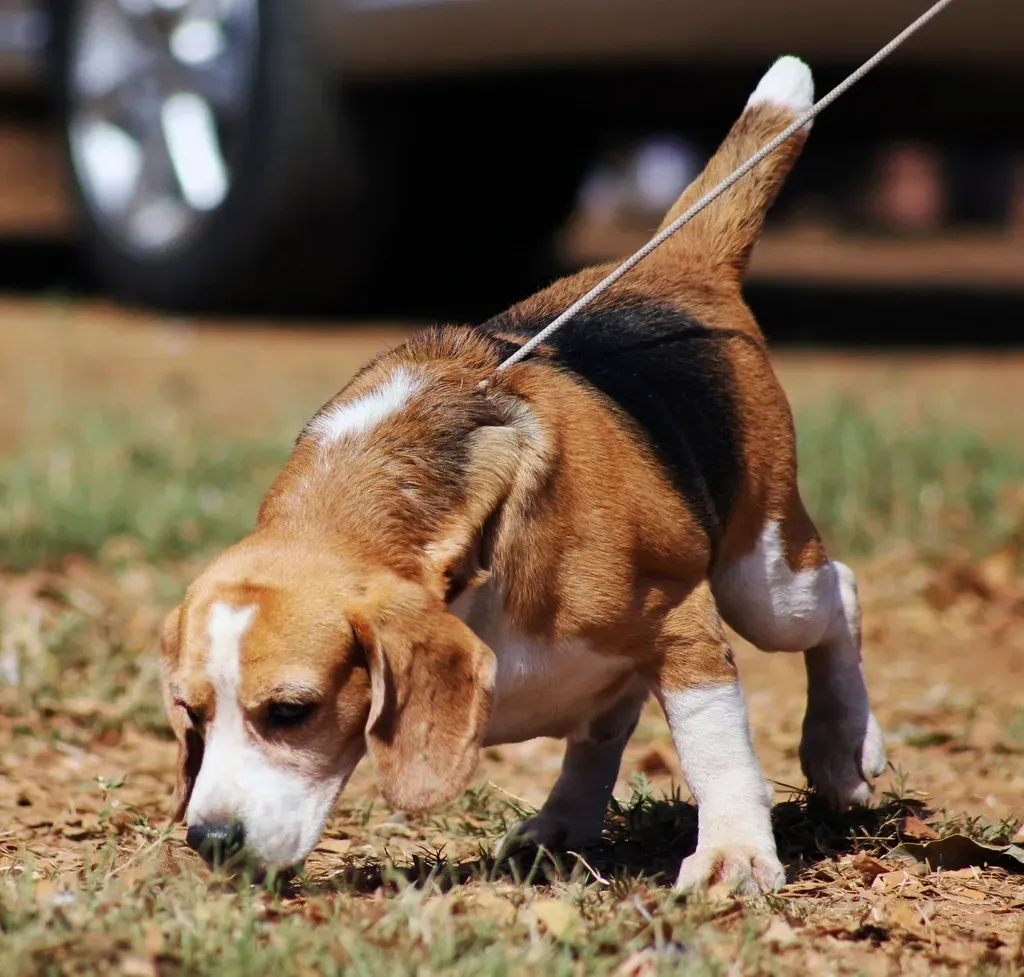
Imagine being able to smell a teaspoon of sugar in an Olympic‑sized swimming pool. That’s roughly the kind of sensitivity often used as a metaphor for a dog’s nose. While humans have a few million scent receptors, many dog breeds have hundreds of millions, and the area of their brain devoted to processing smells is dramatically larger relative to body size. From an evolutionary standpoint, dogs were built to live by their noses.
Volatile organic compounds, or VOCs, are tiny molecules that evaporate easily and drift into the air. Our bodies constantly release VOCs through breath, urine, sweat, and skin, and changes in our cells – like those driven by cancer – can subtly alter that chemical cloud. Dogs are uniquely positioned to notice those shifts, because their noses are not just more sensitive, they also process scent patterns in a far more detailed way than any sensor technology we currently use in clinical practice.
What Are Volatile Organic Compounds and How Do Cancer Cells Produce Them?
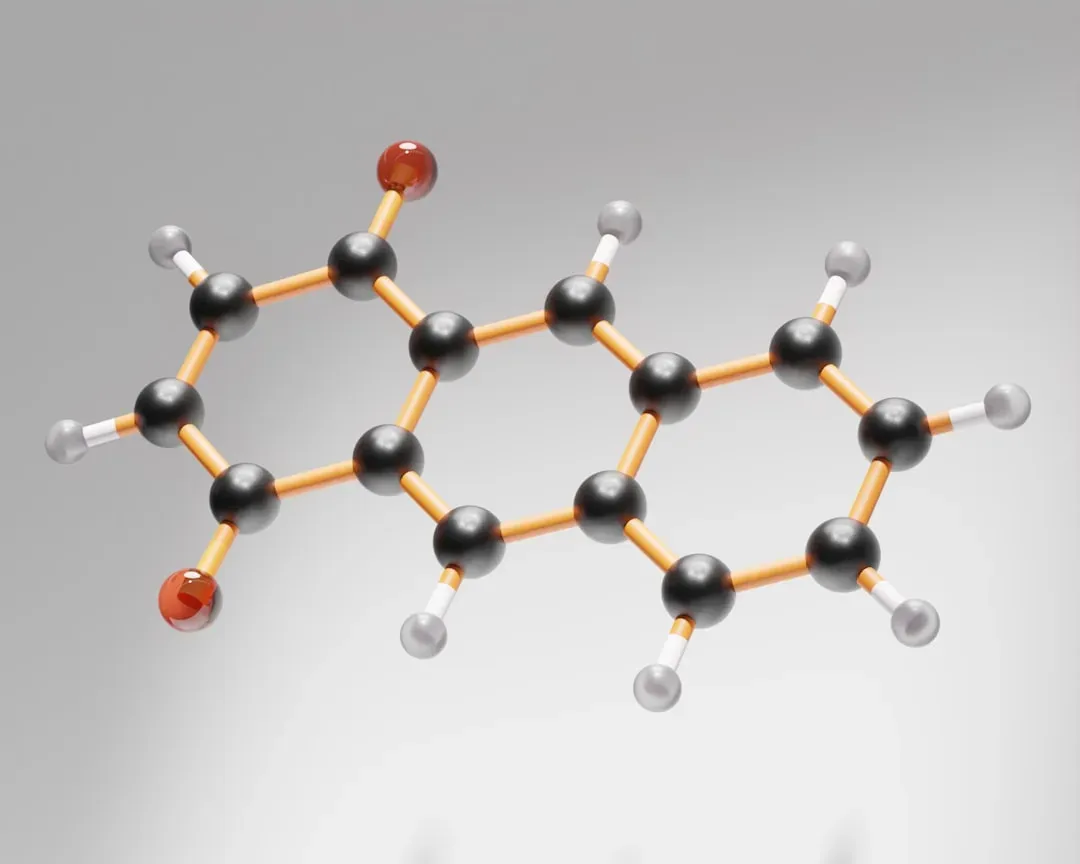
To understand why dogs can sniff out cancer, you have to understand what VOCs actually are. Every cell in your body runs on chemical reactions, and those reactions create byproducts that can evaporate and leave your body in your breath or waste. When cells become cancerous, their metabolism changes: they grow faster, use energy differently, and often experience more oxidative stress, all of which alters the mix of chemicals they emit.
These altered metabolic pathways can lead to distinct patterns of VOCs, a bit like a new perfume layered onto your existing natural scent. Each cancer type may not have a single “magic” molecule, but rather a profile – a combination of compounds and their relative amounts. Dogs appear to pick up on that overall pattern rather than one specific molecule, which is part of why they can sometimes distinguish not just sick from healthy, but one type of disease from another under the right conditions.
Evidence Across Cancers: Lung, Breast, Ovarian, and Prostate
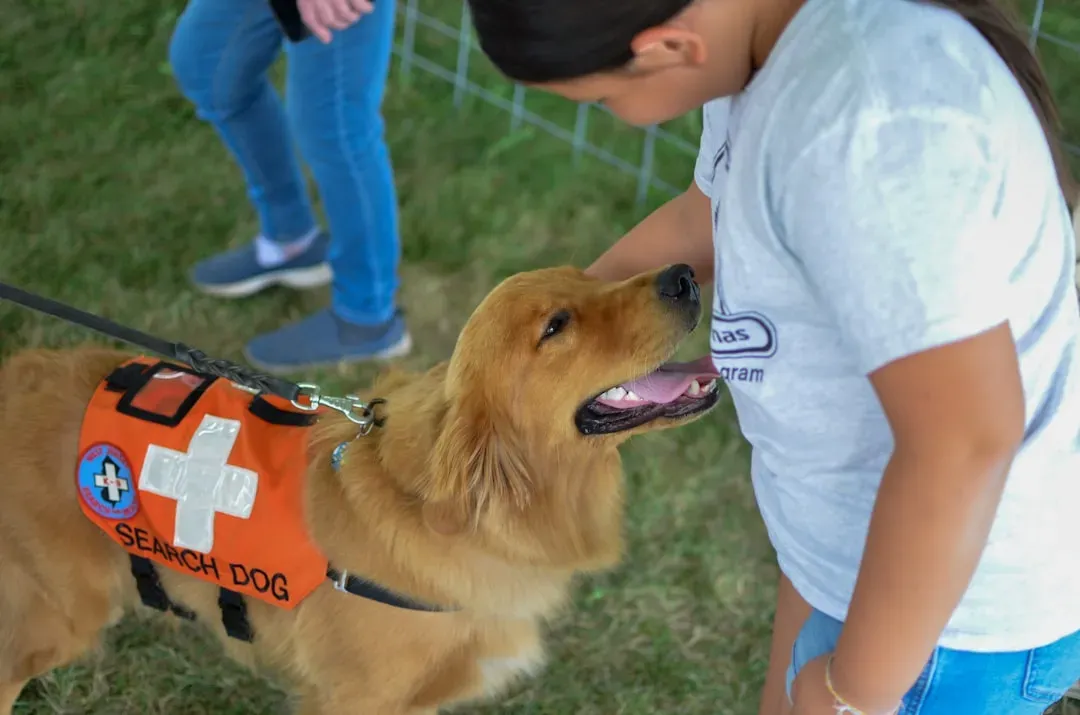
Researchers have tested trained dogs on samples linked to several major cancers, often using breath or urine collected from patients and healthy controls. In some lung cancer studies, for example, dogs were able to flag cancer samples from breath with sensitivity and specificity that sometimes approached or rivaled conventional screening tools in those controlled settings. That does not mean dogs are ready to screen entire populations, but it does suggest that lung tumors leave a detectable VOC fingerprint even at relatively early stages.
Work on breast, ovarian, and prostate cancers has been more mixed but still compelling. Some breast cancer studies using breath or sweat samples reported dogs correctly identifying many positive cases that were otherwise subtle or not obvious through symptoms alone. Ovarian cancer researchers have been especially interested because early‑stage ovarian disease is notoriously hard to detect with current methods, and canine studies have suggested that urine from affected women carries a different scent pattern. For prostate cancer, experiments using urine samples have reported dogs distinguishing malignant from non‑malignant cases in a way that hints at a chemical signature more specific than a simple blood PSA number.
How the Training Works: Turning Dogs into Bio‑Detectors
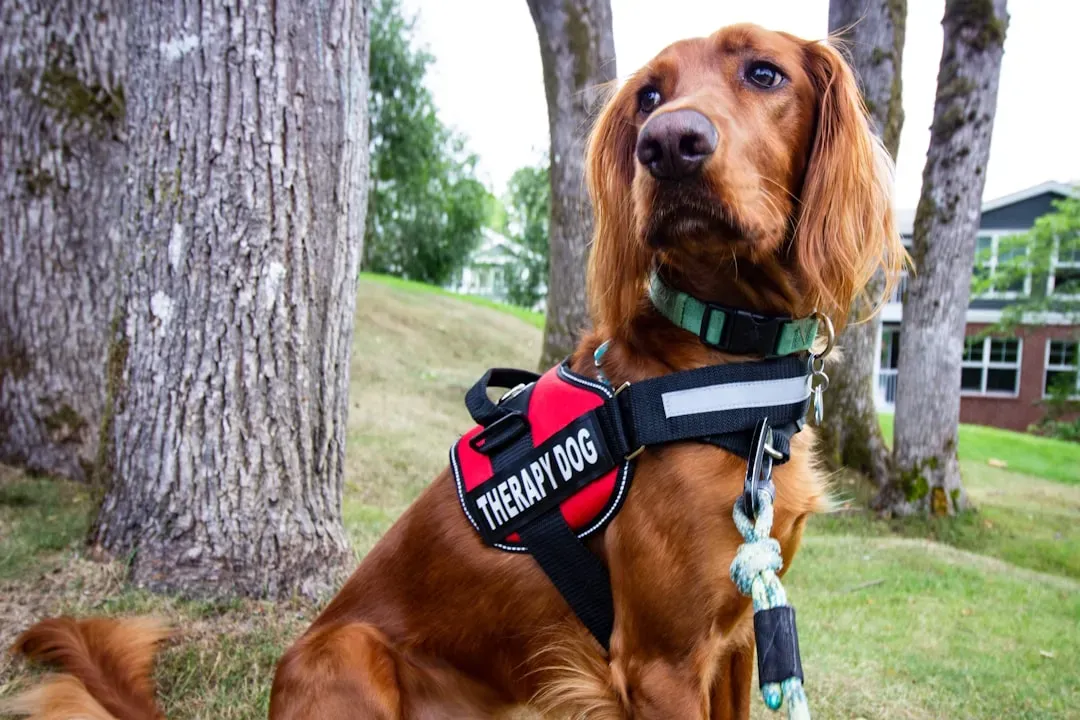
Turning a family pet into a cancer detector is not as easy as showing them a few samples and handing out treats. Most research groups use highly structured training programs, drawing on methods from working dogs trained for explosives, narcotics, or search and rescue. The dog is gradually introduced to sets of samples, some from people with a confirmed cancer diagnosis and some from healthy or disease‑control individuals, and is rewarded for indicating the right ones.
Over time, the animal learns that a particular scent pattern – often subtle and complex – is associated with a reward, and they develop a consistent behavior like sitting, pawing, or nose‑targeting to mark a positive sample. Not all dogs are equally good at this; some lose interest, others get distracted, and a subset become remarkably accurate. Breed, motivation, and temperament all matter. What’s striking is that when the method is carefully controlled, multiple dogs can often achieve similar performance, suggesting they are all picking up a real underlying chemical signal rather than random cues.
Breath vs Urine: Different Windows into the Cancer Scent
Scientists have explored several sample types for canine detection, and each offers different advantages. Breath samples capture VOCs that are exhaled directly from the lungs and from the bloodstream as it passes through the lungs, making them particularly promising for lung cancer or systemic metabolic changes. Collecting breath is non‑invasive and repeatable, but it also comes with challenges like standardizing collection methods and avoiding contamination from food, smoking, or environmental odors.
Urine samples, on the other hand, reflect a filtered snapshot of the body’s metabolism, including compounds produced by tumors in organs far from the lungs. That is why ovarian and prostate cancer studies have leaned heavily on urine detection. Urine can be stored and transported more easily than breath, which helps with multi‑center trials, but it also contains a rich and noisy mix of compounds not all related to cancer. Dogs seem able to cut through that noise in ways that current laboratory tools struggle to match, which is one reason researchers are so interested in decoding exactly what the dogs are responding to.
Blood and plasma have also been tested in a smaller number of studies, often with encouraging but early‑stage results. Each bodily fluid is like a different camera angle of the same movie; together they support the idea that cancer changes VOC patterns across the whole body, not just in one isolated spot.
From Dog Nose to Device: Building Electronic “Noses” Inspired by Animals
As impressive as a trained dog is, it is not practical to station a Labrador in every clinic and airport. The deeper goal of much of this research is to translate what dogs can do into sensors and algorithms that machines can reproduce reliably at scale. In other words, dogs are not the endpoint; they are the prototype. By exposing dogs to well‑characterized samples and seeing which ones they flag, scientists can then analyze those same samples in the lab to hunt for the VOC patterns that best explain the dogs’ performance.
This has fueled a wave of work on so‑called electronic noses: sensor arrays that respond to mixtures of chemicals and feed those responses into machine‑learning models. The dream is a device you could breathe into, or a strip you could dip into urine, that would detect early cancer signatures long before symptoms appear. We are not there yet, and current devices fall short of both canine sensitivity and clinical standards, but the trajectory is clear. In my view, the smartest move is to treat dogs as mentors for our technology: let them show us where the signal is hiding, then engineer tools that can deliver that level of insight without needing a wagging tail.
Limits, Hype, and Ethical Questions We Can’t Ignore
It is tempting to romanticize this research and imagine your dog casually saving your life by noticing a smell on the couch. Reality is far messier. The studies that show impressive accuracy are usually done under carefully controlled conditions with curated samples and small numbers of participants. Real‑world screening would involve huge numbers of people with all kinds of overlapping conditions, medications, and lifestyle factors that can alter VOC patterns, and dogs can absolutely have off days, distractions, or training drift.
There are ethical questions, too. Is it fair to rely on animals for sustained diagnostic work, day in and day out? How do we manage the psychological impact on patients told that a dog “smelled” something suspicious when other tests are negative? I lean strongly toward caution here: dogs should remain research partners, not frontline diagnostic tools, until we have robust evidence in large, diverse populations and clear protocols for what to do with positive or ambiguous results. If we oversell the science, we risk turning a genuinely promising avenue of research into yet another overhyped fad that people eventually tune out.
The Future of Cancer Detection: My Take on Where This Is Heading
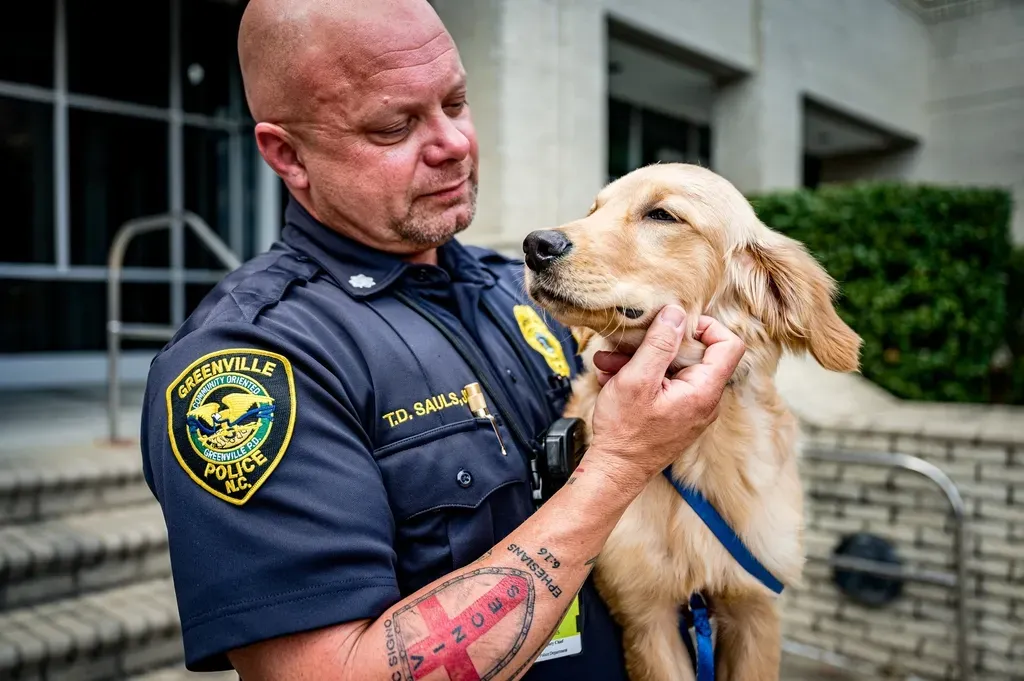
In my opinion, the most exciting part of this field is not the headline that “dogs can smell cancer,” but the deeper implication that cancers broadcast their presence chemically in ways we can learn to decode. If tumors are altering VOC patterns in breath and urine consistently enough for trained animals to detect, then we have a shot at building tests that catch disease earlier, more gently, and more widely than many current imaging or blood‑based methods. That could be especially powerful for cancers like lung and ovarian, where early detection can make a life‑or‑death difference but where routine screening is either difficult, expensive, or unreliable.
At the same time, we owe it to patients to keep our feet on the ground. Dogs are giving us a clue, not a cure. The next decade will likely be about translating those clues into validated biomarkers, refining electronic noses, and combining VOC analysis with other tools like imaging, genomics, and traditional blood tests. If we do this right – careful studies, honest communication, and realistic expectations – then one day a simple breath or urine test inspired by our four‑legged partners might quietly flag cancers long before they become obvious. And if that happens, will anyone be surprised that it was a dog who first pointed us in the right direction?