
Animal Research Says That Stroking Your Dog for Five Minutes Raises Good Feelings in Both of You and Lowers Stress at the Same Time
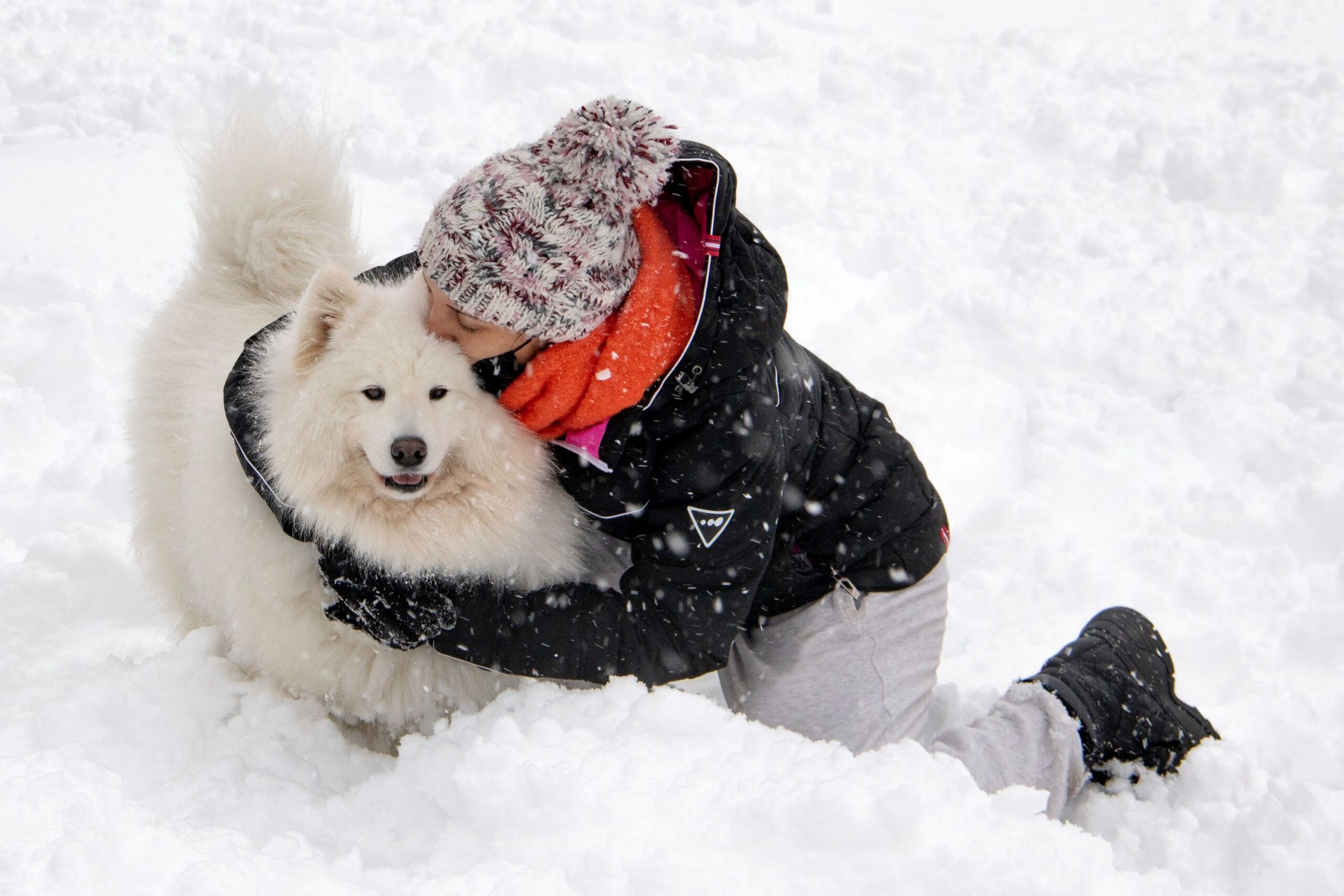
Imagine a simple, everyday action that not only brings joy to your furry friend but also enhances your own well-being. Recent animal research reveals that spending just five minutes stroking your dog can simultaneously elevate positive emotions and reduce stress levels for both of you. This heartwarming discovery underscores the profound bond between humans and their canine companions.
The Science Behind the Soothing Touch

Engaging in physical affection with your dog triggers a cascade of beneficial physiological responses. Studies have shown that such interactions can lead to increased levels of serotonin and oxytocin – neurotransmitters associated with feelings of happiness and bonding. Simultaneously, there’s a notable decrease in cortisol, the hormone linked to stress. This biochemical shift fosters a sense of calm and connection, benefiting both the pet and the owner.
Moreover, the act of stroking your dog activates the parasympathetic nervous system, promoting relaxation and reducing heart rate. This physiological response not only alleviates stress but also enhances overall cardiovascular health. The mutual exchange of affection creates a positive feedback loop, reinforcing the emotional bond and contributing to long-term well-being.
Mutual Benefits: A Two-Way Street

The advantages of this simple interaction extend beyond the immediate emotional uplift. For dogs, regular affectionate touch can lead to improved behavior, reduced anxiety, and a stronger sense of security. This is particularly beneficial for shelter dogs or those with a history of trauma, as consistent positive interactions can aid in their rehabilitation and socialization.
For humans, the companionship of a dog has been linked to lower blood pressure, reduced risk of heart disease, and improved mental health. The act of caring for a pet provides a sense of purpose and routine, which can be especially valuable during challenging times. The emotional support offered by dogs is unparalleled, often providing comfort that words cannot.
Understanding Your Dog’s Preferences
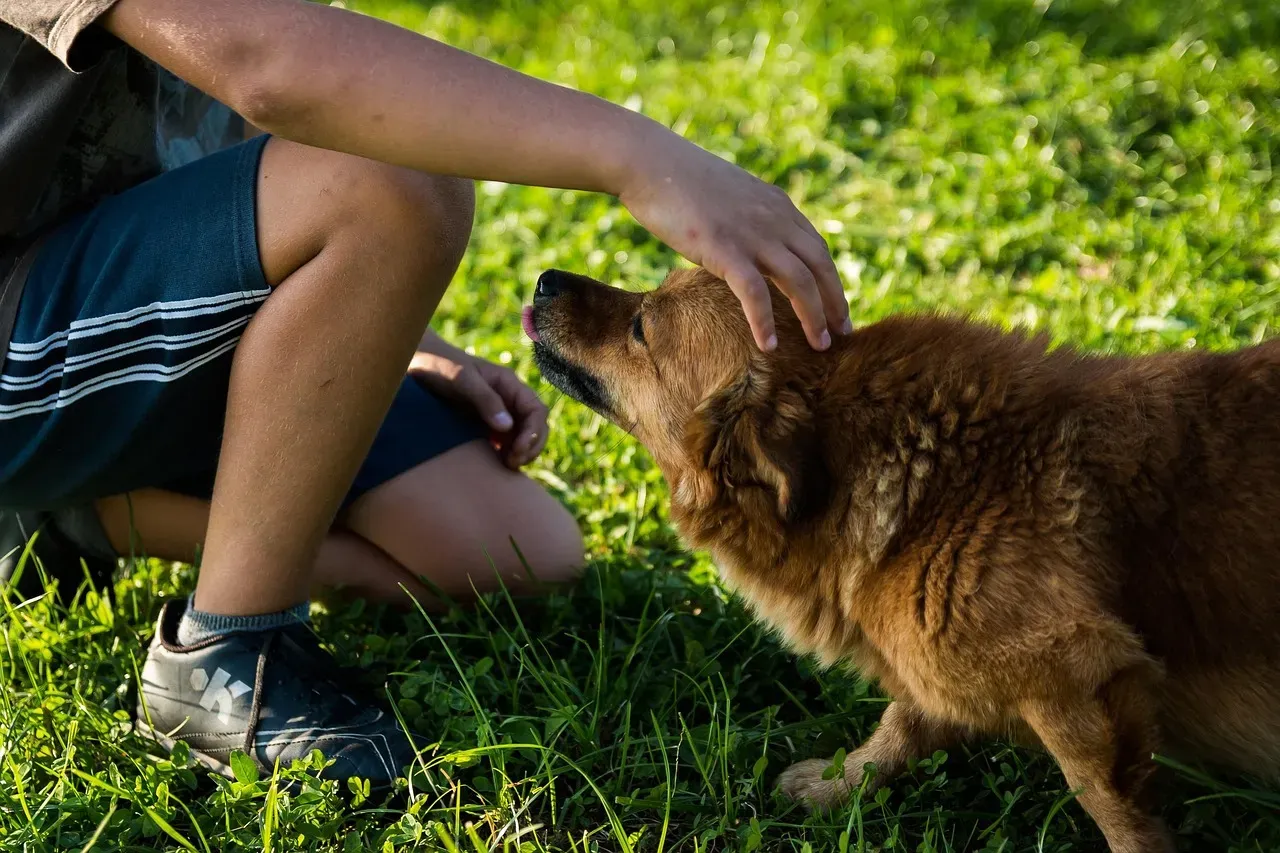
While the benefits are clear, it’s essential to recognize that each dog is unique. Some may prefer gentle strokes along their back, while others might enjoy a belly rub or ear scratch. Observing your dog’s body language and responses will guide you in providing the most comforting touch. Signs of enjoyment include a relaxed posture, wagging tail, and soft eyes.
Conversely, if your dog shows signs of discomfort, such as tensing up, turning away, or licking their lips, it’s crucial to respect their boundaries. Building trust through positive interactions will enhance the bond and ensure that the experience is enjoyable for both parties.
Incorporating Affection into Daily Routine

Integrating moments of affection into your daily routine doesn’t require significant time or effort. A few minutes of focused attention during morning coffee, after returning home from work, or before bedtime can make a substantial difference. These moments not only strengthen your bond but also provide a consistent source of comfort and stability for your dog.
Additionally, combining stroking with other activities, such as training sessions or playtime, can enhance the overall experience. Positive reinforcement through touch can aid in training and reinforce desired behaviors, making it a valuable tool in your pet care arsenal.
Beyond Stroking: Other Forms of Positive Interaction
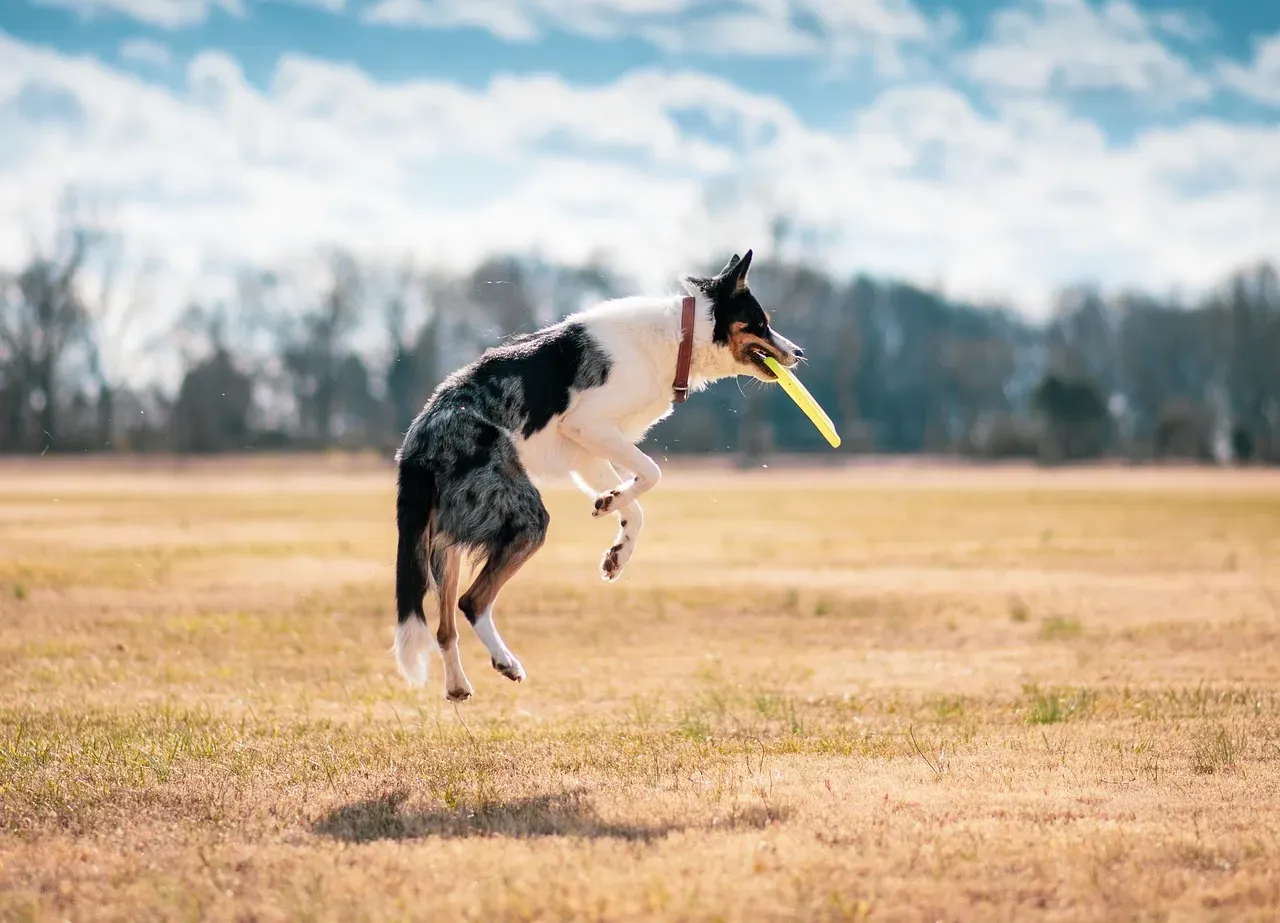
While stroking is a powerful tool, it’s not the only way to foster a positive relationship with your dog. Engaging in activities like playing fetch, going for walks, or practicing obedience training can also strengthen your bond. These activities provide mental stimulation and physical exercise, contributing to your dog’s overall health and happiness.
Incorporating variety into your interactions ensures that your dog remains engaged and prevents monotony. Understanding and catering to your dog’s individual preferences will lead to a more fulfilling and harmonious relationship.
Recognizing and Responding to Stress Signals
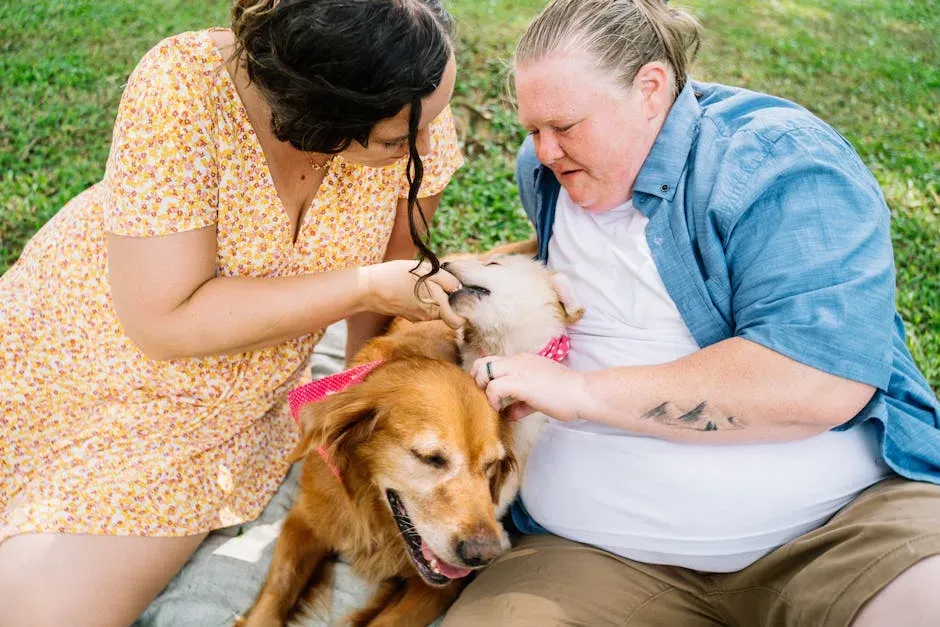
Being attuned to your dog’s stress signals is crucial in providing appropriate care. Signs of stress can include excessive panting, drooling, pacing, or avoidance behaviors. If you notice these signs, it’s essential to assess the situation and remove any stressors if possible. Providing a safe and calm environment will help your dog feel secure and reduce anxiety.
Incorporating calming techniques, such as gentle stroking, can be beneficial in these situations. However, it’s important to ensure that your dog is receptive to touch during these times. Forcing interaction can exacerbate stress, so always prioritize your dog’s comfort and well-being.
Conclusion
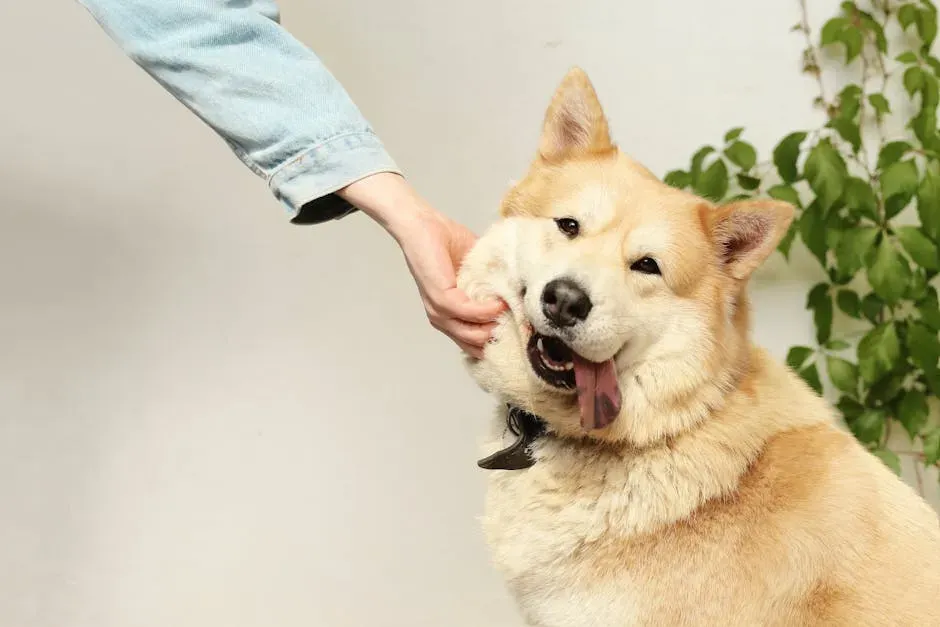
The simple act of stroking your dog for five minutes is more than just a display of affection; it’s a mutually beneficial practice that enhances emotional well-being and reduces stress for both you and your canine companion. By understanding and respecting your dog’s preferences, incorporating regular affectionate interactions into your routine, and being mindful of their emotional state, you can foster a deeper, more fulfilling bond. So, the next time you find yourself with a few spare minutes, consider spending them with your furry friend – it’s a small investment with immeasurable returns.