
Animal Science Says Trained Dogs Can Reliably Detect the Distinct Odor That Accompanies Human Epileptic Seizures With High Accuracy
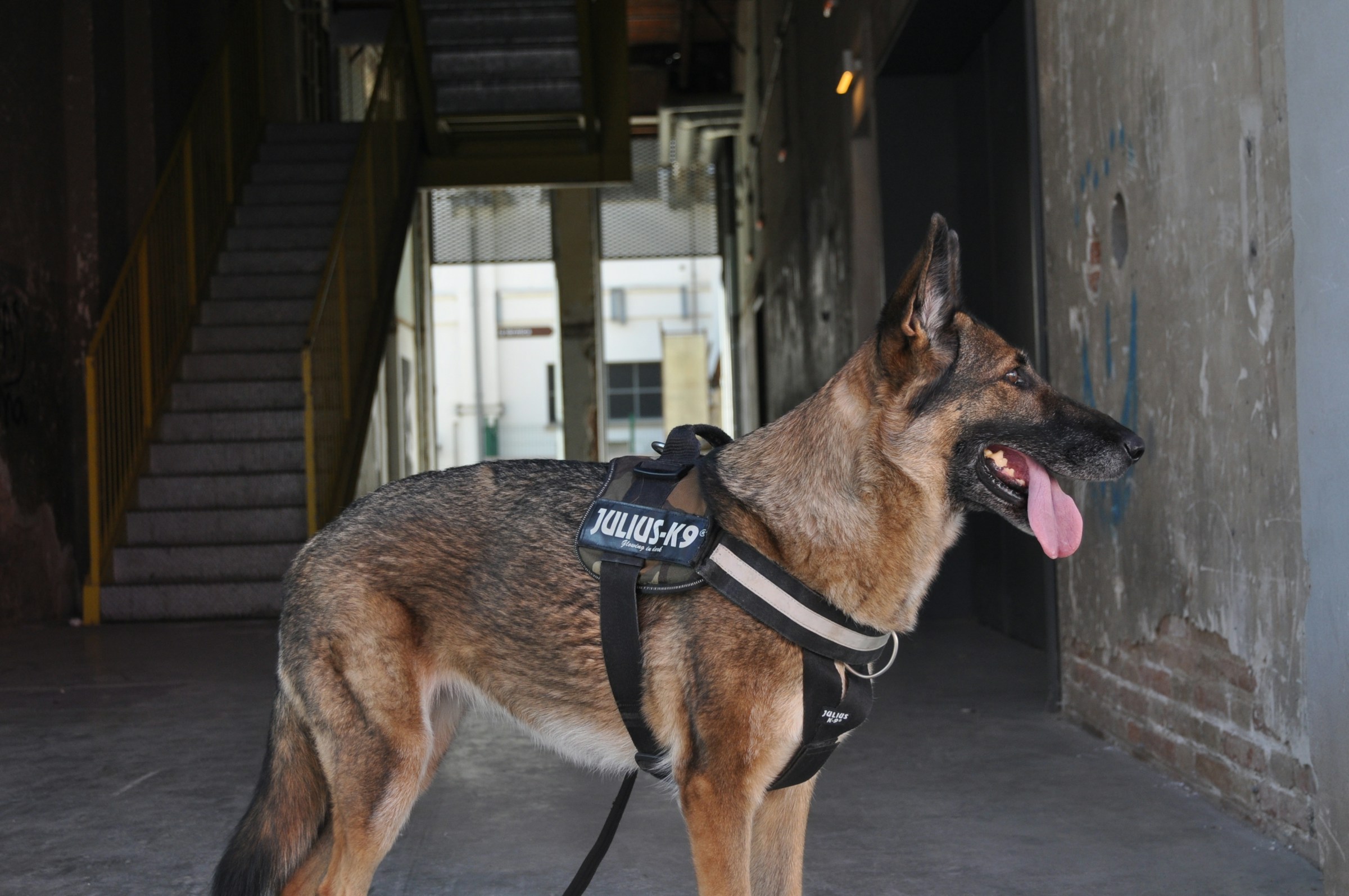
Imagine a world where your loyal canine companion could alert you to an impending epileptic seizure, offering a precious window to seek safety or medical assistance. Recent scientific studies have unveiled that this scenario is not just a hopeful fantasy but a tangible reality. Trained dogs possess the remarkable ability to detect the unique scent associated with human epileptic seizures, providing a new layer of support for individuals living with epilepsy.
The Science Behind Canine Olfactory Detection
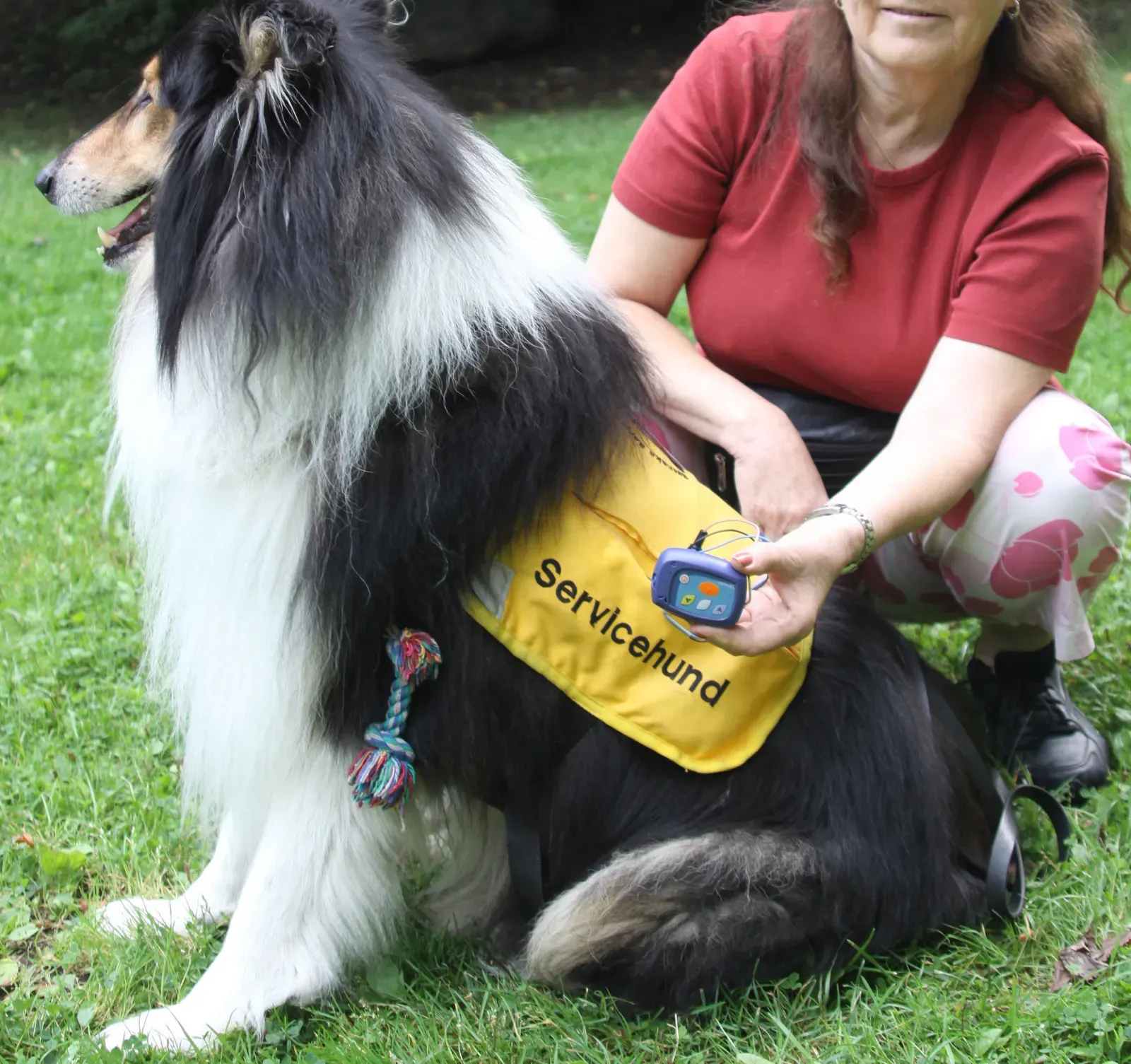
Dogs have an extraordinary sense of smell, far surpassing human capabilities. Their noses are equipped with approximately 300 million olfactory receptors, compared to a human’s mere 5 million. This heightened sensitivity allows them to detect minute chemical changes in the human body, including those that occur during medical events like seizures.
Research has demonstrated that during an epileptic seizure, the human body emits specific volatile organic compounds (VOCs). These chemical markers create a distinct odor profile that trained dogs can identify. By recognizing these scents, dogs can alert their owners before or during a seizure, potentially preventing injury and providing critical time for intervention.
Training Dogs to Detect Seizure Odors
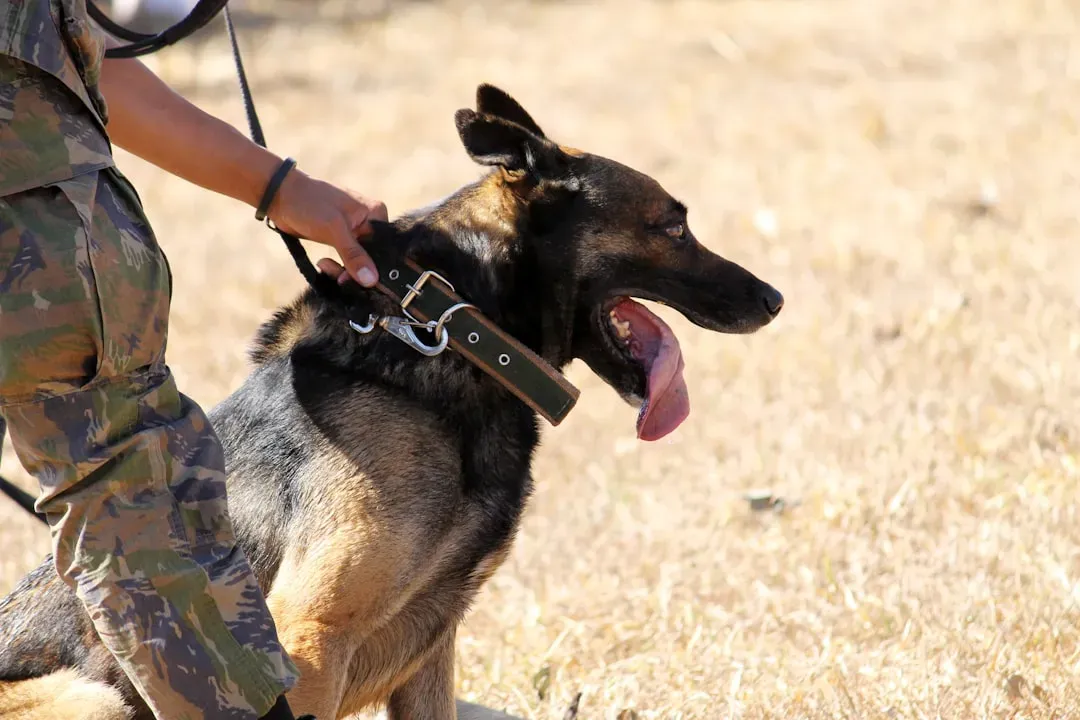
The process of training dogs to detect seizure-related odors involves several stages. Initially, dogs are exposed to samples containing the unique VOCs released during seizures. Through positive reinforcement techniques, they learn to associate these scents with specific alert behaviors, such as barking, pawing, or fetching help.
Consistency and repetition are key in this training regimen. Dogs are presented with various samples, including those from non-seizure states, to ensure they can accurately distinguish between seizure and non-seizure odors. This meticulous training results in high accuracy rates, with some studies reporting success rates exceeding 90%.
Real-Life Impact on Individuals with Epilepsy
For individuals living with epilepsy, the unpredictability of seizures can be a significant source of anxiety and danger. Seizure-alert dogs offer a sense of security and independence by providing advance warnings. This early detection allows individuals to take precautionary measures, such as sitting down or moving to a safe environment, thereby reducing the risk of injury.
Beyond physical safety, these dogs also offer emotional support. The bond between a person and their seizure-alert dog can alleviate feelings of isolation and empower individuals to engage more fully in daily activities, knowing they have a reliable companion by their side.
Scientific Studies Supporting Canine Detection Abilities
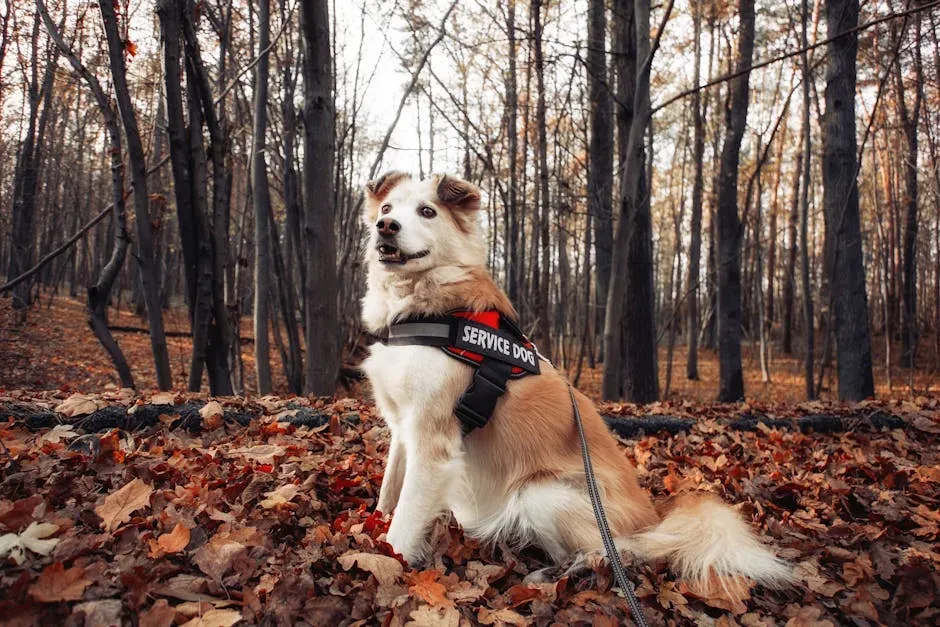
Multiple scientific studies have validated the ability of trained dogs to detect seizure-related odors. In one study, dogs were able to identify seizure samples with remarkable accuracy, distinguishing them from non-seizure samples. This research underscores the potential for dogs to serve as reliable partners in managing epilepsy.
Another study highlighted that even untrained pet dogs exhibited affiliative behaviors when exposed to seizure-associated odors, suggesting an innate ability to detect these changes. This finding opens the door to further exploration of how dogs, both trained and untrained, can assist individuals with epilepsy.
Challenges and Considerations in Utilizing Seizure-Alert Dogs

While the benefits are compelling, there are challenges to consider in the widespread use of seizure-alert dogs. Training is time-intensive and requires a significant commitment from both the trainer and the individual with epilepsy. Additionally, not all dogs may possess the temperament or aptitude for this specialized work.
Accessibility and cost are also factors. Training a seizure-alert dog can be expensive, and not all individuals may have the resources to obtain one. Furthermore, the effectiveness of these dogs can vary, and ongoing training may be necessary to maintain their alerting capabilities.
Future Directions in Seizure Detection and Assistance

The promising results from canine detection studies have spurred interest in developing electronic devices that mimic dogs’ olfactory abilities. Researchers are exploring the creation of “electronic noses” that can detect seizure-related VOCs, potentially offering a more accessible and consistent method of seizure detection.
Additionally, further studies are needed to understand the full scope of dogs’ abilities in detecting seizures, including the potential for predicting seizures before they occur. This research could lead to improved training protocols and broader acceptance of seizure-alert dogs as a standard part of epilepsy management.
Conclusion

The ability of trained dogs to detect the distinct odor associated with human epileptic seizures is a testament to the profound bond between humans and animals. This remarkable skill not only enhances the safety and well-being of individuals with epilepsy but also highlights the untapped potential of canine companions in medical detection. As research continues to unfold, one can’t help but wonder: what other hidden talents do our four-legged friends possess, waiting to be discovered?