
Animal Science Says When You and Your Dog Lock Eyes, You Both Release Love Chemicals — the Same Bonding Trigger That Passes Between a Mother and Her Newborn
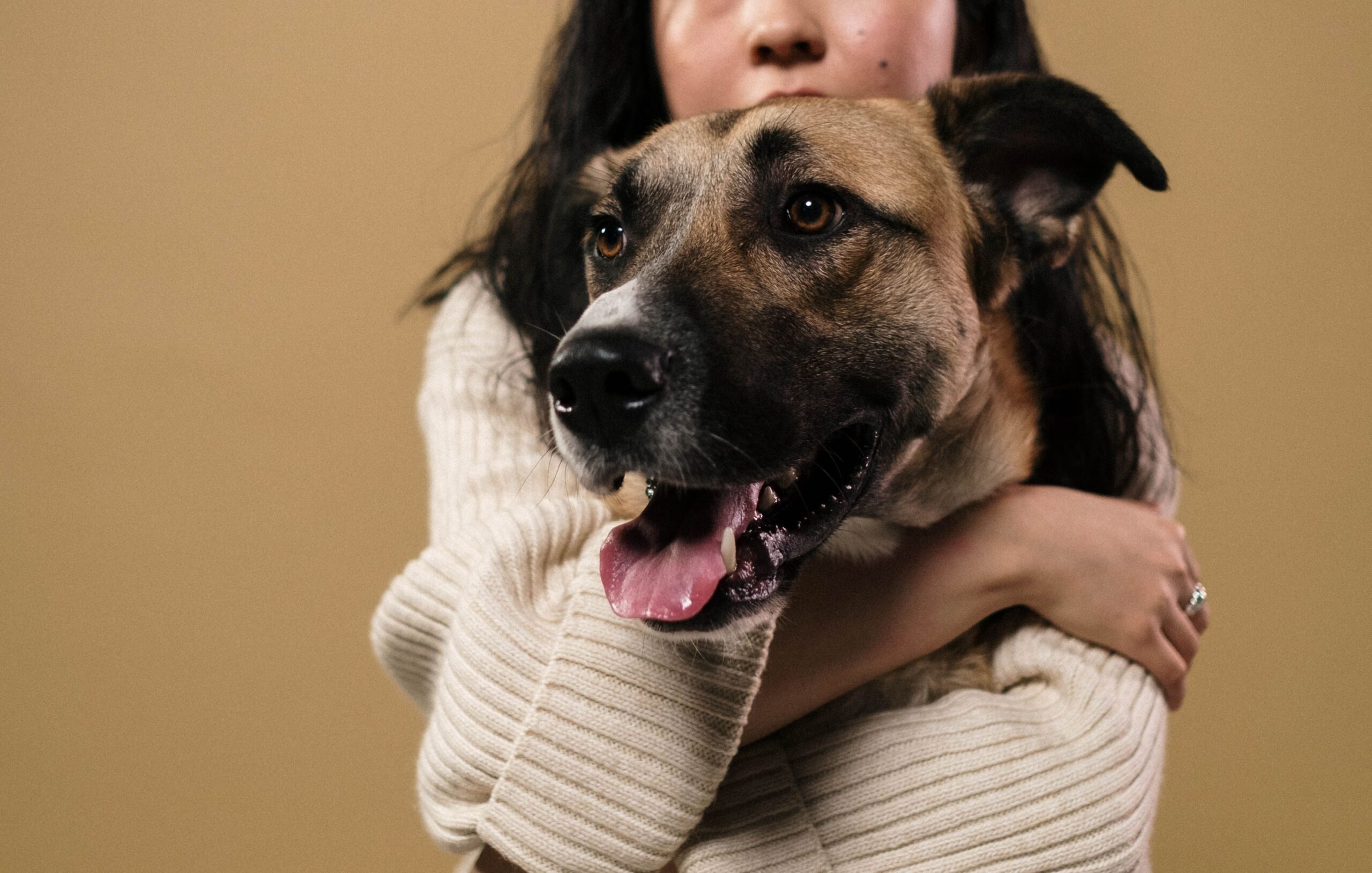
When you gaze into your dog’s eyes, something remarkable happens: both of you experience a surge of oxytocin, the same hormone that strengthens the bond between a mother and her newborn. This fascinating interplay not only deepens the connection with your canine companion but also sheds light on the profound nature of human-animal relationships.
The Science Behind Oxytocin: The ‘Love Hormone’
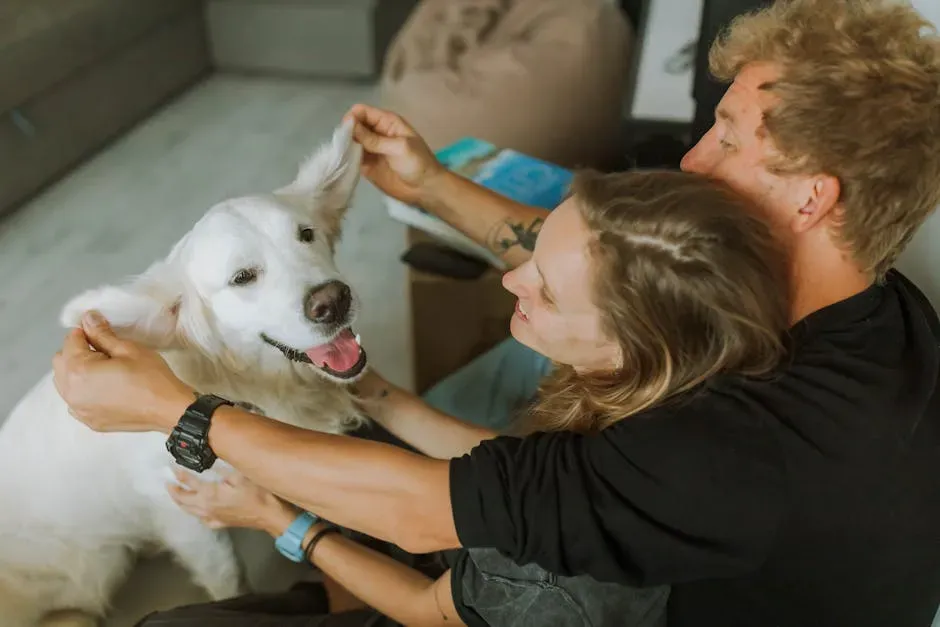
Oxytocin is a powerful hormone and neurotransmitter produced in the hypothalamus and released by the pituitary gland. It’s often dubbed the “love hormone” due to its pivotal role in social bonding, trust, and emotional connection. In humans, oxytocin facilitates childbirth, lactation, and the deep bond between parents and their infants. Its influence extends to romantic relationships, fostering attachment and intimacy.
Mutual Gaze: A Bridge Between Species
In the animal kingdom, prolonged eye contact can be a sign of aggression or dominance. However, domesticated dogs have evolved uniquely in this regard. Research indicates that when dogs and their owners engage in mutual gaze, both experience elevated oxytocin levels, mirroring the bonding process observed between human mothers and their babies. This mutual gaze serves as a non-verbal communication tool, reinforcing the emotional connection between the two.
Evolutionary Adaptations: From Wolves to Companions
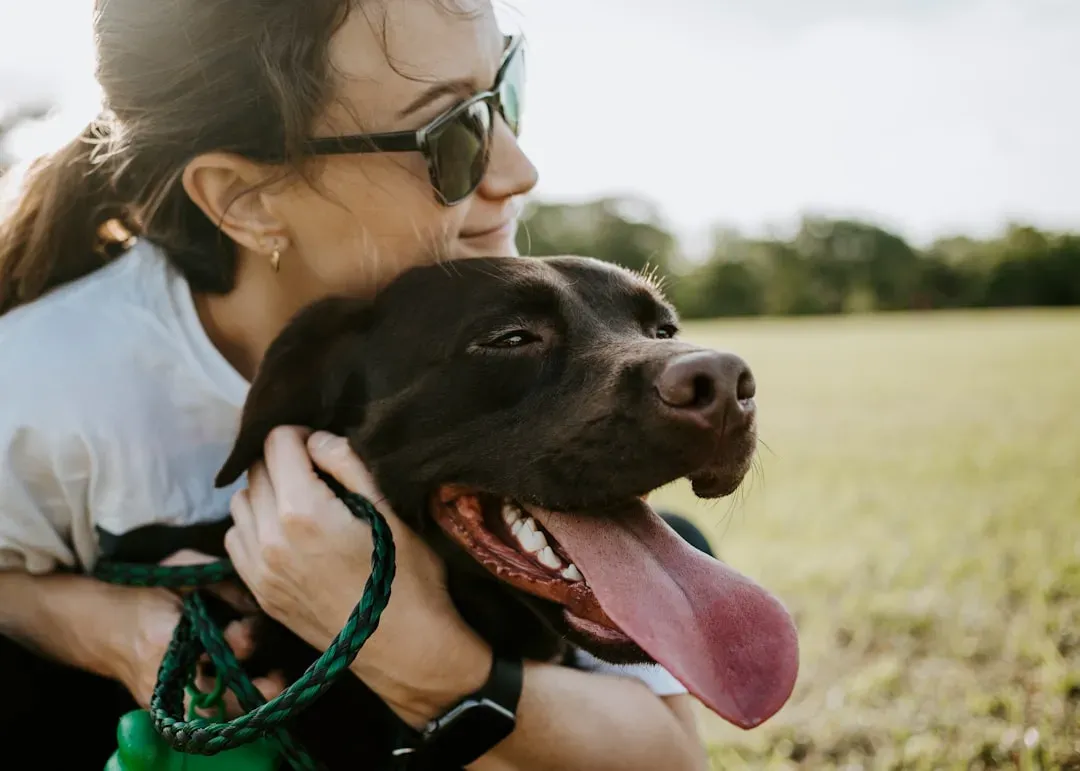
The journey from wild wolves to domesticated dogs is marked by significant behavioral and physiological changes. One such adaptation is the ability to form strong social bonds with humans. Unlike their wolf ancestors, dogs have developed behaviors like sustained eye contact, which play a crucial role in their integration into human families. This evolution suggests that dogs have tapped into human bonding mechanisms, enhancing their role as loyal companions.
Beyond Eye Contact: Other Bonding Behaviors
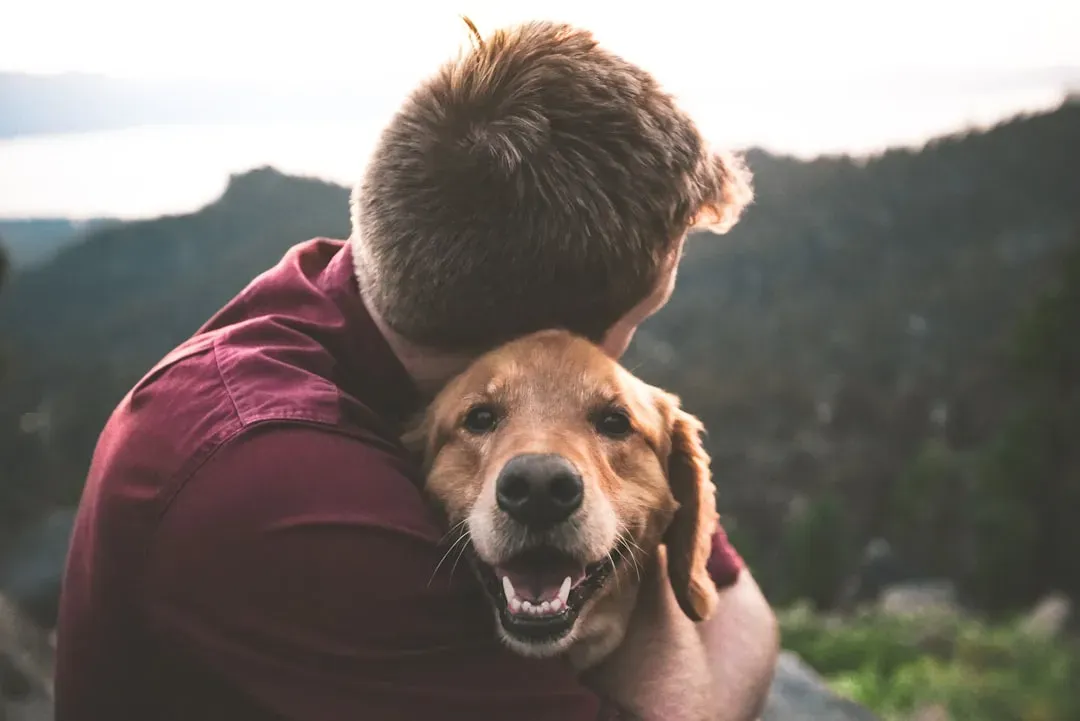
While mutual gaze is a significant bonding behavior, it’s not the only one. Activities such as petting, playing, and even talking to your dog can stimulate oxytocin release in both parties. These interactions contribute to a positive feedback loop, strengthening the emotional bond and promoting mutual trust and affection.
Implications for Human-Dog Relationships
Understanding the role of oxytocin in human-dog interactions offers valuable insights into enhancing these relationships. Recognizing that simple actions like looking into your dog’s eyes or engaging in affectionate behaviors can deepen your bond encourages more mindful and intentional interactions. This knowledge also underscores the therapeutic potential of dogs, especially in contexts like emotional support and therapy.
Comparative Insights: Dogs and Other Animals
Interestingly, while dogs have mastered the art of bonding with humans through behaviors like mutual gaze, other animals exhibit different bonding mechanisms. For instance, dingoes, wild canines native to Australia, make eye contact with familiar humans but not to the same extent as domesticated dogs. This comparison highlights the unique evolutionary path dogs have taken to become attuned to human social cues.
Conclusion: A Bond Rooted in Biology
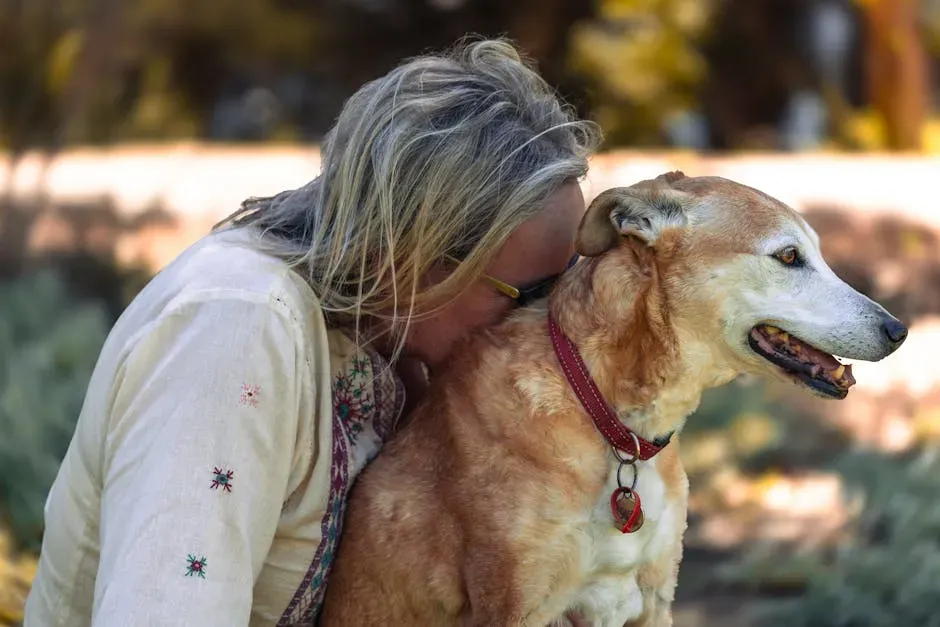
The bond between humans and dogs is not merely a product of shared experiences or mutual benefit; it’s deeply rooted in our biology. The release of oxytocin during mutual gaze and other affectionate interactions underscores the profound connection we share with our canine companions. This biological foundation not only enriches our understanding of human-animal relationships but also invites us to cherish and nurture these bonds with the same depth and sincerity we offer to our human loved ones.
So, the next time you find yourself locked in a loving gaze with your dog, remember: it’s more than just a look; it’s a shared moment of connection, trust, and mutual affection.