

#1: Border Collie – A Brilliant Mind That Never Switches Off
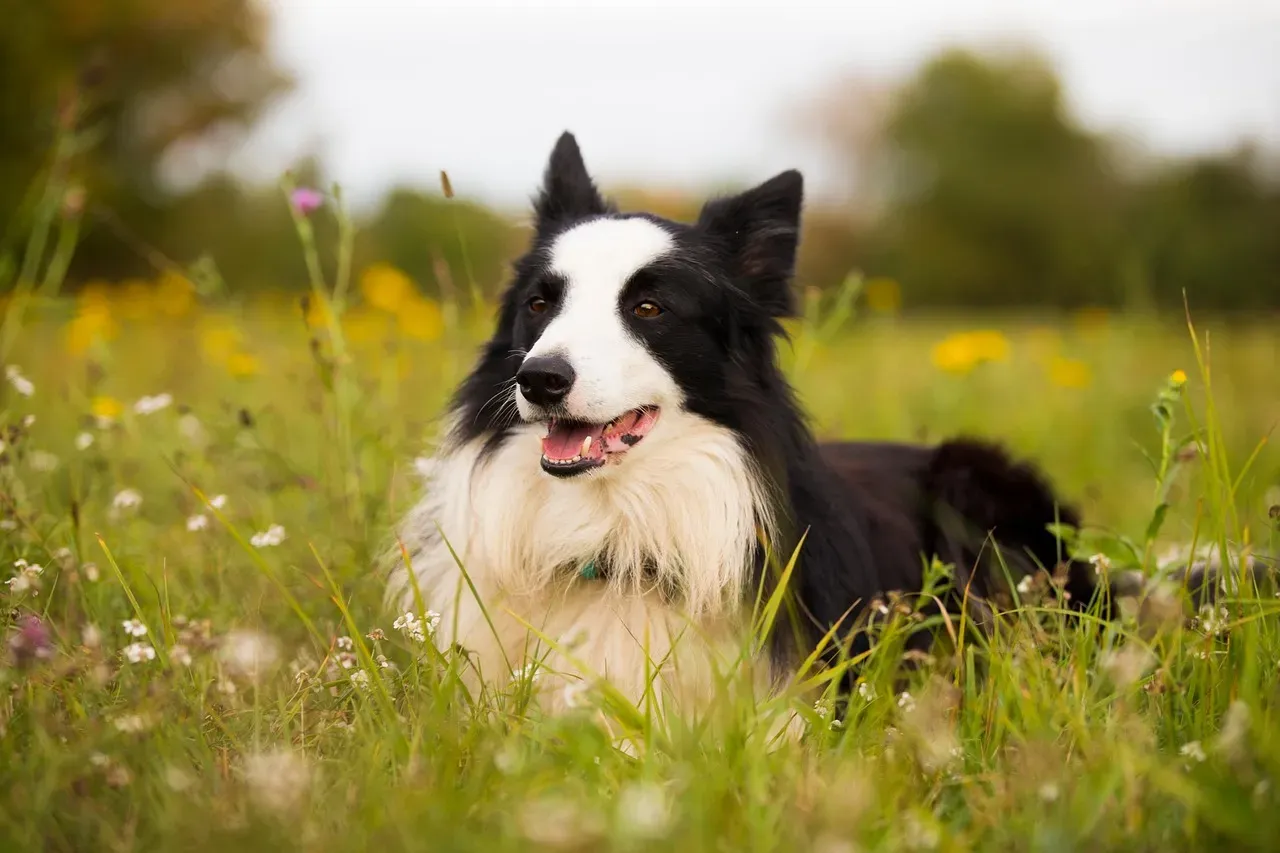
Border Collies are famed for their exceptional intelligence and boundless energy. Bred originally for herding, they require regular exercise and mental challenges to remain content and balanced. That’s not a minor footnote – it’s a full-time commitment most people underestimate.
Border Collies require daily exercise, and a minimum of two hours is recommended to burn off their high energy levels. While walks are good, this breed wants a little more challenge. Without sufficient stimulation, these dogs can become bored and potentially destructive, leading to behavior issues that may be difficult for seniors to handle.
#2: Siberian Husky – Stunning to Look At, Exhausting to Keep Up With
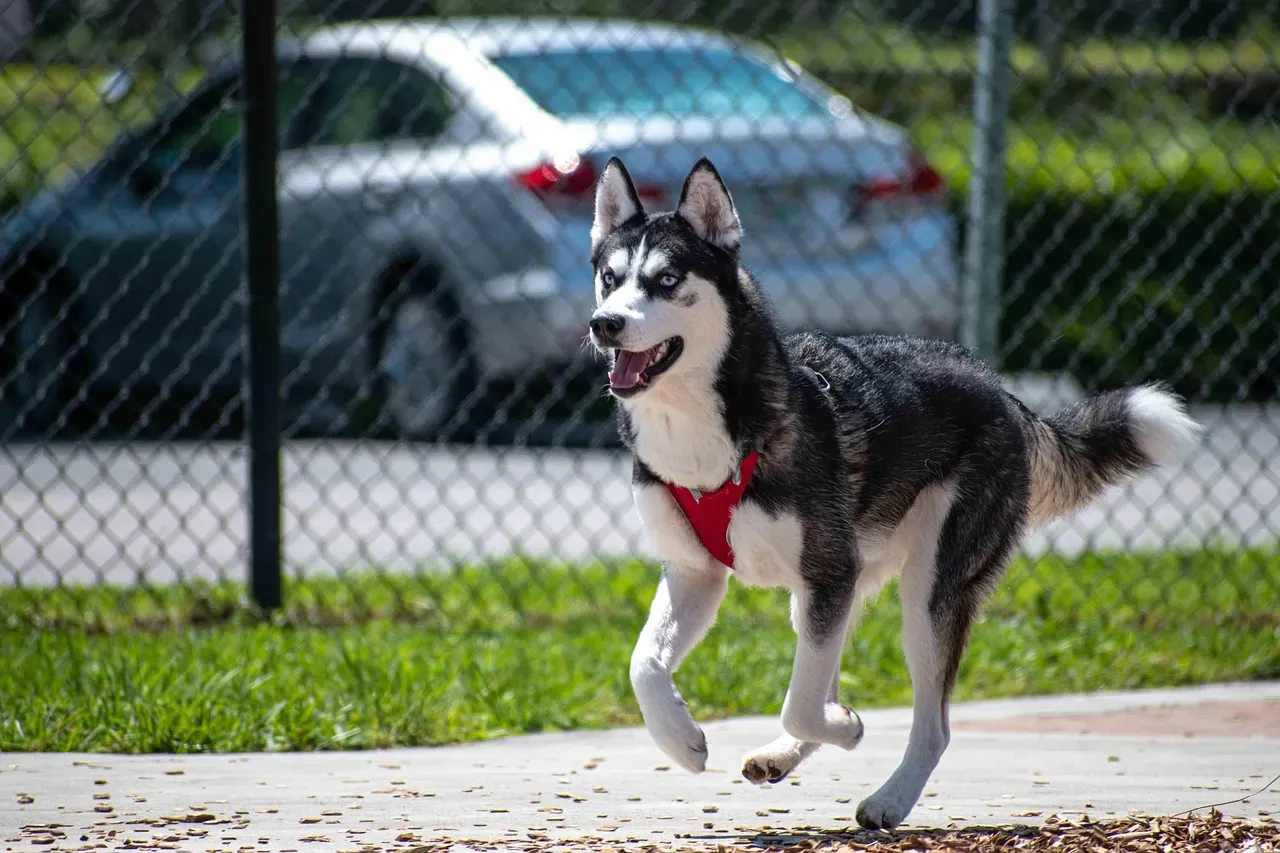
Siberian Huskies are known for their beauty and friendly demeanor. However, their high energy levels and need for extensive exercise can make them a challenging choice for seniors, as they require a lot of physical and mental stimulation to stay happy and healthy.
They also have a thick double coat that requires regular grooming, which may be difficult for seniors with mobility issues. Beyond grooming, Huskies are famously vocal and have a deeply ingrained wandering instinct, meaning secure fencing and near-constant supervision are part of the deal. That’s a significant ask at any age.
#3: Australian Shepherd – A Workaholic With No Off Switch
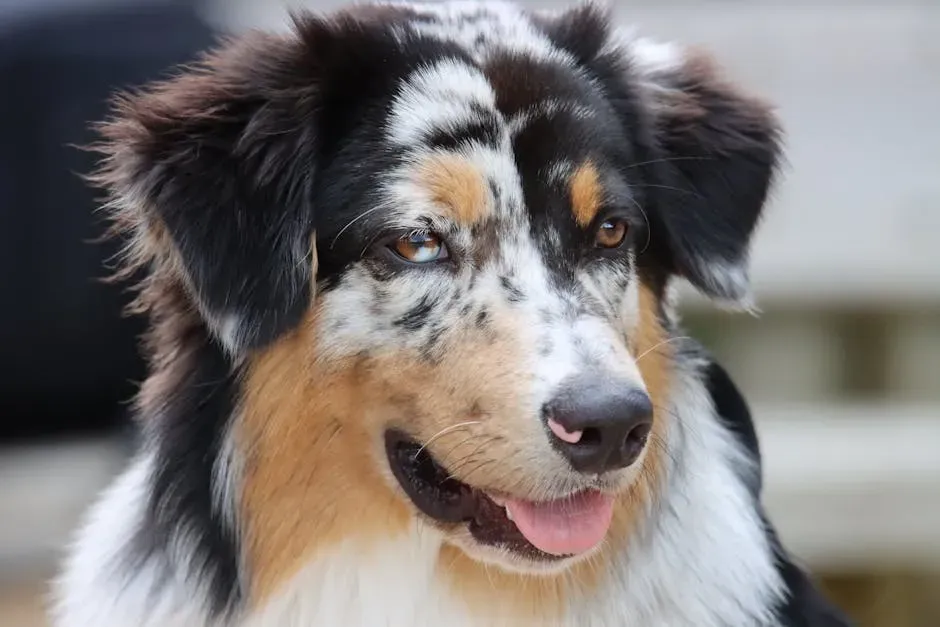
This breed is full of energy. The high energy makes them extremely active, wanting to conquer many activities with their owner – whether it’s hiking, biking, or backyard games, the Australian Shepherd is ready for anything. That kind of enthusiasm is genuinely charming. In the right home.
This breed is considered a workaholic and needs constant activity or responsibility. With their inherent herding instinct, they will try to herd other animals, and consequently, this breed needs an active owner or a setting with other animals. For someone who prefers a quieter pace, this can quickly turn from joy into frustration.
#4: Doberman Pinscher – Loyal, But Demanding Physical Control
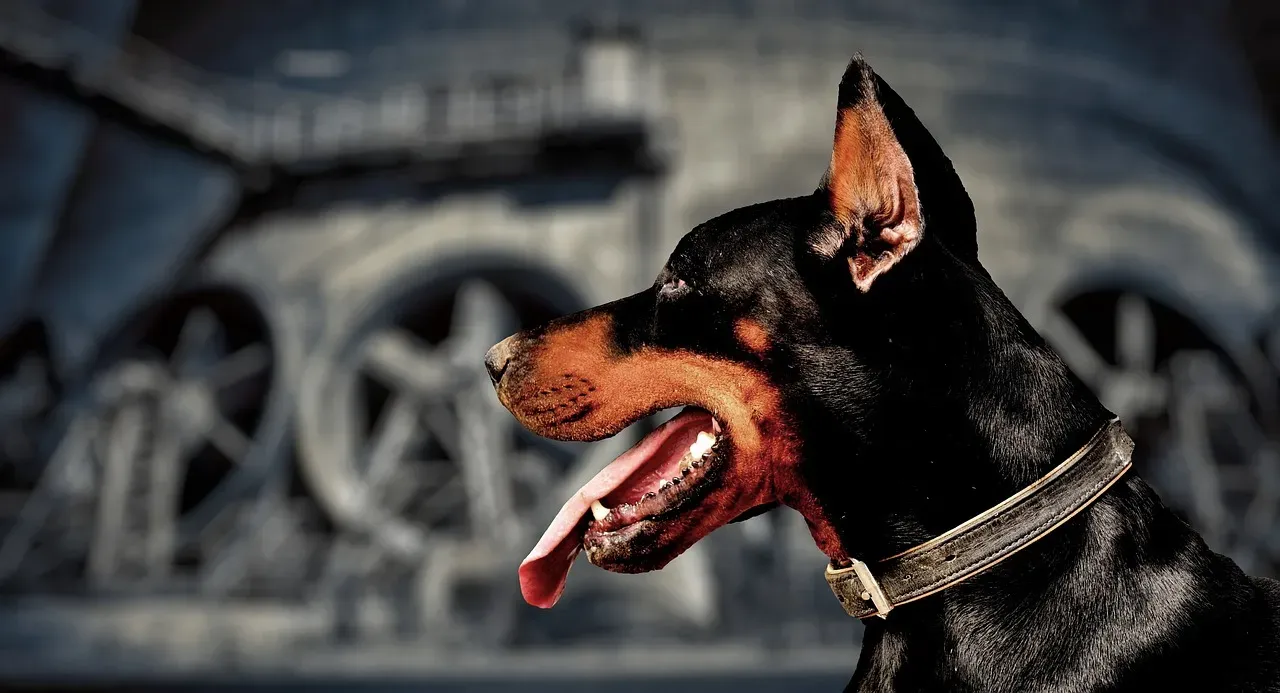
Doberman Pinschers are a powerful breed that is often used as a guard dog. Their muscular build and strength makes them less than ideal for seniors, and owners must be able to have control over their dog – with a stronger breed, there is a chance they may have more power than some seniors.
Due to their large size and high energy levels, two hours of daily exercise is required. It takes a lot for this breed to get tired, so they need a rigorous exercise routine for all their pent-up energy. They have a side to them that can be pushy and destructive, which is why these are one of the worst dogs for seniors. Seniors may not have the ability or space to properly train this dog, which is key to being able to manage them.
#5: Jack Russell Terrier – Small Dog, Enormous Demands
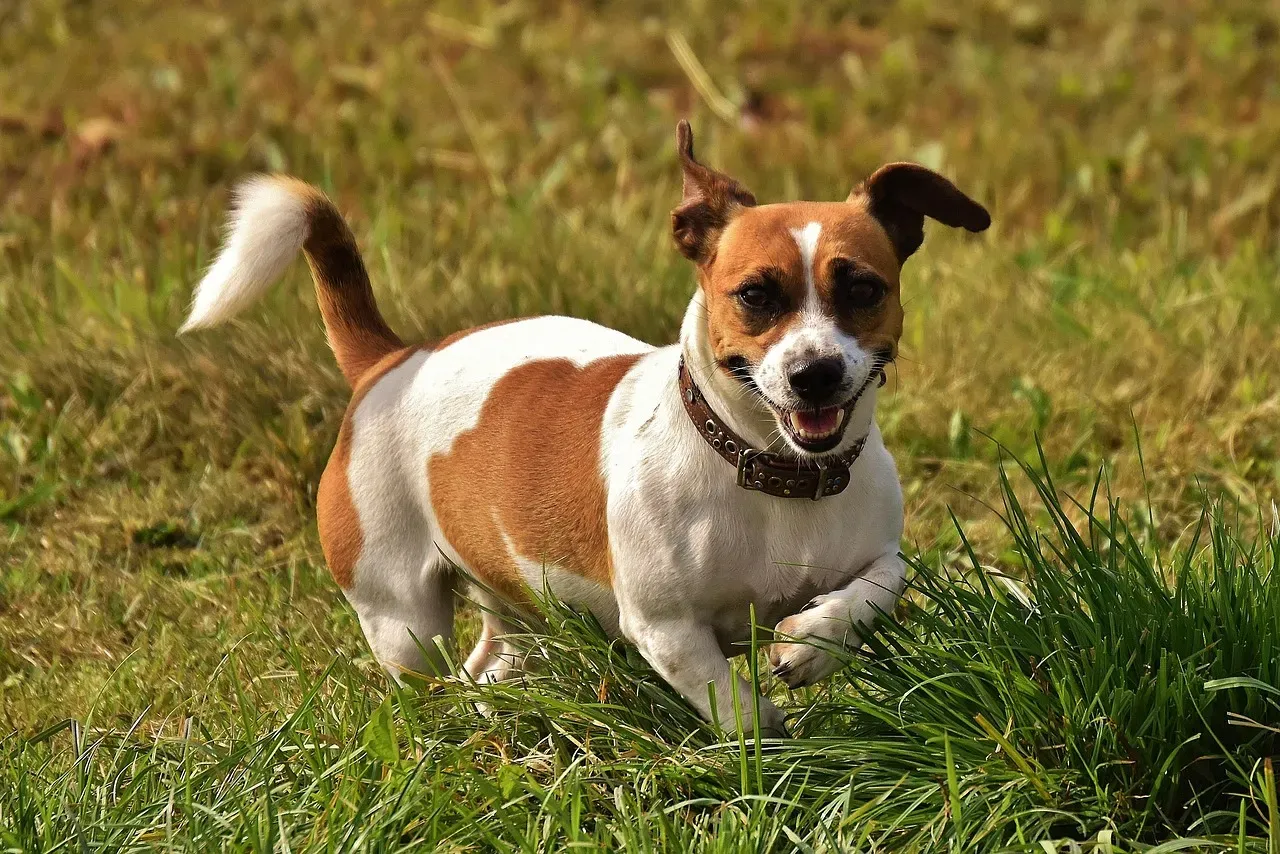
Don’t let their small size fool you. Jack Russells are incredibly energetic and need a lot of exercise and mental stimulation, and they can be a handful to train and manage, which might be challenging for less active seniors.
Terriers, including Jack Russells, are known for their boundless energy levels. These dogs can be difficult to train and may not match the lower activity level that many seniors prefer in a pet, and additionally, they can be challenging to housebreak and may bark excessively. Living with a Jack Russell in a quiet home can feel less like companionship and more like babysitting a toddler who’s had too much sugar.
#6: German Shepherd – Impressive, But Intense
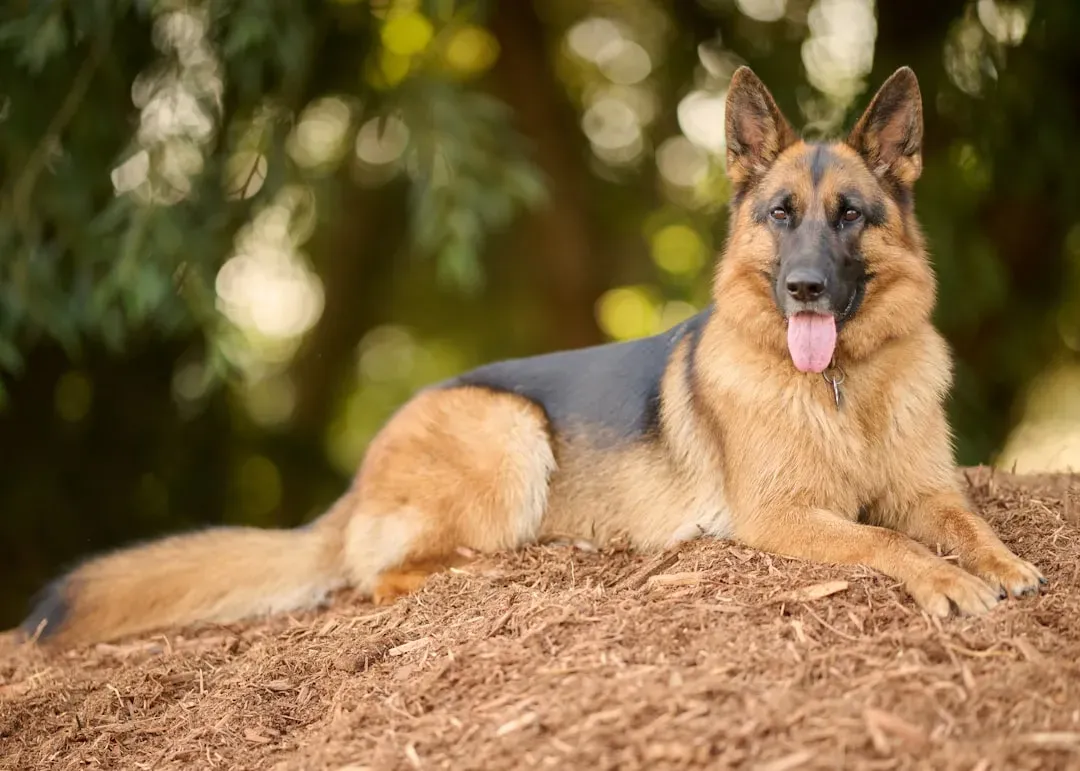
While loyal and protective, German Shepherds are large and can be intense. They require a lot of exercise, mental stimulation, and training, and their size and strength might make them difficult for some seniors to handle comfortably.
High-drive working breeds like working-line German Shepherds need intense mental and physical exercise every day and can develop serious behavior issues if understimulated. Large or energetic dogs can inadvertently cause injury through pulling on the leash or jumping up. That’s a real risk, not a hypothetical one.
#7: Rottweiler – Powerful Beyond What Most Can Manage

Rottweilers are a powerful breed, and while they can be loyal and protective, their size and strength can be overwhelming for seniors. Rottweilers require strong leadership and consistent training to ensure they are well behaved. That level of consistent firm handling takes experience, energy, and confidence.
Breeds with more powerful temperaments such as Rottweilers are generally not recommended for seniors. These dogs can be challenging to control and may present safety concerns, especially for older individuals. Even a Rottweiler with a sweet temperament is still physically formidable, and that matters more than people want to admit.
#8: Chow Chow – Independent, Aloof, and Stubbornly Their Own Boss
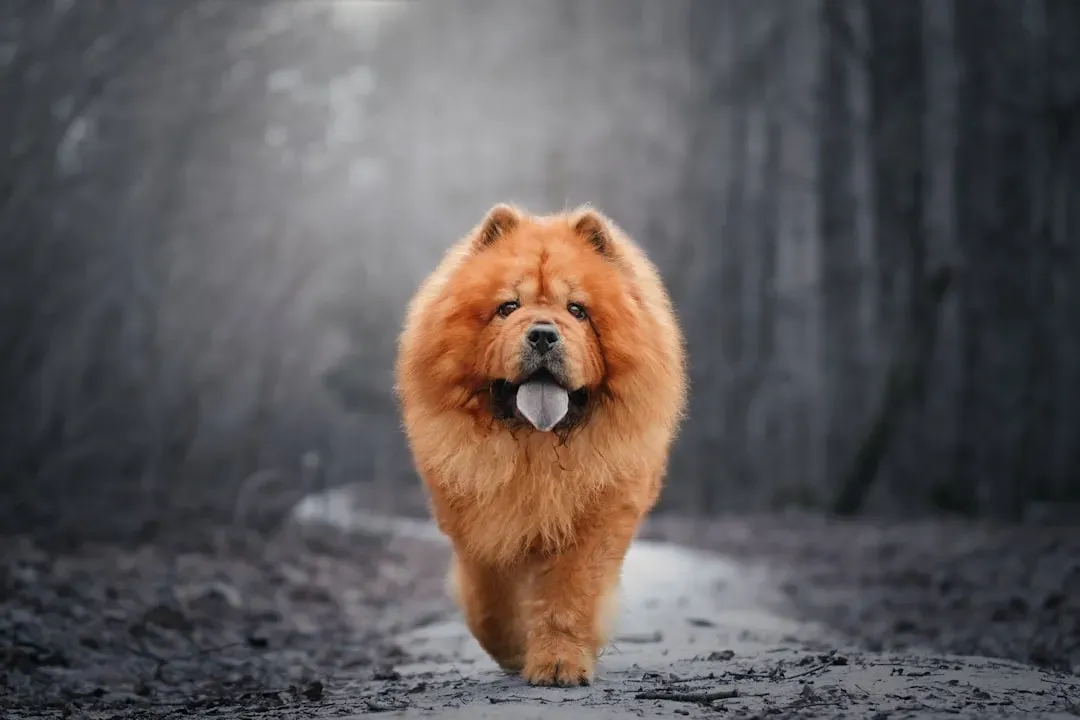
Chow Chows are known for their aloof demeanor and can be challenging to train. Their independent nature means they require a firm and consistent handler. Additionally, they can be territorial and protective, which may be difficult for seniors to manage effectively.
Grooming needs are another consideration, as some breeds require regular professional grooming, which can be costly and physically demanding to maintain. The temperament of the dog is also critical. Some breeds are known for their calm and patient demeanor. Others may be more independent, stubborn, or energetic, which can pose challenges. The Chow Chow lands squarely in that harder category.
#9: Cavalier King Charles Spaniel – Gentle, Devoted, and Perfectly Sized
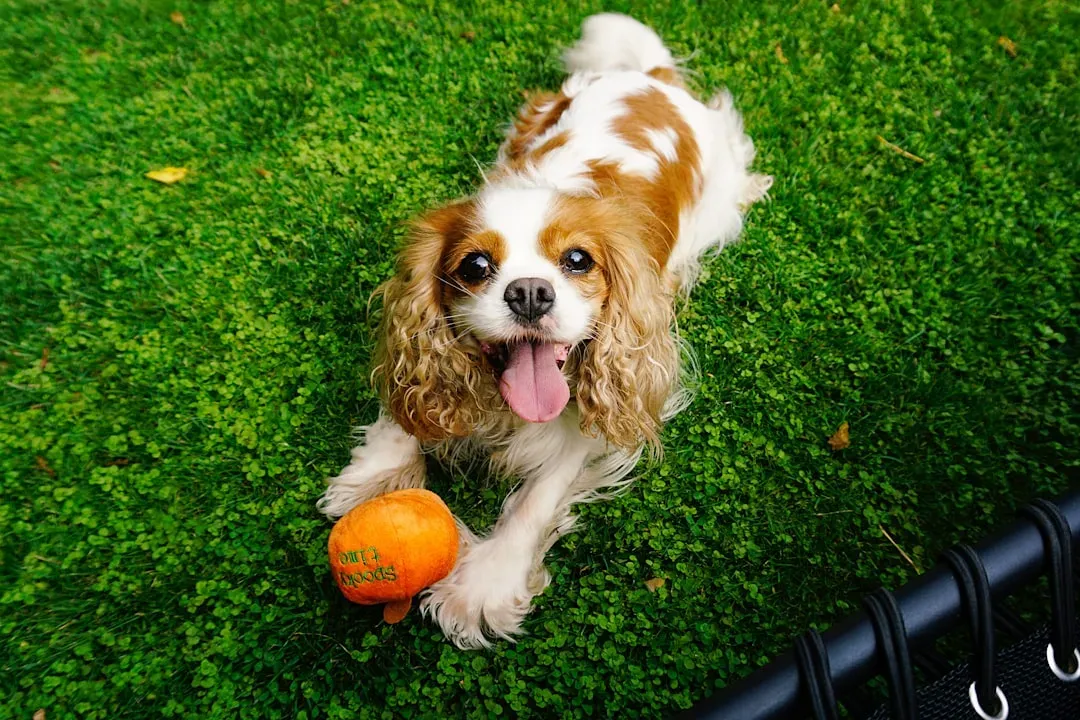
The Cavalier King Charles Spaniel is the single most consistently recommended breed for seniors in U.S. veterinary and senior care literature. Calm, apartment-friendly, minimal exercise, and deeply affectionate. That reputation is well earned.
The Cavalier King Charles Spaniel is one of the best small dogs for older adults. These dogs are gentle, affectionate, and love spending time with their owners. While they enjoy walks and playtime, they do not have high exercise requirements, making them suitable to individuals who cannot commit to long periods of activity. Though their coat requires regular brushing, they are generally low-maintenance dogs.
#10: Bichon Frise – The Cheerful Companion Who Adapts to You
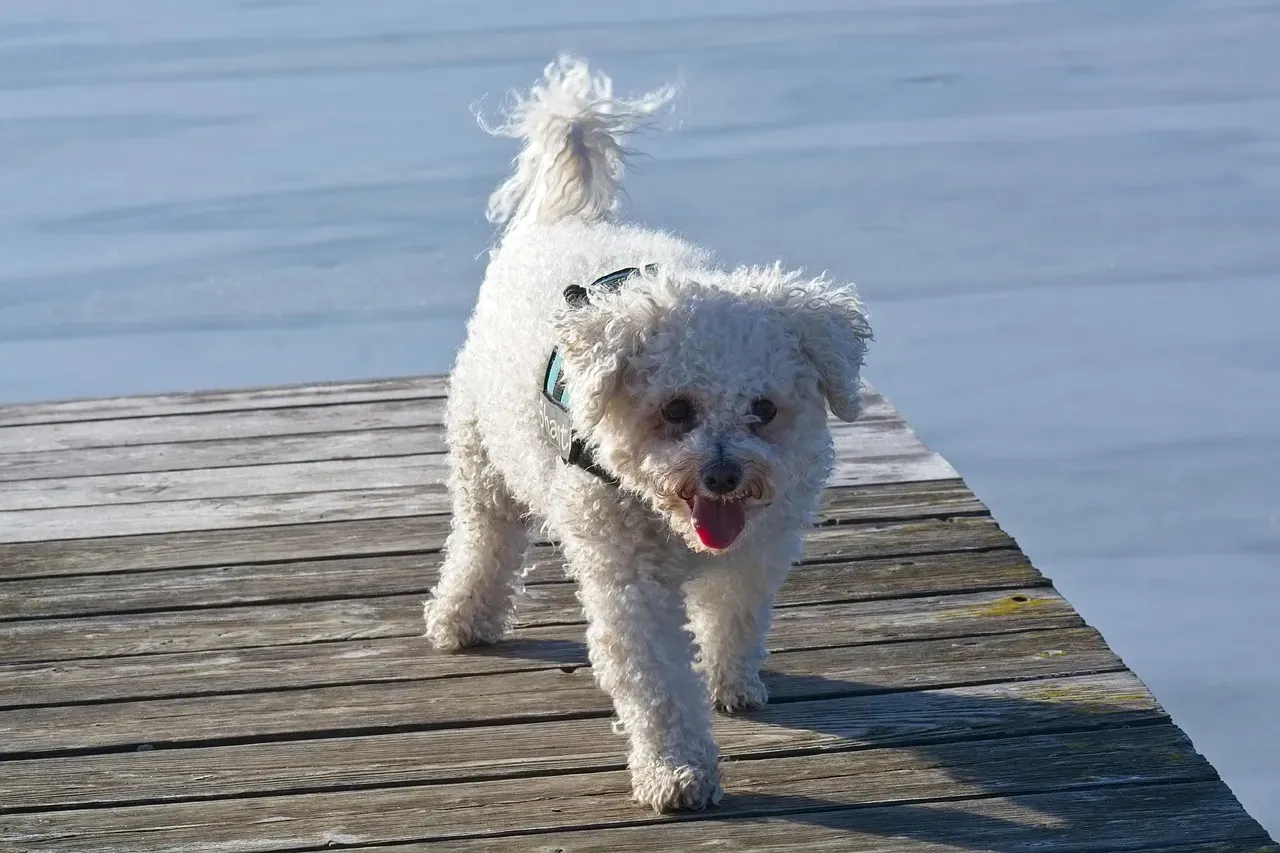
The Bichon Frise is cheerful, adaptable, and hypoallergenic. Their playful demeanor keeps spirits high, while their small size makes them easy to manage. They thrive on human interaction and quickly become part of the family.
The Bichon Frise is a friendly, playful breed that thrives on companionship. These dogs are small and easy to manage, making them a good choice for older individuals. While they enjoy playtime and light activity, they can adjust to the energy level of their owners. In addition, the Bichon Frise is hypoallergenic, which makes them an excellent choice for seniors with allergies.
#11: Shih Tzu – Calm, Content, and Built for Indoor Living
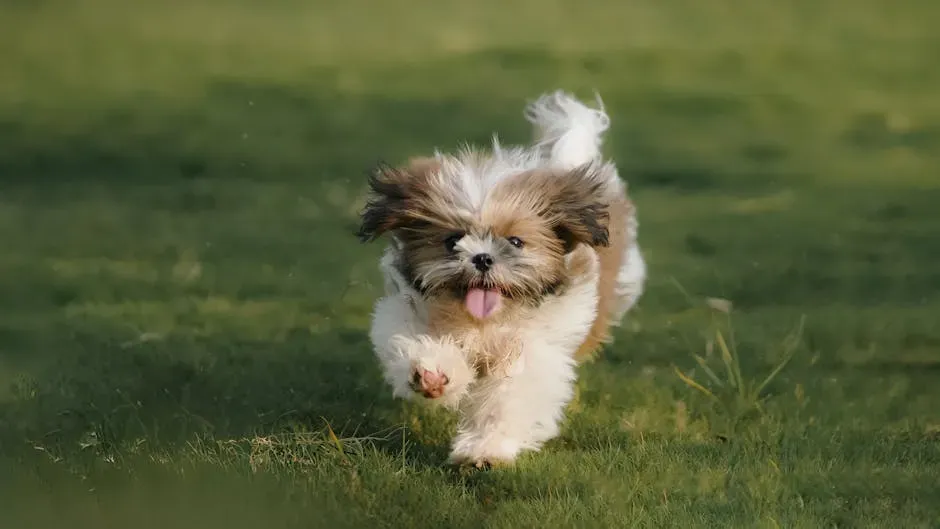
A solid little dog weighing up to 16 pounds, the Shih Tzu requires minimal exercise and is content living in apartments, so long as you’re there, too. Shih Tzu owners say the breed is happy, even-tempered, and eager to please, and they get along well with other dogs and with children.
The Shih Tzu is another great dog for older adults. These dogs are friendly, calm, and adapt well to indoor living. Their low-exercise demands make daily life uncomplicated, and their affectionate, people-focused nature means they genuinely want to be close to you. For someone who spends a good deal of time at home, that kind of quiet loyalty is hard to beat.
#12: French Bulldog – Low-Key, Adaptable, and Pleasantly Undemanding
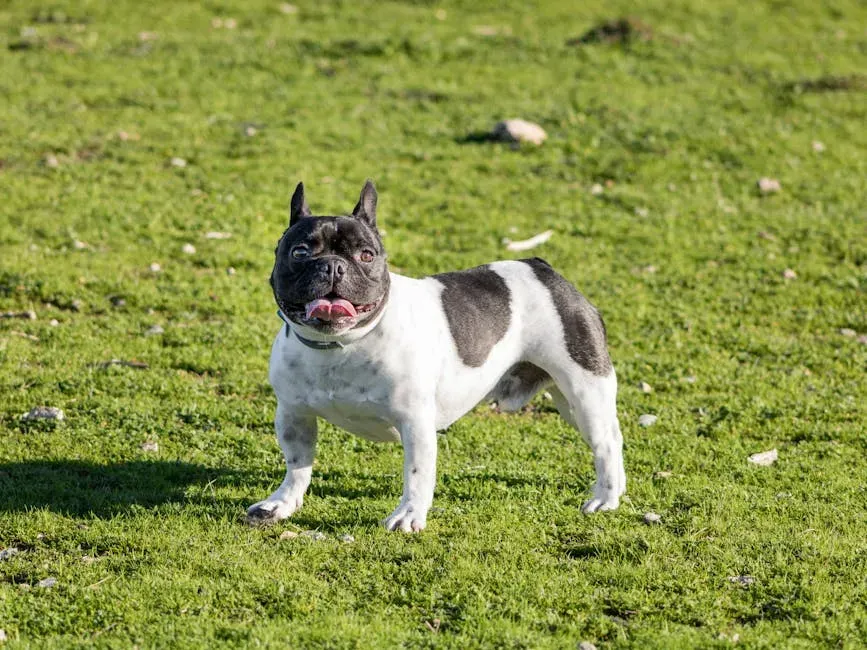
For a laid-back companion, the French Bulldog represents an ideal choice among the best dogs for seniors. These quiet, low-maintenance dogs typically weigh 20 to 28 pounds. Short walks and indoor activities meet their needs perfectly, and French Bulldogs are particularly well suited for apartment living and can adapt seamlessly to their owner’s routine.
Small in size yet big on personality, French bulldogs are well suited for seniors seeking a low-maintenance pet with moderate exercise needs. They enjoy short walks and playtime but are also content to lounge around the house with their owners. They’re sociable without being clingy, which makes them surprisingly easy to live with day to day.
#13: Pug – Compact, Easy-Going, and Wonderfully Affectionate

The Pug offers ultra-low exercise needs, is content with short indoor walks, and has a naturally easygoing temperament ideally suited to seniors with limited mobility. Centuries ago, the emperors of China loved their Pugs, and the short-haired, muscular dogs were bred to be companions with even temperaments. That breeding purpose shows.
It’s worth noting that Pugs do come with some health considerations, particularly around their breathing, and prospective owners should consult a vet before adopting one. That said, for seniors who prioritize a calm, indoor-loving, deeply devoted companion, few breeds deliver quite as consistently. If you love the look and personality of such breeds, choose breeders who focus strongly on health and good breathing, and be prepared for possible higher medical costs.
A Final Thought Worth Carrying With You

Dog ownership can reduce stress levels and blood pressure, and lower the risk of death due to heart disease. Taking care of a dog helps us stick to a healthy routine and exercise daily. The science on this is genuinely consistent, and it matters.
The point of this list was never to talk anyone out of getting a dog. It’s the opposite, really. The goal is to help you find the right one so the experience is rich rather than exhausting. An adult dog typically arrives already housebroken, has passed the destructive teething phase, has an established and observable personality, and requires far less intensive supervision. Senior dogs from shelters are among the most overlooked but genuinely ideal matches for older adults: calm, quiet, bonded quickly to a steady household routine.
The best dog for anyone over 60 isn’t necessarily the prettiest or the most popular breed. It’s the one whose needs genuinely align with your daily life, your physical capacity, and your honest vision of what the next decade looks like. Get that match right, and you’ll have something truly irreplaceable. Get it wrong, and you’ll know it within the first month. Choose thoughtfully, and choose well.


