
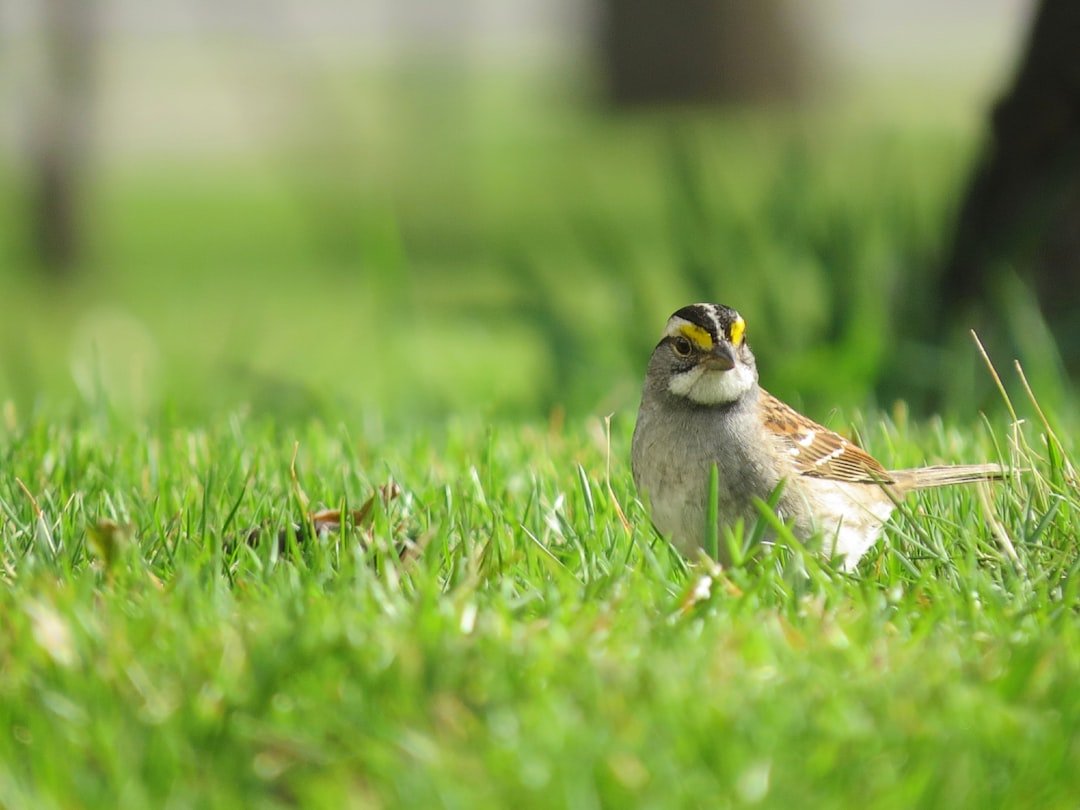
As April unfolds in 2026, vast flocks of birds traverse North American skies toward northern breeding grounds rich in food and nesting opportunities. Radar data from tools like BirdCast reveal intense nocturnal movements, with over 165 million birds detected aloft on the night of April 16 alone.[1][2] Conservation groups highlight this spectacle as a critical moment to address threats like light pollution and habitat loss, ensuring these annual journeys continue for future generations.
Night Skies Alive with Wingbeats
On April 16, radar captured more than 165 million birds migrating across the country in a single night, underscoring the scale of spring movements.[1] Earlier, on April 3, forecasts predicted 63 million birds in flight.[3] These pulses include warblers, shorebirds, raptors, and waterfowl navigating by stars, magnetic fields, and landmarks.
Most species travel at night to evade predators and benefit from calmer winds, though daytime migrants like hawks and swallows join the fray. Spring migration spans early March to mid-June across the contiguous United States, with billions participating overall.[4] Flyways such as the Mississippi corridor channel about 40 percent of waterbirds and shorebirds northward.[5]
Regional Peaks Light Up the Radar
Peak migration timing shifts northward, reflecting latitude differences. Southern cities experience earlier surges, while northern areas see later booms. BirdCast data, drawn from historical radar patterns, pinpoints these windows precisely.
| City | Peak Period |
|---|---|
| Houston, TX | April 23 – May 10 |
| Phoenix, AZ | April 17 – May 12 |
| Chicago, IL | May 2 – May 21 |
| New York, NY | May 7 – May 22 |
By mid-April 2026, many regions approach or enter these highs, with warblers exploding through landscapes in late April to mid-May.[6] Hummingbirds also advance, with sightings mapping their progress from Mexico northward.[7]
Threats Shadow the Journey
Light pollution disorients nocturnal travelers, drawing them into urban hazards and causing fatal collisions. Window strikes claim hundreds of millions annually, compounded by free-roaming cats and pesticide use. Habitat fragmentation along routes exacerbates fatigue during these grueling flights.
Recent reports note declining populations for nearly half of protected migratory species due to such pressures.[8] Texas alone funnels one in three or four U.S. migrants, amplifying local impacts.[9] Community science emerges as vital for monitoring these trends ahead of World Migratory Bird Day on May 9.[10]
Proven Steps to Safeguard Birds
Programs like Lights Out Texas urge dimming nonessential lights from 11 p.m. to 6 a.m. during March 1 to June 15, peaking April 22 to May 12.[9] Similar initiatives in North Carolina and Chicago target peak nights through May.[11] BirdCast now integrates protection guidance in its forecasts.
Individuals contribute through simple actions:
- Turn off outdoor lights during migration peaks.
- Apply decals or films to windows to prevent strikes.
- Keep cats indoors, especially at dawn and dusk.
- Plant native vegetation for refueling stops, avoiding pesticides.
- Report sightings via eBird or local networks to aid research.
These measures build resilience across flyways.[2]
Key Takeaways
- Spring 2026 migration peaks now through May, with billions en route north.
- Light pollution tops human threats; Lights Out programs counter it effectively.
- Your actions – dim lights, safe windows, native plants – make a real difference.
The 2026 spring migration reminds us of nature’s intricate balance, where human choices tip the scales for avian survival. As birds claim their breeding territories, sustained conservation promises thriving populations for seasons ahead. What steps will you take to support this epic journey? Share in the comments.


