
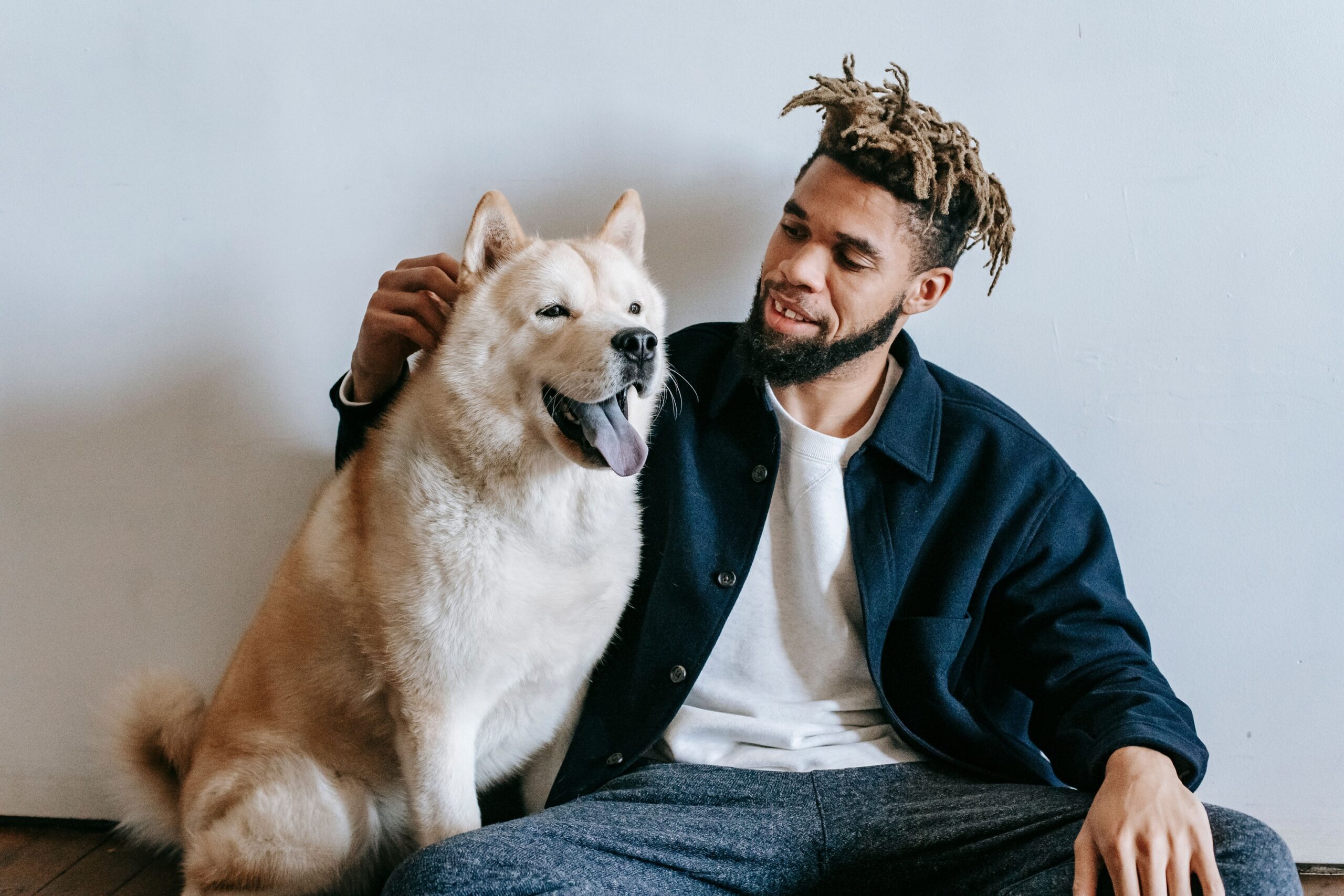
As our loyal canine companions grow older, many dog owners notice a heartwarming transformation: their once independent pups become increasingly affectionate, seeking more closeness and comfort. This shift isn’t merely anecdotal; it’s deeply rooted in the psychological and physiological changes that occur as dogs age. Let’s delve into the reasons behind this endearing evolution.
Emotional Security in Familiar Bonds
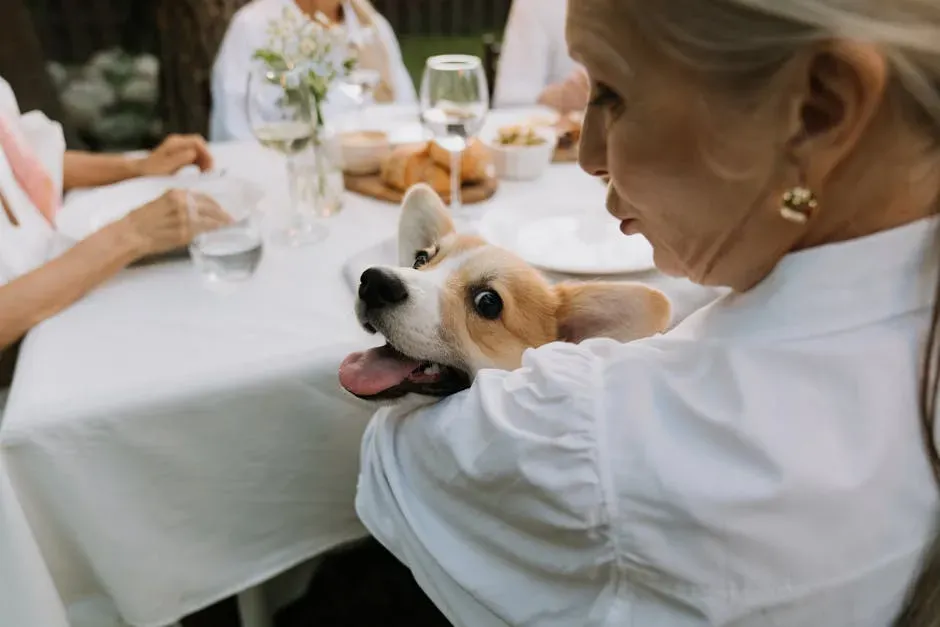
As dogs age, they often develop a heightened sense of attachment to their human companions. This deepening bond is a natural progression, reflecting the years of shared experiences and mutual trust. Older dogs may seek more physical closeness, such as resting their heads on their owner’s lap or following them from room to room, as a way to reinforce this connection.
This increased affection can be likened to the comfort humans find in long-standing relationships. Just as people often turn to trusted friends and family for support in later years, dogs too lean on their human families for emotional security as they navigate the challenges of aging.
Physical Changes and the Need for Comfort
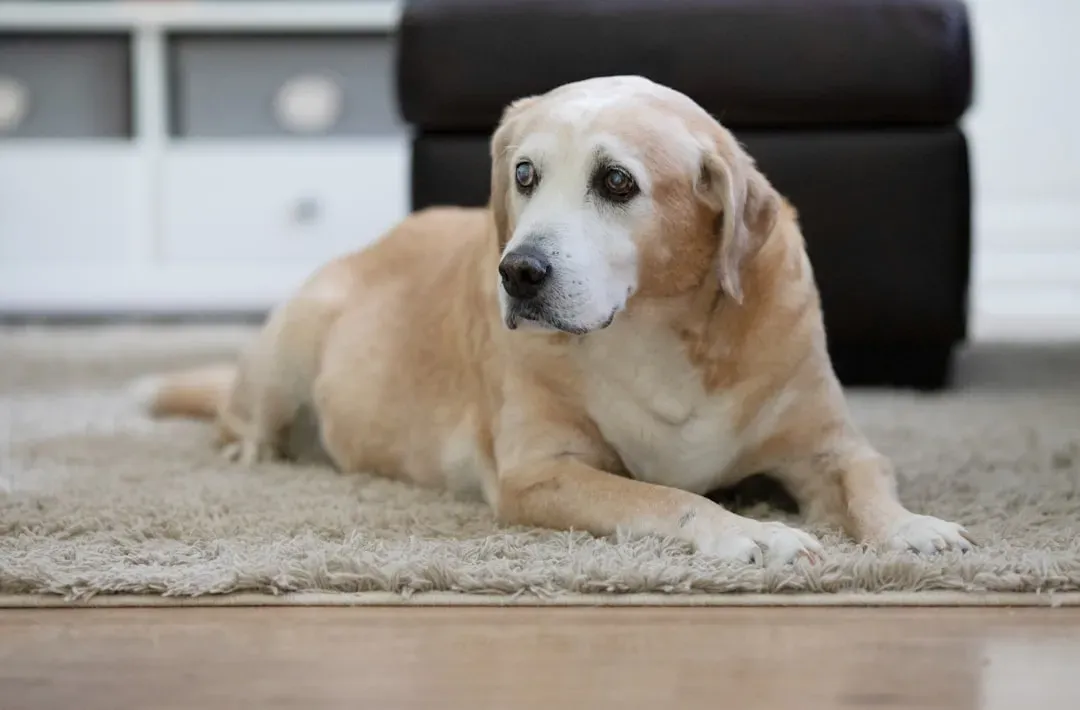
Aging brings about various physical changes in dogs, including joint stiffness, reduced mobility, and general discomfort. These physical challenges can make dogs more inclined to seek the soothing presence of their owners. The warmth and gentle touch of a familiar human can provide significant relief and reassurance to an aging dog.
For instance, a senior dog with arthritis might prefer lounging beside their owner on the couch rather than engaging in strenuous activities. This behavior isn’t just about seeking warmth; it’s a way for the dog to find solace and ease in the presence of someone they trust.
Cognitive Changes and Increased Dependence
Cognitive decline is a common aspect of aging in dogs, leading to confusion, disorientation, and anxiety. These changes often result in dogs becoming more dependent on their human companions for guidance and comfort. An older dog might become more clingy, following their owner closely to feel secure in familiar surroundings.
This behavior mirrors the way elderly humans might rely more on close family members as they face cognitive challenges. The familiar presence of a loved one provides a sense of stability and reassurance amidst the uncertainties that come with aging.
Decreased Energy Levels and Preference for Calm
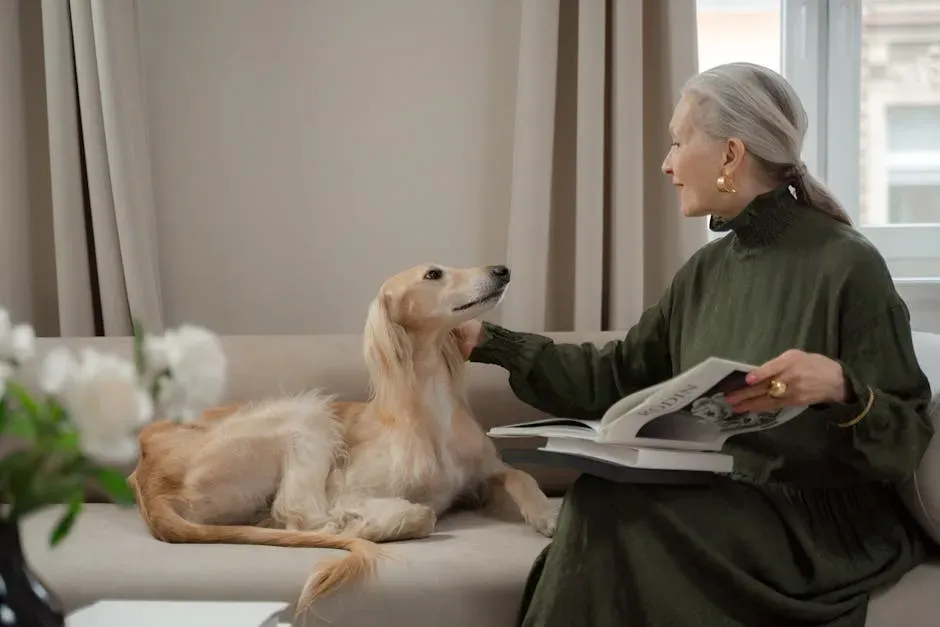
As dogs age, their energy levels naturally decline. High-energy play sessions may give way to more relaxed activities, such as cuddling or simply lying close to their owners. This shift isn’t just about physical limitations; it’s also a reflection of a dog’s changing preferences, favoring calm and comfort over excitement.
Imagine a once hyperactive puppy who now finds joy in quiet evenings by their owner’s side. This transition highlights the evolving nature of the human-dog bond, where companionship becomes more about presence than activity.
Heightened Sensitivity to Environmental Changes
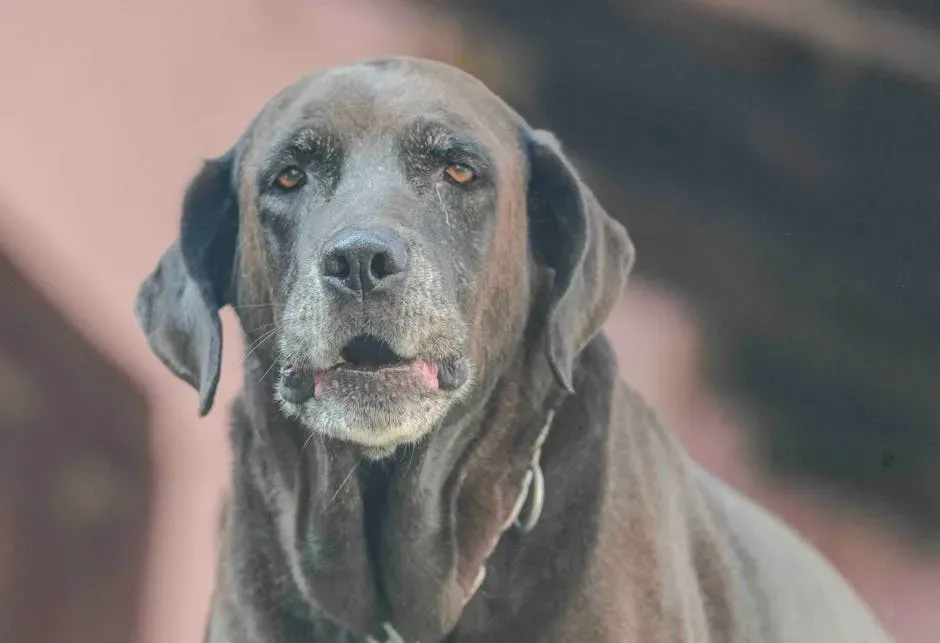
Older dogs often become more sensitive to changes in their environment. Loud noises, unfamiliar visitors, or alterations in routine can cause anxiety. In response, senior dogs may seek the comfort of their owners more frequently, using their presence as a buffer against the stresses of the outside world.
This behavior underscores the role of the owner as a source of stability. Just as a child might cling to a parent in unfamiliar situations, an aging dog looks to their human for reassurance and safety.
Strengthened Bonds Through Shared Experiences
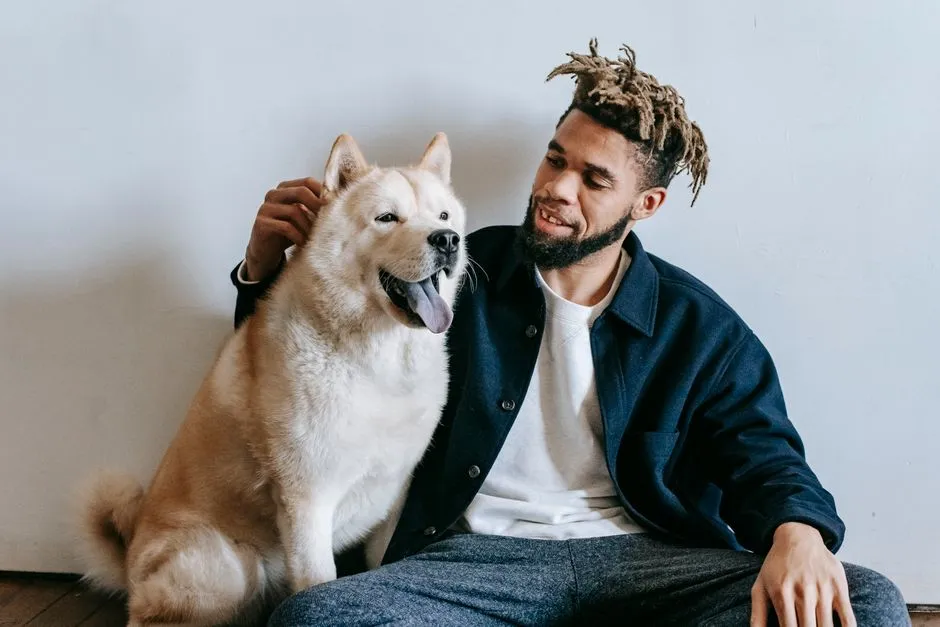
The years spent together create a tapestry of shared experiences between a dog and their owner. These memories and routines build a foundation of trust and affection that deepens over time. As dogs age, they often become more attuned to their owner’s emotions and routines, leading to increased displays of affection.
This mutual understanding can manifest in subtle ways, such as a dog resting their head on their owner’s knee during a moment of sadness or excitement when sensing their owner’s joy. These gestures reflect the profound connection that has been nurtured over the years.
Conclusion: Embracing the Evolving Affection
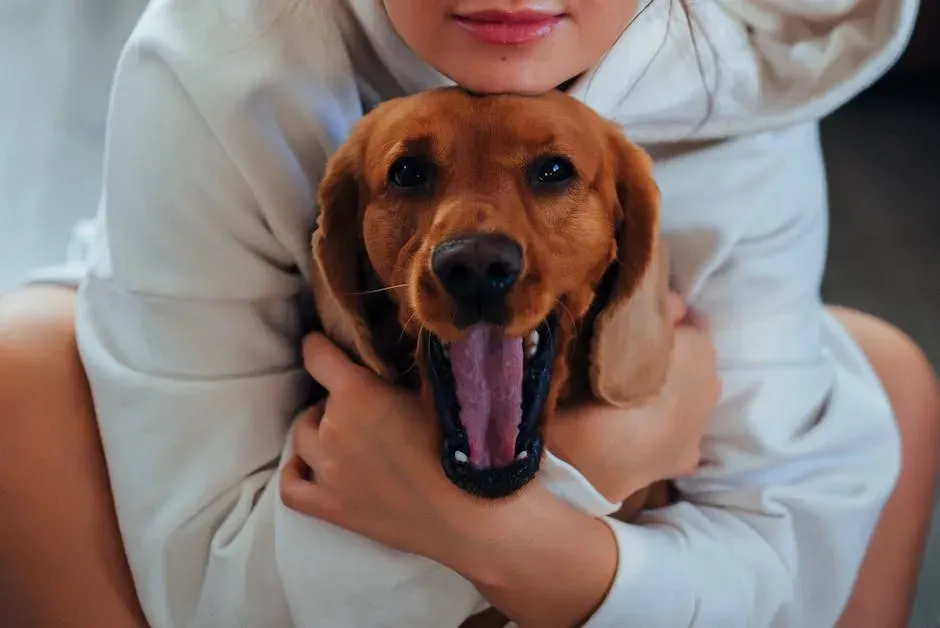
The increased affection displayed by aging dogs is a testament to the enduring bond between humans and their canine companions. It’s a reminder that, as dogs grow older, their need for emotional connection and comfort becomes more pronounced. Embracing this change not only enhances the quality of life for our furry friends but also enriches our own lives with deeper companionship and understanding.
So, the next time your senior dog seeks a little extra cuddle time, consider it a heartwarming sign of the love and trust you’ve built together over the years.


