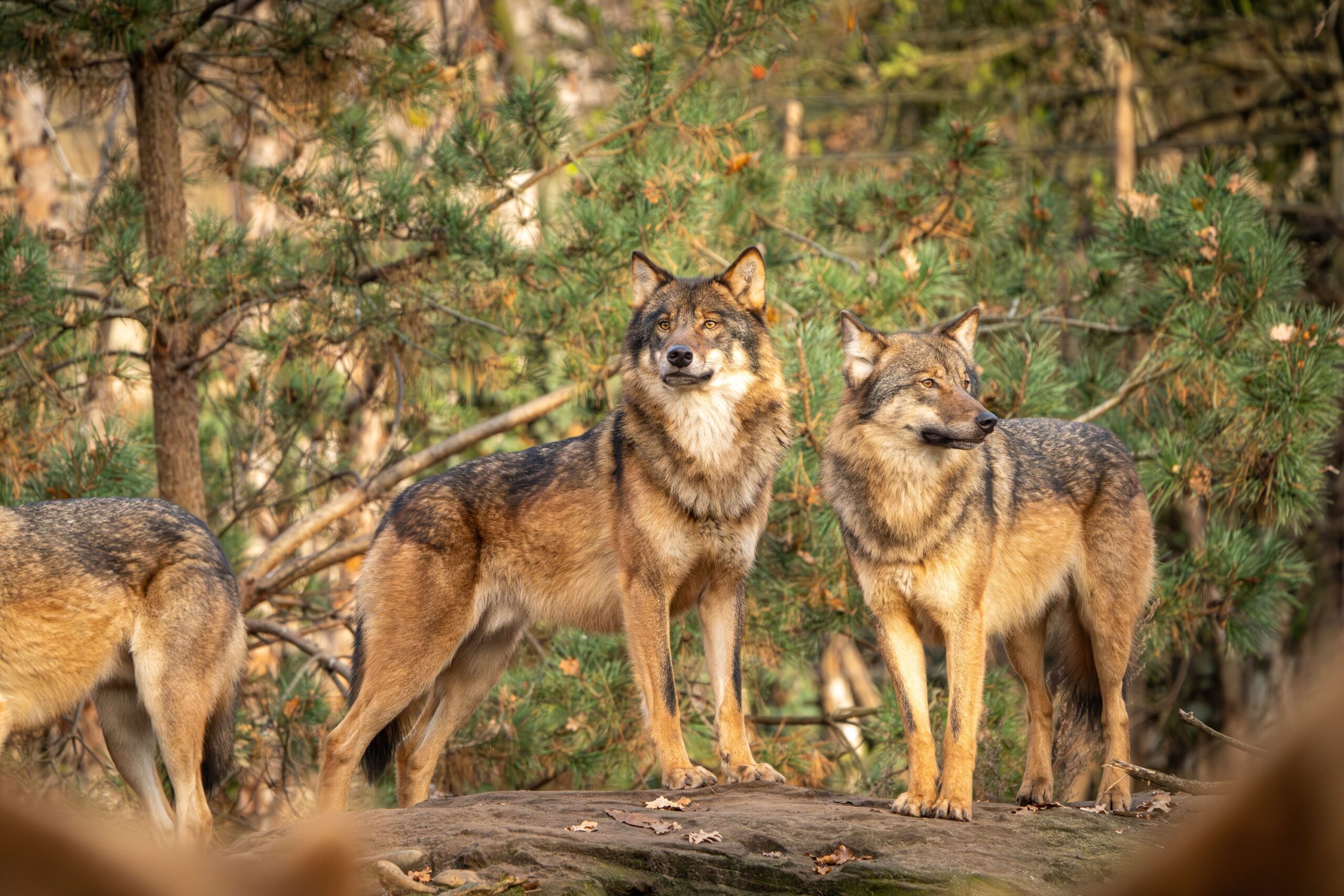
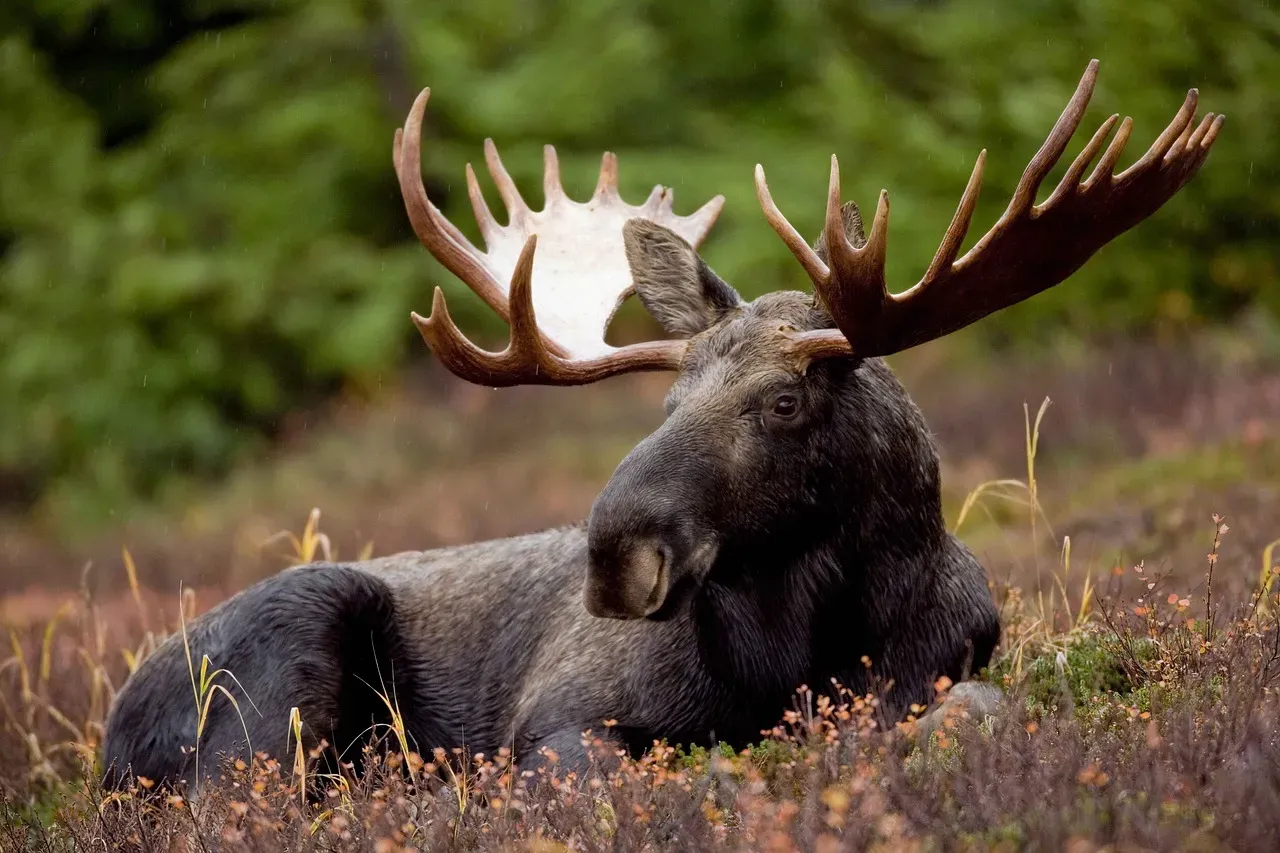
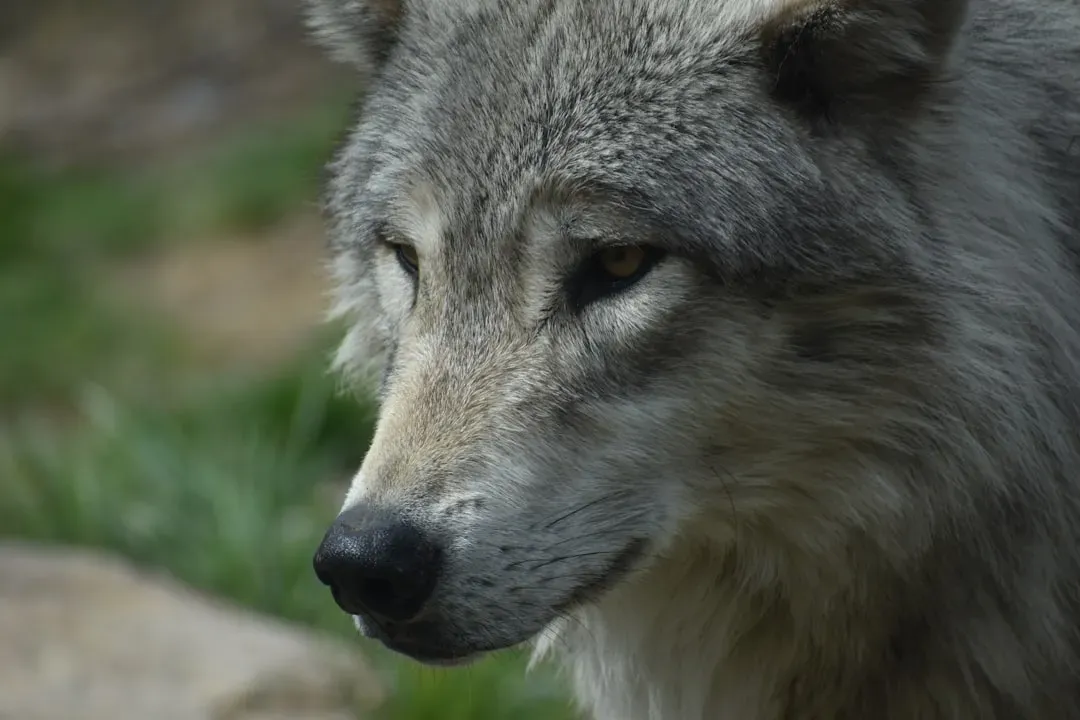
In 1995, Yellowstone National Park witnessed a groundbreaking event: the reintroduction of gray wolves after a 70-year absence. This initiative not only restored a missing predator but also set off a series of ecological transformations that reshaped the park’s landscape and biodiversity. Here are ten fascinating ways wolves have indelibly .
Restoring Predator-Prey Dynamics
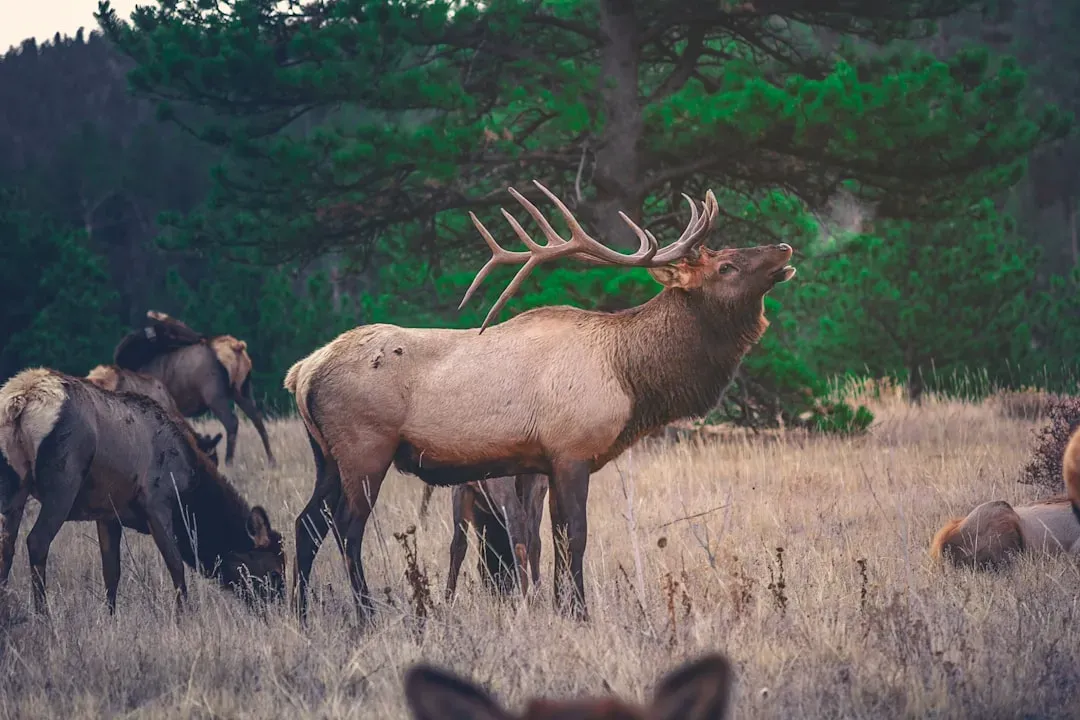
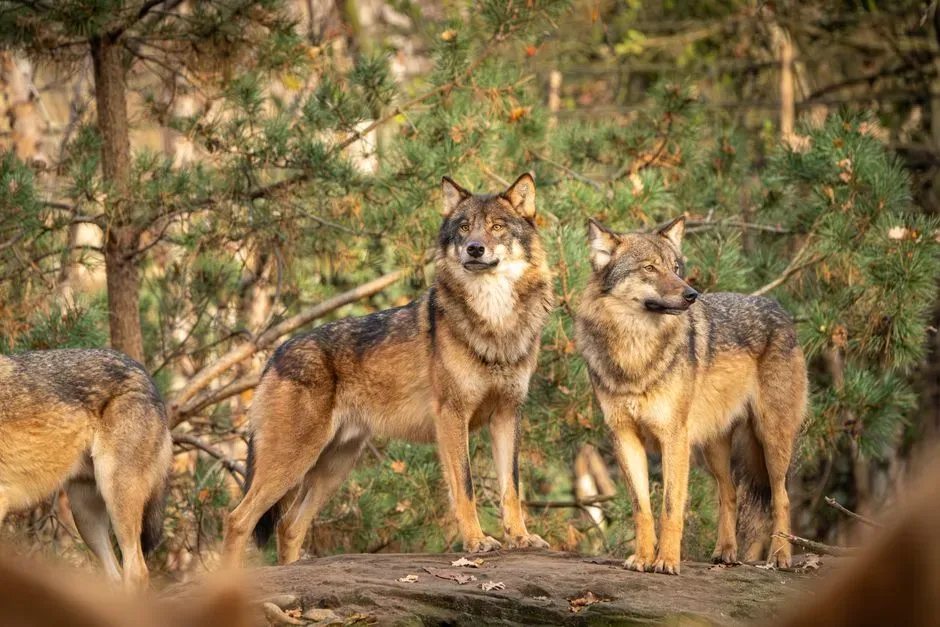
Restoring Predator-Prey Dynamics (Image Credits: Unsplash)Before wolves returned, elk populations in Yellowstone had surged, leading to overgrazing and habitat degradation. With wolves back in the ecosystem, they began preying on elk, naturally controlling their numbers. This predation helped prevent overpopulation and allowed vegetation to recover, showcasing the critical role of predators in maintaining ecological balance.Moreover, the presence of wolves influenced elk behavior. Elk became more vigilant and altered their grazing patterns, avoiding areas where they were more vulnerable to wolf attacks. This behavioral shift further reduced overgrazing in certain regions, promoting healthier plant communities.
Revitalizing Riparian Vegetation
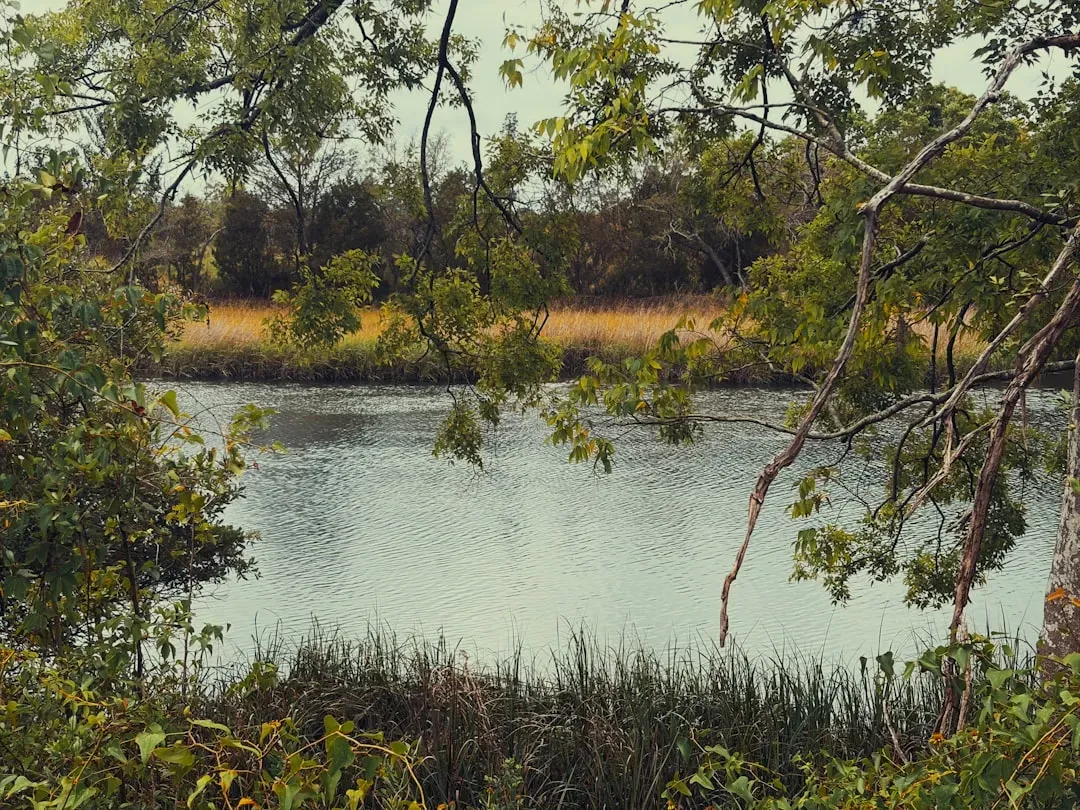
Revitalizing Riparian Vegetation (Image Credits: Unsplash)The unchecked elk population had severely impacted riparian zones, areas adjacent to rivers and streams, by overbrowsing young willow and aspen shoots. With wolves reintroduced, reduced elk numbers and changed grazing behaviors allowed these plants to regenerate. The resurgence of willows and aspens stabilized stream banks, reduced erosion, and improved water quality.This vegetation recovery also provided essential habitat for various species. Birds, insects, and other wildlife that depend on riparian plants for food and shelter began to thrive, enhancing the park’s biodiversity.
Boosting Beaver Populations
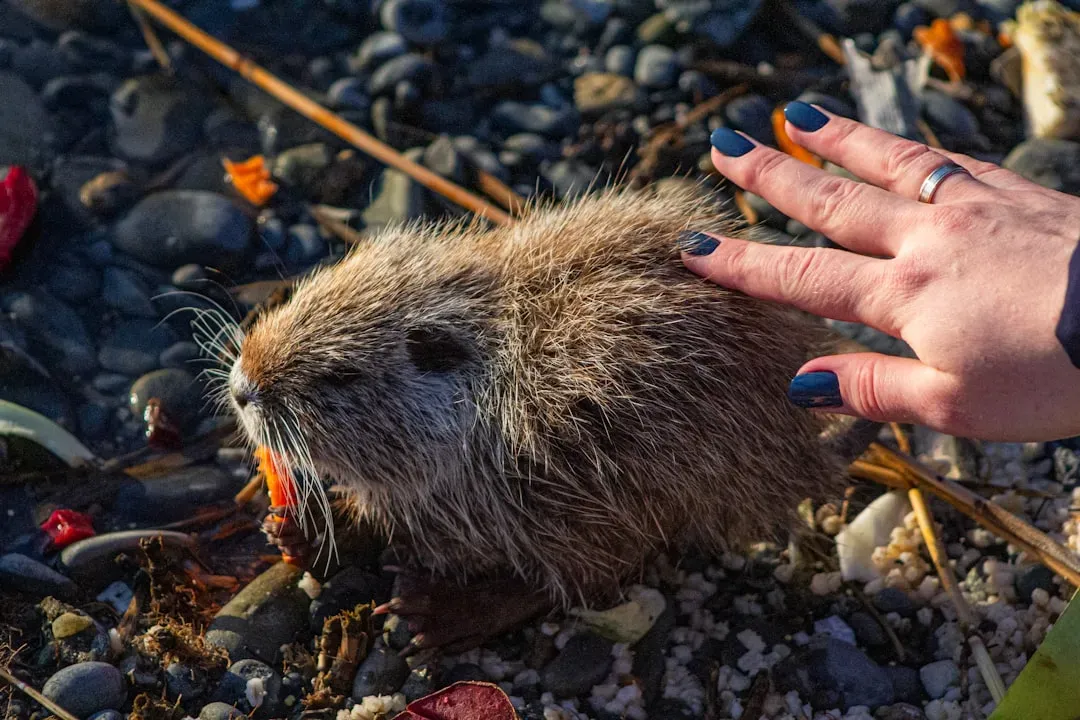
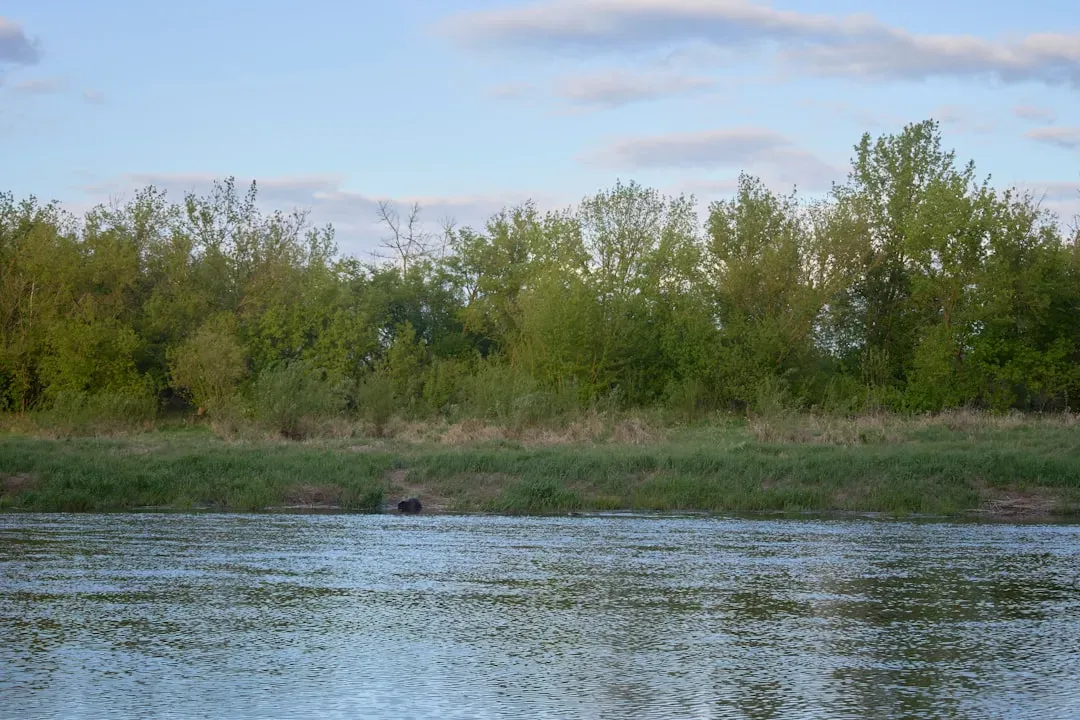
Boosting Beaver Populations (Image Credits: Unsplash)Beavers, known for their dam-building activities, had declined in Yellowstone due to the loss of willow and aspen, their primary food sources. As these plants rebounded following wolf reintroduction, beavers found abundant resources to support their populations. Increased beaver activity led to the creation of wetlands, which serve as crucial habitats for numerous aquatic and terrestrial species.These wetlands also act as natural water storage systems, mitigating the effects of droughts and maintaining stream flows during dry periods. The cascading benefits of beaver resurgence underscore the interconnectedness of species within an ecosystem.
Enhancing Biodiversity
Enhancing Biodiversity (Image Credits: Pexels)The return of wolves initiated a trophic cascade – a series of changes in the food web that affect multiple levels of the ecosystem. By controlling elk populations and behaviors, wolves indirectly facilitated the recovery of various plant species. This vegetation resurgence provided habitats and food sources for a multitude of organisms, from insects to large mammals, thereby boosting overall biodiversity.Additionally, the presence of wolves influenced the behaviors and populations of other predators, such as coyotes. With wolves dominating the landscape, coyote numbers decreased, allowing smaller predators and prey species to flourish, further enriching the park’s ecological tapestry.
Influencing Coyote Populations
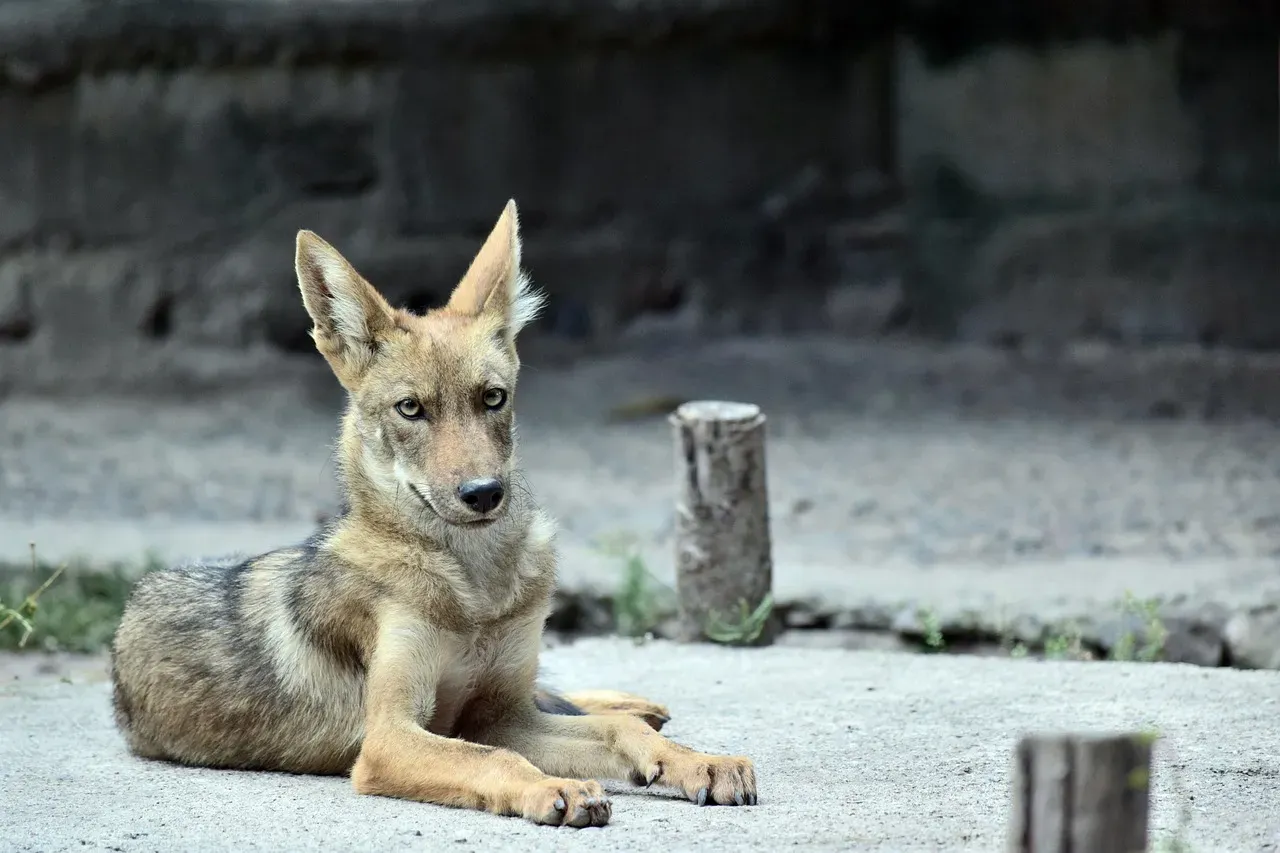
Influencing Coyote Populations (Image Credits: Pixabay)Wolves and coyotes often compete for similar resources. With the reintroduction of wolves, coyote populations experienced a decline due to direct competition and occasional predation by wolves. This reduction allowed for an increase in smaller mammal populations, such as rodents and rabbits, which are prey for a variety of other predators and contribute to the ecosystem’s complexity.The shift in coyote dynamics also had implications for human-wildlife interactions. Fewer coyotes led to a decrease in conflicts with humans and livestock, highlighting the nuanced effects of predator hierarchies on both natural and human communities.
Providing Scavenging Opportunities
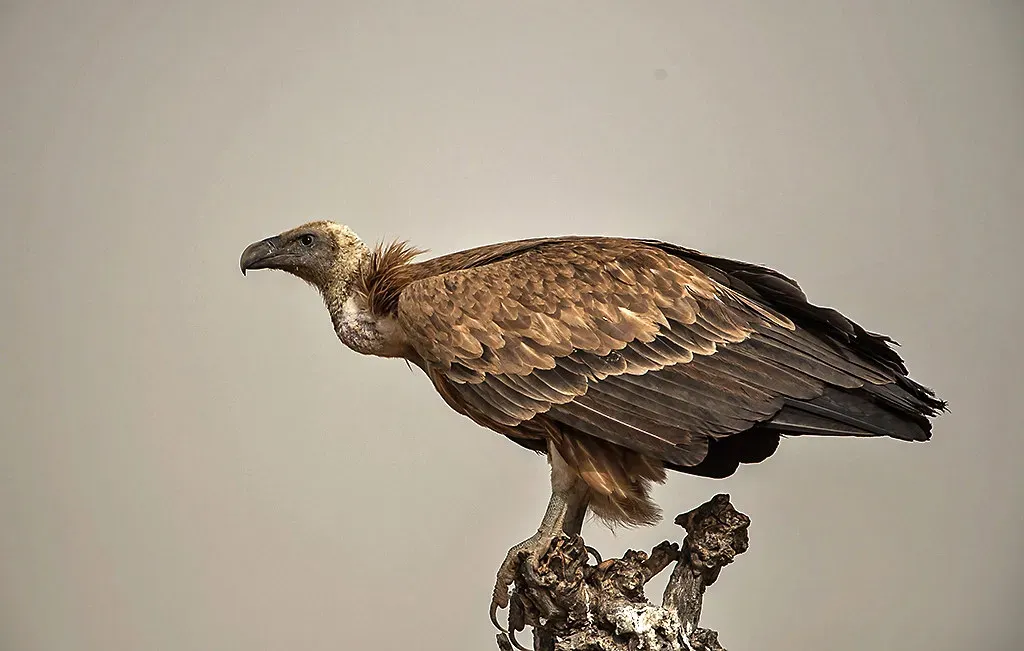
Providing Scavenging Opportunities (Koshyk, Flickr, CC BY 2.0)Wolf kills leave behind carcasses that become vital food sources for scavengers like bears, eagles, and ravens. The availability of these carcasses, especially during harsh winters, supports the survival and health of these scavenger populations. This dynamic illustrates the role of predators in nutrient cycling and energy flow within ecosystems.Furthermore, the presence of carcasses attracts a diverse array of species, creating hotspots of activity and interaction. These sites offer unique opportunities for researchers and visitors to observe complex ecological relationships in action.
Shaping River Geomorphology
Shaping River Geomorphology (Image Credits: Unsplash)The regeneration of riparian vegetation, spurred by wolf-induced changes in elk behavior, has had profound effects on river systems. Stabilized stream banks reduce erosion, leading to clearer waters and more defined river channels. These changes benefit aquatic life and improve the overall health of the park’s waterways.Additionally, the presence of robust vegetation along riverbanks provides shade, regulating water temperatures and creating favorable conditions for fish and other aquatic organisms. This demonstrates how apex predators can influence physical landscape features through their ecological interactions.
Altering Elk Distribution and Behavior
Altering Elk Distribution and Behavior (Image Credits: Pixabay)The fear of predation by wolves has led elk to avoid certain areas, particularly open valleys and riparian zones where they are more vulnerable. This behavioral change has allowed these habitats to recover from overgrazing, promoting plant growth and habitat diversity. The redistribution of elk also affects their interactions with other species and the availability of resources across the park.Moreover, the altered movement patterns of elk have implications for their health and reproduction. By utilizing a broader range of habitats, elk may encounter varied food sources and environmental conditions, influencing their overall fitness and population dynamics.
Educating and Inspiring the Public
Educating and Inspiring the Public (Image Credits: Unsplash)The story of wolf reintroduction in Yellowstone has captivated the public and sparked widespread interest in conservation and ecology. Visitors flock to the park with hopes of glimpsing these iconic predators, boosting ecotourism and local economies. Educational programs and media coverage have used Yellowstone’s wolves as a case study to illustrate the importance of biodiversity and the complexities of ecosystem management.This heightened awareness has led to increased support for conservation initiatives beyond Yellowstone. The success of the wolf reintroduction serves as a beacon of hope and a model for similar